
Reviewed · TOKYO
Tokyo: Matcha Making Experience with Mochi Sweets in Asakusa
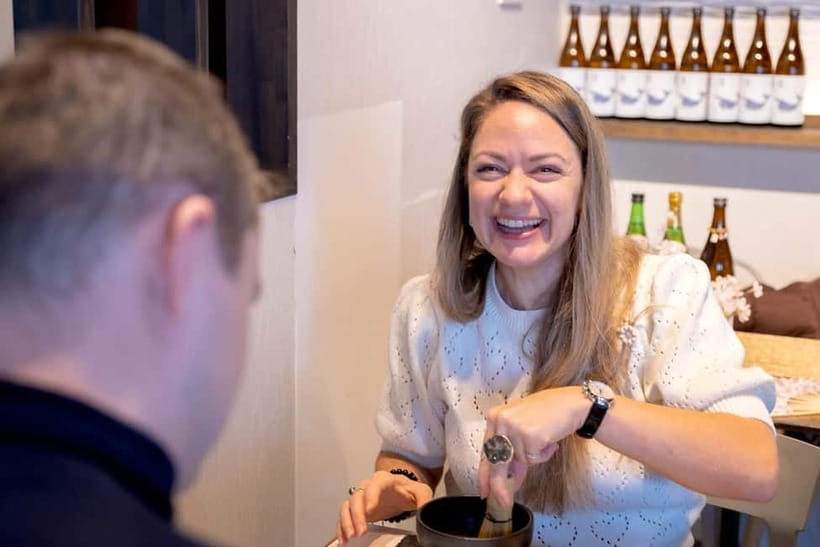
Matcha gets personal in Asakusa. This hour turns tea tradition into something you can actually do, starting with an interactive matcha history quiz and then moving into hands-on whisking with a tea master-style guide (names like Ken show up in the instructor lineup). You also get to drink what you made and eat Japanese sweets right there, instead of just watching.
I like that the class stays light and practical, with clear English cues and lots of hands-on time. The one potential drawback: it’s a short 1-hour session, so it’s more of an intro to matcha technique and culture than a full-length tea ceremony.
In This Review
- Quick hits for your Asakusa matcha hour
- Enter Asakusa: Where matcha meets everyday Tokyo
- Find Relink KAMINARIMON on Kaminari-dori side streets
- The 1-hour flow: quiz, technique, then your own cup
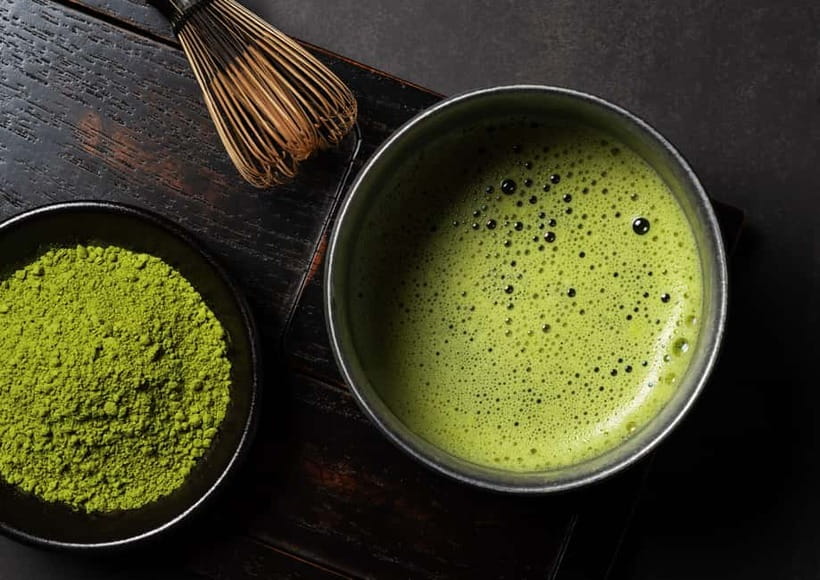
- Whisking matcha the real way: texture, timing, and control
- Mochi sweets and Japanese tea: what to expect with your cup
- The hosts: English guidance with humor (and real patience)
- Price and value: $22 for an Asakusa hands-on class
- Who should book this matcha workshop, and who might skip
- Should you book Matcha Making Tokyo in Asakusa?
- FAQ
- Where is the meeting point?
- How long does the class last?
- What is the price per person?
- Is prior experience needed?
- What language is the instruction in?
- What’s included in the experience?
- Is hotel pickup and drop-off included?
- Can solo travelers join?
- What’s the cancellation and payment flexibility?
Quick hits for your Asakusa matcha hour
- Interactive quiz keeps matcha history from feeling like homework
- Whisking with traditional tools so you learn the actual technique, not just the story
- Sip and sweets pairing: matcha with mochi and other Japanese sweets
- English-speaking hosts who keep things friendly and clear
- Asakusa convenience: about a minute from Asakusa Station, near Tokyo Skytree
- Seated format so you can participate without needing special kneeling skills
Before you commit, see how this one stacks up against a few Tokyo favourites:
- Mt Fuji and Hakone 1-Day Bus Tour Return by Bullet Train★ 5.0 · 26,383 reviews
- 1-Day Tokyo Bus Tour★ 5.0 · 14,250 reviews
- Tokyo: teamLab Planets TOKYO Digital Art Museum Entry Ticket★ 4.6 · 9,779 reviews
Enter Asakusa: Where matcha meets everyday Tokyo
Asakusa is one of those Tokyo areas where old and new share the same sidewalk. You’re in Honshu, Japan, and the class is positioned in traditional Asakusa, not across town in some far-off food mall. That matters, because you can step out afterward and keep exploring while the tea experience is still fresh.
The vibe of this class is intentionally approachable. Even if you’ve never made matcha, you’re guided through what to do and why you’re doing it. The interactive format helps you pick up the culture side too, including basics like tea etiquette and how matcha is served.
Your final takeaway isn’t just a photo. It’s muscle memory: the way you whisk, the texture you’re aiming for, and the idea that matcha can be enjoyed without masking it with sugar. That’s the kind of knowledge you’ll actually use later when you try making matcha at home.
Find Relink KAMINARIMON on Kaminari-dori side streets
Getting there is straightforward. The meeting point is 1 minute from Asakusa Station at Relink KAMINARIMON building 6F. If you like arriving early and not stressing, aim to be there a little before your start time and take a minute to orient yourself.
The exact coordinates are listed as 35.710774, 139.7956532, which is handy if you use a map app and want to navigate with confidence. You don’t need complicated transit planning.
One more practical point: there’s no hotel pickup or drop-off. That’s normal for a class this size, but it’s good to know so you can plan your day with transit in mind. Asakusa is very walkable, and the station proximity makes this easy to slot into a morning or afternoon.
The 1-hour flow: quiz, technique, then your own cup
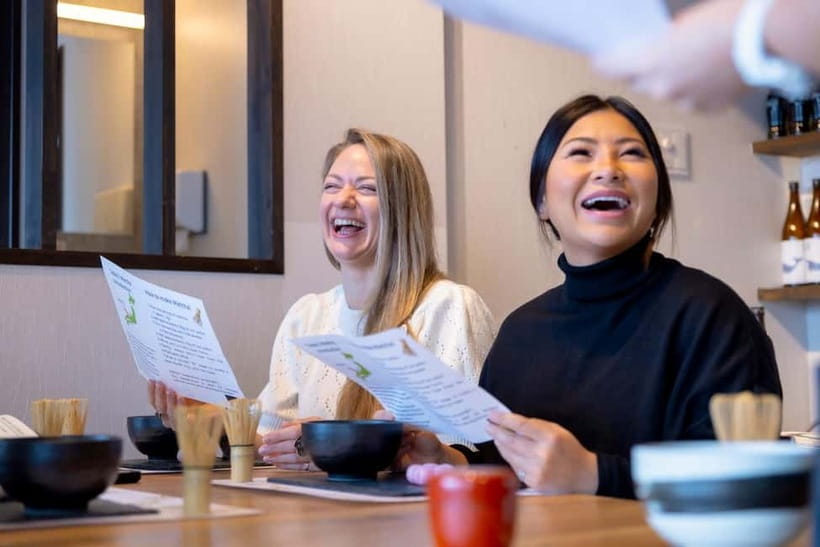
Think of the class like a short sequence with clear pacing. It starts with a lighthearted matcha history quiz, which is a surprisingly effective way to get your brain engaged. Instead of a lecture, you’re learning as you go, and the tone tends to stay playful.
After that, you move into the technique portion. A guide demonstrates how to prepare matcha properly using traditional tools, and then you follow along. Many people like this part because it’s not theoretical. You’re standing over your own setup and getting instructions in English, step by step.
Then comes the part you came for: drinking what you made. You’ll also eat Japanese sweets alongside your matcha. This is where matcha stops being a concept and becomes a taste memory.
The whole thing is built to finish in about 1 hour, which keeps it doable even on a packed Tokyo itinerary. If you’re the type who loves long, slow ceremonial pacing, you might want more than this class offers. But for most people, the timing is a sweet spot.
Whisking matcha the real way: texture, timing, and control
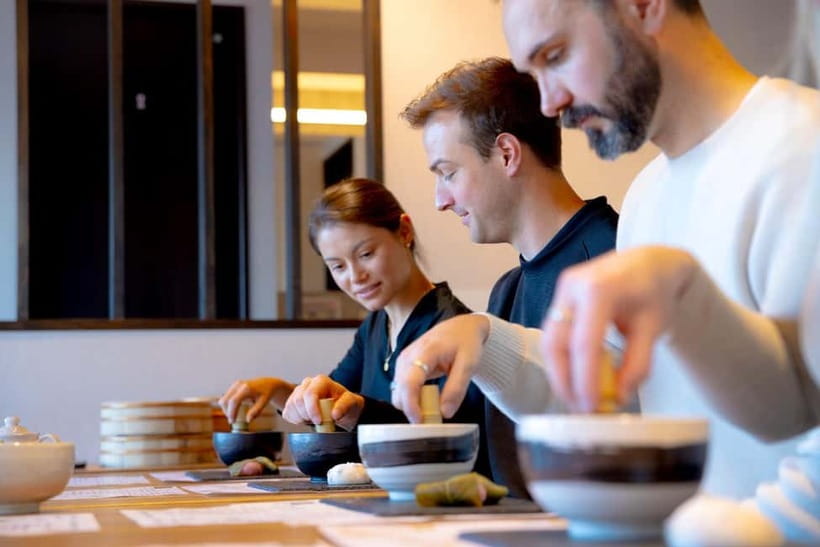
Here’s where the class earns its value. You don’t just learn matcha culture in words; you whisk it yourself with traditional equipment. That hands-on moment is the difference between buying a souvenir and learning a skill.
You’ll get coaching on technique and what to pay attention to while whisking. One detail that stands out in how the class is taught is that the goal is matcha as it’s meant to be served, not watered down for mass taste. People specifically mention that it’s served without sugar, and that changes how you experience the flavor.
Also, the format is set up so most participants can relax and participate. One reason families and older visitors often feel comfortable is that instruction is conducted in a seated environment, rather than requiring tricky kneeling. That means you can focus on learning the whisking motion and not fighting posture.
By the end, you’re not just hoping it tastes good. You understand what makes it work: the mixing, the look, and the feel of the finished matcha.





Mochi sweets and Japanese tea: what to expect with your cup
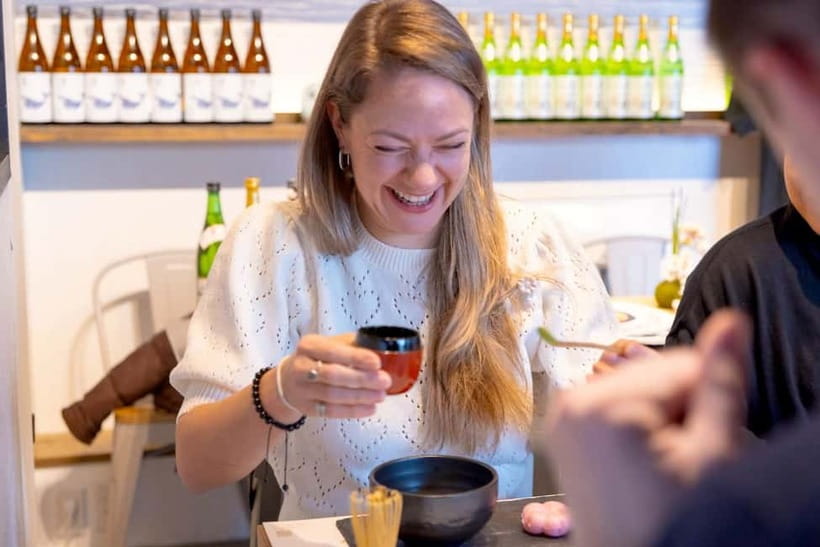
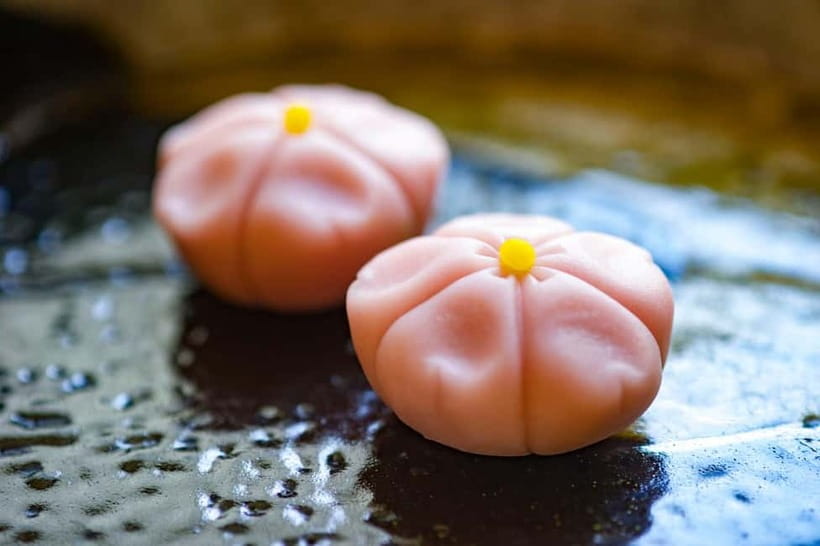
This class pairs matcha with sweets, including mochi sweets (the activity is even framed around them). That pairing matters because matcha’s flavor can be intense—earthy, grassy, and sometimes a little bitter. The right sweet helps balance that without destroying the tea character.
The sweets are served during the tasting portion with local staff close by. It’s not a rushed snack; it’s part of the instruction. You get to learn how people enjoy matcha with treats that complement the bitterness and bring out different notes.
If you’re curious about Japanese desserts beyond the usual vending-machine basics, this is a friendly introduction. You’re not expected to know the names, but you’ll see the logic behind pairing a tea-first drink with a chewy, comforting sweet.
And if you’re matcha-minded, you’ll appreciate the practical angle: making the drink yourself and then tasting it with a traditional-style snack gives you a reference point for what you liked and why.
The hosts: English guidance with humor (and real patience)
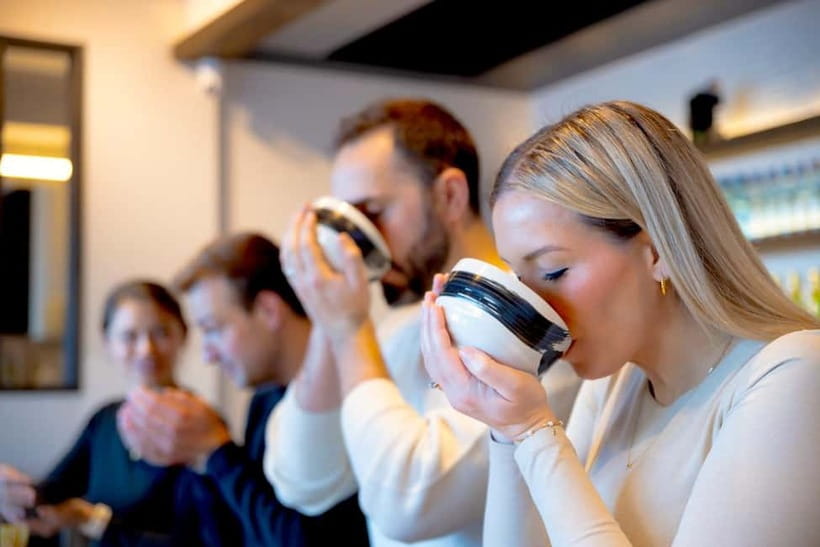
A matcha class lives or dies by the instructor. In this one, the English instruction is paired with personalities that keep the mood upbeat. People mention hosts like Ken, Mana, Hayato, Honoka, Midori, Hiho, and Yui, and the recurring theme is engaging teaching.
You’ll typically get a blend of culture and technique, with room for questions. Some instructors also cover tea ceremony etiquette basics, so you understand how matcha fits into Japanese manners, not just kitchen steps. If you’re worried about being the slow one in the room, you shouldn’t be. Several participants mention patience and step-by-step clarity, which is a big deal in a class where everyone’s hands are new to whisking.
One of the best benefits of the staff approach is how interactive the time feels. The quiz, the hands-on work, and the tasting all create small wins. You leave with a cup you made, a story you can repeat, and a few etiquette notes that make future matcha experiences more meaningful.
Price and value: $22 for an Asakusa hands-on class
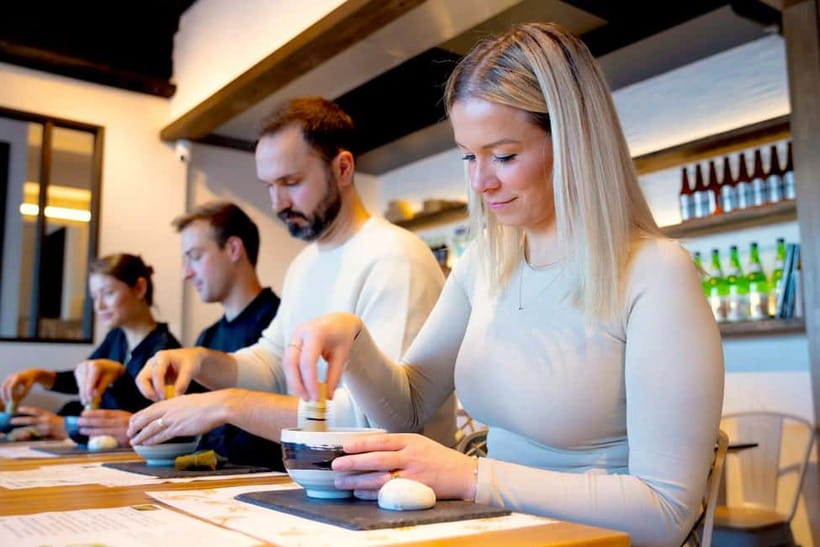
At about $22 per person for 1 hour, the value comes from what’s included: the cooking class, ingredients, and the instructor. You’re paying for guided instruction plus the materials you need to make matcha during the session.
If you’ve priced out DIY matcha experiences, you’ll know the “cheap at home” myth. Tools, ingredients, and learning time add up quickly. Here, you get the full process taught in a set window, and you taste the results immediately.
Also, the location is part of the value. Being close to Asakusa Station and near Tokyo Skytree makes this easy to combine with other sights. You’re spending your time learning, not commuting across Tokyo.
If you end up wanting equipment, there’s also mention of a chance to buy matcha-making tools after the class. That’s useful because it turns the experience into a next step, not a one-off memory.
Who should book this matcha workshop, and who might skip
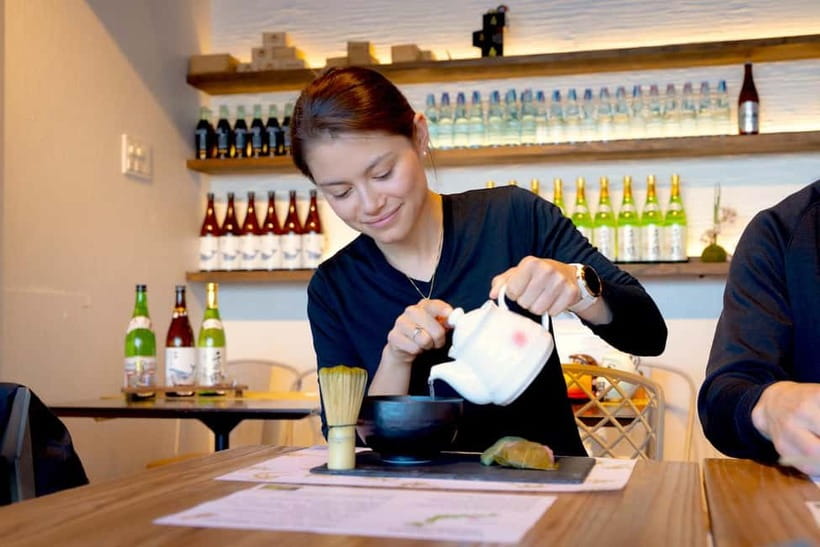
This class fits well if you want a short, friendly introduction that’s hands-on from the start. It’s especially good for:
- People who want English-speaking instruction without feeling lost
- Families looking for a kid-friendly activity that still teaches something real
- Solo visitors who like social energy in a small class setting
- Anyone who prefers a seated experience over kneeling
If you’re the kind of traveler who wants a long, traditional tea ceremony with hours of ceremonial flow, this may feel too brief. At 1 hour, it’s designed as an intro. Think learn-and-do, not master-and-practice for the whole afternoon.
That said, for most people in Tokyo, the time limit is a feature. You get enough technique to improve your next attempt at home, and you get culture context that makes matcha taste more interesting the second you sip.
Should you book Matcha Making Tokyo in Asakusa?
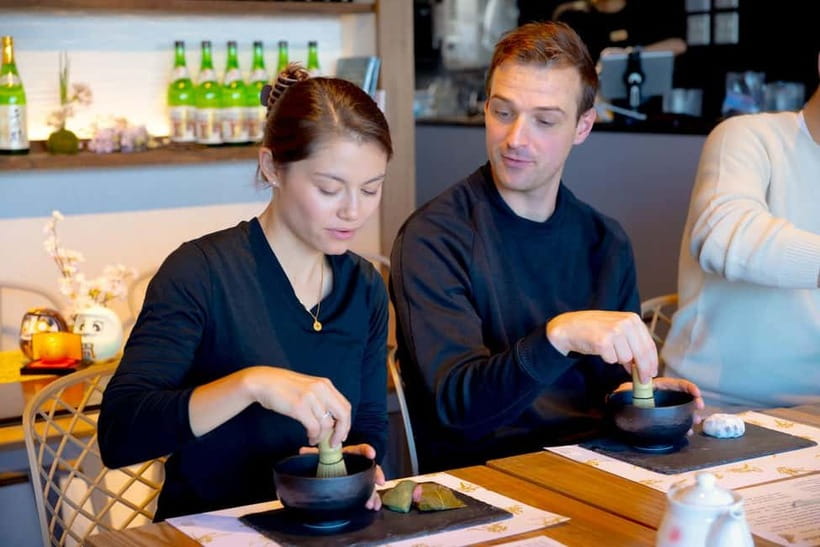
Yes, if you want a practical matcha experience that’s easy to fit into your day and taught in clear English. The combination of quiz-style learning, hands-on whisking, and tasting mochi sweets gives you three different ways to understand matcha, not just one.
I’d especially recommend it if you’re near Asakusa anyway. The meeting point is simple, and the class location keeps you close to Tokyo’s sightseeing flow. If you’re short on time but still want something authentic and skill-based, this is the kind of activity that leaves you with more than a snack.
If you’re strictly seeking a deep, ceremony-only experience that lasts longer than an hour, you might want to pair this with another tea-focused option. But as a first matcha workshop in Tokyo, it’s a very solid call.
FAQ
Where is the meeting point?
It’s 1 minute from Asakusa Station at Relink KAMINARIMON building 6F (coordinates 35.710774, 139.7956532).
How long does the class last?
The experience lasts 1 hour.
What is the price per person?
The price is listed as $22 per person.
Is prior experience needed?
No experience is needed. The local staff guide you in English.
What language is the instruction in?
The instructor teaches in English.
What’s included in the experience?
Included are the cooking class, ingredients, and the instructor.
Is hotel pickup and drop-off included?
No, hotel pickup and drop-off are not included.
Can solo travelers join?
Yes, both groups and solo guests are welcome.
What’s the cancellation and payment flexibility?
You get free cancellation up to 24 hours in advance for a full refund, and you can reserve now and pay later.
More Tour Reviews in Tokyo



Fresh reviews from around Tokyo






Tokyo, compared.
 ★ 5.0Mt Fuji and Hakone 1-Day Bus Tour Return by Bullet TrainFrom $16326,383 reviews
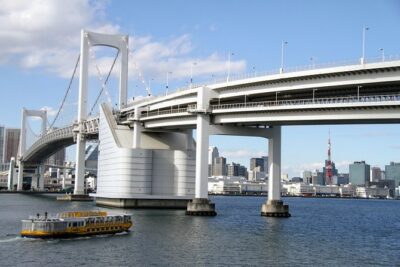 ★ 5.01-Day Tokyo Bus TourFrom $12914,250 reviews
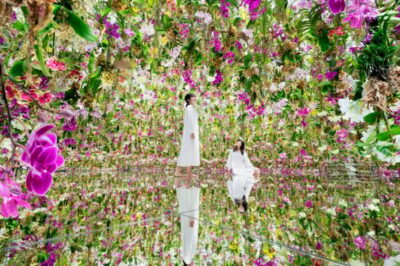 ★ 4.6teamLab Planets TOKYO Digital Art Museum Entry TicketFrom $259,779 reviews
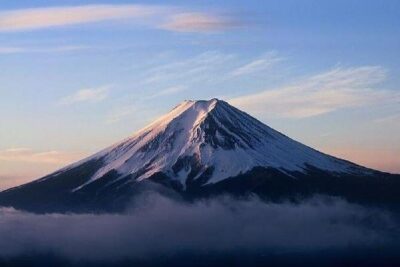 ★ 4.0Mt Fuji & Hakone Cruise, Drum Show Bullet Train 1 Day from TokyoFrom $1497,413 reviews
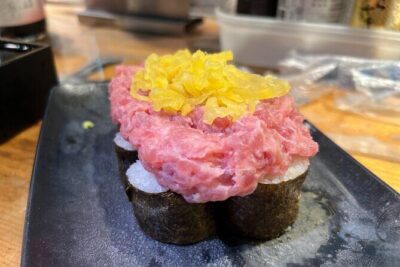 ★ 5.0Shinjuku Food Tour (13 Dishes at 4 Local Eateries)From $866,603 reviews
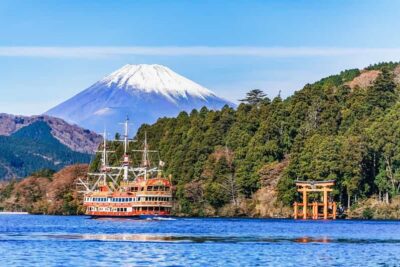 ★ 4.4Tokyo Mt Fuji 5th St & Hakone Cruise Bus Tour w/Bullet TrainFrom $1545,024 reviews
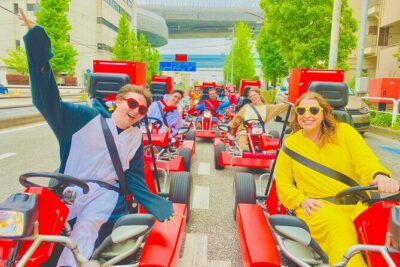 ★ 5.0Flagship 2-Hours Official Street Go-Kart Tour – Tokyo Bay ShopFrom $644,974 reviews
 ★ 4.5From Tokyo: Mount Fuji Full-Day Sightseeing TripFrom $684,970 reviews