
Reviewed · TOKYO
Tokyo: Making a bento box with cute character look
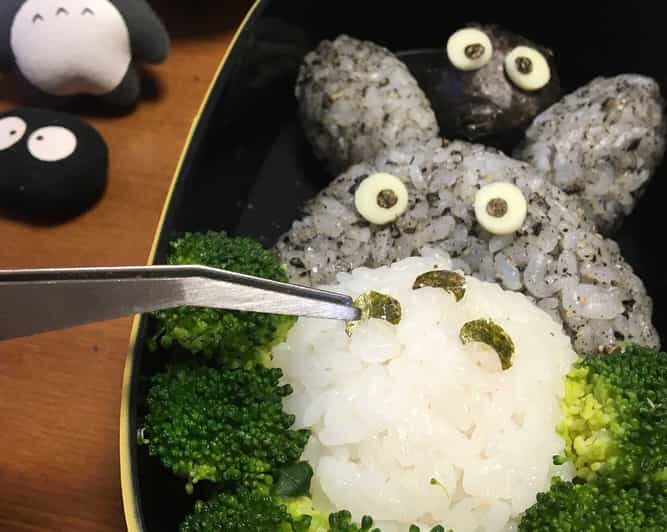
Cute bento, serious technique. A chara-ben class turns a basic lunch format into edible character art, while you’re also learning the practical food skills behind Japanese seasoning and balance. I love the hands-on support you get step by step, and I especially appreciate how friendly the English-speaking instructor feels. The one thing to weigh: it’s not suitable for vegans, so come ready for traditional Japanese ingredients.
You’ll spend about 1.5 hours building your own box of rice and sides, then you get to sit down and eat what you made. It’s the kind of activity that feels creative up front, but pays off with real take-home understanding of presentation and flavor planning.
In This Review
- Key highlights you’ll care about
- Chara-ben Basics: Cute Character Rice with Real Bento Logic
- Where the Studio Lives: Near Shinjuku, Chiyoda, and Minato
- The 11:00–13:00 Cooking Session: Build Your Bento Like a Pro
- What the character part really teaches you
- A quick heads-up on constraints
- What You’ll Learn: Nutritional Balance, Seasoning, and Bento Presentation
- 13:00–13:30 Tasting Time: Eat Your Bento, Sit Down, Chill
- Price and Value: Why $90 Works (If You Want Skills, Not Just Fun)
- Tips to Get the Most from Your Bento Workshop
- Who Should Book This Tokyo Chara-ben Class
- Should You Book This Tokyo Chara-ben Class?
Key highlights you’ll care about
- English instruction you can actually follow, from first steps to finishing touches
- Chara-ben cooking support that keeps your character look on track
- Balanced bento thinking, not just cute plating
- You eat your meal together, right after you finish cooking
- Ingredients and beverages included, so you’re not piecing together the plan
Before you commit, see how this one stacks up against a few Tokyo favourites:
- Mt Fuji and Hakone 1-Day Bus Tour Return by Bullet Train★ 5.0 · 26,383 reviews
- 1-Day Tokyo Bus Tour★ 5.0 · 14,250 reviews
- Tokyo: teamLab Planets TOKYO Digital Art Museum Entry Ticket★ 4.6 · 9,779 reviews
Chara-ben Basics: Cute Character Rice with Real Bento Logic
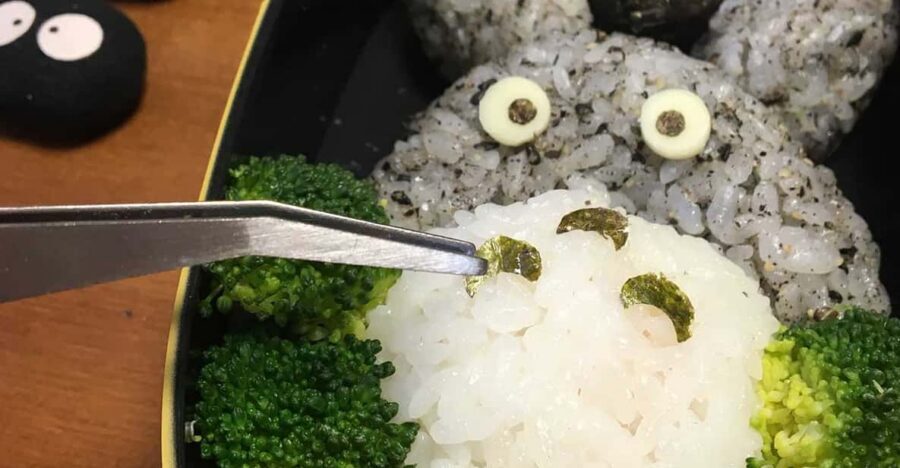
A chara-ben is a bento box where the rice and sides are shaped (and arranged) into a character-like look—usually with simple, recognizable details. It sounds like pure craft, but the best part is that the cooking process forces you to think like a Japanese home cook: portioning, seasoning, and building a meal that makes sense in a single box.
The class format keeps it approachable. You’re not expected to be a sushi chef or a food artist. Instead, you learn how to create that character effect using food you can handle and flavors you can actually taste. I like this because it turns the creativity dial up without turning the difficulty dial into something stressful.
And there’s a bonus angle you don’t always get with “cute food” workshops: you also get guidance on nutritional balance and why certain sides work beside rice. That means your bento isn’t just pretty—it’s structured.
Where the Studio Lives: Near Shinjuku, Chiyoda, and Minato
This workshop runs out of cooking studios in three areas: near Shinjuku, Chiyoda, and Minato wards in Tokyo (Honshu). You won’t get the exact address immediately on every booking—your confirmed details are sent about 3 days prior, and you’ll want to wait for that message before you set your route.
Why this matters: those wards cover a lot of ground. If you plan your day around the class, don’t lock in a “Google Map address” based on what you might see elsewhere. Come to the studio indicated in your confirmation and aim to arrive before the start time so you can settle in.
No hotel pickup or drop-off is included. That’s typical for hands-on cooking classes, but it means you’ll want to build in transit time and keep it simple with public transport or a short walk from a nearby station.
The 11:00–13:00 Cooking Session: Build Your Bento Like a Pro
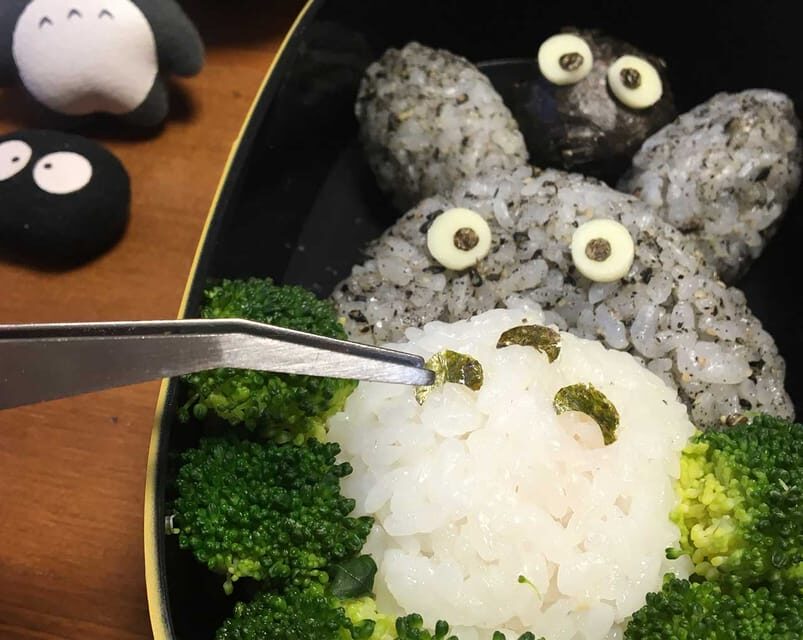
Your main cooking block runs roughly 11:00 to 13:00, and this is where the workshop earns its value. You’ll work through the process of preparing the components that go into your chara-ben—especially the rice part and the side dishes that make the character “read” in the box.
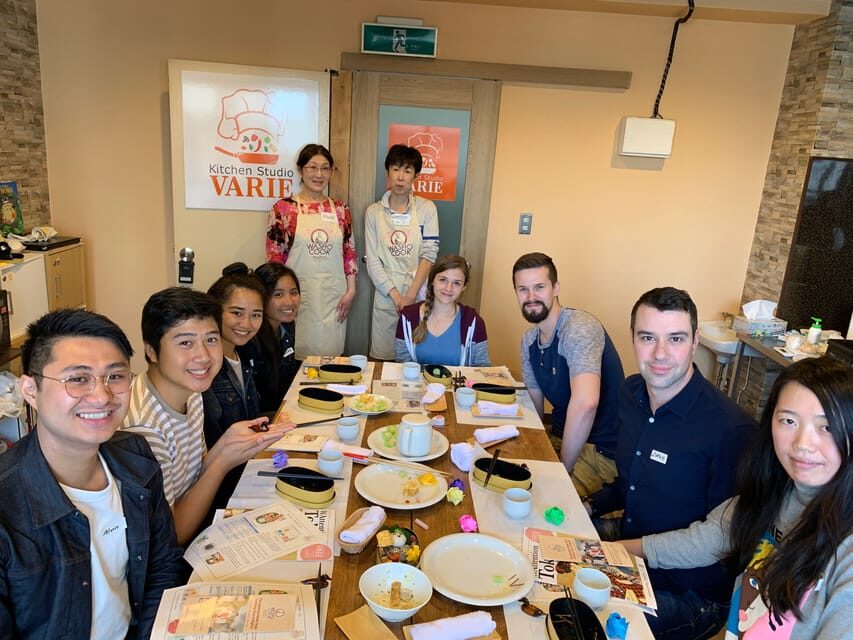
The class is taught by an English-speaking instructor, and the pace is designed for real learning, not just watching. I like that the support is described as hands-on in a friendly way. In practice, that usually means you’re not stuck guessing when you’re shaping, arranging, or seasoning.
You’ll also get all the essential inputs: ingredients are included, so you’re not buying random items in a panic. That’s a big deal in Tokyo, where convenience stores and specialty shops can be fun but also time-consuming. Here, you show up and cook.
What the character part really teaches you
The fun is the character look—but the technique underneath is about control:
- How you portion rice so it holds its shape
- How you arrange sides so they look intentional, not random
- How seasoning affects the way different components taste together
Even if your character doesn’t look identical to your imagination, you’ll still leave with a clear understanding of how the “magic” is done. That’s the difference between a craft session and a food skill session.





A quick heads-up on constraints
The class doesn’t fit everyone. It’s not suitable for vegans, and it’s also not set up for children under 3 years old. People with back problems may find the format challenging, since cooking studios typically involve standing, sitting, and working close to your setup for a while. If you have mobility limitations, plan for a steady, seated work period, but don’t assume wheelchair-friendly setups are guaranteed beyond what’s stated.
What You’ll Learn: Nutritional Balance, Seasoning, and Bento Presentation
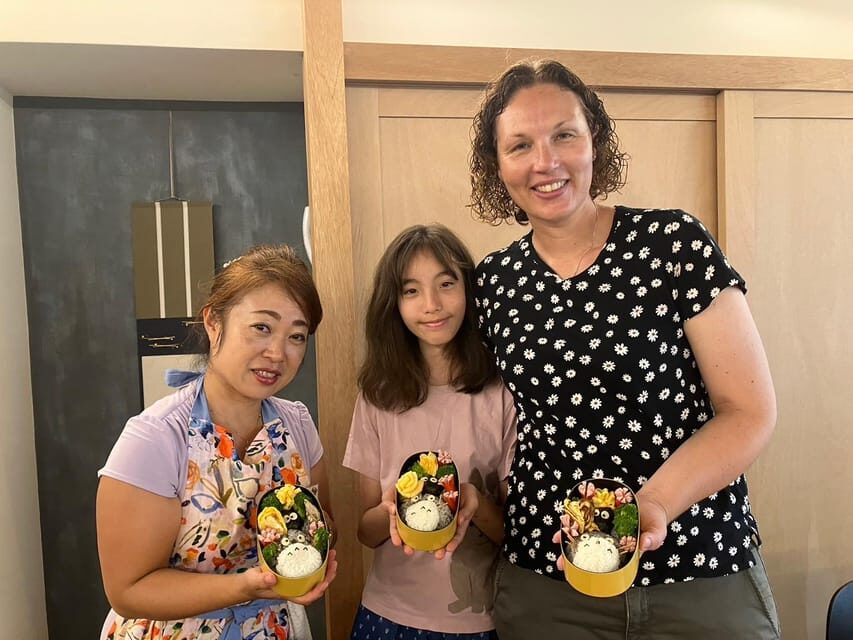
Bento in Japan is more than a lunch container. A good bento is planned like a mini meal with thought behind it: textures that contrast, flavors that don’t clash, and portions that keep things satisfying.
This workshop explicitly includes insights into nutritional balance, seasoning, and food presentation. Here’s why that matters for you, even if you only care about going home and cooking for friends:
- You’ll get ideas for how to pair rice with sides without making everything taste the same
- You’ll learn why seasoning is timed and balanced, not thrown on at random
- You’ll see how presentation affects the overall enjoyment of the meal
The character theme helps with focus. When you’re aiming for a cute look, you pay attention to placement and shape, which naturally improves how you handle food. Then the instructor’s guidance turns that into a practical method you can reuse.
I also like that this isn’t positioned as a purely visual exercise. The notes you take away are about taste and structure. If you’ve ever felt like you can cook components but don’t know how to combine them into one satisfying lunch, this is the kind of framework that helps.
13:00–13:30 Tasting Time: Eat Your Bento, Sit Down, Chill
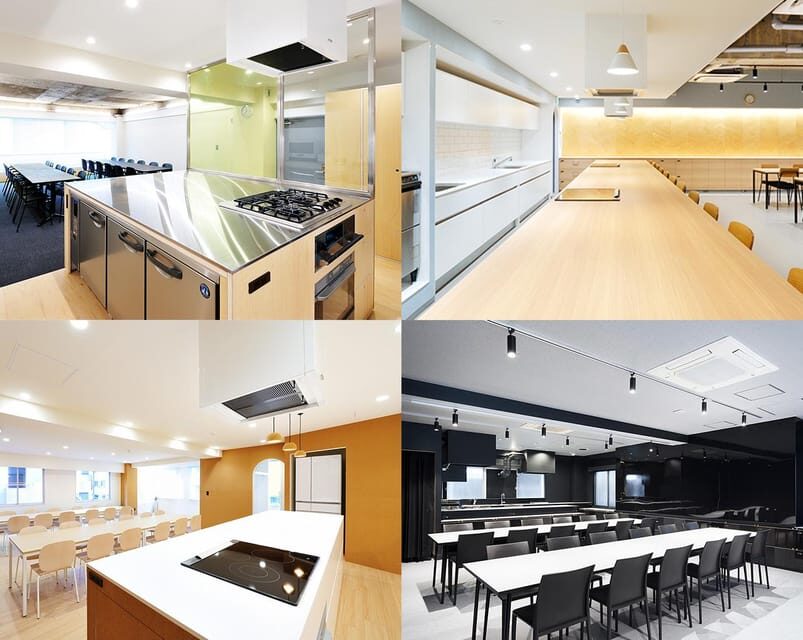
After cooking, you’ll have about 13:00 to 13:30 tasting time. This is when the class shifts from “maker mode” to “enjoy mode.” You sit down and eat the home-cooked meal you produced.
This part is underrated. Many activities rush you out after the cooking. Here, you get the payoff moment: you finally taste your seasoning decisions and see how the rice and sides work together in the real setting they were designed for—inside a bento box.
And because beverages are included, you can settle in without having to scramble for a drink right after class. It makes the experience feel complete, not just educational.
Price and Value: Why $90 Works (If You Want Skills, Not Just Fun)
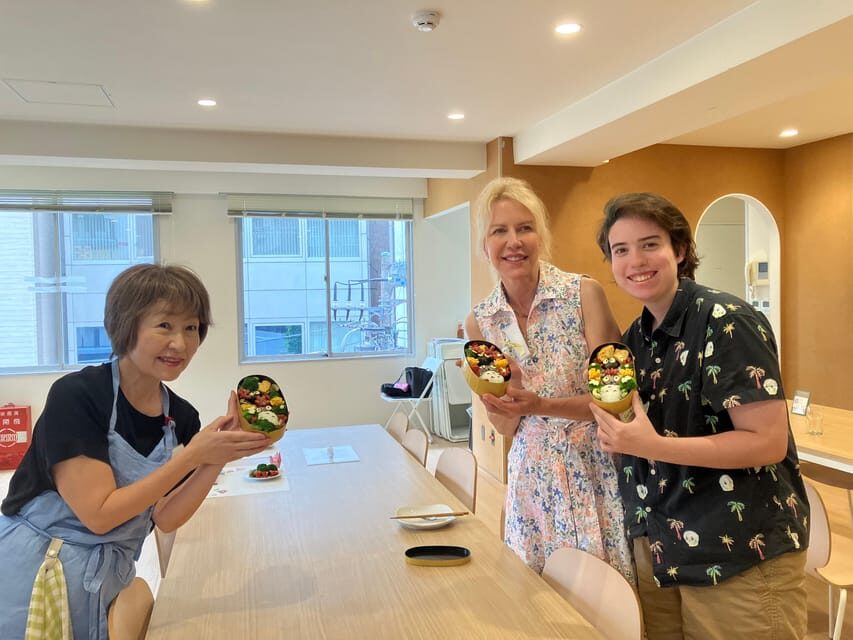
The price is listed at $90 per person for about 150 minutes. That number can look steep at first, especially if you’re comparing it to eating out. But cooking classes are different: you’re paying for ingredients, professional guidance in English, and a meal you actually make and then eat.
Here’s what you’re getting for the money:
- A real hands-on lesson (English instruction included)
- Ingredients prepared for your session
- Beverages included
- Time to tasting your own meal, so it’s not just work without reward
- Structured learning around seasoning and presentation, which you can reuse later
If your goal is simply to take cute photos and snack, you might not find it worth it. But if you want an experience that teaches practical Japanese food balance—and gives you a finished bento to eat—then the cost starts to make sense fast.
Also, Tokyo isn’t cheap. When you factor in the value of taught technique plus included ingredients, this class lands in the “fair” zone for the kind of experience it offers.
Tips to Get the Most from Your Bento Workshop
You can make your experience smoother with a few small moves:
1) Arrive early enough to settle
Studios are near major wards, but you still need time to find the right building and get organized. The class starts at a set time, and you don’t want to feel rushed.
2) Come ready for shaping and arranging
Chara-ben is about rice and side-dish placement. That means some careful handling and patience. The instructor’s support helps, but it still requires your attention.
3) Be honest about dietary needs
Since it’s not suitable for vegans, don’t assume substitutions are available. If you eat meat or fish, you’ll likely be fine. If you’re trying to avoid specific ingredients, check your needs against what’s included and stated.
4) Respect the studio rules
Smoking indoors isn’t allowed. It’s a small rule, but it keeps the space pleasant.
5) Treat tasting time as part of the lesson
Pay attention to how the flavors interact. That’s where the nutritional and seasoning insights start to click.
Who Should Book This Tokyo Chara-ben Class
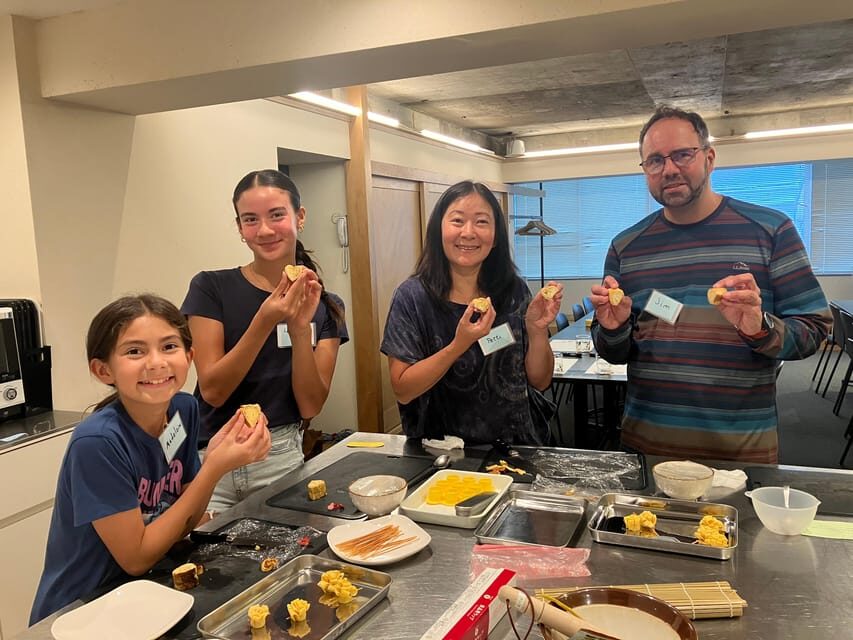
This is a great fit if you:
- Want a hands-on Japan experience that goes beyond sightseeing
- Like food craft, but also want real cooking takeaways
- Prefer an English-speaking instructor and clear guidance
- Enjoy bento culture and want to understand how it’s built, not just eaten
It’s not the best fit if you’re:
- Vegan (it’s listed as not suitable)
- Traveling with a child under 3 years old
- Someone with back problems who might struggle with the studio format
If you’re a solo traveler, the social vibe is likely manageable because you’re focused on cooking. If you’re traveling with a partner, it’s also a fun shared project since you both get to build and eat.
Should You Book This Tokyo Chara-ben Class?
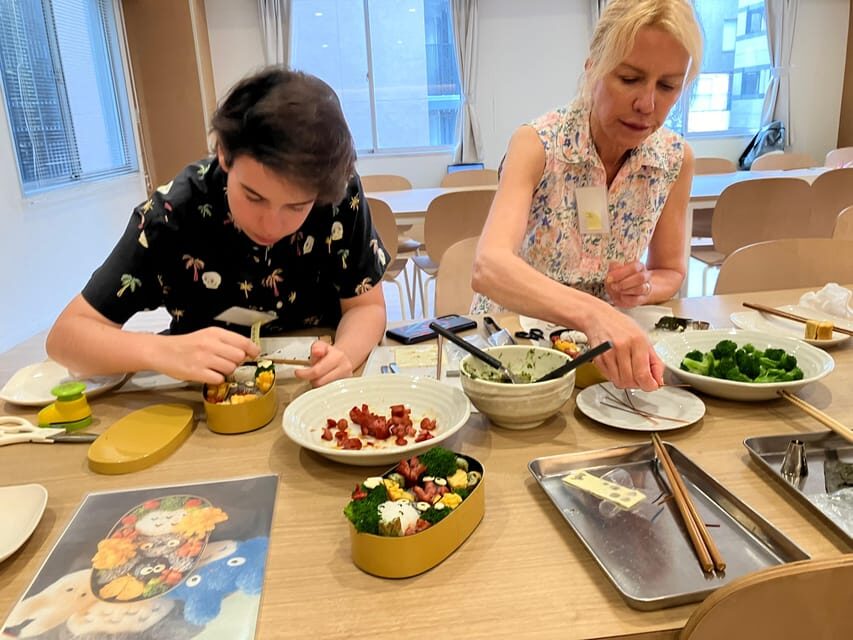
Yes—if you want a hands-on Tokyo meal experience that mixes cute character design with genuinely useful food skills. The strongest reasons to book are the English instruction, the friendly, supportive teaching style, and the fact that you end by eating your own bento rather than leaving hungry.
I’d skip it if vegan-friendly eating is a must, or if you know a studio-based cooking session isn’t realistic for your body. Otherwise, this is one of those activities where the “fun” is real, but the payoff is practical: you’ll walk away knowing how to think about rice, sides, seasoning, and presentation like a Japanese home cook.
If you’re looking for a single memorable food class in Tokyo, this chara-ben workshop is a smart choice.
More Tour Reviews in Tokyo



Fresh reviews from around Tokyo






Tokyo, compared.
 ★ 5.0Mt Fuji and Hakone 1-Day Bus Tour Return by Bullet TrainFrom $16326,383 reviews
 ★ 5.01-Day Tokyo Bus TourFrom $12914,250 reviews
 ★ 4.6teamLab Planets TOKYO Digital Art Museum Entry TicketFrom $259,779 reviews
 ★ 4.0Mt Fuji & Hakone Cruise, Drum Show Bullet Train 1 Day from TokyoFrom $1497,413 reviews
 ★ 5.0Shinjuku Food Tour (13 Dishes at 4 Local Eateries)From $866,603 reviews
 ★ 4.4Tokyo Mt Fuji 5th St & Hakone Cruise Bus Tour w/Bullet TrainFrom $1545,024 reviews
 ★ 5.0Flagship 2-Hours Official Street Go-Kart Tour – Tokyo Bay ShopFrom $644,974 reviews
 ★ 4.5From Tokyo: Mount Fuji Full-Day Sightseeing TripFrom $684,970 reviews