
Reviewed · TOKYO
Tokyo: Local Foodie Adventure near Roppongi
Snack history is the best kind. This Tokyo food adventure in Azabujuban turns a short neighborhood walk near Roppongi into a story of local tastes, old streets, and simple pleasures you can actually remember. You’ll follow an English-speaking guide through a part of town that many people skip, then eat your way through umami favorites.
I love how the tour mixes food with place, not in a lecture-y way. You’ll get to visit shrines and temples for good luck, then connect those stops to how people live and shop there day to day. I also love the focused payoff: exactly 5 different Japanese treats, plus one alcoholic beverage.
One thing to plan around: the food lineup can change based on what stores have available that day. So if you have your heart set on a single item, treat the tour as a tasty surprise, not a guarantee.
In This Review
- Key highlights in Azabujuban
- Azabujuban Near Roppongi: A quieter side of Tokyo food culture
- Meeting at Azabujuban Station Exit 4 and the walk plan
- Shrines and temples for good luck, with neighborhood stories attached
- The 5 Japanese treats: what you’re likely to taste
- Guide Ellen and what makes the tour feel personal
- Sailor Moon inspiration around Naoko Takeuchi’s Tokyo
- Gift shopping in Azabujuban: practical souvenirs with real local flavor
- Alcohol included: how it fits the snack stops
- Price and value: why $71 makes sense for a Tokyo mini-food tour
- Who should book this Azabujuban adventure
- Should you book this Azabujuban local foodie tour?
- FAQ
- What is the meeting point for this tour?
- Where does the tour end?
- How many food items do I get?
- What drinks are included?
- Can the food selection change?
- Is the tour offered in English?
- How big is the group?
- What should I bring?
- Is transportation included in the price?
- What is the cancellation policy?
Key highlights in Azabujuban
- Small group pace (1–4 people) means more time to ask questions and keep up
- Shrines and temples for good luck add meaning to the walk, not just photos
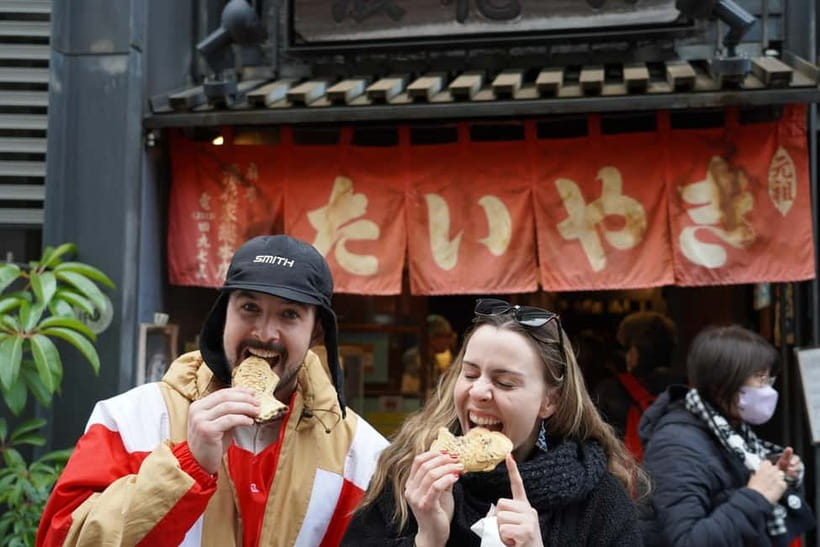
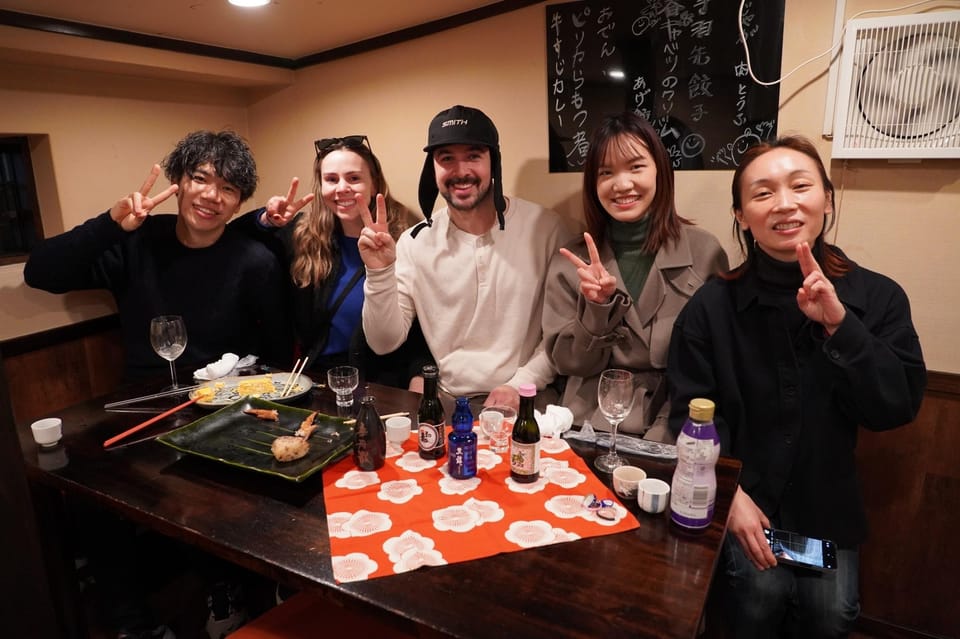
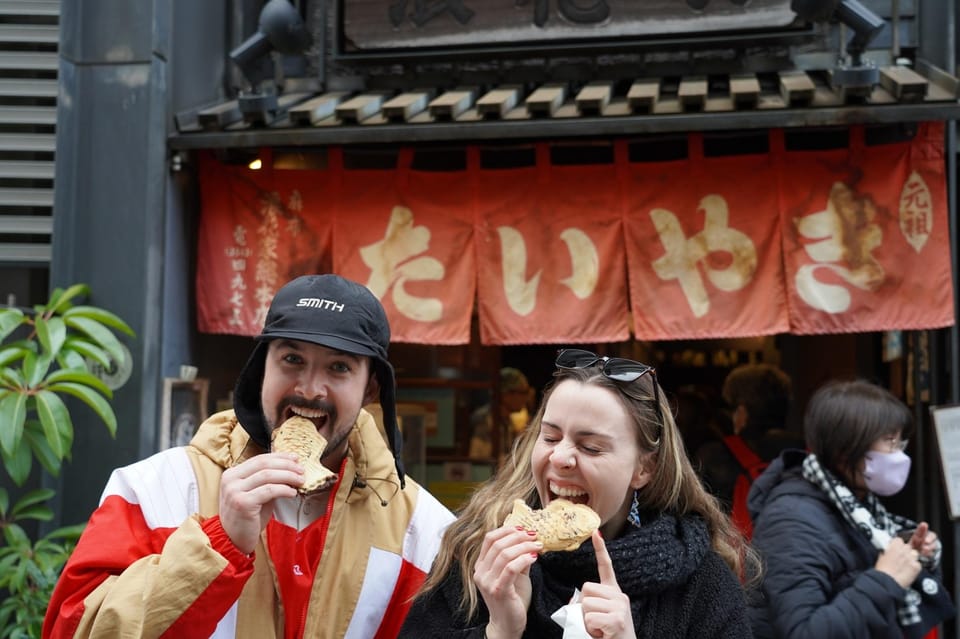
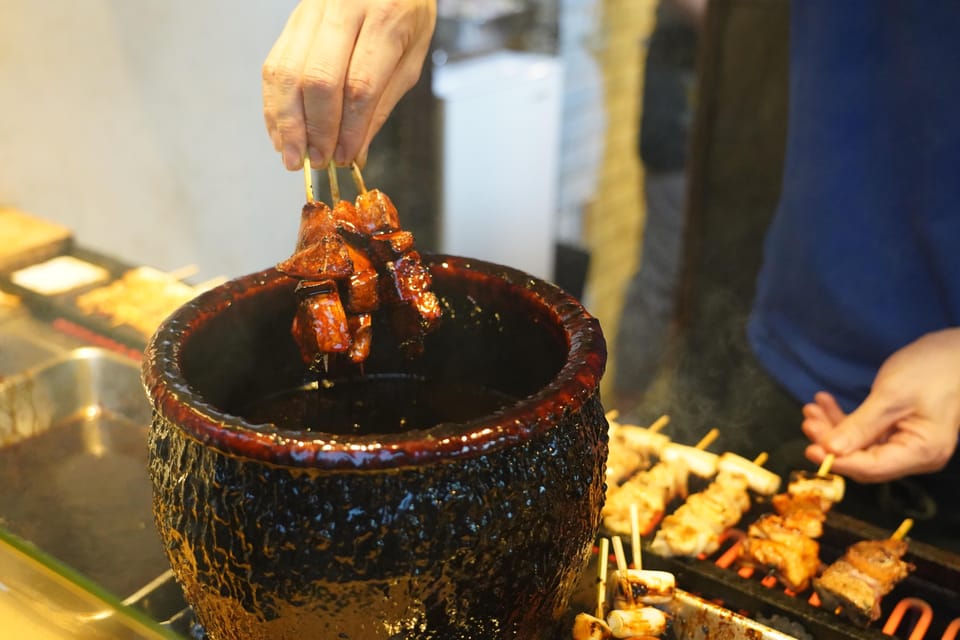
- Five treat stops often include yakitori, mame daifuku, taiyaki, and homemade oden
- Sailor Moon inspiration stops connect Naoko Takeuchi’s world to real streets
- Gift shopping includes unique shops that are part of Azabujuban’s identity
Before you commit, see how this one stacks up against a few Tokyo favourites:
- Mt Fuji and Hakone 1-Day Bus Tour Return by Bullet Train★ 5.0 · 26,383 reviews
- 1-Day Tokyo Bus Tour★ 5.0 · 14,250 reviews
- Tokyo: teamLab Planets TOKYO Digital Art Museum Entry Ticket★ 4.6 · 9,779 reviews
Azabujuban Near Roppongi: A quieter side of Tokyo food culture
Azabujuban is the kind of Tokyo neighborhood that feels made for slower walking. It sits close to the energy of Roppongi, but the streets you cover on this tour have a more local rhythm. The area is famous for long-running shops too, with 300-plus stores that have stayed open for nearly a century.
That matters, because you’re not just collecting snacks. You’re seeing how food, faith, and neighborhood identity all sit in the same space. This is the Tokyo lesson I like most: small, practical details you can feel while you’re there.
If you’re the sort of traveler who likes making Tokyo make sense, this tour gives you names, context, and reasons behind what you’re eating. And if you’re a food-first person, the neighborhood context still pays off because it helps you taste with attention, not autopilot.
Meeting at Azabujuban Station Exit 4 and the walk plan
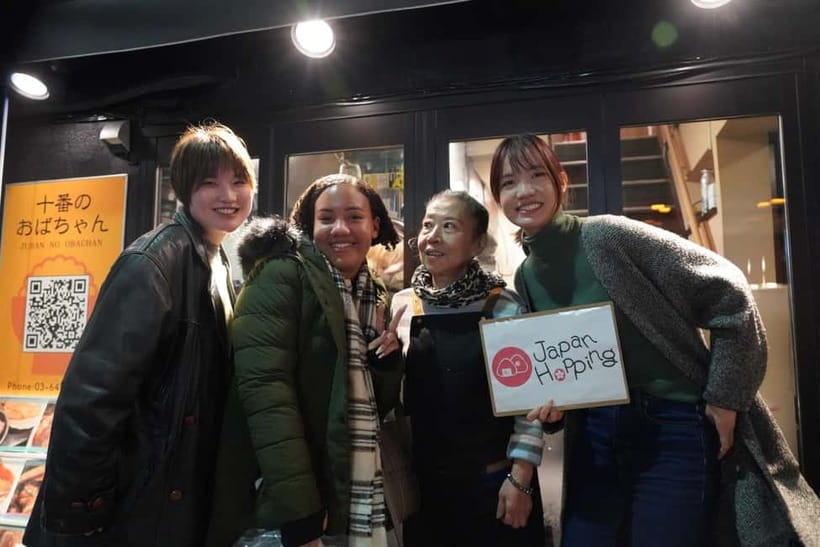
You start at Azabujuban Station, Exit 4. Your guides meet you in front of Oslo Coffee, with the Japan Hopping Tours logo visible, so it’s easy to spot the group.
This is a small-group experience, typically 1–4 people, and that scale changes the vibe. You’re not stuck listening to a guide at the front while you chase your own timing. You can ask questions, request pace adjustments, and get personal attention when a stop is a bit narrow or the food line moves slowly.
The walk includes uneven, city-style foot traffic, so comfortable shoes are your best friend. The tour asks for a moderate physical level, since you’ll be moving around the neighborhood and stopping frequently for tastings.
Also note one practical thing: transportation costs aren’t included. The meeting point is easy to reach by train, but plan to get there on your own.
Shrines and temples for good luck, with neighborhood stories attached
A big part of why I’d recommend this tour even if you’re not a hardcore foodie is the way the guide anchors the meal stops to the neighborhood’s spirit. You visit local shrines and temples specifically for good luck, and you learn how those places connect to the people who live nearby.
This isn’t just a quick photo stop. The tour’s value is that you get to understand why these spots are still meaningful, even in a modern area of Tokyo. You also learn how the surrounding stores and streets grew into what they are today.
It’s a nice balance: one moment you’re thinking about luck and tradition, the next moment you’re choosing what to eat next. If you like experiences that feel human and local instead of museum-like, you’ll probably enjoy this structure.
The 5 Japanese treats: what you’re likely to taste
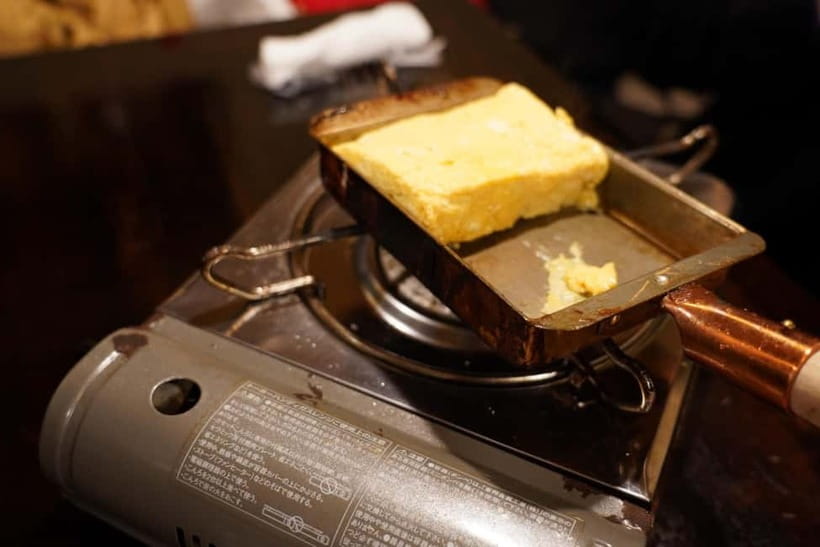
The centerpiece is the food plan: five different Japanese treats, and you also get one alcoholic beverage included. The exact selection can shift day to day based on store availability, but the flavor profile stays consistent: classic, homey, and very Tokyo neighborhood food.
Here’s what you can expect the lineup to often include:
- Yakitori (savory grilled bite)
- Mame daifuku (sweet beans, typically in a soft, small format)
- Taiyaki (crispy-edged, hot-from-the-stove pastry style)
- Homemade oden (comfort food warmth, usually made as a day’s style pot)
- Plus other savory snacks that may include items like omelettes and sushi, depending on what’s available that day
That “selection depends on the day” detail is important for planning your expectations. The tour is designed so the food is enough to fill you up, but you should avoid treating it like a tasting flight where you can sample everything and still eat a full dinner afterward.
What I like about the format is that it’s not random. It’s five targeted bites that cover sweet, savory, and comfort food. So you get variety without turning the tour into a sugary marathon or a full meal overload.
Also, because food and drinks beyond what’s included aren’t part of the package, you’ll probably find yourself stopping only when the guide tells you to. That keeps the walk efficient and keeps the value predictable.





Guide Ellen and what makes the tour feel personal
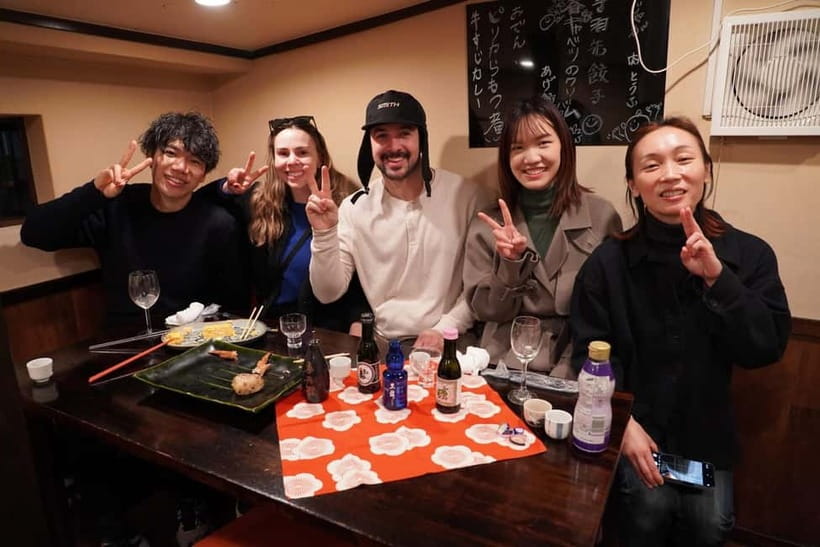
The guide is a huge part of the experience, and one name comes up again and again: Ellen. The theme in the feedback is consistent: Ellen is prepared, friendly, and clearly invested in making the neighborhood make sense.
The practical benefit for you is this: the stops aren’t just fixed landmarks. Ellen can tailor the order and pacing to what the group wants, and she answers questions as you go. That’s especially helpful in a place like Azabujuban, where streets and shop fronts can look similar until someone points out what matters.
You’ll also get more than a speech. You’ll chat with people around the shops and learn how residents think about their neighborhood. It’s one of those experiences where the food is the headline, but the people are the story you remember afterward.
If you prefer tours where the guide actually talks with you instead of reading a script, this one is built for that.
Sailor Moon inspiration around Naoko Takeuchi’s Tokyo
If you’re a Sailor Moon fan, this tour adds a fun layer. You’ll visit real-life places that inspired the setting for manga creator Naoko Takeuchi.
Even without going deep into manga details, the value is that you’re seeing the connection between pop culture and everyday Tokyo. You’re walking real streets, noticing real neighborhoods, and then thinking about how stories borrow from the world around them.
That combination works because it doesn’t turn the tour into a cosplay scavenger hunt. Instead, it uses familiar fandom energy to get you paying attention to the city you’re in.
If pop culture is your entry point, this is one of the better ways to use it without losing the food focus.
Gift shopping in Azabujuban: practical souvenirs with real local flavor
After the tastings, you’ll have time to shop. The tour includes unique stores only found in Azabujuban, which is exactly what I want from a Tokyo food walk that also includes shopping.
The practical advice here: don’t treat shopping as an afterthought. Azabujuban’s identity is tied to shops that have stayed open for decades, so you’ll find items that feel less like generic tourist retail.
Since additional personal expenses aren’t included, you’ll want to set a rough shopping budget in your head before you start. Then you can browse without that stressful feeling of wondering how much everything will cost.
And because this is a small-group tour, you can ask the guide what types of gifts work best, especially edible gifts. That’s one of those little advantages that’s hard to recreate on your own.
Alcohol included: how it fits the snack stops
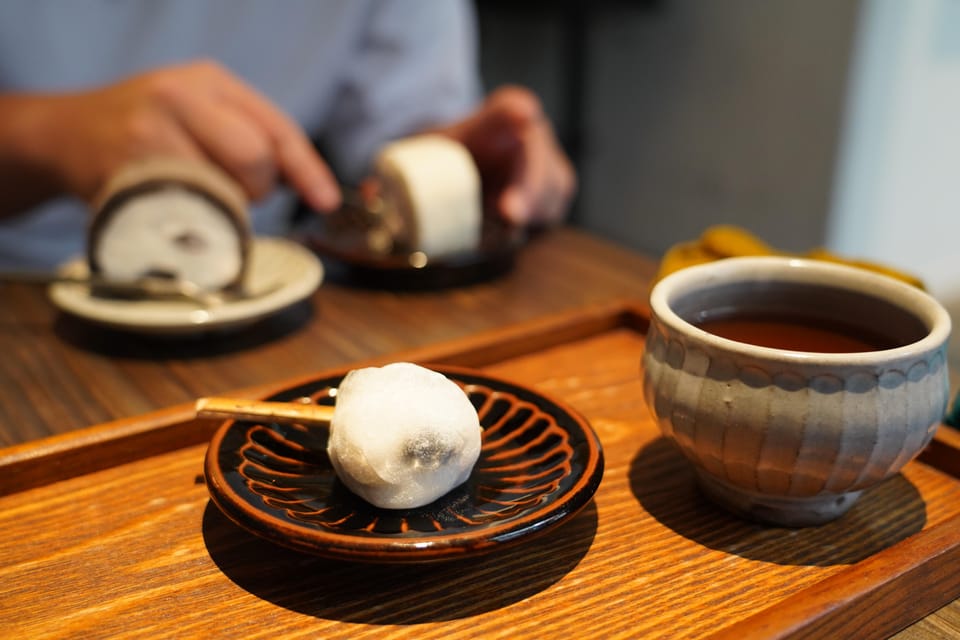
You get one alcoholic beverage as part of the package. It’s not a huge party add-on, and the tour keeps the rest of the food plan the focus.
If alcohol isn’t your thing, you can still enjoy the tour for the tastings and neighborhood history, but you should understand you’re not getting extra drinks beyond what’s included. If you want more, you’ll need to purchase it separately on your own.
If you do drink, it can be a nice pairing tool. Japanese snack food has a lot of savory balance, so a beer or similar beverage (the exact type isn’t listed) can make the flavors feel even sharper.
Price and value: why $71 makes sense for a Tokyo mini-food tour
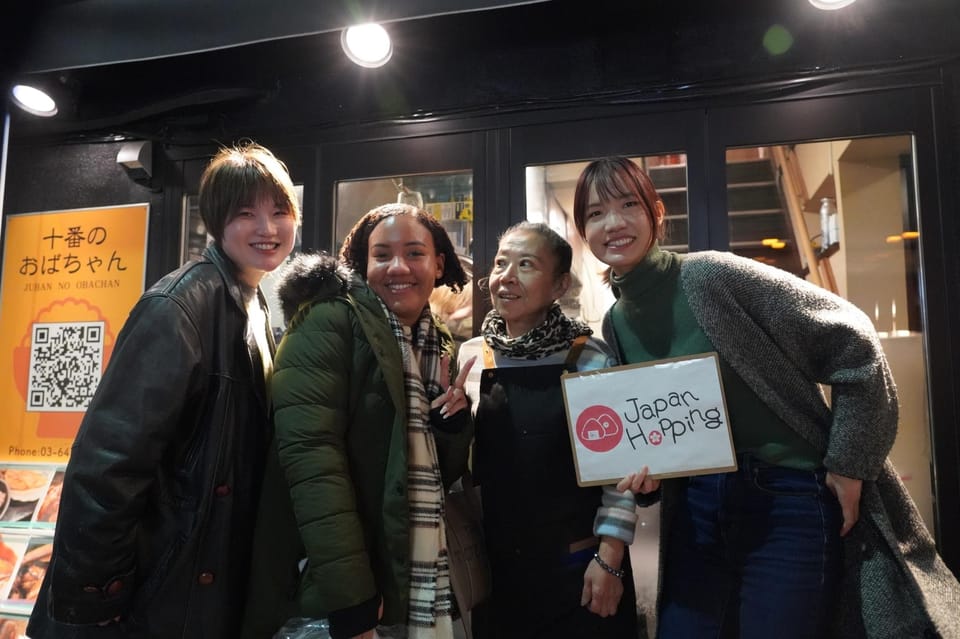
This experience costs $71 per person and includes 5 treats plus 1 alcoholic beverage. On paper, that sounds simple, but the value is in how the package is structured.
First, it’s not asking you to pay for each stop individually. In Tokyo, even small bites add up fast. Second, the guide helps you taste well and taste widely. Instead of wandering for an hour and only finding two good items, you get a planned set that balances sweet, savory, and comfort food.
The only value-risk I see is personal taste. If you dislike most Japanese snack foods, or if you’re not interested in walking around the neighborhood for tastings, you may feel less satisfied. But if you want a compact food education near Roppongi, the price-to-taste ratio is strong.
Also, because you walk back to the meeting point, you’re not worrying about getting stranded somewhere or piecing together transport for each stop.
Who should book this Azabujuban adventure
This is a great fit if you want:
- A Tokyo local food tour with neighborhood context, not just a restaurant hop
- A small-group experience where the guide answers questions and adjusts the pace
- A mix of food, shrines/temples, and shopping
- Interest in Sailor Moon and real places connected to Naoko Takeuchi
- A guide-led way to explore Azabujuban’s street life, including time to talk with people around the shops
It may be less ideal if you need lots of seated time, or if you strongly prefer shopping over eating. The tour is walk-and-taste first. It also isn’t suitable for people over 95 years, and it assumes a moderate physical level.
Should you book this Azabujuban local foodie tour?
If you’re choosing between a generic food tour and something that actually teaches you how a neighborhood works, book this one. You’ll get five distinct Japanese treats, a meaningful walk through shrines and temples for good luck, and that extra sprinkle of pop-culture connection through Sailor Moon inspiration.
I’d especially recommend it if you’ll be staying around Roppongi and want a calmer, more local side of Tokyo without taking half the day. Bring comfortable shoes, accept that the food selection may shift slightly, and let the guide do the heavy lifting.
If you want a Tokyo experience that feels like you’re being shown around by someone who cares about the town, this is one of the better bets in this price range.
FAQ
What is the meeting point for this tour?
You meet at Azabujuban Station, Exit 4. Your guides will be waiting in front of Oslo Coffee with the Japan Hopping Tours logo.
Where does the tour end?
The activity ends back at the meeting point.
How many food items do I get?
You’ll get 5 different Japanese treats (the exact selection can vary by day).
What drinks are included?
The tour includes 1 alcoholic beverage. Additional food and drinks are not included.
Can the food selection change?
Yes. The food selection may change based on store availability.
Is the tour offered in English?
Yes, the tour is available in English.
How big is the group?
It’s a small group tour/activity, typically 1–4 people.
What should I bring?
Wear comfortable shoes since the tour involves walking around the neighborhood.
Is transportation included in the price?
No. Transportation costs are not included.
What is the cancellation policy?
You can cancel up to 24 hours in advance for a full refund.
More Tour Reviews in Tokyo



Fresh reviews from around Tokyo






Tokyo, compared.
 ★ 5.0Mt Fuji and Hakone 1-Day Bus Tour Return by Bullet TrainFrom $16326,383 reviews
 ★ 5.01-Day Tokyo Bus TourFrom $12914,250 reviews
 ★ 4.6teamLab Planets TOKYO Digital Art Museum Entry TicketFrom $259,779 reviews
 ★ 4.0Mt Fuji & Hakone Cruise, Drum Show Bullet Train 1 Day from TokyoFrom $1497,413 reviews
 ★ 5.0Shinjuku Food Tour (13 Dishes at 4 Local Eateries)From $866,603 reviews
 ★ 4.4Tokyo Mt Fuji 5th St & Hakone Cruise Bus Tour w/Bullet TrainFrom $1545,024 reviews
 ★ 5.0Flagship 2-Hours Official Street Go-Kart Tour – Tokyo Bay ShopFrom $644,974 reviews
 ★ 4.5From Tokyo: Mount Fuji Full-Day Sightseeing TripFrom $684,970 reviews