
Reviewed · TOKYO
Tokyo: Learnt to cook Bento, Oyakodon and More!
Lunch class, Tokyo style.
I love the hands-on way this Tokyo cooking experience works, with you actually making the food step by step instead of watching someone else do it. I also love that you leave with detailed recipes you can use right away back home, so the class isn’t just a fun night out.
One thing to consider: it’s not a fit for a lot of diets or special needs, including vegan/vegetarian preferences, gluten intolerance, nut allergies, and some other restrictions.
In This Review
- Key things you should know first
- Meeting Alleyway Gourmet Lab and Getting Oriented
- Who You Cook With: Instructor Yuki and the Small-Group Rhythm
- What You’ll Cook: Bento, Oyako Don, and the Dashi + Miso Practice
- Japanese Home-Cooking Skills You Can Use the Same Day
- Why the Culture Notes Matter (and How They Affect Flavor)
- Price and Value: Why $83 Makes Sense for a Skill-Based Lesson
- Practical Tips: What to Wear, What Happens Indoors, and What to Avoid
- Who This Bento and Oyako Don Class Is Best For
- Should You Book This Tokyo Cooking Class or Skip It?
- FAQ
- FAQ
- Where is the class located?
- How long is the cooking class?
- How big is the group?
- What dishes will I learn to cook?
- What language is the class taught in?
- What’s included in the price?
- What should I bring?
- Is transportation or food included?
- Is this class suitable for vegetarians or vegans?
- Is there free cancellation?
Key things you should know first
- Small group of up to 6 means you get real attention, not vague encouragement
- Instructor-led culture tips help you understand why the dishes are built the way they are
- You’ll practice core skills like dashi broth, which shows up in multiple dishes
- Hands-on cooking with a clean, modern kitchen setup makes it easy to follow along
- Recipes + surprise souvenir add value beyond the 2-hour lesson
Before you commit, see how this one stacks up against a few Tokyo favourites:
- Mt Fuji and Hakone 1-Day Bus Tour Return by Bullet Train★ 5.0 · 26,383 reviews
- 1-Day Tokyo Bus Tour★ 5.0 · 14,250 reviews
- Tokyo: teamLab Planets TOKYO Digital Art Museum Entry Ticket★ 4.6 · 9,779 reviews
Meeting Alleyway Gourmet Lab and Getting Oriented
This class runs in a central Tokyo area, and the meeting point is easy to spot once you know what to look for. You turn into an alley and find a four-story gray building on the right. At street level, there are doors on both the left and right—go in through the one on the right with the Alleyway Gourmet Lab sign, then head up to the 2nd floor.
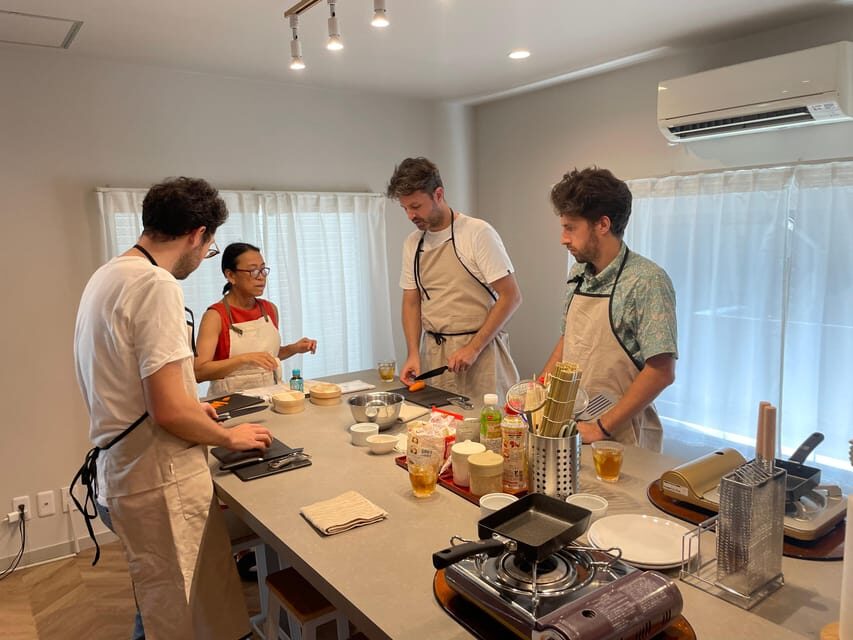
Inside, you’ll do things the Japanese way: clean, organized workstations and a comfortable set-up designed for cooking. Shoes are not allowed indoors, but you’re provided slippers, along with a rental apron and towel—so you don’t need to bring your own gear.
If you’re the type who likes to know where you’re going before you go, this one is straightforward. Once you arrive, the class format is designed so you can focus on cooking, not figuring out logistics.
Who You Cook With: Instructor Yuki and the Small-Group Rhythm
The cooking is led by a local instructor (Yuki is specifically mentioned in feedback), and the teaching style is a big part of why this class works. You’re not stuck guessing. You can ask questions, and the instructor’s English is described as excellent and confident.
In a group limited to 6 participants, you get the kind of attention that matters for Japanese home cooking, where small timing and technique details change the result. It also keeps the atmosphere friendly. In other words: you’re learning with people who are there for the same reason you are—wanting to do it themselves.
You can expect the class to be flexible, too. If you’re a beginner, the pace is meant to be supportive. If you cook at home already, you’ll still get practical tips that make the dishes more authentic and easier to repeat.
What You’ll Cook: Bento, Oyako Don, and the Dashi + Miso Practice
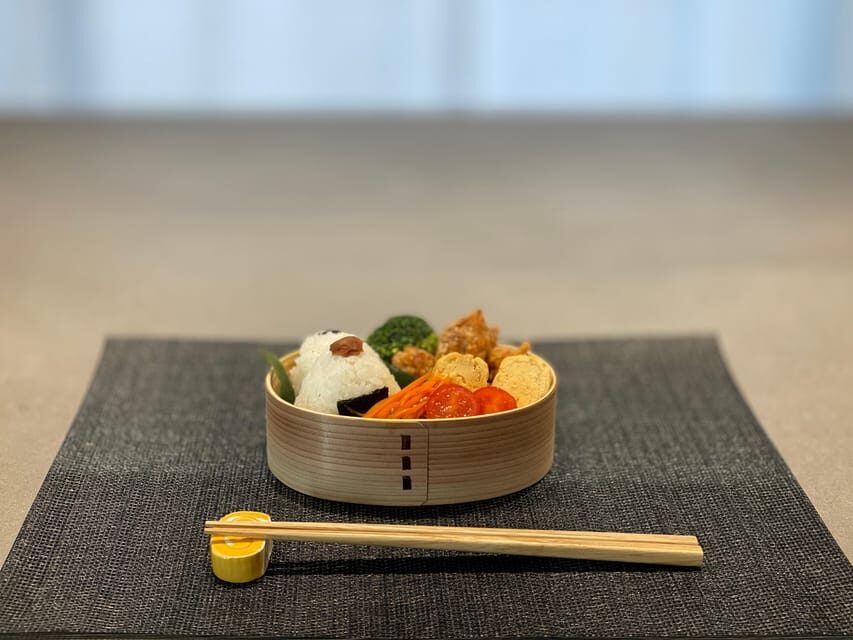
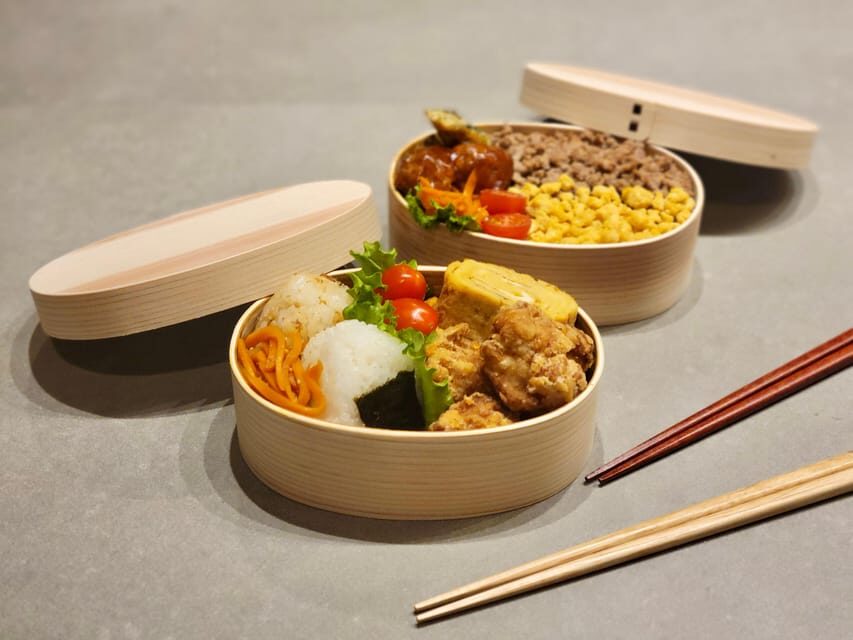
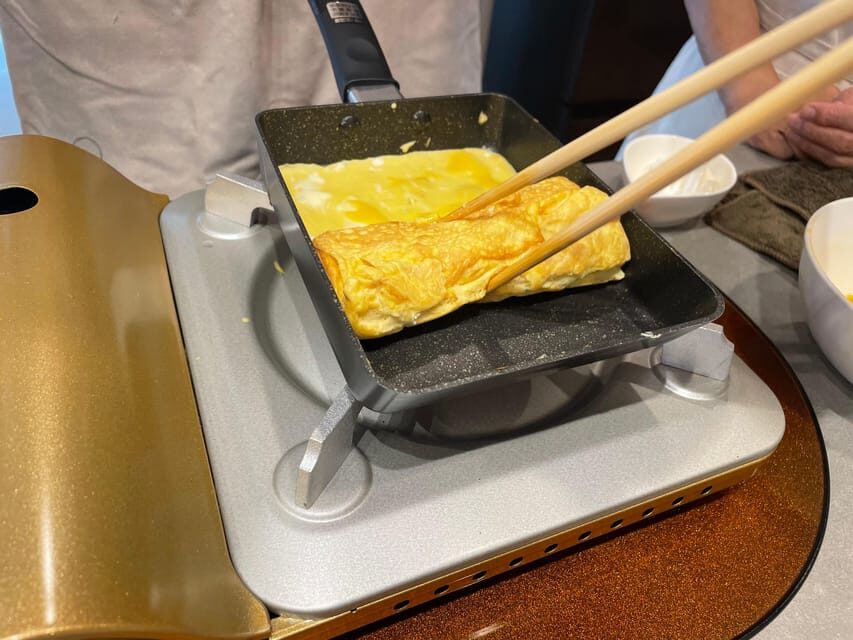
The headline dishes are bento-style Japanese home cooking and oyakodon (often written oyako don or oyako-don), plus more. That “more” is where the real skill-building happens.
A key skill that shows up clearly in feedback is dashi broth. One instructor-led experience described includes making miso soup and oyakodon, with the dashi used as the base for both. That’s great for you because it turns a single flavor foundation into multiple dishes. You’re not memorizing a recipe—you’re learning a system: make good dashi, then build from it.
Here’s what that means in practice:
- You learn how to handle the broth step in a way you can replicate later.
- You see how dashi supports both savory soup and the egg-and-chicken style of oyakodon.
- You connect the flavor logic to technique, which helps when you’re shopping and cooking at home.
As for the bento part, the goal isn’t just making food—it’s understanding how Japanese home cooking fits everyday life: simple ingredients, smart planning, and presentation that makes the meal feel complete. Even if you don’t become a bento artist overnight, you’ll walk away with ideas for portions, timing, and how to package flavors.
Japanese Home-Cooking Skills You Can Use the Same Day
This class is built around a practical promise: simple ingredients, traditional results. That’s what makes it valuable. Japanese home cooking often depends on a few core elements done correctly rather than complicated shopping lists.
You should come expecting to practice technique, not just learn theory. Hands-on steps mean you’ll get used to:
- working at a real kitchen pace,
- handling ingredients cleanly and efficiently,
- understanding what “done” looks like (texture, doneness, balance),
- and tasting as you go.
The class also gives you take-home recipes. Those matter more than you might think. Without recipes, a cooking class becomes a memory. With recipes, it turns into a menu plan you can actually repeat—especially on busy weeknights when you want something comforting and not overly complicated.
And the best part? You’re not just copying the dishes. You’re learning the method behind them. That’s how you end up making oyakodon that tastes like the one you practiced, instead of a chicken-and-egg bowl that’s close but not quite right.





Why the Culture Notes Matter (and How They Affect Flavor)
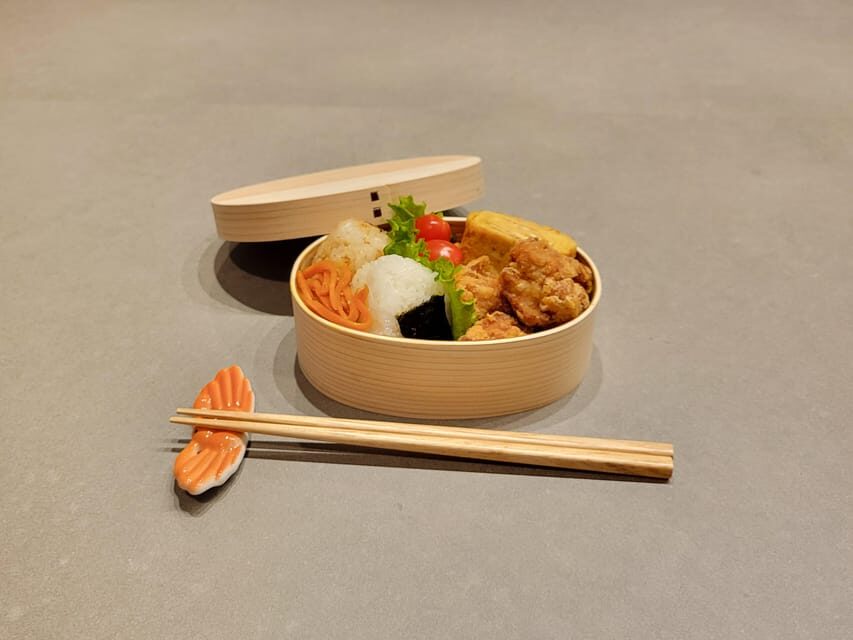
Food lessons are fun, but this experience adds something important: the instructor explains the significance of each dish and Japanese customs tied to the way these meals are used.
That’s not just trivia. It changes how you cook.
For example, when you understand why dashi matters and how traditional flavors are used, you stop treating the soup base as a vague “stock” and start treating it like a foundation. When you understand the role of a dish in everyday life—especially bento and home-style meals—you cook with intention: portions, balance, and practicality.
Feedback also points to lots of tips and confident answers. That matters because Japanese cooking can feel strict if you only learn from video clips. In a live class, you can ask the small questions that fix your results at home:
- Why this ingredient first?
- What should I look for while it’s cooking?
- How do I keep it tasting right when I reheat?
If you want a cooking class that actually teaches you how to think like a home cook, not just how to make a one-time meal, the cultural explanations help you get there.
Price and Value: Why $83 Makes Sense for a Skill-Based Lesson
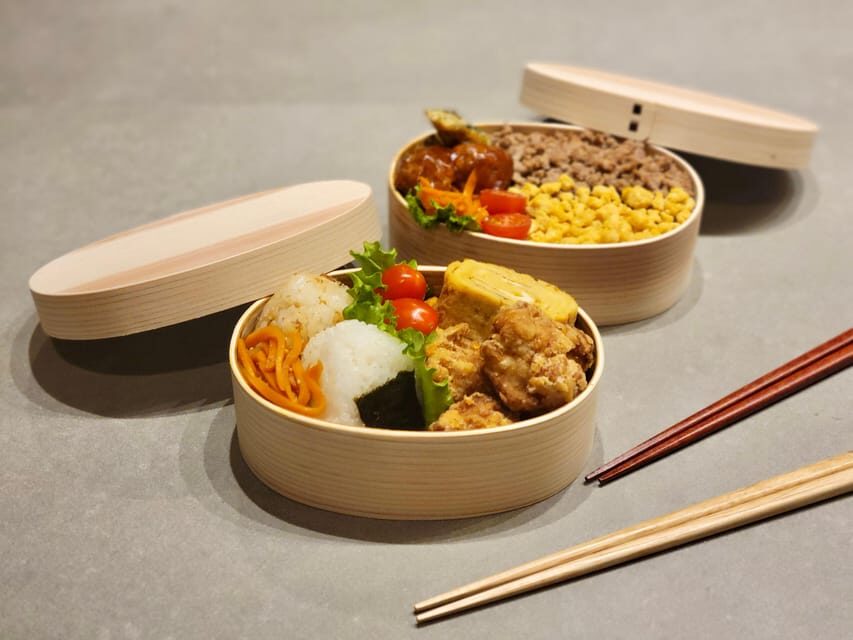
At $83 per person for a 2-hour session, you’re paying for three things:
1) time with a real instructor,
2) the skill practice of making multiple dishes (including core components like dashi),
3) the included teaching materials and supplies.
This isn’t a cheap “watch and snack” style experience. You’re given ingredients and equipment for class, plus a rental apron and towel—so you’re not constantly spending money midstream or hunting for tools.
You’re also getting:
- a hands-on cooking class,
- culture and customs insights,
- personalized guidance in a small group,
- detailed recipes to take home,
- and a Japanese souvenir with surprise contents.
There’s also an extra option to buy more Japanese souvenirs on-site for an additional fee (average around ¥1,000). That’s not required, just a bonus if you want something extra.
The value check for me is simple: if you leave with practical recipes and one or two repeatable techniques (dashi and oyakodon are prime examples), the class pays back in meals you make later. For many people, that’s the difference between a fun evening and a learning purchase you feel good about.
Practical Tips: What to Wear, What Happens Indoors, and What to Avoid
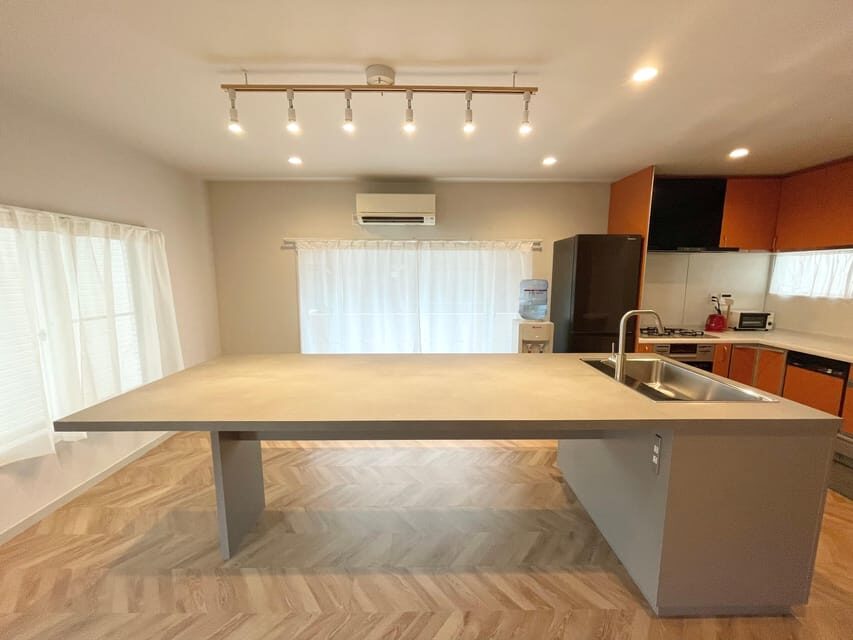
Come in comfortable clothes. You’ll be working at a kitchen station, so flexible footwear and clothing help. Indoors, shoes are not allowed, and you’ll be in slippers provided by the venue.
A few rules are worth respecting so you don’t get slowed down or turned away:
- no smoking and no vaping,
- no strong fragrances,
- no alcohol and drugs,
- no pets (assistance dogs allowed),
- no weapons or sharp objects.
Also, check your comfort level if you’re dealing with illness before the class—people with a cold are listed as not suitable. If you have allergies or dietary constraints, pay close attention. This experience is not suitable for people with food allergies, gluten intolerance, nut allergies, and it’s not set up for vegan or vegetarian diets.
If you fit the standard comfort zone (no major allergies, no special dietary needs), you’ll likely find it straightforward and pleasant. The kitchen is described as clean, modern, and elegant, so it doesn’t feel cramped or chaotic while you cook.
Who This Bento and Oyako Don Class Is Best For
This Tokyo cooking experience is a great match if you:
- want a small-group class with real coaching,
- love Japanese food and want to understand the foundations (like dashi),
- want a practical skill you can reproduce at home,
- and enjoy culture notes that connect cooking to everyday life.
It’s also a solid option for couples or groups of friends who want something interactive that doesn’t rely on alcohol or nightlife.
It may be less suitable if you:
- are vegan or vegetarian,
- have gluten intolerance, nut allergies, or other food allergies,
- need wheelchair access,
- or have restrictions related to height (people under 120 cm) or age (not suitable for children under 6 and people over 80).
So yes, it’s a great “Tokyo food learning” activity, but it’s best when you’re ready to follow the class ingredient plan.
Should You Book This Tokyo Cooking Class or Skip It?
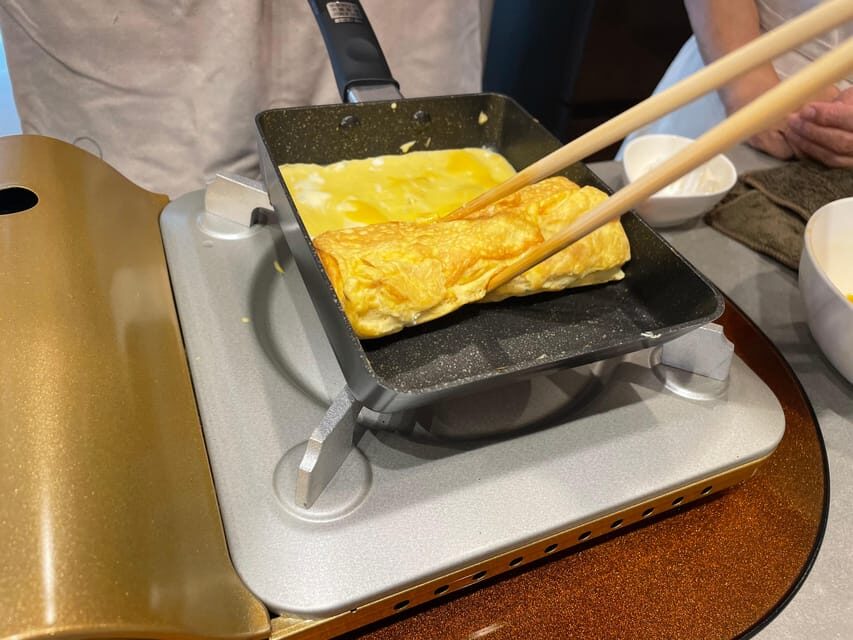
Book it if you want a hands-on Japanese home cooking lesson that leaves you with repeatable results—especially if oyakodon and dishes built on dashi are on your must-make list. The small group size and the instructor’s strong English (Yuki is specifically noted) make it feel supportive, not overwhelming.
Skip or consider another option if you’re vegan/vegetarian, have food allergies or gluten/nut intolerance, or you’re traveling with accessibility needs listed as not suitable. In that case, you’d risk disappointment or an unsafe situation.
If you’re somewhere in the middle—curious, hungry, and ready to learn—this is the kind of class that upgrades your home cooking fast. You’ll go in for bento and oyakodon, and you’ll likely come away with a broth-based skill set you can use for far more than one meal.
FAQ
FAQ
Where is the class located?
It takes place in a four-story gray building in a central Tokyo area. You enter through the right-side door labeled Alleyway Gourmet Lab and go up to the 2nd floor.
How long is the cooking class?
The class duration is 2 hours.
How big is the group?
The group is limited to 6 participants.
What dishes will I learn to cook?
You’ll learn Japanese home-cooking dishes including bento and oyakodon, and additional traditional dishes. Miso soup and dashi are included in at least one described session.
What language is the class taught in?
The class is conducted in English and Japanese. Japanese lessons can be arranged upon request.
What’s included in the price?
Hands-on cooking class, ingredients and equipment for class, insights into Japanese culture and customs, personalized instructor attention, detailed recipes to take home, a surprise Japanese souvenir, and a rental apron and towel.
What should I bring?
Wear comfortable clothes. You don’t need to bring kitchen tools or equipment.
Is transportation or food included?
Transportation is not included. Meals are also not included beyond what you prepare during the class.
Is this class suitable for vegetarians or vegans?
No. It is listed as not suitable for vegans and vegetarians.
Is there free cancellation?
Yes. You can cancel up to 24 hours in advance for a full refund.
More Tour Reviews in Tokyo



Fresh reviews from around Tokyo






Tokyo, compared.
 ★ 5.0Mt Fuji and Hakone 1-Day Bus Tour Return by Bullet TrainFrom $16326,383 reviews
 ★ 5.01-Day Tokyo Bus TourFrom $12914,250 reviews
 ★ 4.6teamLab Planets TOKYO Digital Art Museum Entry TicketFrom $259,779 reviews
 ★ 4.0Mt Fuji & Hakone Cruise, Drum Show Bullet Train 1 Day from TokyoFrom $1497,413 reviews
 ★ 5.0Shinjuku Food Tour (13 Dishes at 4 Local Eateries)From $866,603 reviews
 ★ 4.4Tokyo Mt Fuji 5th St & Hakone Cruise Bus Tour w/Bullet TrainFrom $1545,024 reviews
 ★ 5.0Flagship 2-Hours Official Street Go-Kart Tour – Tokyo Bay ShopFrom $644,974 reviews
 ★ 4.5From Tokyo: Mount Fuji Full-Day Sightseeing TripFrom $684,970 reviews