
Reviewed · TOKYO
Tokyo: Learn to play traditonal songs on Tsugaru Shamisen
Three strings. One great hour.
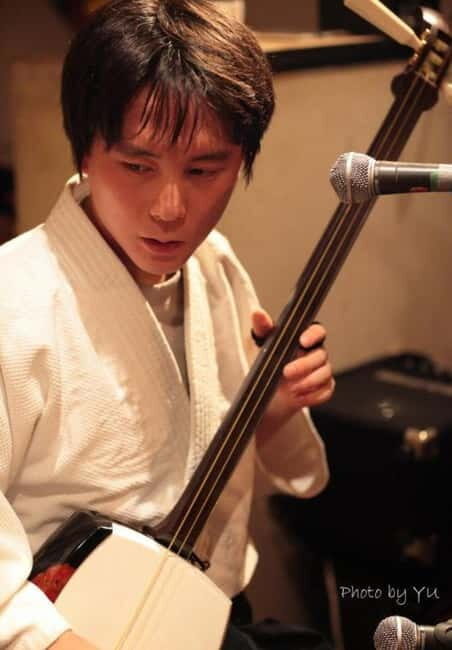
This Tsugaru shamisen lesson near Shinjuku turns traditional Japanese music into something you can actually play and record, fast. Kouzan Oyama (a double champion in the Tsugaru Shamisen World Cup 2018 and 2019) teaches with clear English and real performance examples, and you get hands-on practice instead of just watching. I really love two things here: the focused technique coaching and the way you can work on a song of your choice (or a traditional folk tune if you don’t have one). The only potential drawback is that it’s a short 1-hour session, so true mastery takes practice after you leave—still, you’ll walk out with something tangible.
What makes this lesson feel special is the mix of craft and culture. I like that he explains what the instrument is made of and how the sound is produced, then shows you different shamisen types—including Okinawa sanshin—so you can hear the differences right away. If you’re expecting a long, concert-style deep dive, you might find the format too quick. If you’re craving a hands-on start from a top player, it’s exactly the right length.
In This Review
- Key Things You’ll Notice in This Tsugaru Shamisen Lesson
- Tsugaru Shamisen 101: Why This Style Sounds Like Wind and Waves
- Meeting Kouzan Oyama Near Shinjuku and Picking Your Song
- From Strings to Real Sound: What You Learn Step by Step
- Tsugaru vs Okinawa Sanshin: Hear How Japan Changes the Same Idea
- Performance Moments, Photos, and Video: Making It Real
- Price and Value: Is $59 Worth It for One Hour?
- Who This Shamisen Lesson Fits Best
- Quick Practical Tips Before You Go
- Should You Book This Tsugaru Shamisen Lesson?
- FAQ
- Where does the shamisen lesson take place?
- How long is the Tsugaru shamisen class?
- How much does it cost?
- Can I choose a song to learn?
- Is the instruction available in English?
- What kind of shamisen is taught?
- Will I be able to record or take pictures during the lesson?
- Is there cancellation flexibility?
Key Things You’ll Notice in This Tsugaru Shamisen Lesson
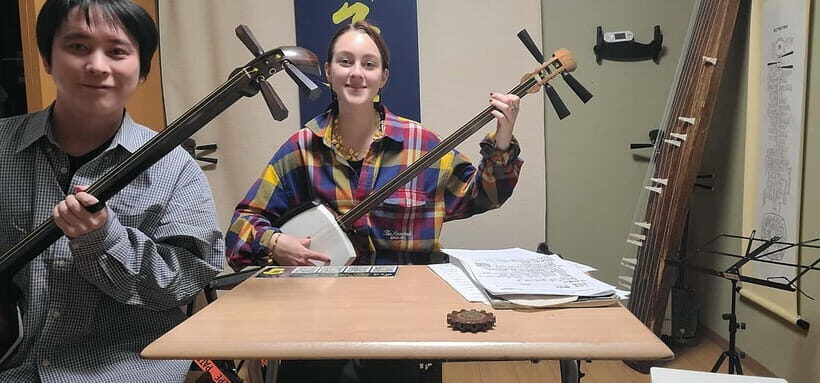
- Master-level instruction from Kouzan Oyama, a double World Cup champion
- You play during the class, not just at the end
- Tsugaru sound training with fast, energetic rhythms typical of the style
- Song-choice practice, with options to request your own tune at the start
- Other shamisen comparisons, including Okinawa sanshin
- Photos and videos of your performance with the instructor
Before you commit, see how this one stacks up against a few Tokyo favourites:
- Mt Fuji and Hakone 1-Day Bus Tour Return by Bullet Train★ 5.0 · 26,383 reviews
- 1-Day Tokyo Bus Tour★ 5.0 · 14,250 reviews
- Tokyo: teamLab Planets TOKYO Digital Art Museum Entry Ticket★ 4.6 · 9,779 reviews
Tsugaru Shamisen 101: Why This Style Sounds Like Wind and Waves
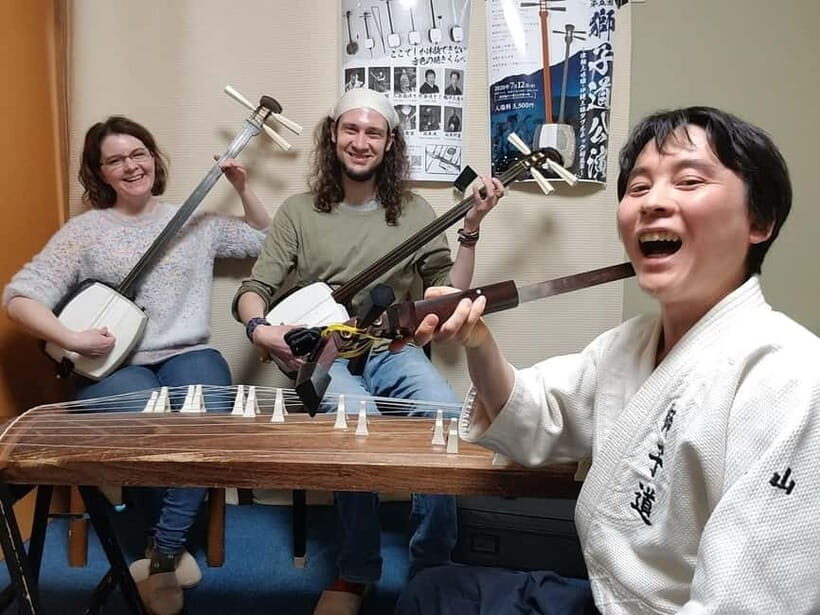
If you’ve heard shamisen before, you probably remember two things: it’s sharp, and it can feel immediate. This instrument is often compared to a banjo because of the three-string setup and the way it’s played, but the sound lands differently. With Tsugaru shamisen in particular, the character tends to be punchy and quick—like strong winds and the rhythm of the sea. That’s not just marketing language. It’s the reason people get hooked fast.
In this class, you spend the hour learning how to get that sound out on purpose. You’re not just trying random hand positions. You’re guided toward the techniques that make Tsugaru feel lively and fast-paced. That matters because beginners usually struggle with consistency: the first plucks don’t sound like the recordings. Here, you get the coaching to close that gap.
Meeting Kouzan Oyama Near Shinjuku and Picking Your Song
The lesson happens near Shinjuku, which is handy if you’re staying in central Tokyo. You’re also in a private group setup, so the pace stays comfortable and you’re not stuck waiting your turn.
Right at the start, the big practical choice is what you’ll play. You can request a song you want to challenge yourself with, or you’ll practice a traditional Japanese folk song. That choice changes how the hour feels. A familiar tune gives you a goal you can sing in your head, while a traditional song gives you something you can connect to the culture right away.
Kouzan Oyama teaches in English. In practice, it’s friendly and patient, and you’re given structured material to help you follow along. One reviewer also mentioned he uses his own written books during the lesson—this is the kind of detail that helps a first-timer get results before the hour ends.
You’ll also get a sense of the instrument’s background. Tsugaru shamisen is tied to traveling musicians and commoners from the Tsugaru area in north Japan, which helps explain why the playing style often feels bold and direct, not formal and distant.
From Strings to Real Sound: What You Learn Step by Step
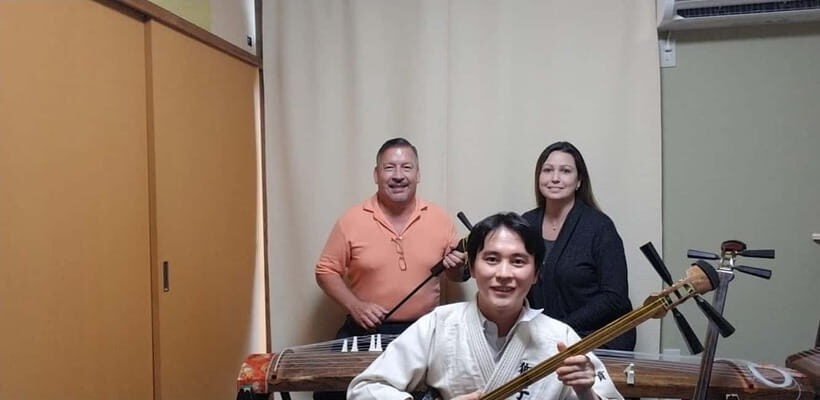
The lesson is hands-on from the beginning. You’ll learn how to produce the Tsugaru sound and how the three-string instrument works under your hands. The goal is simple: you should leave with the ability to play a recognizable piece and understand what you did to make it sound right.
Here’s what this training typically focuses on in an hour like this:
- Sound production basics: how you strike and control the notes so they ring clearly
- Technique coaching: which movements matter most for Tsugaru energy
- Instrument familiarity: what you’re holding and why it behaves the way it does
- Practice with feedback: short attempts, adjustments, and another try
A key part is learning the shamisen’s “secrets,” meaning what makes the sound sharp and clear. You also learn what the instrument is made of, which helps you stop treating the shamisen like a mystery box. When you understand what shapes the tone, you can adjust faster.
And because it’s a fast one-hour format, the class doesn’t waste time. You practice enough to build muscle memory for the main patterns—then you apply them to the song you’re working on.
Tsugaru vs Okinawa Sanshin: Hear How Japan Changes the Same Idea
One of the most interesting things about shamisen is that Japan has regional styles, and the sound changes with them. In this lesson, you get more than just Tsugaru. You’ll hear different types of shamisen, including Okinawa sanshin.
Why do this? Because it trains your ear. Instead of thinking the shamisen is just one sound, you start hearing how playing approach, instrument differences, and regional style shape the music. That’s useful if you listen to Japanese music later—you’ll understand what you’re hearing without needing a textbook.
You’ll also learn about the differences between Western and Japanese musical sound-producing approaches. Even if you don’t come in with music theory, this helps you make sense of why the same concept (three strings) can lead to such different results. It also keeps the lesson from feeling like a novelty workshop. You’re learning how music culture changes technique.





Performance Moments, Photos, and Video: Making It Real
The lesson isn’t complete until you can perform something. This is where the one-hour structure pays off. You’ll practice the song you chose (or the traditional tune provided) and then take part in a performance moment with the instructor.
A standout feature is that you can take photos and videos of your performance together with the instructor. That sounds simple, but it changes how you experience the class. You’re not just learning—you’re creating proof that you can do it.
Also, don’t be surprised if you get more music than you expected. One review noted that Kouzan Oyama plays koto as well, and he performed and taught a short tune during the session. That’s not guaranteed in the listing details, but it lines up with the overall teaching style: lots of live examples so you can copy what you hear.
Price and Value: Is $59 Worth It for One Hour?
At $59 per person for a 1-hour private group lesson, this is priced like a serious hands-on activity, not a casual demo. The value comes from three things:
- Instructor credibility and output
Kouzan Oyama is a double champion in the Tsugaru Shamisen World Cup (2018 and 2019). You’re paying for teaching skill plus performance experience.
- You get actual practice time
Many cultural experiences give you watching, photos, and a brief introduction. Here, the structure is designed so you practice during the lesson and play a song before you leave.
- Instruction tools that help beginners move fast
The mention of his own books being used in class is exactly the kind of practical detail that can shorten the learning curve for first-timers.
So is it worth it? If you want a quick, guided entry into Tsugaru shamisen with coaching from a top player, yes. If you need a longer course to feel confident, you’ll still enjoy it, but plan to keep practicing afterward—or book a follow-up lesson if the provider offers more sessions.
Who This Shamisen Lesson Fits Best
This lesson fits best if you’re one of these:
- A beginner who wants a fast start with technique feedback
- A Japan culture fan who likes learning by doing, not only watching
- Someone who’s curious about regional Japanese music styles and wants to hear differences
- Travelers short on time but willing to spend one concentrated hour on a hands-on skill
If you’re a total music beginner, you’re actually in a good spot. The class is designed for first-time learners to learn a song or two before the hour ends, and the teaching is described as patient.
If you’re already an advanced player, the hour may feel brief. But hearing Tsugaru technique explained by a champion can still be useful—especially if you want a fresh perspective on Tsugaru performance energy.
Quick Practical Tips Before You Go
You’ll get more from the hour if you arrive ready to choose your goal. If you have a song you want to play, think about it in advance so you can request it at the beginning. If you don’t, go with a traditional folk tune and treat it like learning a starter “base pattern” you can reuse.
Also, plan to spend time after the lesson practicing the main movements your instructor corrects. One hour can get you playing, but repetition is what turns playing into confidence.
Finally, charge your phone and be ready to record. The lesson includes photos and videos, and you’ll want a clean clip while it still feels new.
Should You Book This Tsugaru Shamisen Lesson?
Book it if you want a short, high-impact Tokyo experience where you play the instrument, not just admire it. The combination of a top Tsugaru master (Kouzan Oyama), practical English coaching, song practice, and recording makes this a strong value for $59.
Skip it only if you want a long, lecture-heavy experience or you’re seeking something more like a full performance night. This is a learn-to-play class—and it delivers by focusing on technique and results in a tight time window.
FAQ
Where does the shamisen lesson take place?
The lesson is near Shinjuku in Tokyo.
How long is the Tsugaru shamisen class?
It lasts 1 hour.
How much does it cost?
The price is listed as $59 per person.
Can I choose a song to learn?
Yes. You can request a preferred song at the beginning of the lesson. If you don’t request one, you practice a traditional Japanese folk song.
Is the instruction available in English?
Yes, the instructor teaches in English.
What kind of shamisen is taught?
The focus is on Tsugaru style shamisen, and you may also hear other types of shamisen, including Okinawa sanshin.
Will I be able to record or take pictures during the lesson?
Yes. You can take photos and videos of your performance together with the instructor.
Is there cancellation flexibility?
Free cancellation is available up to 24 hours in advance for a full refund.
More Tour Reviews in Tokyo



Fresh reviews from around Tokyo






Tokyo, compared.
 ★ 5.0Mt Fuji and Hakone 1-Day Bus Tour Return by Bullet TrainFrom $16326,383 reviews
 ★ 5.01-Day Tokyo Bus TourFrom $12914,250 reviews
 ★ 4.6teamLab Planets TOKYO Digital Art Museum Entry TicketFrom $259,779 reviews
 ★ 4.0Mt Fuji & Hakone Cruise, Drum Show Bullet Train 1 Day from TokyoFrom $1497,413 reviews
 ★ 5.0Shinjuku Food Tour (13 Dishes at 4 Local Eateries)From $866,603 reviews
 ★ 4.4Tokyo Mt Fuji 5th St & Hakone Cruise Bus Tour w/Bullet TrainFrom $1545,024 reviews
 ★ 5.0Flagship 2-Hours Official Street Go-Kart Tour – Tokyo Bay ShopFrom $644,974 reviews
 ★ 4.5From Tokyo: Mount Fuji Full-Day Sightseeing TripFrom $684,970 reviews