
Reviewed · NARITA
Tokyo Layover Tour with Licensed Guide:Narita Airport Dep
Tokyo on a layover can feel like speed-dating.
This tour turns that chaos into a planned day with a government-licensed English-speaking guide, meeting you right at Narita (NRT) and helping you move through Tokyo by train. You pick 3 to 4 stops from a menu, so you’re not forced into a one-size-fits-all route.
I like two things most: the guide support is real, not just a map in your pocket, and the focus stays on what you want to see. Names from past tours include Masa, Shuji, and Yoshi/Yoshii, and their common thread is practical help at the airport and through the transit maze.
One possible drawback: even though it’s customizable, the day can still feel rushed if you choose too many stops or if you don’t speak up about your pace. This is a walking tour, and the itinerary options cover a lot of ground.
In This Review
- Key points worth knowing before you go
- How this Narita layover tour really works
- Meeting at Narita: the part that can make or break the day
- Choosing your 3–4 stops: a smarter way to “do Tokyo”
- Build your day around themes
- Pick “anchor” stops that drive your timing
- Shibuya Crossing and the modern Tokyo rush
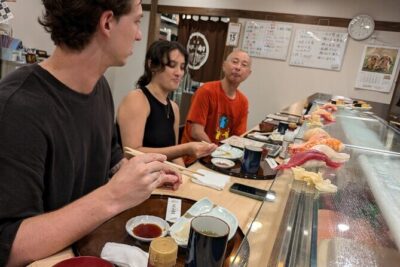
- Tsukiji Fish Market: what you can get from a quick visit
- Meiji Jingu and the Harajuku side of Tokyo
- Imperial Palace: big grounds, no inside access
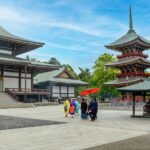
- Asakusa and Senso-ji: traditional Tokyo with real energy
- Gardens and museum stops: when “not included” can affect your budget
- Koishikawa Korakuen Garden
- Hama Rikyu Gardens
- Rikugien Garden
- Tokyo National Museum
- Shinjuku Gyoen National Garden
- Nezu and Shibamata: the old-downtown feel, but with less rushing
- Akihabara and the tech/shopping side of Tokyo
- Yoyogi Park and Takeshita Street: parks and pop culture in one area
- Roppongi Hills, Golden Gai, and Odaiba: modern districts with different moods
- The return ride to Narita: what the guide is actually doing
- Price and value: what $435.74 gets you (and what it doesn’t)
- Pacing: how to avoid the forced-march feeling
- Who should book this Tokyo layover tour
- Should you book it?
- FAQ
- How long is the Tokyo layover tour from Narita?
- Where do I meet the guide?
- Is the itinerary customizable?
- Does the tour include tickets or entrance fees?
- Is Narita Express round-trip included?
- Does the tour include entry inside the Imperial Palace?
- Is this a private tour?
- Will I need to walk and use public transportation?
- Are service animals allowed?
- What’s the cancellation window?
Key points worth knowing before you go
- Licensed English-speaking guide from Narita: you meet at NRT and don’t have to figure out the first steps alone.
- 3–4 sights is the right rule of thumb: Tokyo is too big for everything in one day, so the “pick your mix” format helps.
- You get help getting back to the Narita Express area: the guide takes you to the nearest station for your airport train ride.
- Imperial Palace is exterior/park only: this tour does not include access inside the Imperial Palace.
- Most admissions are optional-cost: gardens, museums, and Shinjuku Gyoen can add expense; some sights are marked free.
- Walking + public transportation: if you have mobility limits, this one may not fit you.
More days made easy by a guide
- For Narita Airport Users: Layover or Transit Guided Private Tour★ 5.0 · 22 reviews
- Tokyo Layover Tour with Licensed Guide:Narita Airport Dep★ 4.5 · 4 reviews
How this Narita layover tour really works
This is built for the reality of a layover: you need structure, you want language help, and you don’t want to waste your precious hours playing commuter. The tour runs about 8 hours, starting at Narita International Airport (NRT), and it’s designed as a walking tour with train support to get into Tokyo and back out.
The big idea is simple: Tokyo is huge. So rather than a long list of “must-sees,” you’ll choose 3 to 4 sites from the options provided. That choice matters because it controls two things: your walking load and how much time you spend seeing, versus traveling.
You also get a guide who’s there for the “messy middle.” Narita is busy, stations are confusing, and translation help is useful when you’re doing transfers or figuring out which exit to use. One positive theme in past tours: guides arrived prepared with clear meetup process and then guided guests efficiently through the transit steps.
Meeting at Narita: the part that can make or break the day
The meetup point is Narita International Airport, 1-1 Furugome, Narita, Chiba 282-0004. Since the tour starts at the airport, your guide handles the most stressful moment: going from landing mode to train mode.
In past experiences, guides like Shuji have been praised for being punctual and for carrying a welcome sign so you don’t have to hunt in a sea of people. That kind of attention is underrated. In practice, it saves time and reduces stress right when you’re tired.
Also note what’s not included: your tour price doesn’t automatically cover transportation fees. The guide gets you to the train system, but you still need to plan for your own transit costs and any entrance fees.
Choosing your 3–4 stops: a smarter way to “do Tokyo”
The tour is flexible, and you’ll work with your guide to build a route that fits your preferences and timing. That’s a big deal on a layover day, because you can steer the day toward your travel style.
Here’s how to think about selecting stops from the menu.
Build your day around themes
- Old Tokyo + culture (temples, traditional neighborhoods)
- Modern Tokyo icons (crossings, skyline districts)
- Markets + street life (food and shopping areas)
- Gardens and breathing room (Japanese landscape spots)
If you try to mix everything, you’ll likely end up with short photo stops. If you choose one theme and add one contrast, you’ll usually feel like you got a complete Tokyo snapshot.





Pick “anchor” stops that drive your timing
Some places in the list are quick look-and-walk stops, while others are better if you treat them like destinations. Since your time is limited, your anchor stops should match what you care about most: iconic views, traditional atmosphere, or a specific district vibe.
Shibuya Crossing and the modern Tokyo rush
If you want an instant sense of Tokyo, Shibuya Crossing is the classic choice. It’s famous for a reason: it’s a controlled chaos scene, right in the thick of the city.
This stop works well when you’re arriving with jet lag or limited time. Even a short stop gives you a clear “I’m here” moment. The drawback is that the area can be crowded, and you’ll want to keep your expectations realistic for layover pacing. Think: quick orientation and a few good angles, not lingering.
Tsukiji Fish Market: what you can get from a quick visit

Tsukiji Fish Market is offered as an option with about 30 minutes. It’s a solid choice if you like food culture and want to see Tokyo’s market energy, even if you don’t have time for a full deep-food morning.
Two practical considerations:
- Market areas can be busy and active, so wear comfortable shoes.
- If your priority is shopping or eating, you’ll want your lunch plan to match your route. Lunch is not included, and eating options can be scattered depending on the exact time of day.
Meiji Jingu and the Harajuku side of Tokyo
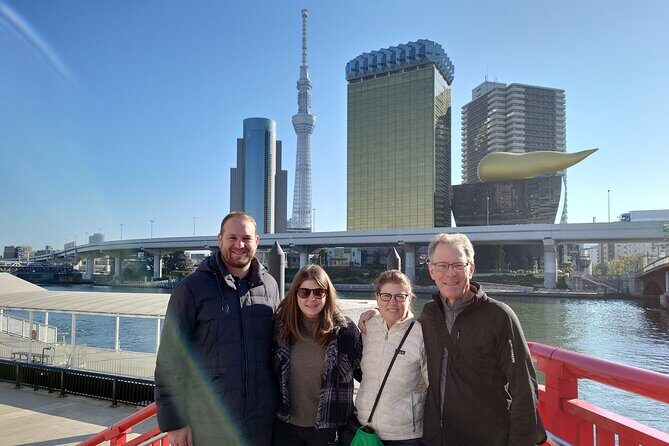
Meiji Jingu is listed with a short visit time (about 20 minutes) and sits near Harajuku. Even with limited time, a shrine stop gives you a mental reset from street noise.
Meiji Jingu is also a good “balance stop” between modern districts. After a fast slice of Tokyo bustle, walking under trees and into shrine space changes the pace immediately.
If you pair it with Takeshita Street (Harajuku), you can do culture then teen fashion street energy without doubling back too much—just keep your expectations: Harajuku style is a vibe, not a quiet museum stop.
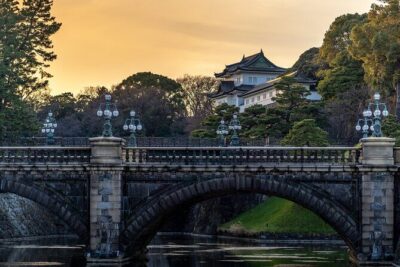
Imperial Palace: big grounds, no inside access
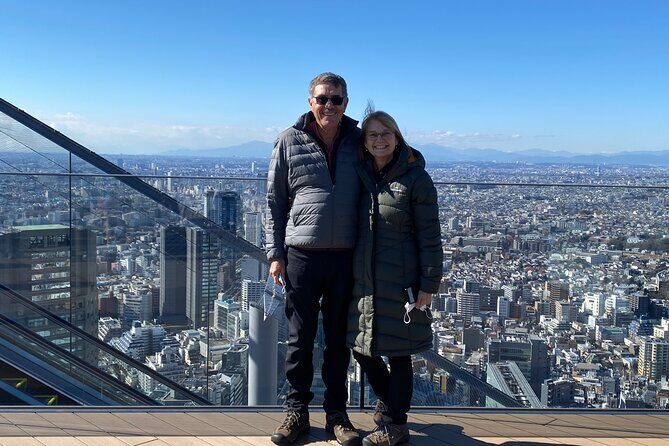
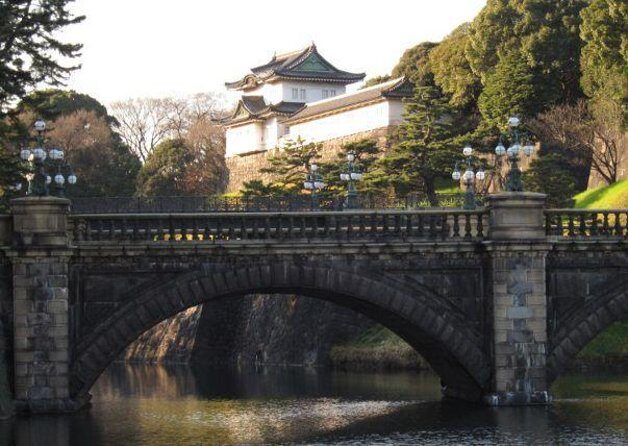
Imperial Palace is included only as an exterior experience. The listing clearly states the tour does not include access to the inside of the palace.
That matters. The grounds and park atmosphere can still be worth your time—especially if you enjoy history-in-the-landscape and big-city greenery. But if palace interior access is a must for you, you’ll want to choose different stops or plan a separate visit on a longer trip.
Asakusa and Senso-ji: traditional Tokyo with real energy
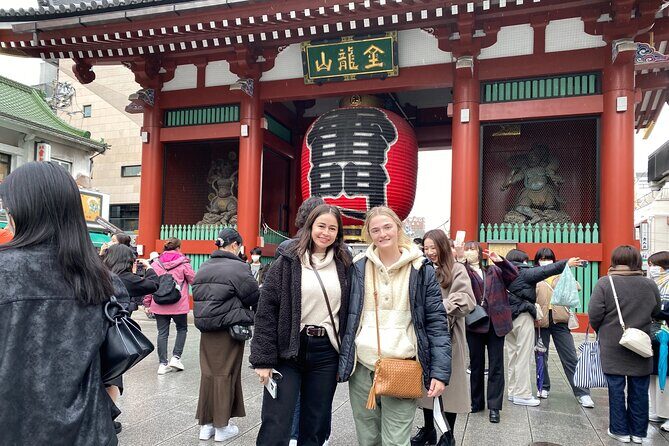
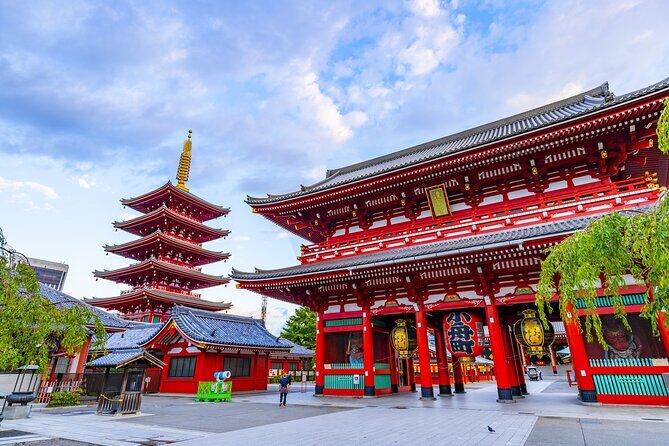
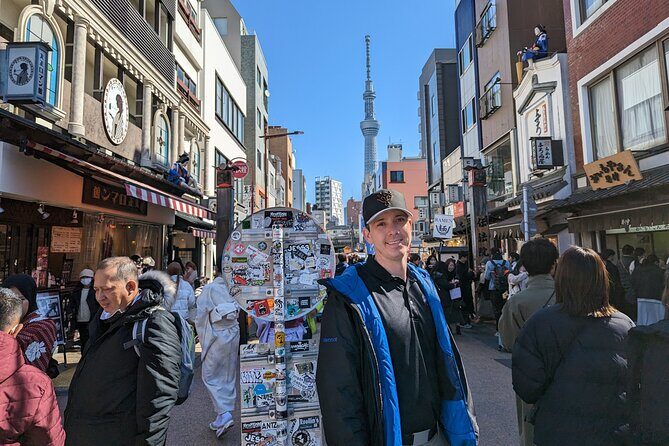
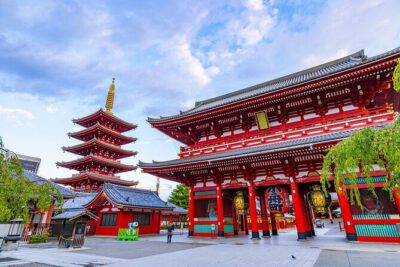
Asakusa and Senso-ji Temple appear as separate options (both in the traditional side of town). This part of Tokyo tends to feel the most “storybook,” but still very alive.
If you want your day to include something that looks and feels distinctly Japanese, Asakusa/Senso-ji is one of the best bets in the list. Even a short stop helps you understand why these neighborhoods stay popular.
Downside to plan for: this is a popular temple area. Expect crowds, and give yourself time for walking rather than rushing to get the perfect shot.
Gardens and museum stops: when “not included” can affect your budget
Several of the listed nature stops and cultural stops mention admission is not included. That doesn’t mean they’re bad value—just that your final cost depends on what you pick.
Here are the garden/museum options from the menu and how I’d choose among them:
Koishikawa Korakuen Garden
Listed as about 10 minutes, with admission not included. This could be a great choice if you want a quick, classic garden feel without committing a lot of your layover time.
Because the time is short, you’ll probably focus on key views rather than a slow wander. If your priority is scenery over speed, this might not feel long enough.
Hama Rikyu Gardens
Another garden option along Tokyo Bay, also marked not included, with a very short time slot (about 5 minutes). This one is best if you mostly want the location and a brief look, not a full garden visit.
Rikugien Garden
Rikugien is listed with about 30 minutes and admission not included. If I were choosing one garden to actually feel, Rikugien is the one that looks most workable for your schedule because the time block is longer.
Tokyo National Museum
This one is listed around 5 minutes, with admission not included. With that short visit, it’s more of a “see the museum, get oriented” stop than a real museum experience. If you want galleries, you may need a longer trip or a different tour focus.
Shinjuku Gyoen National Garden
This option clearly lists ticket pricing by category (adults, seniors, students) and notes group discounts and that you’ll purchase at a staffed counter with valid ID as required. It’s also listed around 15 minutes.
This is one of the best “pay-for-it” picks in the list if you want a break from city energy, but it’s also the one where you should expect extra cost. If you’re budgeting tightly, you might swap it for a free park option.
Nezu and Shibamata: the old-downtown feel, but with less rushing
Two of the menu options that tend to give a calmer, older Tokyo mood are Nezu and Shibamata.
- Nezu is listed around 15 minutes and is described as part of shitamachi (older downtown Tokyo) with a preserved feel because it avoided major damage during wars and disasters.
- Shibamata is also about 15 minutes, with old-school charm from a time when it retained its “town” character.
These are good picks if you want contrast. After the high-energy districts, you get a neighborhood feel that helps the day feel more complete.
Akihabara and the tech/shopping side of Tokyo
Akihabara is listed as about 5 minutes, marked free. That makes it a quick-hit stop rather than a full shopping session.
Still, it’s a nice choice if you like electronics, anime culture, or simply want to see what the district is like from the street level. If you actually want to buy things, plan extra time outside the tour, since 5 minutes won’t be enough for browsing.
Yoyogi Park and Takeshita Street: parks and pop culture in one area
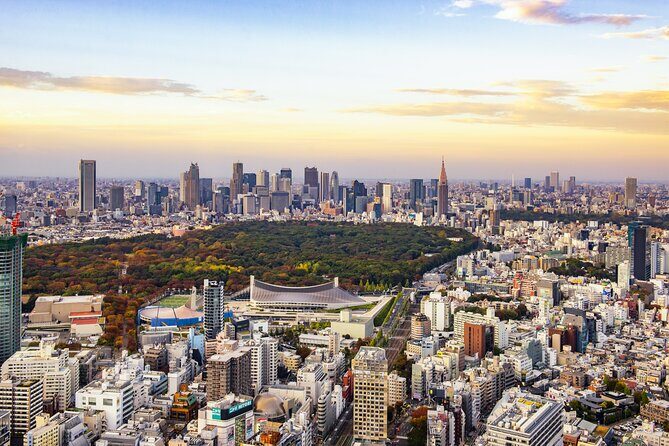
Yoyogi Park (about 30 minutes, marked free) can be a smart option when you want some breathing room. It’s listed as a place for jogging and picnicking and it’s on the Harajuku side of Tokyo, so it pairs naturally with Harajuku’s fashion street option.
Takeshita Street is listed around 30 minutes, marked free. This is the place for energy and style watching. If you’re choosing between park calm and street chaos, this pairing lets you do both without major transit changes.
Roppongi Hills, Golden Gai, and Odaiba: modern districts with different moods
If you want modern city atmosphere, you have options:
- Roppongi Hills: listed around 15 minutes, free. It’s a “city within the city” style complex with shops and restaurants, so it can be a convenient modern stop.
- Shinjuku Golden Gai: listed around 15 minutes, free. This is about small lanes and old-school drinking spots, and it’s a great contrast to the big streets nearby.
- Odaiba: listed around 15 minutes, free. It’s on a man-made island in Tokyo Bay, so it gives you a different geographic feeling and skyline vibe.
Since these are relatively short time blocks, they work best as “taste stops.” If you want one of these districts to be the main event, you’ll likely feel the time limit.
The return ride to Narita: what the guide is actually doing
After your tour, the guide takes you to the nearest station to catch your way back to Narita. The listing notes the Narita Express is an option (and prices are given for the Narita Express round trip), but the key point is that you’re not left figuring out which station to use.
Past positive experiences highlighted how guides helped with getting through Tokyo transit efficiently, and that’s exactly what you want before a flight. The goal is to avoid the late-day confusion that can eat your last hour.
Price and value: what $435.74 gets you (and what it doesn’t)
At $435.74 per person for about 8 hours, this isn’t a budget tour. The value comes from three things:
- A licensed, English-speaking guide who meets you at Narita and stays with you through the day.
- Customization of 3–4 sites, which helps you avoid wasting time in areas that don’t interest you.
- Transit support, especially on the return to Narita where you need fewer decisions and less stress.
What’s not included is important for budgeting:
- Transportation fees (including the train costs tied to your routing)
- Entrance fees and lunch
- Narita Express round trip ticket pricing is listed: ¥6,140 adults and ¥3,060 children (prices vary by destination)
Also, the tour notes group discounts exist, plus there’s a mobile ticket method. The final cost you feel depends on which optional paid admissions you choose (gardens, museum, and Shinjuku Gyoen are the obvious places where extra money can show up).
Pacing: how to avoid the forced-march feeling
One criticism stood out: the experience can feel like a forced march if the guide doesn’t match the group’s pace or if you pack in too many stops.
Here’s how you prevent that from happening to you:
- Be firm about your walking tolerance before you pick your 3–4 sights.
- If you’re sensitive to crowds or fatigue, pick fewer “quick stops” and more destination stops where time is meaningful.
- Use your guide’s customization to trade “one more district” for “actually enjoying the district you chose.”
This tour will be easiest when you treat it like a curated day with a purpose, not like a checklist.
Who should book this Tokyo layover tour
This tour is a strong fit if:
- You have a limited layover and want a structured, guided day.
- You prefer choosing 3–4 sights rather than committing to a packed itinerary you don’t control.
- You’d value help navigating Tokyo and catching your way back to Narita with less stress.
It may be a poor fit if:
- You struggle with walking or using public transportation. The tour specifically notes it’s not suggested for those who have difficulty in these areas.
- You want a fully preplanned sightseeing route with guaranteed interior access to places like the Imperial Palace.
Should you book it?
If you’re landing at Narita and want to make the most of your time without turning your layover into a transit puzzle, I think this is a smart buy—especially because the guide meets you at the airport and helps you get both into Tokyo and back to Narita.
Book it if you’ll choose your 3–4 stops carefully, set your pace early, and accept that some admissions cost extra and that it’s not a slow, roaming day. Skip or consider another option if you want lots of paid attractions inside museums/gardens for a long time, or if you can’t handle a walking-based format.
If you do book, do one thing that pays off immediately: tell your guide what matters most and what you’d rather skip.
FAQ
How long is the Tokyo layover tour from Narita?
It’s about 8 hours (approx.).
Where do I meet the guide?
Meet at Narita International Airport (NRT), at 1-1 Furugome, Narita, Chiba 282-0004, Japan.
Is the itinerary customizable?
Yes. It’s a customizable walking tour where you choose 3 to 4 sites from the provided options.
Does the tour include tickets or entrance fees?
Some sights are listed as admission free, but many options note admission not included. The tour price does not include transportation fees, entrance fees, or lunch.
Is Narita Express round-trip included?
No. The tour notes the Narita Express round-trip ticket is not included, with listed pricing for adults and children.
Does the tour include entry inside the Imperial Palace?
No. The tour specifically states it does not include access inside the Imperial Palace.
Is this a private tour?
Yes. It’s described as a private tour/activity, meaning only your group participates.
Will I need to walk and use public transportation?
It is a walking tour and you’ll be using public transportation. The tour is not suggested for travelers who have difficulty walking or taking public transportation.
Are service animals allowed?
Yes, service animals are allowed.
What’s the cancellation window?
You can cancel for a full refund up to 24 hours in advance of the experience’s start time.
Easier with a Guide
More Tours in Narita


More Tour Reviews in Narita

Fresh reviews from around Narita



Narita, compared.
 ★ 4.5Narita Airport (NRT) Private Transfer to Central TokyoFrom $166300 reviews
 ★ 4.5Private arrival Transfer from Narita Airport(NRT) to central Tokyo cityFrom $92128 reviews
 ★ 5.0Narita Airport(NRT): Private Transfer to Tokyo/Yokohama 1-9paxFrom $12747 reviews
 ★ 4.8From Narita Airport: Private Layover or Transit Guided TourFrom $27729 reviews
 ★ 4.5Airport transfer: Narita, Haneda (Tokyo), HND-NRT Airport shuttleFrom $22426 reviews
 ★ 5.03 Day Japan Highlights Tour: Tokyo, Mt.Fuji, Nara, Kyoto, OsakaFrom $1,31022 reviews
 ★ 5.0For Narita Airport Users: Layover or Transit Guided Private TourFrom $15022 reviews
 ★ 4.5Private Transfer from Narita Airport to Yokohama Port and CityFrom $14417 reviews
Browse the lists this tour appears in