
Reviewed · NARITA
9-Day Japan and South Korea Highlight Tour
Japan and Korea at sprint speed. This 9-day highlight tour strings together Tokyo, Mt. Fuji, Osaka, Kyoto, Seoul, and Busan with guides, hotel nights, and transport handled for you. I especially like the built-in mix of iconic sights plus practical street-level time for shopping and eating. I also like that you get a real day focused on food in Seoul and Osaka, not just photo stops. The catch: this is a physically demanding plan with plenty of walking, stairs, and long transit days, so you’ll want strong stamina.
What makes it feel worth the money is the way it bundles the “hard parts” together. You start with pickup help from Narita, you fly between major cities (Tokyo → Osaka, Osaka → Seoul), and you even get the round-trip shinkansen ticket between Seoul and Busan included. One thing to watch: with flights and transfers packed in, you can’t afford to be late or indecisive at meeting points, because the schedule doesn’t loosen up.
In This Review
- Key Highlights to Notice Before You Go
- 9 Days, Two Countries, One Tight Rhythm
- Narita Arrival and the First Hotel Night
- Day Trip to Mt. Fuji: Chureito Pagoda to Saiko Iyashi No Sato Nenba
- Tokyo Like a Real City: Shrines, Markets, Neon, and a Metro Plan
- Osaka by Bike and by Bites: Castle Views and Shinsekai Eats
- Kyoto and Nara in One Long Day: Kinkaku-ji, Arashiyama, and the Big Buddha
- Seoul Transfers and the Food Tour Focus on Drinking
- Seoul Palaces and Royal Guard Ceremony: Gyeongbokgung and Changdeokgung
- Busan Coast and Art Villages: Haedong Yonggungsa, Taejongdae, Gamcheon
- Leaving Japan and Korea: Flights and Final Transfers
- Price and Logistics: Is $4,900 Good Value?
- Who This Tour Suits Best (and Who Should Skip It)
- Should You Book This Tour?
- FAQ
- How does pickup work when I arrive in Japan?
- What’s the first meeting point and start time?
- Are flights included in the tour price?
- Do you include train travel between Seoul and Busan?
- Are hotel stays included?
- Are meals included?
- Is there a professional guide?
- Are entrance fees included?
- What group size should I expect?
- Can I cancel or change the booking?
- How soon will I get booking confirmation?
Key Highlights to Notice Before You Go
- Small group (max 15) means the guide can actually move with you instead of herding a crowd
- Airport and city pickups reduce stress on arrival days
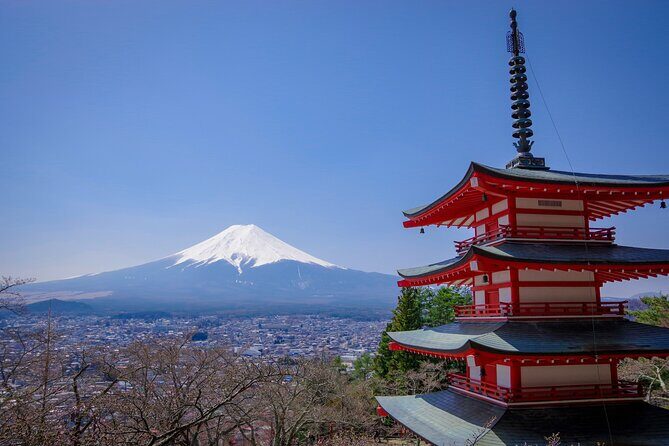
- Mt. Fuji day has multiple viewpoints (Chureito Pagoda, Kawaguchiko, Oishi Park, Saiko Iyashi no Sato Nenba)
- Osaka is bike + food heavy, including a Shinsekai crawl with about 10 dishes
- Seoul includes both markets and palaces, so you get shopping/food plus historic sites
- Busan blends coast views and art villages, including Gamcheon Culture Village
Before you commit, see how this one stacks up against a few Narita favourites:
- Narita Airport (NRT) Private Transfer to Central Tokyo★ 4.5 · 300 reviews
- Private arrival Transfer from Narita Airport(NRT) to central Tokyo city★ 4.5 · 128 reviews
- Narita Airport(NRT): Private Transfer to Tokyo/Yokohama 1-9pax★ 5.0 · 47 reviews
9 Days, Two Countries, One Tight Rhythm
This tour works best if you like momentum. You’ll see a lot, quickly. And because the plan includes transport and guided stops, you spend less time figuring out trains, where to stand, and how to connect between sights.
I like the “handoff” style. You’re guided from one part of the day to the next: pickup, orientation stops, guided walking, then onward to the next city when the day ends. It’s an efficient way to cover Japan and South Korea in one trip, especially if this is your one shot at both countries.
The drawback is simple: you’ll walk more than you think. There are stairs at viewpoints like Chureito Pagoda and lots of standing and crossing streets in Tokyo, Osaka, Seoul, and Busan. The tour also asks for travelers with strong physical fitness. If you’re the type who wants long lie-ins and slow afternoons, this plan can feel like constant motion.
Narita Arrival and the First Hotel Night
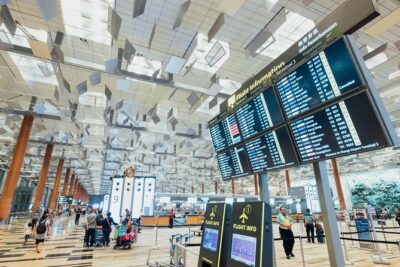
Your first morning starts at 8:00 am with a Narita Airport meeting point (1-1 Furugome, Narita). If your flight arrives at Narita, you’ll be picked up based on your arrival flight details.
Once you meet the driver at the airport exit, you’ll head to your hotel to check in. This matters because Narita can feel like a different planet when you land: you have jet lag, you have luggage, you have customs, and then you still have to solve the “how do I get to my hotel” problem. Here, that part is handled.
Practical tip: when you send your arrival flight info ahead of time, include the flight number and arrival time exactly as it appears on your ticket. Small mismatches can create a messy wait at the airport.
Day Trip to Mt. Fuji: Chureito Pagoda to Saiko Iyashi No Sato Nenba
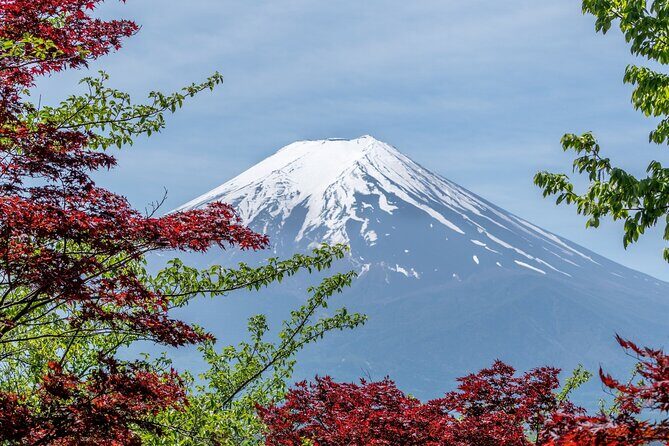
Mt. Fuji is the headline, but what I like is the route. Instead of one view and a quick photo, you’re guided through several places where Fuji shows up in different ways.
You start with pickup in central Tokyo, then head toward viewpoints like Mt. Nikura Asama Park and Chureito Pagoda. Chureito Pagoda is the famous one: you climb stairs up Mt. Arakura for that classic framing with Fuji in the background. It’s short (about 10 minutes at the stop), but it’s also a stair workout, so wear grippy shoes.
From there you move to Lake Kawaguchiko, where you’ll have lunch near the lake at a spot called Kawaguchiko Craftpark. After lunch you get time around the water, which is a nice reset between stops.
Then it’s Oishi Park for seasonal flower scenery along the lake. The timing of flowers changes by season, but the value stays the same: it’s one more chance to catch Fuji reflected in the area’s lake views and landscaped paths.
Finally, you end at Saiko Iyashi no Sato Nenba, a traditional thatched-roof village along Lake Saiko. This is the part that feels most like stepping back in time. You’ll get about an hour here, including an opportunity for craft-making or a stroll through the village.
Potential drawback: Fuji days are weather-dependent. The tour includes multiple viewpoints, which helps, but if visibility is poor, don’t expect miracles.
Tokyo Like a Real City: Shrines, Markets, Neon, and a Metro Plan
Tokyo gets split into energy zones, which is the right move. You’ll cover classic Shinto and Buddhist sites, modern fashion and street life, and then the electronics and street-humor side of the city.
The day includes Meiji Jingu Shrine first. It’s a Shinto shrine dedicated to Emperor Meiji and Empress Shōken, set in a forest-like approach that helps you get out of street noise fast. You’ll also hit Harajuku, which gives you a taste of Tokyo’s fashion street culture around Takeshita Street and the broader area.
Then you get the Shibuya icons: Hachikō near Shibuya Station and the Shibuya Scramble Crossing itself. These stops are brief, but they’re useful because the guide helps you find the best angles without you wasting time circling.
A big change of pace comes with Tsukiji. You’ll see Tsukiji Hongwanji Temple and then the Tsukiji area around the fish market. Even if you don’t plan to buy anything, the market district is a lesson in how Tokyo’s food world works—plus the setting has serious history, including reclaimed-land origins in Tokyo Bay tied to the Edo period.
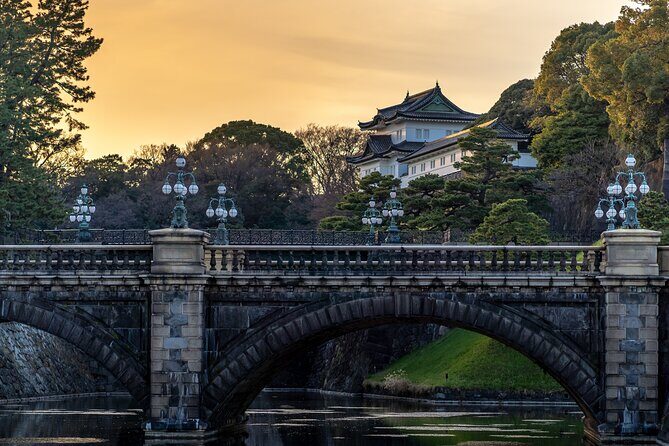
Later you’ll pass through the Imperial Palace East Gardens area (from outside) and the Marunouchi business district, then you’ll stop at Tokyo Station areas that connect modern transit with older architecture.
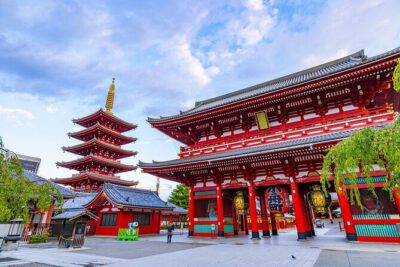
In the afternoon you’ll go into Akihabara, with electronics stores and pop-culture shopping. You’ll also visit Senso-ji in Asakusa, plus Asakusa Shrine near it. This is where Tokyo feels old and alive at the same time.
One more practical note: this day uses walking plus metro travel with an expert local guide, and bottled water is provided. That’s not glamorous, but it’s exactly what makes long days work.
Near the end of the day, you’ll transfer to the airport and fly from Tokyo to Osaka, then check in.



Osaka by Bike and by Bites: Castle Views and Shinsekai Eats
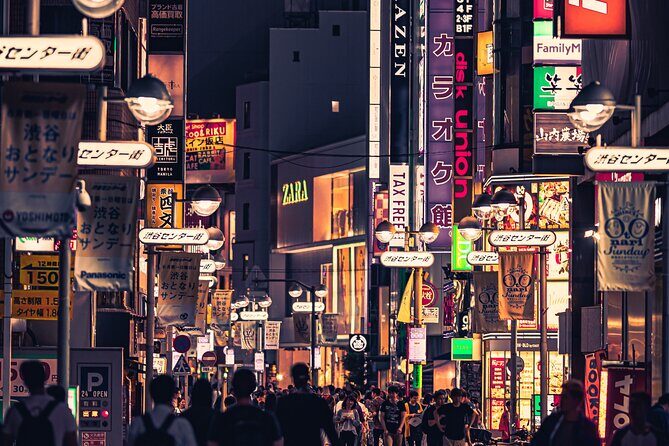
Osaka on this tour is built for movement without feeling rushed. You start with a bike-focused sightseeing day, then you end with a guided food crawl that’s designed for people who actually want to eat.
You’ll pedal through places like Nakanoshima Park (nice river-breeze energy) and Osaka Castle Park for postcard photos. Osaka Castle is central to the city’s story, and the stop includes context, plus a chance for an ice cream moment if you want one.
You also visit Shitennoji, a major Buddhist temple and one of Japan’s oldest temple sites. Then you head into Shinsekai, which feels like a different Osaka: older neighborhood vibe, recognizable street styling, and the Tsutenkaku tower area as a visual anchor.
A fun stop here is Tower Knives Osaka, tied to knife exporting and local knife-making tradition. Even if you don’t buy anything, you’ll get explanations and a chance to use the tools yourself, which turns it into more than just watching.
On the way back, you’ll stop briefly at Namba Yasaka Shrine for good-luck charms. It’s short but memorable, especially if you like little cultural rituals that don’t take half the day.
Then comes the real payoff: a guided food section around Shinsekai’s backstreets. You’ll visit about five eateries and eat around ten dishes over roughly three hours. This is the kind of dinner most first-timers try to plan on their own and then miss because they don’t know where locals go.
Potential drawback: with that many stops and foods, it’s not a sit-and-relax meal. If you have dietary restrictions, you should ask ahead how flexible the tour can be. The plan is food-forward.
Kyoto and Nara in One Long Day: Kinkaku-ji, Arashiyama, and the Big Buddha
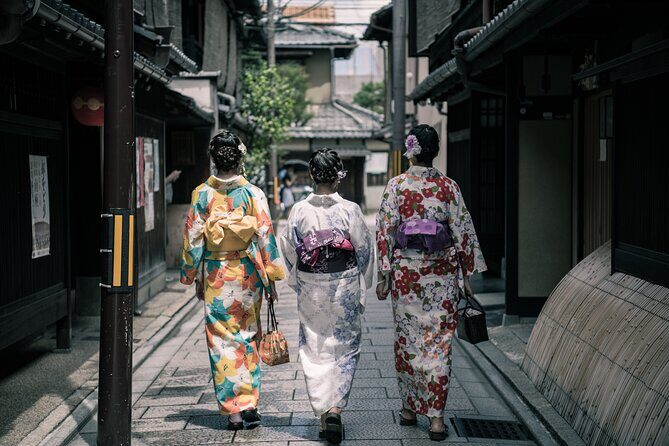
The Kyoto and Nara day is a classic “two worlds” combo: temple beauty, then deer-and-history chaos.
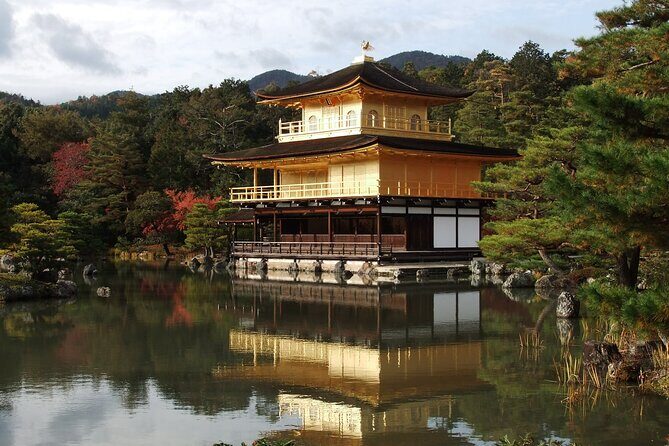
You start with Kinkaku-ji (Golden Pavilion). The tour includes entry. The garden and reflective pond views are part of why this place is so famous, and you’ll also learn the temple’s background—built as a villa, then turned into a temple. If you like seeing why something is iconic, this stop is set up to give you that.
Next is Arashiyama, in western Kyoto. You get a guided look at the district and time around it (about two hours), with optional highlights like the Sagano Bamboo Forest route. If you’re traveling in spring or late fall, this area tends to hit hardest, but even outside peak seasons, the main value is the atmosphere plus the chance to see Kyoto beyond the biggest bullet-list sites.
Lunch is built in: you’ll either have a buffet with an assortment described as 60 Kyoto dishes or a beef shabu shabu lunch if you chose that option. Either way, this is your midday energy refill before the Nara leg.
Then you head to Nara Park. The deer part is obvious, but it’s still special because the deer roam freely and you’ll get a clear path to Todai-ji.
Todai-ji Temple is the climax: the Big Buddha Hall (Daibutsuden) and the seated Buddha representing Vairocana. The structure and scale are the whole point, and the stop includes the essential background and viewing time.
Potential drawback: it’s a full day with multiple major sites, so you’ll want to manage your pace. If you’re the type who needs lots of breaks, bring a small snack and plan water refills between major stops.
Seoul Transfers and the Food Tour Focus on Drinking
Flying into Seoul after Osaka sets the tone: you’ll jump right into the city’s eating culture.
This portion is different from the more traditional “walk and see landmarks” style. It’s a 5-hour food-focused tour built around drinking and eating at top spots, including small alleys that even locals might not point you toward. The key instruction is practical: bring a big appetite.
You start in Insadong, which is a cultural and historical area with shops and tea-style stops. Then you go to Kwangjang Market, where you taste a variety of foods and drinks. Next comes Jongro Gallery, with extra time to try more dishes and drinks in smaller spots.
Then you visit Sewoon Arcade (Makercity Sewoon), an indoor arcade area known for food and shopping. Even if you’re not buying anything, this is a good place to feel Seoul’s day-to-day rhythm without fighting the weather.
Potential drawback: this is a “eat-drink” style plan. If you don’t drink, you’ll still eat, but the pace and choices may not be what you expect. If alcohol is a problem for you, clarify what alternatives exist before the tour starts.
Seoul Palaces and Royal Guard Ceremony: Gyeongbokgung and Changdeokgung
Day 7 shifts toward major historic sites and formal Seoul landmarks. You’ll start at Jogyesa Temple, known for being a Zen Buddhism center in the city, with old trees around the main area. It’s a calm contrast to the street scenes around it.
Then you move to the palace area. You’ll pass the Presidential Blue House as you go toward Gwanghwamun, where you’ll watch the royal guard changing ceremony. After that, you head into Gyeongbokgung Palace, described as the main palace during the Joseon dynasty and known for its beauty and scale.
There’s also a specific heads-up built into the tour: on Tuesdays, Gyeongbokgung Palace and the National Folklore museum are closed. In that case, the tour plan swaps to Deoksugung Palace and the Presidential Blue House Museum. That flexibility is helpful if your travel dates land on a Tuesday.
After the palaces, you return toward Insadong for traditional shops, tea-house vibes, and antique browsing. Then you visit Changdeokgung Palace, which is noted as one of the best-preserved royal Joseon palaces and is recognized as a UNESCO World Heritage Site. The rear garden focus here matters if you like the quieter parts of palace grounds, not only the buildings.
Finally, you end with Namdaemun Market near Namdaemun Gate. Even with a short stop, you get the area’s identity: a market zone tied to a restored gate and a long civic history. It’s also a good place to grab last-minute snacks and souvenirs.
Busan Coast and Art Villages: Haedong Yonggungsa, Taejongdae, Gamcheon
Busan day is a pleasing change: more sea air, more viewpoints, and a creative neighborhood feel.
You start with Haedong Yonggungsa, a temple built along the shoreline. It’s set apart from the mountain-only temples you might expect. The tour includes entry, so you get time to actually experience the space rather than just pass by.
Then you head to Taejongdae, described as one of Busan’s signature coastal spots, famous for rocky beaches and pine forests. This stop is about three hours, which is a good length because coastline views require slow walking and repeated looking.
After that, it’s Gamcheon Culture Village, nicknamed like a style of mural-town and built on stepped housing on a hillside. The tour focuses on the village’s alleyways and decorations, so you can enjoy it as a walking gallery instead of just a single landmark photo.
You also visit Huinnyeoul Culture Village on Yeongdo, with a suggestion to enjoy it by walking along the seacoast pathway. This is where Busan feels less like a “tour city” and more like real daily life with art added on top.
Potential drawback: Busan’s sightseeing mix is scenic and photogenic, but it can mean longer walking distances on hills and viewpoints. If stairs wear you out, plan your shoe choice carefully.
Leaving Japan and Korea: Flights and Final Transfers
On the last day, you meet the driver at your hotel and transfer to the airport for your departure flight. The tour includes the heavy transport parts across the trip, so the final day is mainly a clean finish.
This is another reason the tour works better for confident travelers. You’ll spend fewer hours figuring out systems and more time seeing places. But you’ll also need to stay alert on timing because the structure is built around getting to airports and stations on schedule.
Price and Logistics: Is $4,900 Good Value?
At $4,900 per person, you’re paying for speed and structure. This isn’t a budget backpack plan, and the price makes sense only if you value time-saving.
Here’s what you’re getting that usually costs real money on your own:
- Hotel accommodation for the nights
- Air tickets from Tokyo to Osaka and Osaka to Seoul
- Bullet train round trip between Seoul and Busan
- Breakfasts, lunches, and dinners (breakfast 8, lunch 5, dinner 2)
- Professional tour guide service
- Admission tickets are included for specific stops, like Kinkaku-ji and Todai-ji, plus parts of the Fuji and Busan days
What you still pay extra:
- Gratuities to tour guide and driver are not included.
If you’re someone who would otherwise spend days planning routes, booking trains, and buying separate tickets, this package can feel fair. The included meals also take pressure off. A couple celebrating a 30th anniversary said the hotels felt high class and they liked the shinkansen connection, which lines up with the idea that you’re paying for fewer headaches.
If you’re the type who wants flexible pacing and lots of free time, the price might feel steep because the plan is tight. You’re buying guided coverage and timing, not freedom.
Who This Tour Suits Best (and Who Should Skip It)
This tour is a great fit if:
- You want to see Japan and South Korea in one trip without doing heavy planning
- You like guided context at major temples and palaces, then time to wander markets and neighborhoods
- You’re comfortable walking and standing for long stretches
- You enjoy food tourism, especially the Osaka and Seoul portions
You might want a different style of trip if:
- You get tired easily from stairs and long days
- You want lots of unplanned downtime
- Your schedule can’t handle early airport transfers and meeting points
Should You Book This Tour?
I’d book it if your priority is coverage with a guide and you’re up for an active pace. The strongest wins are the Mt. Fuji viewpoint set, the Osaka bike + Shinsekai food crawl, and the way Seoul gives you both market eating and palace history. Add in the shinkansen and included flights, and you get a trip that feels like it was built to save you time.
I’d think twice if you’re mainly looking for a slow, chill vacation or if you struggle with physical demands. This tour moves. It’s fun, but you’ll feel it in your legs.
FAQ
How does pickup work when I arrive in Japan?
You’ll meet the driver at the airport exit at Narita after your flight arrives, then go to the hotel to check in. Your pickup is arranged based on your arrival flight information you share beforehand.
What’s the first meeting point and start time?
The start point is Narita Airport (1-1 Furugome, Narita 282-0004, Chiba Prefecture) with a start time of 8:00 am.
Are flights included in the tour price?
Yes. Tokyo to Osaka and Osaka to Seoul flights are included.
Do you include train travel between Seoul and Busan?
Yes. The tour includes a round trip bullet train ticket (Seoul to Busan).
Are hotel stays included?
Yes. Hotel accommodation is included for the trip.
Are meals included?
Yes. Breakfast (8), Lunch (5), and Dinner (2) are included.
Is there a professional guide?
Yes. The tour includes a professional tour guide service.
Are entrance fees included?
Some sights include entry, such as Kinkaku-ji and Todai-ji, and other stated stops. The tour marks specific admission inclusions per stop.
What group size should I expect?
The tour has a maximum of 15 travelers.
Can I cancel or change the booking?
No. This experience is non-refundable and cannot be changed for any reason.
How soon will I get booking confirmation?
You should receive confirmation within 48 hours of booking, subject to availability.
More Tours in Narita

More Tour Reviews in Narita
Fresh reviews from around Narita
Narita, compared.
 ★ 4.5Narita Airport (NRT) Private Transfer to Central TokyoFrom $166300 reviews
 ★ 4.5Private arrival Transfer from Narita Airport(NRT) to central Tokyo cityFrom $92128 reviews
 ★ 5.0Narita Airport(NRT): Private Transfer to Tokyo/Yokohama 1-9paxFrom $12747 reviews
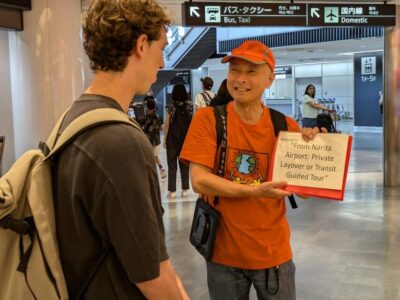 ★ 4.8From Narita Airport: Private Layover or Transit Guided TourFrom $27729 reviews
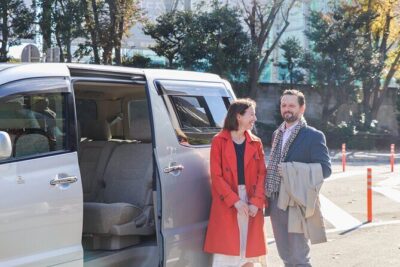 ★ 4.5Airport transfer: Narita, Haneda (Tokyo), HND-NRT Airport shuttleFrom $22426 reviews
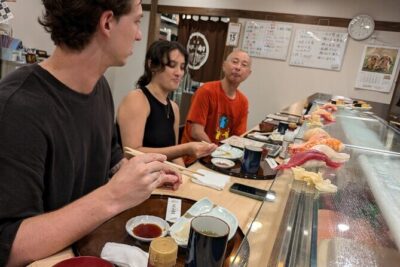 ★ 5.0For Narita Airport Users: Layover or Transit Guided Private TourFrom $15022 reviews
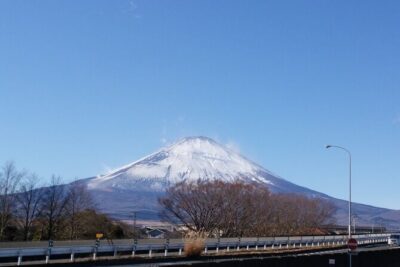 ★ 5.03 Day Japan Highlights Tour: Tokyo, Mt.Fuji, Nara, Kyoto, OsakaFrom $1,31022 reviews
 ★ 4.5Private Transfer from Narita Airport to Yokohama Port and CityFrom $14417 reviews
Browse the lists this tour appears in