
Reviewed · NARITA
Narita-san Private Layover Tour from Narita International Airport
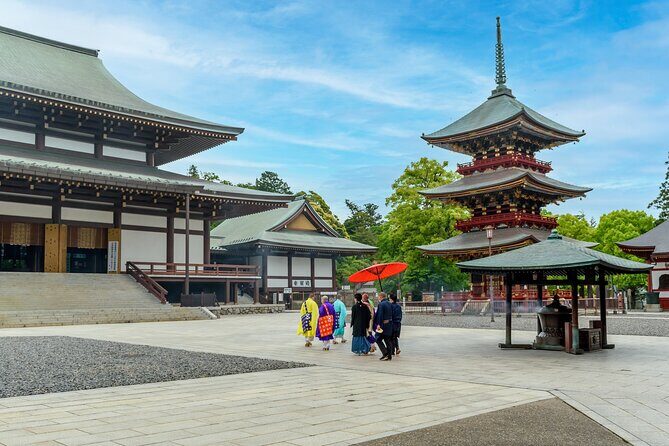
Turn a layover into a temple day. This private Narita-san half-day tour is built for travelers who want culture without the stress: an English-speaking guide meets you at Narita, takes you to Naritasan Shinshoji Temple, and guides you along Omotesandō, the temple approach lined with shops and local food.
I also like that it’s truly private, so your pace and questions set the tone, and the day is structured so you’re not wandering around confused with a 4.5-hour window.
I especially love two things: first, the licensed English-speaking guide (names like Yoshi come up again and again for smooth meet-ups and clear cultural context). Second, the tour uses an efficient route that fits a layover day, including transport support and time for the temple grounds and the park.
One possible drawback: you’ll do a good amount of outdoor walking, and the experience is weather dependent. Comfortable sneakers and a rain plan are not optional if you want the day to feel easy.
In This Review
- Key highlights to know before you go
- Narita layover, but make it meaningful: Shinshoji + Omotesandō in one easy plan
- What you’re really paying for: guide time, included transport, and temple visits
- Meeting at Narita Airport: where it starts (and how it stays calm)
- How the route works: train support and a “get your bearings fast” day
- The Omotesandō approach: shops, snacks, and the Japan you actually walk through
- Naritasan Shinshoji Temple: Fudō Myōō, big ceremony energy, and clear guidance
- Naritasan Park behind the temple: a quiet reset with streams and ponds
- Back along Omotesandō: local unagi and a practical lunch window
- Timing, walking, and comfort: make the day feel easy
- Private guide perks: why this feels better than piecemeal sightseeing
- Should you book this Narita-san layover tour?
- FAQ
- Where does the guide meet me?
- How long is the tour, and how much walking should I expect?
- Is Naritasan Shinshoji Temple admission included?
- Is lunch included?
- Are train tickets included from Tokyo?
- What happens if weather is bad?
Key highlights to know before you go
- Private, English-guided layover plan that keeps the day organized from start to finish
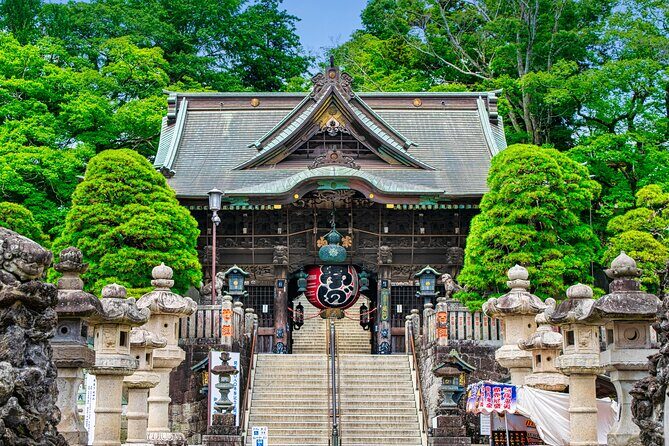
- Naritasan Shinshoji Temple access with Fudō Myōō context and a big, memorable temple setting
- Omotesandō walking time to try local sweets and souvenirs without rushing
- Naritasan Park pause for quiet streams/ponds behind the temple grounds
- Guide-led food stop along the main street with local eel (unagi) as the specialty
- Moderate walking outdoors, so shoes and rain gear matter
More private options with your own guide
- Narita Airport (NRT) Private Transfer to Central Tokyo★ 4.5 · 300 reviews
- Narita Airport(NRT): Private Transfer to Tokyo/Yokohama 1-9pax★ 5.0 · 47 reviews
- From Narita Airport: Private Layover or Transit Guided Tour★ 4.8 · 29 reviews
Narita layover, but make it meaningful: Shinshoji + Omotesandō in one easy plan
A layover can be either wasted time or a small adventure. This tour is designed for the second option: you land, meet your guide, and within minutes you’re in a different rhythm than the airport terminal. It’s not a massive sightseeing day across multiple cities. It’s a focused hit of temple, street life, and a little nature—right near Narita.
I like the way the tour is structured around two walkable zones: the temple approach and the temple grounds. That matters for value, because it reduces wasted transit and gives you time to actually look at things, not just move between them. It also fits the reality of a layover: you want “done and memorable” more than “check every box.”
You’ll also get a guide who can translate the meaning behind what you see. In the guide feedback you’ll hear names like Yoshi, with praise for fluent explanations and smooth meeting points. That’s the kind of support that makes a short trip feel bigger than the hours on the clock.
What you’re really paying for: guide time, included transport, and temple visits
The price is listed as $208.11 per person. That can sound high until you match it to what’s included and what a private English-speaking guide costs in Japan. This isn’t just someone handing you a ticket. You’re buying guided interpretation plus the friction removed from figuring out routes and timing.
From the included details, you get:
- An experienced English-speaking guide
- Round trip tickets from Tokyo Station to Narita Station
- Admission coverage where noted (one segment includes an admission ticket; the main temple/park/Omotesandō stops are free on the schedule)
- A mobile ticket option and a private format (only your group)
You also get group-size tiered pricing in yen, which is a nice way to control cost if you’re traveling with friends or family. The tiers shown are:
- 15,000 yen per person for groups of 5–8
- 18,000 yen per person for groups of 4
- 23,000 yen per person for groups of 3
- 25,900 yen per person for groups of 2
- 32,000 yen for solo travelers
Lunch isn’t included, and gratuity isn’t included. That’s normal for this type of tour, but it affects how you plan your timing—especially if you’re arriving hungry or leaving on a tight schedule.
Meeting at Narita Airport: where it starts (and how it stays calm)
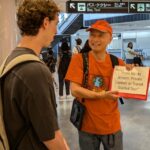
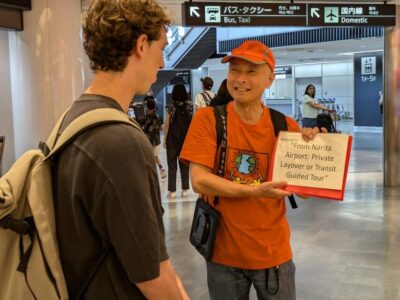
This tour starts right at Narita. Your guide meets you at the tourist information desk on the ground floor of Terminal 1 or Terminal 2. The meeting point location is listed as 1-1 Furugome, Narita (Chiba), which is helpful if you’re using a map app for the first leg.
Why this matters: airport tours often fall apart on the first 10 minutes—wrong terminal, long walks, language confusion. Here, the meet-up is clearly anchored to the terminal’s information desk. That reduces the chance you’ll burn your layover sprinting around to find someone holding a sign.
You’ll also want to be ready for some outdoor time soon after you meet. Bring your sneakers, and if rain is possible, pack an umbrella or a raincoat. The tour notes specifically that the route involves walking outdoors and that weather can affect the itinerary.
How the route works: train support and a “get your bearings fast” day
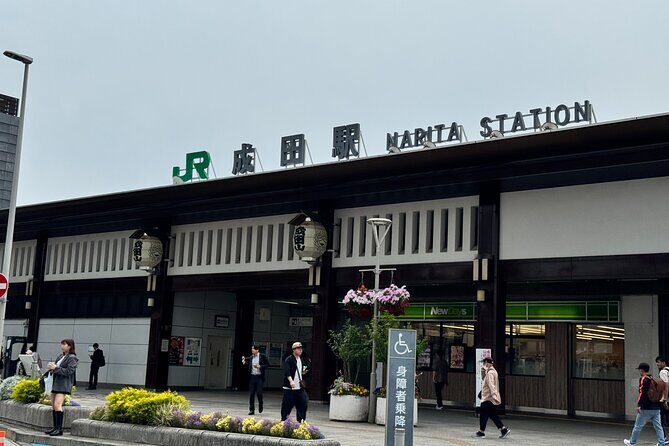
The schedule is designed around a simple flow: get from the Narita area to the Naritasan temple area, do the sightseeing loop, then return to the airport. Transport support is included, and there’s a clear connection between Tokyo Station and Narita Station in the included items.
One detail that’s worth knowing: the itinerary content points to rail usage, and even mentions a limited express segment if you’re starting from the Tokyo side. The practical takeaway for you is that the tour is meant to be rail-friendly, not car-only, which usually makes timing more predictable in Japan.
You’ll also be with a guide who handles the handoffs. That’s a big deal on a layover, when you’re dealing with jet lag, luggage, and time pressure. The last thing you want is to arrive at a station, then immediately play transportation roulette.




The Omotesandō approach: shops, snacks, and the Japan you actually walk through
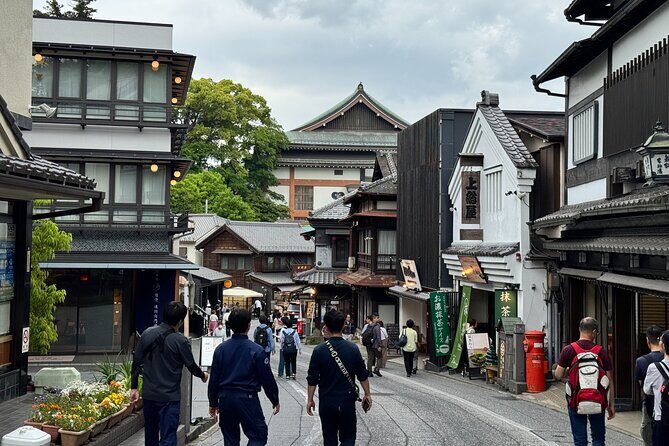
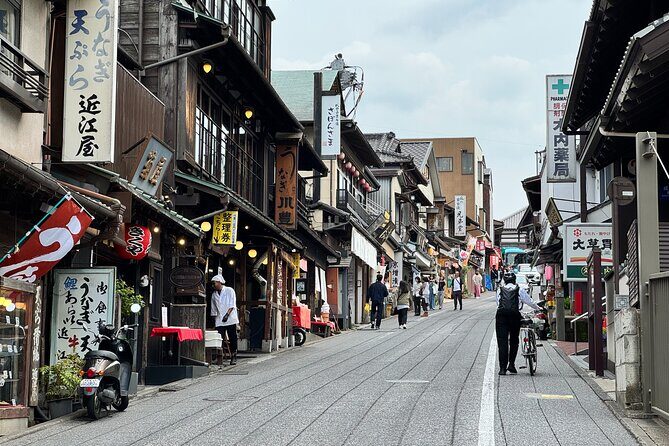
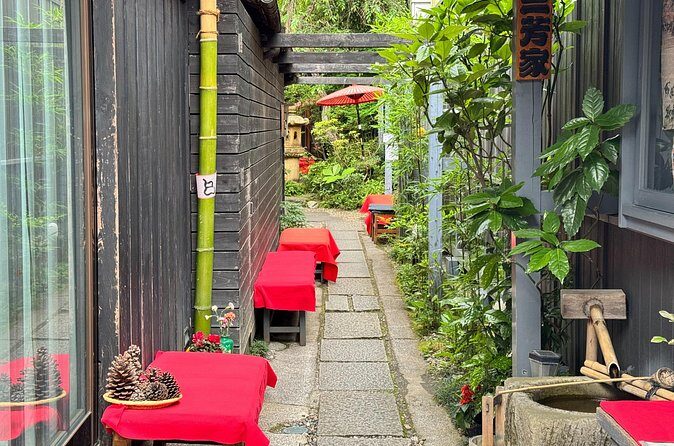
The tour includes time on Omotesandō, the approach street leading you toward the temple area. This is one of those parts of Japan that’s hard to replicate from pictures. It’s where locals and visitors share the same pedestrian rhythm—small shops, food stalls, and souvenir browsing.
You’ll likely enjoy:
- Traditional sweets and small snacks along the way
- Shopping opportunities for temple-area souvenirs
- A more human pace than “museum mode”
This is also where your guide’s explanations can turn browsing into learning. The walking segment gives context as you pass through the commercial strip that supports the temple. You’re not just killing time. You’re watching how pilgrimage and local business overlap in a modern Japanese town.
Potential drawback: if your layover is tight and you want zero shopping and zero wandering, Omotesandō might feel like a detour. The good news is that you have a guide to adjust the pace—especially since it’s private and only your group participates.
Naritasan Shinshoji Temple: Fudō Myōō, big ceremony energy, and clear guidance
The main event is Naritasan Shinshoji Temple, a site with over 1,000 years of history and millions of visitors each year. The schedule includes a full hour here, and that’s enough time to see key areas and absorb the tone of the place.
Here’s the specific religious detail included in the tour description: the main deity enshrined is Fudō Myōō, said to have been created by Kūkai. That kind of detail matters because it changes how you read the space. Without context, a temple can feel like beautiful architecture. With context, it starts to feel like a living system of meaning—why certain statues, halls, and practices exist where they do.
You may also experience something ceremony-like during your visit. In the feedback, people highlight the Buddhist ceremony at the main hall as a memorable moment. Even if ceremonies aren’t constant in every format at every time of day, a guided visit helps you notice what you might otherwise miss.
One practical tip: give your eyes time to adjust. Temple lighting and interior halls can feel dim compared to the street. If you rush, you’ll miss the details your guide is pointing out. That’s why the hour matters for value.
Naritasan Park behind the temple: a quiet reset with streams and ponds
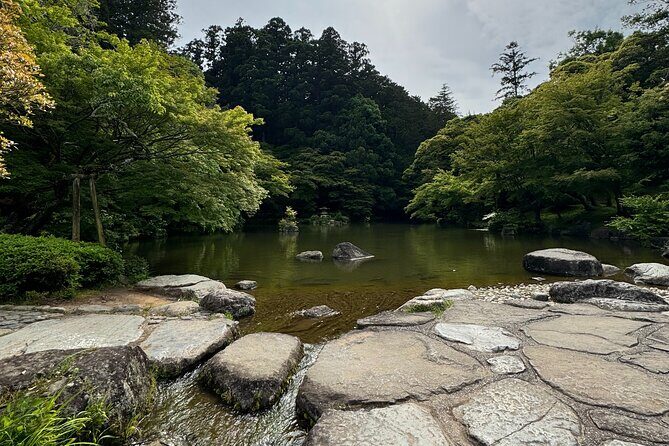
Behind the main temple area is Naritasan Park, and it’s included for about 30 minutes. This part of the tour is a breathing space. You’re moving from prayer spaces and street energy into a more natural feel.
The park is described as having streams and ponds tucked into a forest hillside setting. That matters because it balances out the day. If your layover day already has airport stress, you’ll probably appreciate the chance to walk more slowly and look at water and trees rather than just signage and crowds.
The drawback here is simple: if it’s raining hard, park walking can be less fun. You’ll still get value from seeing it, but come prepared. Sneakers with grip help, and a rain layer keeps you comfortable enough to actually enjoy the quiet.
Back along Omotesandō: local unagi and a practical lunch window
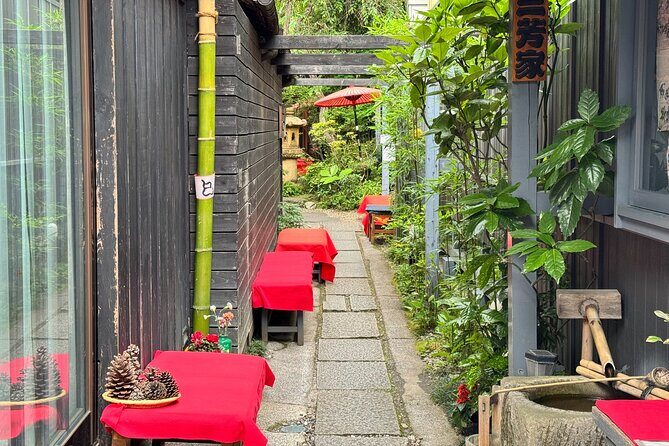
After temple and park, the schedule returns you to Omotesandō for a food-focused stretch. This section is built for lunch timing without forcing you into a single fixed restaurant plan.
A major local specialty here is unagi, or fresh-water eel. The description notes that it’s simmered and then grilled. That’s a classic preparation method, and it explains why unagi in Japan often feels different from what you might know as “eel” elsewhere.
Your tour time includes roughly 50 minutes at this stage. That’s long enough to:
- Sit down for something if you want
- Or grab something quick if your next flight is closer than your lunch appetite
One note: lunch isn’t included, so budget for your meal. If you’re prone to airport hunger swings, it’s smart to decide in advance whether you’ll do a full meal or a lighter snack. Your guide can help you choose based on timing.
Timing, walking, and comfort: make the day feel easy
This tour is about 4 hours 30 minutes. It’s not all sitting. You’ll be outdoors a good chunk of the time, so your comfort affects your experience more than people expect.
What I’d plan around:
- Wear comfortable shoes (sneakers are the safe bet)
- Bring rain gear since weather can change the experience
- Have a basic plan for hydration, because walking + temple time adds up
Also, your itinerary notes that visits may be omitted or substituted due to weather or operational reasons, and the tour may not be canceled in those circumstances. That means you should think of the day as “temple-focused with flexibility,” not as a rigid checklist.
If you’re traveling with mobility constraints, this is worth discussing before booking. The description calls for moderate physical fitness and emphasizes outdoor walking.
Private guide perks: why this feels better than piecemeal sightseeing
Because this is a private tour, you get a more personal rhythm than a shared group. That’s especially valuable on a layover, where everyone’s stress level is different. You can ask questions. You can pause. You can take a slightly different pace than the person next to you.
The guide element is the heart of the experience. The feedback highlights that meeting up is smooth and the guide gives helpful context about Japanese customs and culture. When your guide is English-speaking and licensed, you don’t have to guess what you’re seeing or look up translations while you’re trying to keep up with the clock.
If you’re the type who likes to understand why something exists (not just what it looks like), you’ll get more from the temple and park time than you might on a self-guided stroll.
Should you book this Narita-san layover tour?
Book it if:
- Your layover is long enough to justify a guided half-day outing
- You want a temple visit that’s explained in plain English
- You prefer a focused day over chasing multiple regions
- You like walking streets with food and souvenirs, especially around Omotesandō
Skip it or reconsider if:
- You have very limited time and hate the idea of outdoor walking on a schedule
- You’re not interested in temples, ceremonies, or cultural context
- You don’t want to spend time choosing lunch on your own (lunch isn’t included)
Also, consider your group size. If you’re traveling with others, the tiered group pricing can make this much easier to justify.
If your goal is to turn an airport pause into a real, human Japan experience—this is a strong bet.
FAQ
Where does the guide meet me?
The guide meets you at the tourist information desk on the ground floor of either Terminal 1 or Terminal 2 at Narita Airport.
How long is the tour, and how much walking should I expect?
The tour is about 4 hours 30 minutes. It involves a good amount of walking outdoors, so comfortable shoes are recommended.
Is Naritasan Shinshoji Temple admission included?
Admission for the temple stop is listed as free in the tour schedule, and the itinerary also notes that one early segment includes an admission ticket.
Is lunch included?
No. Lunch isn’t included.
Are train tickets included from Tokyo?
Yes. The tour includes round trip tickets from Tokyo Station to Narita Station.
What happens if weather is bad?
The tour requires good weather. If it’s canceled due to poor weather, you’ll be offered a different date or a full refund. The itinerary may also be subject to changes or substitutions due to weather or other operational reasons.
Just Your Group: Private Options


More Tours in Narita

More Tour Reviews in Narita

Fresh reviews from around Narita




Narita, compared.
 ★ 4.5Narita Airport (NRT) Private Transfer to Central TokyoFrom $166300 reviews
 ★ 4.5Private arrival Transfer from Narita Airport(NRT) to central Tokyo cityFrom $92128 reviews
 ★ 5.0Narita Airport(NRT): Private Transfer to Tokyo/Yokohama 1-9paxFrom $12747 reviews
 ★ 4.8From Narita Airport: Private Layover or Transit Guided TourFrom $27729 reviews
 ★ 4.5Airport transfer: Narita, Haneda (Tokyo), HND-NRT Airport shuttleFrom $22426 reviews
 ★ 5.0For Narita Airport Users: Layover or Transit Guided Private TourFrom $15022 reviews
 ★ 5.03 Day Japan Highlights Tour: Tokyo, Mt.Fuji, Nara, Kyoto, OsakaFrom $1,31022 reviews
 ★ 4.5Private Transfer from Narita Airport to Yokohama Port and CityFrom $14417 reviews
Browse the lists this tour appears in