
Reviewed · TOKYO
Tokyo: Kimono Rental inside Shinjuku Gyoen National Garden
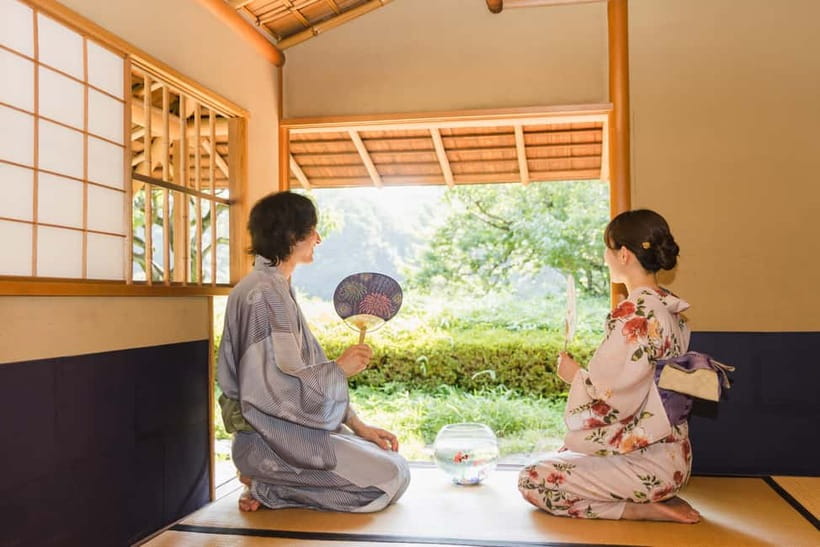
A kimono moment inside a major city park. That’s what makes this rental stand out: you get dressed in the tea-room setting of Rakuu-tei Kouichi Store and then step into the peaceful lanes of Shinjuku Gyoen National Garden. I like that the process feels guided but not fussy, and you end up with free time to wander at your own pace.
What I like most are two simple things: first, the staff help you from kimono selection through dressing, including practical details like obi, tabi socks, and sandals. Second, you’re not just wearing a costume—you’re actually able to experience the garden while dressed traditionally.
One consideration: you’re limited to kimono time inside the garden, and you must return by 4:00 PM, so you’ll want to pick an earlier slot if you want a relaxed stroll without feeling rushed.
In This Review
- Key points before you go
- Kimono in Shinjuku Gyoen: why this experience is actually worth your time
- Inside Rakuu-tei Kouichi Store: picking your kimono and getting dressed
- Your 90-minute rhythm: how to time the garden stroll (and not feel rushed)
- Exploring Shinjuku Gyoen in kimono: what’s allowed, what’s not, and how to stay comfy
- What $45 actually buys you: value check for men and women
- The practical stuff that keeps your day stress-free
- Who this is best for (and who might want a different plan)
- Gift shopping after your kimono: what to do in the shop area
- Should you book Rakuu-tei Kouichi Store Kimono Rental inside Shinjuku Gyoen?
- FAQ
- How much time does the kimono rental experience take?
- Where does the experience start inside Shinjuku Gyoen?
- What is included in the kimono rental?
- Do I need to pay the Shinjuku Gyoen entrance fee separately?
- Is there a restroom inside the building?
- Can I leave Shinjuku Gyoen while wearing the kimono?
- Do I need to show ID?
- What happens if I return the kimono after 4:00 PM?
Key points before you go
- Only kimono rental inside Shinjuku Gyoen: this is the one-stop option for wearing kimono in the park itself.
- Dressing happens at Rakuu-tei: tea-room setting, guided selection, and professional kimono handling.
- Small group size (up to 5 people): more attention when you’re getting fitted and tied.
- Free time to wander in kimono: you’re not stuck in a scripted route.
- No restroom inside the building: plan your bathroom stop before you arrive.
- Early booking helps: winter cold and a firm return time can turn a stroll into a sprint.
Before you commit, see how this one stacks up against a few Tokyo favourites:
- Mt Fuji and Hakone 1-Day Bus Tour Return by Bullet Train★ 5.0 · 26,383 reviews
- 1-Day Tokyo Bus Tour★ 5.0 · 14,250 reviews
- Tokyo: teamLab Planets TOKYO Digital Art Museum Entry Ticket★ 4.6 · 9,779 reviews
Kimono in Shinjuku Gyoen: why this experience is actually worth your time
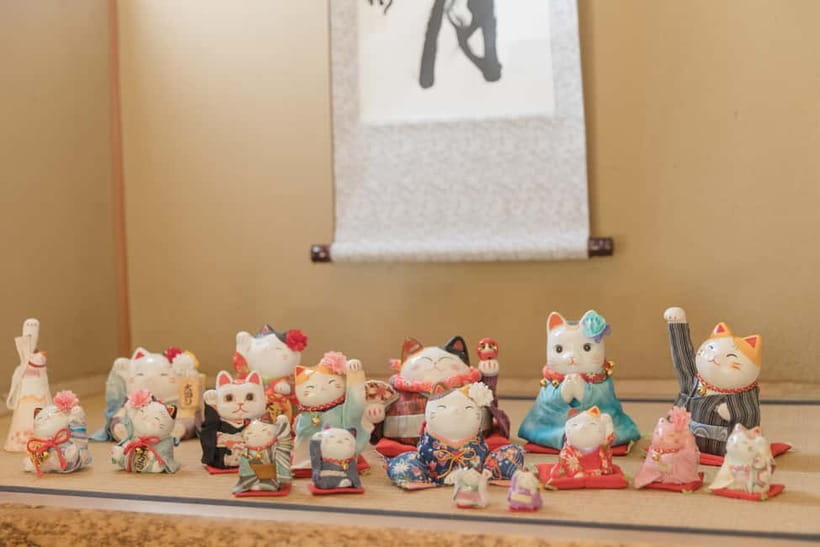
This is the kind of activity that works best when you want two things at once: a cultural moment and a calm place to enjoy it. Shinjuku Gyoen is already famous for being pretty and peaceful, but this adds a very personal twist—your outfit matches the garden’s slower rhythm.
The kimono portion is handled in a traditional setting at Rakuu-tei Kouichi Store, right inside the garden. From there, you get to walk the paths in your rental kimono and see the scenery up close, without the usual Tokyo “walk fast, look quick” energy.
Also, the shop has strong “craft trust.” It’s described as a long-established kimono maker founded 174 years ago, focused on preserving and sharing Japan’s textile traditions. That matters because it’s not just renting something off a rack. The staff guide you through choosing a seasonal design and getting dressed properly.
One more reason I think this fits smart travel: you’re paying for a complete outfit experience plus time in a standout location. You’re not just buying an item. You’re borrowing a traditional look, then pairing it with a genuinely enjoyable place to wear it.
Inside Rakuu-tei Kouichi Store: picking your kimono and getting dressed
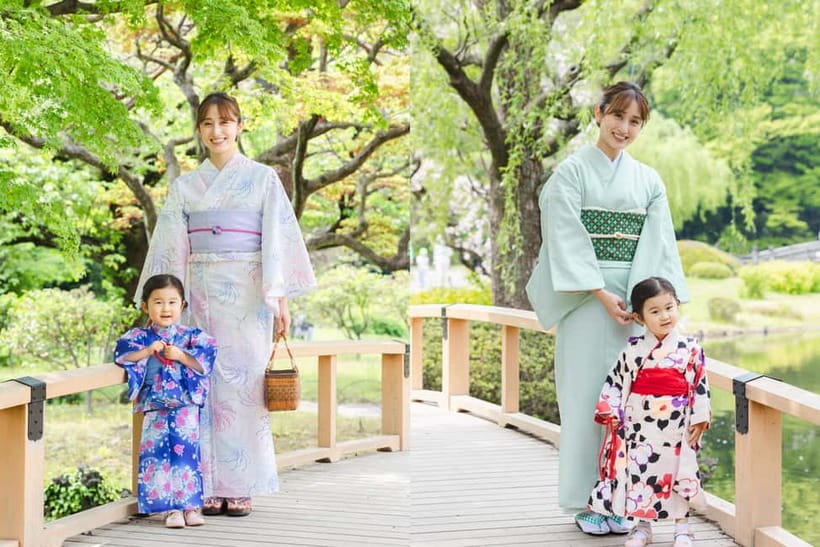
Your timeline starts at the shop area inside the garden, specifically at Rakuu-tei. Plan for around 60–90 minutes for the reception, kimono selection, dressing, and basic hairstyling for women.
Women get basic hairstyling included. If you want something more elaborate, there are optional paid extras. Men don’t get hairstyling, but they do get a haori jacket included as part of the outfit.
The staff help with the details that usually trip people up. They’ll handle:
- Obi belt tying
- Tabi socks (those split-toe socks)
- Traditional sandals
- And a Japanese-style handbag
They also note that kimono rental has size limitations, so if you have any concerns, you should message your size and body type when reserving. That’s a practical step. It helps you avoid the awkward moment of being rushed into a “closest option” you don’t love.
You’ll also be asked to show a valid passport or government-issued photo ID at check-in. This isn’t just theater for the tour. It’s tied to Shinjuku Gyoen security rules, and the guidance is clear: if you can’t show ID, you may not be able to participate.
Lastly, keep expectations realistic about photos. There’s no added photography service packaged here. That doesn’t stop you from taking your own photos, but it does mean you should not count on a dedicated photographer or staged photo package.
Your 90-minute rhythm: how to time the garden stroll (and not feel rushed)
The overall duration is listed as 90 minutes, but the structure is really two chunks:
1) Dressing and setup (about an hour, sometimes up to 60–90 minutes)
2) Exploring time in the kimono after you’re ready
After you’re dressed, you’re free to explore the garden at your own pace. This is where you get the “breathe” part of the experience. You’re not following a strict route. You’re wandering through Shinjuku Gyoen and letting the scenery set your pace.
But there’s a clock attached. Kimono must be returned by 4:00 PM, and late returns can trigger an additional fee of ¥1,100. Translation: if you book late in the day, you’ll end up watching the time instead of enjoying the view.
One small practical note: it takes about 10–15 minutes on foot from the Shinjuku Gate entrance to the meeting point. Since the kimono shop is inside the park, build in that walk, plus a few minutes to get settled before your dressing slot.
If you’re visiting in colder months, factor in comfort. A common theme from past experiences is that winter cold can limit how long you’ll want to stay outside even with layered clothing. Your kimono looks great, but your body still feels weather. Dress warm before you change into kimono, not after.
Exploring Shinjuku Gyoen in kimono: what’s allowed, what’s not, and how to stay comfy
Once you’re dressed, you’re in the garden zone. That comes with clear boundaries.
First, the kimono experience is limited to inside Shinjuku Gyoen. You’re not permitted to leave the garden while wearing the kimono. So don’t treat this like a quick “dress and hop on the subway” plan.
Second, you can’t just pause everything and disappear. You must return to Rakuu-tei Kouichi Store for kimono removal.
Now for comfort and walking. Traditional sandals are included, but they’re not automatically “easy-mode.” The guidance says you may wear your own shoes if the provided sandals are difficult to walk in. I’d take that seriously. If your feet get sore early, you’ll want to push less and enjoy more, and your day will feel better if you choose comfort early.
Also, there’s no restroom inside the building. Use the restroom outside before you come to the shop. This is one of those details that can make or break the experience. It’s not hard, it’s just easy to forget until you’re already dressed.
What about photography? There’s no built-in photography option listed, so don’t rely on someone else to stage or shoot. If photos matter to you, bring a plan:
- Take a few early shots right after you’re dressed.
- Then walk, look, and let the best views happen naturally.
- Keep in mind you’re in a quiet park setting, so move respectfully and don’t block paths.
And because kimono dressing is a bit like fitted clothing with layered fabric, be mindful about how you carry items. Oversize luggage isn’t allowed, and you should travel light if you want the experience to feel smooth.





What $45 actually buys you: value check for men and women
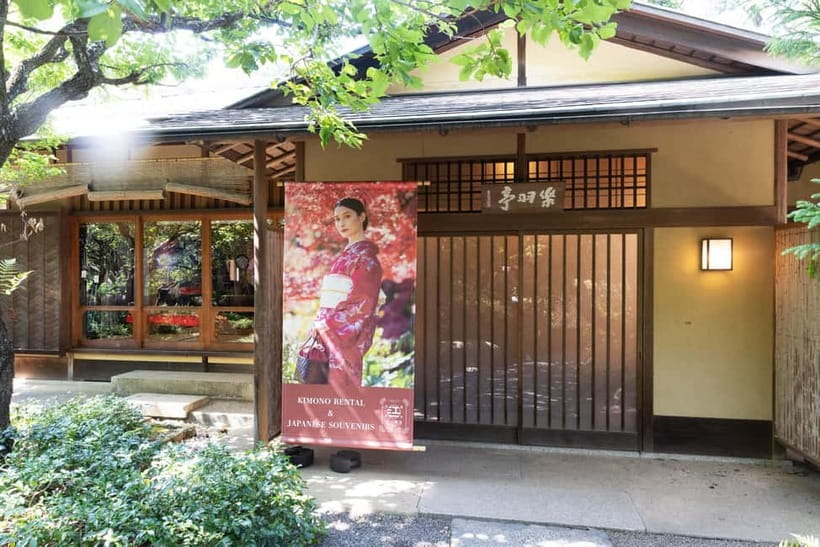
At $45 per person for a 90-minute experience, you’re paying for more than a rental fabric swap. You’re getting a guided, staffed dressing experience inside an iconic location.
Here’s the value breakdown:
- Kimono rental itself
- Accessories and basics: obi, tabi socks, traditional sandals, and a Japanese-style handbag
- Men’s extra: a haori jacket
- Dressing help: reception, kimono selection, and professional dressing
- Women’s extra: basic hairstyling included
A big part of the value is that someone else handles the hard work. Dressing yourself in kimono correctly is not a “quick YouTube moment.” Having professionals do it means you can focus on enjoying the garden instead of troubleshooting ties and folds.
Two key things are not included:
- Shinjuku Gyoen entrance fee (you purchase separately)
- No photography plan/service is included
So your real day cost is kimono rental plus the park admission. Still, for the combination of a full outfit plus time in one of Tokyo’s calmer landscapes, it generally makes sense—especially if you’ve been imagining what it would feel like to wear kimono in a real setting instead of just taking photos outside.
The practical stuff that keeps your day stress-free
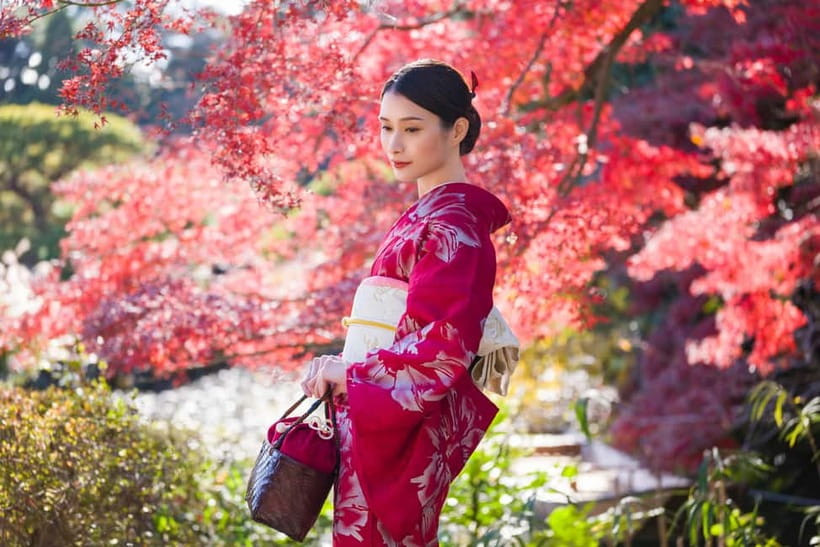
This part matters because kimono plus a park has a few rules that can catch you off guard.
1) Bring ID
You must present a passport or government-issued photo ID at check-in. Without it, participation may not be possible.
2) Arrive with enough time
Even though your total time is about 90 minutes, the walk from Shinjuku Gate to the meeting point is 10–15 minutes. Add a buffer for getting oriented inside the garden.
3) Restroom planning
No restroom inside the building. Plan ahead so you’re not dealing with that after you’re already dressed.
4) Weather can change things
In bad weather, the experience may be modified or canceled. If you’re traveling in rainy season or winter storms, keep your schedule flexible and dress for comfort.
5) Travel light
Oversize luggage isn’t allowed. If you’re carrying a lot, rethink what you bring into the park area.
6) Health and safety fit
Pregnant women are listed as not suitable. If you have mobility concerns, consider whether long sitting time for dressing plus walking in traditional sandals fits you.
7) No smoking, no pets
No smoking and no pets are allowed (assistance dogs allowed). Alcohol and drugs also aren’t allowed. Party groups are not included.
Small group size helps here. The rental is limited to 5 participants, which usually means you’re not getting shoved through the process.
Who this is best for (and who might want a different plan)
This is ideal if you:
- Want an authentic outfit experience, not just a quick photo moment
- Like the idea of exploring a beautiful park at an easy pace
- Enjoy cultural details and appreciate when someone helps with the “getting dressed” part
You’ll probably also enjoy it if you’re traveling with a partner or as a solo traveler who doesn’t want a big crowd dynamic.
Who might rethink it:
- If you hate strict time windows, the 4:00 PM return rule is firm.
- If you need frequent restroom access during the day, remember there’s no restroom inside the building, so timing matters.
- If you’re pregnant, the activity is listed as not suitable.
- If you’re very sensitive to cold weather walking, plan extra warmth. Winter experiences can feel chilly even with layered clothing.
If you’re coming from a morning schedule, this can be a great mid-day reset: dressing takes about an hour, then you get a real walk. It turns the garden into something memorable beyond scenery.
Gift shopping after your kimono: what to do in the shop area
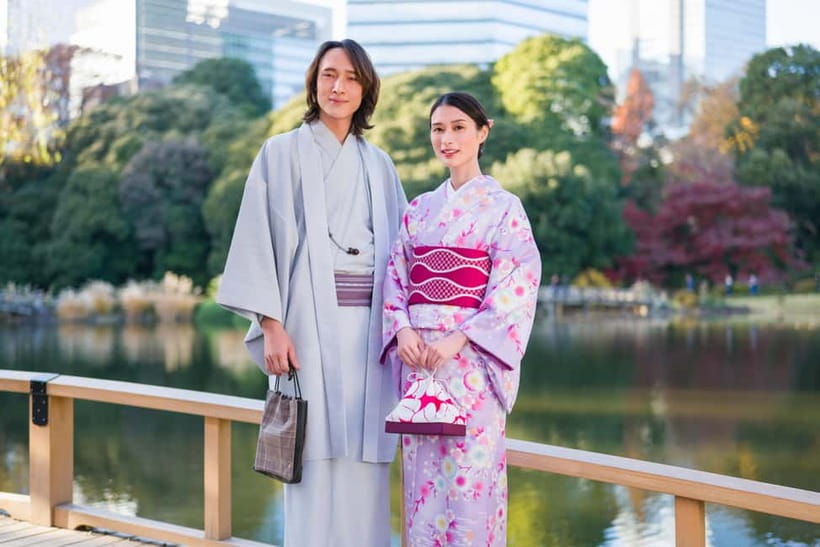
A neat bonus is that the same place is also a souvenir and gift shop. After the kimono portion, you can browse Japanese gifts and souvenirs in the shop.
This matters if you want a practical “what do I bring home” answer that isn’t just another magnet. Since it’s connected to the kimono shop experience, you’re more likely to find items that feel related to what you just did.
Just keep your time in mind. You’ll still need to return the kimono by the cutoff.
Should you book Rakuu-tei Kouichi Store Kimono Rental inside Shinjuku Gyoen?
I’d book it if you want a traditional outfit experience tied to a real, beautiful walking place. The combination of guided dressing, small group attention, and free time inside Shinjuku Gyoen is the reason this works.
Book earlier if you can. The 4:00 PM return rule is there for a reason, and a relaxed garden stroll needs time. If you’re visiting in winter, pack layers and plan for cold walking.
Skip it if you want to wear kimono only briefly, or if you’re uncomfortable with the park-only rule that keeps you from leaving in kimono. Also, if you can’t meet ID requirements, plan a different activity.
If your goal is: I want to feel like Japan for an afternoon, not just see it—this is a strong pick.
FAQ
How much time does the kimono rental experience take?
The experience runs about 90 minutes total. Kimono selection and dressing (plus basic hairstyling for women) takes around one hour, and then you have free time to explore the garden in kimono.
Where does the experience start inside Shinjuku Gyoen?
You start at Rakuu-tei Kouichi Store, the traditional tea-room location inside Shinjuku Gyoen. The exact meeting point can vary depending on the option you book.
What is included in the kimono rental?
It includes the kimono, obi belt, tabi socks, traditional sandals, and a Japanese-style handbag. For men, a haori jacket is also included. Basic hairstyling for women is included.
Do I need to pay the Shinjuku Gyoen entrance fee separately?
Yes. The Shinjuku Gyoen entrance fee is not included, and you need to purchase it separately.
Is there a restroom inside the building?
No. There is no restroom inside the building. You should use the restroom outside before you come to the shop.
Can I leave Shinjuku Gyoen while wearing the kimono?
No. You are not permitted to exit Shinjuku Gyoen while wearing the kimono. The rental is limited to inside the garden.
Do I need to show ID?
Yes. All guests are required to present a valid passport or government-issued photo ID at check-in.
What happens if I return the kimono after 4:00 PM?
The kimono return time is 4:00 PM. Returns after the final time incur an additional fee of ¥1,100.
More Tour Reviews in Tokyo



Fresh reviews from around Tokyo






Tokyo, compared.
 ★ 5.0Mt Fuji and Hakone 1-Day Bus Tour Return by Bullet TrainFrom $16326,383 reviews
 ★ 5.01-Day Tokyo Bus TourFrom $12914,250 reviews
 ★ 4.6teamLab Planets TOKYO Digital Art Museum Entry TicketFrom $259,779 reviews
 ★ 4.0Mt Fuji & Hakone Cruise, Drum Show Bullet Train 1 Day from TokyoFrom $1497,413 reviews
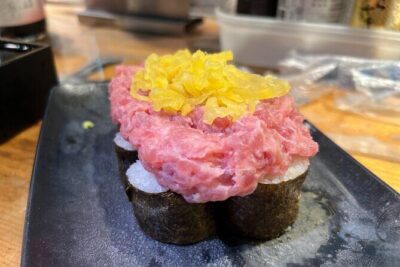 ★ 5.0Shinjuku Food Tour (13 Dishes at 4 Local Eateries)From $866,603 reviews
 ★ 4.4Tokyo Mt Fuji 5th St & Hakone Cruise Bus Tour w/Bullet TrainFrom $1545,024 reviews
 ★ 5.0Flagship 2-Hours Official Street Go-Kart Tour – Tokyo Bay ShopFrom $644,974 reviews
 ★ 4.5From Tokyo: Mount Fuji Full-Day Sightseeing TripFrom $684,970 reviews