
Reviewed · TOKYO
Tokyo: Japanese Home-style Cooking Class with Meal
The smell of dashi hits first. This is a hands-on Tokyo cooking class built around Japanese home recipes like saikyo yaki and dashimaki tamago, plus you get to sit down and eat what you make. I love how the class focuses on practical skills like seasoning and presentation, not just following steps, and I also like the relaxed pace with an English-speaking instructor (I met Nao and Erika). One possible drawback: the experience may feel more like guided practice than a fully formal, professional kitchen class, so go in ready to learn step by step.
If you want a meal that tastes like it came from a real Japanese house, this fits well. The full session runs about 150 minutes, with a cooking block in the late morning and a tasting window right after, so you get the payoff without turning it into an all-day project.
In This Review
- Key takeaways before you go
- A Tokyo cooking class that ends at the table, not on a take-home receipt
- What you’ll actually cook: the menu and why it matters
- Dashi stock and the flavor foundation
- Saikyo yaki style grilled fish
- Dashimaki tamago rolled omelet
- Rice ball and miso soup
- The class schedule: how the 150 minutes are structured
- Your instructors: English support from Nao and Erika
- Hands-on learning that targets the real skills: seasoning, balance, presentation
- Nutritional balance
- Seasoning and timing
- Food presentation
- What’s included (and what you’ll need to handle)
- Where to meet in Tokyo: Shinjuku, Chiyoda, and Minato studios
- Value check: is $90 worth it for a Tokyo cooking class?
- Who this class is best for
- Tips to get the most out of the experience
- If the class feels beginner-friendly, that’s the point
- Should you book this Tokyo home-style cooking class?
- FAQ
- What is the duration of the Tokyo Japanese home-style cooking class?
- What time does the class run?
- Where is the meeting point?
- What recipes will I learn?
- What dishes are included in the menu?
- Is a meal included?
- What’s included in the price?
- Is hotel pickup or drop-off included?
- Is the class taught in English?
- Who is this activity not suitable for?
Key takeaways before you go
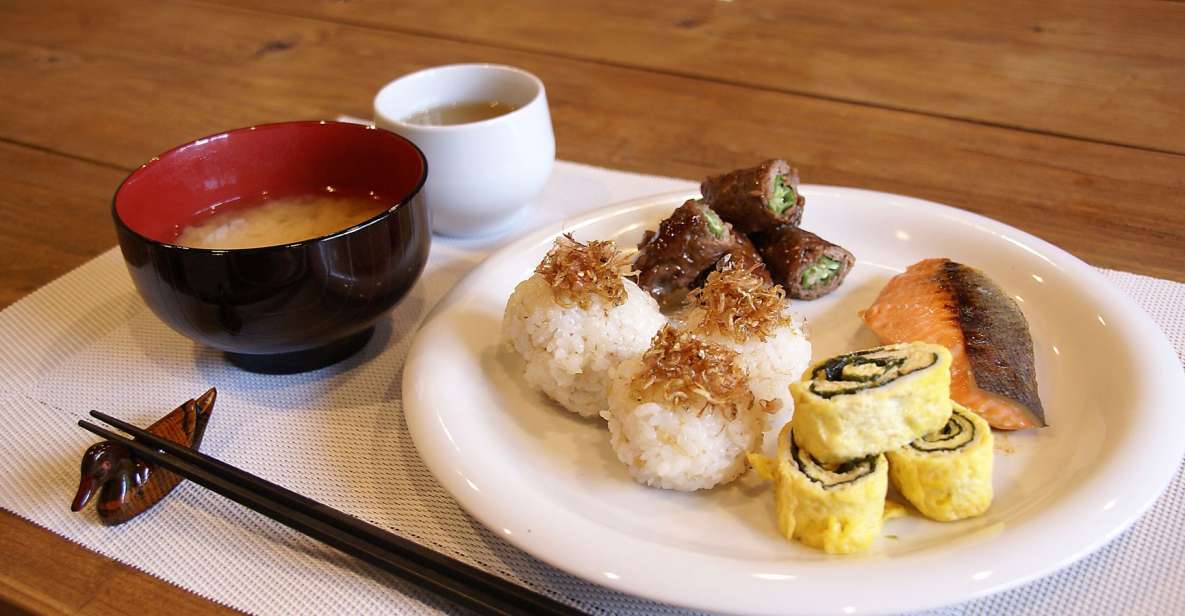
- Saikyo yaki and dashimaki tamago basics: two classic home dishes that teach core Japanese flavor thinking.
- You cook, then you eat: the meal is included, with dishes you make during class.
- English instruction: Nao and Erika have helped past students keep up comfortably in English.
- Focus on balance: lessons cover nutrition balance, seasoning, and how food is arranged.
- Studio locations near Shinjuku, Chiyoda, and Minato: meeting points are in central Tokyo, but you’ll get the exact address closer to your date.
Before you commit, see how this one stacks up against a few Tokyo favourites:
- Mt Fuji and Hakone 1-Day Bus Tour Return by Bullet Train★ 5.0 · 26,383 reviews
- 1-Day Tokyo Bus Tour★ 5.0 · 14,250 reviews
- Tokyo: teamLab Planets TOKYO Digital Art Museum Entry Ticket★ 4.6 · 9,779 reviews
A Tokyo cooking class that ends at the table, not on a take-home receipt
Tokyo has no shortage of food tours. This one works differently. You’re not just tasting your way around town. You’re learning how Japanese home cooks build flavor—then you eat it while it’s still at its best.
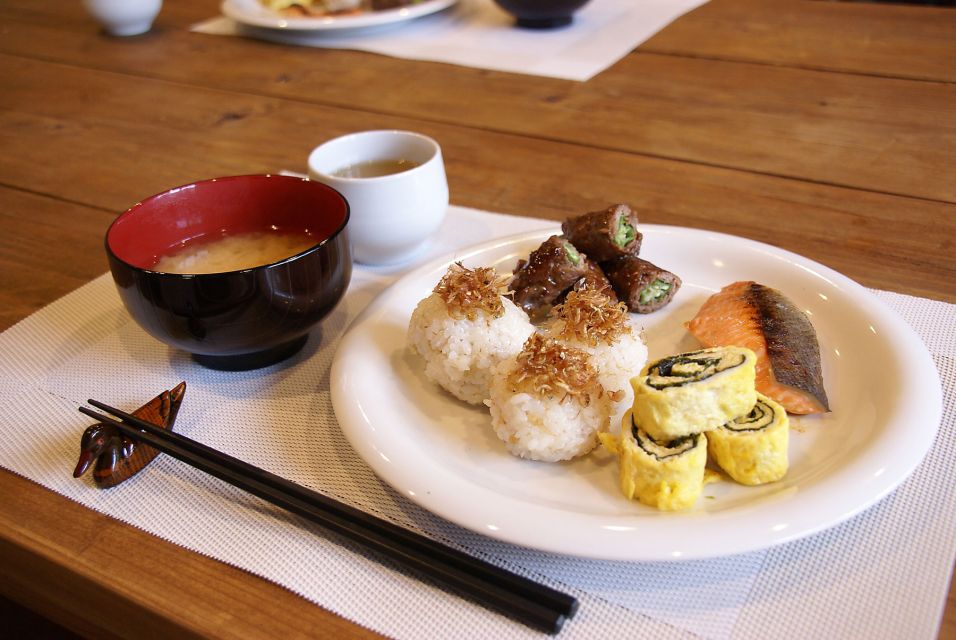
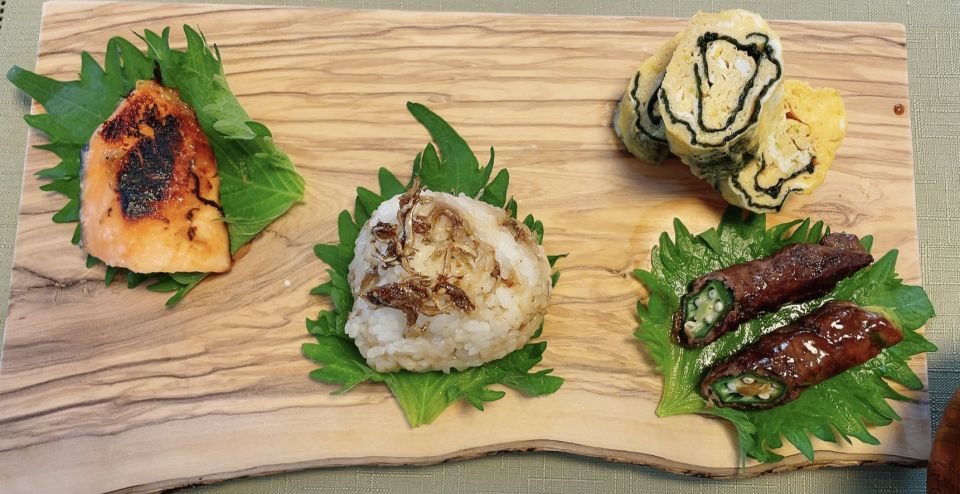
For me, the appeal is simple: the class is short enough to fit into a Tokyo day, but the skills are specific enough that you can recreate them at home. You’ll handle a handful of standout dishes, including saikyo yaki (miso-marinated fish) and dashimaki tamago (rolled omelet), plus you’ll learn what makes the supporting cast—dashi stock, miso soup, and a rice ball—feel so balanced.
The price is $90 per person for about 150 minutes, ingredients, and your meal with drinks. Is it the cheapest meal you’ll ever eat in Tokyo? No. But you’re paying for instruction in English, ingredients you don’t have to source, and the time to actually cook. In a city where many experiences feel like short tastings, this gives you a real skill-and-meal combo for the day.
What you’ll actually cook: the menu and why it matters
The class menu is built around flavors that show up in Japanese kitchens again and again. You’ll make and/or prepare these items:
Dashi stock and the flavor foundation
Dashi is the backbone of Japanese home cooking. Even if you’ve had miso soup before, you may not have thought about how dashi sets the tone for everything around it: sweetness, umami, and a clean finish. Learning dashi in a class like this matters because it teaches you how Japanese seasoning often starts with a good base rather than heavy sauce.
Saikyo yaki style grilled fish
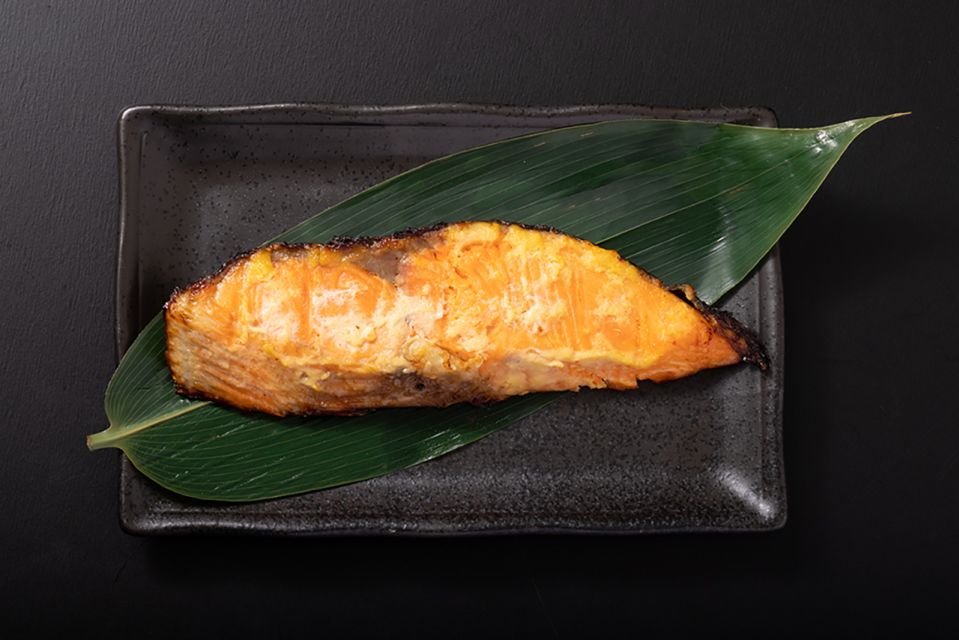
Saikyo yaki is known for miso-marinated flavor that feels lighter than you might expect. It’s not only salty; it tends to taste softly sweet and gently savory. In practice, this recipe teaches you how marinade time and seasoning balance can change the final bite. It’s also a great dish to learn because it feels special while still being grounded in home-style technique.





Dashimaki tamago rolled omelet
Dashimaki tamago looks fancy, but it’s very doable once you understand the pattern and timing. Rolling eggs teaches you about texture—how Japanese omelets aim for silky layers rather than a single dense scramble. When you make it yourself, you start seeing why the presentation matters as much as the flavor.
Rice ball and miso soup
These might sound simple, but they’re the point. Rice anchors the meal. Miso soup connects the flavors and rounds out the palate. Together, they show you how Japanese meals often work as a system: not one big showstopper, but several small components that make sense as a whole.
The class schedule: how the 150 minutes are structured
This is not a rushed factory line. The timing is straightforward:
- 11:00 to 13:00: cooking class
- 13:00 to 13:30: tasting time (you eat the dishes you made)
That structure is a real advantage for planning. You can start around late morning, cook for about two hours, then turn it into a proper lunch without spending your evening doing kitchen cleanup in your head.
Also, because the tasting happens right after cooking, you get a better sense of what you actually learned. If a seasoning step didn’t feel right while you were doing it, tasting immediately helps you connect cause and effect fast.
Your instructors: English support from Nao and Erika
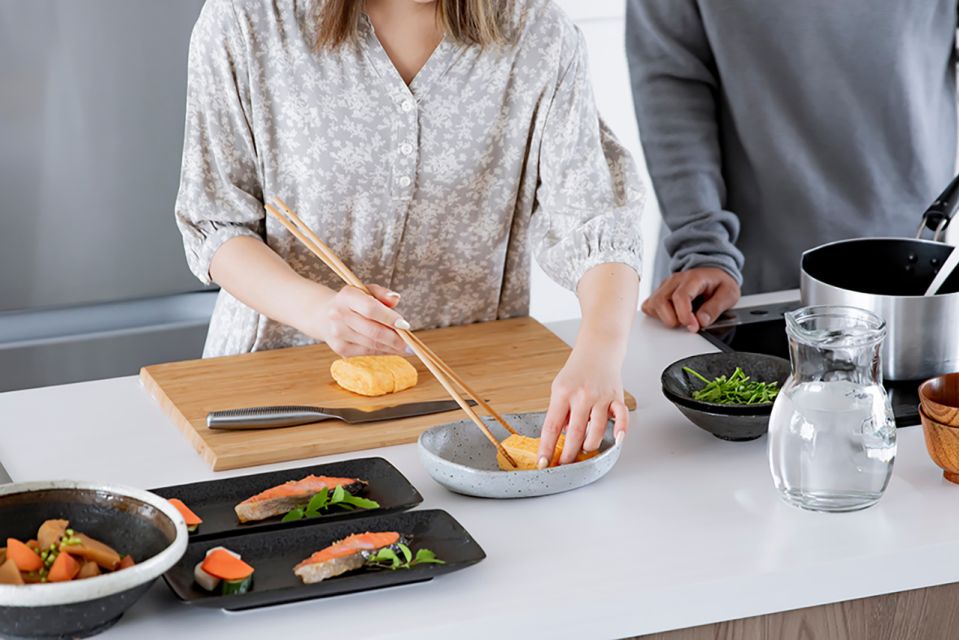
The class is taught by an English-speaking instructor. In at least some sessions, the instructors have been Nao and Erika, and past participants specifically praised how they supported students while keeping recipes simple enough to recreate later.
That matters because Japanese cooking can look intimidating on YouTube. Here, the instruction style seems designed for real people in a real classroom: you’re learning, not being judged. You should expect patience and guidance as you work through the recipes.
One thing to keep in mind from a more mixed experience: a different participant felt the instructor might not be a fully trained chef and suggested the class execution could be more polished. That doesn’t mean the recipes are bad—it just means you should go in with the right expectations: this is a learning-focused session, not a hardcore culinary performance.
Hands-on learning that targets the real skills: seasoning, balance, presentation
A lot of cooking classes stop at recipes. This one also talks about how to think like a Japanese home cook.
Nutritional balance
You’ll hear about nutritional balance as part of the cooking experience. I like that angle because it pushes you beyond flavor-only cooking. Japanese home meals often aim for a mix of protein, carbs, and supporting items in a way that feels steady, not heavy.
Seasoning and timing
The big payoff is practical seasoning. Recipes like saikyo yaki teach you that miso isn’t just salt—it brings depth and changes texture. Dashimaki tamago teaches timing and heat control through repetition. Even if you don’t master everything in one go, you’ll leave with a clearer sense of how Japanese recipes build layers.
Food presentation
Japanese cooking pays attention to how food lands on the plate. In a class setting, you’ll learn the basics of that style—how portions sit, how items relate, and how the meal reads as a complete picture rather than a random set of dishes.
What’s included (and what you’ll need to handle)
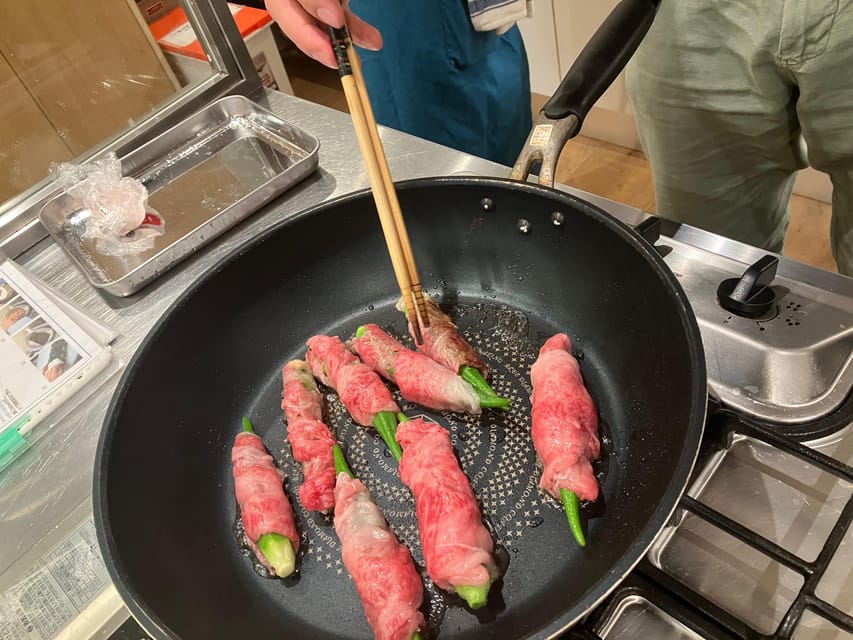
Included:
- Cooking class
- Ingredients
- Meal with the cooked dishes
- Drinks
Not included:
- Hotel pickup and drop-off
That last part is worth planning around. You’ll want to map your route to the studio near your neighborhood. Since you won’t have pickup, this is easiest if you’re already staying close to central Tokyo or you’re comfortable using trains and walking.
Where to meet in Tokyo: Shinjuku, Chiyoda, and Minato studios
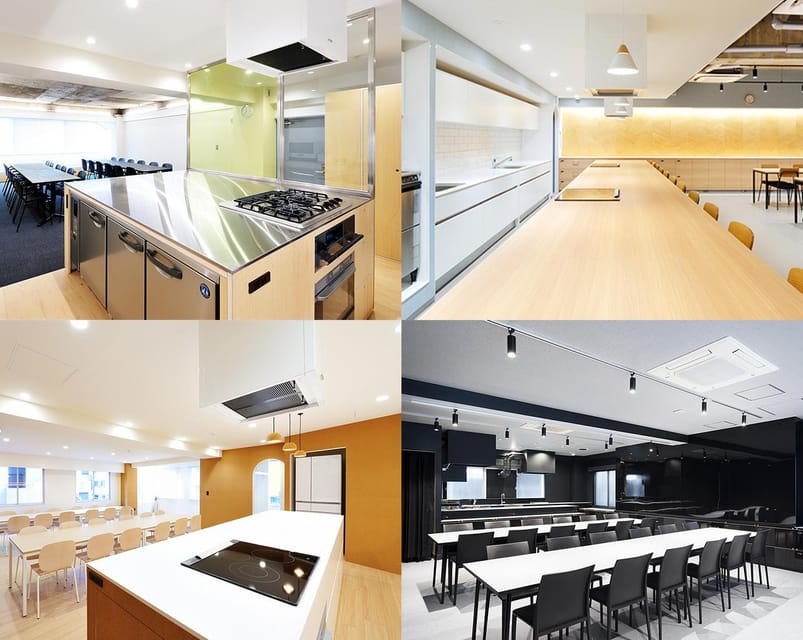
The studio locations are near Shinjuku, Chiyoda, and Minato wards, depending on your reservation. One detail that can trip people up: the address shown on Google Maps may point to a different location.
Here’s what you should do:
- Plan to arrive before the start time.
- Use the exact meeting details provided for your specific studio.
- Expect the correct address and room details to be shared three days prior to your reservation date.
This approach is pretty common for cooking studios in busy Tokyo, where multiple spaces exist. If you like arriving calm and on time, give yourself extra buffer.
Value check: is $90 worth it for a Tokyo cooking class?
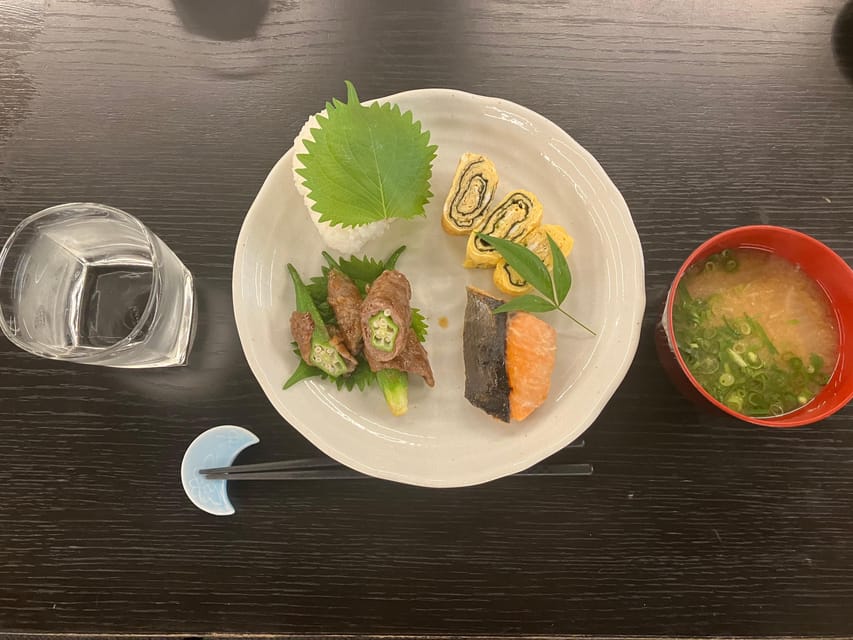
At $90 per person, you’re paying for more than a meal. You’re buying:
- English instruction
- Ingredients and cooking tools provided for the recipes
- About 150 minutes of structured practice
- A full lunch you don’t have to assemble yourself
If you only want to taste, a food tour might feel cheaper. But if you want to bring something home—skills you can repeat, dishes you can confidently make—this price starts to make sense.
Also, you’re learning recipes that aren’t just trendy. Saikyo yaki and dashimaki tamago are classic Japanese home staples. The value isn’t that the food is rare. It’s that the technique is real.
Who this class is best for
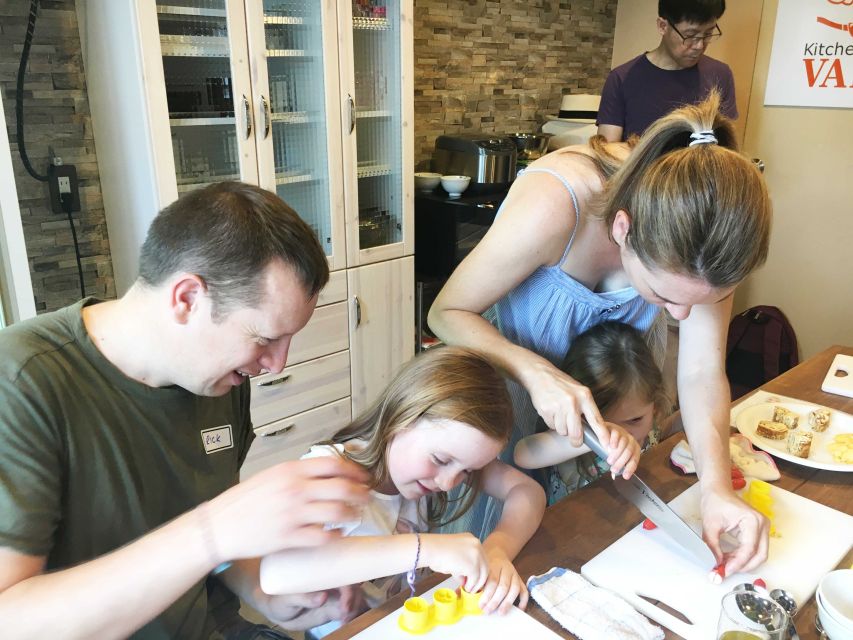
This experience makes the most sense for you if:
- You want a hands-on Tokyo activity that ends with an actual sit-down meal
- You’re curious about Japanese flavor fundamentals like dashi and miso
- You want recipes you can reasonably recreate later (past students praised how the recipes were manageable)
It may not be a match if:
- You’re vegan (vegan isn’t suitable for this class)
- You have back problems that make standing or working in a studio uncomfortable
- You’re traveling with children under 3 years
Smoking isn’t allowed indoors, so if anyone in your group needs frequent breaks, plan short outdoor pauses.
Tips to get the most out of the experience
A cooking class works best when you show up ready to practice. Here are a few small moves that pay off:
- Come hungry, but not frantic. You’ll cook first, eat after. If you snack heavily beforehand, tasting won’t feel as rewarding.
- Pay attention to marinade and seasoning cues. With saikyo yaki, small differences can change the end result.
- Don’t overthink dashimaki tamago. Focus on learning the method and texture target rather than chasing perfection on the first attempt.
- Ask simple follow-ups in English. If something doesn’t make sense—timing, texture, why a step exists—ask during the cooking block rather than waiting for the meal.
If the class feels beginner-friendly, that’s the point
The recipes are designed to be approachable. Even one participant who rated the class lower still acknowledged the instructor’s English ability. That tells me the organizers want you to leave understanding both the how and the why, not only the step list.
For you, that likely means a better experience if you’re a motivated beginner or an intermediate cook looking for Japanese home techniques. If you’re an expert expecting knife-skill drills and restaurant-grade execution, you might feel the format is lighter than you hoped.
Should you book this Tokyo home-style cooking class?
Book it if you want a practical, enjoyable Tokyo food day that ends with lunch you made yourself. The menu is classic—saikyo yaki, dashimaki tamago, dashi stock, rice ball, and miso soup—and the English instruction makes it easier to learn without guessing.
I’d think twice if you require a strictly professional chef environment, you’re vegan, you have mobility issues related to back comfort, or you really just want pure sightseeing rather than hands-on cooking.
If you’re on the fence, my advice is to lean toward booking. Tokyo is full of places to eat. This is a chance to learn how Japanese home cooking builds flavor, then enjoy the results right away. That combination is hard to beat.
FAQ
What is the duration of the Tokyo Japanese home-style cooking class?
The duration is about 150 minutes.
What time does the class run?
The cooking class runs from 11:00 to 13:00, followed by a tasting time from 13:00 to 13:30.
Where is the meeting point?
Studios are located near Shinjuku, Chiyoda, and Minato wards. The exact location details are provided 3 days prior to your reservation date, and the Google Map address may show a different location.
What recipes will I learn?
You’ll learn Japanese home-style recipes including saikyo yaki (miso-marinated fish) and dashimaki tamago (rolled omelet), along with Japanese dashi stock.
What dishes are included in the menu?
The menu includes Japanese dashi stock, grilled fish in saikyo yaki style, rice ball, and Japanese miso soup.
Is a meal included?
Yes. You’ll eat the home-cooked meal at the end of the class, and it includes the cooked dishes.
What’s included in the price?
The price includes the cooking class, ingredients, the meal, and drinks.
Is hotel pickup or drop-off included?
No. Hotel pickup and drop-off are not included.
Is the class taught in English?
Yes. The instructor speaks English.
Who is this activity not suitable for?
It’s not suitable for vegans, people with back problems, and children under 3 years. Smoking indoors is not allowed.
More Tour Reviews in Tokyo



Fresh reviews from around Tokyo






Tokyo, compared.
 ★ 5.0Mt Fuji and Hakone 1-Day Bus Tour Return by Bullet TrainFrom $16326,383 reviews
 ★ 5.01-Day Tokyo Bus TourFrom $12914,250 reviews
 ★ 4.6teamLab Planets TOKYO Digital Art Museum Entry TicketFrom $259,779 reviews
 ★ 4.0Mt Fuji & Hakone Cruise, Drum Show Bullet Train 1 Day from TokyoFrom $1497,413 reviews
 ★ 5.0Shinjuku Food Tour (13 Dishes at 4 Local Eateries)From $866,603 reviews
 ★ 4.4Tokyo Mt Fuji 5th St & Hakone Cruise Bus Tour w/Bullet TrainFrom $1545,024 reviews
 ★ 5.0Flagship 2-Hours Official Street Go-Kart Tour – Tokyo Bay ShopFrom $644,974 reviews
 ★ 4.5From Tokyo: Mount Fuji Full-Day Sightseeing TripFrom $684,970 reviews