
Reviewed · TOKYO
Tokyo: Hama-rikyu Gardens tour with Japanese Tea & Sweets
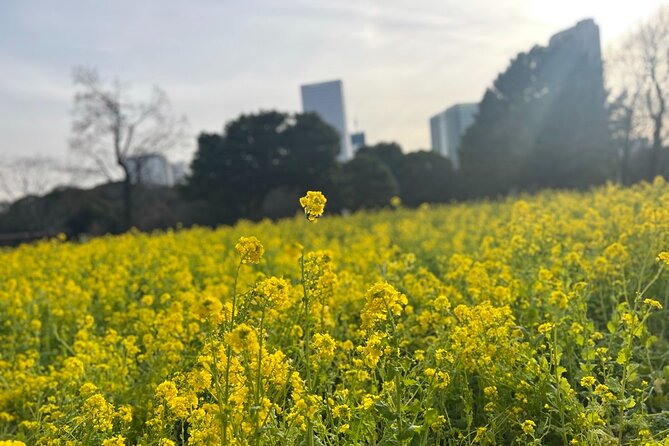
Hama-rikyu Gardens makes Tokyo feel quieter. This guided walk takes you into an Edo-period Daimyo garden where you learn how to read the design, not just admire it. I especially like the way the guide connects the garden layout to Japanese taste for balance and seasonality, and I love that matcha and Japanese sweets are built into the experience inside the garden itself.
You’ll also get a small-group feel, with a max of 4 travelers, so questions don’t get lost. The one drawback to plan for is that the total time can stretch toward 2.5 hours, especially if you choose the optional add-ons along the route.
In This Review
- Key things to know before you go
- Hama-rikyu Gardens: the Edo-period garden you can actually understand
- How the guide turns “pretty” into Japanese garden sense
- Karesansui and Kaiyushiki: the garden styles to look for
- Tea ceremony room time: matcha and sweets without leaving the magic
- What’s included vs. what’s optional: build your perfect route
- Optional 1: Advertising Museum Tokyo
- Optional 2: Hayao Miyazaki’s Nippon Television Giant Clock
- Optional 3: Hibiya Shrine
- Meeting at Otemon Bridge and ending at Shiodome Station
- Price and group size: is $85.84 good value?
- Who this tour is best for (and who should think twice)
- Should you book this Hama-rikyu Gardens tour?
- FAQ
- How long is the Hama-rikyu Gardens tour?
- What does the price include?
- Is a mobile ticket used?
- Are the other stops part of the tour no matter what?
- Where do you meet and where do you end?
- Can I cancel for a full refund?
Key things to know before you go
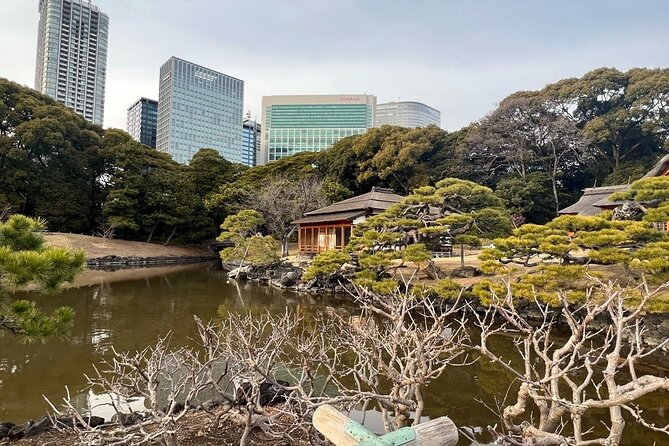
- Hama-rikyu is an Edo-period Daimyo garden, so you’re seeing the real roots of Tokyo garden culture
- Karesansui (dry rock-and-sand style) and Kaiyushiki (circular garden) are the two big design highlights
- Tea ceremony room time is included, with matcha green tea and Japanese sweets
- Small group (up to 4) keeps the pacing relaxed and the explanations clear
- Optional stops let you tailor the outing without forcing extra walking for everyone
- You start near Otemon Bridge and finish at Shiodome Station, which is useful for continuing your day
Before you commit, see how this one stacks up against a few Tokyo favourites:
- Mt Fuji and Hakone 1-Day Bus Tour Return by Bullet Train★ 5.0 · 26,383 reviews
- 1-Day Tokyo Bus Tour★ 5.0 · 14,250 reviews
- Tokyo: teamLab Planets TOKYO Digital Art Museum Entry Ticket★ 4.6 · 9,779 reviews
Hama-rikyu Gardens: the Edo-period garden you can actually understand
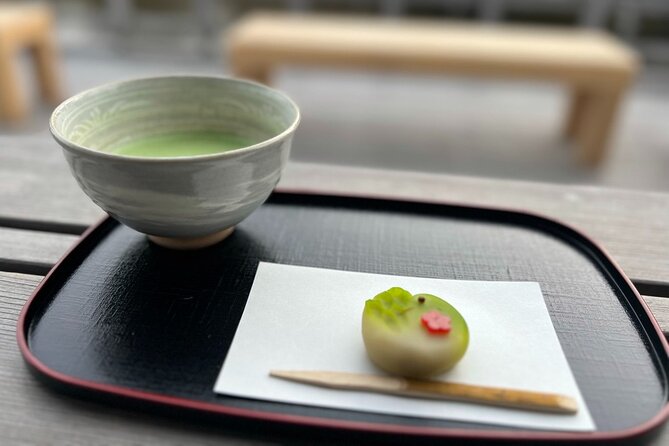
Hama-rikyu Gardens is one of those Tokyo places that feels built for slow looking. It was created as a Daimyo garden during the Edo period, when powerful samurai families turned their large estates into spaces for cultured retreat. Here, the point isn’t just pretty scenery. It’s the idea that a garden is a designed experience—what you see and when you see it depends on how you move.
What makes this tour practical is the guide framing. You don’t just walk from one photo spot to another. You learn why certain elements are placed where they are, and how the design reflects Japanese thinking about nature and human enjoyment. If you’ve ever stood in a garden and thought, I like it, but I don’t get it, this is the kind of guided structure that helps your eyes click into place.
And yes, you’ll be taking plenty of pictures. But the best part is when the guide points out how the views are composed—especially in the garden styles that use carefully controlled emptiness and framing.
How the guide turns “pretty” into Japanese garden sense
The tour is built around interpretation. Your guide explains the garden’s history and the background behind its design choices, so you can understand the logic behind what you’re seeing. That matters because Japanese gardens can look simple at first glance—rocks, sand, pathways, water—and then you realize the simplicity is the whole trick.
One detail I really value is the seasonal angle. The garden includes plants and trees that change through the year, so the experience is not meant to be a single static postcard. You’re learning to notice what shifts with the seasons, which makes repeat visits (or at least future comparisons) more meaningful.
Also, if your guide is Nori, you’ll likely feel the difference right away. The tour is described as relaxed and supportive, and that kind of tone helps you slow down instead of rushing to keep up.
Karesansui and Kaiyushiki: the garden styles to look for
There are two headline garden styles here, and they shape what you’ll notice as you walk.
First is Karesansui, the dry rock-and-sand style. Even if you’re not a garden expert, you can learn to read it: think of sand like a canvas and rocks like anchors. The design often gives you the feeling of depth without being literal. Your eyes will start to follow the composition instead of just scanning randomly.
Second is Kaiyushiki, the circular-garden concept. This style works because your viewpoint and your movement are part of the design. As you change position, the scenery shifts—like the garden is offering multiple views from within a loop. It’s a clever way to keep the experience from going flat, especially for visitors who like to understand how places are constructed.
Here’s the practical takeaway: don’t treat these as two separate photo stops. Treat them as two different ways of experiencing the same garden. Watch how your perspective changes when the space is designed to be seen in motion.
Tea ceremony room time: matcha and sweets without leaving the magic
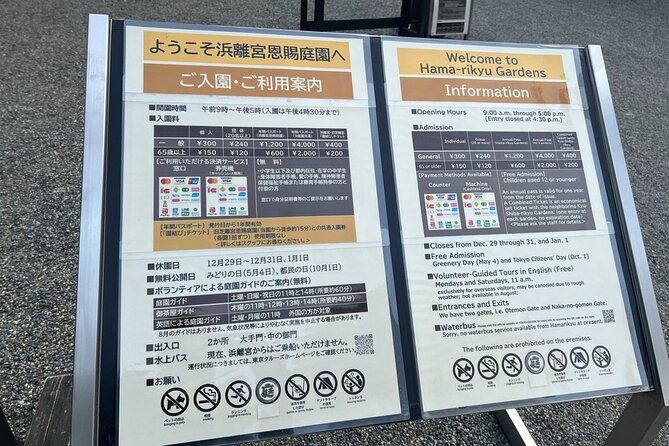
One of the best reasons to book this specific tour is that the refreshment is not a rushed afterthought. There’s a tea ceremony room inside the garden, and you experience matcha green tea along with Japanese sweets as part of the tour fee.
This is valuable for two reasons. First, it keeps the pacing from breaking. You stay in the garden mood rather than leaving and returning. Second, it turns the garden visit into a broader cultural sequence: you’re not just looking at design; you’re also experiencing an everyday ritual that matches the setting.
If you’re the type who likes to know what you’re eating and how it fits into the culture, you’ll probably enjoy this segment even more. And if you’d just rather have a calm break, it still works. Either way, it gives the tour a satisfying center, not just a long walk.
Tip: wear comfortable shoes. Even with a guide and an organized route, you’ll be on your feet enough that breaking out in pain won’t make the tea taste better.





What’s included vs. what’s optional: build your perfect route
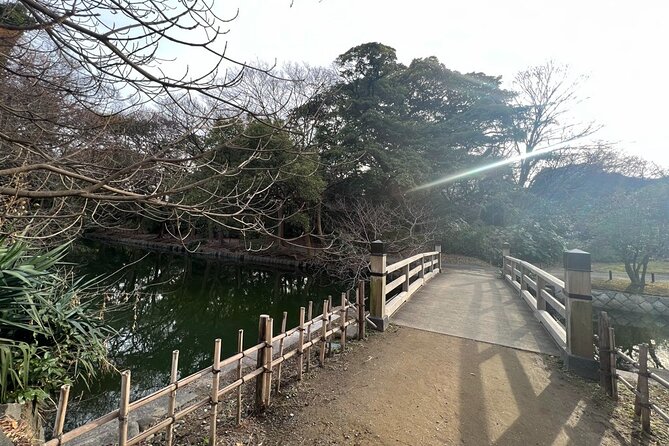
The core of the outing is Hama-rikyu Gardens. Everything else is optional, which is the smart way to do it in a city day—you’re not forced into extra stops you don’t care about.
Optional 1: Advertising Museum Tokyo
If you choose it, the Advertising Museum Tokyo is a short, free-admission-style add-on at about 35 minutes. It focuses on how Japanese advertising has changed over time and how it differs from foreign advertising.
This is a nice contrast if you’re getting tired of traditional sights. Garden culture can be quiet and contemplative; advertising history is more about modern visual language and how ideas spread. It’s also a good way to break up your walking without losing momentum.
Optional 2: Hayao Miyazaki’s Nippon Television Giant Clock
Another optional quick stop is the Nippon Television Giant Clock, a steampunk-style copper karakuri clock associated with Hayao Miyazaki. It’s around 10 minutes, and when the time comes the lights turn on and the mechanism begins moving with music.
This is pure spectacle—short, memorable, and easy to fit in. If you like quirky mechanical art, it’s worth picking.
Optional 3: Hibiya Shrine
If you want a calmer, more traditional shrine stop, Hibiya Shrine is about 15 minutes. It enshrines the god of agriculture and the god that drives away impurity, and it has a history of roughly 400 years.
This can be a good balance after garden design and before your next Tokyo neighborhood move. Shrines offer a different kind of atmosphere than gardens: fewer curated views, more everyday spiritual presence.
Meeting at Otemon Bridge and ending at Shiodome Station
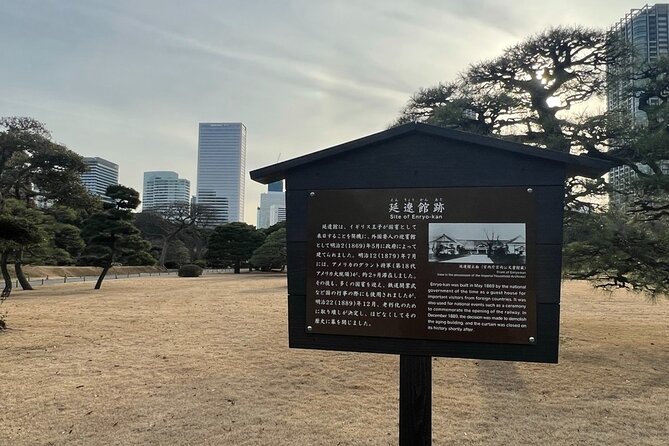
The tour starts near Otemon Bridge (8 Chome-21 Ginza, Chuo City) and ends at Shiodome Station (Yurikamome and Toei Oedo line connections). That matters because it changes how you plan the rest of your day.
If you’re staying around central Tokyo, the start point is convenient. If you’re heading toward waterfront areas or doing evening plans in the Shiodome direction, the ending location helps you avoid a long cross-town commute.
Also, because the tour runs roughly 1 hour 30 minutes to 2 hours 30 minutes, it’s smart to schedule a flexible block. Add-ons can push you toward the longer end, but even without them, it’s not a 45-minute sprint. It’s a proper guided outing.
Price and group size: is $85.84 good value?
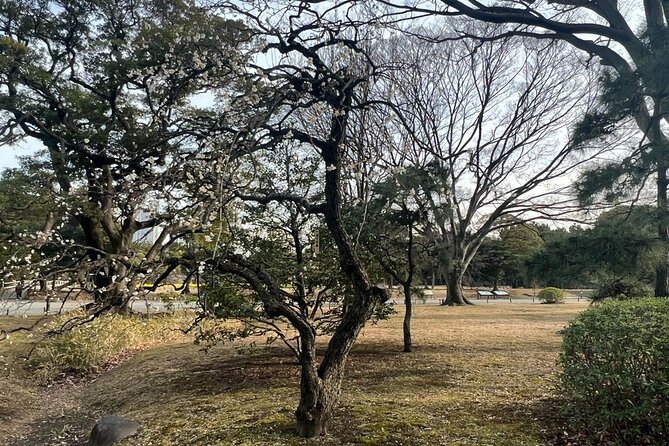
At $85.84 per person, the value is mainly in three places:
- You get guided garden time (not just self-entry)
- The garden admission ticket is included
- Matcha and Japanese sweets are included, served in the garden’s tea ceremony room
You’re paying for interpretation and included food, not just access. That tends to make a difference in Japan, where cultural context can be the difference between seeing something and understanding it.
The small group size (up to 4 travelers) also improves the value. With fewer people, questions are easier and explanations stay clearer. You’re less likely to feel like you’re stuck behind a crowd.
One consideration: the tour duration can vary (from about 1.5 hours up to about 2.5). If you have tight timing for a later reservation, decide in advance whether you want the optional stops.
Who this tour is best for (and who should think twice)
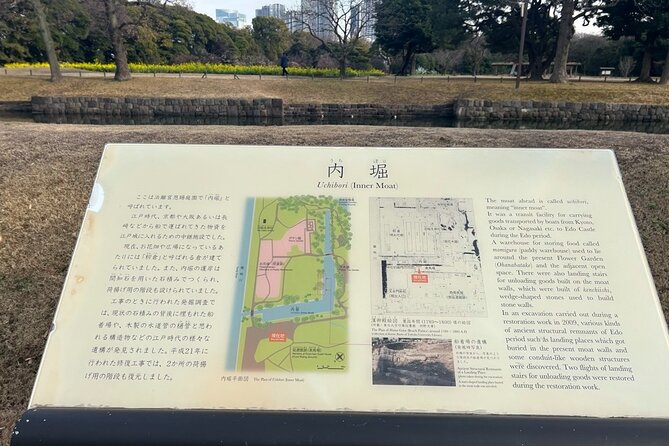
This tour is especially good if you:
- Like Japanese gardens but want the design explained in plain language
- Want a cultural add-on that isn’t just shopping or ticking a box
- Appreciate a guided walk with photo moments, then a built-in calm break with tea
You might think twice if you:
- Have zero patience for any walking on uneven or garden paths
- Need a super-short activity with no flexibility (the range is 1.5 to 2.5 hours)
- Prefer unguided exploring only—this experience is intentionally structured around learning the garden’s background and viewing styles
Should you book this Hama-rikyu Gardens tour?
I’d book it if you want a garden visit that teaches you how to look. The mix of Edo-period garden design, specific highlights like Karesansui and Kaiyushiki, and an included tea ceremony room experience makes it feel complete without being overly long.
If you’re visiting Tokyo for the first time and want one activity that’s both serene and meaningful, this is a strong choice. And if you’re the type who loves little cultural anchors—tea, sweets, design details—this one will likely land well.
If your day is packed, consider whether you’ll add the optional museums/shrine/clock. The core garden experience is the heart of the tour, and that alone is already the main reason to go.
FAQ
How long is the Hama-rikyu Gardens tour?
It runs about 1 hour 30 minutes to 2 hours 30 minutes, depending on what you include.
What does the price include?
The tour includes the garden admission ticket, plus matcha green tea and Japanese sweets.
Is a mobile ticket used?
Yes, the tour uses a mobile ticket.
Are the other stops part of the tour no matter what?
No. The Advertising Museum Tokyo, Hayao Miyazaki’s giant clock, and Hibiya Shrine are optional.
Where do you meet and where do you end?
You start near Otemon Bridge (Ginza) and end at Shiodome Station.
Can I cancel for a full refund?
Yes. You can cancel up to 24 hours in advance for a full refund.
More Tour Reviews in Tokyo



Fresh reviews from around Tokyo






Tokyo, compared.
 ★ 5.0Mt Fuji and Hakone 1-Day Bus Tour Return by Bullet TrainFrom $16326,383 reviews
 ★ 5.01-Day Tokyo Bus TourFrom $12914,250 reviews
 ★ 4.6teamLab Planets TOKYO Digital Art Museum Entry TicketFrom $259,779 reviews
 ★ 4.0Mt Fuji & Hakone Cruise, Drum Show Bullet Train 1 Day from TokyoFrom $1497,413 reviews
 ★ 5.0Shinjuku Food Tour (13 Dishes at 4 Local Eateries)From $866,603 reviews
 ★ 4.4Tokyo Mt Fuji 5th St & Hakone Cruise Bus Tour w/Bullet TrainFrom $1545,024 reviews
 ★ 5.0Flagship 2-Hours Official Street Go-Kart Tour – Tokyo Bay ShopFrom $644,974 reviews
 ★ 4.5From Tokyo: Mount Fuji Full-Day Sightseeing TripFrom $684,970 reviews