
Reviewed · TOKYO
Tokyo: Ghost Tour with Scary Japanese Stories and Folklore
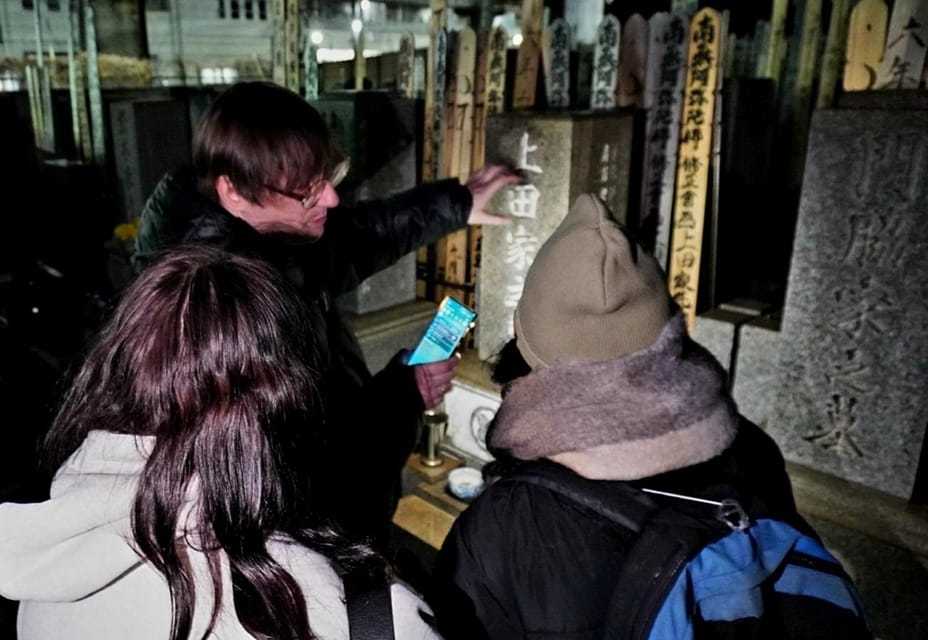
Tokyo gets spookier at night. This ghost tour takes you through key spots where local legends still seem to tug at the present. You’ll hear true ghost stories and folklore, then visit a shrine tied to fear that’s said to last over 1000 years.
I like that it’s not just jump-scare vibes. The guide frames what you hear as neighborhood memory—full of folklore, and even threads that touch on true crime and missing persons. One thing to consider: it’s a night walking tour, so comfortable shoes matter, and it isn’t a fit for everyone.
If you want Tokyo that feels a little off-balance (the fun kind), this is a good pick. The meeting point is easy to find inside Tokyo Station, and you get a small-group stroll through Asakusa’s Shitamachi district. Just plan for the fact that flash photography isn’t allowed, and the pace is built around walking.
In This Review
- Key highlights you’ll care about
- Tokyo Station meetup: where the tour sets its tone
- Tokyo Station stories: the darker side of a very modern city
- Yoshiwara-jinja Shrine: the 1000-year vengeful spirit detail
- Asakusa Shitamachi at night: small-group streets and included snack
- Price and logistics: is $90 worth it?
- What to bring, what not to do, and how to avoid misery
- Who this ghost tour is best for
- Should you book this Tokyo ghost tour?
- FAQ
- Where do we meet for the tour?
- How long is the tour?
- What is included in the price?
- What is not included?
- What languages are available for the live guide?
- Is flash photography allowed?
- What should I bring?
- Is this tour suitable for children or everyone?
Key highlights you’ll care about
- Tokyo Station start inside the station so you’re not hunting in the dark for a meetup spot
- Yoshiwara-jinja Shrine visit tied to a vengeful spirit story said to span centuries
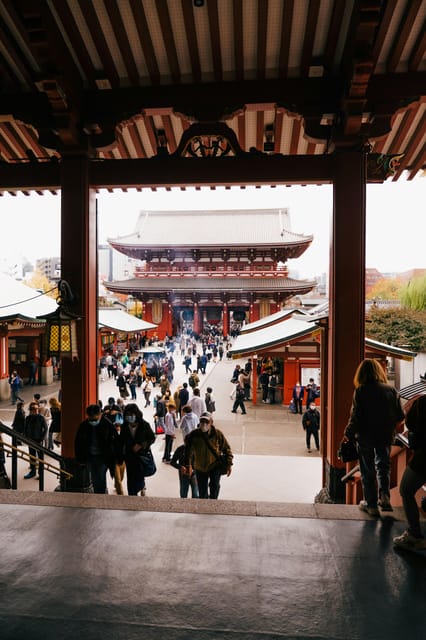
- Small-group night tour in Asakusa’s Shitamachi with an intimate feel and focused storytelling
- True ghost stories plus folklore presented with variety, from legends to missing-person style threads
- A guide-led snack included, plus the chance to ask questions face to face
- Multilingual guides and private group option if English isn’t your comfort zone
Before you commit, see how this one stacks up against a few Tokyo favourites:
- Mt Fuji and Hakone 1-Day Bus Tour Return by Bullet Train★ 5.0 · 26,383 reviews
- 1-Day Tokyo Bus Tour★ 5.0 · 14,250 reviews
- Tokyo: teamLab Planets TOKYO Digital Art Museum Entry Ticket★ 4.6 · 9,779 reviews
Tokyo Station meetup: where the tour sets its tone
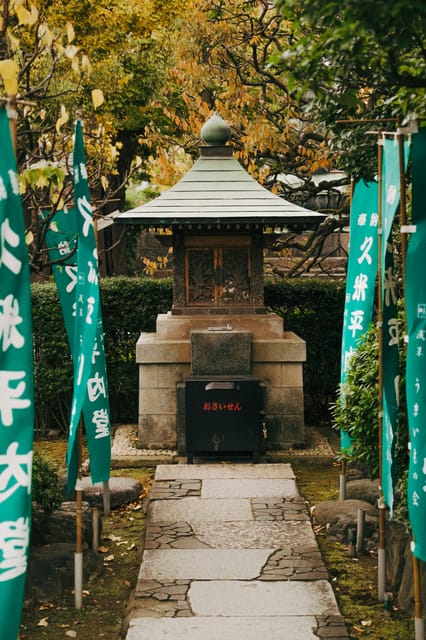
The tour begins in Marunouchi, right inside Tokyo Station. You meet at the Marunouchi-Kitaguchi (Marunouchi North Exit) area, in the station’s north wing. Follow signs for Marunouchi North Exit, then look for your guide holding a sign with your name.
I like this setup because it removes the usual first-stress moment on night tours. Tokyo Station can swallow people whole—so having a pickup sign and a very specific exit is practical. Also, starting indoors helps if it’s raining or cold, since you can meet and regroup before heading out.
The tour runs as a guided walk with stops spaced for storytelling. So even if you’re not into being “scared,” you’re still getting a clear path through the neighborhoods and shrines that shape local ghost lore.
One practical note: the experience is designed around being out at night. Dress for the weather, and don’t underestimate how much walking you’ll do even if the distances feel manageable.
Tokyo Station stories: the darker side of a very modern city
After you meet, the guide starts you off with a guided tour around Tokyo Station. This is a smart choice because it anchors the whole experience in a place that most first-time visitors treat as purely functional. Here, the focus shifts: you’re not just looking at architecture—you’re hearing how fear, rumor, and old stories can cling to a location long after its original context changes.
This part matters because it sets your listening mode. The best ghost tours don’t throw random tales at you. They connect the stories to the physical space, so when you later reach a shrine or quiet street, the legend feels like it belongs there.
From the guide’s style—based on what people highlighted—the narration has range. You may hear ghost and folklore stories alongside details that feel closer to true-crime casework, including elements like missing persons. That variety keeps the tour from becoming one-note, and it helps you track why each stop is being visited at all.
Yoshiwara-jinja Shrine: the 1000-year vengeful spirit detail
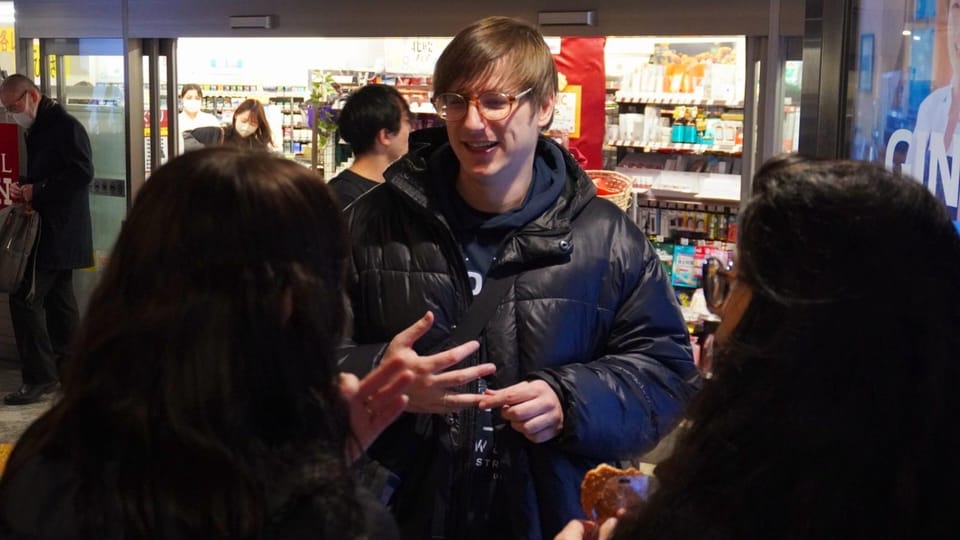
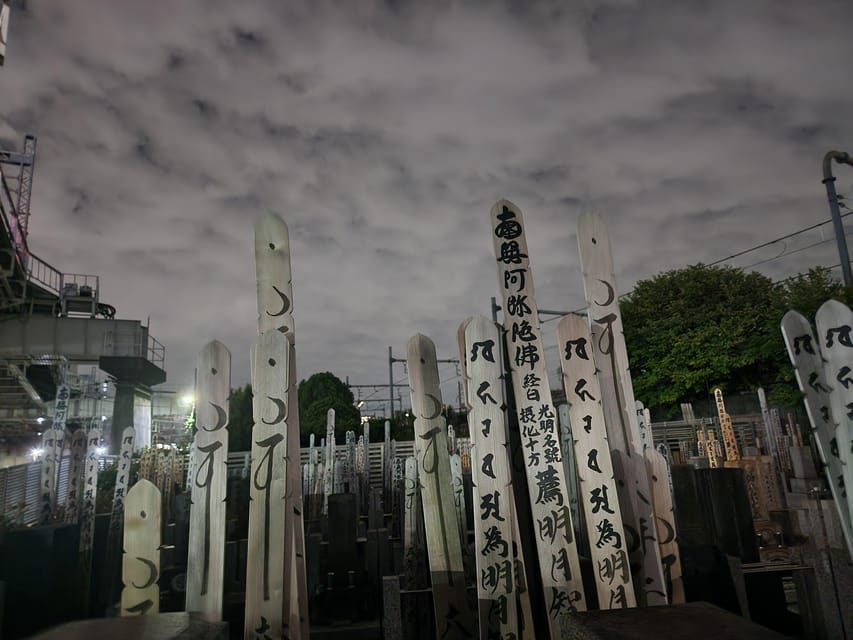
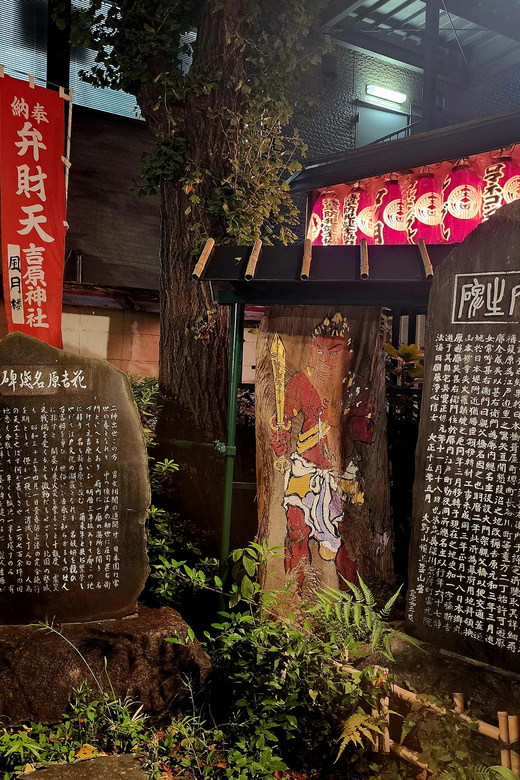
The tour’s most intense stop is Yoshiwara-jinja Shrine. This is where the legend gets specific, and it’s also where the tone turns from spooky to serious. The story centers on a vengeful spirit said to have haunted the area for more than 1000 years.
The standout detail (and the one you’ll remember) is the behavior of people who work nearby. Even today, local office workers are said not to dare turning their backs toward the shrine. Whether you take the tale literally or as a window into how fear shapes daily habits, that kind of living superstition is exactly what makes a folklore tour worth your time.
You’ll spend time at the shrine with your guide explaining the context behind the legends. And because this tour is built around storytelling, not just sightseeing, the shrine visit isn’t reduced to a quick photo stop.
Two things to keep in mind here:
- No flash photography is allowed, so if you want shrine photos, plan for natural light and your phone or camera settings.
- The experience leans on attention. If you’re the type who can’t stop moving, you may want to mentally slow down at this stop and actually take in what the guide is pointing out.
If you like atmosphere and folklore tied to real places, you’ll feel the difference here. The shrine stop is the tour’s emotional center.
Asakusa Shitamachi at night: small-group streets and included snack
After the shrine, the tour moves into Asakusa’s Shitamachi district. This is where the experience becomes more than legends—it becomes the mood of the neighborhood. Shitamachi is the kind of area where you can sense older Tokyo patterns even while modern life continues around it.
The tour is described as a small-group experience here, and that matters. Smaller groups make it easier to hear the guide clearly on a walk, ask questions, and keep the pacing comfortable. You’re also more likely to get personal context, like how certain stories relate to the local geography you’re seeing right in front of you.
There’s another practical win in this section: you get a Japanese traditional snack included. It’s not a huge meal, but it helps you stay comfortable during a night walk that can otherwise feel longer than it should. Since drinks aren’t included, this snack also gives you one less thing to worry about while you’re out.
From the reviews, guides like Matthias and Maikel are praised for keeping stories varied and well presented. In practice, that means the Asakusa part doesn’t just feel like winding up with one final legend—it tends to keep feeding your curiosity while you’re walking through the streets.
If you enjoy ghost stories, you’ll love how Asakusa reframes them. The legends don’t feel like random scary content. They feel like part of the district’s identity, carried through time by the way people talk, remember, and behave.





Price and logistics: is $90 worth it?
At $90 per person for a one-day guided experience, you should think of this as a storytelling-focused tour with specific “set pieces”: Tokyo Station context, a shrine visit tied to fear, and a small-group Asakusa night walk.
You’re paying for three things:
- A professional guide who can connect the legends to the places you’re standing in
- Access to the most important stop, the haunted shrine visit
- The narrative structure, including true ghost stories and folklore, plus that included traditional snack
Not included are the obvious convenience items: transportation to and from attractions and drinks. That’s normal for this style of tour, but it affects value if you’re coming from far away. If you’re already near Tokyo Station and Asakusa, the “cost per stress saved” improves a lot.
If you want a bargain hunt, you may find cheaper walking tours in Tokyo. But if you specifically want folklore delivered with care—plus a shrine stop built into the route—this price starts to make sense.
Two small booking notes from the experience details:
- You can cancel up to 24 hours in advance for a full refund.
- You can reserve and pay later, which helps if your travel day timing is uncertain.
What to bring, what not to do, and how to avoid misery
This tour is simple in concept, but it expects you to be comfortable while walking at night. Bring comfortable shoes first. Then think about weather layers. Even if Tokyo is mild, night walks can cool down, and you don’t want to feel stiff or distracted.
Bring a camera if you want photos at the shrine and around Asakusa. Just remember flash photography isn’t allowed, so plan for lower-light shooting or be ready to prioritize a few good shots over many.
Also consider your energy level. You’ll be moving through the station area and then out into the neighborhoods. There’s no mention of special accessibility accommodations, so if walking at night is hard for you, this may not be the right choice.
One more real-world fit check: it’s not suitable for children under 10 and not suitable for people with heart problems. That’s worth respecting—not because the tour is cruel, but because a nighttime walking format plus fear-based storytelling can be uncomfortable for the wrong needs.
Who this ghost tour is best for
I’d steer you toward this tour if you like any of these:
- You want Tokyo folklore with a strong location tie-in, not just generic scary talk
- You appreciate a guide who brings in multiple story types, including missing-person or true-crime style elements alongside classic ghost legends
- You want a small-group experience so you can actually hear the guide and move at a human pace
- You’re comfortable walking at night and you can handle spooky themes
You might skip it if:
- You want a daytime-only activity
- You’re sensitive to fear-based themes and want something lighter
- You can’t do sustained night walking
- You’re traveling with kids under 10 or you’re managing a health limitation like heart problems
The multilingual options also help. Guides are available in English, plus French, German, and Italian, so you don’t need to “make do” if your Japanese isn’t fluent.
Should you book this Tokyo ghost tour?
Book it if you want a well-structured night experience with a real shrine stop, folklore delivered by a guide who knows how to pace stories, and a route that makes sense: start at Tokyo Station, move through key locations, then finish in Asakusa’s Shitamachi.
Think twice if you hate night walking or you prefer casual, low-storytime sightseeing. This isn’t a quick photo-and-go loop. It’s a guided narrative night walk where the story is the main attraction.
If your goal is authentic atmosphere, practical logistics, and legends that feel tied to how people behave around certain places, then this one is a strong match.
FAQ
Where do we meet for the tour?
You meet inside Tokyo Station at the Marunouchi-Kitaguchi (Marunouchi North Exit) in the north wing. Look for signs for Marunouchi North Exit, and your guide will pick you up holding a sign with your name.
How long is the tour?
The tour is listed as 1 day.
What is included in the price?
The tour includes a professional guide, true ghost stories and folklore, a visit to a haunted shrine, and a Japanese traditional snack.
What is not included?
Transportation to/from attractions and drinks are not included.
What languages are available for the live guide?
The live tour guide is available in French, German, Italian, and English.
Is flash photography allowed?
No. Flash photography is not allowed.
What should I bring?
Bring comfortable shoes. The tour involves walking at night, so dress for the weather, and bring a camera if you want photos.
Is this tour suitable for children or everyone?
It is not suitable for children under 10 and not suitable for people with heart problems.
More Tour Reviews in Tokyo



Fresh reviews from around Tokyo






Tokyo, compared.
 ★ 5.0Mt Fuji and Hakone 1-Day Bus Tour Return by Bullet TrainFrom $16326,383 reviews
 ★ 5.01-Day Tokyo Bus TourFrom $12914,250 reviews
 ★ 4.6teamLab Planets TOKYO Digital Art Museum Entry TicketFrom $259,779 reviews
 ★ 4.0Mt Fuji & Hakone Cruise, Drum Show Bullet Train 1 Day from TokyoFrom $1497,413 reviews
 ★ 5.0Shinjuku Food Tour (13 Dishes at 4 Local Eateries)From $866,603 reviews
 ★ 4.4Tokyo Mt Fuji 5th St & Hakone Cruise Bus Tour w/Bullet TrainFrom $1545,024 reviews
 ★ 5.0Flagship 2-Hours Official Street Go-Kart Tour – Tokyo Bay ShopFrom $644,974 reviews
 ★ 4.5From Tokyo: Mount Fuji Full-Day Sightseeing TripFrom $684,970 reviews