
Reviewed · TOKYO
Tokyo: Gameboy Mod Workshop at Akihabara
Handheld nostalgia meets real electronics.
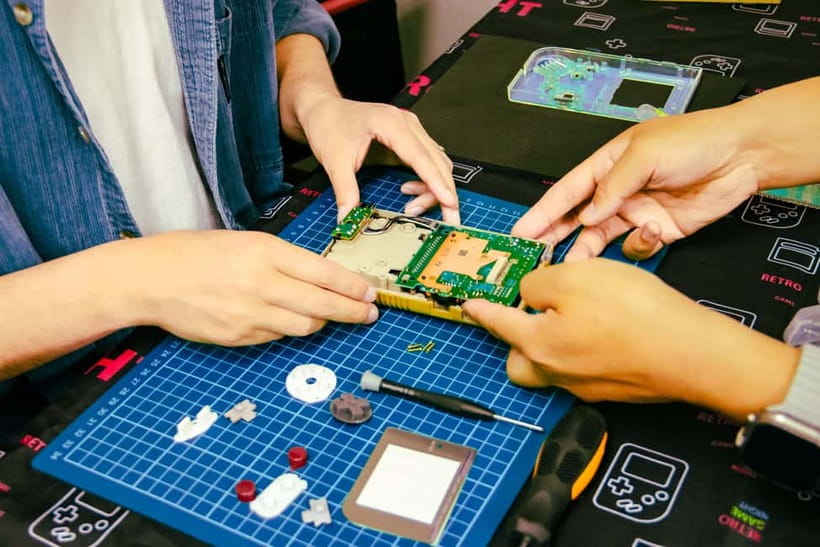
In Akihabara, you trade browsing for hands-on making: you’ll pick your own DMG-01 Game Boy parts and design choices, then take the handheld apart and rebuild it into something that’s truly yours. What I like most is that you’re not just watching—you’re choosing the look (colors, buttons, screen options) and doing the work with friendly Gameboy Masters there to keep you on track.
My second favorite part is the human side: the staff lean into the story of Nintendo’s handheld world and explain what you’re doing as you do it. Names that came up in the experience include Gabi, Franz, Shio-san, and Ro, and the tone is patient and energetic. One consideration: the workshop is on the second floor without elevators or escalators, so it’s not wheelchair accessible.
In This Review
- Key things to know before you go
- Akihabara’s Game Boy workshop is a maker party, not a museum visit
- Where the workshop happens: Wakita Building, second floor reality check
- The 2-hour flow: history first, then the build, then play
- Picking your Game Boy look: colors, buttons, and screen choices
- The hands-on modding: taking apart and rebuilding without losing your mind
- Who helps you: Gabi, Franz, Shio-san, and Ro set the tone
- Games at the end: take your new Game Boy home ready to play
- Price and value: is $360 worth it in Tokyo?
- Practical tips: how to get the best result from your build
- Who should book this workshop (and who might skip it)
- Should you book the Tokyo Game Boy Mod Workshop?
- FAQ
- How long is the Tokyo Gameboy Mod Workshop at Akihabara?
- What will I build at the workshop?
- How many people are in the group?
- What languages do the instructors speak?
- Where do I meet for the workshop?
- Is the workshop wheelchair accessible?
Key things to know before you go
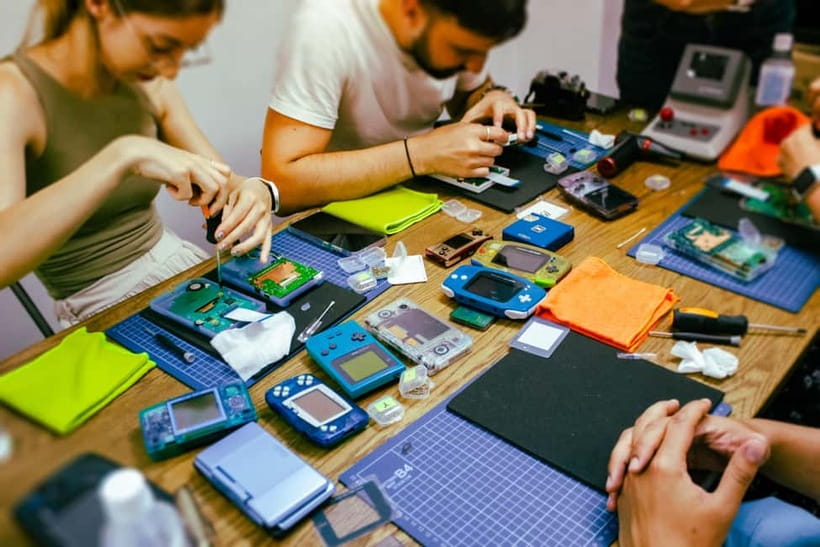
- You build a functional DMG-01: you take apart and rebuild a vintage Game Boy, not a demo model.
- Customization is hands-on: you choose colors, buttons, and screen options using the parts they provide.
- Small group size (up to 4): you get real attention while you work.
- You get more than building: there’s a guided history lesson about Nintendo handhelds and Game Boy variations.
- You can shop for games on-site: you’ll have a chance to pick from their retro game selection once your Game Boy is ready.
Before you commit, see how this one stacks up against a few Tokyo favourites:
- Mt Fuji and Hakone 1-Day Bus Tour Return by Bullet Train★ 5.0 · 26,383 reviews
- 1-Day Tokyo Bus Tour★ 5.0 · 14,250 reviews
- Tokyo: teamLab Planets TOKYO Digital Art Museum Entry Ticket★ 4.6 · 9,779 reviews
Akihabara’s Game Boy workshop is a maker party, not a museum visit
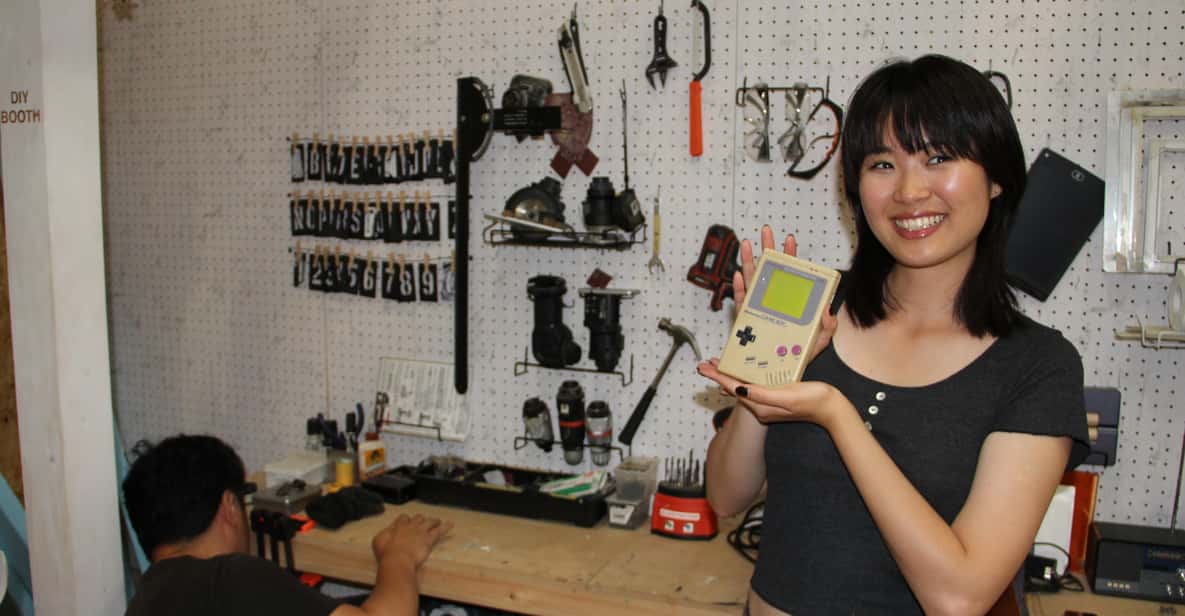
Akihabara is famous for arcade energy and neon signage, but this experience pulls you toward something calmer and nerdier: a workshop built around a classic handheld you can actually take home. The value isn’t just the souvenir factor. It’s the satisfaction of turning old tech into something playable again—while still learning why it worked the way it did.
Expect a vibe that feels like you walked into a hobby meetup where everyone cares. The staff are upbeat, and the rhythm is practical: show, explain, then help you do the modding yourself. Even if you’ve never opened a Game Boy before, the flow is built for beginners, and you won’t be left guessing when tiny parts get involved.
Where the workshop happens: Wakita Building, second floor reality check
Your meeting point is straightforward: the workshop is on the second floor of Wakita Building. That matters because there’s no elevator or escalator listed for the location, so plan accordingly if stairs are a challenge for you.
The good news: once you find the right floor, everything is set up for a hands-on build. You’re not wandering between multiple venues. It’s one place, one session, and one clear goal: leave with a working, customized Game Boy.
The 2-hour flow: history first, then the build, then play
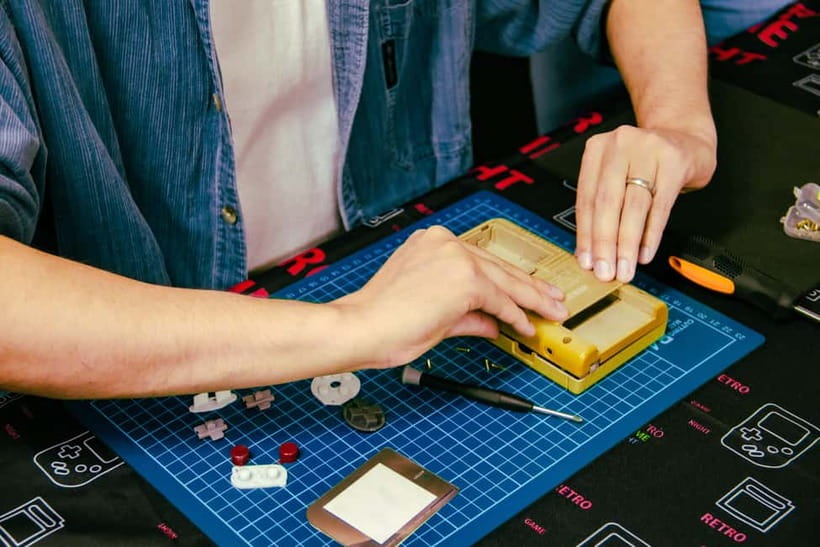
The workshop is two hours, and the timing is tight in a good way. You’ll move through the same core phases every time, with enough time to customize and still finish with a working device.
Here’s the typical sequence, and why it works:
- Orientation and handheld context: you start with an explanation of the Game Boy and how portable consoles evolved. This is where you’ll hear about different handheld versions and why they mattered.
- Hands-on part selection: then you choose what goes into your build—colors, buttons, and screen options—using what they provide.
- Take apart and rebuild: this is the main event. You’ll work with the staff there to help if something feels off.
- Final checks and Game Boy ownership moment: once it’s assembled, the team helps confirm everything works so you’re not stuck with a fancy paperweight.
- Game picking and buying time: after you have the Game Boy ready, you’ll have access to retro games to try and purchase.
In that order, the history lesson doesn’t feel random. It gives meaning to the build steps. And the build doesn’t feel like a stressful gamble, because the staff guide you through it and double-check where needed.
Picking your Game Boy look: colors, buttons, and screen choices
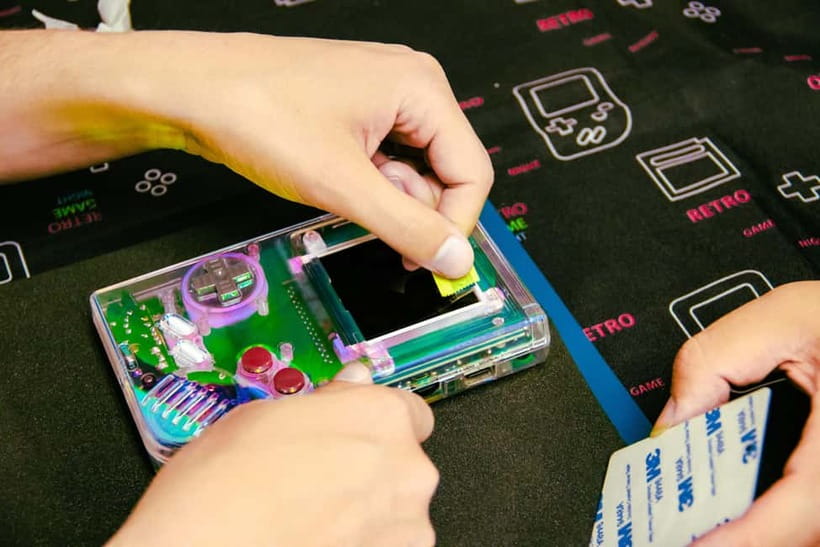
This is where the experience turns personal fast. You’ll get the chance to pick your device and customize it using the parts they have available for the workshop. That means you’re not stuck with one design choice and a generic souvenir.
From the details shared, you can expect customization covering:
- Shell or clamshell color choices
- Buttons (the feel matters on a handheld you’ll play)
- Screen options (multiple participants specifically mention screen upgrades like backlighting as part of what they left with)
- Parts and components used in the rebuilt system
What I like about this setup is that it’s not just cosmetic. Your choices change the whole “feel” of the handheld when you use it later. A screen upgrade is a big deal for a system built for daylight reading in an earlier era. New buttons and a refreshed layout also make the device feel current enough to enjoy today, not just display in a bag.





The hands-on modding: taking apart and rebuilding without losing your mind
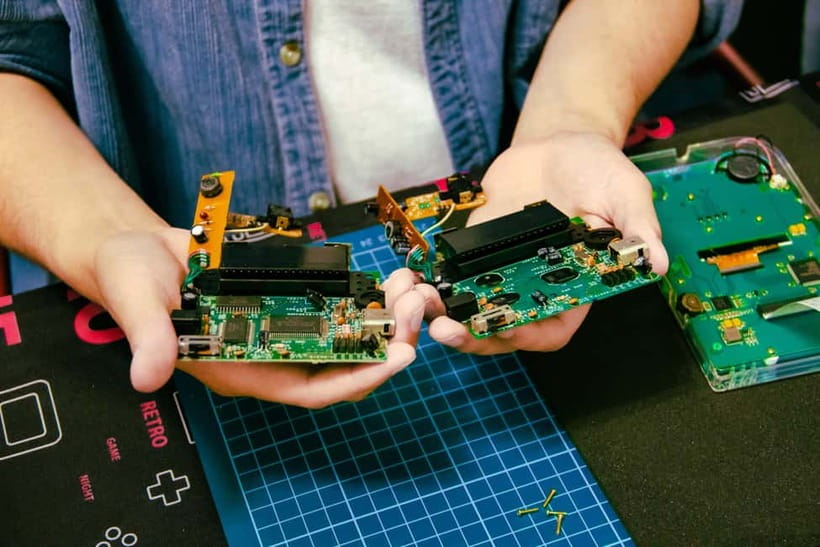
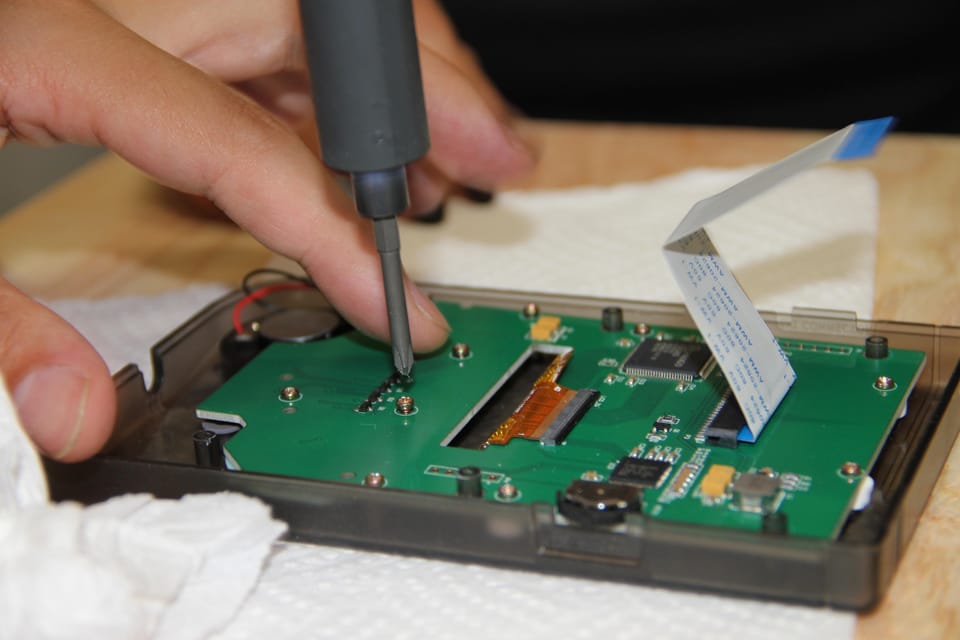
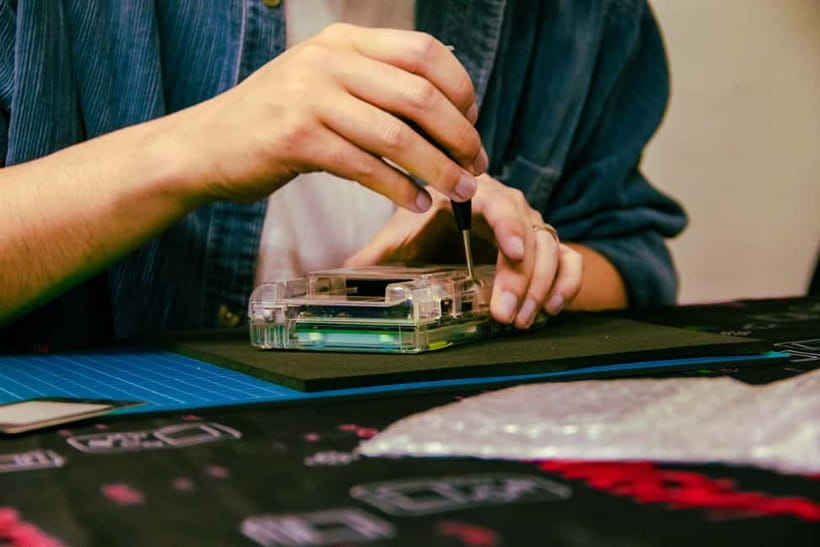
This is a mod workshop, so yes, you’ll take the Game Boy apart and put it back together. But the key is that it’s done with step-by-step guidance, not a sink-or-swim model.
A few themes show up again and again in the experience:
- Staff help quickly when you hit a snag
- The crew checks that everything is assembled correctly
- Nothing feels rushed, even with a small-group format
One parent-style comment summed up the value well: kids and teens often enjoy the “disassemble, inspect, then rebuild” part because it’s hands-on learning. Another important point: you’re working with people who can explain the reasoning behind the steps, not just point at tools.
Also, don’t underestimate how satisfying the final moment is. When you finish, it’s your device. You’re not leaving with a photo and a receipt. You’re leaving with a handheld you can actually use immediately.
Who helps you: Gabi, Franz, Shio-san, and Ro set the tone
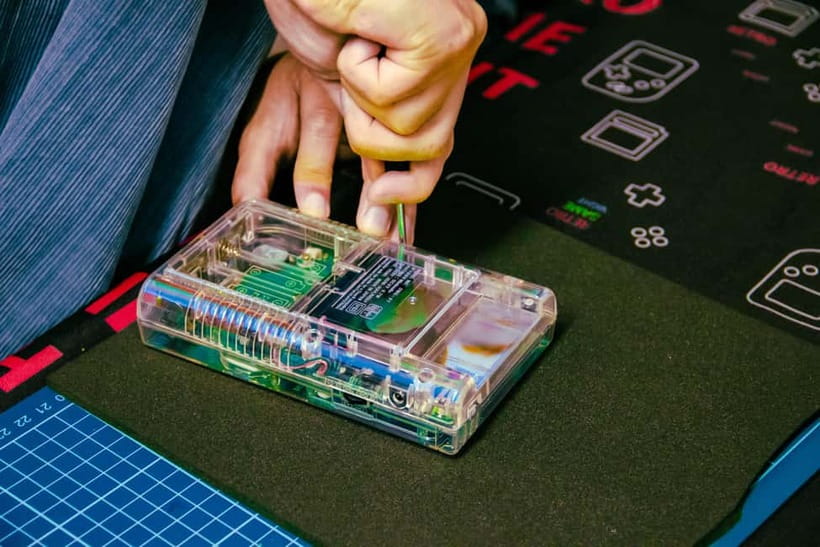
The workshop’s success isn’t only about parts. It’s about people who can teach without making you feel small. Multiple names came up in the experiences shared, including Gabi, Franz, Shio-san, and Ro, and the vibe you should expect is friendly and focused.
If you’re the kind of person who likes chatting while you work, you’ll probably enjoy it here. People described the staff as energetic and fun to talk to, with explanations that click quickly. And if you prefer quiet concentration, the small group size helps too—there’s room for your build pace.
This matters because modding is technical enough that clear help can prevent mistakes, wasted time, and frustration.
Games at the end: take your new Game Boy home ready to play
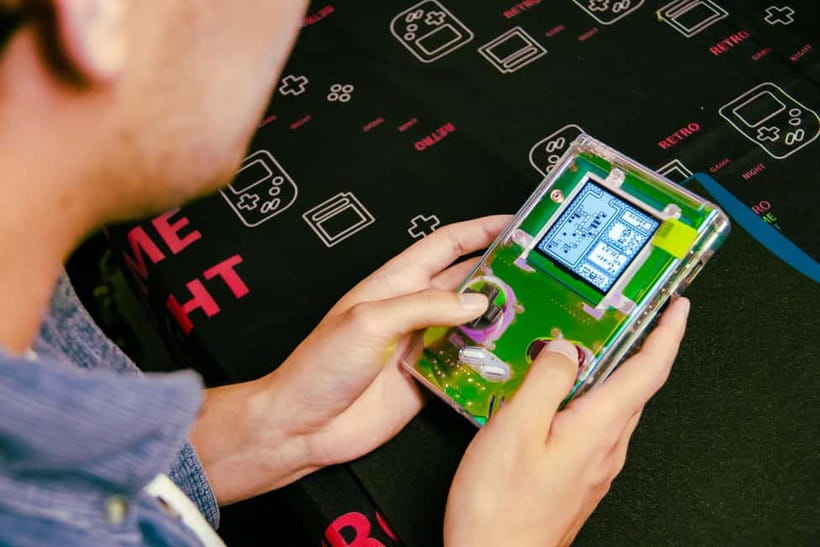
A major practical perk: after your Game Boy is assembled, you get access to retro games from their selection. In one described flow, once the Game Boy is built you can pick a 1000 yen game from their shelves, and you can also buy additional games if you want.
That’s smart for two reasons:
- You’re already in the mindset of playing when you leave, so you’ll actually try the handheld that same day.
- You don’t have to spend extra time hunting for cartridges in a busy shopping area afterward.
From a value perspective, people specifically noted pricing was better than what they saw in other Akihabara spots, and it saves you the hassle of comparing storefront-by-storefront.
Price and value: is $360 worth it in Tokyo?
At $360 per person for a 2-hour workshop, this is not the cheapest thing you can do in Tokyo. The question is what you’re paying for.
You’re paying for:
- A guided build with staff support
- A small-group setting (up to 4 participants)
- The hardware + parts to customize a vintage Game Boy (DMG-01)
- A working handheld you take home
- A learning component (history and tech context)
- Access to games to try and purchase afterward
Some reviews also note that sourcing and maintaining enough retro hardware for repeated sessions isn’t simple. And when you compare the total cost of buying the parts and figuring it out yourself—plus the value of having someone help you finish correctly—$360 starts to look less random and more fair.
So here’s my take: this price makes sense if you want a hands-on project and a meaningful souvenir. If you want a quick photo stop, or you’d rather spend your time doing other classic Akihabara browsing, you might feel it’s pricey. But if you’re into tech, retro games, or creative making, it’s the kind of cost that buys an experience you’ll replay every time you turn the device on.
Practical tips: how to get the best result from your build
You can make your session smoother with a few simple choices:
- Go in ready to focus for two hours. This is a working workshop, not a wandering tour.
- Ask questions early. If you want deeper explanations about the hardware, start with curiosity before you’re knee-deep in assembly.
- Take your design seriously. Picking colors and buttons is part of the value, so spend real time on it.
- Plan to buy at least one game. Having the right cartridge ready is what turns your new handheld into an instant win.
Also, if you’re coming solo, the small group format helps. You still get plenty of attention without being stuck waiting around.
Who should book this workshop (and who might skip it)
You should book if:
- You love Game Boy nostalgia and want a device you can actually play
- You enjoy hands-on activities and want to learn while you build
- You’re traveling with someone who loves gaming, retro tech, or design
You might skip if:
- You can’t do stairs (second floor, no elevators/escalators)
- You don’t want technical, careful work for two hours
- You’re looking for a passive activity where you just watch
If you’re on the fence because of the price, think about what you’d pay for a functioning modded handheld plus instruction plus a small-group experience. Then compare that to the cost of time and trial-and-error on your own.
Should you book the Tokyo Game Boy Mod Workshop?
My honest recommendation: book it if you want a souvenir with real value—one you built, tested, and can use. The hands-on format is the whole point, and the best part is how the team supports you through the build so you don’t feel lost.
If you’re a hardcore retro collector, you may also like that the staff and the space feel like enthusiasts run it. If you’re a first-timer, you’ll likely appreciate the friendly guidance and the clear structure.
Just be sure you’re comfortable with a second-floor location and that you’re ready to spend two focused hours making something instead of sightseeing.
FAQ
How long is the Tokyo Gameboy Mod Workshop at Akihabara?
The workshop runs for 2 hours.
What will I build at the workshop?
You’ll personalize and rebuild a vintage Game Boy (DMG-01) and leave with a fully functioning customized handheld.
How many people are in the group?
It’s a small group limited to 4 participants.
What languages do the instructors speak?
Instruction is available in English and Japanese.
Where do I meet for the workshop?
You meet on the second floor of Wakita Building. Follow the address details to locate the correct entrance and floor.
Is the workshop wheelchair accessible?
No. The workshop is on the second floor without elevators or escalators.
More Tour Reviews in Tokyo



Fresh reviews from around Tokyo






Tokyo, compared.
 ★ 5.0Mt Fuji and Hakone 1-Day Bus Tour Return by Bullet TrainFrom $16326,383 reviews
 ★ 5.01-Day Tokyo Bus TourFrom $12914,250 reviews
 ★ 4.6teamLab Planets TOKYO Digital Art Museum Entry TicketFrom $259,779 reviews
 ★ 4.0Mt Fuji & Hakone Cruise, Drum Show Bullet Train 1 Day from TokyoFrom $1497,413 reviews
 ★ 5.0Shinjuku Food Tour (13 Dishes at 4 Local Eateries)From $866,603 reviews
 ★ 4.4Tokyo Mt Fuji 5th St & Hakone Cruise Bus Tour w/Bullet TrainFrom $1545,024 reviews
 ★ 5.0Flagship 2-Hours Official Street Go-Kart Tour – Tokyo Bay ShopFrom $644,974 reviews
 ★ 4.5From Tokyo: Mount Fuji Full-Day Sightseeing TripFrom $684,970 reviews