
Reviewed · TOKYO
Tokyo: Full-Day Tour of the Six Majestic Spots of Mt Fuji
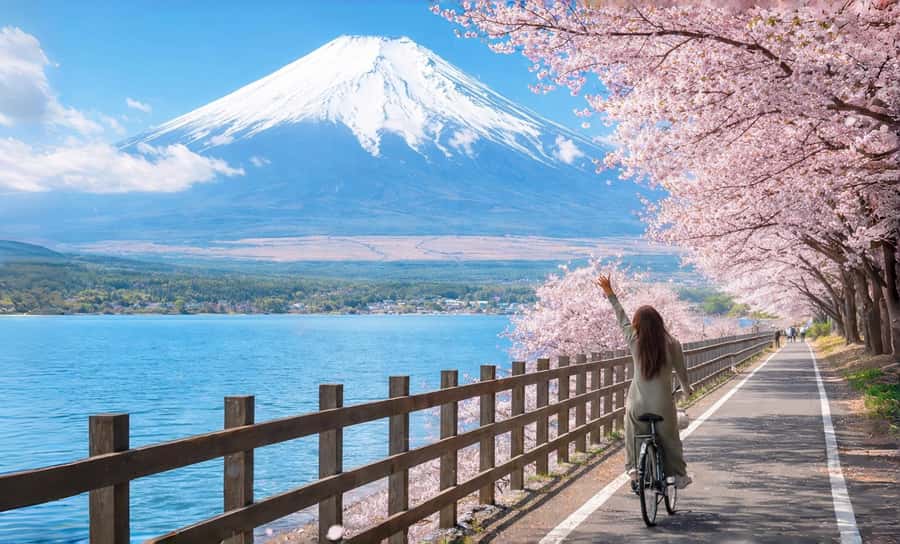
Fuji day trips can feel like a blur. This one stays photo-focused and stops you at the exact places where Mount Fuji reflections and classic viewpoints are the main event. You’ll spend the day moving between lakeside mornings, temple-meets-pagoda scenery, and UNESCO springs, with a guide and driver keeping the route tight.
I really like how the timing is built around the best light, especially the morning-only chance at Hirano Beach with resident swans. I also like that the tour isn’t just scenic stops; you get the little culture-and-quirk moments too, like the Higashikawa Clock Shop road illusion and a Lawson that’s basically made for quick Fuji selfies. The main drawback is visibility: if the weather stays cloudy, Fuji can disappear, and some guests have felt the day lost meaning when that happens.
In This Review
- Key highlights you’ll actually care about
- Why this Fuji circuit from Tokyo makes sense
- Morning at Hirano Beach: mirror shots and swans
- Higashikawa Clock Shop and the Lawson Fuji selfie stop
- Asama Park: a breather between the bigger view stops
- Arakurayama Sengen Park: red pagoda views with seasonal color
- Oshino Hakkai springs: UNESCO water with an old-village feel
- Oishi Park: plan your season for flowers and Fuji framing
- Getting from stop to stop: comfort, guide style, and one small warning
- Food, timing, and what you need to bring
- Price and value: is $45 fair for this day?
- Who this tour suits (and who should skip it)
- Should you book this Mt Fuji full-day tour?
- FAQ
- What’s included in the tour price?
- Is hotel pickup and drop-off included?
- Do I need to bring my own food and drinks?
- Is Mount Fuji guaranteed to be visible?
- What time matters most for photos?
- What should I wear or bring?
- Who should not join this tour?
Key highlights you’ll actually care about
- Morning-only Hirano Beach reflections with swans, so your best shot happens early
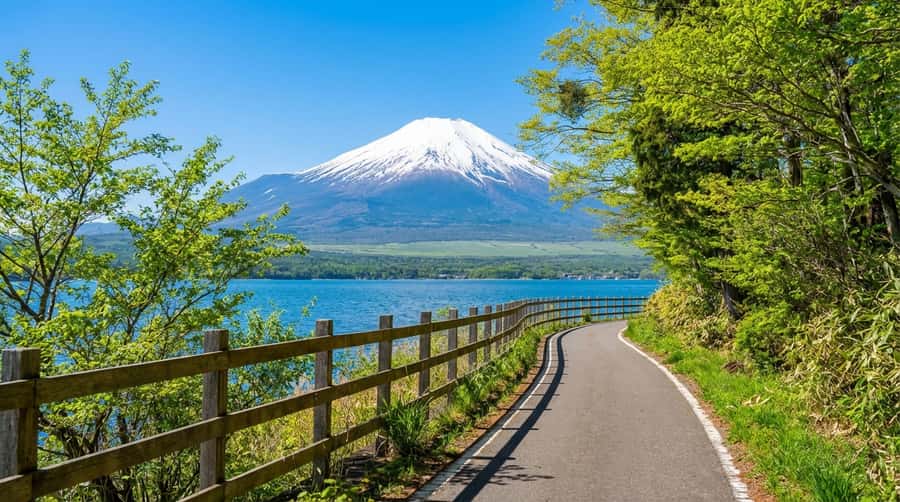
- A straight road illusion at Higashikawa that makes Fuji feel much closer than it is
- Arakurayama Sengen Park’s red pagoda climb with seasonal framing in spring and autumn
- Oshino Hakkai’s eight springs (UNESCO) and that postcard turquoise water
- Oishi Park’s flower fields by month, so you can plan around tulips, lavender, or maple color
Before you commit, see how this one stacks up against a few Tokyo favourites:
- Mt Fuji and Hakone 1-Day Bus Tour Return by Bullet Train★ 5.0 · 26,383 reviews
- 1-Day Tokyo Bus Tour★ 5.0 · 14,250 reviews
- Tokyo: teamLab Planets TOKYO Digital Art Museum Entry Ticket★ 4.6 · 9,779 reviews
Why this Fuji circuit from Tokyo makes sense
For most people, the trick is not “seeing Fuji.” It’s seeing Fuji from the right angles, in the right order, without fighting trains and buses all day. This full-day tour is built for convenience: round-trip-style timing from Tokyo (hotel pickup is not included), an air-conditioned vehicle, and a guide plus driver who handle the driving.
The price is also part of the appeal. At $45 per person, you’re paying for transportation and guided stops rather than piecing together a DIY route. That’s a good deal if you want the classic spots—without spending your vacation time comparing schedules.
Morning at Hirano Beach: mirror shots and swans
Hirano Beach is where the tour earns its keep. It’s a gravel shoreline at Lake Yamanaka, and the magic is in the conditions: the best Mount Fuji reflection is a morning thing. The itinerary is structured so you’re not arriving at noon and hoping for miracles.
You’ll also see swans around the area. This is one of those moments where you’re not just chasing a view—you’re watching nature right near you. If you’re the type who enjoys slowing down for a few minutes at a shoreline, this stop tends to hit harder than the “quick photo and move on” locations.
Practical tip: wear shoes you can stand in for a while. Lake areas can mean uneven footing, and you’ll likely want to try a few angles for that reflection shot.
Higashikawa Clock Shop and the Lawson Fuji selfie stop
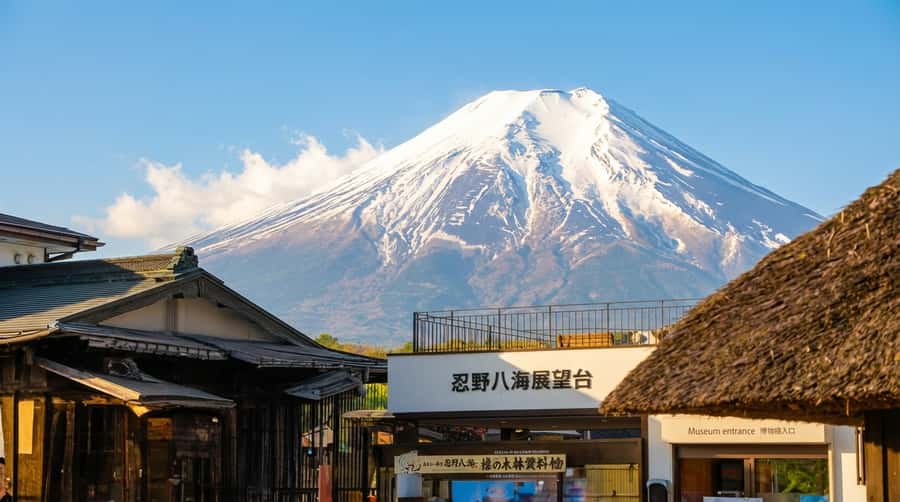
Higashikawa is a nice change of pace: a calm streetscape where the road feels like it goes on forever toward Mount Fuji. The standout moment here is the cinematic straight-road perspective, often the kind of framing that makes Fuji look like it’s almost at the end of the street.
Then there’s the Lawson. This isn’t a random convenience store detour—it’s famous for being a Fuji-friendly photo spot, with simple design and Fuji-facing windows that work well for quick, low-effort pictures. If you like the minimalist Japanese “lazy aesthetic” style phone wallpapers, this is a fun stop because you don’t need a lot of setup.
One caution: this kind of photo stop can attract attention and small crowds. Keep your timing tight, get your shot, then move on so you don’t feel rushed later.
Asama Park: a breather between the bigger view stops
Asama Park is included as one of the six major spots, and that matters because it breaks up the day. Even if it’s not the main headline like Oshino Hakkai or Arakurayama, a mid-tour park stop gives you a chance to reset—stretch your legs, re-check the weather mood, and regroup before you climb and walk more.
Because the tour data doesn’t describe Asama Park with specific attractions, I’d treat it as a practical pause as much as a viewpoint stop. If you’re hiking-averse, this is the kind of stop that can feel easier than the steps later.




Arakurayama Sengen Park: red pagoda views with seasonal color

If you want the classic “Fuji framed by something” look, Arakurayama Sengen Park is the place. You’ll walk from near Shimoyoshida Station area and climb stone steps up toward the red five-story pagoda for panoramic views.
The seasonal framing is a big part of why people love it:
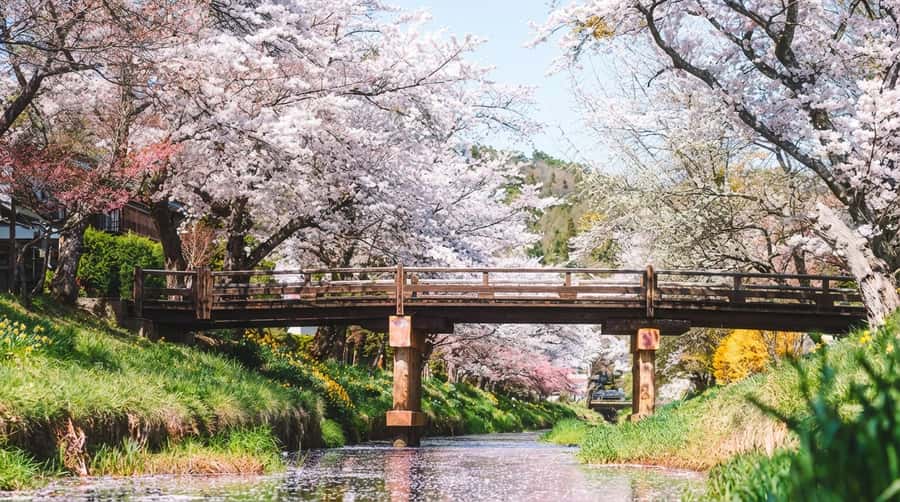
- In spring, Fuji is often framed by cherry blossoms.
- In autumn, Fuji can be framed by changing foliage—so instead of one “Fuji only” photo, you get Fuji with a seasonal layer.
This stop does involve stairs. Also, the tour notes say the pagoda steps aren’t wheelchair-friendly, and the tour itself is listed as not suitable for wheelchair users. If you have any knee issues or you’re worried about step climbing, plan your pace and take breaks early rather than suffering through the middle.
Also expect crowds, especially during peak season. Go slow, keep your camera ready, and don’t let one blocked view ruin your mood.
Oshino Hakkai springs: UNESCO water with an old-village feel
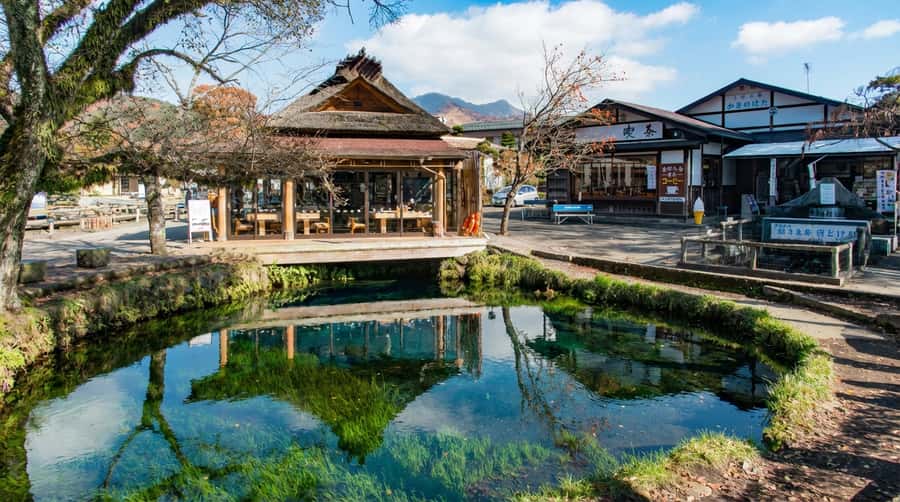
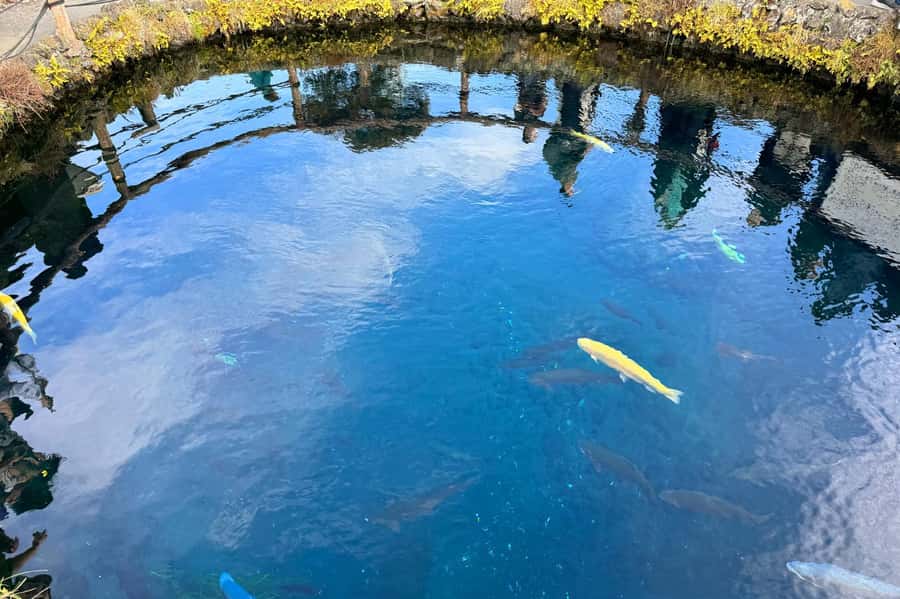
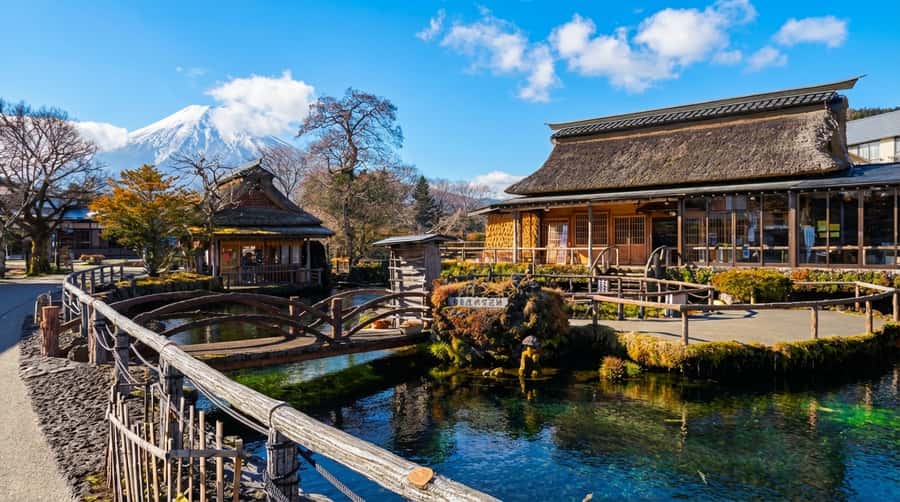
Oshino Hakkai is a standout because it’s not just “a view.” It’s water plus a traditional village setting. This area is UNESCO-designated, and it’s known for eight crystal-clear springs fed by melted snow from Mount Fuji.
What you’ll notice quickly is the way the water reflects. It’s a turquoise look in the photos, but the better point for your real-life experience is that the pools feel calm and detailed. Wooden bridges and the thatched-roof village vibe make it feel like you’re stepping into a slower version of Japan, not just a scenic stop.
Timing matters here too. If the sky clears, the reflections get better. If it stays hazy, you’ll still likely enjoy walking the village lanes and bridges because the springs themselves are the attraction.
Oishi Park: plan your season for flowers and Fuji framing
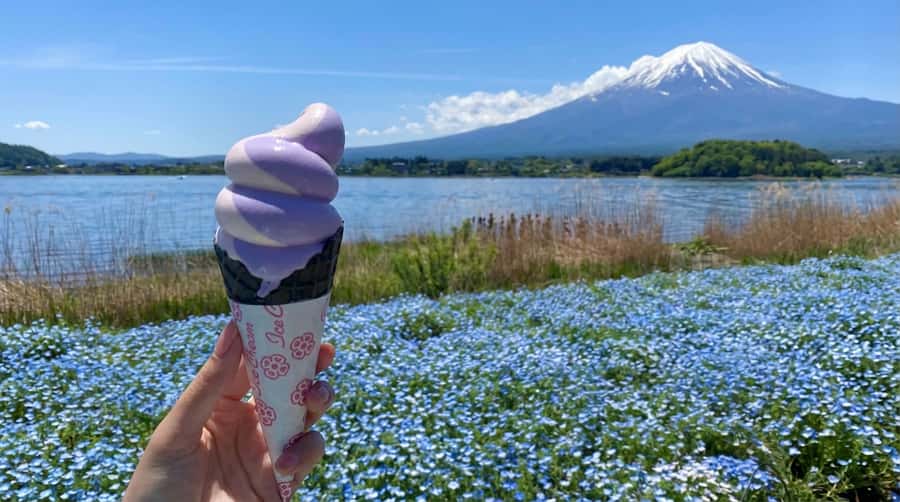
Oishi Park is the tour’s “seasonal finale” feeling. It’s known for large flower fields that change through the year, and the point is to catch those blooms with Mount Fuji in the background.
Here’s what the tour highlights as the seasonal lineup:
- April: tulips, daffodils, rapeseed flowers
- May: carpet-like moss phlox
- June–July: lavender fields
- August–October: begonias
- November: scarlet maple leaves
Because the seasons can shift slightly, it’s worth checking updates before you go. But even when exact bloom timing isn’t perfect, Oishi Park usually delivers that “Fuji behind flowers” look that feels very postcard to anyone who enjoys nature photography or color.
Getting from stop to stop: comfort, guide style, and one small warning
The tour includes transportation in an air-conditioned vehicle, plus a tour guide and driver. That saves energy, especially if you’re coming in hot from Tokyo city life.
A key thing to know: for small daily groups, the driver may also provide limited English commentary, and there’s no commentary while the vehicle is moving. Onboard interpretation is offered in multiple languages, listed as Chinese and English.
That guide format can be great when you’re actually at each stop—people reported guides who gave clear, key information and even helped with photos. One thing to keep in mind: bus comfort can vary. A guest reported the A/C wasn’t working, so if you’re heat-sensitive, dress in light layers and bring a small cooling strategy (like a handheld fan) just in case.
Also, there have been complaints about bus speaker volume being too loud at times. If you’re sensitive to noise, consider bringing earplugs.
Food, timing, and what you need to bring
Food and drinks are not included, and you can’t eat or drink in the vehicle. That means you’ll either:
- buy something at stops, or
- bring a personal snack plan for your day (just plan to eat outside the bus).
The tour’s basic packing list is simple: comfortable shoes and comfortable clothes. That’s exactly what you want for a full day with walking and the Arakurayama steps.
Because it’s a day trip, you’ll also benefit from practical camera habits: keep your lens plan simple, bring a small towel or wipe if the weather turns, and don’t overthink every shot. Fuji days reward patience more than gear.
Price and value: is $45 fair for this day?
At $45 per person, the value is strong if you care about access and efficiency. You’re paying for:
- an air-conditioned vehicle,
- a guide,
- and a driver handling the driving.
You’re not paying for food, and you’re not paying for hotel pickup. But even with those add-ons, this still often beats a DIY day if you want to hit multiple Fuji-adjacent spots without spending your morning routing trains.
The bigger “value risk” isn’t cost—it’s weather. When Fuji is hidden behind clouds, the day becomes more about enjoying the places themselves than getting that unmistakable mountain view. One guest experienced exactly that and still felt the day was worthwhile for the scenery, but it’s a real factor you should accept up front.
Who this tour suits (and who should skip it)
This tour is a good match if you:
- want a guided, efficient Fuji day without logistics stress
- love classic photo spots with seasonal framing
- don’t mind early mornings (Hirano Beach is morning-focused)
It’s not suitable for:
- pregnant women
- people with high blood pressure
- people over 70
- wheelchair users (and the pagoda steps are also a major issue)
If you’re on the fence because of mobility, the Arakurayama steps are the likely dealbreaker, not the rest of the day.
Should you book this Mt Fuji full-day tour?
If you want the best shot at iconic Fuji photos in one day, I’d say yes, book it—especially if you’re the type who likes sunrise light and uses the morning for what it’s best at. Hirano Beach reflections are the kind of experience that costs nothing extra when you’re already paying for the tour, and they’re harder to replicate on your own without planning.
If you’re going during a season with frequent cloud cover, or you hate waiting for weather to cooperate, you might prefer a slower plan where you can linger longer in one area. But if you’re okay with the idea that Fuji sometimes plays hide-and-seek, this route is still a strong value for the number of major sights you get.
FAQ
What’s included in the tour price?
The price includes transportation in an air-conditioned vehicle, a tour guide, and the driver.
Is hotel pickup and drop-off included?
No. Hotel pickup and drop-off are not included, and the tour starts and ends back at the meeting point.
Do I need to bring my own food and drinks?
Yes. Food and drinks are not included, and you’re not allowed to eat or drink in the vehicle.
Is Mount Fuji guaranteed to be visible?
Not guaranteed. The itinerary is built around viewpoints and timing, but weather can affect visibility, and some attractions can close due to weather.
What time matters most for photos?
The Hirano Beach reflection moment is morning-only, so your best chances for mirror shots are early in the day.
What should I wear or bring?
Bring comfortable shoes and comfortable clothes. Since it’s a full day with walking and stairs, wear footwear that handles uneven ground.
Who should not join this tour?
The tour is listed as not suitable for pregnant women, people with high blood pressure, people over 70, and wheelchair users.
More Tour Reviews in Tokyo



Fresh reviews from around Tokyo






Tokyo, compared.
 ★ 5.0Mt Fuji and Hakone 1-Day Bus Tour Return by Bullet TrainFrom $16326,383 reviews
 ★ 5.01-Day Tokyo Bus TourFrom $12914,250 reviews
 ★ 4.6teamLab Planets TOKYO Digital Art Museum Entry TicketFrom $259,779 reviews
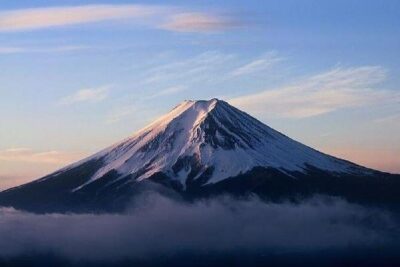 ★ 4.0Mt Fuji & Hakone Cruise, Drum Show Bullet Train 1 Day from TokyoFrom $1497,413 reviews
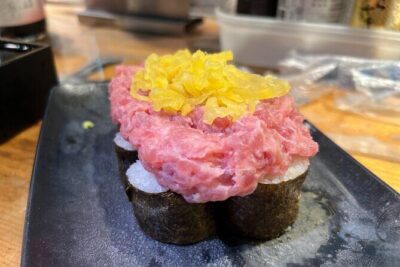 ★ 5.0Shinjuku Food Tour (13 Dishes at 4 Local Eateries)From $866,603 reviews
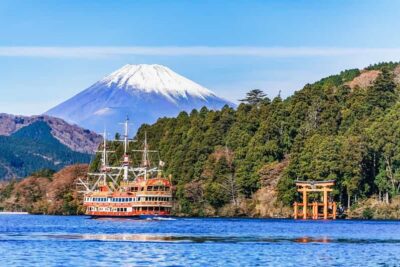 ★ 4.4Tokyo Mt Fuji 5th St & Hakone Cruise Bus Tour w/Bullet TrainFrom $1545,024 reviews
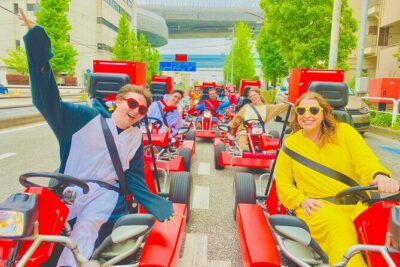 ★ 5.0Flagship 2-Hours Official Street Go-Kart Tour – Tokyo Bay ShopFrom $644,974 reviews
 ★ 4.5From Tokyo: Mount Fuji Full-Day Sightseeing TripFrom $684,970 reviews