
Reviewed · TOKYO
Tokyo full day Spanish speaking tour with hotel pick up and drop off.
Tokyo in one action-packed day.
What makes this tour such a smart pick is how it strings together Tokyo’s biggest contrasts in a single 8-hour loop, with a Spanish guide guiding the story from traditional temples to otaku culture and right into Shinjuku’s pop-culture world. I like that you get hands-on-feeling moments at Senso-ji, including the Temizu purification ritual and the chance to make a wish inside the temple grounds. I also like that Shinjuku’s finale isn’t generic sightseeing, it’s built around that famous first 3D screen moment, Godzilla at Kabukicho, and a stop at the new Kabukicho Tower.
One consideration: lunch is not included, so you’ll want to use the scheduled break to grab something that fits your taste and budget, especially if you’re hungry right after Akihabara.
In This Review
- Key highlights you will actually use
- A Spanish-led day that connects Tokyo’s moods
- Price and what $386 is buying for up to 5 people
- Getting from your hotel to Asakusa: the calm start
- Asakusa and Senso-ji: gates, smells, and the Temizu moment
- The possible drawback here
- Akihabara: otaku culture with a guided focus
- Lunch time in the middle of the day
- Harajuku and Meiji Shrine: torii gates and a marriage-prayer pause
- What to watch for
- Shinjuku: the first 3D display, Godzilla, and Kabukicho Tower
- A possible drawback to plan around
- How the train hops keep the day from feeling chaotic
- The guide factor: Spanish help that actually makes the day easier
- Who should book this tour (and who might want something else)
- Should you book this Tokyo Spanish private tour?
- FAQ
- How long is the Tokyo Spanish full-day private tour?
- How many people can join this private tour?
- Is the tour in Spanish?
- Does the price include lunch?
- Is hotel pickup and drop-off included?
- What is the additional transportation cost?
Key highlights you will actually use
- Temizu at Senso-ji: purification steps, incense, and that classic wish-coin moment inside the temple area
- Asakusa’s gate-to-gate temple route: Kaminarimon, Nakamise shopping street, then Hozomon to reach the deeper area
- Akihabara otaku time: electronics, video games, manga, and anime-focused exploration with a guided walkthrough
- Meiji Shrine at Harajuku: huge cypress torii gates and a meaningful pause in Yoyogi Park
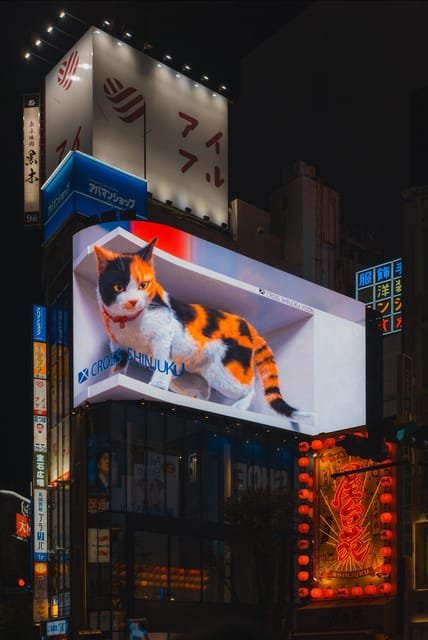
- Shinjuku’s first 3D screen + Calico cat: the world-famous visual moment tied to the area’s mascot
- Kabukicho Tower and Omoide Yokocho: modern sights plus the alley of memories bar lanes near the station
Before you commit, see how this one stacks up against a few Tokyo favourites:
- Mt Fuji and Hakone 1-Day Bus Tour Return by Bullet Train★ 5.0 · 26,383 reviews
- 1-Day Tokyo Bus Tour★ 5.0 · 14,250 reviews
- Tokyo: teamLab Planets TOKYO Digital Art Museum Entry Ticket★ 4.6 · 9,779 reviews
A Spanish-led day that connects Tokyo’s moods
This is a private, Spanish-speaking full-day plan built around four distinct areas: Asakusa, Akihabara, Harajuku, and Shinjuku. The payoff for you is clarity. Instead of bouncing around on your own and guessing what to prioritize, you follow a route that matches the theme of the day: worship and tradition, then pop culture, then a classic shrine pause, then Kabukicho’s energy.
Hotel pickup and drop-off make a difference too. Tokyo is efficient, but it’s also big. Having someone handle the handoffs reduces stress when you’re trying to enjoy every neighborhood without turning the day into transit fatigue.
It also helps that the schedule includes specific train legs with short travel windows. You’re not stuck for long stretches without a plan. The day is structured so you get guided time in each place, then you’re given enough space to eat during the lunch slot.
Price and what $386 is buying for up to 5 people
The listed price is $386 per group up to 5 people, for an 8-hour private tour. Here’s the practical way to judge value: you’re paying for (1) a live Spanish guide, (2) hotel pickup and drop-off, and (3) a pre-built route that ties together big-name stops that are easy to do badly if you’re on your own.
If you have a small group, private usually becomes more reasonable because you split the cost. And the itinerary is dense: multiple guided segments, plus time set aside for food and wandering. On a day like this, your “value” is time saved and the chances you don’t miss, like the purification steps at Senso-ji and the themed pop-culture sights in Shinjuku.
Two cost notes you should plan for:
- Lunch is not included.
- Transportation fee is approximately ¥1000, so budget for that on top of the tour price.
Getting from your hotel to Asakusa: the calm start
You begin with pickup in Tokyo, then start moving toward Asakusa. The first transit leg is about 30 minutes by train, and that matters because it sets the tone. You’re not starting in the middle of the busiest area without context. You arrive ready for the temple district experience rather than already exhausted from logistics.
Also, keep the “comfortable shoes” advice in mind. This day is mostly about walking through areas that are not designed for slow, wide strolling. Think smooth-but-constant footwork: gates, market lanes, shrine approaches, and later the Kabukicho streets and alley lanes.
Asakusa and Senso-ji: gates, smells, and the Temizu moment
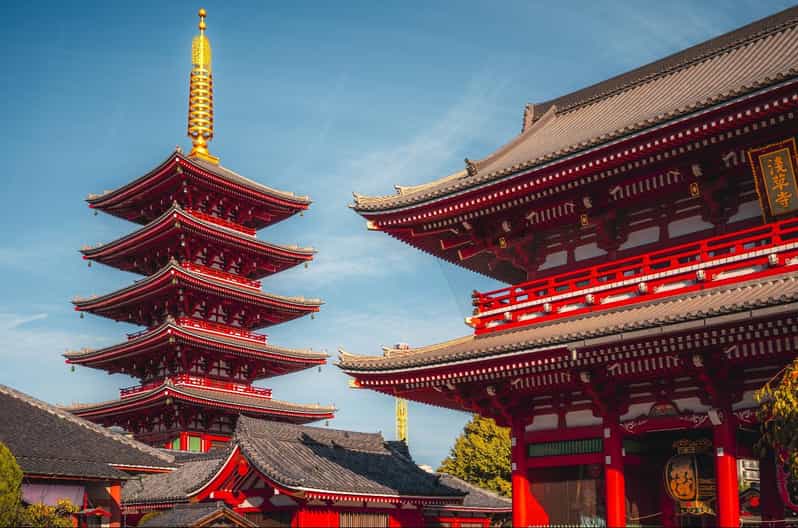
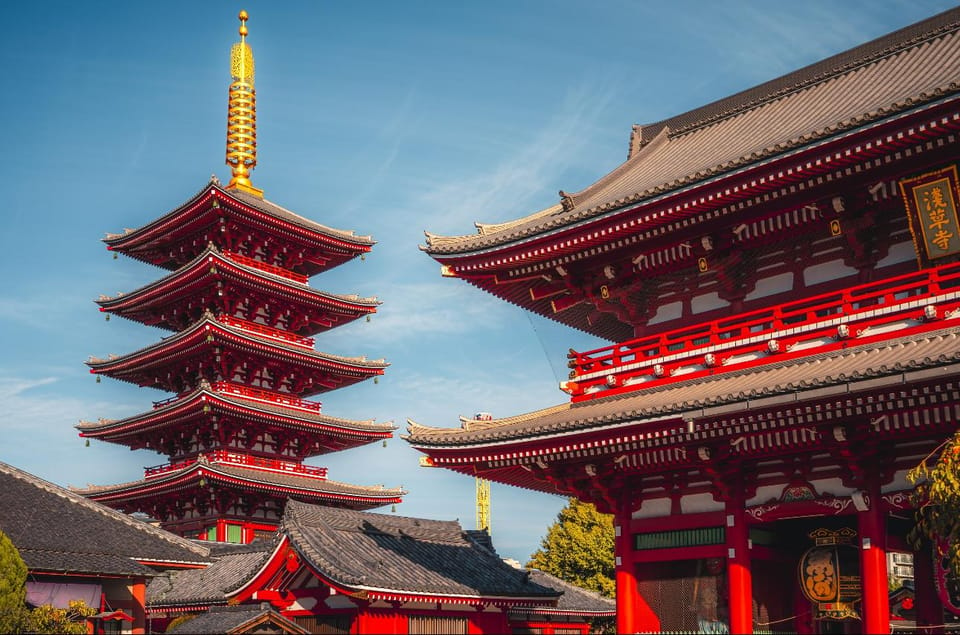
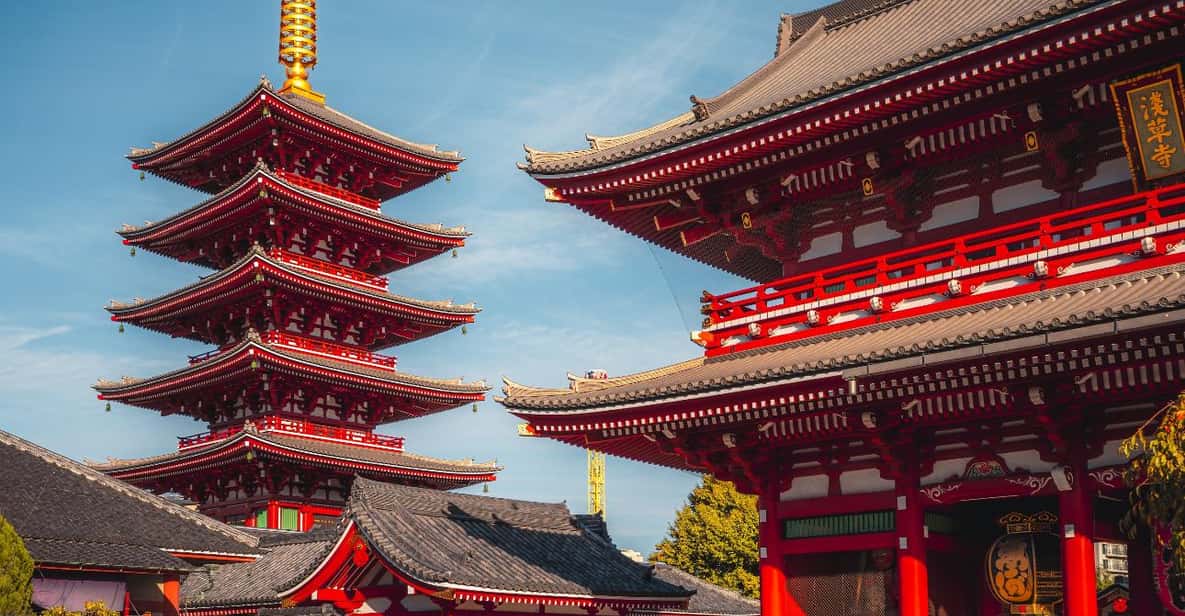
Asakusa is Tokyo’s traditional district, and your guided time there centers on Senso-ji Temple, the most visited Buddhist temple in the world, dedicated to the goddess Kannon. For me, the strongest part of this stop is not just seeing the temple. It’s the way the experience is staged so you gradually move deeper into the ritual space.
You start with Kaminarimon, the main gate. Right after, you move through Nakamise, the shopping street. This isn’t random browsing time. It’s where you naturally soak in the atmosphere before you step into the next phase of the temple route.
Then you reach Hozomon, the secondary gate. Once you pass it, the experience becomes more interactive:
- You’ll see omamori sales (protective charms), which are an easy “wish-making” connection to the spiritual side of the day.
- You can take part in the Temizu ceremony, including the practice of purifying yourself by using water and also burning incense (osenko) and experiencing smoke for purification.
Inside the altar area, you’ll see people throwing a coin to make a wish. That’s one of those moments where you can be respectful and observational at the same time. Your guide helps you understand what you’re seeing and what the ritual is for, so you’re not just guessing.





The possible drawback here
This portion can be sensory and slightly crowded. If you don’t like incense smoke or tight spaces, be ready with patience and a slower pace in the ritual zones.
Akihabara: otaku culture with a guided focus
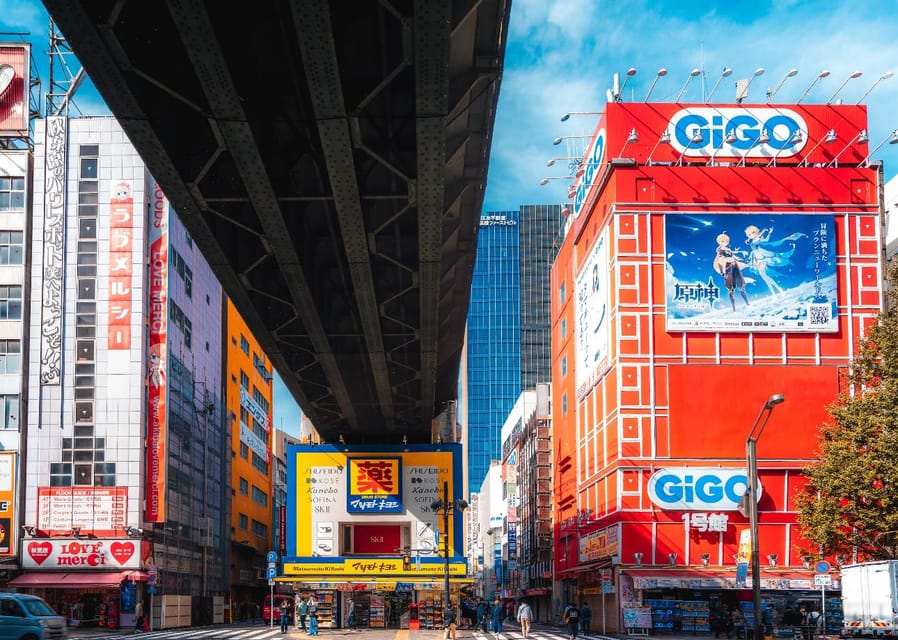
After Asakusa, you take a short train hop (about 10 minutes) to Akihabara, known as the center of otaku culture and electronics. This is where the day shifts from sacred to pop culture, and the contrast is part of why the itinerary works.
Your guided time in Akihabara lasts about 1 hour. That’s just long enough to get oriented without turning it into a shopping marathon. You’ll connect the dots between what Akihabara is famous for: video games, manga, anime, and electronics.
Why a guide helps here is simple: Akihabara can overwhelm you with choice. With a Spanish guide steering you, you can spend less time wandering randomly and more time learning what to look for and how to tell the difference between general electronics stops and the places that are truly tied to the otaku world.
Lunch time in the middle of the day
There’s a 1-hour lunch slot after the Akihabara guided segment. Since lunch isn’t included, treat this as your chance to plan around your preferences. If you want something quick, you can move fast. If you want a sit-down meal, you’ll still have enough time to eat without breaking the overall flow.
A practical tip: because your guide is already with you, you can ask for what’s easiest to order or where locals tend to go nearby, rather than relying on intuition while hungry.
Harajuku and Meiji Shrine: torii gates and a marriage-prayer pause
Next comes Harajuku, with a longer train leg (about 40 minutes). The pace change is real: you’re leaving the dense, shopping-heavy feel of Akihabara and heading into Yoyogi Park territory.
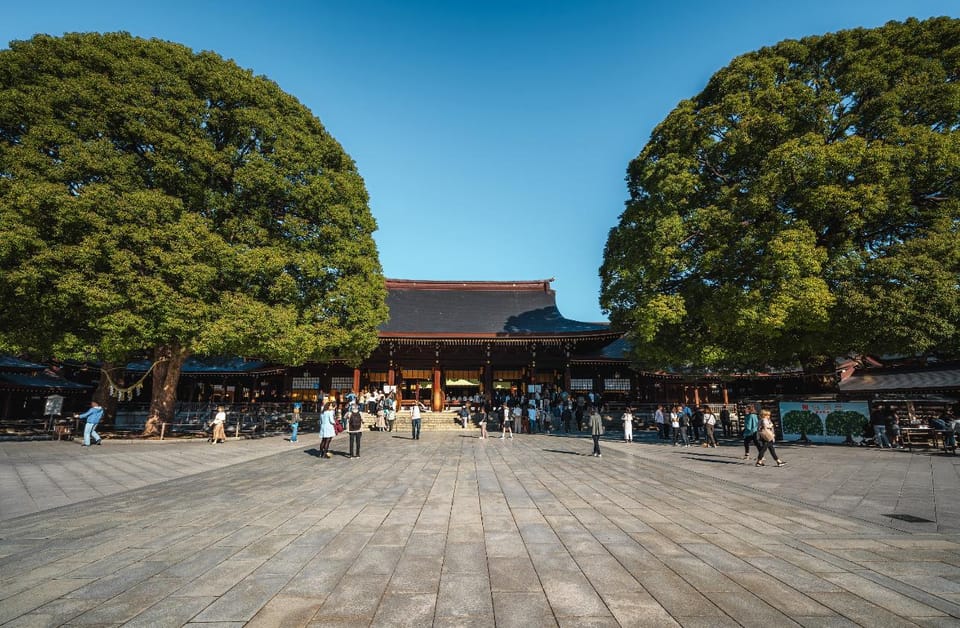
Your Harajuku guided time is about 1.5 hours, and it’s centered on Meiji Shrine, where Emperor Meiji and Empress Shōken had picnics. That fact matters because it connects the shrine space to a living, human story rather than only a distant monument.
The approach is marked by huge torii gates made of Japanese cypress wood. Your guide explains the meaning behind them: they symbolize a transition from the ordinary world into a sacred space. You also learn that this shrine is awarded as a place where couples go to pray for a prosperous marriage. Even if you’re not visiting for that reason, it adds another layer to what you’re seeing and why people behave the way they do inside.
What to watch for
Take your time as you pass the torii gates. This is one of those parts of the day where you get a mental reset. If you’ve been in Akihabara mode, Meiji Shrine slows you down, and that helps you enjoy Shinjuku more afterward.
Shinjuku: the first 3D display, Godzilla, and Kabukicho Tower
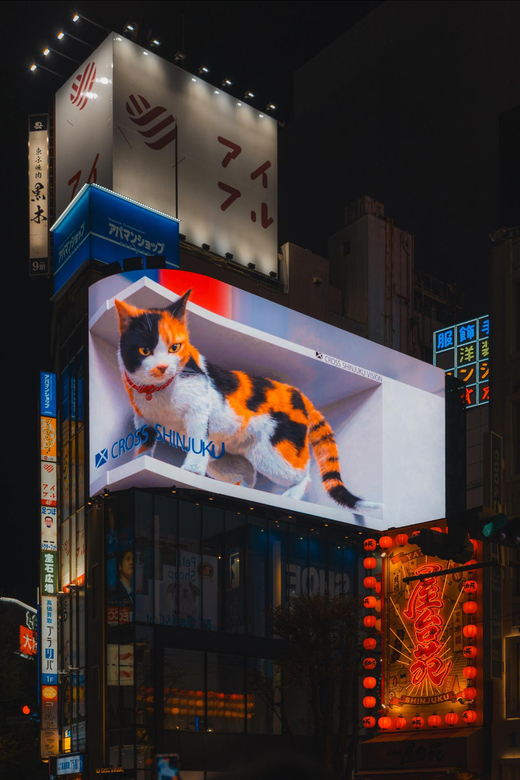
Shinjuku is where the tour turns playful, and the itinerary makes sure you see multiple pop-culture anchors rather than just one photo stop. After Harajuku, there’s a short train ride (about 10 minutes) to Shinjuku.
The standout moment here is the world’s first 3D screen. You’ll see the Calico cat, Shinjuku’s world-famous mascot. This is the kind of attraction that can feel gimmicky if it’s just a picture. With a guide pointing you toward the right viewing moment and context, it becomes more of an experience than a snapshot.
From there, you cross the great arch of Kabukicho Road and see Godzilla’s head peeking out of the Gracery Hotel. It’s a very Tokyo landmark moment: you’re in the middle of street chaos, and suddenly there’s this iconic movie-styled creature partway into view.
Then comes the new Kabukicho Tower, opened in 2023. The plan includes the tower visit, which adds a modern layer to the Kabukicho storyline: shopping malls, restaurants, and a theater for performances of different genres.
Finally, you head back toward the station to the “Alley of Memories,” known as Omoide Yokocho. This is where you trade the big modern skyline feel for narrow alleys filled with small bars and restaurants. It’s a great end-of-day contrast and an easy place to snack or have a drink if you still have energy.
A possible drawback to plan around
Kabukicho is not quiet. If you prefer calm spaces, Shinjuku can feel intense. You’ll still get the structured “see it, then go” plan, but the atmosphere is part of the deal.
How the train hops keep the day from feeling chaotic
A big reason this itinerary feels workable is the sequencing of transit and guided time.
You’ll have:
- About 30 minutes train to start your temple day
- A short 10 minutes move to Akihabara
- About 40 minutes to Harajuku and Meiji Shrine
- About 10 minutes to get into Shinjuku
That pattern is useful because it prevents long, empty gaps. You always have a next target: gate area, otaku-focused exploration, shrine approach, then 3D screen and Godzilla sights. You’re also less likely to lose time searching for directions since the tour sets the rhythm.
The guide factor: Spanish help that actually makes the day easier
This tour is Spanish-language only, which is a big advantage if you want the day explained, not just translated at you. In guest feedback, the Spanish guide Naomi is specifically praised for being willing to clarify questions and being very familiar with the city. That lines up with what you need on a day like this: context.
For example, rituals at Senso-ji can be confusing if you don’t know what you’re looking at. Shrine symbolism can feel random without guidance. And pop-culture landmarks can turn into quick photo stops if you don’t understand what they mean in Tokyo’s landscape.
A good guide turns the day from sightseeing into understanding, and this itinerary is built to benefit from that.
Who should book this tour (and who might want something else)
This private tour is a strong fit for:
- Small groups up to 5 who want hotel pickup and drop-off
- Spanish speakers who prefer explanations during key moments, not just a self-guided route
- People who like Tokyo contrasts: traditional temple rituals, otaku culture in Akihabara, shrine meaning near Harajuku, then Shinjuku pop culture
It may not be ideal if:
- You want minimal walking and very relaxed pacing throughout
- You strongly dislike incense smoke or crowded temple gate areas
- You plan to skip lunch planning entirely, since lunch is not included and the schedule expects you to eat during the allotted break
Should you book this Tokyo Spanish private tour?
Yes, if your goal is a full-day hit list that still feels meaningful. The value isn’t only in big names. It’s in how the day is structured: rituals and symbolism at Senso-ji, a focused otaku and electronics look in Akihabara, a proper shrine approach in Harajuku, and then Shinjuku’s 3D screen plus Godzilla and Kabukicho Tower.
Before you book, do two quick checks:
- Are you comfortable with a full day on your feet, starting early enough to cover all four zones?
- Are you good planning your own lunch (since it’s not included) and budgeting the small transportation fee around ¥1000?
If those answers are yes, this is the kind of tour that saves you time and stress while still giving you the moments that make Tokyo feel like Tokyo.
FAQ
How long is the Tokyo Spanish full-day private tour?
The duration is 8 hours.
How many people can join this private tour?
It’s a private group for up to 5 people.
Is the tour in Spanish?
Yes, the live tour guide speaks Spanish.
Does the price include lunch?
No, lunch is not included.
Is hotel pickup and drop-off included?
Yes, the tour includes hotel pickup and drop-off.
What is the additional transportation cost?
Transportation fees are approximately ¥1000 and are not included.
More Tour Reviews in Tokyo



Fresh reviews from around Tokyo






Tokyo, compared.
 ★ 5.0Mt Fuji and Hakone 1-Day Bus Tour Return by Bullet TrainFrom $16326,383 reviews
 ★ 5.01-Day Tokyo Bus TourFrom $12914,250 reviews
 ★ 4.6teamLab Planets TOKYO Digital Art Museum Entry TicketFrom $259,779 reviews
 ★ 4.0Mt Fuji & Hakone Cruise, Drum Show Bullet Train 1 Day from TokyoFrom $1497,413 reviews
 ★ 5.0Shinjuku Food Tour (13 Dishes at 4 Local Eateries)From $866,603 reviews
 ★ 4.4Tokyo Mt Fuji 5th St & Hakone Cruise Bus Tour w/Bullet TrainFrom $1545,024 reviews
 ★ 5.0Flagship 2-Hours Official Street Go-Kart Tour – Tokyo Bay ShopFrom $644,974 reviews
 ★ 4.5From Tokyo: Mount Fuji Full-Day Sightseeing TripFrom $684,970 reviews