
Reviewed · TOKYO
Tokyo: Buddhism and Shinto Temple Tour with a Real Local
Tokyo has a lot of temples.
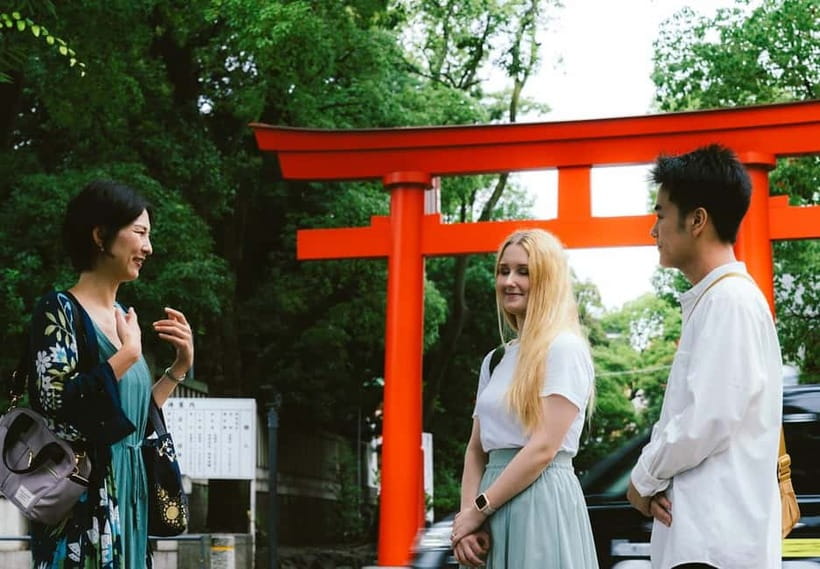
This tour turns them into something you can actually understand. You start in Monzennakacho, a historic East Tokyo neighborhood, and you walk with local guide Manami Watanabe, a Ph.D. holder focused on cultural heritage. I love how the tour explains the why behind the customs, especially around the fire ceremony at Naritasan Fukagawa Fudōdō. I also like the small-group size, limited to 6, which makes it easier to ask questions without feeling rushed.
One big standout is how you handle the Fukagawa Fudōdō fire ceremony with real context. You get scene-by-scene guidance, plus clear rules about etiquette and photography, and you observe the ritual in silence rather than treating it like a show. The main drawback to consider: the ceremony and temple/shrine rules are strict, so if you expect free roaming, lots of filming, or casual clothing, this tour may feel more like a classroom than a photo walk.
In This Review
- Why This Tokyo Buddhism and Shinto Tour Feels Different
- Getting There: Monzen-nakacho Station Exit 4 Is Non-Negotiable
- Strolling Shitamachi: Oyoko River and Tatsumi-shindo (10 Minutes Each)
- Naritasan Fukagawa Fudōdō: The Fire Ceremony Explained Like You’re Part of It
- Seating: Why This Tour Doesn’t Chase the Best Camera Spot
- Etiquette That People Accidentally Break
- What Makes the Fire Ceremony Special
- Tomioka Hachimangu Shrine: Shinto Symbols, Wishes, and the Sumo Connection
- What You’ll Learn About Buddhism vs Shinto (And How That Changes Temple Visits)
- Photo, Video, and Dress Rules: The Stuff That Makes the Difference
- Price and Value: Why $62 Works Here (Even for a Short 2 Hours)
- Small Group Reality: You’ll Get Room for Questions
- Practical Timing: What the 2-Hour Flow Really Means
- Who Should Book This Tokyo Temple Tour
- Should You Book It? My Honest Recommendation
- FAQ
- What is the duration of the Tokyo Buddhism and Shinto temple tour?
- How many people are in the group?
- Where do we meet in Tokyo?
- Is photography or video allowed during the ceremony or inside temples and shrines?
- What should I wear and bring?
- Is there a fee for the fire ceremony?
- Do I need coins for the shrine or temple ritual?
Why This Tokyo Buddhism and Shinto Tour Feels Different
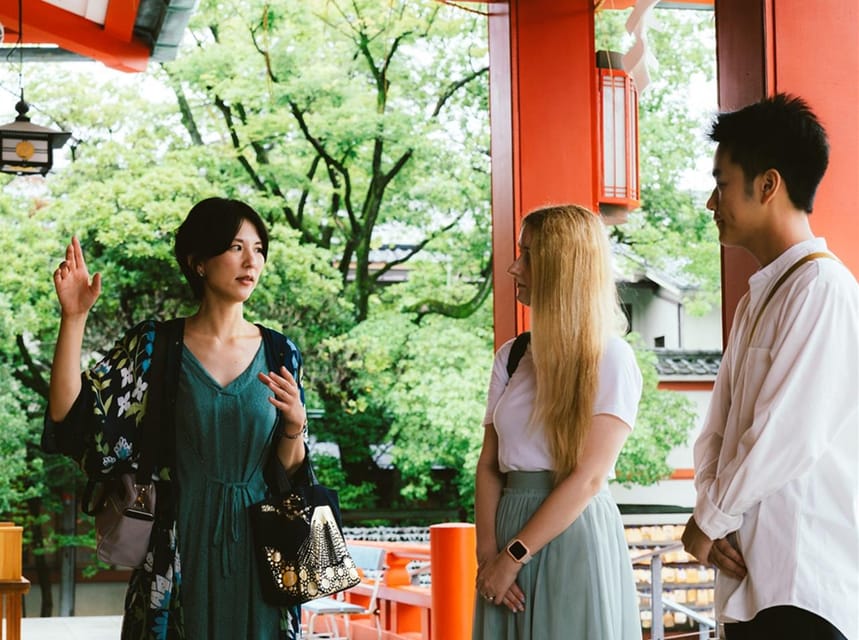
- A local guide who was born and raised in Japan, not just a travel interpreter
- Ph.D. cultural heritage perspective for Buddhism and Shinto explanations that make practical sense
- Fire ceremony etiquette and photo rules spelled out clearly before you arrive
- Seating choices that prioritize Buddhist community members over maximum tourist visibility
- Two kinds of worship in one outing: Naritasan Fukagawa Fudōdō (Buddhist) and Tomioka Hachimangu (Shinto)
- A calm, respectful pace that fits a historic Shitamachi district
Before you commit, see how this one stacks up against a few Tokyo favourites:
- Mt Fuji and Hakone 1-Day Bus Tour Return by Bullet Train★ 5.0 · 26,383 reviews
- 1-Day Tokyo Bus Tour★ 5.0 · 14,250 reviews
- Tokyo: teamLab Planets TOKYO Digital Art Museum Entry Ticket★ 4.6 · 9,779 reviews
Getting There: Monzen-nakacho Station Exit 4 Is Non-Negotiable
Your start point is Monzen-nakacho Station, Exit 4. That detail matters more than it sounds. The meeting spot is outside the exit near a pharmacy called Kusuri no Fukutaro with a red sign banner. If you take the wrong exit, you can end up at a different store, which wastes time right at the start.
Tip: plan on using the stairs at the station exit to help you quickly locate Kusuri no Fukutaro. A taxi driver can also get confused about which pharmacy to use, so it helps to have the guide’s phone number ready if you need it.
Strolling Shitamachi: Oyoko River and Tatsumi-shindo (10 Minutes Each)
Before the big ritual, you ease into the setting. You’ll walk with your guide through Monzennakacho, a historic East Tokyo area people often associate with Shitamachi culture. These first short stops are there for orientation: you get a sense of the neighborhood’s rhythm and the kind of spiritual sites locals connect to in everyday life.
At Oyoko River (guided 10 minutes), you’re not just passing by water. You’re getting framed context for how this part of Tokyo developed and how religious spaces fit into daily movement and community life. Then you continue to Tatsumi-shindo for another 10-minute guided moment, which helps you connect the dots before you reach the major temples.
If you prefer tours that jump straight into the main event, this section may feel a little slow. But it’s also what makes the later stops land better.
Naritasan Fukagawa Fudōdō: The Fire Ceremony Explained Like You’re Part of It
This is the headline: the visit to Naritasan Fukagawa Fudōdō, a Buddhist temple, and the fire ritual known as the Fukagawa Fudōdō fire ceremony. Instead of treating it like a spectacle, the tour treats it like a serious event that Buddhist people participate in.
Here’s what you can expect:
- You attend the ritual with scene-by-scene explanations from your guide.
- You also receive explanation sheets so you can follow what’s happening while you observe in silence.
- Your guide focuses on etiquette and photography rules, including what’s considered rude during worship.
Seating: Why This Tour Doesn’t Chase the Best Camera Spot
Some tours optimize seating for tourists. This one doesn’t. The guide’s approach is to offer the best seats to the Buddhist community, not to people trying to capture the most dramatic view. Practically, that means you might not be positioned exactly where you’d place yourself for peak filming angles—but you’ll be placed in a way that feels respectful and accurate to the ritual.
If you’re someone who cares more about getting meaningful context than about winning the view lottery, you’ll probably love this choice. If your main goal is a perfect fire-photo setup, plan your expectations.





Etiquette That People Accidentally Break
The tour is explicit about behavior that other guides might skip. One example given for this experience: crossing your legs at chairs can be considered rude to Buddha and the monks. That kind of detail is small, but it’s exactly why having an informed guide matters here.
Photography also isn’t a free-for-all. You’ll get direction on what you can and can’t do during the ceremony, and your guide will talk through the rules before you start shooting.
What Makes the Fire Ceremony Special
This ritual comes with powerful drum beats and visual intensity, but what stays with you is the meaning behind the actions. Your guide helps you understand the ceremony’s structure and why people treat it as part of real practice—not a one-off performance for visitors.
Tomioka Hachimangu Shrine: Shinto Symbols, Wishes, and the Sumo Connection
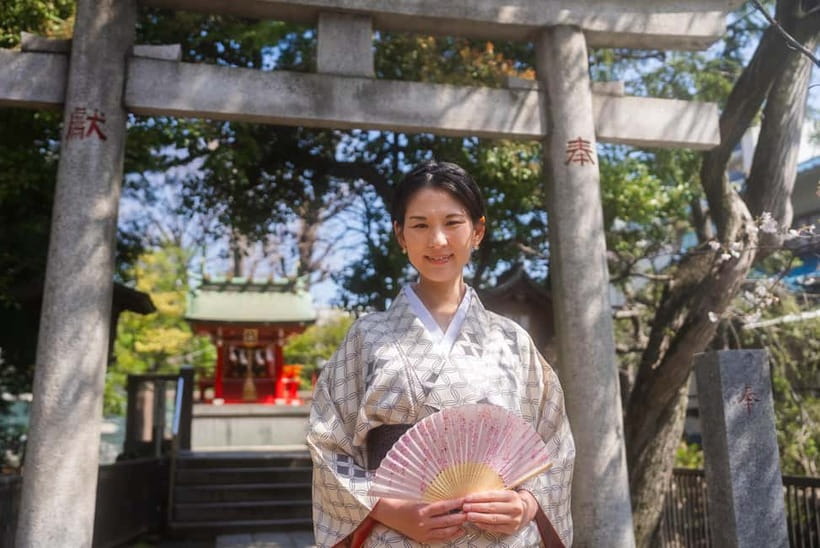
After the Buddhist temple stop, you switch religions and atmospheres—Tomioka Hachimangu Shrine. The feeling changes fast. Shinto spaces tend to read as brighter and more symbolic, and this stop leans hard into that.
During the guided time (25 minutes), you learn about:
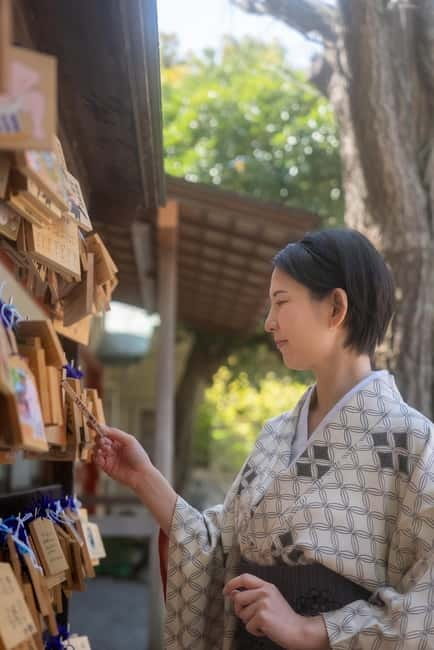
- White fortune paper and what it represents
- Wooden wish bars
- Goshuin stamps and how shrine seals fit into practice
- Shinto symbols and their meaning
Then there’s the fun, cultural angle: why sake and sumo matter to Shinto, and what you’ll see related to sumo at the shrine, including the sumo rocks.
This is also where family stories come into the walk. Your guide shares their strong connection to the place, which turns what could be a quick shrine photo stop into something more personal and grounded.
What You’ll Learn About Buddhism vs Shinto (And How That Changes Temple Visits)
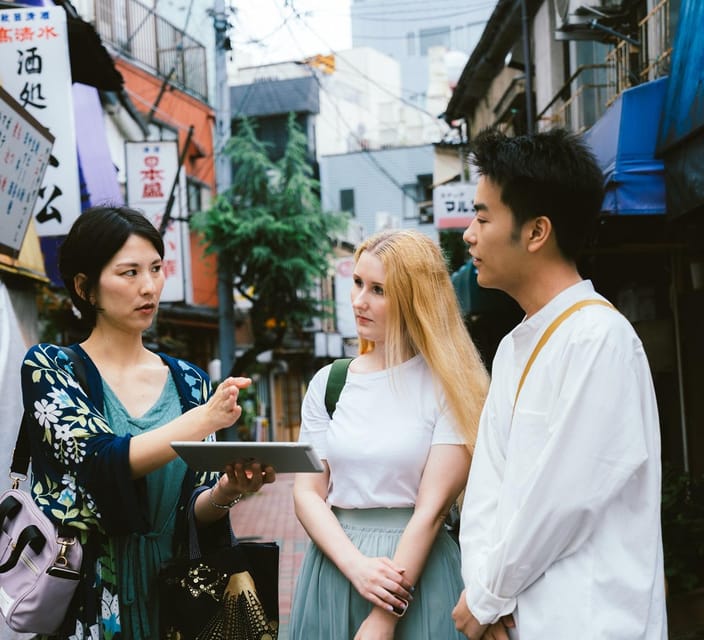
A big reason this tour works is that it doesn’t treat Buddhism and Shinto as interchangeable flavors of religion. You get an explanation of how Japanese people commonly relate to both, and what makes them different in practice and meaning.
You’ll leave understanding:
- How to tell what kind of place you’re in (temple vs shrine) and what that implies
- Why etiquette matters, not just because it looks polite, but because it shows respect for the people performing the ritual
- How worship customs connect to daily life in Tokyo, not just to tourist history
I also like that the explanations are practical. It’s not just concepts. It’s what you do with your body, your attention, and your camera.
Photo, Video, and Dress Rules: The Stuff That Makes the Difference
This tour comes with clear rules for keeping the environment respectful. Read them before you show up, because you’ll likely be reminded on the day.
Not allowed:
- Video recording
- Photography inside
- Audio recording
- Hats
- See-through clothing
- Shoes indoors
Dress expectations:
- Short skirts and sleeveless shirts aren’t allowed
What to bring:
- Cash
- Drinks
- Comfortable shoes
Good to know: you can be provided shawls if you need to cover your shoulders or knees. That’s a smart inclusion, because it means you’re not stuck scrambling for clothing on the spot.
If you love taking photos, you can still enjoy the tour—you’ll just need to accept that some moments are meant to be watched, not filmed. Treat it like a ritual first, a photo-op second.
Price and Value: Why $62 Works Here (Even for a Short 2 Hours)
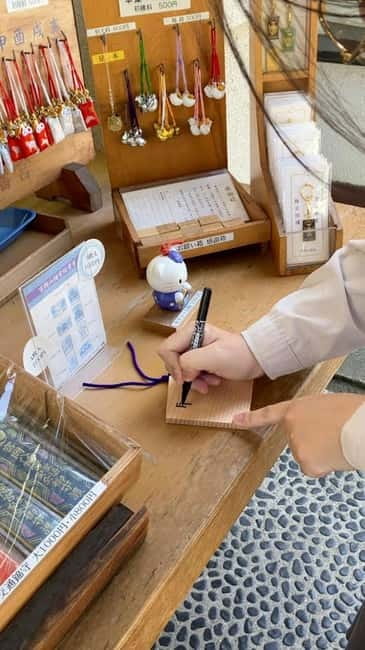
At $62 per person for about 2 hours, this isn’t trying to be the cheapest way to see temples. The value comes from what’s included and what you’re paying for in expertise.
You get:
- Admission fee to the fire ceremony at Fukagawa Fudōdō
- A guided walkthrough in a less touristy district
- A local English-speaking guide, Manami Watanabe
- Small-group time capped at 6
- Shawls for coverage needs
What you’re also paying for is the “invisible” part: etiquette, timing, and the ability to understand what you’re seeing without guessing. For a ceremony with strict behavior norms, that guidance is worth real money.
If you mainly want generic temple photos and a quick snack stop, this may feel pricey. If you want understanding plus respectful access, it’s solid value.
Small Group Reality: You’ll Get Room for Questions
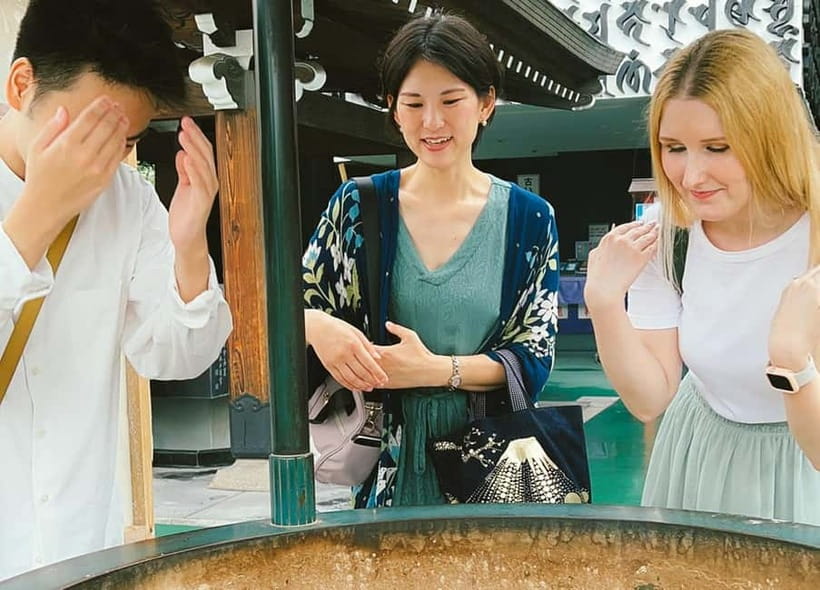
This is limited to 6 participants, and that size matters. In the praise for the guide, one theme stands out: Manami is patient and answers questions clearly. That kind of interaction changes the vibe. You don’t just follow directions; you learn at the pace you need.
Also, small groups sometimes run very small. One booking example notes the experience ran for two people, which can make a short tour feel extra personal.
Practical Timing: What the 2-Hour Flow Really Means
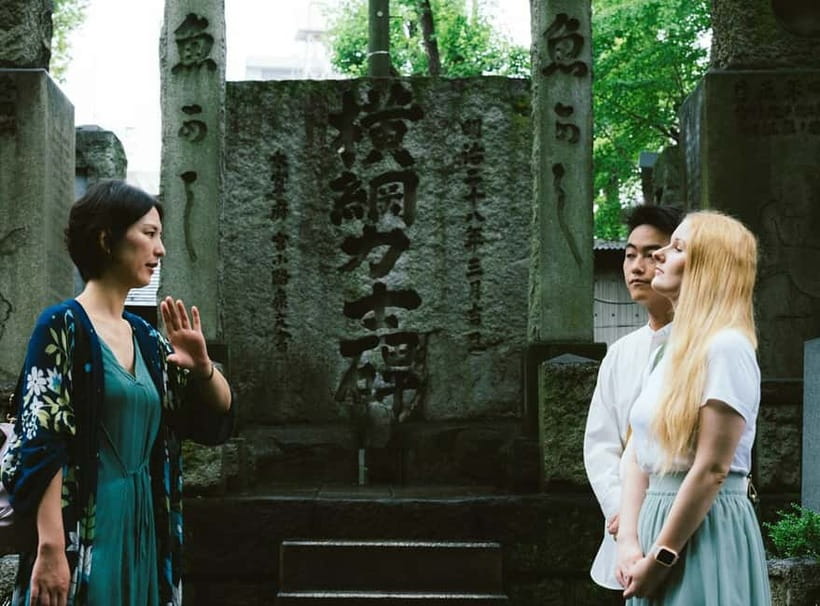
The itinerary is compact, which is great if you’re juggling Tokyo days:
- Meet at Monzen-nakacho Station Exit 4
- Walk brief guided stops: Oyoko River and Tatsumi-shindo
- Spend 40 minutes at Naritasan Fukagawa Fudōdō for the fire ceremony
- Spend 25 minutes at Tomioka Hachimangu Shrine
- Return to Monzen-nakacho Station
The tradeoff: there’s not time for long detours. This works best if you’re comfortable staying on schedule and focusing on the sites you came for.
Who Should Book This Tokyo Temple Tour
I’d point this tour toward travelers who want more than sightseeing.
Perfect fit if you:
- Care about Buddhism and Shinto with real-world etiquette
- Want a guide who can answer follow-up questions
- Prefer smaller groups and respectful visits
- Plan to watch the fire ritual attentively rather than constantly filming
Maybe skip if you:
- Want lots of indoor photography (it’s not allowed)
- Are traveling with strict mobility limits
- Need very flexible stops or long free time
Should You Book It? My Honest Recommendation
Book this tour if your goal is to understand Tokyo’s spiritual life in a way you can actually use next time you visit a shrine or temple. The combination of a local guide, a structured fire ceremony experience, and clear behavior rules makes it feel respectful and worth your time.
Skip it only if your priorities are mostly photos and freedom to do whatever you want during the ceremony. Here, the point is participation with manners—so you’ll get the best experience by treating the rituals as meaningful first.
FAQ
What is the duration of the Tokyo Buddhism and Shinto temple tour?
The tour lasts about 2 hours.
How many people are in the group?
The group is small, limited to 6 participants.
Where do we meet in Tokyo?
You meet outside Exit 4 of Monzen-nakacho Station. Look for the drug store called Kusuri no Fukutaro with a red sign banner.
Is photography or video allowed during the ceremony or inside temples and shrines?
Video recording is not allowed. Photography is also not allowed inside.
What should I wear and bring?
Wear comfortable shoes. Bring cash and drinks. If you need extra coverage, shawls are provided. Short skirts and sleeveless shirts are not allowed.
Is there a fee for the fire ceremony?
Yes, admission to the fire ceremony at Fukagawa Fudōdō is included.
Do I need coins for the shrine or temple ritual?
Small coins are not included, but they are optional.
More Tour Reviews in Tokyo



Fresh reviews from around Tokyo






Tokyo, compared.
 ★ 5.0Mt Fuji and Hakone 1-Day Bus Tour Return by Bullet TrainFrom $16326,383 reviews
 ★ 5.01-Day Tokyo Bus TourFrom $12914,250 reviews
 ★ 4.6teamLab Planets TOKYO Digital Art Museum Entry TicketFrom $259,779 reviews
 ★ 4.0Mt Fuji & Hakone Cruise, Drum Show Bullet Train 1 Day from TokyoFrom $1497,413 reviews
 ★ 5.0Shinjuku Food Tour (13 Dishes at 4 Local Eateries)From $866,603 reviews
 ★ 4.4Tokyo Mt Fuji 5th St & Hakone Cruise Bus Tour w/Bullet TrainFrom $1545,024 reviews
 ★ 5.0Flagship 2-Hours Official Street Go-Kart Tour – Tokyo Bay ShopFrom $644,974 reviews
 ★ 4.5From Tokyo: Mount Fuji Full-Day Sightseeing TripFrom $684,970 reviews