
Reviewed · TOKYO
Tokyo : Authentic Samurai Experience in a Private Space.
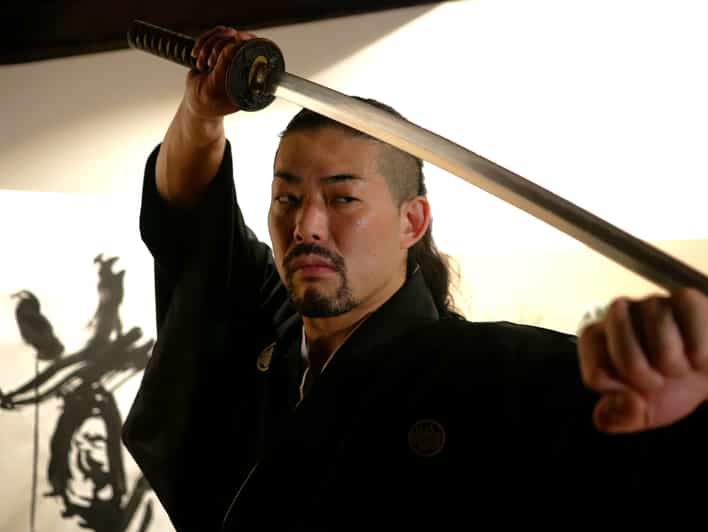
Samurai training is more real than you expect. This 90-minute experience takes place in a quiet, old private house where you start from scratch and end up handling a real sword with a trained instructor. I like that it is small-group (up to 3 people), so you get real coaching, not a rushed demo. I also like the human touch: the host Yukari helps with dressing and takes photos, then serves tea after your training.
You’ll begin with kimono dressing, then learn sword etiquette and basic handling before you go hands-on. The finale is a controlled fight against a real samurai with a sword, with safety clearly in mind. One thing to consider: this is not a lightweight activity. It is not suitable for pregnancy, people with mobility impairments, or kids under 10, and you should be comfortable with some physical movement and close instruction.
In This Review
- Key takeaways before you book
- Playing Samurai in an Old Private House Near Tokyo
- From Kimono Dressing to Bushido Etiquette
- Sword Handling Basics, Practice Swings, and Tatami Cutting
- Fighting a Real Samurai, Without the Blade-in-Your-Face Scare
- Photos, Tea, and That Classic Old-House Japan Feeling
- Price and Value: What $322 Buys in 90 Minutes
- Who This Samurai Experience Fits Best
- Meeting Point Tips and What to Ask Your Instructor
- Should You Book This Samurai Session?
- FAQ
- How long is the samurai experience?
- What is included in the price?
- How big is the group?
- What languages are the instructor and lesson offered in?
- Is the activity safe?
- Is a scooter allowed?
- Who should not book this experience?
Key takeaways before you book
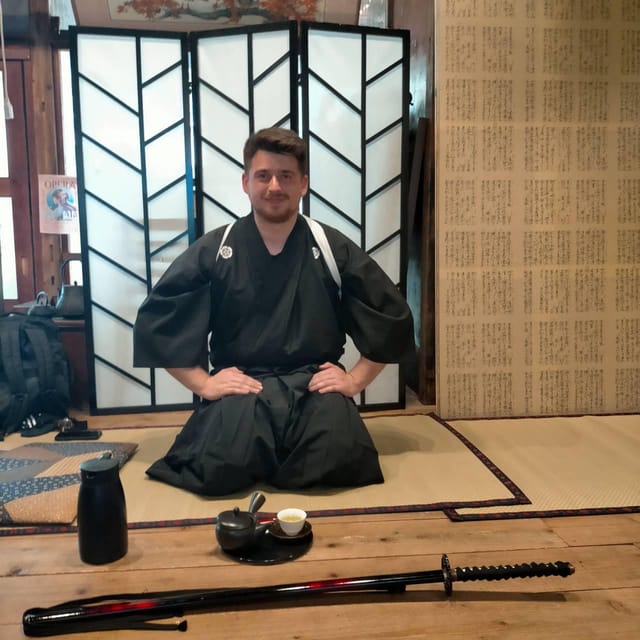
- Real sword time: you don’t just pose; you practice handling and swing techniques under instruction.
- Kimono to samurai formal dress: dressing is part of the fun and makes the training feel like a role you step into.
- Controlled duel finale: you fight against an actual samurai, not a costume actor.
- Tea break after training: Japanese tea is served afterward, with a chance to chat and reset.
- Photos in an old house: you get that classic Japan photo look in a traditional private setting.
- Ask for sword disassembly: one guest recommended asking your instructor to take the sword apart, and he did willingly.
Before you commit, see how this one stacks up against a few Tokyo favourites:
- Mt Fuji and Hakone 1-Day Bus Tour Return by Bullet Train★ 5.0 · 26,383 reviews
- 1-Day Tokyo Bus Tour★ 5.0 · 14,250 reviews
- Tokyo: teamLab Planets TOKYO Digital Art Museum Entry Ticket★ 4.6 · 9,779 reviews
Playing Samurai in an Old Private House Near Tokyo
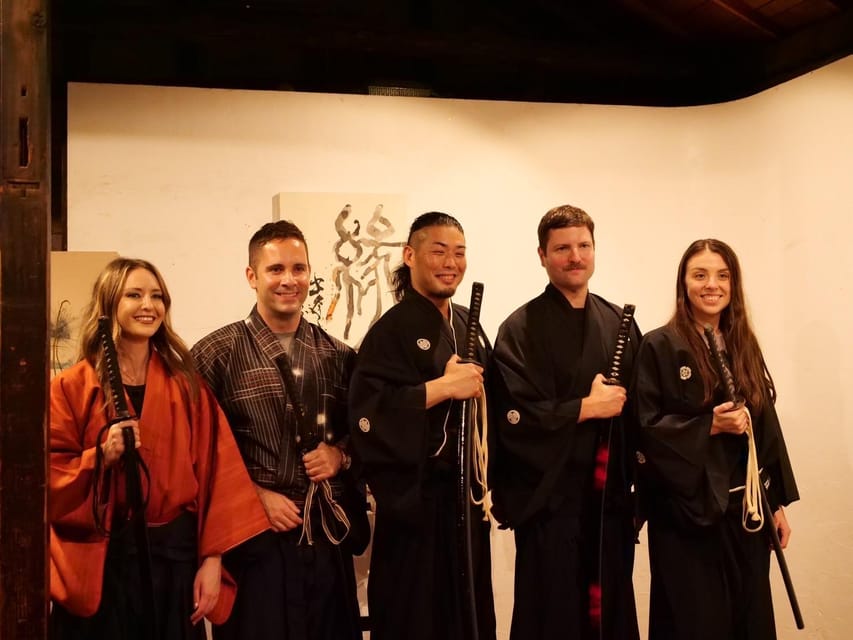
This is the kind of Tokyo-area activity that feels like it belongs in a movie, but it isn’t fantasy. You train in an old Japanese house setting, and the mood helps you take the lesson seriously. You go from tourist mode to participant mode fast, because you’ll be changing clothes and practicing right away.
The big hook here is simple: real sword training with real teaching. You’re not handed props and left to figure it out. The instructor coaches your form, corrects mistakes, and keeps you at ease even if your Japanese is limited.
The group stays tiny. That matters because sword training needs attention. With only a few people, you’re more likely to get individual feedback instead of standing around.
From Kimono Dressing to Bushido Etiquette
You’ll start by dressing in a kimono, then moving into a samurai look for the active part of the experience. Changing clothes in a traditional house sets the tone. It also helps explain why etiquette is part of the training, not just an optional lecture.
After you’re dressed, the instructor teaches how to handle the sword safely and how to move with purpose. You’ll also learn basic Bushido-style manners—things like how you should hold yourself during practice and how you present your body and attention. Even when you don’t remember every detail, the structure helps you feel grounded.
The instructor runs the lesson in Japanese and English. Language barriers won’t stop you, because the key steps are taught clearly and you get corrections on what you’re doing, not just what you should be doing.
Sword Handling Basics, Practice Swings, and Tatami Cutting
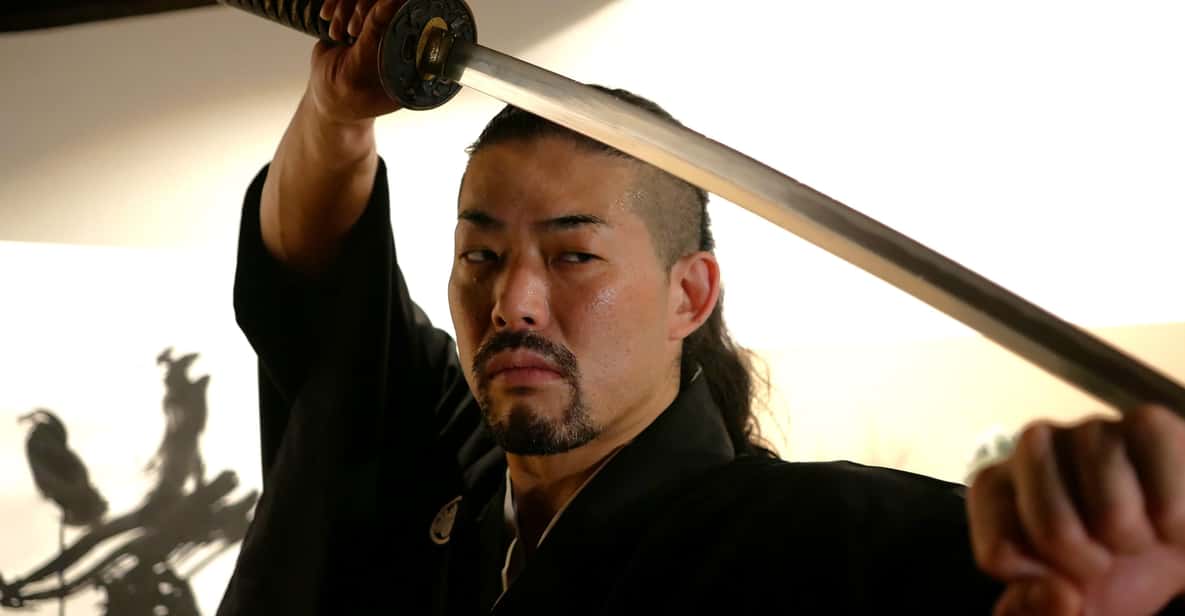
This part is where the experience earns its money. You learn how to pull and sheath, stances you can use, and how to swing in a way that matches the lesson’s sequence. You’ll get practice with movement, not just a single demonstration.
One guest who practices HEMA liked that the lesson covered practical mechanics: attire, sword movement, and stances. That lines up with how this format works for beginners too. You get guided steps, and you can ask questions if something feels off.
Then comes the highlight: cutting practice on tatami. One review called it a first-time thrill, and I get why. It’s the moment where the lesson shifts from looking cool to doing something real with force and timing. In that same review, the guest tried cutting while sitting, which shows the training can adapt a bit based on what you’re able to do.
If you want extra practice, you can ask. One guest specifically suggested focusing more on the cutting motion rather than the full sequence for a display. It’s a good request because technique improves fast when you repeat the part you’re trying to master.
Fighting a Real Samurai, Without the Blade-in-Your-Face Scare
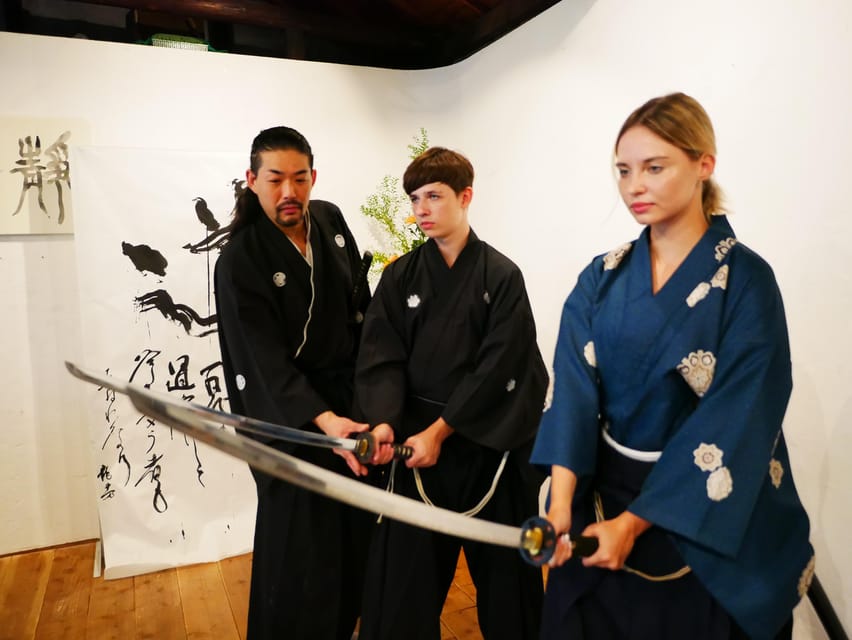
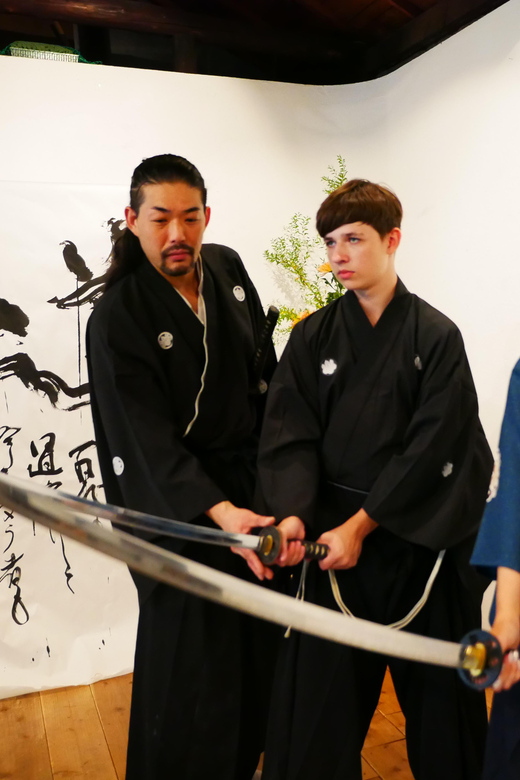
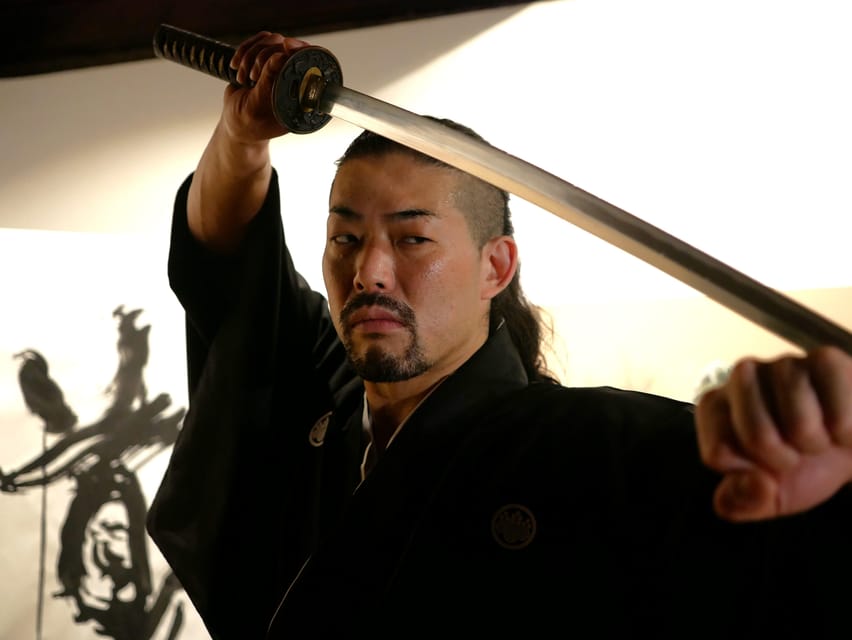
The finale is a duel-style segment where you fight against a real samurai with a sword. That sounds intimidating, but the experience is designed with safety in mind.
Here’s what you should know before you go: no one will point the blade at you. That rule is explicitly part of your safety briefing. And if you don’t like the edge of the blade, you’re told to say something first. That is exactly the kind of “speak up early” policy you want in sword training.
Also, you’re not doing this alone. The instructor guides the pacing, and the entire sequence is taught so you understand what’s happening. With a small group, the teacher can pay close attention to timing and spacing.
If you’re nervous about the realism, remember the point: they want controlled engagement. The goal is to make you feel the seriousness of sword culture without turning it into chaos.





Photos, Tea, and That Classic Old-House Japan Feeling
After training, you slow down. You’ll be served Japanese tea, which gives you a chance to recover a little and actually talk with the people you trained with.
The tea moment isn’t just a snack stop. It’s part of the cultural rhythm. You’ll likely find yourself comparing notes: how the sword felt, what moves were hardest, and how the instructor corrected your form. When the lesson ends, you’re disbanded on the spot, so this tea break is your chance to linger and ask last questions.
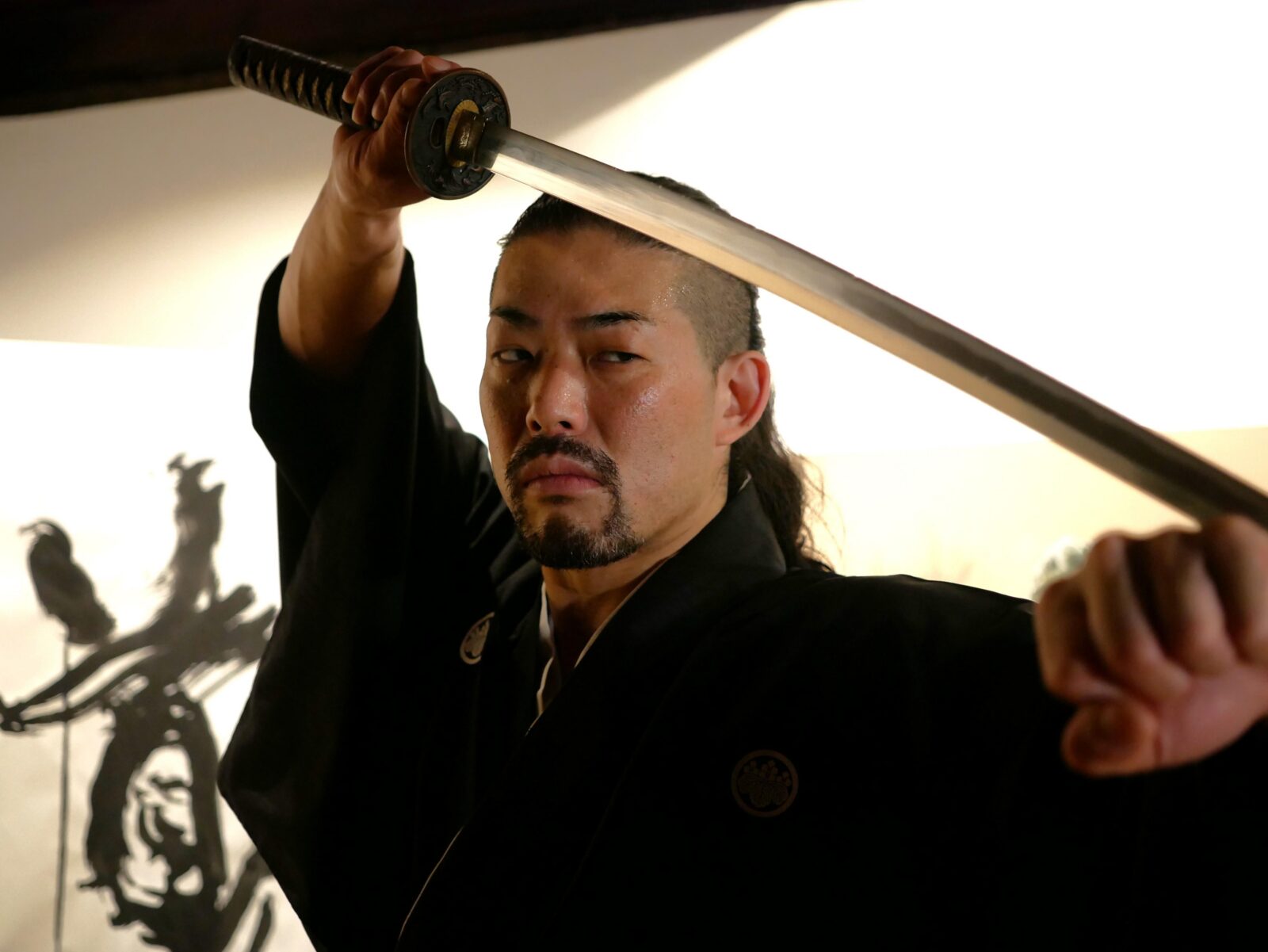
You’ll also get a typical Japan photo vibe. One review highlighted that Yukari helped with dressing and took video/pictures, and the setting looked beautiful. That old-house environment gives you those traditional textures—wood, space, quiet—without needing to chase locations all over town.
If you care about photos, think about what you want before you start. Once you’re in the samurai outfit, it’s easier to get the right shots while your clothes and posture are still fresh.
Price and Value: What $322 Buys in 90 Minutes
At $322 per person for 90 minutes, this isn’t the cheapest thing you can book in Tokyo. But you’re paying for access and instruction, not just a costume experience.
Here’s what your money supports:
- A trained instructor teaching you step-by-step
- Kimono dressing and samurai formal dress
- A real sword used for training
- A controlled duel against a real samurai
- Japanese tea afterward
- Learning inside an old private house setting
- A small group limited to 3 participants
- Instructor support in Japanese and English
That small-group cap is important. Sword lessons cost time and attention, so you’re not sharing coaching with a crowd. If you’ve ever done activities where you spend more time waiting than learning, you’ll appreciate this format.
The value also comes from realism. Reviews consistently point to how the teaching felt structured and how the instructor corrected mistakes with patience. That combination—real practice plus calm guidance—is what makes the experience worth it.
Who This Samurai Experience Fits Best
I think this suits you if you want something more hands-on than temple photos and bus rides. You’ll enjoy it if you like learning a cultural framework (Bushido etiquette) but you also want a physical, memorable skill moment.
It also works for both men and women. The program isn’t presented as a niche hobby for one type of participant. The teaching style aims to make beginners feel at ease, which is a big plus if you’re starting from zero.
Not a fit:
- Pregnant women
- People with mobility impairments
- Children under 10
- Anyone who relies on scooters (scooter is not allowed)
If you’re unsure, ask yourself a practical question: can you comfortably stand, move, and follow safety guidance for 90 minutes? If yes, you’re in the right zone.
Meeting Point Tips and What to Ask Your Instructor
Meeting is simple, but it’s easy to miss the first time. Look for a signboard near the meeting place, follow the arrow, and enter through the entrance. If you arrive a few minutes early, you’ll have time to find it without stress.
Once you’re with the instructor, don’t be shy about smart questions. One guest recommended asking for sword disassembly, and the instructor did it willingly. If you’re the curious type—especially if you like how tools work—this is a great question to bring up.
Also consider asking for more repetition of the cutting motion if you want to improve. One review suggested that a bit more focused practice on the sword-cutting element could make the learning even stronger. Teachers can’t always change the full schedule, but they can often adjust what you repeat within the session.
Should You Book This Samurai Session?
Yes, if you want a 90-minute, private-style samurai experience that includes real sword practice, etiquette, and a controlled duel, all inside a traditional setting. The small group size and the hands-on training are the main reasons I’d recommend booking.
Skip it if you fall into the stated categories (pregnancy, mobility limitations, under 10) or if sword training makes you uncomfortable despite safety rules and the chance to speak up about blade edge. Also, if you’re looking for a relaxed stroll and photos only, this will feel more active than you might expect.
If you do book, bring the right mindset: respect the instruction, listen for corrections, and ask questions. You’ll get far more out of the experience when you treat it like training, not just a souvenir.
FAQ
How long is the samurai experience?
The experience lasts 90 minutes.
What is included in the price?
It includes the Samurai Experience, a real sword, kimono dressing, Japanese tea, and learning in an old Japanese house.
How big is the group?
The group is limited to a small group of up to 3 participants.
What languages are the instructor and lesson offered in?
The instructor provides instruction in Japanese and English.
Is the activity safe?
Safety is considered. No one will point the blade at you, and if you don’t like the edge of the blade, you should tell them first.
Is a scooter allowed?
No, scooters are not allowed.
Who should not book this experience?
It is not suitable for pregnant women, people with mobility impairments, and children under 10 years old.
More Tour Reviews in Tokyo



Fresh reviews from around Tokyo






Tokyo, compared.
 ★ 5.0Mt Fuji and Hakone 1-Day Bus Tour Return by Bullet TrainFrom $16326,383 reviews
 ★ 5.01-Day Tokyo Bus TourFrom $12914,250 reviews
 ★ 4.6teamLab Planets TOKYO Digital Art Museum Entry TicketFrom $259,779 reviews
 ★ 4.0Mt Fuji & Hakone Cruise, Drum Show Bullet Train 1 Day from TokyoFrom $1497,413 reviews
 ★ 5.0Shinjuku Food Tour (13 Dishes at 4 Local Eateries)From $866,603 reviews
 ★ 4.4Tokyo Mt Fuji 5th St & Hakone Cruise Bus Tour w/Bullet TrainFrom $1545,024 reviews
 ★ 5.0Flagship 2-Hours Official Street Go-Kart Tour – Tokyo Bay ShopFrom $644,974 reviews
 ★ 4.5From Tokyo: Mount Fuji Full-Day Sightseeing TripFrom $684,970 reviews