
Reviewed · TOKYO
Tokyo: Asakusa Walking Tour with Japanese Comedian
Laughs make Asakusa make sense. This 90-minute walk is led by a stand-up comedian guide, and the jokes help you remember what you’re seeing at Buddhist and Shinto sites. I love how small-group pacing keeps the route easy to follow, and I love the specific, practical stories at Senso-ji, from the Bell of Time to statues tied to prosperity and art. One thing to consider: if you want lots of unhurried time sitting inside every courtyard, the schedule may feel a bit tight.
You start near Tokyo Cruise Asakusa Pier and finish right at Senso-ji’s main hall. The 8th-floor viewpoint at the Asakusa Culture Tourist Information Center gives quick orientation, and the tour uses a mobile ticket so check-in stays simple. If you can catch an early departure, it also helps—crowds build fast after morning in this part of Tokyo.
In This Review
- Key things you’ll enjoy on this Asakusa comedian walking tour
- Why this comedian-led walk makes Asakusa click
- Timing, meeting point, and the walk-not-bus advantage
- Stop 1: The 8th-floor view at the Asakusa Culture Tourist Information Center
- Kaminarimon and Nakamise: how you enter Senso-ji the right way
- Bentendo and the Bell of Time: art, prosperity, and an Edo-period time signal
- Bentendo
- The Bell of Time
- Nisombutsu
- Nitenmon Gate and Asakusa Shrine: where power and origin stories show up
- Asakusa Shrine
- Yogodo and Awashimado
- Nishi-sando snacks, Hozomon Gate, and your final approach to Senso-ji
- Senso-ji’s main hall: Kannon Bodhisattva and 1,400 years in plain language
- Value at $37.99: what you’re really paying for
- Who should book this Asakusa walking tour (and who might skip it)
- Should you book this Asakusa comedian walking tour with Karate Comic Ryo?
- FAQ
- How long is the Asakusa walking tour?
- What does the tour cost?
- Who guides the tour?
- Where do I meet, and where does the tour end?
- Is the group size small?
- Do I need to buy entry tickets for the stops?
- Is there a mobile ticket?
- Is service available by public transportation?
- Can I bring a service animal?
- What is the cancellation policy?
Key things you’ll enjoy on this Asakusa comedian walking tour
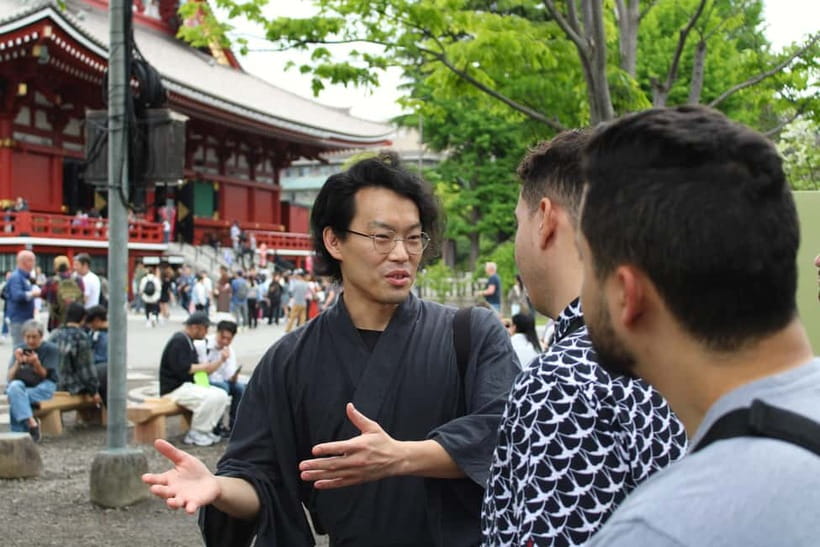
- A comedian guide (Karate Comic Ryo) turns temple symbols into plain talk
- Small group feel: capped at six in the route description, and listed with a maximum of eight
- Fast orientation with an 8th-floor view before you step into the temple streets
- Senso-ji details you’d miss on your own, including the Bell of Time and key gates
- A real snack stop on the Nishi-sando side, including melon-bread at 花月堂 (Kagetsu-do)
Before you commit, see how this one stacks up against a few Tokyo favourites:
- Mt Fuji and Hakone 1-Day Bus Tour Return by Bullet Train★ 5.0 · 26,383 reviews
- 1-Day Tokyo Bus Tour★ 5.0 · 14,250 reviews
- Tokyo: teamLab Planets TOKYO Digital Art Museum Entry Ticket★ 4.6 · 9,779 reviews
Why this comedian-led walk makes Asakusa click
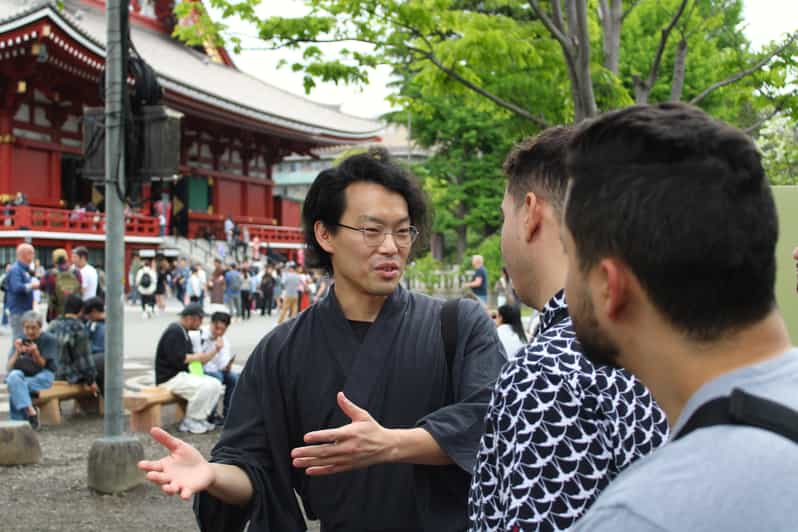
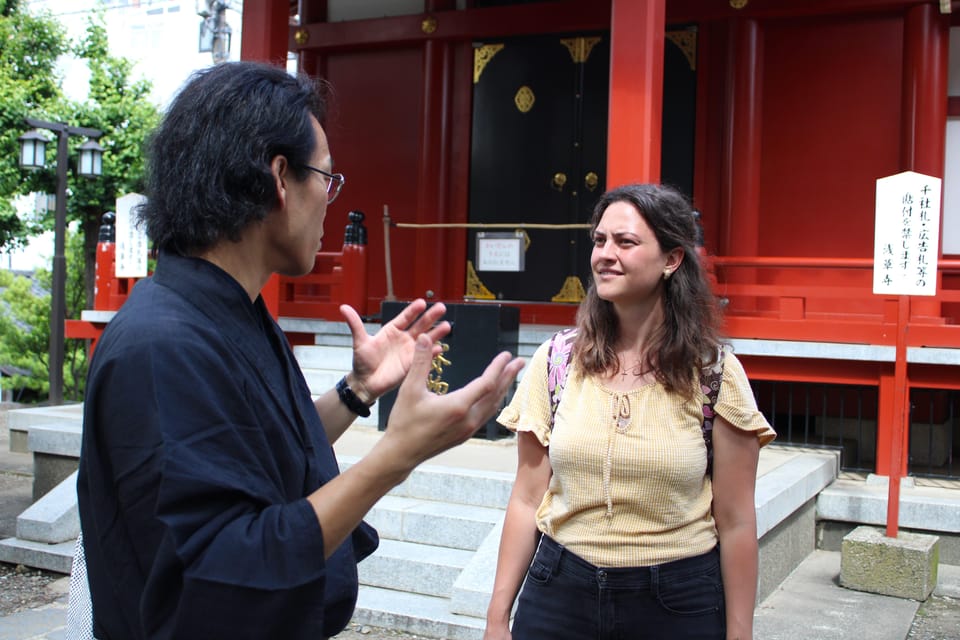
Asakusa can feel like sensory overload at first. You’ve got incense, gates, statues, shop signs, and lines of people all competing for your attention. What I like about this tour is that it doesn’t try to throw facts at you. Your guide—Karate Comic Ryo—uses stand-up style humor and a conversational tone to explain why certain things are placed where they are, and what they tend to symbolize.
I also like that he’s not just reading a script. Based on his background as a former rickshaw driver in Asakusa, he talks like someone who knows the neighborhood rhythm. That matters, because the best part of Asakusa isn’t only the big icons. It’s the way little details connect: a gate rule here, a shrine origin story there, a quiet statue corner you notice only when someone points it out.
One more practical plus: reviews highlight that Ryo’s English is strong, and that he stays easy to talk to. If you like asking questions—how rituals work, what certain statues represent, why a gate matters—you’ll likely enjoy the back-and-forth.
Timing, meeting point, and the walk-not-bus advantage
The tour lasts about 1 hour 30 minutes. That’s long enough to cover a meaningful slice of Asakusa on foot, but short enough that you don’t feel trapped in a full-day plan.
You meet at Tokyo Cruise Asakusa Pier (1-chōme-1-1 Hanakawado, Taito City) and the walk ends in front of the main hall of Sensō-ji. The route is planned so you’re moving through the area rather than bouncing around by bus. That makes it easier to notice things bus tours often miss: the smaller approach spaces, the angle of a gate, the way one temple building faces another.
Also, you’ll want to think about crowd levels. One tip from early-slot experience: starting around 8am can help you see more comfortably before larger crowds form. If you’re heading out later, expect the temple area to get busier—so try to pick a time that matches your style (quick photos vs. slower looking).
Stop 1: The 8th-floor view at the Asakusa Culture Tourist Information Center
Your first stop is the Asakusa Culture Tourist Information Center. You’ll take in a view from the 8th floor, and this stop is free.
Why this matters: it’s an instant map lesson. From up high, you can start to understand how the temple grounds and street approaches relate to each other. Then, when you walk down into the street level chaos, it feels less random. Instead of asking Where am I? you start asking, Okay, I get why we’re walking this way.
This viewpoint also sets the tone for the rest of the tour. You’re not just consuming sights—you’re building a mental picture so the stories make sense.
Kaminarimon and Nakamise: how you enter Senso-ji the right way
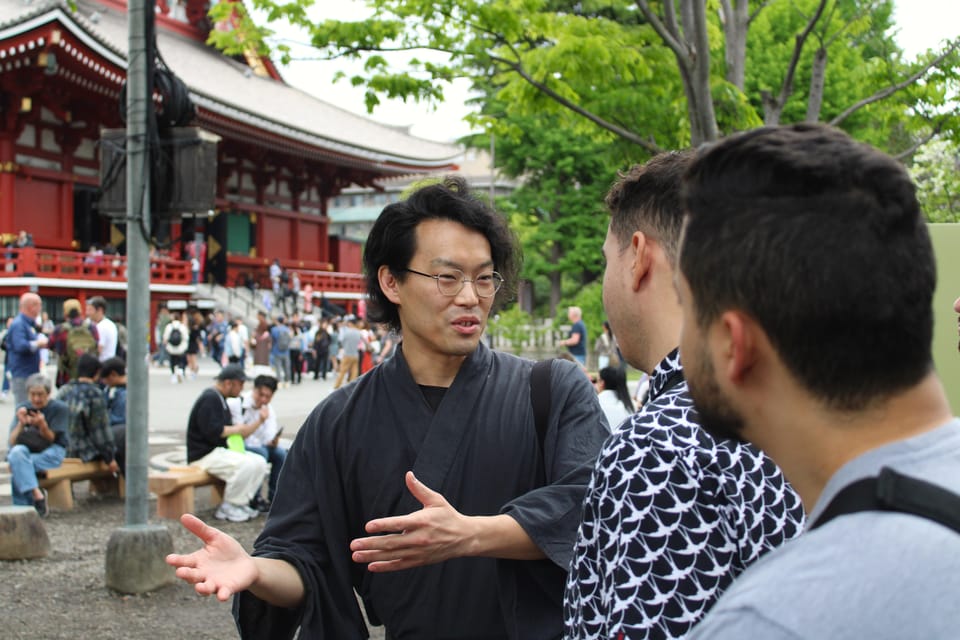
Next comes Nakamise Shopping Street, starting from the Kaminarimon gate—the main iconic entry to the Senso-ji area. This segment is free and quick, but it does a big job: it trains your eyes.
When you enter from Kaminarimon, you see the place the way most people don’t. You’re guided into the core temple approach while your guide explains what you’re looking at and why it’s historically important. Then Nakamise Shopping Street becomes more than a shopping strip. It becomes the front porch of the temple experience.
Practical tip: if you like street snacks and souvenirs, keep your hands ready. This is the kind of place where you’ll see food being prepared and sold as you pass, so the best approach is deciding what you want early, not at the very end when the line and noise feel higher.





Bentendo and the Bell of Time: art, prosperity, and an Edo-period time signal
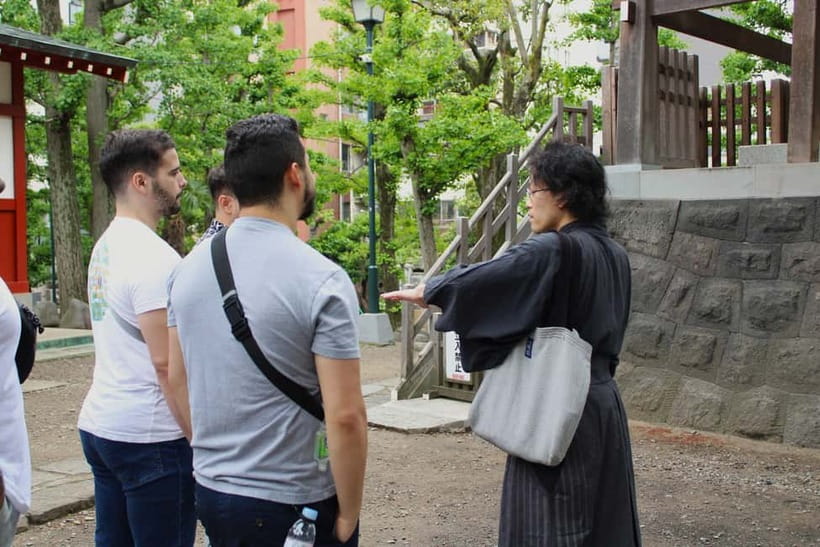
Then the tour turns inward with stops around the Bentendo area.
Bentendo
You’ll take a look at Bentendo, which is tied to a deity associated with art and prosperity. This is one of those spots where, without context, you might only notice the building and move on. With explanation, it becomes a clear example of how religious spaces connect to everyday hopes—success, creativity, good fortune.
The Bell of Time
Next to Bentendo is the Bell of Time. This bell was regularly rung by monks of Senso-ji during the Edo period (16th to 18th centuries) to let people know the time.
That historical detail is one of my favorite parts, because it reframes something you might otherwise ignore. A bell isn’t only sound. In Edo Tokyo, it was information. It was how people organized their day in an era before personal clocks.
Nisombutsu
After that, you’ll see Nisombutsu, a calmer stop featuring bronze statues and stone statues of Buddhist deities built in the 17th century.
What you’ll appreciate here is that the tour doesn’t rush past “small” things. Even short stops matter because they show how the temple complex layers meaning—big gates and main halls are only one part of the story.
Nitenmon Gate and Asakusa Shrine: where power and origin stories show up
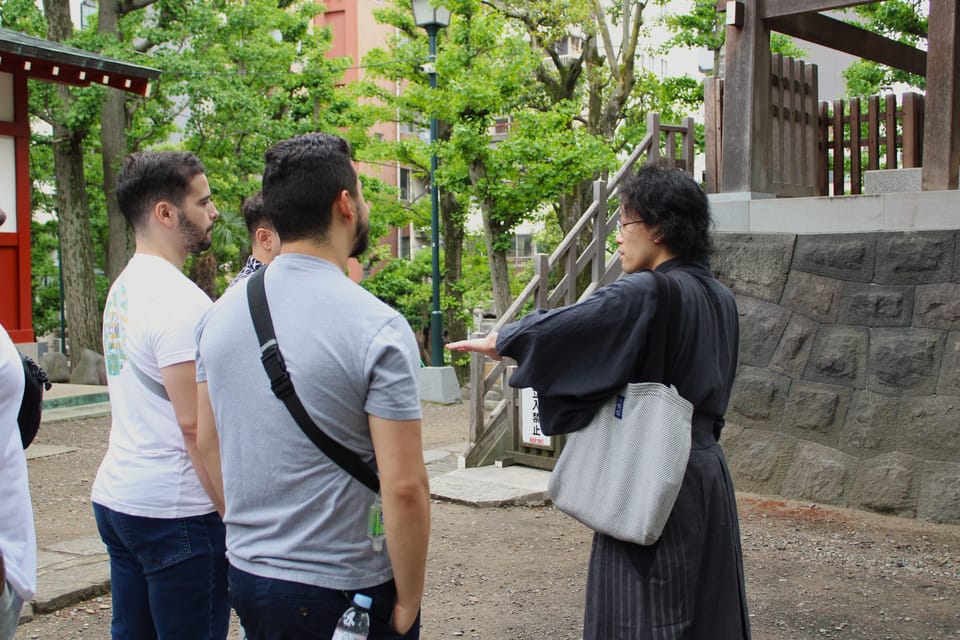
As you continue, you’ll reach Nitenmon Gate, positioned to the right of the main hall. The gate is listed as a National Cultural Property in Japan, and the story attached to it is the reason it’s worth paying attention to.
You’ll hear about how Nitenmon Gate functioned as a Shogun gate—meaning only the general was allowed to pass.
Even if you don’t love formal history, this kind of rule-based story makes architecture feel real. It turns a gate from a photo backdrop into a record of social power: who could enter, and what status meant inside a sacred space.
Asakusa Shrine
From there you’ll see Asakusa Shrine, associated with three deities closely related to the origins of Senso-ji. You’ll also learn about the garage for three large portable shrines that are carried during local processions.
This stop is a reminder that Asakusa isn’t only Buddhism. It’s a layered environment where shrine and temple traditions sit side by side, and you see how community worship connects to ceremonial movement.
Yogodo and Awashimado
Two more temple-area stops follow: Yogodo and Awashimado. These are short stops, but that’s the point. They give you a sense of the complex as a whole, not just the headline locations.
Nishi-sando snacks, Hozomon Gate, and your final approach to Senso-ji
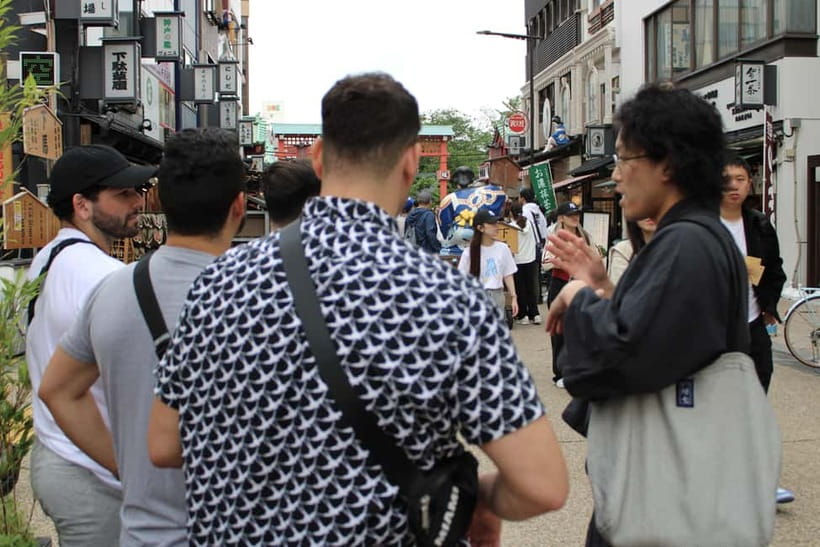
As you near the end, the tour shifts from “look at this” to “taste this” with a stop on Asakusa Nishisando.
You can try Japanese sweets, and your guide can drop by 花月堂 (Kagetsu-do). The specific item mentioned is melon-bread, a sweet, popular snack in this area.
Then you’ll head to Hozomon Gate, a gate in front of the temple with guardian statues. This is another stop where the guide’s framing helps. If you simply walk past, it can look like standard temple décor. With context, it becomes part of a protective entry sequence—visual signals that you’re moving closer to the most sacred zone.
Finally, you reach the destination: Senso-ji’s main hall area.
Senso-ji’s main hall: Kannon Bodhisattva and 1,400 years in plain language
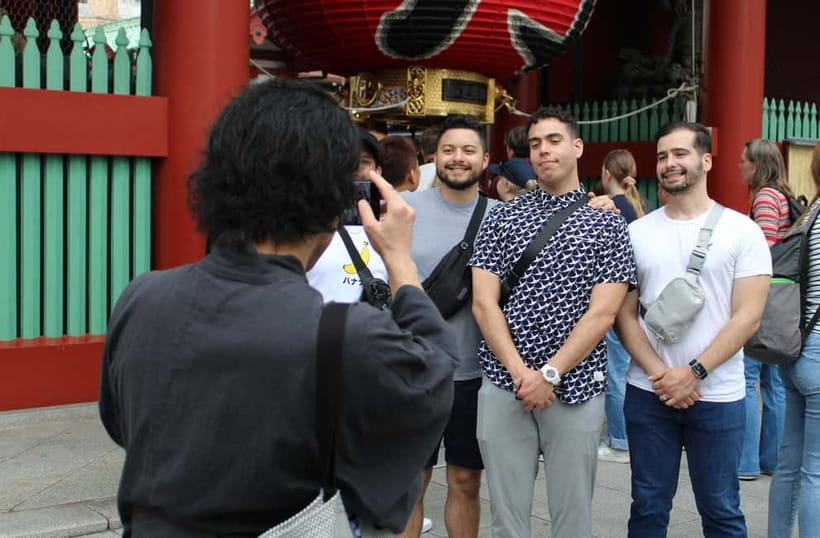
Senso-ji is described as the oldest temple in Tokyo with 1,400 years of history. At the end of the walk, your guide explains the temple’s Buddhist deity, Kannon Bodhisattva.
Here’s what I think you should aim to do in the final minutes: don’t just take photos. Look for the kinds of symbolic details that were referenced earlier—because the earlier stops train your eyes. When you return to the main hall, the complex stops feeling like separate buildings. It feels like one system of meaning.
Also, don’t underestimate the benefit of having someone help you interpret what you’re seeing quickly. You can spend hours reading signs at home, but in the moment, it helps to hear the key idea out loud—then you can confirm it with your own eyes.
Value at $37.99: what you’re really paying for
The price is $37.99 per person, and that’s a fair number for an experience that’s not just sightseeing. You’re paying for structure (so you don’t wander in circles), interpretation (so the statues and gates make sense), and entertainment (the comedian approach keeps it light and memorable).
A big value point: the stops are marked as admission free in the tour route. So your money doesn’t go to entry fees. Instead, you get a guided walk that helps you use your time well in a crowded, detail-heavy area.
You also get a small-group experience. The description caps it at six people, and the tour listing lists a maximum of eight. Either way, it’s built for a conversational style. When the group is small, your guide can answer questions without repeating everything for a big crowd.
There’s also mention of group discounts. If you’re traveling with friends or family, ask about combining plans so you can keep the value strong.
Who should book this Asakusa walking tour (and who might skip it)
This is a great fit if:
- You’re short on time in Tokyo and want a high-signal introduction to Senso-ji and the Asakusa area
- You learn better when someone explains religious and historical meaning in a fun, human way
- You want a guided route that helps you avoid getting turned around at street level
- You like asking questions and chatting during the walk (Ryo is set up for that)
You might consider skipping if:
- You’re the type who wants long, slow stays in one hall. The tour is about coverage and context, not extended downtime.
- You prefer a fully self-guided experience where you can linger exactly as long as you want, without a group pacing you along.
If you can choose your time slot, try to pick earlier in the day for more comfortable walking. One early-start experience shared that crowds build quickly after around 9am.
Should you book this Asakusa comedian walking tour with Karate Comic Ryo?
I think you should book it if you want Asakusa to feel understandable, not overwhelming. The comedian format isn’t just for laughs—it’s a memory tool. You’ll walk away with a mental map of Senso-ji’s complex, plus practical context for the gates, statues, and shrine connections.
If your goal is pure wandering with no guidance, you can do Asakusa on your own. But if you want value for your limited time and you like explanations that are clear and funny, this is one of the smarter ways to experience the temple neighborhood.
FAQ
How long is the Asakusa walking tour?
It runs about 1 hour 30 minutes (approx.).
What does the tour cost?
The price is $37.99 per person.
Who guides the tour?
The guide is Karate Comic Ryo.
Where do I meet, and where does the tour end?
You meet at Tokyo Cruise Asakusa Pier (1-chōme-1-1 Hanakawado, Taito City). The tour ends in front of the main hall of Sensō-ji (2-chōme-3-1 Asakusa, Taito City).
Is the group size small?
Yes. The tour description caps it at six people, and the tour listing lists a maximum of eight travelers.
Do I need to buy entry tickets for the stops?
The route stops are marked as admission ticket free.
Is there a mobile ticket?
Yes, the tour uses a mobile ticket.
Is service available by public transportation?
The tour is near public transportation.
Can I bring a service animal?
Yes, service animals are allowed.
What is the cancellation policy?
Free cancellation is available up to 24 hours in advance for a full refund. If you cancel less than 24 hours before the start time, the amount paid is not refunded.
More Tour Reviews in Tokyo



Fresh reviews from around Tokyo






Tokyo, compared.
 ★ 5.0Mt Fuji and Hakone 1-Day Bus Tour Return by Bullet TrainFrom $16326,383 reviews
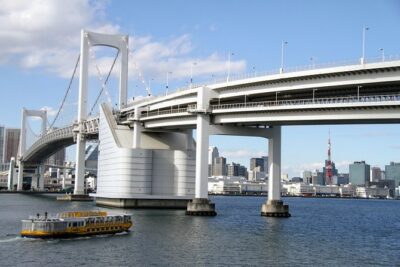 ★ 5.01-Day Tokyo Bus TourFrom $12914,250 reviews
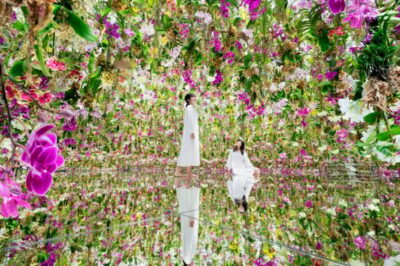 ★ 4.6teamLab Planets TOKYO Digital Art Museum Entry TicketFrom $259,779 reviews
 ★ 4.0Mt Fuji & Hakone Cruise, Drum Show Bullet Train 1 Day from TokyoFrom $1497,413 reviews
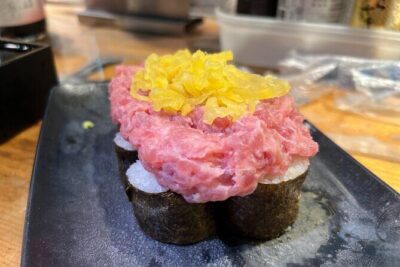 ★ 5.0Shinjuku Food Tour (13 Dishes at 4 Local Eateries)From $866,603 reviews
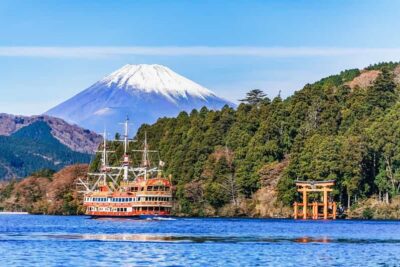 ★ 4.4Tokyo Mt Fuji 5th St & Hakone Cruise Bus Tour w/Bullet TrainFrom $1545,024 reviews
 ★ 5.0Flagship 2-Hours Official Street Go-Kart Tour – Tokyo Bay ShopFrom $644,974 reviews
 ★ 4.5From Tokyo: Mount Fuji Full-Day Sightseeing TripFrom $684,970 reviews