
Reviewed · TOKYO
Tokyo: Asakusa and Tokyo’s Oldest Temple Senso-ji Tour
Tokyo’s old soul lives in Asakusa.
This 2-hour walking tour takes you to Senso-ji, one of Tokyo’s oldest temples, then threads you through the neighborhood that helped shape Edo-era Tokyo. I like that the stops are tight and timed, so you don’t waste your day wandering in the wrong direction. I also like the human touch—English-speaking guides (often locals like Shino) share legends and everyday customs, plus what to eat and buy.
The main drawback to plan for: this is a walking tour through popular religious and shopping areas, so crowds are part of the deal. If you prefer wide-open spaces and lots of quiet, you may find some stretches a bit tight.
In This Review
- Key things I’d mark on your map
- Asakusa and Senso-ji: Why this temple is more than a landmark
- Your 2-hour route: a simple loop that actually works
- 1) Meet at Starbucks near Asakusa Station
- 2) Kaminarimon Gate (about 30 minutes)
- 3) Nakamise Shopping Street (about 20 minutes)
- 4) Sensō-ji Temple (about 30 minutes)
- 5) Asakusa Shrine (about 30 minutes)
- 6) Back to Starbucks
- Kaminarimon Gate: how to get the photo right and learn the meaning
- Nakamise Street: snacks, souvenirs, and a smarter way to shop
- Senso-ji the right way: approach, customs, and clear guidance
- Asakusa Shrine: a second sacred stop that adds context
- Price and value: why $14 makes sense for a 2-hour guided loop
- The guide factor: local storytelling and helpful recommendations
- Who this tour suits best
- Crowd notes and comfort tips for your day
- Should you book the Asakusa Senso-ji Tour?
- FAQ
- How long is the Asakusa and Senso-ji tour?
- What is the price per person?
- Where do we meet for the tour?
- Is the tour guide available in English?
- How large is the group?
- What stops are included on the walk?
- Is admission included?
- Do I need to use WhatsApp before the tour?
- Is free cancellation available?
Key things I’d mark on your map
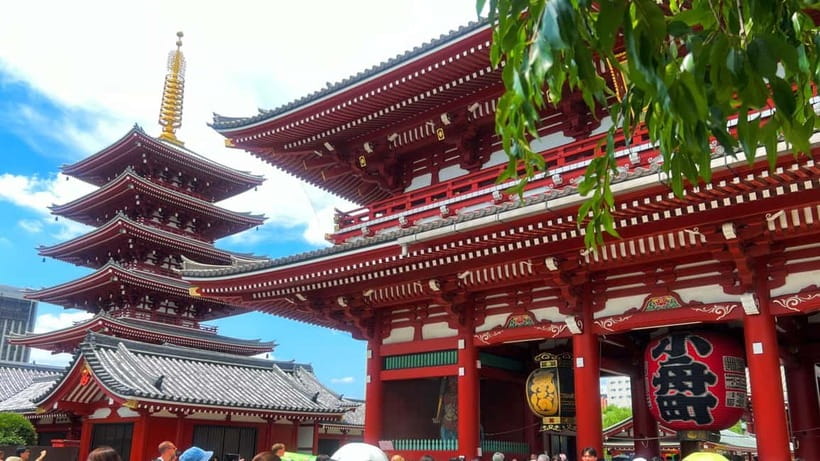
- Senso-ji at its core: see the temple and learn what it means in practice, not just what it looks like
- Kaminarimon photo time: a guided stop that helps you spot what matters before you snap away
- Nakamise Street in a focused window: enough time to browse and grab snacks without losing the group
- Asakusa Shrine as a second context stop: a chance to compare how shrines feel different from temples
- Small group size (up to 10): easier pacing and better chances for questions
- Local guidance that goes beyond facts: multiple guides (like Shino, Embla, Nicolas, Joe, and Aska) are praised for clear explanations and solid recommendations
Before you commit, see how this one stacks up against a few Tokyo favourites:
- Mt Fuji and Hakone 1-Day Bus Tour Return by Bullet Train★ 5.0 · 26,383 reviews
- 1-Day Tokyo Bus Tour★ 5.0 · 14,250 reviews
- Tokyo: teamLab Planets TOKYO Digital Art Museum Entry Ticket★ 4.6 · 9,779 reviews
Asakusa and Senso-ji: Why this temple is more than a landmark
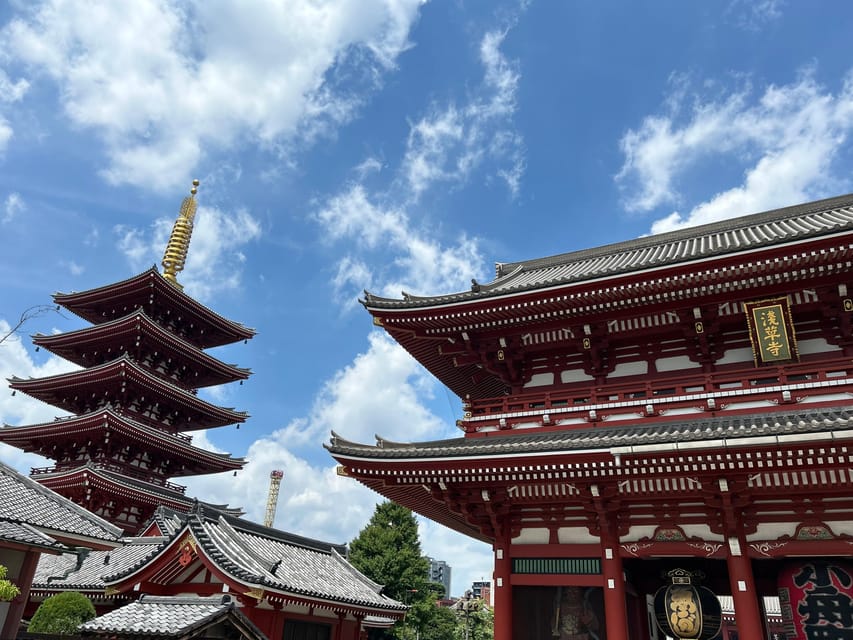
If you want Tokyo without the museum glasses, start with Senso-ji in Asakusa. This is the kind of place where history isn’t sealed behind glass. It’s in the street rhythm, the repeated gestures at the shrine gates, and the way people move with purpose.
The tour centers on Senso-ji’s roots—founded in the 7th century—so you get the sense that you’re stepping into a long-running story. And because you’re not just dumped at the entrance, your guide helps connect what you see to what it means. That matters in a busy city where it’s easy to rush through big sights without understanding the “why.”
Also, this route doesn’t treat Asakusa like one stop. It links the temple to the neighborhood that surrounds it—exactly what you should do if you’re trying to get your bearings fast.
Your 2-hour route: a simple loop that actually works
This tour is built like a clean circuit. It starts and ends at Starbucks Coffee near Asakusa Station, and everything in between is time-boxed so you’re not stuck deciding what to do next.
Here’s the flow, in the order you’ll walk it:
1) Meet at Starbucks near Asakusa Station
You’ll meet in front of the Starbucks closest to Asakusa station. The provided coordinates are 35.7119461, 139.7979446, which is useful if you want to line up your map quickly.
One practical note: you’ll want to download WhatsApp before the tour so the guide can coordinate smoothly if you’re running late or the crowd makes it hard to spot each other.
2) Kaminarimon Gate (about 30 minutes)
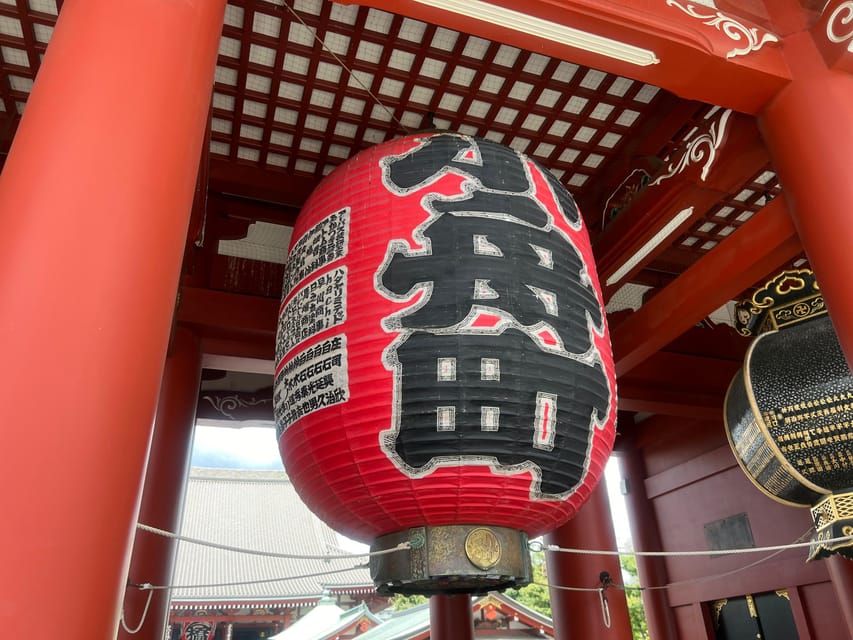
This is your first big temple-gate moment, with a mix of photo time, a guided orientation, and a short visit. Kaminarimon is where people slow down automatically, but the guide’s job is to make it more than scenery.
I like this timing because it helps you learn the layout early. Once you understand the direction and flow, the rest of Asakusa becomes easier to navigate on your own later.





3) Nakamise Shopping Street (about 20 minutes)
Then you slide into Nakamise Street, known for traditional shops and the scent of sweets and street snacks. This is where the tour turns from “temple viewing” into “neighborhood tasting.”
You get a focused browsing window—enough to check out shops and pick up something small, without the tour turning into a shopping marathon. In short: you still get the temple, even if you stop for snacks.
4) Sensō-ji Temple (about 30 minutes)
Next comes the main event: Senso-ji. You’ll have photo time and a guided portion, with walking included.
What makes this stop valuable is not just the architecture. Guides in this experience are repeatedly praised for explaining how to approach the temple and traditions, including how to pray in a way that makes sense locally. That kind of guidance helps you avoid the awkward stand-and-stare phase.
5) Asakusa Shrine (about 30 minutes)
The tour finishes with Asakusa Shrine, another guided photo stop and walk. This matters because temples and shrines can feel different in practice. You get to see the area’s religious culture from more than one angle.
6) Back to Starbucks
You return to the same Starbucks meeting point, which keeps the logistics simple.
Kaminarimon Gate: how to get the photo right and learn the meaning
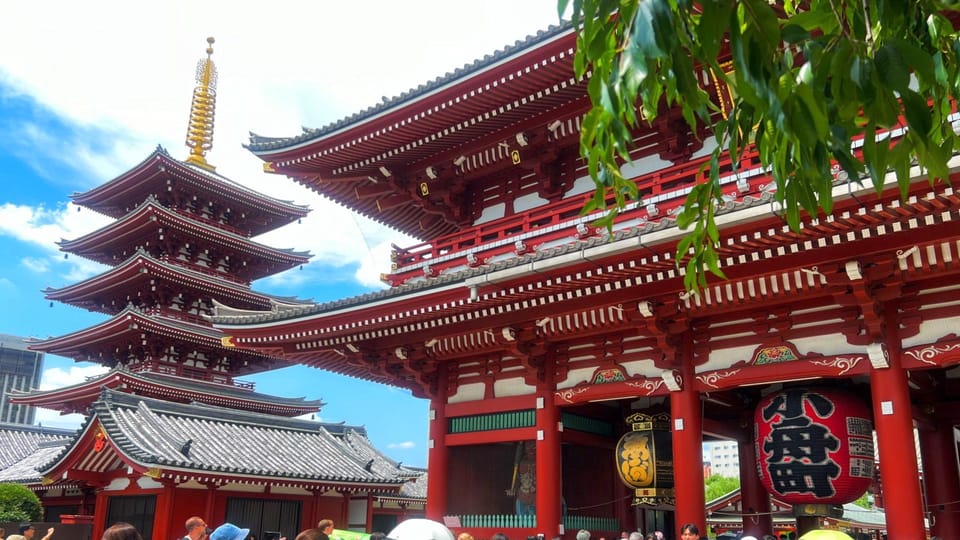
Kaminarimon is one of those places where everyone wants a picture. The problem in Tokyo is that you can end up photographing the crowd instead of the landmark.
This tour gives you the opposite approach: photo stop plus a guided explanation first, so you know what to look for and how to position yourself. You’ll also get a chance to visit with context rather than just snapping and sprinting.
It’s also a psychological win. Starting here makes your brain switch into Asakusa mode. After that, Nakamise and the temple entry don’t feel random.
Nakamise Street: snacks, souvenirs, and a smarter way to shop
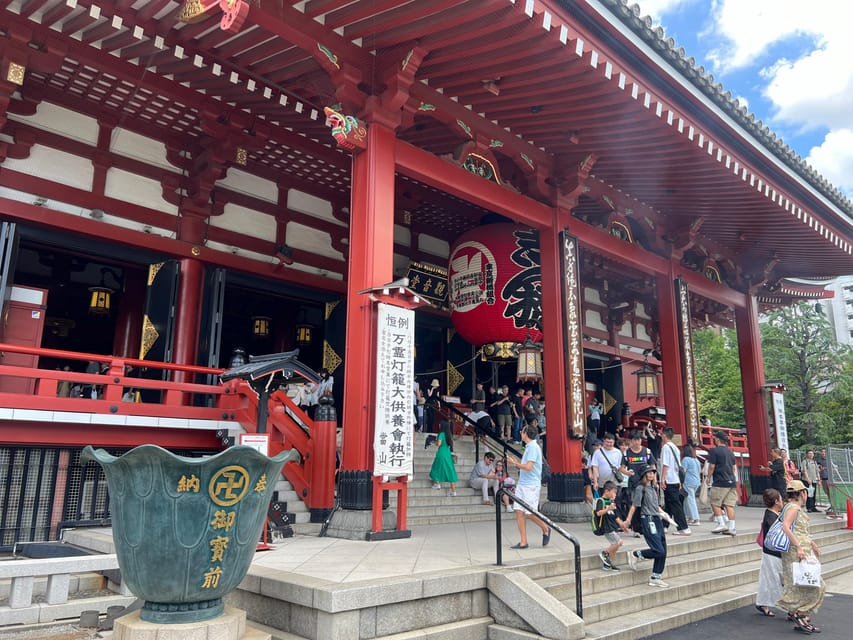
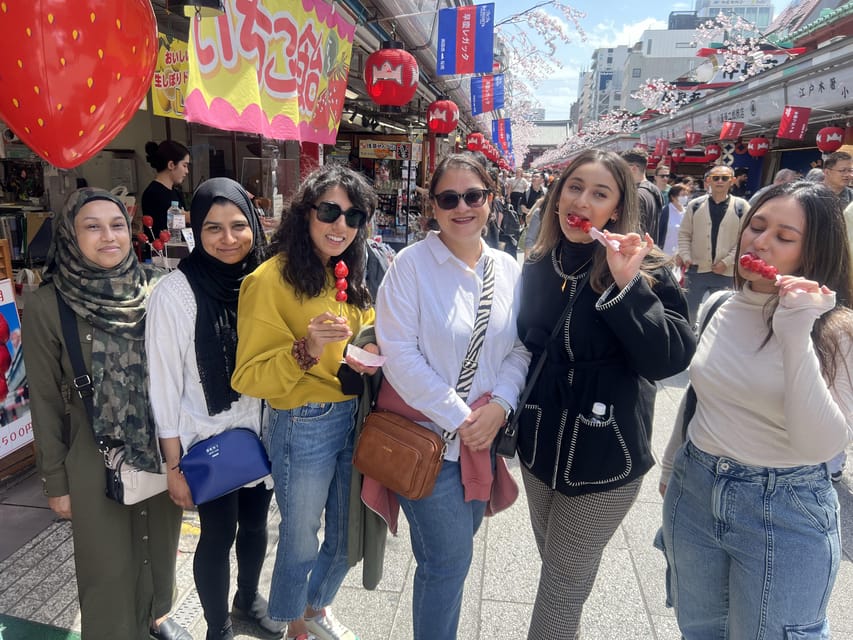
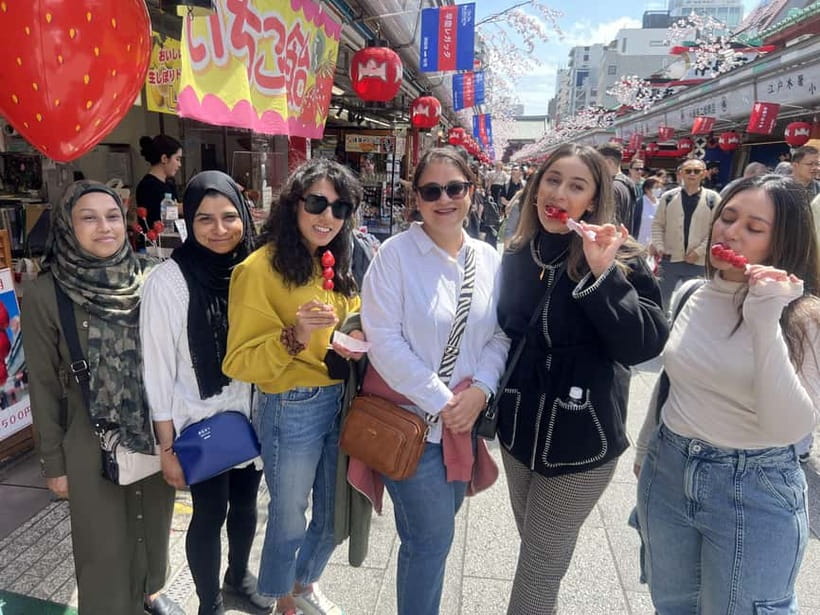
Nakamise Street is where Asakusa gets sensory fast—traditional shops, colorful lanterns, and plenty of tempting treats. A guided stop here is practical because the street is crowded and easy to overthink.
I like that the tour keeps this segment short (about 20 minutes). It’s long enough to browse and grab something you actually want, not long enough to leave you drained before Senso-ji.
And you’ll likely get specific ideas from your guide. Reviews highlight guides steering people toward foods and souvenirs with meaning, not just the loudest items near the front. One example that shows up in feedback is Ningo yaki, a red bean snack mentioned as a delicious pick when recommended by the guide.
Even if you don’t buy anything, this stop helps you learn what’s local here. Later, when you wander on your own, you’ll know what’s “tourist clutter” versus what fits the neighborhood.
Senso-ji the right way: approach, customs, and clear guidance
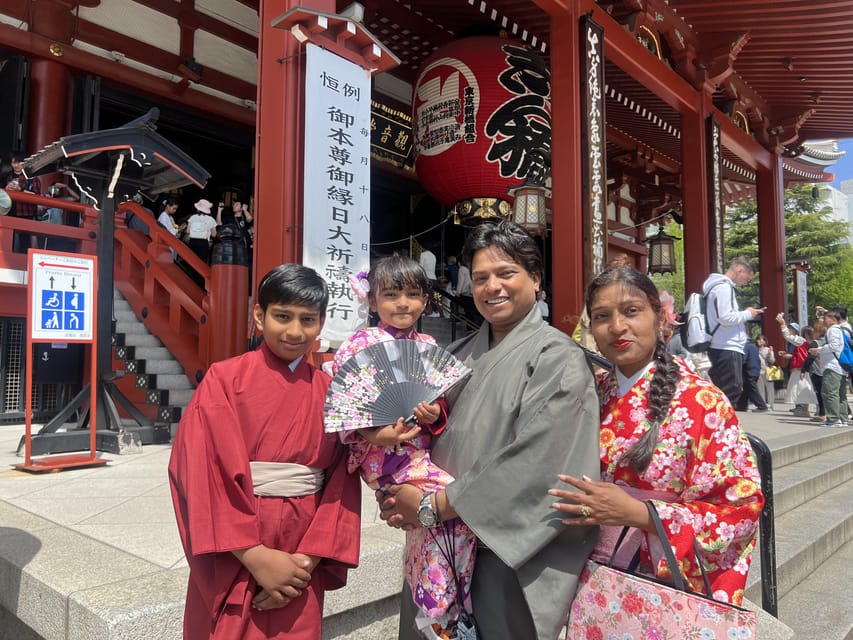
At Senso-ji, the tour shifts from street-level sightseeing to a more respectful, tradition-focused visit. This is where a guide can make a real difference, especially if you’re not fluent in temple etiquette.
Guides are specifically praised for:
- explaining the shrine/temple cultural significance in clear English
- making sure everyone stays together in busy crowds
- teaching how to approach and participate in prayers and rituals
That last point matters. A lot of first-timers arrive with good intentions and zero instruction, then end up copying what the nearest person is doing. With guidance, you get to do it with understanding.
Also, pace is part of the value. Multiple guides are described as not rushing—important in a place where you want time to look, ask questions, and not trip over your own curiosity.
Asakusa Shrine: a second sacred stop that adds context
Finishing at Asakusa Shrine gives you a broader picture of how sacred spaces function in the area. It’s not just “more photos.” The shrine stop acts like a contrast point after Senso-ji.
You’ll get another photo opportunity and guided walk (about 30 minutes). I’d think of this as your chance to notice differences in how people behave—how they pause, what they focus on, and how the atmosphere shifts.
It also helps the tour feel complete. If all you did was one temple, you’d miss the neighborhood’s layered identity.
Price and value: why $14 makes sense for a 2-hour guided loop
At $14 per person for 2 hours, the value here is mostly about friction reduction.
Tokyo can be overwhelming fast. A guided, small-group format (limited to 10 participants) helps you avoid the two biggest time-wasters:
- getting lost in crowds
- asking questions only after you’ve already walked past the important part
Reviews back up that guides spend real energy keeping the group together and on pace. People describe small groups (sometimes as few as two solo travelers) that make it easier to follow, ask questions, and not keep losing each other in the flow of people.
You’re also paying for a human translator of meaning. The guide isn’t just reciting facts—they’re sharing traditions, legends, and practical recommendations for what to eat and what to bring home. That adds up quickly if you’re trying to turn a short Tokyo stay into real experiences.
The guide factor: local storytelling and helpful recommendations
One of the most praised aspects across feedback is how guides bring the area to life.
Names that appear in the reviews include Shino, Embla, Connie, Nicolas, Joe, Aska, Haydn, Jae, and Ryota—and a repeating theme is that they’re:
- fluent in English
- energetic and friendly
- organized enough to handle busy crowds
- patient about questions
Some reviews mention guides sending helpful WhatsApp messages the day before or sharing their location to prevent confusion. That’s not glamorous, but it’s exactly the kind of detail that makes the experience feel smooth.
And because you’re in a small group, you’re more likely to get personal recommendations—like where to find good food nearby or how to pick souvenirs with some actual thought behind them.
Who this tour suits best
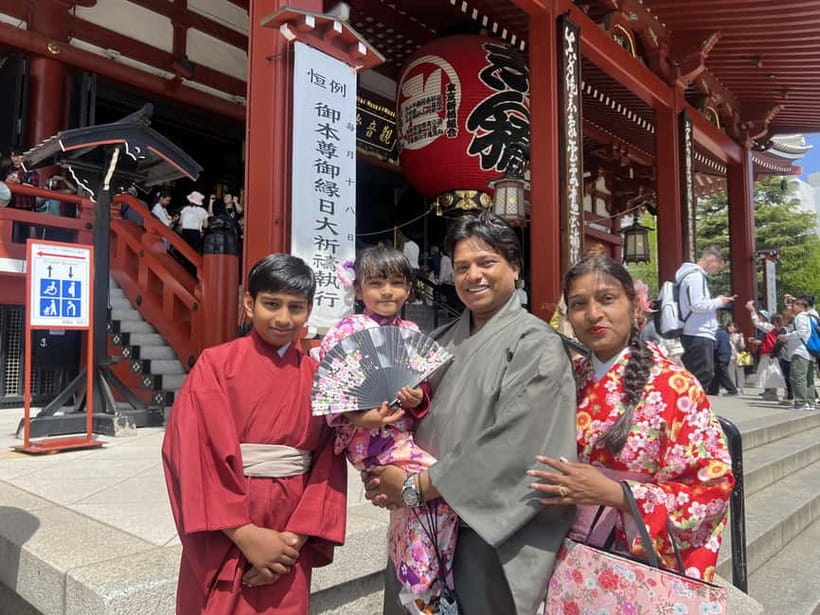
This tour is a strong match if:
- you’re new to Tokyo and want a traditional anchor point
- you like understanding how places work, not just collecting photos
- you prefer a small group over joining a huge crowd
- you want a short morning structure that doesn’t steal the rest of your day
It’s also a good choice if you’ve visited Asakusa before but want a guide to connect dots. Several reviews specifically note learning new things even with prior temple exposure.
Crowd notes and comfort tips for your day
This is a walking tour in popular areas, so plan for close quarters. The good news is the tour’s format helps: it’s short segments, guided, and designed to keep you together.
To make it easier on yourself:
- wear comfortable shoes (you’ll walk through temple and shopping zones)
- be ready for crowds around the gate and main streets
- bring water, especially in warmer months
- save your battery, because you’ll use your phone for photos
Also, remember the meeting process. You’re meeting at Starbucks near Asakusa Station, and the guide asks you to have WhatsApp downloaded so you can coordinate if needed. It’s a small step that prevents a big headache.
Should you book the Asakusa Senso-ji Tour?
If your goal is a clear, respectful introduction to Asakusa—with Senso-ji, Kaminarimon, and Nakamise Street in one guided loop—this one is worth your time.
Book it if you:
- want an English-speaking local explanation
- appreciate a small group pace
- would rather spend 2 hours with guidance than spend 2 hours guessing
Skip it if you:
- hate crowds and prefer quiet sites
- want a self-guided temple stroll where you control every minute
Bottom line: for $14 and a tight 2-hour plan, you’re buying guidance that helps you see more and stress less, especially at the places where first-timers usually feel lost.
FAQ
How long is the Asakusa and Senso-ji tour?
The tour lasts 2 hours.
What is the price per person?
The price is $14 per person.
Where do we meet for the tour?
You meet in front of Starbucks closest to Asakusa station.
Is the tour guide available in English?
Yes, the live tour guide speaks English.
How large is the group?
The group is limited to 10 participants.
What stops are included on the walk?
The route includes Kaminarimon, Nakamise Shopping Street, Senso-ji Temple, and Asakusa Shrine, then returns to the starting point.
Is admission included?
Admission is included for Asakusa and Senso-ji Temple, and admission is also included for Nakamise Shopping Street.
Do I need to use WhatsApp before the tour?
Yes. The instructions say to download WhatsApp before meeting up so you can connect smoothly.
Is free cancellation available?
Yes. You can cancel up to 24 hours in advance for a full refund.
More Tour Reviews in Tokyo



Fresh reviews from around Tokyo






Tokyo, compared.
 ★ 5.0Mt Fuji and Hakone 1-Day Bus Tour Return by Bullet TrainFrom $16326,383 reviews
 ★ 5.01-Day Tokyo Bus TourFrom $12914,250 reviews
 ★ 4.6teamLab Planets TOKYO Digital Art Museum Entry TicketFrom $259,779 reviews
 ★ 4.0Mt Fuji & Hakone Cruise, Drum Show Bullet Train 1 Day from TokyoFrom $1497,413 reviews
 ★ 5.0Shinjuku Food Tour (13 Dishes at 4 Local Eateries)From $866,603 reviews
 ★ 4.4Tokyo Mt Fuji 5th St & Hakone Cruise Bus Tour w/Bullet TrainFrom $1545,024 reviews
 ★ 5.0Flagship 2-Hours Official Street Go-Kart Tour – Tokyo Bay ShopFrom $644,974 reviews
 ★ 4.5From Tokyo: Mount Fuji Full-Day Sightseeing TripFrom $684,970 reviews