
Reviewed · TOKYO
Tokyo: Art Aquarium Museum GINZA Entry Ticket
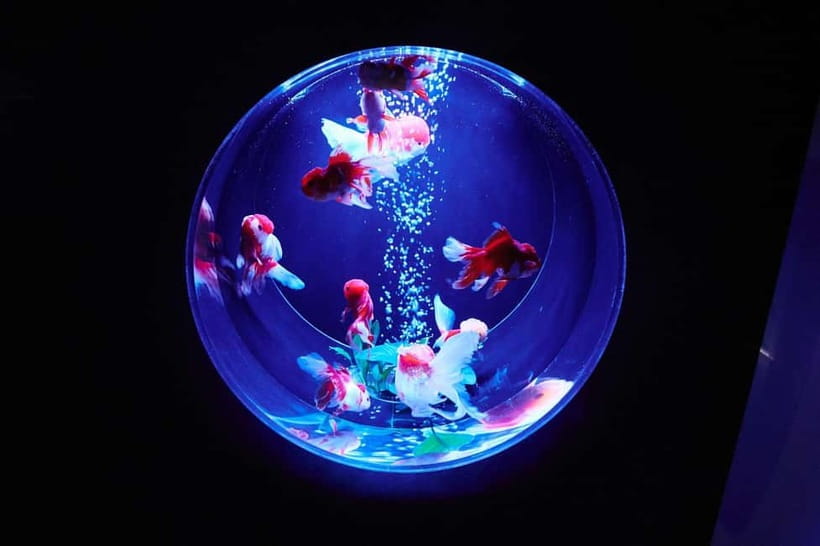
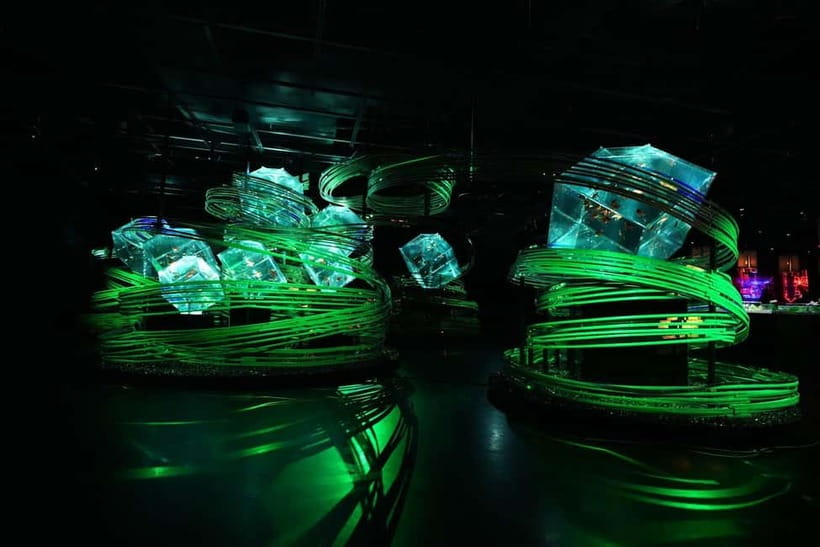
Goldfish become performance art in Ginza. At the Art Aquarium Museum GINZA, you experience goldfish like modern design: light, music, and scent are part of the show, not just decoration. The museum reworks the classic Edo-period goldfish appreciation into a contemporary, multisensory gallery experience.
I especially liked the look of the goldfish in the display layouts, plus the way the permanent venue changes with the seasons. It’s also easy to photo, since the exhibits are built for pictures. One consideration: it’s compact, with an estimated visit time around an hour, so if you want a long aquarium day, this is more of a focused stop than a full replacement—and one visitor noted concerns about how some fish looked.
In This Review
- Key things you’ll notice
- A One-Hour Art-Aquarium Break in Central Ginza
- Finding the Ticket Counter Inside Ginza Mitsukoshi
- What the Light, Music, and Scent Experience Feels Like
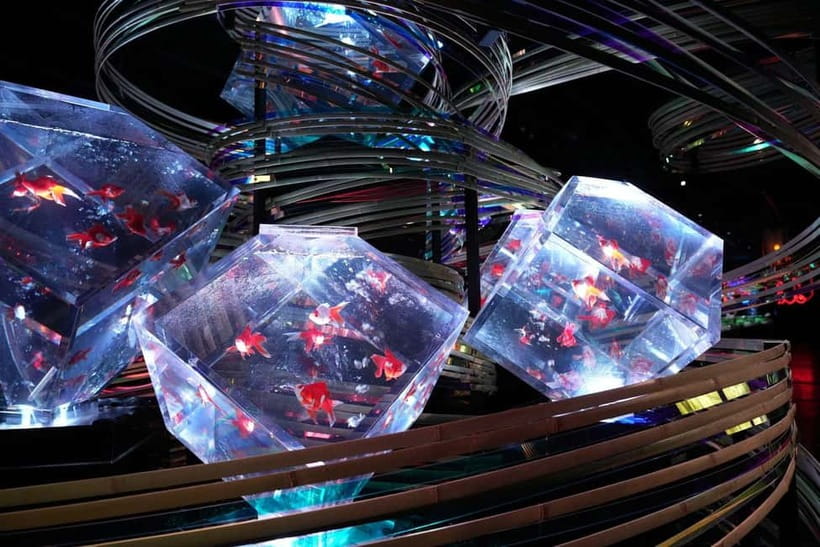
- Goldfish as Modern Art: Displays You Can Actually Study
- Photography in Art Aquarium Museum GINZA: How to Get Great Shots
- Value Check: What $17 Buys You in Tokyo
- A Simple Flow for Your Visit (So You Don’t Feel Rushed)
- Who Should Book This and Who Might Skip It
- Should You Book the Art Aquarium Museum GINZA?
- FAQ
- How long should I plan to spend at Art Aquarium Museum GINZA?
- Where is the ticket reception and same-day ticket entry?
- Which subway exits are closest?
- Are children allowed in for free?
- Can I take photos inside?
- Is the ticket refundable?
Key things you’ll notice
- Multisensory setup: light, music, and scent are timed to make the goldfish feel like art, not just tanks
- Ginza Mitsukoshi location: convenient transit access because it sits inside a major department store
- Edo-period idea, modern experience: a traditional goldfish theme translated into contemporary spatial design
- Seasonal changes at a permanent venue: the exhibits can shift throughout the year
- Photography is encouraged, but controlled: you can take photos without ruining the flow for others
- About an hour: satisfying for a quick culture hit, but not a day-long aquarium marathon
Before you commit, see how this one stacks up against a few Tokyo favourites:
- Mt Fuji and Hakone 1-Day Bus Tour Return by Bullet Train★ 5.0 · 26,383 reviews
- 1-Day Tokyo Bus Tour★ 5.0 · 14,250 reviews
- Tokyo: teamLab Planets TOKYO Digital Art Museum Entry Ticket★ 4.6 · 9,779 reviews
A One-Hour Art-Aquarium Break in Central Ginza
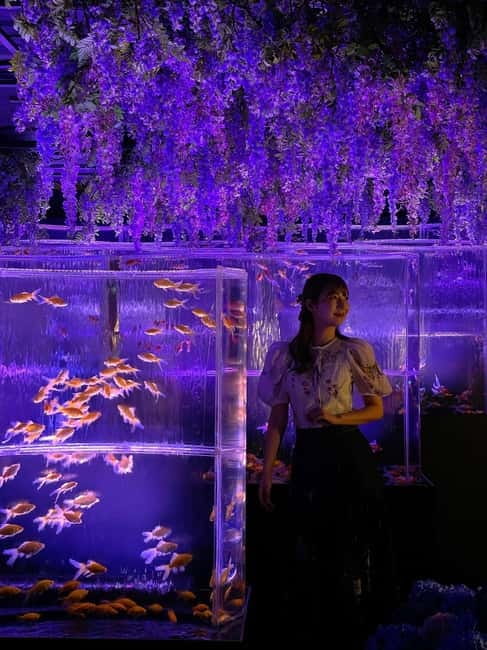
If your Tokyo days already have temples, neighborhoods, and shopping, this is a smart pivot: a small museum stop that feels different right away. Art Aquarium Museum GINZA is built around goldfish, but it doesn’t present them like a standard aquarium. Instead, you move through spaces where the lighting, the soundtrack, and even scent create a mood that changes how you see the fish.
I like that it’s not trying to be complicated. You don’t need a special background to enjoy it. You just follow the flow, look closely at the goldfish, and let the show’s atmosphere do its job. The theme is also clear: it’s a modern take on Edo-period goldfish appreciation—turning admiration for color, form, and movement into an art-gallery experience.
Plan for an estimated 1 hour of viewing time. That’s important for expectations. This isn’t a half-day aquarium, and you won’t stretch it into a full day without adding other plans nearby. Still, as a last-day treat or a mid-trip break in Ginza, it’s a strong fit.
Finding the Ticket Counter Inside Ginza Mitsukoshi
This is one of those Tokyo experiences that’s easy to get to because it’s anchored in a place you’ll already recognize: Ginza Mitsukoshi. Your entry point is the admission reception for same-day tickets on the 9th floor of the new building.
Here’s what helps you move fast once you’re underground or in the department store maze:
- Tokyo Metro Ginza Line / Marunouchi Line / Hibiya Line: use Exit A7 from Ginza Station
- Tokyo Metro Yurakucho Line: about a 5-minute walk from Ginza 1-chome Station (Exit 9)
- Toei Asakusa Line / Tokyo Metro Hibiya Line: about a 2-minute walk via the underground passage from Higashi Ginza Station toward Ginza Station
You can also time it so you’re not squeezed. Closing days and business hours can vary, and your best move is to check for same-day availability and the start time you’re assigned when you book.
One more practical note: there’s no refunds. That doesn’t mean it’s a risky purchase, but it does mean you should confirm your plans before you commit.
What the Light, Music, and Scent Experience Feels Like
This museum earns its name the moment you enter. The atmosphere isn’t random background ambience. It’s part of the pacing. You’ll see goldfish in displays designed for visual drama, but the soundtrack helps slow you down, and the scent element adds a layer you don’t get in typical aquariums.
From the reviews, a standout detail is the aromatherapy component. When scent is used intentionally, it changes how your brain groups the scene. Instead of only focusing on fish movement, you start noticing the whole environment as a single composition.
The music also matters. People describe it as tranquil, which makes sense. If the sound is calming, your eyes have less to compete with. You tend to watch longer—especially the moments when the goldfish drift into view and swirl with the lighting.
English information is available, so you’re not stuck guessing what you’re looking at. That’s a real advantage in a multisensory space, because a quick explanation can turn a pretty scene into something more meaningful.
Goldfish as Modern Art: Displays You Can Actually Study
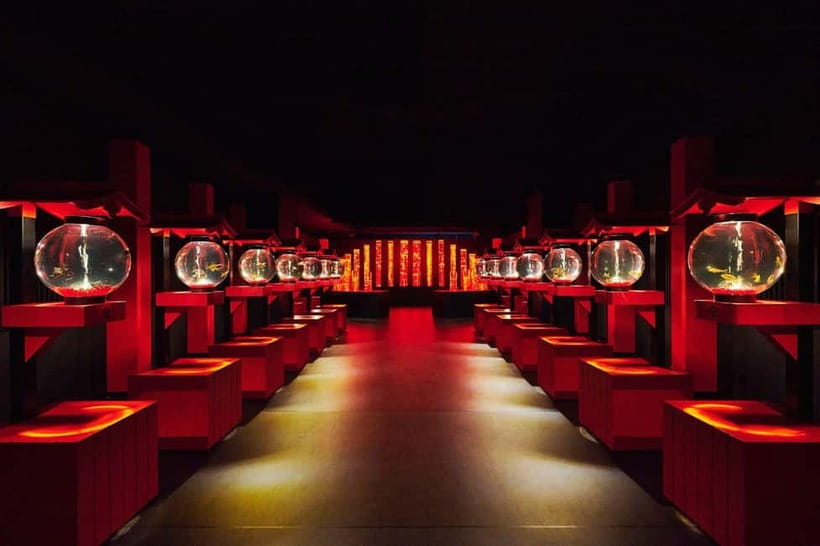
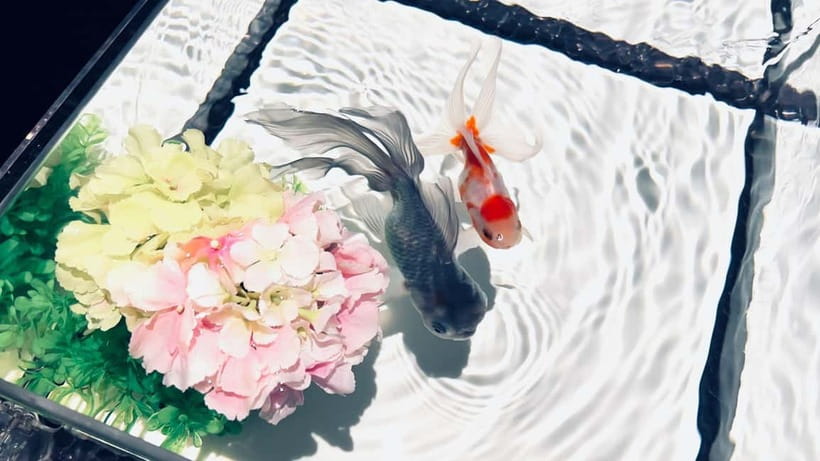
Goldfish are beautiful on their own, but here they’re framed like art objects. The museum uses spatial presentation to highlight what makes each fish special: color, sheen, and the way they swim as a group.
A big theme is the cultural link to Edo-era goldfish appreciation. Edo goldfish were admired for their look and their distinct varieties, and this museum translates that idea into a contemporary exhibit format. The result is a gallery-like walk where goldfish become the subject, and the room design becomes the “canvas.”
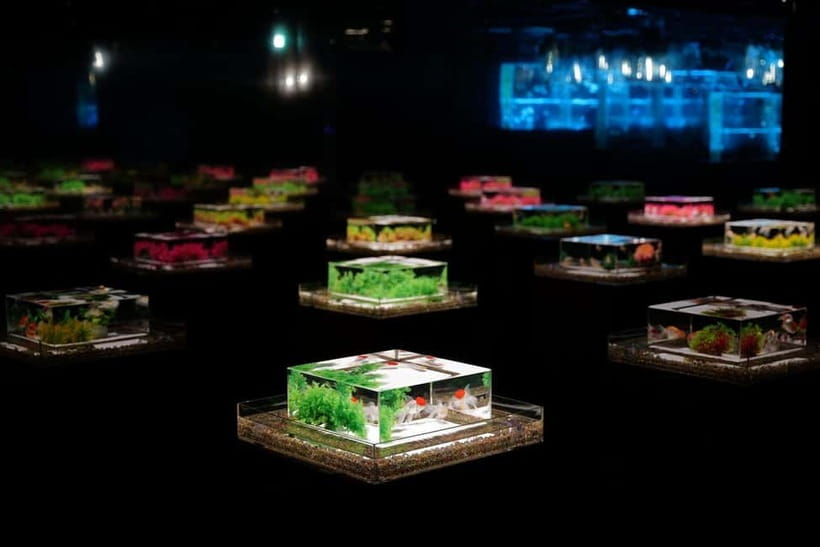
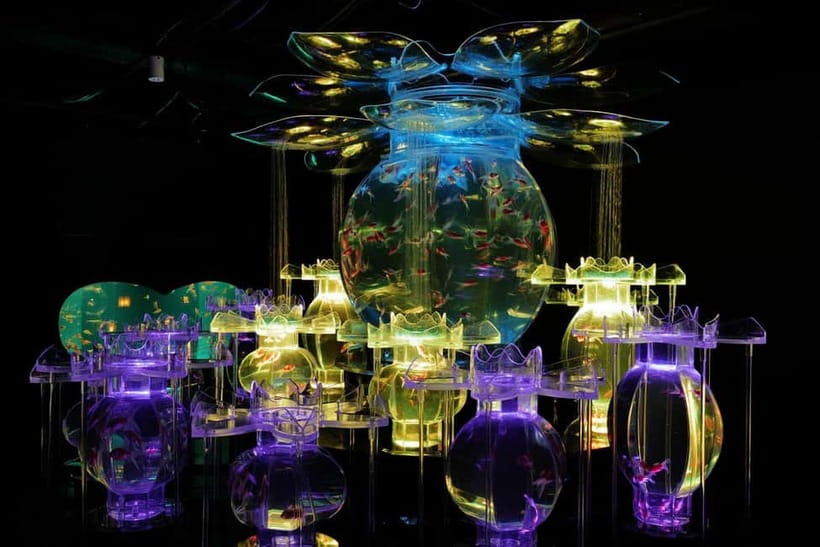
What I like most is that you’re not stuck looking at the same style of tank in a row. The exhibits feel varied. You’ll see multiple displays and different visual treatments, which keeps your attention from drifting. And because the museum is a permanent venue that offers seasonal changes throughout the year, it doesn’t feel like a one-time novelty.
That seasonal element is also why people come back. If you’re the type who hates repeating the exact same sights, this is built for repeat visits across different seasons. Even if you only go once, you’ll still feel like the exhibits are meant to change, not just run on autopilot year-round.





Photography in Art Aquarium Museum GINZA: How to Get Great Shots
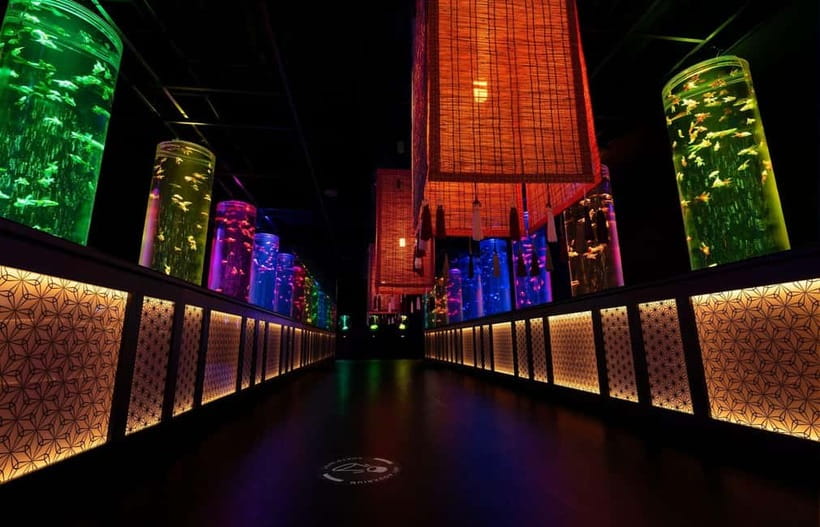
This is a photography-friendly stop, and that’s unusual for a museum inside a department store. The exhibits are set up so you can capture the lighting and the goldfish movement without battling a harsh crowd flow—especially if you choose a quieter time.
Key rules you should follow:
- Tripods, monopods, and similar equipment are not allowed
- Strobes and lighting equipment are not permitted
- Photography is permitted
So think handheld and patient. If you want the best results, give yourself a few minutes to watch how the light behaves before you start shooting. With goldfish, even small shifts in the camera angle can create big changes in how reflections and color pop.
Timing is your secret weapon. One review noted a quieter experience with an early midweek time slot (around 10:30am), which made it easier to take photos without blocking others. You can use that logic even without knowing the exact crowd pattern: mornings on weekdays often feel calmer in central Tokyo, and the museum is small enough that crowd density becomes obvious.
Also, since the visit is short, don’t let photography eat your entire hour. Take a few intentional shots, then switch to slower viewing so you actually experience the art, not only the camera roll.
Value Check: What $17 Buys You in Tokyo
At about $17 per person, this ticket price lands in the “worth it if it fits your day” category. It’s not cheap in absolute terms, but it also isn’t overpriced for what you get: a curated, multisensory art space plus goldfish displays plus seasonal variety at a permanent location.
Here’s the honest value math:
- You get a full 1-hour experience, which makes it easy to slot between other plans
- The museum isn’t just tanks. The light, music, and scent are part of the ticket value
- The location in Ginza means you’re paying not only for the exhibits, but for the convenience of being in one of Tokyo’s most transport-friendly areas
If you’re already in Ginza, the deal improves because you don’t waste time commuting. If you’re farther away, it becomes more about whether you want a focused art stop rather than adding another big day-long attraction.
Also factor in the souvenir option. The gift store has been called out for having wonderful souvenirs, which can turn your “short visit” into a complete little Tokyo memory bundle.
A Simple Flow for Your Visit (So You Don’t Feel Rushed)
Because the space is compact, you’ll enjoy it more if you treat it like an art walk rather than a checklist. Here’s a practical way to structure your time:
1) Arrive and enter on the 9th floor
Get your bearings quickly. Once you’re inside, you’ll start noticing how the lighting sets the tone.
2) Watch first, then photograph
Start with a couple minutes of slow looking. When you know where the best lighting sits, you can photograph without wasting time.
3) Spend real attention on the different displays
Don’t rush past each room. The museum’s strength is how each exhibit changes the mood.
4) Read the English info where available
Short explanations help you connect the Edo-period theme to what you’re seeing today.
5) Finish at the gift shop if you want souvenirs
It’s an easy closer that keeps your visit from feeling abruptly cut off.
And yes, give yourself some buffer. Business hours and closing days may vary, so arrive ready to start when your slot begins.
Who Should Book This and Who Might Skip It
This experience is especially good if you:
- Want a creative, low-effort cultural stop that fits in a single hour
- Like photography, especially lighting-driven indoor scenes
- Enjoy multisensory art concepts that go beyond plain exhibits
- Are in Ginza and want something memorable without traveling across town
You might consider skipping if you:
- Want a full-scale aquarium day
- Need lots of space and time, because the exhibits are compact
- Are very sensitive to animal-welfare presentation
- One visitor specifically felt some fish looked maltreated, which is a valid personal concern. If you’re worried about that kind of visual, go gently and pay attention to how you feel while you watch.
Should You Book the Art Aquarium Museum GINZA?
Book it if you want a short, high-impact Tokyo stop that mixes art, goldfish beauty, and atmosphere in a very convenient Ginza location. The pricing is reasonable for the experience length, and the permanent-venue + seasonal changes angle gives it extra meaning.
Skip it if you’re craving a long aquarium outing or you prefer exhibits where you can linger for hours with no sense of momentum. Also, if you’re planning based on early or late timing, remember closing days and business hours can vary, so confirm before you go.
If you’re building a day in central Tokyo, this works well as a finish or a quick reset between busier sightseeing blocks. It’s small, photo-friendly, and genuinely different from the typical museum-and-tank combo.
FAQ
How long should I plan to spend at Art Aquarium Museum GINZA?
The estimated viewing time is about 1 hour.
Where is the ticket reception and same-day ticket entry?
Admission reception and same-day tickets are on the 9th floor of the new building at Ginza Mitsukoshi.
Which subway exits are closest?
Use Exit A7 at Ginza Station (for Ginza/Maunouchi/Hibiya lines), Exit 9 at Ginza 1-chome Station (about 5 minutes walk), or walk through the underground passage from Higashi Ginza Station (about 2 minutes).
Are children allowed in for free?
Up to two children under elementary school age may enter free of charge with one adult.
Can I take photos inside?
Photography is permitted, but tripods, monopods, and similar equipment are not allowed. Strobes and other lighting equipment are also not permitted.
Is the ticket refundable?
No. The activity is non-refundable.
More Tour Reviews in Tokyo



Fresh reviews from around Tokyo






Tokyo, compared.
 ★ 5.0Mt Fuji and Hakone 1-Day Bus Tour Return by Bullet TrainFrom $16326,383 reviews
 ★ 5.01-Day Tokyo Bus TourFrom $12914,250 reviews
 ★ 4.6teamLab Planets TOKYO Digital Art Museum Entry TicketFrom $259,779 reviews
 ★ 4.0Mt Fuji & Hakone Cruise, Drum Show Bullet Train 1 Day from TokyoFrom $1497,413 reviews
 ★ 5.0Shinjuku Food Tour (13 Dishes at 4 Local Eateries)From $866,603 reviews
 ★ 4.4Tokyo Mt Fuji 5th St & Hakone Cruise Bus Tour w/Bullet TrainFrom $1545,024 reviews
 ★ 5.0Flagship 2-Hours Official Street Go-Kart Tour – Tokyo Bay ShopFrom $644,974 reviews
 ★ 4.5From Tokyo: Mount Fuji Full-Day Sightseeing TripFrom $684,970 reviews