
Reviewed · TOKYO
Tameike: Exploring the Heart of Japanese Politics Tour
Politics has a surprisingly human face.
I love National Diet Building access with an English guide who makes Japanese politics make sense, and I love finishing at Hie Shrine, a power spot tied to career and matchmaking. One thing to plan for: the Diet Building visit includes stairs, so wear shoes you can move in.
After that, you get a breather: traditional matcha and sweets at Dobashi-en, plus a souvenir tea gift to keep the memories going. This is paced well for a 3-hour outing, with a small group (up to 5), and you’ll get time for Q&A—especially helpful when you want answers beyond the usual sightseeing script.
In This Review
- Key highlights to look for
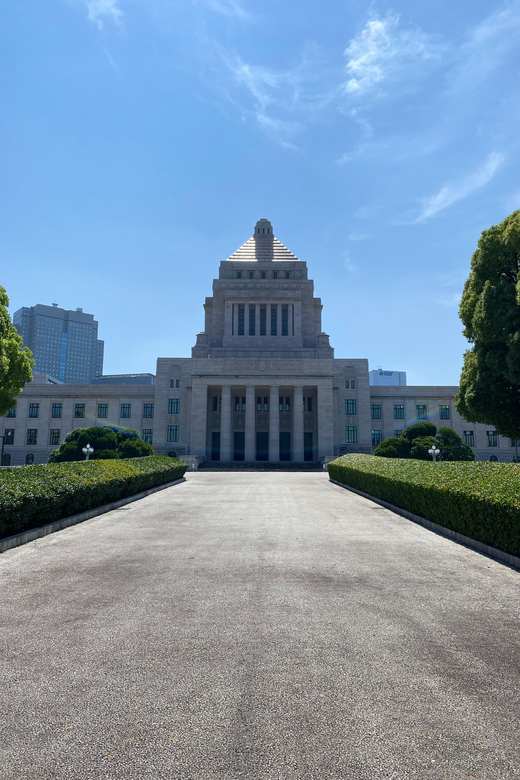
- Entering the National Diet Building: policy in a stunning setting
- Hie Shrine: monkeys, torii, and wishes for career and love
- Dobashi-en matcha and sweets: the calm finale you’ll appreciate
- The guide matters: English, conversation, and real answers
- Tameike value check: $129 for access plus tea time
- Meeting point, pace, and what to bring
- Should you book the Tameike National Diet and Hie Shrine tour?
- FAQ
- How long is the tour?
- How much does it cost?
- Where do I meet the guide?
- Is the tour offered in English?
- What’s the group size?
- What stops are included in the tour?
- What’s included besides the guide?
- Is there anything I should prepare for during the tour?
Key highlights to look for
- See how laws get made inside the National Diet Building, with clear talk on how the system works
- Walk to Hie Shrine close to the Diet Building, so your politics lesson has spiritual context
- Spot the monkey theme through guardian statues and monkey motifs on votive tablets and charms
- Pass through a Thousand Torii Gates feel at Hie Shrine, with that Fushimi Inari-style vibe
- Reset your senses with Dobashi-en matcha and long-established tea-shop sweets
- Ask questions in English in a small group where conversation actually happens
Before you commit, see how this one stacks up against a few Tokyo favourites:
- Mt Fuji and Hakone 1-Day Bus Tour Return by Bullet Train★ 5.0 · 26,383 reviews
- 1-Day Tokyo Bus Tour★ 5.0 · 14,250 reviews
- Tokyo: teamLab Planets TOKYO Digital Art Museum Entry Ticket★ 4.6 · 9,779 reviews
Entering the National Diet Building: policy in a stunning setting
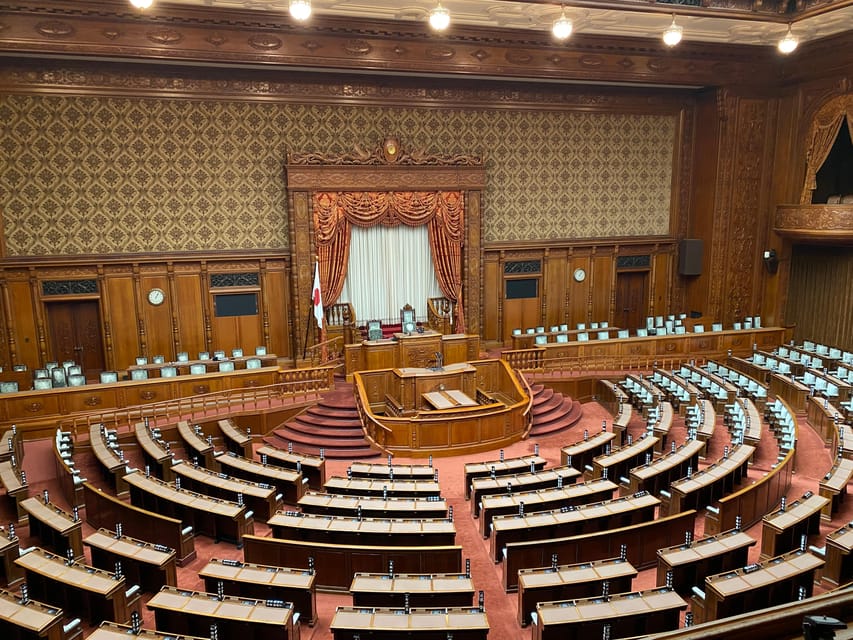
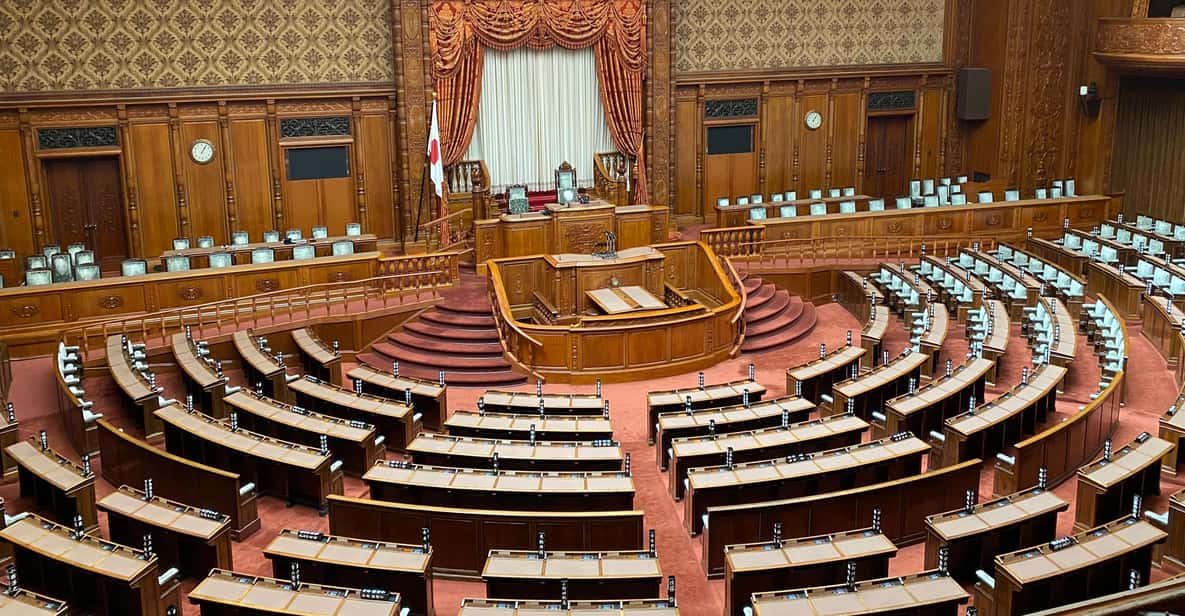
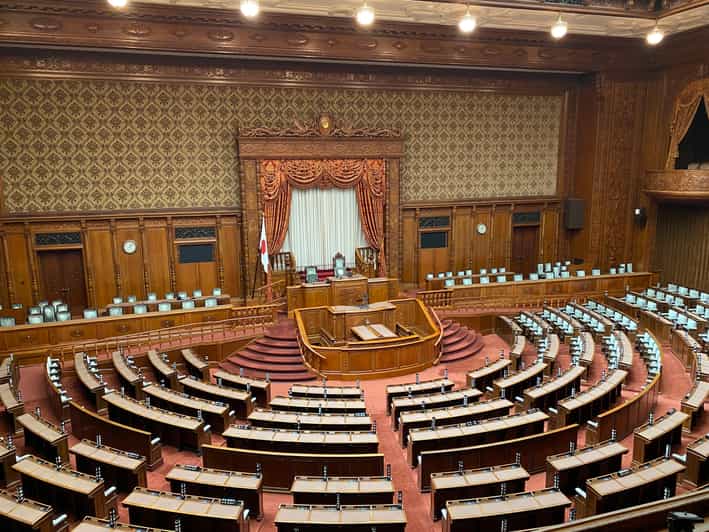
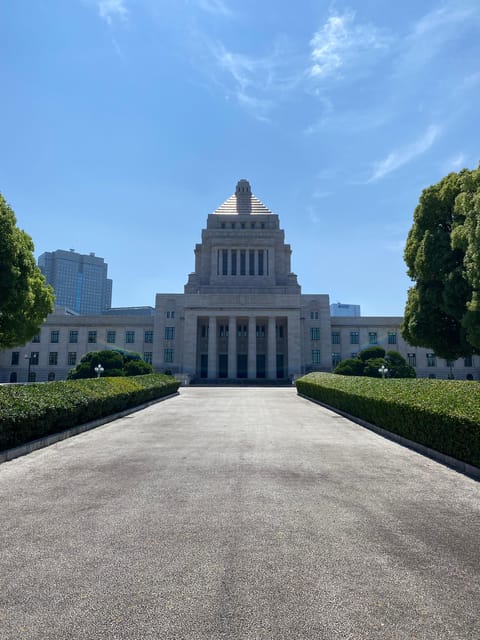
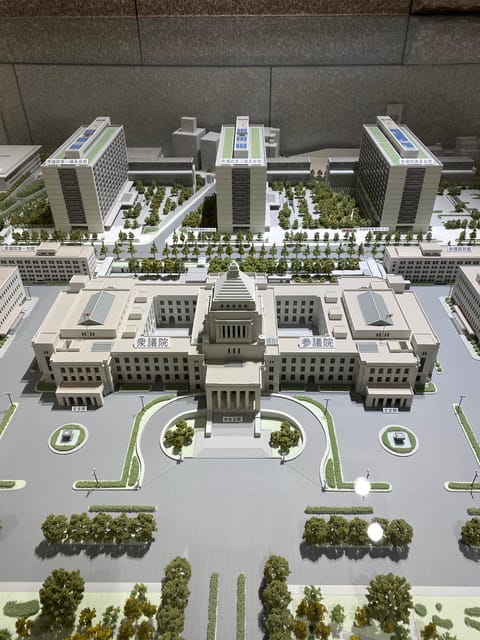
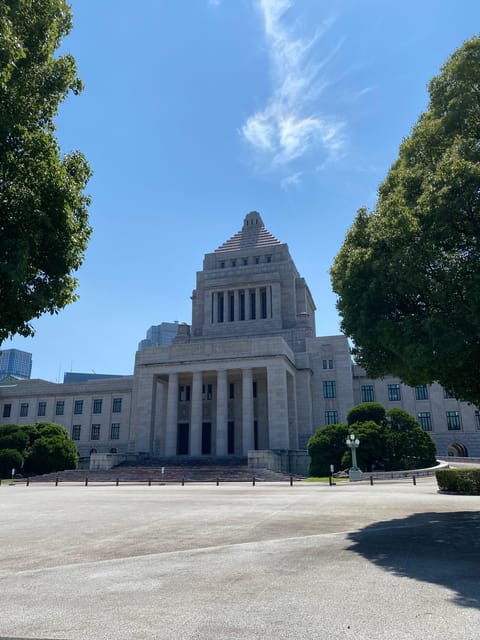
The National Diet Building is one of those places that feels important even before you learn the details. From the outside, it’s architectural swagger. Inside, it’s something else: you see the spaces where decisions get argued, debated, and turned into policy.
Your guided visit runs about an hour, and it’s not just a walkthrough of rooms. You’ll get commentary on major political context and how voting procedures work, explained in plain terms rather than textbook language. That matters because Japan’s political process can feel abstract from far away. Here, you can connect the concepts to the physical building you’re standing in.
Practical note: there are stairs. The tour info is clear about it, and it’s the kind of detail that makes or breaks comfort. I strongly recommend comfortable walking shoes, and if you’re traveling with any mobility limits, plan your day around this step count.
Also, go in with curiosity. The best part isn’t only seeing chambers—it’s asking questions and getting real answers. In English, the guide can link what you’re seeing to what you hear in Japanese news without making it feel like a lecture.
Hie Shrine: monkeys, torii, and wishes for career and love
After the Diet Building, the tour shifts gears from government mechanics to a very Japanese kind of meaning-making. Hie Shrine is famous as a power spot—people associate it with career success and matchmaking. And yes, it’s conveniently close to the Diet Building, so the transition feels natural instead of forced.
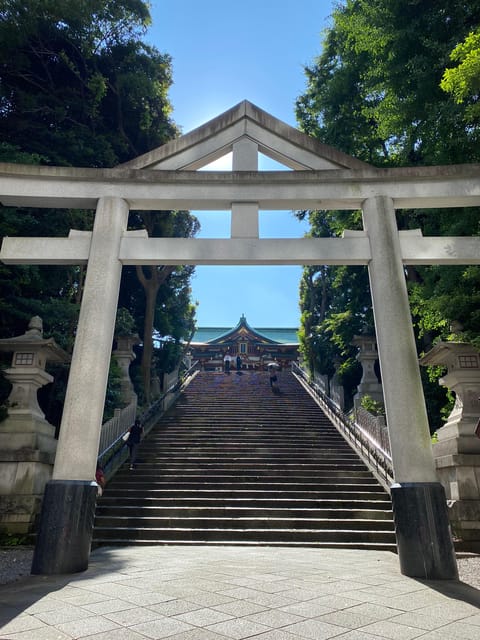
Your shrine portion lasts about 45 minutes and includes a guided visit plus sightseeing. The standout theme is the monkey imagery. At the gate and main hall, you’ll find guardian monkey statues, and the monkey motif also shows up on votive tablets and charms. It’s the sort of detail you might miss if you were just wandering, so having a guide really pays off here.
Don’t miss the “Thousand Torii Gates” feeling at Hie Shrine. It’s reminiscent of Fushimi Inari’s famous torii tunnel vibe—though you’re not trying to do another full pilgrimage loop. Think of it as the shrine’s version of dramatic atmosphere, perfect for photos and for that quick emotional reset after a political building.
If you’re the type who likes to understand not only what something is, but why people care, this stop hits that button. Shinto shrines often look simple from a distance, but the rituals and symbolism are a whole language. A good guide helps you read the place instead of just pass through it.
Dobashi-en matcha and sweets: the calm finale you’ll appreciate
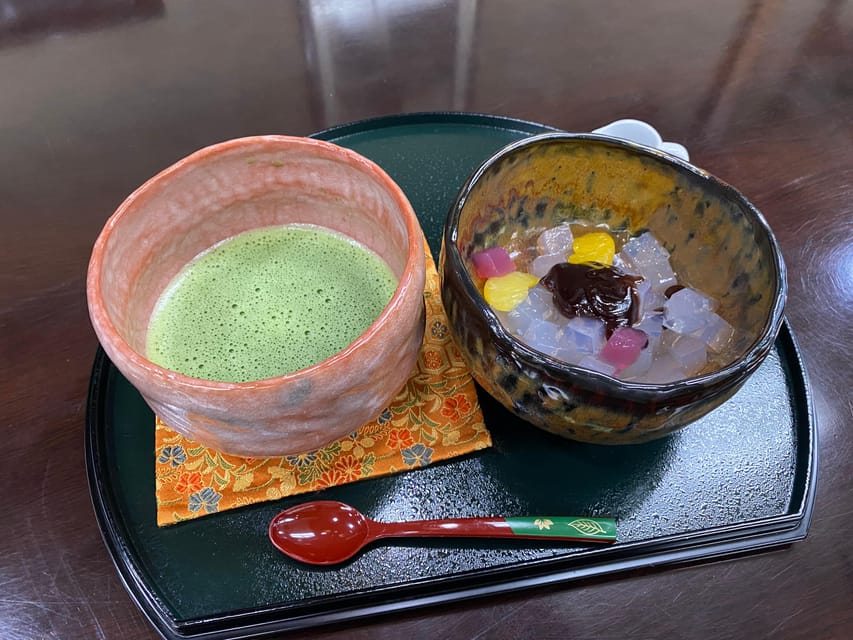
The last stretch is the reward: about 45 minutes at Dobashi-en, a long-established green tea shop. This isn’t a random café stop. It’s a traditional setting that makes your last hour feel like a palate reset after concentrated history and civic talk.
You’ll get traditional matcha and sweets, enough to slow down and actually notice flavors instead of thinking about the next train. If your itinerary has you bouncing between temples, museums, and busy streets, this kind of slower pause is worth its weight in good sleep later that night.
The tour also includes a souvenir tea gift. That’s not just a nice extra—it’s practical. Tea gifts are easy to bring home, and they remind you of the exact stop you visited rather than a generic souvenir.
One more real-world tip: some shops may not accept cards, so have cash on hand. This is one of those “annoying but true” details that can ruin a small moment. Don’t let it.
The guide matters: English, conversation, and real answers
This tour is led by a live English guide, and the group stays small—limited to 5 participants. That size helps the conversation stay personal. You’re not stuck asking a question through a crowd, and it’s easier for the guide to tailor explanations to what you’re actually curious about.
In multiple experiences, the guide is praised for going beyond scripted explanations—especially through Q&A and casual conversation. When you’re learning about politics, you’re rarely only interested in procedures. You also want context: how everyday life connects to the system, how people think, and why certain cultural habits show up around civic spaces.
There’s also a Shinto angle to the guidance, including what to do at the shrine. If you’ve ever stood in front of a shrine and wondered whether you’re doing it right, this part is for you.
One name you’ll see connected with this tour is Megumi (often called Meg). If you’re lucky enough to have her, that tends to mean a warm, engaging approach, lots of time for questions, and explanations that connect to daily Japanese life—not only formal history.
If your date is quiet, you might even get a more personal feel. That’s not guaranteed, but it’s the kind of thing that small-group tours can make possible.





Tameike value check: $129 for access plus tea time
At $129 per person for a 3-hour tour, you’re paying for three real things: guided access, entry included, and a traditional tea-shop finale.
Let’s break down the value:
- Entry to the National Diet Building is included. That saves you the hassle of figuring out access and tickets on your own.
- You get tea and snacks at Dobashi-en, plus a souvenir tea gift. That’s not free if you do it independently in the same traditional style.
- The core value is context. A good guide turns a government building from a photo stop into a learning experience you can carry with you.
Is it the cheapest option in Tokyo area sightseeing? No. But it’s not priced like a generic walking tour either. You’re buying time with a guide who can connect architecture, politics, voting procedures, and shrine symbolism without making it feel like a school assignment.
If you’re a first-timer to Japan and want something more meaningful than yet another temple-with-a-gate photo, this is a strong way to spend a short window—especially since it’s timed for a focused 3-hour block rather than a half-day commitment.
Meeting point, pace, and what to bring
Meeting is simple. You’ll meet at Kokkai-gijidōmae Station, Exit 1. Your guide will be wearing a navy blue happi, which makes it easier to spot the right person quickly.
The walking between stops is manageable: a few minutes on foot between the station and the Diet Building, then short connections to the shrine area, and then the final move to Dobashi-en. In other words, this is not a “run between sites” tour. It’s a steady pace built for thoughtful looking.
What to bring:
- Comfortable walking shoes (because the Diet Building includes stairs)
- Cash in case the tea shop or nearby places don’t take cards
- A curious mindset. If you’ve got questions about Japanese politics, voting, or how culture blends into public life, this is a good time to ask.
And yes, follow the basic health guidance: don’t go if you’re not feeling well. The tour is short, but it still involves walking and indoor time.
Should you book the Tameike National Diet and Hie Shrine tour?
Book it if you want a compact experience with real context. I’d recommend it if you’re curious about Japanese politics and you like explanations that connect systems to culture. The mix of National Diet Building + Hie Shrine + matcha at Dobashi-en makes the 3 hours feel like a complete mini-story, not three unrelated stops.
Skip it if you want only big-photo sightseeing with minimal talking. This one leans toward learning, Q&A, and guided interpretation. Also, if stairs are a big problem for you, plan carefully because the Diet Building visit includes them.
If your ideal day in Japan includes good walking shoes, a short route with meaningful stops, and a guide who answers questions in English—this is a solid choice.
FAQ
How long is the tour?
The tour lasts about 3 hours.
How much does it cost?
The price is $129 per person.
Where do I meet the guide?
Meet at Kokkai-gijidōmae Station, Exit 1. The guide is wearing a navy blue happi.
Is the tour offered in English?
Yes, the tour is guided in English.
What’s the group size?
It’s a small group limited to 5 participants.
What stops are included in the tour?
You’ll visit the National Diet Building, Hie Shrine, and Dobashi-en for matcha and snacks.
What’s included besides the guide?
Entry to the National Diet Building is included, and you’ll also get tea and local snacks at Dobashi-en, plus a souvenir tea gift.
Is there anything I should prepare for during the tour?
Wear comfortable walking shoes because there are stairs at the National Diet Building, and bring some cash since some shops may not accept cards.
More Tour Reviews in Tokyo



Fresh reviews from around Tokyo






Tokyo, compared.
 ★ 5.0Mt Fuji and Hakone 1-Day Bus Tour Return by Bullet TrainFrom $16326,383 reviews
 ★ 5.01-Day Tokyo Bus TourFrom $12914,250 reviews
 ★ 4.6teamLab Planets TOKYO Digital Art Museum Entry TicketFrom $259,779 reviews
 ★ 4.0Mt Fuji & Hakone Cruise, Drum Show Bullet Train 1 Day from TokyoFrom $1497,413 reviews
 ★ 5.0Shinjuku Food Tour (13 Dishes at 4 Local Eateries)From $866,603 reviews
 ★ 4.4Tokyo Mt Fuji 5th St & Hakone Cruise Bus Tour w/Bullet TrainFrom $1545,024 reviews
 ★ 5.0Flagship 2-Hours Official Street Go-Kart Tour – Tokyo Bay ShopFrom $644,974 reviews
 ★ 4.5From Tokyo: Mount Fuji Full-Day Sightseeing TripFrom $684,970 reviews