
Reviewed · TOKYO
Sushi-Making Experience
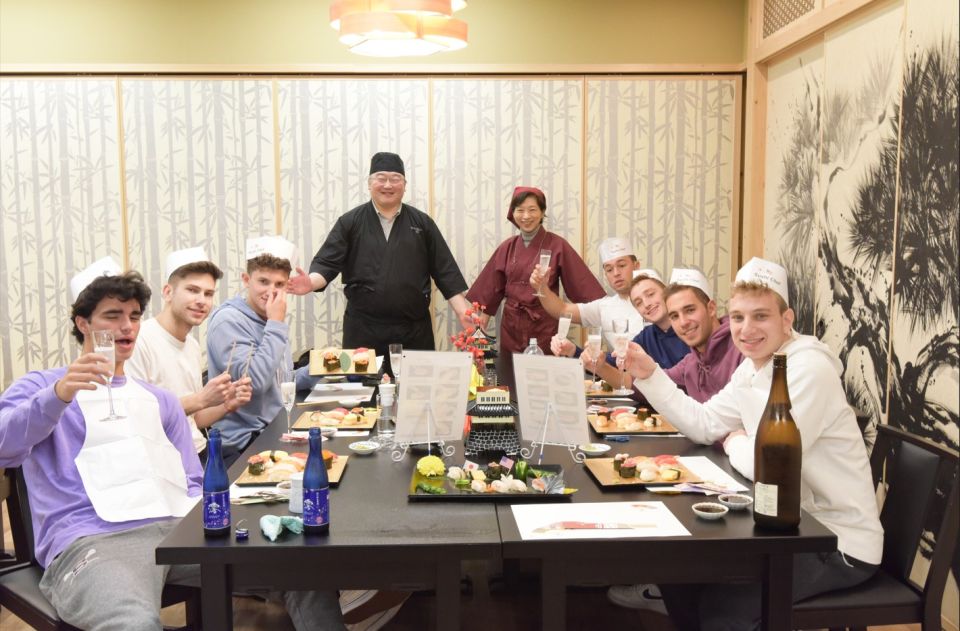
Sushi in Japan has a way of making you slow down. This workshop is a hands-on route into that world, with a small group and a format built for practice in just two hours. I like that you learn real sushi shapes (not just theory) and then sit down to eat what you made, Japanese-style.
I also like the take-home value: you get two easy sushi-making kits to practise after the class, so the skill doesn’t vanish the moment you leave. One thing to consider: there’s no hotel pickup, so you’ll want to arrive at the meeting point on time and on foot or by transit.
In This Review
- Key Things That Make This Sushi Workshop Worth Your Time
- Where the Workshop Starts: Kikai Shinko Kaikan by Tokyo Tower
- The Two-Hour Flow: What Happens From Hello to Your First Bite
- The Sushi Skills You Practise: Nigiri, Gunkan, and Hosomaki
- Nigiri zushi: Hand-shaped sushi with a steady touch
- Gunkan maki: A roll that holds its filling
- Hosomaki zushi: The classic thin roll
- The “Photo-Worthy” Part That’s Actually Useful
- Sauces and Sushi Condiments: Learning Pairings, Not Just Ingredients
- Japanese Dining Etiquette at the Table
- Instructor Support and the Value of a Small Group
- Price and Value: Is $106 Worth Two Hours?
- Logistics That Matter: Getting There and Staying On Time
- Who This Sushi-Making Workshop Is Best For
- Should You Book This Sushi Class?
- FAQ
- What types of sushi will I learn to make?
- How long is the sushi-making experience?
- How much does the workshop cost?
- Is the instruction available in English?
- What’s included in the price?
- Do I need to bring my own sushi kits or ingredients?
- Where do I meet the instructor?
- Is hotel pickup included?
- Is this experience wheelchair accessible?
- Is there a cancellation policy?
Key Things That Make This Sushi Workshop Worth Your Time
- Small group size (max 10) means you get hands-on help, not just watching
- Three sushi styles in one session: nigiri zushi, gunkan maki, and hosomaki zushi
- Two practice kits so you can repeat the techniques at home
- English instruction makes the steps easy to follow and adjust
- Dining etiquette turns the meal into part of the lesson, not an afterthought
- Location by Tokyo Tower helps you fit this into a Tokyo day without a big detour
Before you commit, see how this one stacks up against a few Tokyo favourites:
- Mt Fuji and Hakone 1-Day Bus Tour Return by Bullet Train★ 5.0 · 26,383 reviews
- 1-Day Tokyo Bus Tour★ 5.0 · 14,250 reviews
- Tokyo: teamLab Planets TOKYO Digital Art Museum Entry Ticket★ 4.6 · 9,779 reviews
Where the Workshop Starts: Kikai Shinko Kaikan by Tokyo Tower
Your class meets at the main entrance of the Kikai Shinko Kaikan building on the 1st floor. The location is handy because the building is right by Tokyo Tower, which makes orientation easier if you’re already exploring the area.
If you can’t find the instructor, there’s a clear backup plan: go to True Japan Tour (Room B109) on the B1 floor. That’s a small detail, but it matters in Japan where buildings can look similar and signage isn’t always obvious from the street.
Plan to arrive a few minutes early. With a hands-on class, the timing matters because ingredients need to be ready, and the demonstration starts the flow of the session.
The Two-Hour Flow: What Happens From Hello to Your First Bite
This experience is designed to move at a good pace without feeling rushed. You’ll get a quick sushi overview first, then you’ll jump into prep and practice with help from your English-speaking instructor and the group.
Here’s how the session generally unfolds:
1) Meet your chef-style host and group at the entrance
You’ll connect with the instructor and small group. The format is personal enough that questions feel natural during the steps.
2) Short intro to sushi in Japanese culture
You’ll get a brief overview before the cooking begins. This is useful because sushi isn’t only about ingredients. It’s also about method and presentation, plus the social rhythm of eating.
3) Ingredients ready to go
Once the basics are out of the way, the workshop gets practical. You’ll have the ingredients prepared for the techniques you’ll practise.
4) Demonstration, then practise
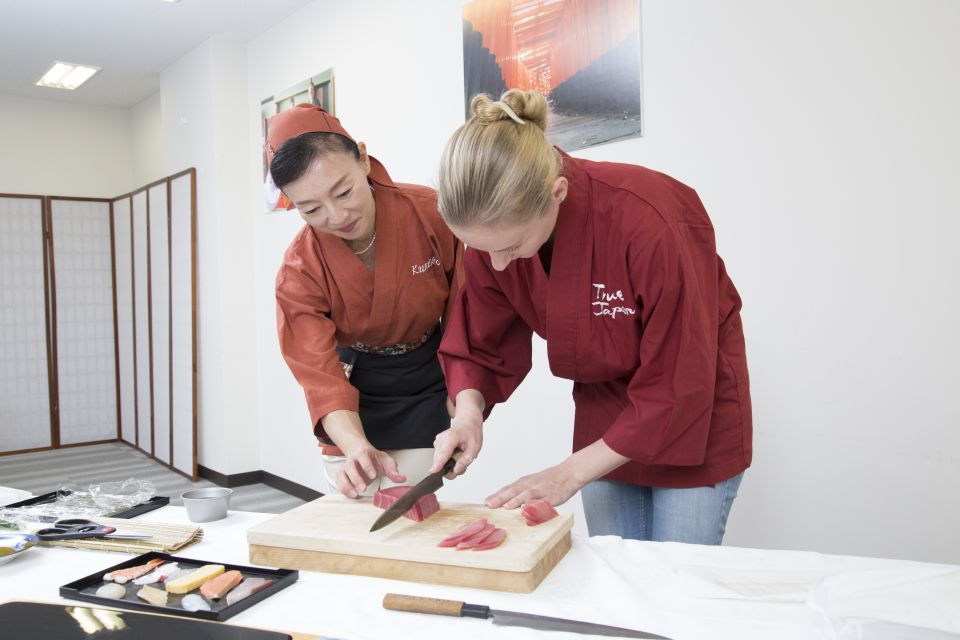
You’ll watch a quick demonstration and then copy the motions. This is where the small-group setup pays off. The instructor can correct your grip, your pressure, and your handling of rice and fillings.
5) Make three types of sushi
You’ll practise nigiri, gunkan maki, and hosomaki. Each one uses different form and structure, so you’ll learn more than one skill set.
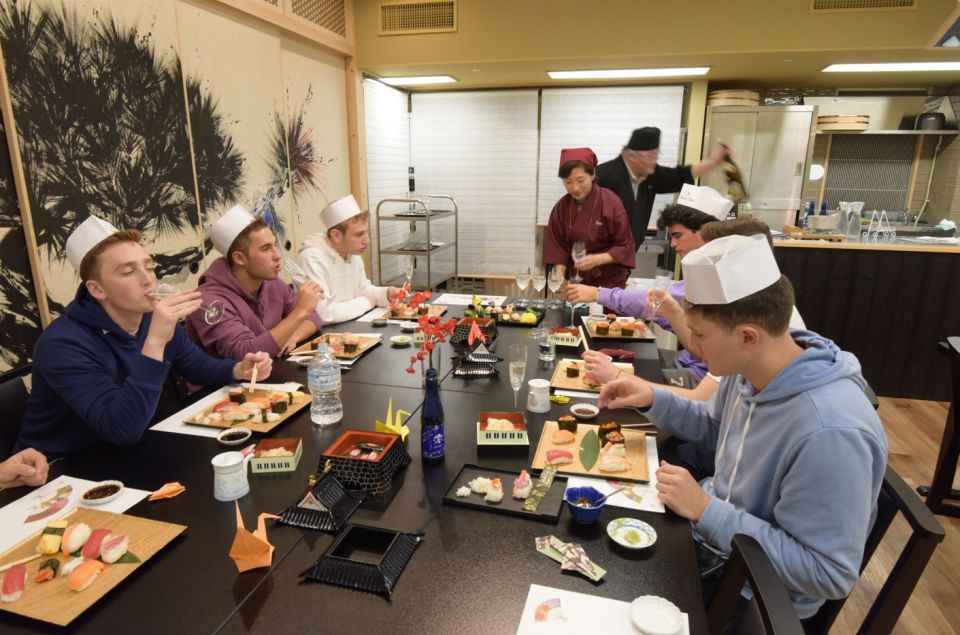
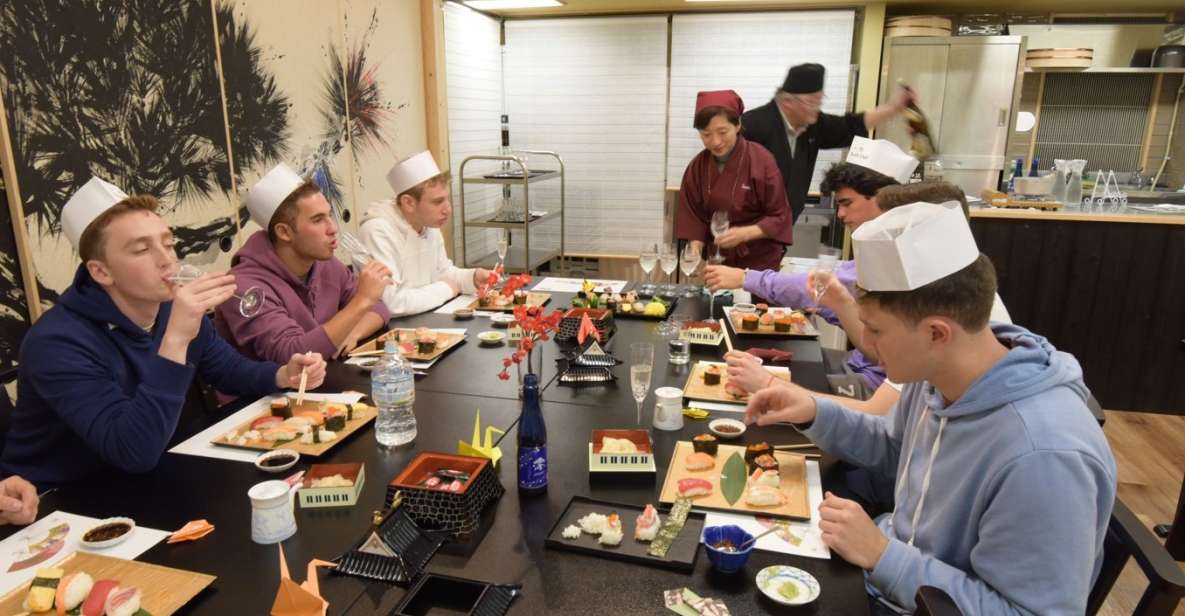
6) Eat your sushi and practise dining etiquette
You finish by sitting down with your sushi for a meal. You’ll also learn Japanese dining etiquette as part of the experience, so you’re not guessing at the table.
7) Take home two sushi-making kits
The workshop includes two kits, which is a big part of the value because you can practise again later without repeating a full class.
The Sushi Skills You Practise: Nigiri, Gunkan, and Hosomaki
Learning three sushi styles in one go is smart. You avoid the common workshop problem where you leave with one trick but no broader understanding of sushi form.
Nigiri zushi: Hand-shaped sushi with a steady touch
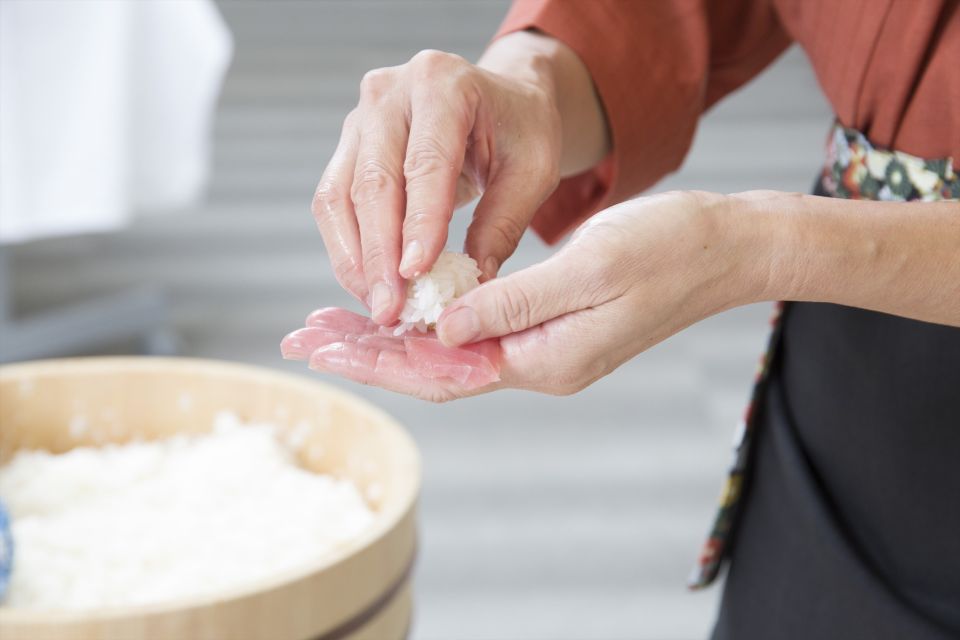
Nigiri is all about feel. The key is how you handle the rice and balance it with the topping. The workshop’s structure helps because you aren’t expected to magically know the technique. You practise the basic methods with guidance.
What you should take away:
- How the rice should look and hold
- How toppings sit without sliding
- The idea that presentation is part of the craft, not decoration





Gunkan maki: A roll that holds its filling
Gunkan maki teaches a different kind of precision because the shape is designed to carry filling. That means you’ll practise how to form the surrounding part so the inside stays put.
This is one of those techniques that makes sushi feel logical instead of mysterious. Once you understand the purpose of the form, you can approach it more confidently.
Hosomaki zushi: The classic thin roll
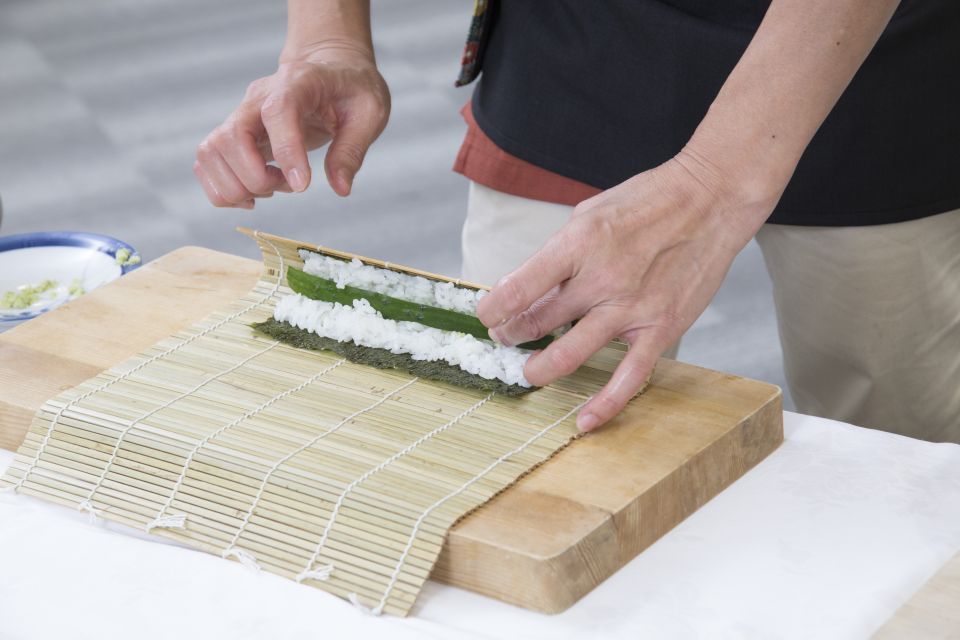
Hosomaki is a great skill-builder because it forces you to be consistent with filling placement and rolling technique. It’s also useful at home since thin rolls are easier to practise repeatedly.
If you’re the type who likes measurable progress, hosomaki is perfect. You can tell quickly when your roll is too loose, too tight, or uneven.
The “Photo-Worthy” Part That’s Actually Useful
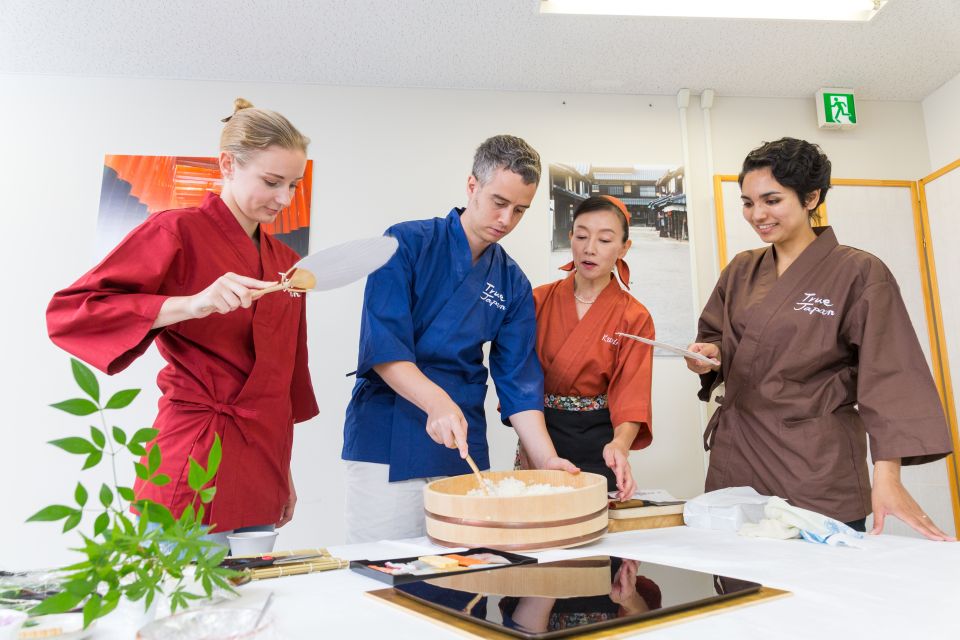
The workshop is built around making sushi that looks good, but the real point is that you’re practising technique that produces clean lines and proper structure.
When sushi shapes look right, it usually means:
- the rice handling worked
- your pressure and alignment were correct
- your roll or mound has the intended form
So yes, you’ll likely want to capture the results. But more important, you’ll get visual feedback that helps you improve for your next attempt at home, especially since you get two kits after.
Sauces and Sushi Condiments: Learning Pairings, Not Just Ingredients
One of the best parts of this class is that you don’t just make sushi. You also learn how it’s traditionally eaten with different sauces.
You’ll try a variety of flavors with sushi condiments that are traditionally paired with sushi. This is practical. If you only learn the mechanics of rolling and shaping, you might recreate the sushi but miss the balance of salty, savory, sweet, or tangy notes that make each bite work.
Think of this section as a mini flavor course: you learn what works with what, so your home attempts aren’t just guesses.
Japanese Dining Etiquette at the Table
You’ll sit down with your sushi for a meal and practise Japanese dining etiquette as part of the experience. This matters because sushi eating has cultural rhythm, not only culinary steps.
What I like about including etiquette here is that it ties directly to the food. You’re not learning rules in isolation. You’re applying them while eating what you made, so it feels natural and easier to remember.
Even if you’re an experienced traveler, dining etiquette can be a little intimidating. This format reduces that pressure because you’re guided during the meal.
Instructor Support and the Value of a Small Group
This is a small group experience, limited to 10 participants. In a hands-on class, that’s the difference between feeling coached and feeling like you’re in the way.
One of the standout points from the class feedback is that instructors explain steps clearly and assist you during the practise. That’s exactly what you want when sushi requires both motion and judgment (rice texture, pressure, and alignment).
If you’re nervous about cooking classes, this group size helps. You’ll still learn quickly, but you won’t feel lost.
Price and Value: Is $106 Worth Two Hours?
At $106 per person for a two-hour workshop, it’s not a bargain class. It’s also not a luxury gimmick. The value comes from what’s included:
- Workshop with a nationally-accredited sushi instructor
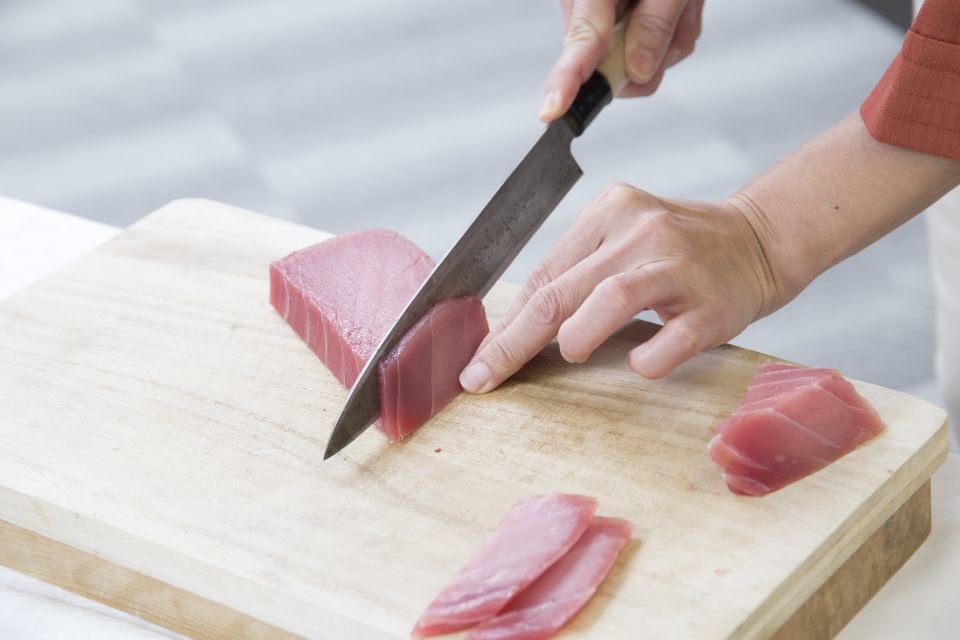
- Ingredients
- Sushi meal
- Two sushi-making kits to practise at home
When you count those items, the price starts to make more sense. A lot of cooking classes either focus on the demo and leave you with nothing to practise, or they give ingredients but don’t include take-home tools. Here you get both practice during the session and the chance to repeat the techniques later.
You should also factor in the location value. You’re near Tokyo Tower, so you’re not spending half the day travelling across the city just to do one activity. That saves time and money.
The one drawback on the cost side is logistics: there’s no hotel pickup and drop-off. If you’re staying far away, transport costs and time can add up.
Logistics That Matter: Getting There and Staying On Time
This is one of those Tokyo experiences where being on time keeps things smooth. The meeting point is specific: the main entrance of Kikai Shinko Kaikan on the 1st floor, and the backup is True Japan Tour Room B109 on the B1 floor.
You don’t need to do anything fancy, but do yourself a favor:
- Map the meeting point in advance
- Give yourself buffer time
- Have a screenshot of where to go in case you need the backup room
No hotel pickup means you own the first step. Once you’re inside, the workshop handles the rest.
Who This Sushi-Making Workshop Is Best For
You’ll probably love this workshop if you:
- want a clear, structured way to learn sushi at home
- like hands-on cooking with direct instructor help
- care about cultural dining etiquette, not just food
- value small group classes where you can ask questions
- want take-home kits, so you practise after Tokyo
It’s also a good choice for couples or small groups who want an activity that feels both fun and educational without being too long.
If you hate instruction and prefer to just eat, this might feel a bit “lesson-heavy.” But for most people, learning the craft makes the meal more satisfying.
Should You Book This Sushi Class?
I’d book it if you want more than a meal. The combination of three sushi techniques, a guided meal with etiquette, and two take-home kits makes it one of those activities where you leave with skills, not just photos.
Skip it if you’re not comfortable navigating Tokyo on your own to the meeting point, or if you want a longer experience with more variety beyond nigiri, gunkan, and hosomaki.
If you’re visiting Tokyo and want a memorable, practical cooking skill tied to Japanese dining culture, this sushi workshop is a strong choice.
FAQ
What types of sushi will I learn to make?
You’ll practise making nigiri zushi, gunkan maki, and hosomaki zushi during the workshop.
How long is the sushi-making experience?
The workshop lasts 2 hours.
How much does the workshop cost?
The price is $106 per person.
Is the instruction available in English?
Yes, the instructor is English-speaking.
What’s included in the price?
Included are the workshop with a nationally-accredited sushi instructor, ingredients, a sushi meal, and two sushi-making kits to practise at home.
Do I need to bring my own sushi kits or ingredients?
No. Ingredients and two sushi-making kits are included.
Where do I meet the instructor?
Meet at the main entrance of the Kikai Shinko Kaikan building on the 1st floor, opposite Tokyo Tower. If you can’t find the instructor, visit True Japan Tour (Room B109) on the B1 floor.
Is hotel pickup included?
No. Hotel pickup and drop-off are not included.
Is this experience wheelchair accessible?
Yes, the activity is wheelchair accessible.
Is there a cancellation policy?
Yes. It offers free cancellation up to 24 hours in advance for a full refund.
More Tour Reviews in Tokyo



Fresh reviews from around Tokyo






Tokyo, compared.
 ★ 5.0Mt Fuji and Hakone 1-Day Bus Tour Return by Bullet TrainFrom $16326,383 reviews
 ★ 5.01-Day Tokyo Bus TourFrom $12914,250 reviews
 ★ 4.6teamLab Planets TOKYO Digital Art Museum Entry TicketFrom $259,779 reviews
 ★ 4.0Mt Fuji & Hakone Cruise, Drum Show Bullet Train 1 Day from TokyoFrom $1497,413 reviews
 ★ 5.0Shinjuku Food Tour (13 Dishes at 4 Local Eateries)From $866,603 reviews
 ★ 4.4Tokyo Mt Fuji 5th St & Hakone Cruise Bus Tour w/Bullet TrainFrom $1545,024 reviews
 ★ 5.0Flagship 2-Hours Official Street Go-Kart Tour – Tokyo Bay ShopFrom $644,974 reviews
 ★ 4.5From Tokyo: Mount Fuji Full-Day Sightseeing TripFrom $684,970 reviews