
Reviewed · TOKYO
Sumo Practice Viewing Guided Tour and Photo with Sumo Wrestlers
Sumo practice feels like a secret workout. This guided visit to Tatsunami-beya lets you step into a real sumo training hall—one that’s treated as sacred—and watch the work up close during morning practice. You’ll also get a commemorative photo opportunity once the training ends.
I especially like that you’re guided by a National Government Licensed English guide interpreter, then supported by an audio guide so you can understand what you’re seeing without breaking the strict rules. I also like the practical setup: you sit on cushion seating over tatami mat flooring, so this isn’t just standing around for pictures.
One consideration: this is a very quiet, rule-heavy experience. You must stay seated, keep your phone off, avoid strong scents, and follow a long list of etiquette rules—so if you want lots of chatting and back-and-forth, this tour may feel more like disciplined observation than a casual show.
In This Review
- Key points worth knowing before you go
- Meeting Tatsunami-beya: the 8:30 AM start and shoe-off entrance
- Inside the stable: how strict etiquette keeps practice safe
- Seeing morning practice with an English guide and audio silence
- What you’ll actually watch at Tatsunami-beya
- After practice: photo time, Q&A corner, and exclusive merchandise
- Price and value: is $118.60 worth it?
- Who this suits best (and who might feel boxed in)
- Should you book this Tatsunami-beya practice tour?
- FAQ
- How long is the sumo practice viewing tour?
- What language support do I get?
- Is talking allowed during the practice?
- Do I need to take off my shoes?
- Is there a photo included with sumo wrestlers?
- Will the yokozuna definitely appear?
- Can I bring a stroller or suitcase?
- What if I need to cancel?
Key points worth knowing before you go
- Tatsunami-beya access: You watch at a stable where wrestlers live and train every day
- No talking during practice: Explanations come via an audio guide while you stay silent
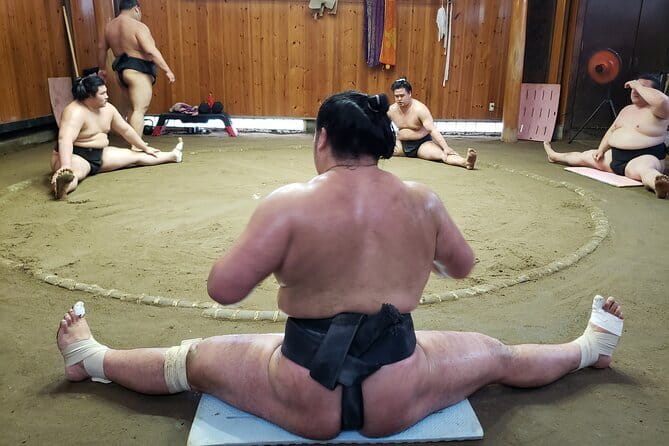
- Tatami cushion seating: You sit on the wooden floor setup with cushions (chairs available if requested)
- Photo moment after practice: You get a commemorative photo with the wrestlers
- Yokozuna may not appear: The stable has an active yokozuna, but sightings aren’t guaranteed
- Small-group vibe: The group is capped at 45 people, so you’re not swallowed by a crowd
Before you commit, see how this one stacks up against a few Tokyo favourites:
- Mt Fuji and Hakone 1-Day Bus Tour Return by Bullet Train★ 5.0 · 26,383 reviews
- 1-Day Tokyo Bus Tour★ 5.0 · 14,250 reviews
- Tokyo: teamLab Planets TOKYO Digital Art Museum Entry Ticket★ 4.6 · 9,779 reviews
Meeting Tatsunami-beya: the 8:30 AM start and shoe-off entrance
The tour starts at 8:30 am at Tatsunami-beya Sumo Stable, 1-chōme-16-5 Hashiba, Taito City. This matters because morning practice is the point—arriving late isn’t just inconvenient; it can throw off the flow of a quiet, tightly managed visit.
Getting there is straightforward. Tatsunami Stable entrance is about a 30-minute walk from Asakusa Station, and you can also reach it by bus (Toei Bus East 42-Ko route or the Taito Ward Kita-Megurin loop bus). It’s listed as near public transportation, and you’ll want to build in time for the walk-in and the shoe routine.
Before you go in, plan for a few practical realities. The training hall is a place you enter respectfully: you’ll take off your shoes and keep them neatly in place, and strollers or large baggage like suitcases can’t be brought inside. If you’re the type who needs a last-minute restroom stop, use it before you enter since restroom availability is limited.
Inside the stable: how strict etiquette keeps practice safe
This isn’t a museum where you can roam. The stable training hall is treated like a sacred space, and that shows up in the rules—rules that exist to protect wrestlers and keep practice from turning chaotic.
During practice viewing, talking is prohibited and whispering is included in that no-sound approach. You also won’t be allowed to stand up or move around, and it’s strictly forbidden to step on the ring or touch the wrestlers without permission. Even small body language cues matter, like not stretching your legs toward the ring since showing the soles of your feet is considered impolite.
You’ll also want to adjust your personal habits. No eating or drinking is allowed during the visit, and you should keep your phone silent or turned off and avoid flash photography. Strong scents are also a problem—excessive perfume or fabric softener scent is prohibited—so go easy and keep what you’re wearing neutral.
And yes, clothing accessories matter too. Remove hats and sunglasses inside; it’s considered rude. The tour also explicitly notes that if you have difficulty sitting, chairs are available—just request it in advance in the remarks so they can plan for you.
Seeing morning practice with an English guide and audio silence
The tour blends two kinds of help: a live explanation and a self-paced style of listening. Before practice viewing, your National Government Licensed English guide interpreter provides basic information so you understand the etiquette and what to look for.
Then comes the main event: seated viewing with an audio guide service. While talking is strictly prohibited during practice, you can listen to explanations from the licensed guide interpreter through the provided audio, which is the key to making this feel more than just silent watching.
This setup is part of what makes the experience feel authentic. In most sumo situations you’re either watching a formal event or standing behind barriers. Here, the rules encourage you to observe the way people in the stable would—quietly, from your spot, tuned into the rhythm of training.
Timing also has a built-in rhythm you should expect. The practice viewing portion is listed around 45 minutes, but the actual time can be shorter or longer depending on how many wrestlers are training that day. The overall tour duration is about 1 hour 20 minutes to 2 hours, so build your morning around a little flexibility rather than a hard schedule.
What you’ll actually watch at Tatsunami-beya
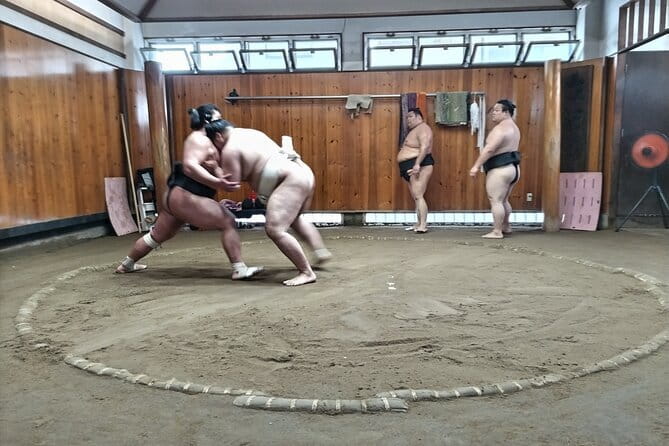
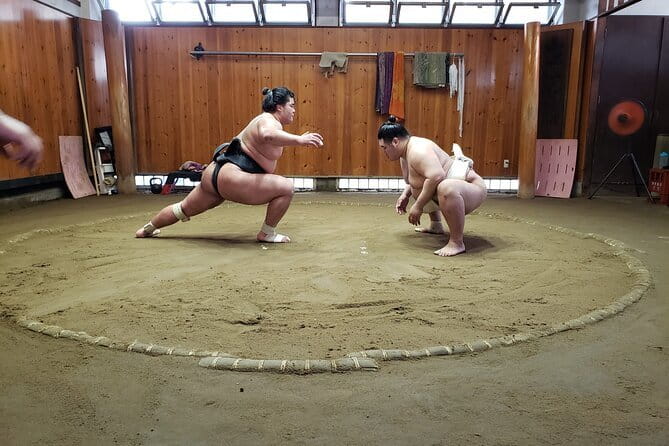
Sumo isn’t just dramatic throws—it’s repetition, discipline, and conditioning. In this stable practice viewing, you watch wrestlers train for the Grand Sumo Tournament, which happens six times a year, and that context makes the work feel more intentional than random “workout time.”
You’ll sit on the wooden floor area used for viewing. The description emphasizes an up-close look, and the stable’s closeness is the whole point. Expect to see the wrestlers in training mode, and expect the group size to vary: on some days the practice group may feel small enough that it’s easy to focus on details rather than losing them in a crowd.
There’s also a special factor in this specific stable: it’s home to an active yokozuna, the highest rank in professional sumo. But the tour notes an important truth—the yokozuna does not appear at every practice session. That means you shouldn’t book this expecting a guaranteed celebrity sighting, even if the stable’s status gives you a real possibility.
One more thing to calibrate your expectations: this tour is more about watching and learning than about interactive theatrics. If what you want is a lively Q&A mid-practice, you’ll find the silence is the design. The payoff is that you get to experience the seriousness of training without constant interruption.





After practice: photo time, Q&A corner, and exclusive merchandise
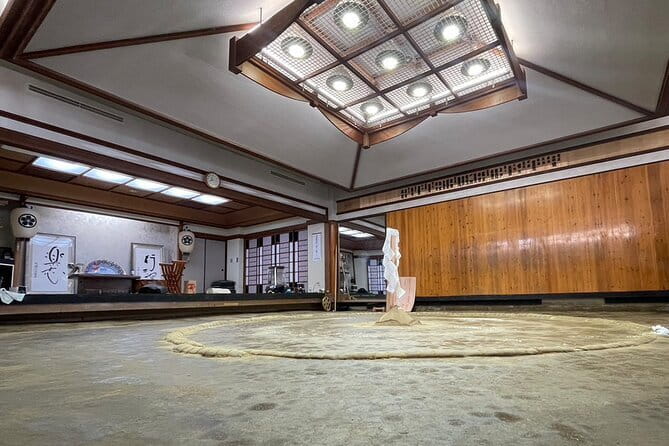
When practice wraps, the tour shifts gears. You get time for a commemorative photo with sumo wrestlers, plus a viewing moment related to personal belongings, followed by a Q&A corner.
That photo segment is why many people book this in the first place, but it’s also a useful way to reset your mindset after the strict quiet. Before the photo, you’ve been treating the hall like a sacred workspace. After, the atmosphere becomes a little more human—still respectful, but with room for questions.
There’s also shopping value here. JTB Sunrise Tours original merchandise is included, and you’ll have access to exclusive mementoes connected to the stable visit. You’re not going to find this kind of item at the usual tourist stops, so it’s a real souvenir win if you like collecting things tied to a specific moment rather than generic Tokyo branding.
Price and value: is $118.60 worth it?
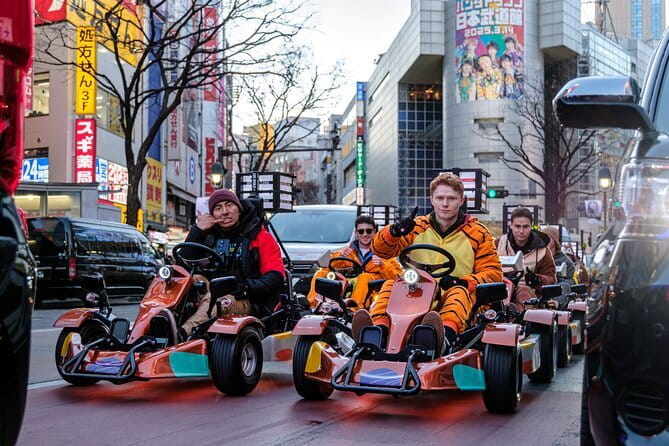
$118.60 per person is not a cheap add-on in Tokyo, so you have to judge it by what you’re buying—not by how long the tour lasts.
For that price, you get more than entry. It includes a National Government Licensed English guide interpreter, an audio guide service, the sumo stable practice viewing ticket, and the commemorative photo with the wrestlers. It also includes original merchandise from JTB Sunrise Tours. In other words, the cost isn’t just for access—it’s paying for interpretation, on-site organization, and the structured photo experience.
The “value math” gets even clearer when you factor in rarity. Few travelers get behind-the-scenes access to a working sumo stable, and that’s exactly what this is: a look inside a daily training environment. If you’re the kind of visitor who values cultural etiquette and real-world practice over big-ticket spectacle, this is priced like a premium experience for a reason.
Who this suits best (and who might feel boxed in)
This tour works best if you’re comfortable with a quiet structure and you like observing how traditions run day-to-day. It’s ideal for people who care about etiquette, want context for what they’re watching, and appreciate that “silence” is part of the respect.
It also fits well for anyone who wants an English-friendly explanation without talking during practice. The audio guide approach is designed for exactly that, and the cushion seating on tatami mat flooring makes it more realistic to sit for the viewing time.
It may not fit everyone. If you’re hoping for a lively, chatty guide moment during the practice itself, the no-talking rule limits that. One visitor may wish it had more going on beyond seated observation, and that’s a fair way to think about the format.
Age rules matter too. Children 0–3 years old may not join. For minors, parental permission in writing is necessary for all participants under eighteen, and anyone under fifteen or not yet enrolled in middle school must be joined by a parent or guardian.
For comfort, take the seating seriously. Cushions help, and chairs are available if you request them in advance, but you should still be prepared to sit still and follow instructions closely. If you have mobility concerns, this is a good question to address early rather than hoping it’ll work out on the day.
Should you book this Tatsunami-beya practice tour?

If you want a disciplined look at a living sumo stable—and you can handle strict etiquette—book it. This tour gives you access to the training world, guided explanation in English, and a real photo moment tied to that experience, all with a small-group feel capped at 45 people.
Don’t book with the mindset of a flexible, talk-every-minute attraction. Build your morning around silence, shoe removal, and careful behavior like no perfume, no flash, and no shifting around. Also, remember the yokozuna isn’t guaranteed at every practice, so treat that as a bonus possibility rather than a promise.
FAQ
How long is the sumo practice viewing tour?
The tour is listed at about 1 hour 20 minutes to 2 hours. Practice viewing is about 45 minutes, but it can be shorter or longer depending on the number of wrestlers practicing that day.
What language support do I get?
You’ll have a National Government Licensed English guide interpreter and also an audio guide service during the practice, which helps since talking is prohibited while viewing.
Is talking allowed during the practice?
No. Talking and whispering are strictly prohibited during practice viewing, and you should rely on the audio guide for explanations.
Do I need to take off my shoes?
Yes. You must take off your shoes when entering, and keep them neatly in place.
Is there a photo included with sumo wrestlers?
Yes. After the practice, you’ll have time for a commemorative photo with the sumo wrestlers.
Will the yokozuna definitely appear?
No. The tour notes that the yokozuna does not appear at every practice session, so plan for the possibility that you may not see them.
Can I bring a stroller or suitcase?
No. Strollers and large baggage such as suitcases cannot be brought into the sumo stable.
What if I need to cancel?
You can cancel for a full refund if you cancel up to 24 hours before the experience’s start time. If you cancel less than 24 hours before, the amount paid is not refunded.
More Tour Reviews in Tokyo



Fresh reviews from around Tokyo






Tokyo, compared.
 ★ 5.0Mt Fuji and Hakone 1-Day Bus Tour Return by Bullet TrainFrom $16326,383 reviews
 ★ 5.01-Day Tokyo Bus TourFrom $12914,250 reviews
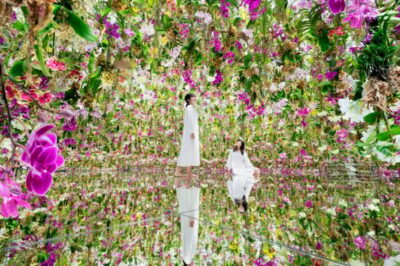 ★ 4.6teamLab Planets TOKYO Digital Art Museum Entry TicketFrom $259,779 reviews
 ★ 4.0Mt Fuji & Hakone Cruise, Drum Show Bullet Train 1 Day from TokyoFrom $1497,413 reviews
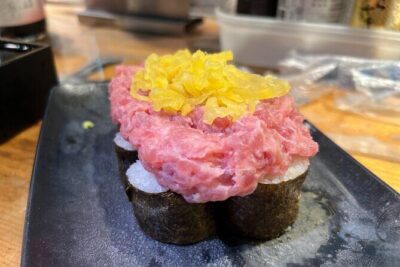 ★ 5.0Shinjuku Food Tour (13 Dishes at 4 Local Eateries)From $866,603 reviews
 ★ 4.4Tokyo Mt Fuji 5th St & Hakone Cruise Bus Tour w/Bullet TrainFrom $1545,024 reviews
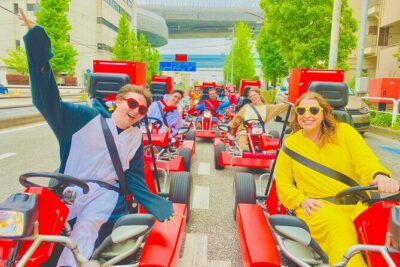 ★ 5.0Flagship 2-Hours Official Street Go-Kart Tour – Tokyo Bay ShopFrom $644,974 reviews
 ★ 4.5From Tokyo: Mount Fuji Full-Day Sightseeing TripFrom $684,970 reviews