
Reviewed · TOKYO
Special sushi rolls only available in Japan Making Experience
Design sushi makes Tokyo feel hands-on.
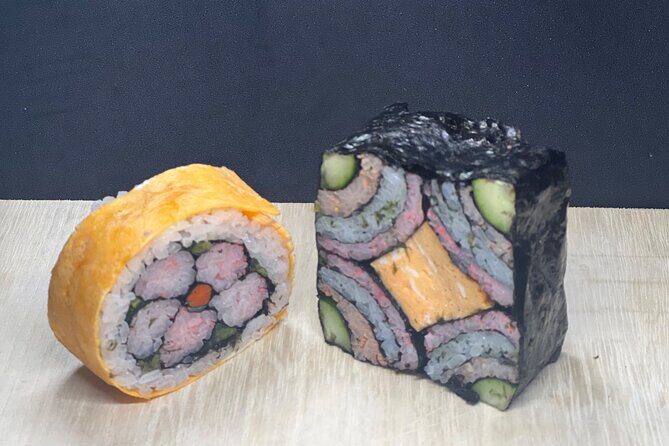
This private sushi class is a fun break from standard sightseeing. You get one-to-one tuition, and you’ll build photogenic designer rolls with patterns you can actually see when the pieces are cut. It’s also convenient: the ingredients are provided, and you leave with your sushi in takeout containers.
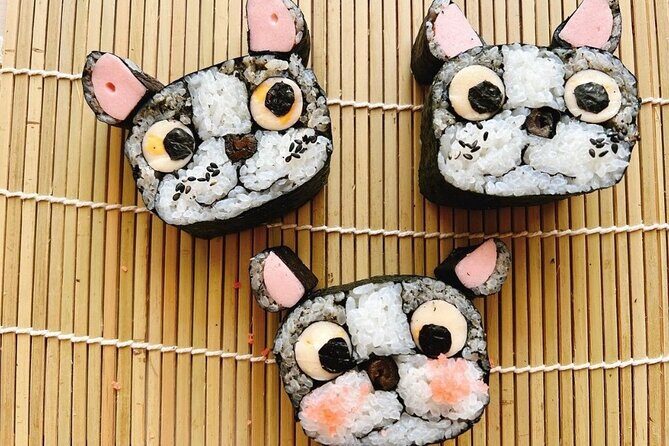
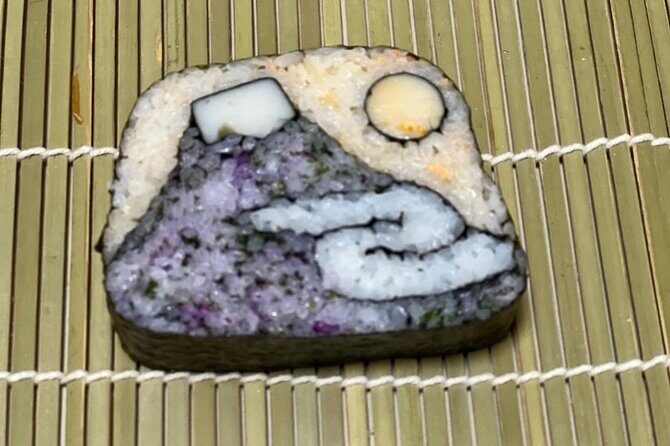
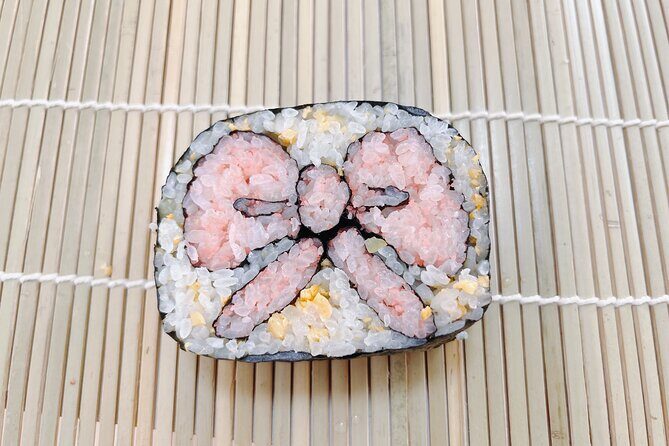
Two things I like a lot are the creative choices (minions, flowers, animals, Mount Fuji views, dogs, cats) and the fact that the lesson is patient and step-by-step. One thing to consider is the meetup area: it starts in Shinkashiwa (Kashiwa, Chiba), so you may want to plan extra transit or request a Tokyo-area kitchen near Asakusa or Skytree.
In This Review
- Key highlights you can plan around
- Why a private designer maki class beats a sushi dinner
- Getting there: Shinkashiwa meetup, with Asakusa/Skytree options
- The 2-hour flow: from colored rice to rolls cut into visible patterns
- Pick your characters: minions, flowers, animals, and Fuji views
- One-to-one coaching with tutor Yumi (and how patience shows up)
- Small-group vs communal kitchen: why the setting matters
- Take-home sushi and the included coffee, tea, and snacks
- Price check: is $40.97 worth it for private instruction?
- Who this sushi class is perfect for
- Should you book this sushi-making experience?
- FAQ
- How long is the sushi-making experience?
- Is this class private?
- Where does the experience start?
- Where do you end the experience?
- Do I get to choose the sushi roll designs?
- What do we make during the class?
- Do I get takeout sushi to bring home?
- Are coffee, tea, or snacks included?
- Can the class location be changed if Shinkashiwa is too far?
- What is the cancellation policy?
Key highlights you can plan around
- Private, one-to-one instruction so you can ask questions as you go
- Designer sushi rolls with visible patterns, like flowers, animals, and characters
- Colored rice step where you mix rice with ingredients before rolling
- Private setting changes: small groups go to the host family home; larger groups use a communal kitchen
- Take-home sushi in wrapping and containers, plus coffee, tea, and snacks
Before you commit, see how this one stacks up against a few Tokyo favourites:
- Mt Fuji and Hakone 1-Day Bus Tour Return by Bullet Train★ 5.0 · 26,383 reviews
- 1-Day Tokyo Bus Tour★ 5.0 · 14,250 reviews
- Tokyo: teamLab Planets TOKYO Digital Art Museum Entry Ticket★ 4.6 · 9,779 reviews
Why a private designer maki class beats a sushi dinner
Tokyo has plenty of sushi meals. This is different. You’re not just eating the art—you’re making it. That turns sushi from a restaurant experience into a skill you can repeat later, and it gives you something real to talk about when you’re back on the train.
The “designer roll” concept matters too. Instead of simple maki, you’re building themed patterns and characters. That forces you to understand the basics—rice handling, seaweed cutting, layering rice and decorations—without turning the class into a dry cooking lecture.
Also, the vibe is personal. Since it’s private and only your group joins, the pace stays comfortable. You’re more likely to get that “slow down, fix it here” guidance that makes your roll look good instead of rushed and messy.
Getting there: Shinkashiwa meetup, with Asakusa/Skytree options
Your class starts at Shinkashiwa Clinic in Kashiwa, Chiba, and you return there at the end. It’s near public transportation, which helps. Still, it’s not the center of Tokyo, so if you’re staying far out, you’ll want to check transit time before you book.
Good news: there’s a workaround. If Shinkashiwa feels too far, you can ask to enter in a Tokyo-area setting, with kitchens suggested near Asakusa and Skytree. You’ll need to send a special request about where you want the class to happen. The note here is that kitchens can be rented for a fee, so that’s the only part you’d have to budget for if you switch locations.
Plan for this like any local lesson: show up a little early so you can settle in and start calm. A two-hour class moves fast once the rice goes on the counter.
The 2-hour flow: from colored rice to rolls cut into visible patterns
The class runs about 2 hours, and you’ll follow a clear sequence. Even if it’s your first time making sushi, the structure is designed so you’re never stuck wondering what happens next.
Here’s what the timeline feels like:
First, you mix rice with ingredients to make colored rice. This is where the themed look starts. Colored rice isn’t just for show; it teaches you how to handle sticky rice neatly so the layers don’t smear.
Next comes the prep work: you’ll cut the seaweed and get everything ready for layering. Then you assemble the roll: colored rice goes in, along with decorations that match your chosen design. This is the part where your hands learn the rhythm—pressing gently, keeping the roll tight, and lining things up so the pattern reads when sliced.
Then comes the payoff. You roll it up, and later you’ll cut the roll into four pieces, which reveals the pattern you made—like a flower, animal, or character style. That cut moment is exactly why the designer approach works. You can see what you did right away.
After rolling and cutting, your sushi gets wrapped for takeout so you can bring it home. The class also includes time to relax with coffee, tea, and snacks before you head back to the pickup point.
Pick your characters: minions, flowers, animals, and Fuji views
One of the best parts is that you can choose imaginative designs, not only traditional sushi shapes. The menu of ideas includes minions, flowers, Mount Fuji views, dogs, and cats. You’re not just picking a color; you’re picking a look you’ll build into the roll.
Design choice also changes what you pay attention to during assembly. For instance:
- If your design is character-based, you’ll care more about placement and consistent layering.
- If it’s more floral or animal-themed, you’ll focus on how decorations line up so they show cleanly in the cut pieces.
In one of the sessions, people made a Santa-themed roll style, which shows how flexible the class can feel if your plan includes holiday or fun character themes.
If you’re traveling with kids or just want something playful, this is the point. Sushi gets less intimidating when it looks like a cat or a character instead of a strict traditional roll.





One-to-one coaching with tutor Yumi (and how patience shows up)
The lesson is taught by Yumi (from the experience details and the class feedback). The difference with private instruction is that you can ask questions in real time instead of trying to copy what others are doing.
Yumi’s teaching style shows up as practical patience. In real sessions, families and beginners have benefited from step-by-step guidance—especially when there’s a child or two in the group. That doesn’t mean it’s a watered-down class. It means the pace is adjusted so you can get the technique right.
If you’re a first-timer, you’ll appreciate that the class doesn’t assume you already know how to handle rice or roll tight maki. You get prompts and corrections as you build. That’s also why the class is worth it even though it’s short: you’re using skilled coaching during the only time that matters—while your hands are learning.
And because it’s private, you can tailor the questions to what you care about: texture of rice, how tightly to roll, how to avoid squishing the decoration, or how to make the cut pieces look like they’re supposed to.
Small-group vs communal kitchen: why the setting matters
You’ll likely start by meeting at Shinkashiwa Clinic. From there, where you cook depends on group size.
If you book a small group amount of people, you’ll head to Yumi’s parents house. That often changes the feel of the experience. Home settings tend to feel more relaxed, like a workshop. If your class is larger, you’ll move to a communal kitchen instead, which can feel more structured and busy, but still guided.
Either way, you’re learning the same core steps—colored rice, seaweed prep, decoration placement, rolling, and the cut reveal. The setting mainly affects the atmosphere and how quickly you get hands-on space.
If you’re the type who likes quieter, more personal environments, this is something to consider when you book with companions.
Take-home sushi and the included coffee, tea, and snacks
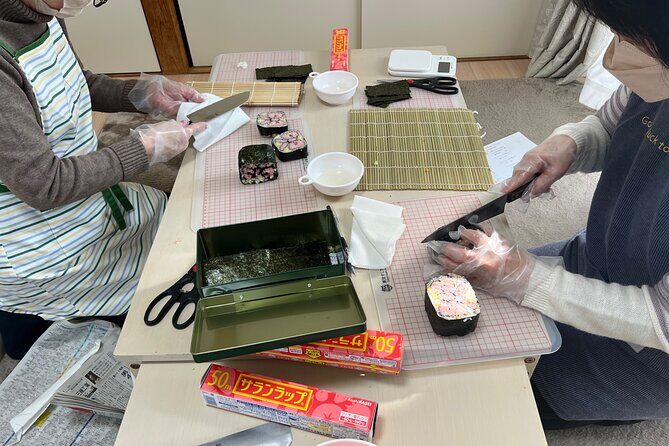
Most cooking classes stop at the tasting. This one goes further. You’ll wrap the rolls so you can take your sushi away in containers prepared for you.
That’s a practical Tokyo travel detail: you can turn your class into a meal later. You won’t have to hunt for food immediately after. And your sushi stays portioned for sharing, which makes it easier if you’re traveling with a group.
The class also includes time with coffee, tea, and snacks after you’re done rolling. That’s not just “nice.” It gives you a chance to cool down after handling sticky rice and hot prep items, and it’s a social break without turning the lesson into a long dinner event.
Price check: is $40.97 worth it for private instruction?
At $40.97 per person for about 2 hours, the value comes from what’s included and what’s private.
You’re paying for:
- one-to-one tuition (not a big class where you wait your turn)
- ingredients provided by the instructor
- guidance through colored rice, layering, rolling, and the cut
- take-home containers and wrapping
- coffee, tea, and snacks
If you’ve done group cooking classes before, you know the trade-off: you might learn techniques but you don’t always get personal fixes. Here, the price reflects the fact that your instructor can watch what your hands are doing. That’s the real value in sushi-making—small adjustments decide whether the roll looks clean and intentional.
It’s also smart that you’re not paying extra for the creative design concept. You’re choosing patterns like minions, animals, flowers, and Fuji views, and the class supports that creativity with the materials.
One booking tip: the average is about 56 days in advance. That doesn’t mean you must plan that far ahead, but designer roll classes can sell out, especially on busy dates. If you have a specific design idea in mind, booking earlier increases your odds.
Who this sushi class is perfect for
This experience fits best if you want a hands-on Tokyo activity that feels personal and photo-worthy.
You’ll enjoy it if:
- you’re a beginner and want step-by-step instruction
- you like playful, themed food (cats, dogs, minions, flowers)
- you want something more memorable than another sushi meal
- you’re traveling with kids and want a patient, guided activity (the class has handled families with young daughters before)
- you want to learn techniques you can repeat at home
You might want to skip or rethink if:
- you only want central Tokyo sightseeing and don’t want to travel to the Shinkashiwa area
- you dislike anything hands-on (you will roll and cut; it’s not a watch-and-snack situation)
Should you book this sushi-making experience?
I’d book it if you want your Tokyo trip to include a skill, not just a photo. The private setup and Yumi’s step-by-step coaching make a big difference, and the designer rolls give you that instant “we made this” satisfaction when the four pieces reveal your pattern.
Book it especially if you’re going with friends or family and you want everyone to do the work. The take-home wrapping means you don’t lose time hunting for dinner afterward.
Just be honest about the location. If Shinkashiwa doesn’t work for your schedule, send the special request early so you can target a Tokyo-area kitchen near Asakusa or Skytree.
If that logistics part fits, this is a fun, genuinely doable way to learn sushi-making while building something silly-cute and beautiful at the same time.
FAQ
How long is the sushi-making experience?
It lasts about 2 hours.
Is this class private?
Yes. It’s a private experience, and only your group participates.
Where does the experience start?
It starts at Shinkashiwa Clinic, 1-chōme-4-5 Shinkashiwa, Kashiwa, Chiba 277-0084, Japan.
Where do you end the experience?
The experience ends back at the meeting point.
Do I get to choose the sushi roll designs?
Yes. You can choose imaginative designs such as minions, flowers, Mount Fuji views, dogs, or cats.
What do we make during the class?
You’ll mix rice for colored rice, cut the seaweed, assemble and roll the sushi with decorations, then cut the roll into four pieces to show the pattern you made.
Do I get takeout sushi to bring home?
Yes. Takeout containers are provided, and the rolls are wrapped so you can take them home.
Are coffee, tea, or snacks included?
Yes. After you make the rolls, you can relax with coffee, tea, and snacks.
Can the class location be changed if Shinkashiwa is too far?
You can make a special request to enter near Tokyo areas like Asakusa and Skytree. Kitchens can be rented for a fee.
What is the cancellation policy?
You can cancel for free up to 24 hours in advance for a full refund. Changes within 24 hours of the start time aren’t accepted.
More Tour Reviews in Tokyo



Fresh reviews from around Tokyo






Tokyo, compared.
 ★ 5.0Mt Fuji and Hakone 1-Day Bus Tour Return by Bullet TrainFrom $16326,383 reviews
 ★ 5.01-Day Tokyo Bus TourFrom $12914,250 reviews
 ★ 4.6teamLab Planets TOKYO Digital Art Museum Entry TicketFrom $259,779 reviews
 ★ 4.0Mt Fuji & Hakone Cruise, Drum Show Bullet Train 1 Day from TokyoFrom $1497,413 reviews
 ★ 5.0Shinjuku Food Tour (13 Dishes at 4 Local Eateries)From $866,603 reviews
 ★ 4.4Tokyo Mt Fuji 5th St & Hakone Cruise Bus Tour w/Bullet TrainFrom $1545,024 reviews
 ★ 5.0Flagship 2-Hours Official Street Go-Kart Tour – Tokyo Bay ShopFrom $644,974 reviews
 ★ 4.5From Tokyo: Mount Fuji Full-Day Sightseeing TripFrom $684,970 reviews