
Reviewed · TOKYO
Small Group Sushi roll and Tempura Cooking Class in Nakano
Cooking hits different when it is done at someone’s home. In Nakano, you get a hands-on small-group class where you make sushi rolls and tempura, then eat what you make. The best part is the focus: techniques, not just plates.
I especially liked the way the class starts with fundamentals, from Japanese rice for sushi to the supporting cast like dashi and nori. You learn why each ingredient matters, then you apply it right away with guidance from your host, Eri.
One consideration: you are cooking for about 2 hours 30 minutes, so it is not a quick snack-and-walk experience. If you want a low-effort tour, bring your appetite for instruction.
In This Review
- Key highlights you will actually use later
- A Nakano home kitchen with real Tokyo rhythm
- Meeting near JR Asagaya: how to keep it stress-free
- Sushi foundations: rice, dashi, nori, and why texture matters
- Rolling three sushi rolls: more practice than a restaurant meal
- Tempura cooking: choose your ingredients and learn the crispy finish
- Eating together: Itadakimasu and the taste lesson
- Price and value: what $160 buys you in Tokyo
- Who should book this class in Nakano
- Should you book? My practical call
- FAQ
- How long is the sushi roll and tempura cooking class?
- Where is the class held?
- What’s the meeting point?
- Is this class private?
- How many sushi rolls will I make?
- What tempura will I make?
- Can I choose my ingredients?
- Are vegetarian or dietary restrictions accommodated?
- Do I get recipes to take home?
- Is there free cancellation?
Key highlights you will actually use later
- Home-kitchen learning in Nakano instead of a crowded studio vibe
- Sushi rice tips that help you nail texture and flavor at home
- Rolling and cutting practice with support as you build each roll
- Choose your fillings for sushi and tempura (including seafood and vegetables)
- Fluffy, crispy tempura technique you can repeat, not just taste
- Take-home recipes so you are not starting from scratch later
Before you commit, see how this one stacks up against a few Tokyo favourites:
- Mt Fuji and Hakone 1-Day Bus Tour Return by Bullet Train★ 5.0 · 26,383 reviews
- 1-Day Tokyo Bus Tour★ 5.0 · 14,250 reviews
- Tokyo: teamLab Planets TOKYO Digital Art Museum Entry Ticket★ 4.6 · 9,779 reviews
A Nakano home kitchen with real Tokyo rhythm
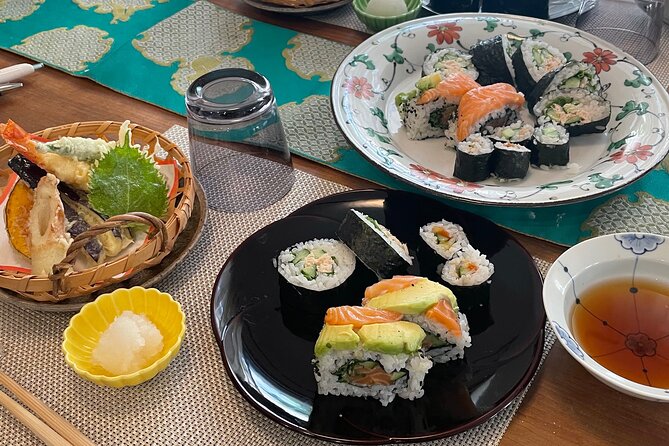
This class is held in the host’s home in the Nakano area. That matters more than it sounds. In a home kitchen, the pace is comfortable, and questions come naturally. You are not watching from the sidelines while someone else does the work.
Before the cooking starts, you get an explanation of key Japanese ingredients like sushi rice components, dashi, and nori (seaweed sheets). That is a big deal for value. If you only learn the final steps, you end up copying a method you do not understand. Here, you build a mental map of what changes taste.
The instructor, Eri, sets a welcoming tone. In the class experience I’m describing here, the hospitality comes through quickly: clear communication before class and then a smooth, on-time start so you feel settled rather than rushed. She also supports your hands-on learning, which is exactly what you want in a skill-based class.
You also set the table in a Japanese style setup and say Itadakimasu before eating. It’s a small ritual, but it helps you shift into the right mindset: this is training, yes, but you also get to savor the result.
Meeting near JR Asagaya: how to keep it stress-free
The meeting point is at NewDaysJapan, 166-0004 Tokyo, Suginami City, Asagayakita, 3-chōme 南3361, specifically the JR Asagaya Station area. It’s listed as 2F near the ticket gate outside concourse.
This kind of detail matters because it is easy to arrive at the station but still feel uncertain. My practical advice: screenshot the meeting address and use station signage to find the 2F area. If you are running from a different part of Tokyo, give yourself a few buffer minutes. Even with strong host communication, you do not want to arrive sweaty and late.
Sushi foundations: rice, dashi, nori, and why texture matters
The class begins with the building blocks of sushi. You get tips on making sushi rice so it tastes right and behaves right when you roll it. That includes guidance on how the rice is prepared for sushi purposes, since texture is everything.
In sushi, the rice is not filler. It is the engine. If the rice is off, everything else feels off too. The class focuses on getting that correct. You learn far beyond toppings or fish. You learn how rice should feel, how it should stick, and how it supports what comes next.
You also get ingredient context:
- Nori is introduced as the seaweed sheet you will roll with, including what it does in the structure of the roll.
- Dashi is part of the Japanese flavor logic, so it makes sense when you see how Japanese seasoning shows up in the meal.
- Japanese ingredient explanations also help you recognize what you are shopping for later.
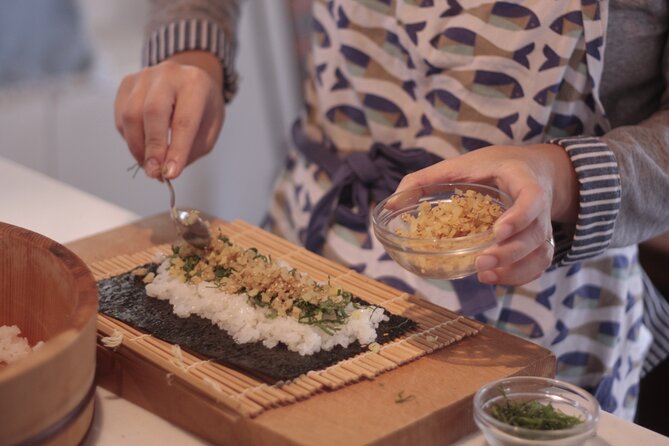
Then you move from explanation to execution. This is where the lesson turns from interesting to useful. You get to practice rolling and handling the materials with support.
Rolling three sushi rolls: more practice than a restaurant meal
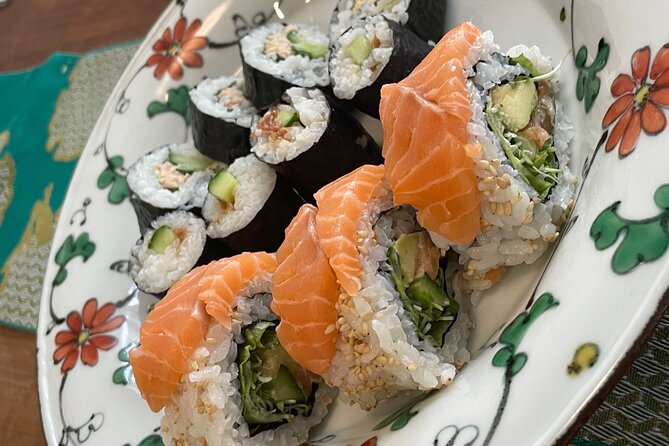
After the fundamentals, you learn how to make three different sushi rolls. The class is designed so you are not just watching someone assemble a roll. You’re actually working with the ingredients.
There’s a key ingredient you get to control: you can choose what goes into your sushi rolls. That choice makes the class more fun, but it also teaches a real skill. You learn how different fillings affect rolling and cutting, not just taste.
The instructor shows tips for rolling sushi nicely. This usually means you learn how to keep shape, how to avoid gaps, and how to keep the roll tidy from start to finish. You also learn how to cut sushi beautifully. Knife skills sound simple until you try them. Even small improvements change the way your roll looks and how the bite comes together.
As you roll, you get support. That is the practical difference between a workshop and a home cooking video. If something feels awkward, you can ask. If a step is going wrong, you get correction before it turns into a messy roll marathon.





Tempura cooking: choose your ingredients and learn the crispy finish
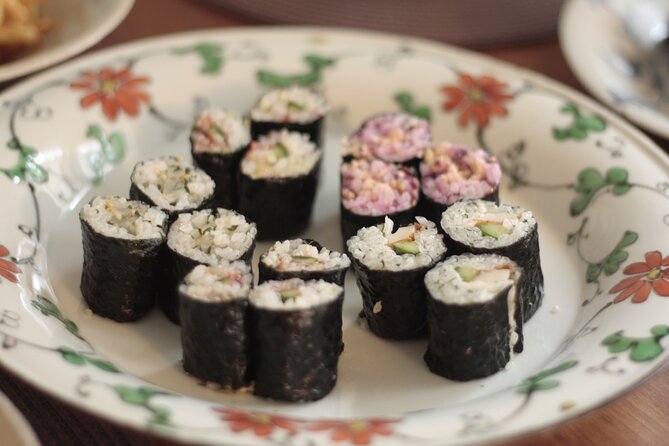
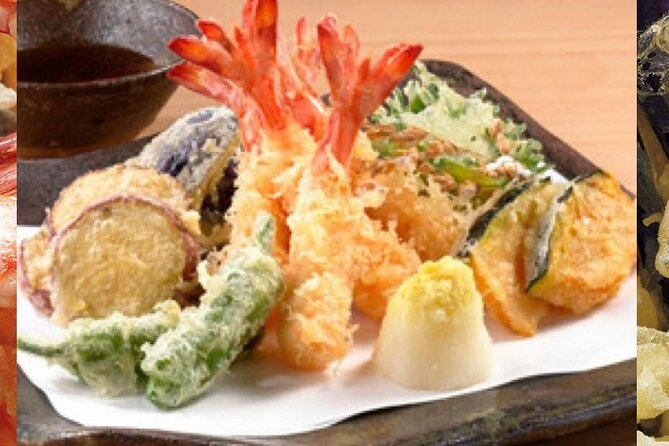
Then it’s tempura time. You make deep-fried seafood and vegetable tempura, and yes, the goal is tempura that stays fluffy and crisp.
What I like about this part is that it is not treated like a mystery recipe. You get guidance as you cook, so you can understand what leads to the final texture. Tempura success is about batter behavior and frying technique, not just having the right ingredients.
You also get choices. You can select what you want in your tempura, including seafood and vegetables. That means you can tailor the class to your tastes. If you like certain flavors more than others, you can actually build your plate around that preference.
The instructor supports you as you make the tempura. So even if you have never deep-fried anything at home, you are not thrown in blindly. You learn the process with a safety net and coaching.
And since tempura is best eaten fresh, you’re getting to taste it in the right moment: when it still has that crisp energy.
Eating together: Itadakimasu and the taste lesson
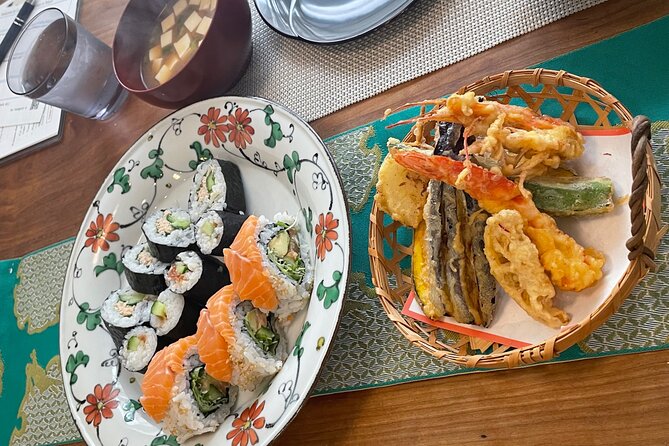
After you finish cooking, you sit down and enjoy your meals. You say Itadakimasu, then you taste what you made.
This part is more than just eating. It’s feedback. When you taste, you start noticing what the class was aiming for:
- Does the sushi rice balance the fillings?
- Does the nori hold up properly?
- Does the tempura have that contrast between airy inside and crisp outside?
You also leave with recipes, which turns the meal into a study guide for home. That is where the value really lands. It’s one thing to have a fun afternoon in Tokyo. It’s another thing to be able to recreate the experience later without guessing.
Price and value: what $160 buys you in Tokyo
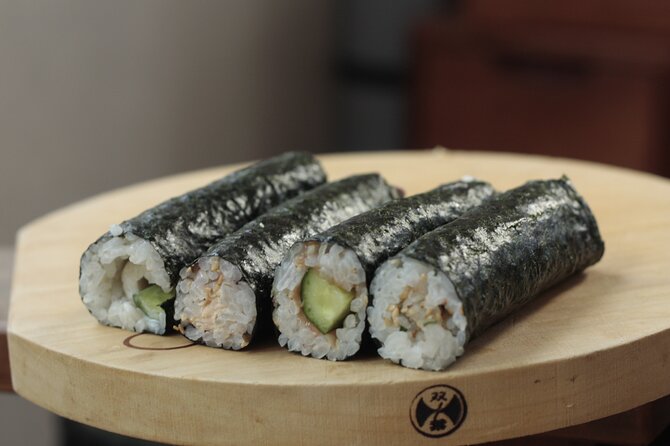
At $160 per person for about 2 hours 30 minutes, this is not the cheapest thing in Tokyo. But it also is not priced like a big show.
You are paying for a few clear value drivers:
- Instruction in a home setting with personalized guidance in an intimate setup
- Practice making multiple items (three sushi rolls plus tempura)
- Ingredient explanations that help you cook with understanding
- Take-home recipes, so the lesson continues after you leave
- A private feel, since it’s described as a private activity where only your group participates
If your goal is to sample sushi and tempura quickly, you can do that for less. But if your goal is to learn skills you can repeat, this is more like buying cooking training than buying dinner.
Also, group discounts may apply. If you’re traveling with a friend or small group, that can improve the math.
Who should book this class in Nakano
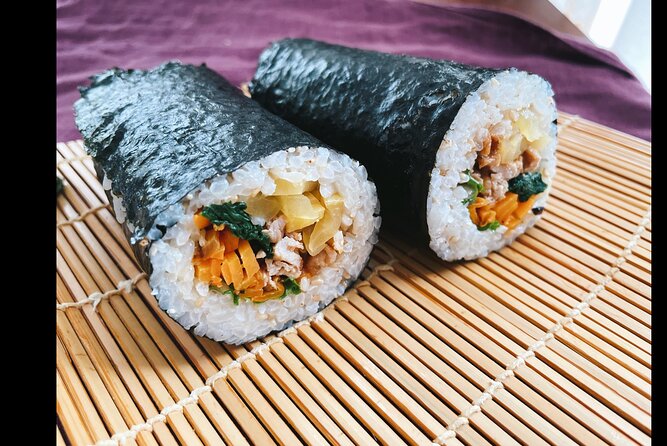
This experience fits best if you want:
- Hands-on cooking time, not a passive food tour
- Real technique coaching for sushi rolls and tempura
- A chance to choose ingredients and build a roll or tempura plate you will enjoy
- Dietary flexibility, since adjustments can be made for vegetarian and other restrictions for both sushi rolls and tempura
It might not be the best fit if you are planning your day around heavy sightseeing and you want a hands-off meal. This is a cooking class. It takes participation. The upside is that you leave with skills, not just photos.
If you like learning from a person rather than a scripted demo, you will probably gel with the style here. Eri’s welcoming approach and clear prior communication help a lot, especially if your Japanese is limited and you want the meeting point to be straightforward.
Should you book? My practical call
Book it if you want a small, hands-on cooking session in Tokyo where you learn sushi rice, rolling, and tempura technique in a home kitchen. The take-home recipes and the ingredient education make it feel like more than a one-time meal.
Skip it if you only want to eat and you prefer a restaurant setting with zero cooking involvement. Also consider it carefully if you dislike structured activities, because the class runs for about 2 hours 30 minutes and is built around practicing the steps.
For many visitors, this is one of the better ways to spend time in Tokyo: you get fed, you learn, and you get something you can repeat at home.
FAQ
How long is the sushi roll and tempura cooking class?
It’s about 2 hours 30 minutes.
Where is the class held?
It’s held in the host’s home in the Nakano area. You’ll meet at NewDaysJapan near JR Asagaya Station.
What’s the meeting point?
NewDaysJapan, 166-0004 Tokyo, Suginami City, Asagayakita, 3-chōme 南3361, JR 阿佐ヶ谷駅 2F_改札 外コンコース.
Is this class private?
Yes. It’s described as a private tour/activity, and only your group participates.
How many sushi rolls will I make?
You learn to make three kinds of sushi rolls.
What tempura will I make?
You make deep-fried tempura using ingredients you choose, including seafood and vegetables.
Can I choose my ingredients?
Yes. You can choose what to use for both the sushi rolls and the tempura, with support from the instructor.
Are vegetarian or dietary restrictions accommodated?
Yes. Adjustments can be made to accommodate vegetarian and other dietary restrictions for both sushi rolls and tempura.
Do I get recipes to take home?
Yes. You leave with recipes.
Is there free cancellation?
Yes. You can cancel for a full refund up to 24 hours before the experience start time.
More Tour Reviews in Tokyo



Fresh reviews from around Tokyo






Tokyo, compared.
 ★ 5.0Mt Fuji and Hakone 1-Day Bus Tour Return by Bullet TrainFrom $16326,383 reviews
 ★ 5.01-Day Tokyo Bus TourFrom $12914,250 reviews
 ★ 4.6teamLab Planets TOKYO Digital Art Museum Entry TicketFrom $259,779 reviews
 ★ 4.0Mt Fuji & Hakone Cruise, Drum Show Bullet Train 1 Day from TokyoFrom $1497,413 reviews
 ★ 5.0Shinjuku Food Tour (13 Dishes at 4 Local Eateries)From $866,603 reviews
 ★ 4.4Tokyo Mt Fuji 5th St & Hakone Cruise Bus Tour w/Bullet TrainFrom $1545,024 reviews
 ★ 5.0Flagship 2-Hours Official Street Go-Kart Tour – Tokyo Bay ShopFrom $644,974 reviews
 ★ 4.5From Tokyo: Mount Fuji Full-Day Sightseeing TripFrom $684,970 reviews