
Reviewed · TOKYO
Shibuya Hands On Sushi Making Class with Chef
Sushi class in Shibuya feels surprisingly personal. I love how it’s hands-on, led by a professional sushi chef (Tero is one instructor mentioned), so you learn rice seasoning and you actually shape nigiri, maki, and gunkan yourself.
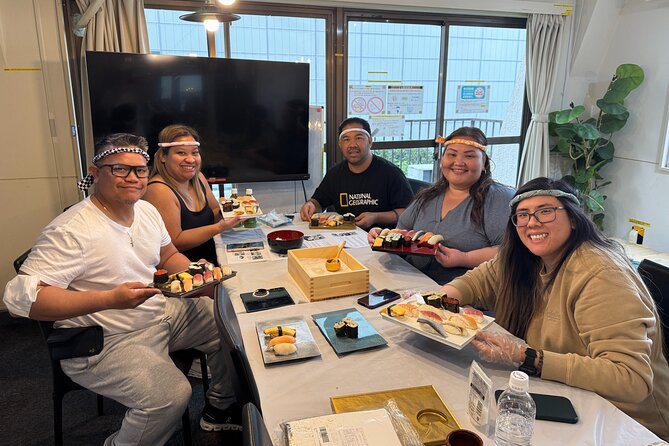
I also like the social pace. You’ll put on a traditional hachimaki headband, make more than 7 pieces, and eat what you made with your group while chatting and taking photos. One consideration: at 90 minutes and a max group size of 6, it’s a focused workshop—not a long, full-day food tour.
In This Review
- Key Highlights You’ll Care About
- Why This Shibuya Sushi Workshop Works So Well
- Getting Started: Meeting Point, Hachimaki, and a Small-Group Flow
- A quick reality check
- Sushi Rice: The Skill Behind the Best Bites
- Learning Nigiri, Maki, and Gunkan Without Guesswork
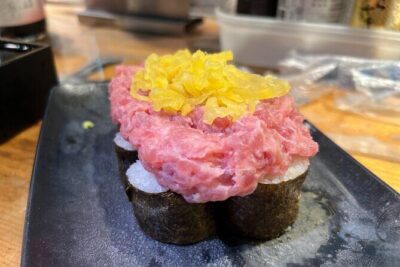
- Neta: tuna, salmon, and more
- What coaching helps you notice
- Eating What You Made: Photos, Chatting, and the Tenugui Souvenir
- Price and Value: Is $43.18 Worth It in Shibuya?
- The one financial caution
- Who This Class Is Best For (And Who Should Think Twice)
- Who might want a different option
- Practical Tips for Your Best Experience
- Should You Book This Shibuya Sushi Making Class?
- FAQ
- How long is the Shibuya sushi making class?
- What sushi styles will I learn to make?
- What toppings (Neta) are included?
- Will I get any traditional souvenirs?
- What’s the group size?
- When will I get confirmation, and is there free cancellation?
Key Highlights You’ll Care About
- Small group (max 6) means you get more individual coaching while you shape sushi.
- More than 7 pieces made by you, not just watched from a seat.
- Chef-led rice and rolling practice with clear, practical instruction.
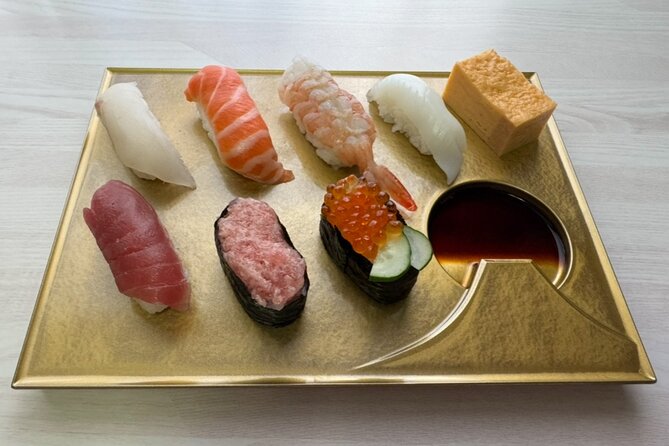
- Fresh Neta options include tuna, salmon, and gizzard shad.
- Traditional extras: a hachimaki headband and a tenugui hand towel souvenir.
- Mobile ticket for an easier check-in day in busy Shibuya.
Before you commit, see how this one stacks up against a few Tokyo favourites:
- Mt Fuji and Hakone 1-Day Bus Tour Return by Bullet Train★ 5.0 · 26,383 reviews
- 1-Day Tokyo Bus Tour★ 5.0 · 14,250 reviews
- Tokyo: teamLab Planets TOKYO Digital Art Museum Entry Ticket★ 4.6 · 9,779 reviews
Why This Shibuya Sushi Workshop Works So Well
If you’ve only had sushi in restaurants, this class helps you understand why the best bites feel effortless. The main reason: sushi is not just about fish. It’s about what happens before the topping ever touches the rice—seasoning, handling, and the exact shape that makes each piece hold together.
You’ll spend about 90 minutes in Shibuya learning fundamentals and producing real sushi. That time limit is also the trick. You don’t get lost in theory. You follow the chef’s guidance, practice rolling and shaping, and then you eat your results.
This is also a good match for first-timers. You don’t need to know Japanese cooking terms to enjoy it. You do need willingness to get a bit hands-on and a little messy. That’s part of the fun.
Getting Started: Meeting Point, Hachimaki, and a Small-Group Flow
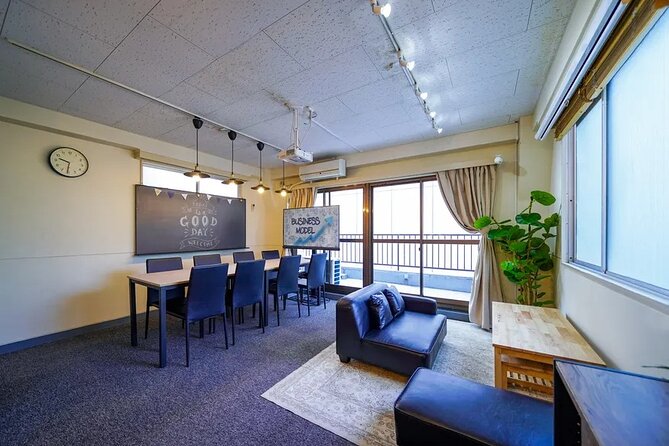
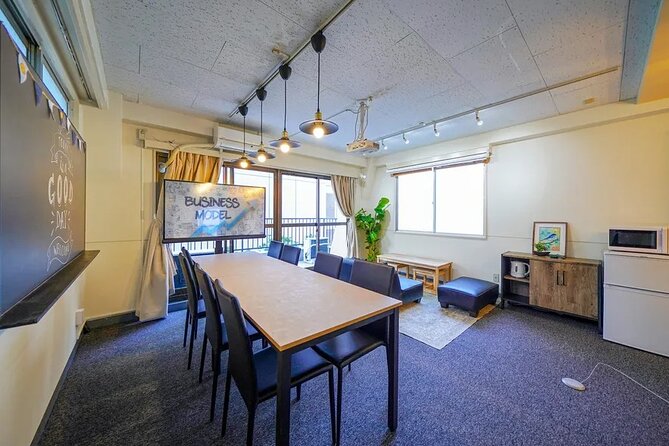
The experience starts and ends back at the meeting point at 2-chōme-14-6 Shibuya, Tokyo 150-0002, Japan, and it’s near public transportation. You’ll want to arrive a few minutes early so you can get settled before the chef starts explaining the rice and the shaping sequence.
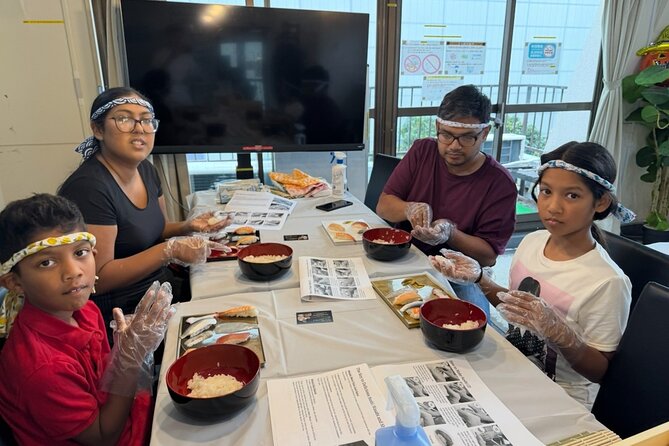
The workshop begins with you gearing up. You’ll put on a traditional hachimaki (headband). It sounds simple, but it sets the tone. Sushi-making can feel fiddly, and this is a low-pressure way to shift into craft mode—like you’re part of a team for the next hour and a half.
Because the group is capped at 6 travelers, the flow feels more like a coaching session than a show. In this setup, you’re more likely to get help adjusting how you handle rice or how you form the rolls.
A quick reality check
This is a short session. You’ll learn key skills and practice them. You won’t master every sushi style on earth in 90 minutes. But you will leave knowing what matters most—and you’ll be able to apply it on your next sushi stop in Tokyo.
Sushi Rice: The Skill Behind the Best Bites
Perfectly seasoned sushi rice is the heart of sushi—and the class treats it that way. You’ll learn the fundamentals of making rice suited for shaping, including the kind of balance that keeps the rice flavorful without turning it into a sticky lump.
Here’s what I find useful as a visitor: when you understand the rice, you stop guessing. In restaurants, you might think a piece tastes great because of the fish. After you handle the rice, you realize the seasoning and texture are doing a huge amount of work in the final bite.
You’ll practice enough to learn how the rice behaves while you shape and portion it. That means the next time you eat, you’ll recognize what good rice feels like—slightly seasoned, cohesive, and easy to work with when formed correctly.





Learning Nigiri, Maki, and Gunkan Without Guesswork
The workshop is built around three forms of sushi:
- Nigiri (topping placed on rice)
- Maki (rolled sushi)
- Gunkan (often shaped in a way that holds topping “like a battleship”)
You’ll practice rolling and shaping these styles during the session, and you’ll create more than 7 pieces that you can enjoy afterward with your group.
Neta: tuna, salmon, and more
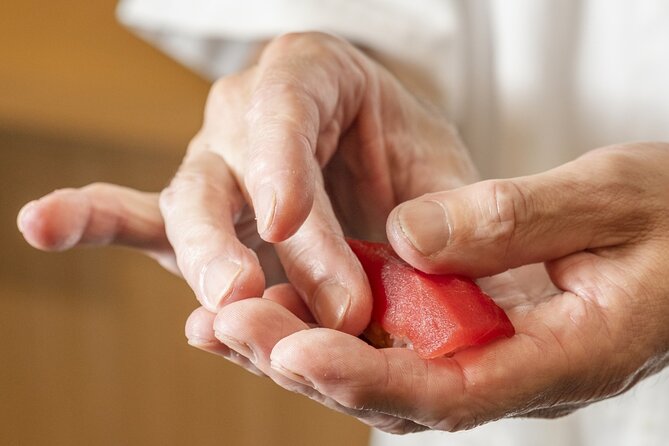
A big part of the experience is working with high-quality Neta (toppings). You’ll use more than 7 types of topping, including tuna, salmon, and traditional favorites like gizzard shad. That variety matters because it shows you how different flavors and textures behave with rice.
From a value perspective, this is where the class beats many basic workshops. You’re not limited to one safe topping. You’re learning how sushi changes depending on what’s on top (or tucked into a roll).
What coaching helps you notice
When you’re shaping something with your own hands, you learn subtle things fast: how tightly to press, how to keep the pieces neat, and how the rice-to-topping relationship affects the final bite. The chef’s job here is to keep you from wasting time with guesswork.
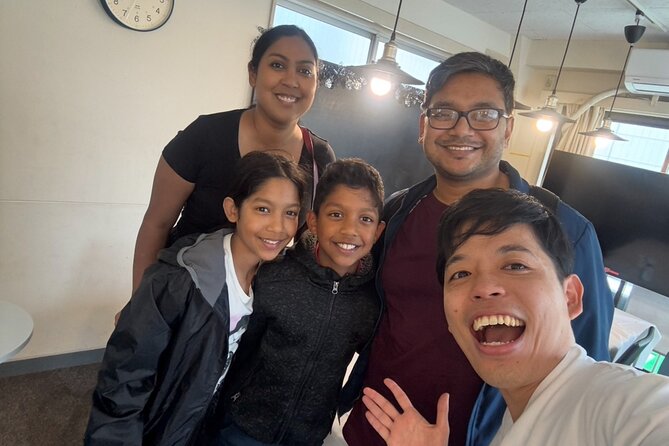
If you want a class that’s friendly and clear, this is the kind of setting where that matters. Past participants specifically highlighted that the chef explains in an informative way and helps people produce beautiful results—even with kids involved.
Eating What You Made: Photos, Chatting, and the Tenugui Souvenir
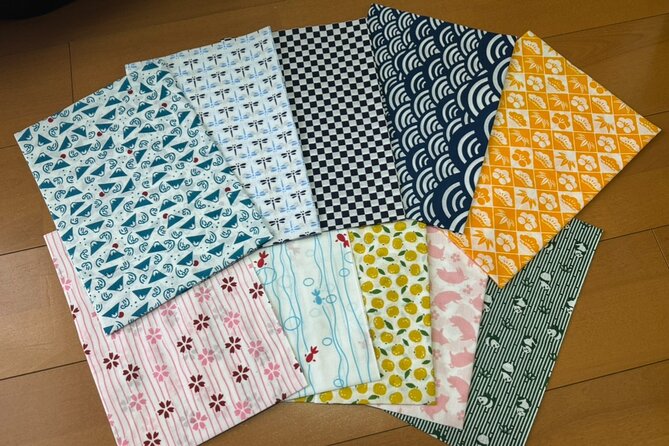
After you finish your practice, you get to enjoy your handmade sushi with your group. This part isn’t just eating. It’s feedback in real time. You’ll taste what you shaped, notice what worked, and get a sense of how the rice and topping balance should feel.
You’ll also be taking photos. That matters in Tokyo, because good sushi looks good. But more importantly, you’ll have a personal record of what you actually made—helpful if you want to recreate a style later.
You’ll receive a souvenir too: a traditional tenugui (hand towel). It’s the kind of practical keepsake that doesn’t just sit in a drawer. In Japan, tenugui are used constantly—so it feels less like a generic token and more like something tied to the craft.
Price and Value: Is $43.18 Worth It in Shibuya?
At $43.18 per person, the price is competitive for a chef-led hands-on class in Tokyo—especially one that includes:
- A professional sushi chef
- 90 minutes of structured instruction
- Coaching in multiple sushi types (nigiri, maki, gunkan)
- More than 7 pieces made by you
- Toppings like tuna, salmon, and gizzard shad
- Traditional items (hachimaki during the class, and tenugui afterward)
The real value isn’t just the cost. It’s the fact that you leave with skills you can use. If you’ve spent money in Tokyo before and felt like you only watched the cooking, this flips the script. You’re participating.
Also, with a max group size of 6, you’re paying for a more personal setting, not a crowded class where you barely get to touch anything.
The one financial caution
Because it’s booked on a schedule that averages about 15 days in advance, you’ll likely need to reserve early if you’re traveling during peak weeks.
Who This Class Is Best For (And Who Should Think Twice)
This class fits best if you’re any of these:
- A food lover who wants more than eating
- A first-time visitor to Tokyo who wants a memorable cultural activity that’s not too intimidating
- A group that includes kids or mixed ages, since the chef-style approach here is friendly and people have reported kids doing well
- Anyone who wants a practical souvenir experience that ends with a real meal you made
Who might want a different option
If you’re looking for a long, slow cooking day with lots of sightseeing and additional courses beyond sushi, this may feel short. You’re here for sushi—rice, rolling, shaping, and eating what you create—and that’s it.
If you’re extremely rushed, the class duration can be tough to absorb into a tight itinerary. Plan your day with buffer time around the Shibuya meeting point.
Practical Tips for Your Best Experience
A few small moves can make your session smoother:
- Arrive a few minutes early so you’re not flustered when the chef starts explaining rice handling.
- Wear comfortable clothes. Sushi-making can involve a little rice handling and rolling practice.
- Bring your best attitude toward getting your hands involved. This is the whole point.
- If you’re traveling with family, set expectations: your goal is learning and producing more than 7 pieces, not perfection.
Also, since the session uses multiple topping types, if you have dietary restrictions, consider checking details before booking. The class description notes several Neta options, including fish, so it’s worth aligning expectations up front.
Should You Book This Shibuya Sushi Making Class?
I think you should book it if you want a chef-led Tokyo experience that turns into a real skill. For the price, you get structured practice across nigiri, maki, and gunkan, plus the fun of wearing a hachimaki, eating your own sushi, and taking home a tenugui.
I’d skip it only if you want a bigger, multi-stop tour or a longer cooking day. This is compact by design. Done right, it’s the kind of activity that makes the rest of your Tokyo food trip click.
FAQ
How long is the Shibuya sushi making class?
It lasts about 1 hour 30 minutes.
What sushi styles will I learn to make?
You’ll practice making Nigiri, Maki, and Gunkan.
What toppings (Neta) are included?
The class includes more than 7 types of high-quality Neta, including tuna, salmon, and gizzard shad.
Will I get any traditional souvenirs?
Yes. You’ll wear a hachimaki headband during the class and receive a tenugui (hand towel) as a souvenir.
What’s the group size?
There is a maximum of 6 travelers.
When will I get confirmation, and is there free cancellation?
You should receive confirmation within 48 hours of booking (subject to availability). You can cancel for a full refund up to 24 hours before the experience start time.
More Tour Reviews in Tokyo



Fresh reviews from around Tokyo






Tokyo, compared.
 ★ 5.0Mt Fuji and Hakone 1-Day Bus Tour Return by Bullet TrainFrom $16326,383 reviews
 ★ 5.01-Day Tokyo Bus TourFrom $12914,250 reviews
 ★ 4.6teamLab Planets TOKYO Digital Art Museum Entry TicketFrom $259,779 reviews
 ★ 4.0Mt Fuji & Hakone Cruise, Drum Show Bullet Train 1 Day from TokyoFrom $1497,413 reviews
 ★ 5.0Shinjuku Food Tour (13 Dishes at 4 Local Eateries)From $866,603 reviews
 ★ 4.4Tokyo Mt Fuji 5th St & Hakone Cruise Bus Tour w/Bullet TrainFrom $1545,024 reviews
 ★ 5.0Flagship 2-Hours Official Street Go-Kart Tour – Tokyo Bay ShopFrom $644,974 reviews
 ★ 4.5From Tokyo: Mount Fuji Full-Day Sightseeing TripFrom $684,970 reviews