
Reviewed · TOKYO
Samurai Training in Tokyo: Swords, Bushido & Mental Discipline
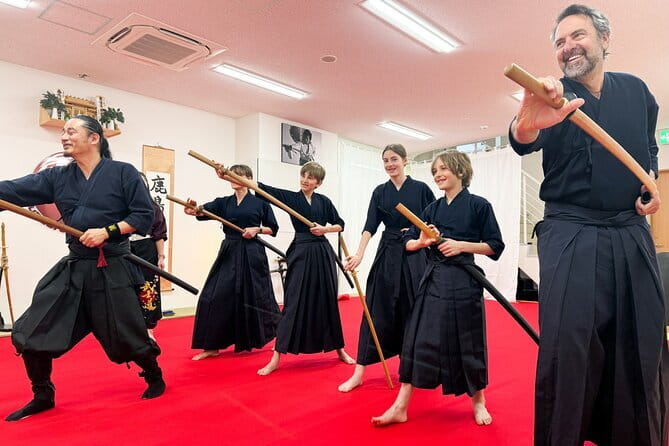
Swords have a way of making your brain quiet. This private Tokyo class goes past sightseeing and into samurai etiquette and Bushido mental discipline, taught in English at a dojo in Kojimachi. You’ll practice breathing and meditation, move with wooden swords, and work toward a real combat kata, all with room to ask questions.
I particularly love that it is truly a private experience—you get instructor attention, plus a translator support system when needed. I also love the tangible payoff: a personalized scroll-style certificate with your name and techniques, plus a matcha break that feels part of the culture, not a break from it. The one thing to consider is the format: it is a focused 2-hour training session, so you should expect physical effort and concentration rather than a relaxed walkthrough.
In This Review
- Key things that make this samurai training special
- Samurai training in Kojimachi: more than sword photos
- Inside the two-hour session: the routine you’ll actually practice
- Bushido and etiquette: the part that changes how you hold yourself
- Meditation and breathing before the sword: why this is worth your time
- Wooden sword drills, heavy stick strength, and silent walking
- One authentic kata and one-on-one sparring: the payoff moment
- Matcha break, traditional snacks, and the certificate souvenir
- What you get for $85.66: pricing that makes sense for private coaching
- Logistics that matter: timing, tickets, and where to go
- Who should book this samurai training (and who might skip it)
- Should you book Samurai Training in Tokyo?
- FAQ
- How long is Samurai Training in Tokyo?
- Is this a private experience?
- Do I need prior experience with swords?
- What’s included in the training session?
- Where does the training take place?
- What is the cancellation policy?
Key things that make this samurai training special
- Kojimachi dojo setting in a district tied to Edo Castle’s inner grounds
- Beginner-friendly, English-taught instruction with Q&A built in
- A full routine, from etiquette and meditation to wooden sword drills and strength work with a heavy stick
- Silent walking practice for posture and focus, with a ninja vibe
- You learn one authentic combat kata and then apply it in one-on-one sparring
- Matcha tea, Japanese sweets, and a personalized scroll certificate as real souvenirs
Before you commit, see how this one stacks up against a few Tokyo favourites:
- Mt Fuji and Hakone 1-Day Bus Tour Return by Bullet Train★ 5.0 · 26,383 reviews
- 1-Day Tokyo Bus Tour★ 5.0 · 14,250 reviews
- Tokyo: teamLab Planets TOKYO Digital Art Museum Entry Ticket★ 4.6 · 9,779 reviews
Samurai training in Kojimachi: more than sword photos
Tokyo has no shortage of samurai-themed experiences, but this one keeps the spotlight on training rather than costumes. The dojo sits in Kojimachi, an area that connects to the inner grounds of Edo Castle, which adds a sense of place when you step into the lesson. It also helps that the whole session is organized like a real class, with a clear flow and no wasted time.
What makes this experience feel grounded is the balance between mind and movement. You start with etiquette and Bushido spirit, then you move into breathing and meditation meant to steady your attention. Only after that do you pick up wooden swords and work on forms and technique.
Inside the two-hour session: the routine you’ll actually practice
The entire experience runs about 2 hours, and it moves at a training pace. You’ll be guided through multiple parts, and the instructor keeps adjusting based on how you’re doing. Since it’s private, you’re not stuck watching from the sidelines like a spectator.
Here’s the typical order you’ll go through, and why it matters:
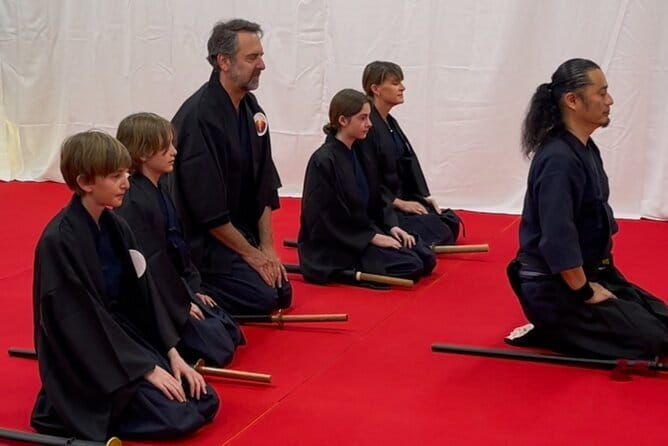
You begin with samurai etiquette and the philosophy behind Bushido. This is not just background talk; it sets how you hold yourself, how you respect the space, and how you treat the practice as something serious.
Next come breathing techniques and meditation exercises. The goal is simple: calm the mind so the body can follow. Even if you’re brand new, you can feel the difference when movements stop being frantic.
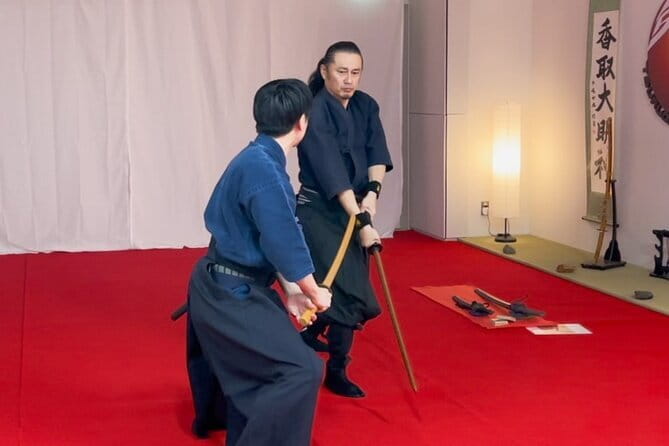
Then the lesson shifts to wooden sword drills. You work on controlled sword movements using a wooden sword, which makes practice safer while still demanding focus and correct form.
After that you add strength training with a heavy stick. It’s a different kind of workout than you might expect from a sword experience, but it fits the theme: body control and readiness.
You also do silent walking exercises to test posture and focus. It’s like a checkpoint for your attention—no talking, no performance, just steady movement.
Finally, you move from drills toward real combat sword techniques. You then master one authentic samurai combat kata and apply it in one-on-one sparring with the instructor.
Bushido and etiquette: the part that changes how you hold yourself
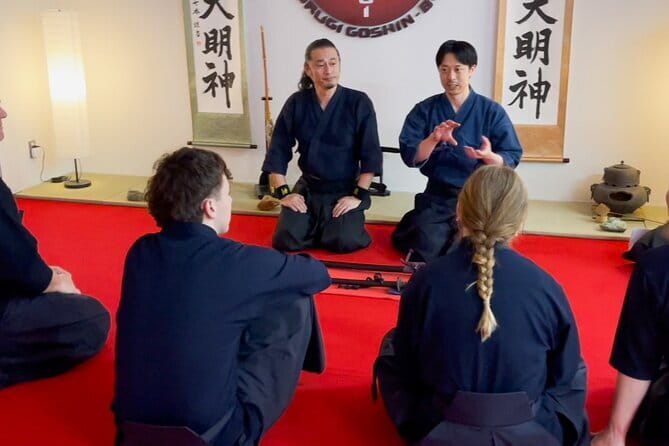
A lot of sword lessons treat etiquette like a quick intro, then move on fast. This one treats Bushido spirit as a training tool. You’re not just learning what to do; you’re learning how to think while you do it.
When etiquette is taught properly, it shows up in your posture and timing. You’ll likely notice that the instructor expects you to move with intention instead of speed. That may sound philosophical, but it’s practical: correct posture makes your technique easier to learn and easier to repeat.
You’ll also get time to ask questions. That’s a big deal because Bushido isn’t just one idea—it’s a way of balancing discipline with respect. If something doesn’t click, you can slow down and get it explained.
In reviews, names like Sensei Oedo and Yukiji come up as instructors who emphasize the spirit of Bushido through the training routine. Your exact team may vary, but the teaching approach stays focused on the same core values: honor, discipline, and respect.
Meditation and breathing before the sword: why this is worth your time
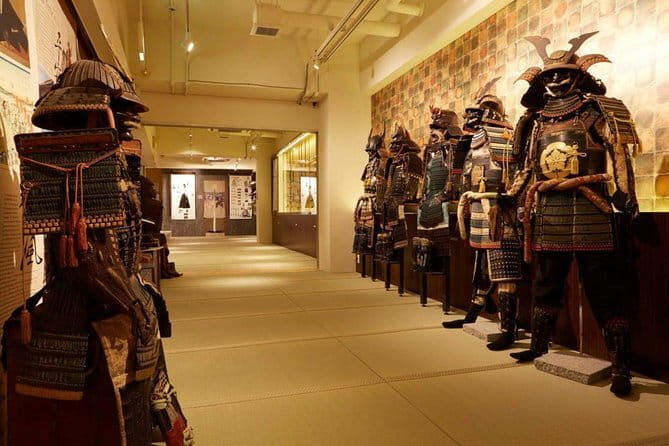
This class starts with the mind work for a reason. If you show up tense, your movements get stiff and your focus scatters. The breathing and meditation exercises aim to fix that before you touch a sword.
You also learn how to calm down without turning it into a lecture. The exercises are short, structured, and tied directly to the training. By the time you reach the sword sections, you’re not guessing how to control your energy.
And yes, it’s beginner-friendly in English, so you’re not stuck trying to interpret instructions you don’t fully understand. You can focus on doing the steps, then ask when you need clarity.





Wooden sword drills, heavy stick strength, and silent walking
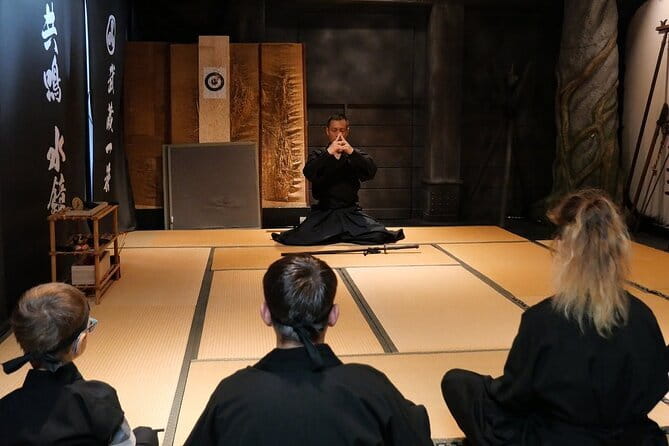
The middle of the session is where you build the skills. Wooden sword drills help you practice technique without the stress of handling a sharper weapon. It’s the part where you feel progress, even if you’re starting from zero.
Next is the heavy stick strength training. This isn’t “gym class energy.” It’s more about control, stability, and strength that supports technique. Think of it as teaching your body how to stay steady while force builds.
Then comes silent walking. It sounds simple until you try it with attention. The point is posture and focus—no distractions, no cues from other people’s chatter. It’s a good reminder that discipline is not only about combat. It’s also about how you move when nobody is watching.
One authentic kata and one-on-one sparring: the payoff moment
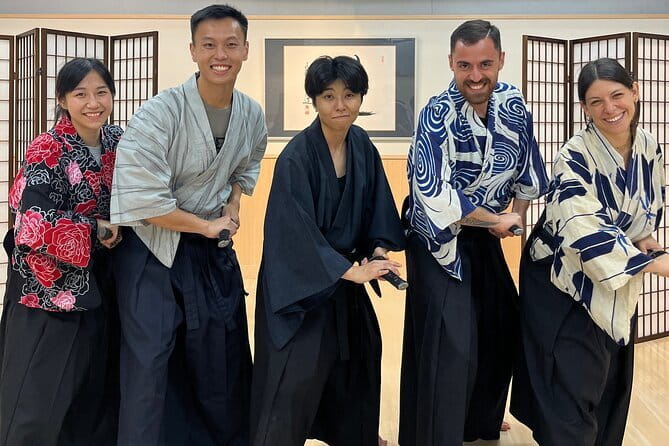
There’s a big difference between watching sword forms and actually being coached through one. Here you learn one authentic samurai combat kata, which gives you a concrete set of moves to practice during the session. You’re not collecting random facts. You’re building a sequence, piece by piece.
Then you apply those skills in one-on-one sparring with the instructor. This is where you learn how the technique works with another person’s timing and movement. It’s also where you get feedback quickly, which is hard to achieve in larger group lessons.
Because it’s a private setup, the instructor can adjust to your level. That means you’re not forced into an intimidating style. You’re guided, and you get corrections in real time.
And for many people, this is the moment that separates the class from a photo-op. You don’t just learn about samurai combat; you feel how it demands mental control, distance awareness, and disciplined movement.
Matcha break, traditional snacks, and the certificate souvenir
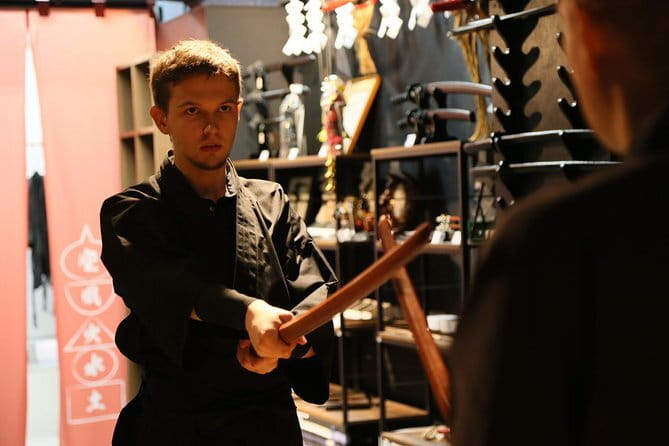
The training is serious, but it doesn’t ignore the cultural rhythm of a dojo. You take a break with matcha green tea and traditional Japanese sweets in a quiet setting. It’s a nice reset, and it also keeps the experience from feeling like a nonstop workout.
Then you get the standout souvenir: a personalized scroll-style certificate with your name and the techniques you learned. This is the kind of keepsake that actually matches the effort you put in.
You’ll also wear traditional samurai attire and get a commemorative photo. It’s a fun moment, but it’s clearly framed as part of the experience, not the main event.
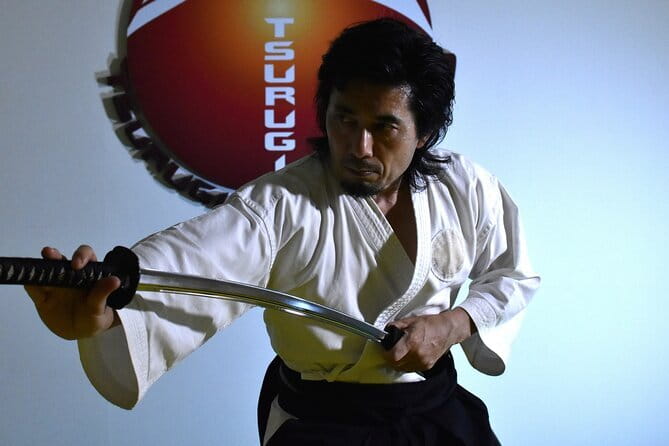
Finally, the class includes a live sword demonstration by the instructor. That gives context for what you’re building toward and helps you understand what correct technique looks like before you fully replicate it.
What you get for $85.66: pricing that makes sense for private coaching
At $85.66 per person, this isn’t the cheapest Tokyo activity. But it is priced like what it is: a 2-hour private coaching session with English instruction, a full training routine, and a tangible certificate.
Here’s the value math in plain terms. You’re paying for instructor time, private attention, and guided practice through multiple components: etiquette, meditation, wooden sword drills, strength work with a heavy stick, silent walking, combat kata, and one-on-one sparring. You’re also getting extras included in the price, like uniform rental, matcha and sweets, and the commemorative photo.
Two notes that affect value. First, this is private, and the experience requires a minimum of 2 participants. If you’re traveling solo, you might need to confirm how the organizer handles the minimum. Second, there’s no private transportation included, and the session is in a dojo near public transportation, so you’ll cover getting there on your own.
Logistics that matter: timing, tickets, and where to go
This activity runs about 2 hours and uses a mobile ticket. It’s confirmed at booking, and the meeting point is at Samurai Sword Tokyo in Kojimachi (4-chōme-2-1 Kōjimachi, Chiyoda City, Tokyo 102-0083).
It’s also listed as being near public transportation, which matters in Tokyo where getting around can be faster than waiting for a car. There are toilets in the building, which is genuinely helpful for comfort before training.
The session is in English and beginner-friendly, and it’s designed so you can participate without prior sword experience. That’s one of the biggest reasons this works as a first-time samurai activity.
Who should book this samurai training (and who might skip it)
This is a great fit if you want an authentic, structured experience where you practice—not just watch. You’ll probably enjoy it most if you like discipline-focused activities, are curious about Bushido as a mindset, and want coaching you can ask questions about.
It also suits groups that can meet the minimum of 2 participants. If you’re traveling with a partner, a friend, or family, the private format can feel like you got your own class in Tokyo.
You might want to skip it if you’re looking for a long cultural tour with lots of sightseeing stops. This is a training session. The focus is on learning techniques and the spirit behind them, not on walking around and pointing at landmarks.
Should you book Samurai Training in Tokyo?
I think you should book it if you want something different from the usual Japan checklist. The combination of Bushido mindset, practical sword practice, and a clear routine makes it feel like more than a theme show. Add the matcha break and the personalized certificate, and you leave with memories you can hold onto.
If you only want a light, low-effort activity, this may feel like too much. But if you’re willing to concentrate and get coached through technique, this is one of the more meaningful ways to experience samurai culture in Tokyo.
FAQ
How long is Samurai Training in Tokyo?
The experience is about 2 hours.
Is this a private experience?
Yes. It is a private tour/activity, and only your group participates.
Do I need prior experience with swords?
No. It’s described as beginner-friendly, and you’ll learn through drills and instruction.
What’s included in the training session?
You get a samurai uniform rental, live sword demonstration, English guide on sword skills/Bushido/samurai history, a personalized scroll-style certificate, matcha tea and Japanese sweets, and a commemorative photo.
Where does the training take place?
It meets at Samurai Sword Tokyo, 4-chōme-2-1 Kōjimachi, Chiyoda City, Tokyo 102-0083, and ends back at the meeting point.
What is the cancellation policy?
Free cancellation is available up to 24 hours in advance for a full refund. Canceling less than 24 hours before the start time is not refunded.
More Tour Reviews in Tokyo



Fresh reviews from around Tokyo






Tokyo, compared.
 ★ 5.0Mt Fuji and Hakone 1-Day Bus Tour Return by Bullet TrainFrom $16326,383 reviews
 ★ 5.01-Day Tokyo Bus TourFrom $12914,250 reviews
 ★ 4.6teamLab Planets TOKYO Digital Art Museum Entry TicketFrom $259,779 reviews
 ★ 4.0Mt Fuji & Hakone Cruise, Drum Show Bullet Train 1 Day from TokyoFrom $1497,413 reviews
 ★ 5.0Shinjuku Food Tour (13 Dishes at 4 Local Eateries)From $866,603 reviews
 ★ 4.4Tokyo Mt Fuji 5th St & Hakone Cruise Bus Tour w/Bullet TrainFrom $1545,024 reviews
 ★ 5.0Flagship 2-Hours Official Street Go-Kart Tour – Tokyo Bay ShopFrom $644,974 reviews
 ★ 4.5From Tokyo: Mount Fuji Full-Day Sightseeing TripFrom $684,970 reviews