
Reviewed · TOKYO
Private Samurai Sword Experience
Steel, silence, and a sharp lesson.
This private samurai sword experience in Tokyo is built for real hands-on training, not a showroom talk. You start in a calm garden setting in the Naka-meguro area and learn the basics of Iaido and Battodo from a master Sensei, including the practical diagonal slash called Kesagiri.
I especially like that you practice the cutting method safely with guidance in a proper training setup, and I like that it’s private enough to ask questions as you go.
One thing to consider: this is outdoors in a garden and it requires good weather, plus you should have moderate physical fitness for sword stances and controlled movements.
In This Review
- Key Points You’ll Care About
- Where You Train in Tokyo’s Naka-meguro Neighborhood
- Kiritaiken Cutting Basics: Mozoto, Urethane Rod, and Kesagiri
- What Happens in the Master’s Garden (and Why It Matters)
- Battodo and Iaido Moves You’ll Build Through Guidance
- Temple Bell Views and the Meguro Fudoson Temple Optional Walk
- Matcha on Tatami: Tea Ceremony Meets Bushido
- Price and Value: What $474.72 Buys in a Private Setting
- Practical Fit: Who Should Book, and Who Might Skip
- Should You Book This Samurai Sword Experience?
- FAQ
- How long is the private samurai sword experience?
- Where does the experience start in Tokyo?
- Is this experience private?
- What sword arts are taught?
- What do you cut during the practice?
- Do you use a real sword?
- Can I add the matcha tea ceremony?
- Is there an optional temple visit?
- What should I know about weather?
Key Points You’ll Care About
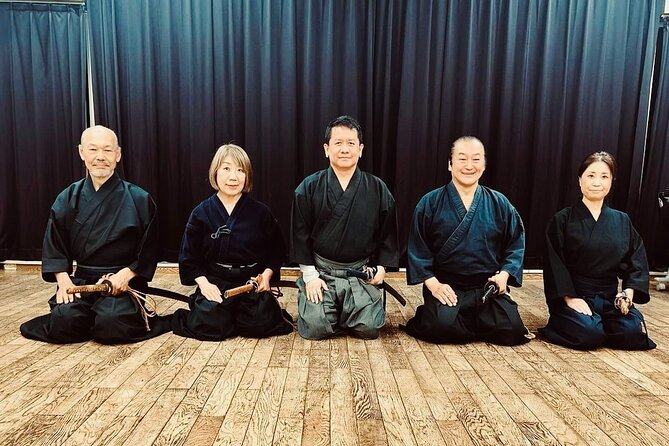
- Tamiya-ryu Iaido instruction focused on what you can actually practice and repeat
- Kesagiri: a 45-degree diagonal slash rooted in samurai sword tradition
- Mozoto + urethane rod cutting setup, using a more controlled substitute than tatami mats
- A master’s garden session with time for photos in front of a temple-bell view
- Optional Meguro Fudoson temple walk through small paths if you want to stretch the outing
- Matcha tea ceremony add-on in a tatami room, with the link to Bushido explained
Before you commit, see how this one stacks up against a few Tokyo favourites:
- Mt Fuji and Hakone 1-Day Bus Tour Return by Bullet Train★ 5.0 · 26,383 reviews
- 1-Day Tokyo Bus Tour★ 5.0 · 14,250 reviews
- Tokyo: teamLab Planets TOKYO Digital Art Museum Entry Ticket★ 4.6 · 9,779 reviews
Where You Train in Tokyo’s Naka-meguro Neighborhood
You’ll meet near Naka-meguro Station at 3-chōme-4-1 Kamimeguro, Meguro City, and the activity ends back at the same meeting spot. The location matters more than it sounds. This isn’t just “find the class and leave.” It’s set up in a serene garden environment where the lesson feels grounded in place—quiet, grounded, and slower than you might expect for sword practice.
The session runs about 2 hours 30 minutes, with morning and afternoon options. That flexibility is handy in Tokyo, where your best day depends on your train lines, your jet lag, and when you want to spend time outside.
Because it’s private, only your group participates. That changes the vibe immediately. In a group class, sword training can turn into a timing game—watch, wait, repeat. Here, you get more time for corrections and questions, and the Sensei can adjust instruction to your pace.
A detail I’d call out: the meeting point is close to public transportation, so you’re not forced into a long taxi-and-wait setup.
Kiritaiken Cutting Basics: Mozoto, Urethane Rod, and Kesagiri
Let’s talk about what you actually do with the sword. This experience follows a cutting session format (kiritaiken) that sits inside Japanese martial arts culture around Bushido and Iaido.
Instead of cutting a traditional target setup like tatami mats, you practice using a Japanese Mozoto to strike an urethane rod. For you, this is one of the best parts of the whole concept. Urethane rod cutting lets you learn the motion and timing of the slash without the chaos and unpredictability you’d get from messier targets. It supports safe learning while still teaching you the real mechanics: distance, alignment, and follow-through.
Then comes Kesagiri—the highlight slash you’re taught and practice. Kesagiri is described as a powerful 45-degree diagonal sword cut rooted in samurai tradition. That angle isn’t a random detail. It’s the kind of shape your body must learn through repetition, and being taught it directly (rather than trying to copy videos later) is exactly where private lessons earn their keep.
You’ll also use a replica blade for your cutting practice, while the overall training environment includes authentic context—training with real antique blades is part of the instruction experience. The Sensei can show what the real steel is about, while you perform the movements with a replica so you can focus on form and safety.
If you like hands-on learning, this setup hits a sweet spot: traditional technique, modern training target, and guided reps.
What Happens in the Master’s Garden (and Why It Matters)
The session happens in a master’s garden setting. That’s not just scenery. It shapes the way the class feels.
First, it’s quiet. Swordsmanship education benefits from calm attention. You’re learning stances and controlled motion, not rushing through a checklist. You’ll train with the Sensei guiding you step-by-step, and you’ll be able to ask questions during the process, which is key for understanding what you’re feeling in your body.
Second, it’s personal. One of the strong points from the experience write-up is that people get to go into the master’s home. You’re not just “near” a cultural site—you’re inside the teaching environment. The sensei-led explanations and the direct coaching make it feel like a living practice, not a performance.
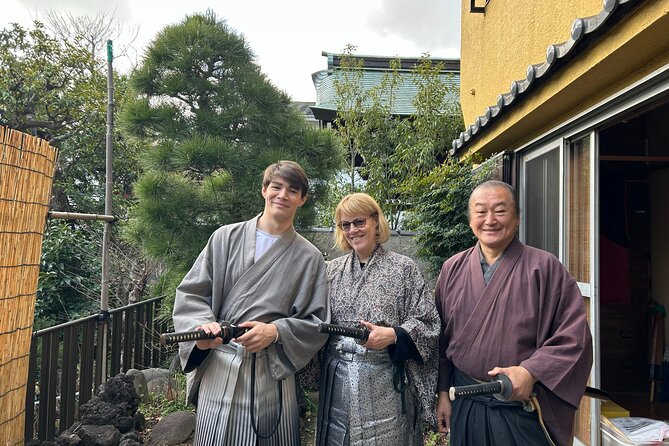
Third, you get a photo moment after the training. After the cuts, you can take a picture in the Japanese garden, with a view that includes the temple bell scene. That matters for two reasons. It gives you a tangible memory of the setting you trained in, and it also reminds you how the lesson sits inside the neighborhood’s everyday beauty.
A small note: if you’re expecting a huge production—like costumed actors or a theatrical show—this isn’t that. It’s a real training session, and the garden setting supports the seriousness.
Battodo and Iaido Moves You’ll Build Through Guidance
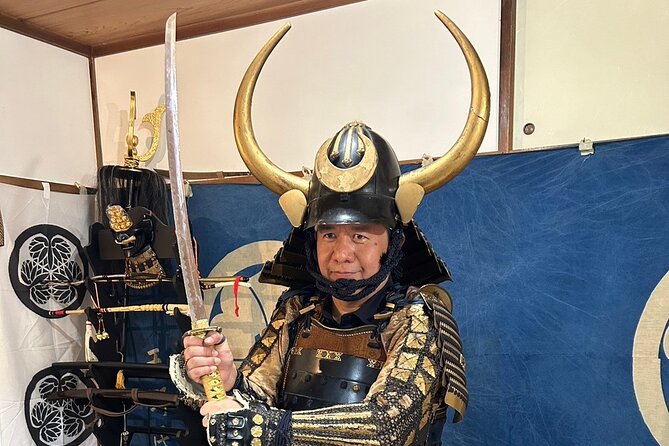
The experience isn’t only about one cut. The overall instruction covers martial arts such as Battodo and Iaido. Even if you’ve never studied before, you’ll come away with a clearer sense of how the traditions connect.
Here’s how that helps you as a beginner:
- You’re not memorizing isolated tricks. You’re learning a way of moving and thinking.
- With a private format, you can correct your posture and timing in real time.
- You learn what to focus on during the cut: angle, line, and controlled finish.
The experience also frames the cutting work inside the tradition of Japanese martial arts. The goal is not just to make a successful strike. It’s to understand what makes the technique meaningful: discipline, precision, and the mental focus that goes with controlled sword work.
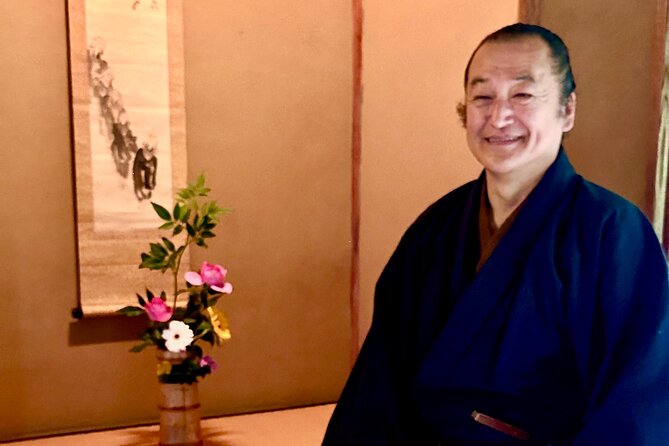
You’ll be trained under a master Sensei from the Tamiya-ryu school of Iaido. When an instructor is tied to a specific school, you usually get consistent technique and terminology. That’s good for you because it reduces confusion. Instead of bouncing between styles, your lesson has a clear lineage.
Also, you’re practicing Kesagiri using the replica blade with the master’s guidance in the garden. That gives you a chance to build muscle memory the right way—through coached repetition.





Temple Bell Views and the Meguro Fudoson Temple Optional Walk
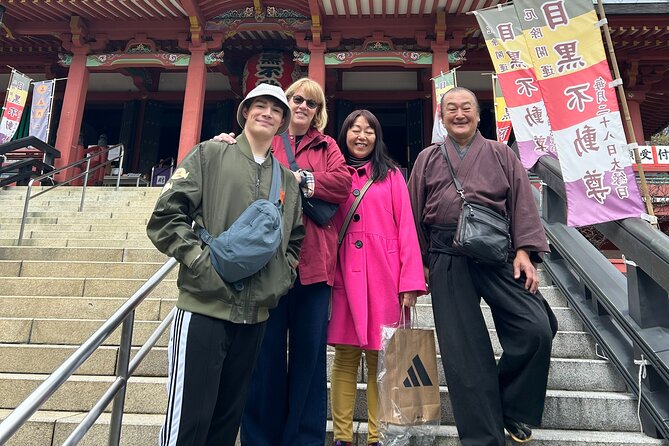
After the training, you’re set up for a photo in the Japanese garden with the temple bell scenery in view. If you like travel moments that feel like a postcard but aren’t staged like a theme park, this kind of stop hits the right tone.
Then there’s an optional add-on: if you’re interested, you can take a walk to a nearby temple called Meguro Fudoson Temple. The plan is to walk there via small paths. That phrasing tells you what to expect: it’s not a straight highway march. You’ll likely get a more intimate look at the local neighborhood rhythm around the temple area.
Is this for everyone? If you love a quick cultural stretch before dinner, yes. If you’re tired after a flight or you prefer to keep plans minimal, you can skip it and stay focused on the main training session.
Either way, the temple moment works because it’s tied to the theme of the day: discipline and tradition, not just a random sightseeing detour.
Matcha on Tatami: Tea Ceremony Meets Bushido
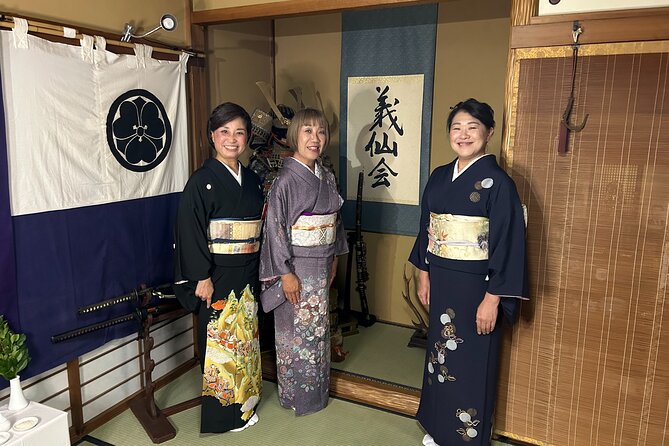
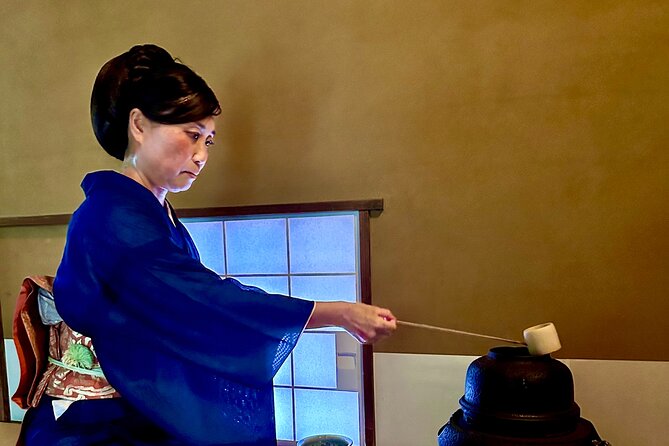
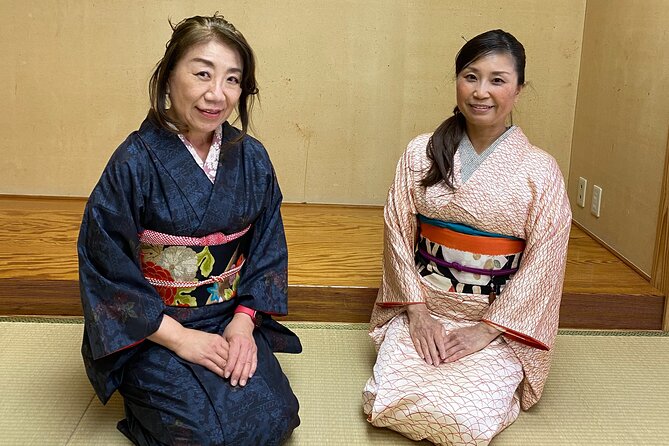
If you’re interested in the tea ceremony part, one of the instructors shows you how to serve a cup of matcha—powdered green tea. You’ll also get to experience the taste of matcha in a Japanese tatami room.
This isn’t only a food stop. The experience includes instruction that connects Bushido, the way of the samurai, and the tea ceremony. That link is a smart pairing with sword training because it shifts the focus from physical action to mental discipline.
For you, this can change what you take away from the sword lesson. After practicing cuts at a 45-degree diagonal angle, you can then sit and learn how the samurai way also shows up in quiet rituals. It’s a reminder that martial traditions weren’t just about violence—they were about control, etiquette, and mindset.
A practical tip: if matcha interests you, be ready for a slower pace after the physical training. Your body needs time to cool down, and the tatami room is designed for that.
Price and Value: What $474.72 Buys in a Private Setting
At $474.72 per person, this isn’t a budget activity. So the real question is value: what’s included, what makes it private, and what you’re walking away with.
Here’s what you’re getting for the price, based on the experience details:
- A private session with your group only
- Instruction from a master Sensei with Tamiya-ryu Iaido connection
- Safe training using a replica blade
- A cutting setup that uses Mozoto and an urethane rod for kiritaiken-style practice
- Extra cultural components that can include matcha tea ceremony and a neighborhood temple walk
- All fees and taxes are included
On a pure “time spent” basis, 2.5 hours doesn’t sound enormous. But sword training isn’t like a museum tour where you can multitask. Coaching, correction, and repetition take time. Private instruction is expensive because the instructor’s attention is focused on you.
Also, there are group discounts, which can soften the per-person cost if you’re booking with friends or family. If you’re traveling solo, the price will feel steeper, but the private format is also the reason you’ll likely enjoy it more—you get the exact attention you’d struggle to find in a larger class.
For me, the value is strongest if you want more than a taste of samurai culture. You want the mechanics, the reasoning, and the chance to ask questions.
Practical Fit: Who Should Book, and Who Might Skip
This experience fits best if you:
- Want hands-on learning, not a lecture
- Enjoy structured physical instruction and controlled movement
- Care about authenticity, including training in a master’s teaching environment
- Like combining martial arts with everyday Tokyo culture (gardens, temple bell views, matcha)
You might consider skipping if:
- You strongly prefer indoor-only activities, since the session needs good weather
- You don’t feel comfortable with moderate physical activity (the experience asks for moderate fitness for stances and practice)
- You’re looking for a casual photo tour with no real practice component
If you’re the kind of traveler who likes taking a skill home—something you can explain and even practice later—this one is for you. Kesagiri and the cutting basics aren’t just decorative. They’re teachable technique.
Should You Book This Samurai Sword Experience?
Yes, I think you should book it if your trip includes time for a focused activity and you want real instruction, not a performance.
The private format is the big win: you learn Kesagiri with coached guidance, you get the context behind Iaido and Battodo, and you can add matcha tea ceremony when you want to slow down and connect the dots between discipline and ritual. The master’s garden setting, the temple bell photo moment, and the option to walk to Meguro Fudoson Temple make the outing feel like more than one lesson.
Just be sure your schedule and weather line up, and plan for some physical movement. If those boxes check, you’ll leave with a sharper understanding of samurai sword tradition—and a memory that feels personal because you were taught inside the real training space.
FAQ
How long is the private samurai sword experience?
It lasts about 2 hours 30 minutes.
Where does the experience start in Tokyo?
You meet near Naka-meguro Station at 3-chōme-4-1 Kamimeguro, Meguro City, Tokyo 153-0051, Japan.
Is this experience private?
Yes. It’s a private activity, so only your group participates.
What sword arts are taught?
The experience covers Battodo and Iaido, and you practice Kesagiri during the cutting session.
What do you cut during the practice?
You cut an urethane rod using a Japanese Mozoto. This is used instead of tatami mats.
Do you use a real sword?
You train safely with real antique blades as part of the instruction setup, and your cutting practice uses a replica blade under the master’s guidance.
Can I add the matcha tea ceremony?
If you’re interested, an instructor can show you how to serve one cup of matcha, and you can taste it in a Japanese tatami room.
Is there an optional temple visit?
Yes. If you’re interested, you can take a walk to Meguro Fudoson Temple through small paths.
What should I know about weather?
The experience requires good weather. If it’s canceled due to poor weather, you’ll be offered a different date or a full refund.
More Tour Reviews in Tokyo



Fresh reviews from around Tokyo






Tokyo, compared.
 ★ 5.0Mt Fuji and Hakone 1-Day Bus Tour Return by Bullet TrainFrom $16326,383 reviews
 ★ 5.01-Day Tokyo Bus TourFrom $12914,250 reviews
 ★ 4.6teamLab Planets TOKYO Digital Art Museum Entry TicketFrom $259,779 reviews
 ★ 4.0Mt Fuji & Hakone Cruise, Drum Show Bullet Train 1 Day from TokyoFrom $1497,413 reviews
 ★ 5.0Shinjuku Food Tour (13 Dishes at 4 Local Eateries)From $866,603 reviews
 ★ 4.4Tokyo Mt Fuji 5th St & Hakone Cruise Bus Tour w/Bullet TrainFrom $1545,024 reviews
 ★ 5.0Flagship 2-Hours Official Street Go-Kart Tour – Tokyo Bay ShopFrom $644,974 reviews
 ★ 4.5From Tokyo: Mount Fuji Full-Day Sightseeing TripFrom $684,970 reviews