
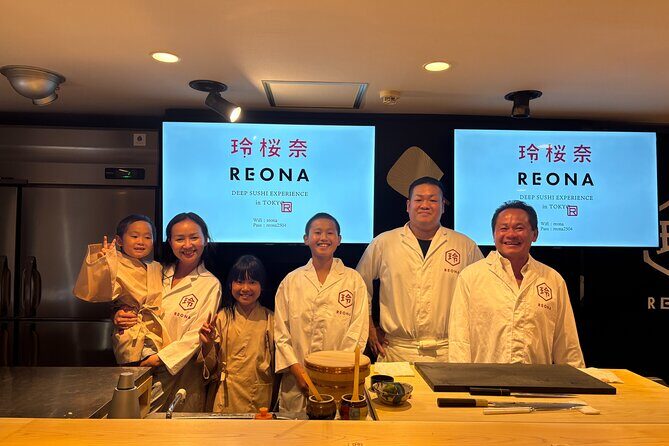
Reviewed · TOKYO
Premium 14-Piece Sushi & Cultural Discovery with Chef Interaction
Sushi gets real at the counter. This small-group experience lets you see Edomae-style technique up close, with a guide and professional chef teaching you what’s behind each bite.
I especially like the 14-piece premium omakase plus the comparisons that show how premium ingredients change flavor and texture. I also like the chef interaction that explains tools, rice prep, and wasabi choices in plain terms.
One consideration: drinks aren’t included, and the experience can’t accommodate allergies tied to rice, soy, or seafood.
Key takeaways (the stuff that makes this worth it)
- Chef-counter access: you sit where the work happens, not across a room.
- Ingredient and technique comparison tastings: premium vs standard is part of the lesson.
- Edomae technique demo set: searing, simmering, marinating, and wrapping are explained as you watch.
- Behind-the-counter photos: you get a rare peek into the chef’s workspace.
- Sake is optional: you can order sake pairings after you arrive.
- Kids aren’t at the counter: kids book the kids’ room and a child meal, not the 14-piece course.
In This Review
- Why This Chef-Counter Sushi Lesson Feels Different
- The Price: What $171.73 Really Buys You
- What the 14-Piece Premium Omakase Is (and How to Enjoy It)
- Edomae Techniques You’ll See Up Close: Searing, Simmering, Marinating, Wrapping
- Premium vs standard: what comparison tastings teach you
- The Cultural Stops: How the Walk Sets the Mood
- Where the session really shines
- Drinks and Sake Pairing Options (What’s Included and What Isn’t)
- The Counter Photo Moment: Why It Matters More Than You Think
- How Long It Takes (and How to Time Your Day)
- Small Group Size and Guide Support
- Kids’ Room vs. the Chef’s Counter: Know This Before You Book
- Allergies and Dietary Restrictions: Important Limitations
- Getting There: Meeting Point and Transit Reality
- Should You Book This Sushi & Cultural Discovery Tour?
- FAQ
- How long is the sushi course experience?
- Is this a private tour or a small-group experience?
- Are drinks included in the price?
- Does the tour include the 14-piece sushi course for children?
- Can this experience handle allergies or dietary restrictions?
- Where do we meet, and is it easy to get there?
Why This Chef-Counter Sushi Lesson Feels Different
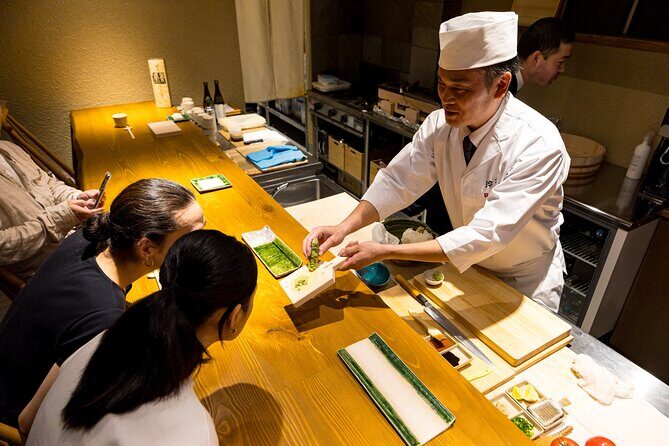
Sushi in a restaurant is tasty. Sushi at the chef’s counter is a working show. Here, you’re seated at the exclusive counter so you can actually see the motion: how the chef handles fish, how the rice is treated, and how each piece is built right in front of you.
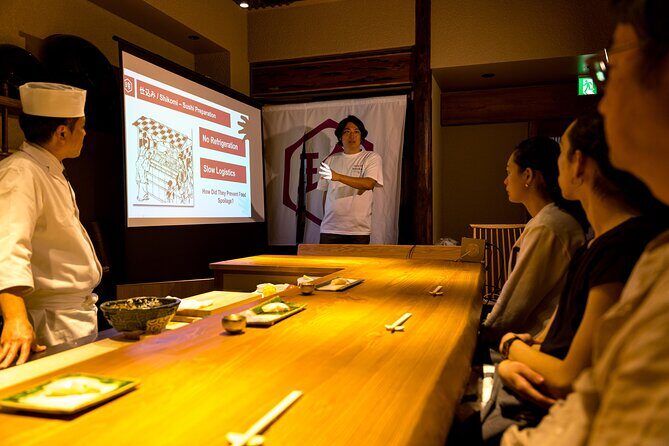
What makes this experience stand out is the way it teaches. You’re not just eating 14 pieces and hoping you guessed the reason they taste better. The chef and English-speaking guide walk you through the why, with demonstrations and practical explanations of tools and ingredient choices. You’ll also do comparative tastings that make the lesson stick fast—especially if you’ve ever wondered what people mean by premium sushi versus regular sushi.
It’s also capped at a small group size (maximum 5). That matters because you can ask questions and get real answers instead of waiting for your turn while the chef keeps moving.
Before you commit, see how this one stacks up against a few Tokyo favourites:
- Mt Fuji and Hakone 1-Day Bus Tour Return by Bullet Train★ 5.0 · 26,383 reviews
- 1-Day Tokyo Bus Tour★ 5.0 · 14,250 reviews
- Tokyo: teamLab Planets TOKYO Digital Art Museum Entry Ticket★ 4.6 · 9,779 reviews
The Price: What $171.73 Really Buys You
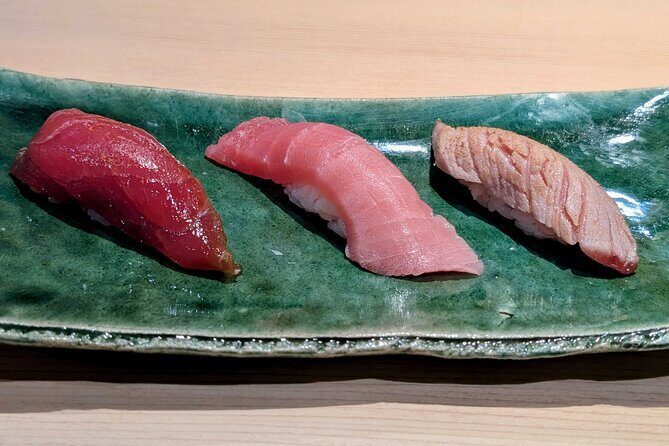
At $171.73 per person for about 2 hours (with a maximum of 2.5), the big value isn’t only the food count. It’s the learning time at the counter. You’re paying for several things that usually cost extra on their own:
- A 14-piece premium sushi course (not a random assortment).
- Chef demonstrations tied to actual Edomae techniques.
- Comparison tastings that show differences between premium and standard ingredients.
- Explanation of authentic sushi tools and why they matter.
- Time for photo access from a behind-the-counter viewpoint.
And yes, drinks add a cost. But the structure keeps the focus on the sushi itself. If you want to treat this like a hands-on class, the pricing starts to make sense.
Also, the small group limit and the chef attention are part of the cost. That’s the difference between watching from a distance and being in the seat where the work happens.
What the 14-Piece Premium Omakase Is (and How to Enjoy It)
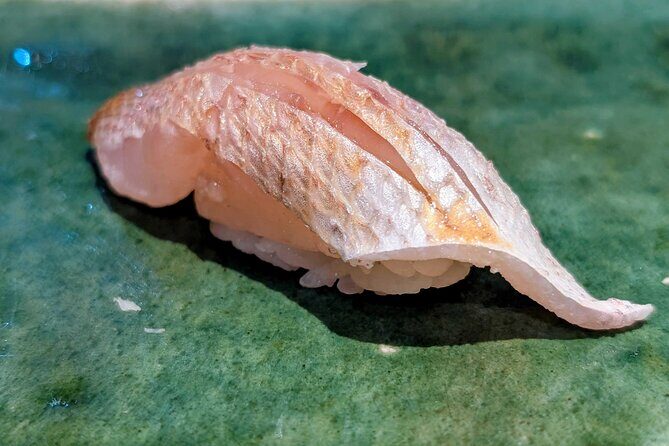
You can expect a guided tasting that stays focused: 14 pieces of premium sushi. The pace is built around the chef’s rhythm—each piece comes with context. The guide helps you understand what to look for so you’re not just eating, you’re actually noticing.
Here’s what makes the “14-piece” format meaningful:
- It’s long enough to taste patterns, not just single hits of flavor.
- You’ll see how rice and fish pair up differently piece by piece.
- The comparative tastings are woven through the experience, so you can connect the lesson to what’s in your mouth.
If you’re not a big fish person, you’ll still have a reason to go. One review highlighted that the person went even though they don’t usually like fish, and still enjoyed every dish. Another review mentioned how fun it was to learn the process, even when you’re new to sushi as a whole. So if you’re curious rather than expert, you’ll still get something useful.
Edomae Techniques You’ll See Up Close: Searing, Simmering, Marinating, Wrapping
The chef demonstrates core Edomae methods during the tasting. Even if you never plan to make sushi yourself, these details give you a new way to taste.
You should watch for how the chef uses heat and timing. The tasting includes techniques like:
- Searing: for depth, aroma, and a firmer texture.
- Simmering: when flavor needs time and control.
- Marinating: for balance and seasoning that isn’t only about salt.
- Wrapping: for structure, portioning, and the way flavors develop as you eat.
The guide also explains how tools and ingredients fit into the workflow. That part matters because sushi is as much about preparation as it is about ingredients. When you understand what’s happening, it’s easier to taste the differences between pieces.
Premium vs standard: what comparison tastings teach you
A key feature is the comparative tasting. The experience is designed to show differences between sushi made with premium versus standard ingredients. You’ll compare things like:
- how rice preparation affects flavor and feel
- how freshly grated wasabi differs from standard pastes
- how the chef’s tools support consistent results
Even if you can’t name every technique, you’ll likely notice the overall impression: cleaner flavors, better texture control, and a more intentional balance between rice, fish, and seasoning.





The Cultural Stops: How the Walk Sets the Mood
This experience includes multiple stops across central Tokyo areas: Chiyoda, Ochanomizu / Akihabara / Kanda, Tokyo Prefecture, the Kanda Jimbocho bookstore area, and Akihabara. The point of these stops is to build context so the sushi doesn’t feel like a standalone event.
In practical terms, you’ll get a guided flow through neighborhoods that are easy to reach by public transit and that mix old-school Tokyo with modern energy. Chiyoda and Kanda are well known for being close to major transit lines, and the Ochanomizu / Akihabara / Kanda area adds that fast-moving city rhythm that makes Tokyo feel like Tokyo. Jimbocho’s bookstore vibe helps slow the mind down, which is handy because you’ll be paying close attention during the counter session.
The benefit for you: by the time you sit down at the chef’s counter, you’re not just hungry. You’re in the right headspace to learn.
Where the session really shines
Even with cultural stops, the main event is the chef-led tasting. You’ll start at an authentic sushi restaurant where an English-speaking guide welcomes you and seats you at the chef’s counter. From there, everything is structured around the meal and the lessons tied to it.
Drinks and Sake Pairing Options (What’s Included and What Isn’t)
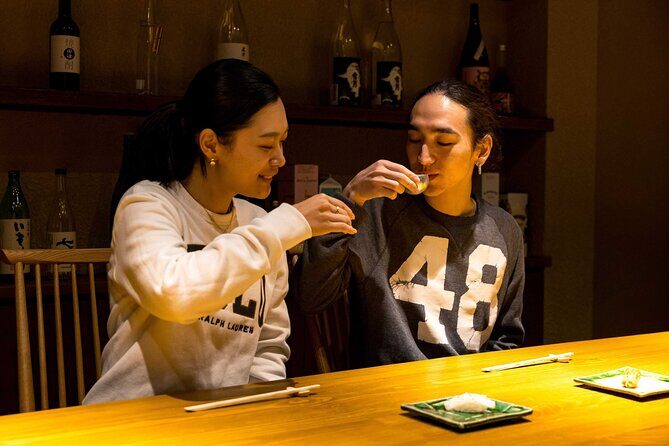
Meals are included in the 14-piece course. Beverages are not included, but you can order sake pairings after arrival, as well as soft drinks if you prefer.
This is a good setup if you want control over your budget and your pace. Sake pairings can be fun because they’re designed to complement sushi flavors, but you don’t have to commit in advance.
One reviewer specifically mentioned they went for sake and still enjoyed the sushi. That’s a helpful hint: if you’re a sake person, this tour gives you a way to connect the drink to the food rather than just sampling alcohol in a group.
The Counter Photo Moment: Why It Matters More Than You Think
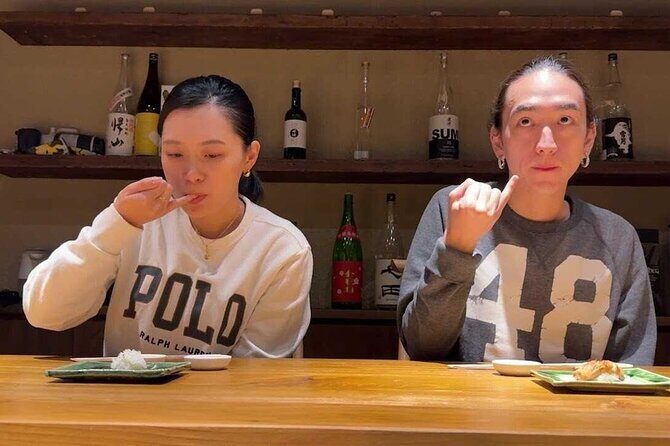
You don’t just sit and eat. You also get an exclusive opportunity to step behind the counter into the chef’s workspace for photos.
That access is more than a souvenir. It reinforces the idea that sushi is a craft with a workflow. When you can see the space and tools from closer range, it becomes easier to understand why the chef’s decisions are so precise.
Keep your camera ready, but also keep your attention on the chef while you’re at the counter. The photo access is a bonus, not a replacement for the lesson.
How Long It Takes (and How to Time Your Day)
The experience runs about 2 hours, with a standard session length of 2 hours and a maximum of 2.5 hours.
That timing is ideal if you want a focused activity without losing your day. It also helps you avoid the common sushi mistake: arriving too hungry or too rushed. The course is 14 pieces, and the explanations take a little time to land.
Plan for the fact that the food is structured as you go, so it’s not a quick bite. If you have another reservation immediately after, give yourself a buffer.
Small Group Size and Guide Support
With a maximum of 5 travelers, you’re in a comfortable zone for questions and clarity. The guide is English-speaking and is there to help connect the demonstrations to real-world understanding.
One review mentioned visual aids and videos that made history and techniques easier to understand. That kind of support tends to help you notice the subtle differences—especially with rice, wasabi, and the general rhythm of Edomae sushi-making.
Kids’ Room vs. the Chef’s Counter: Know This Before You Book
If you’re traveling with children, read the plan details carefully because the experience splits.
- Kids booking includes a kids’ meal and access to a kids’ room.
- Kids are not seated in the counter experience for the full 14-piece sushi course.
- The kids’ room is for children up to 12 years old.
- Childcare services are not provided.
If your child wants the full counter experience alongside adults, you’ll need to book the adult plan for the child.
This matters because it changes what kind of experience your family gets. For adults, it’s a true chef-counter omakase lesson. For kids, it’s a separate meal and space designed for comfort.
Allergies and Dietary Restrictions: Important Limitations
This experience can’t accommodate allergies or dietary restrictions related to rice, soy, or seafood.
If you have any of these concerns, you’ll want to treat this as a hard stop. Sushi is built around those ingredients, so trying to request substitutions could be unrealistic here.
If you’re unsure, it’s best to check with the provider before booking so you don’t end up disappointed.
Getting There: Meeting Point and Transit Reality
The meeting point is 3-chōme-3-6 Kanda Surugadai, Chiyoda City, Tokyo 101-0062. The activity ends back at the meeting point.
The good news is it’s near public transportation, so you’re not relying on a complex transfer plan. Service animals are allowed as well.
For Tokyo days, I recommend treating the address like a target point, not a guess. Map it before you go, especially if you’re pairing this with the rest of your day around Akihabara or Jimbocho.
Should You Book This Sushi & Cultural Discovery Tour?
Book it if you want more than a meal. This is a strong choice if you:
- love learning by watching live technique
- care about understanding what makes sushi different (premium ingredients, rice prep, wasabi choice)
- want the rare option to ask questions at a chef’s counter in a small group
- like sake as a possible pairing add-on
Skip it if you:
- need allergy accommodations involving rice, soy, or seafood
- want an all-in-one deal with drinks included
- are expecting a long, major sightseeing route instead of a sushi-focused session with cultural context
My take: if your budget can handle it, this is one of those experiences where the price buys you attention, explanations, and real access. You’ll finish with a much sharper sense of what to notice the next time you see sushi on a menu.
FAQ
How long is the sushi course experience?
It’s about 2 hours on average, with a maximum of 2.5 hours for the 14-piece omakase course.
Is this a private tour or a small-group experience?
It’s a small group with a maximum of 5 travelers.
Are drinks included in the price?
No. Beverages are not included, but you can order sake pairings after arrival or choose soft drinks.
Does the tour include the 14-piece sushi course for children?
No. Child bookings include a kids’ meal and access to the kids’ room, not the 14-piece sushi course at the chef’s counter.
Can this experience handle allergies or dietary restrictions?
No, it can’t accommodate allergies or dietary restrictions related to rice, soy, or seafood.
Where do we meet, and is it easy to get there?
You meet at 3-chōme-3-6 Kanda Surugadai, Chiyoda City, Tokyo 101-0062, and the location is near public transportation.
More Tour Reviews in Tokyo



Fresh reviews from around Tokyo






Tokyo, compared.
 ★ 5.0Mt Fuji and Hakone 1-Day Bus Tour Return by Bullet TrainFrom $16326,383 reviews
 ★ 5.01-Day Tokyo Bus TourFrom $12914,250 reviews
 ★ 4.6teamLab Planets TOKYO Digital Art Museum Entry TicketFrom $259,779 reviews
 ★ 4.0Mt Fuji & Hakone Cruise, Drum Show Bullet Train 1 Day from TokyoFrom $1497,413 reviews
 ★ 5.0Shinjuku Food Tour (13 Dishes at 4 Local Eateries)From $866,603 reviews
 ★ 4.4Tokyo Mt Fuji 5th St & Hakone Cruise Bus Tour w/Bullet TrainFrom $1545,024 reviews
 ★ 5.0Flagship 2-Hours Official Street Go-Kart Tour – Tokyo Bay ShopFrom $644,974 reviews
 ★ 4.5From Tokyo: Mount Fuji Full-Day Sightseeing TripFrom $684,970 reviews