
Reviewed · TOKYO
Ninja Lesson in Tokyo – 1 Hour Hands-On with Japanese Master
If you want Tokyo in a weird-fun way, start here. This 1-hour class turns you into a ninja with traditional training in English, starting with Kuji-In meditation and moving into hands-on practice. I love the small group size (max 6), which keeps the lesson personal, and I also like that you get gear rental so you’re actually suited up, not just watching. One thing to consider: this is physical and weapons-focused, so if you’re expecting a sit-and-learn museum vibe, this won’t feel that way.
You meet in Shiomi near public transportation and start at 4:00 pm, which is a nice slot if you want something active after daytime sightseeing. The weapons portion includes shuriken (ninja stars) and blow darts, and the lesson is built around sword/tool segments too, but in the one-hour format some people report you may not get the sword as much as you’d hoped. Bring your expectations for a short, efficient class: you’ll learn technique fast, move around, and take home real keepsake photos in costume.
In This Review
- Key highlights worth planning for
- What Happens in a 1-Hour Ninja Lesson at Ninja Samurai Tokyo
- Meeting at Shiomi (4:00 pm) and Getting Oriented Fast
- Kuji-In Meditation: The Calm Part Before the Chaos
- Weapons Training: Shuriken and Blow Darts You Actually Practice
- Sword, Tools, and the Ninja Trick House Moment
- Your Sensei and Why the English Matters (In a Good Way)
- Photos, Costume, and Keepsakes That Don’t Feel Forced
- Price and Value: What $82.56 Buys You in Tokyo
- Best For Families, Couples, and Solo Travelers (Especially With Kids)
- Weather, Comfort, and What to Bring So You Enjoy It
- Should You Book This Ninja Lesson in Tokyo?
- FAQ
- How long is the ninja lesson?
- Where does the experience start, and what time does it begin?
- What does the lesson include?
- Is costume included?
- How big is the group?
- Is bottled water included?
- What’s the weather situation?
Key highlights worth planning for
- Up to 6 people means more face time than a big group show
- Kuji-In meditation gives the lesson a mental side, not just tricks
- Costume rental so you can pose and train in proper gear
- Hands-on weapons practice: shuriken and blow darts are center stage
- English instruction from a Japanese sensei master (some find it very clear)
- Made for photos/video once you’re in full ninja outfit
Before you commit, see how this one stacks up against a few Tokyo favourites:
- Mt Fuji and Hakone 1-Day Bus Tour Return by Bullet Train★ 5.0 · 26,383 reviews
- 1-Day Tokyo Bus Tour★ 5.0 · 14,250 reviews
- Tokyo: teamLab Planets TOKYO Digital Art Museum Entry Ticket★ 4.6 · 9,779 reviews
What Happens in a 1-Hour Ninja Lesson at Ninja Samurai Tokyo
This isn’t a performance where you sit politely in the back. It’s a training session with a clear rhythm: learn the basics, see a demonstration, then try the techniques yourself with guidance.
The class typically begins with an introduction to the history and spirit of ninja arts, taught in English by a Japanese sensei master. You’ll then get a clothing change into your ninja uniform rental, so you look the part and feel more connected to the training. From there, the lesson flows into meditation and weapons instruction—designed so you can leave Tokyo with skills you actually practiced, not just watched.
A big value here is the “small class” format. With a maximum of 6 travelers, you get quicker corrections and less waiting your turn. You also feel comfortable asking questions, which matters because weapon technique and posture aren’t intuitive if you’ve never trained before.
Meeting at Shiomi (4:00 pm) and Getting Oriented Fast
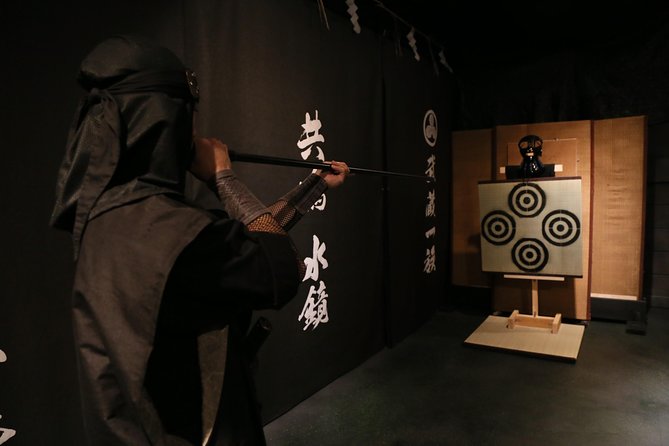
Your meeting point is NINJA SAMURAI TOKYO, located in Shiomi (Koto City), and the address includes East 4F at Bayfrere Shiomi. It’s near public transportation, so you’re not stuck with a long taxi ride. You start at 4:00 pm, and the activity ends back at the same place.
This timing is useful. You get a mid-to-late afternoon activity that pairs well with sightseeing earlier in the day. It also helps you avoid the “rush from one attraction to the next” feeling that can happen with shorter experiences.
Two practical tips from how these classes tend to run: arrive a few minutes early so the costume process doesn’t eat into your training time, and wear something you can move in. One of the most repeated practical notes is to bring workout clothes to wear under the ninja outfit.
Kuji-In Meditation: The Calm Part Before the Chaos
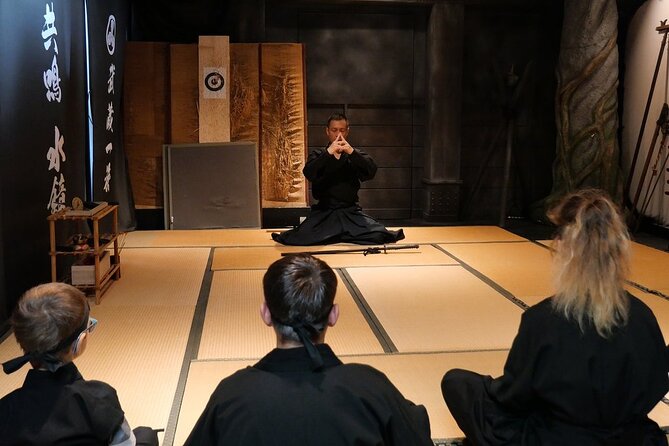
A lot of ninja-themed experiences skip the mental side. This one includes ninja meditation called Kuji-In, which sets a different tone from the start.
In a practical sense, Kuji-In helps you settle your body and focus your attention before weapons practice. You’re learning how to control movement and posture, not just how to throw or shoot something. Even if you don’t read your own body like a trainer would, the meditation segment makes the rest of the class feel more intentional.
You’ll likely also get an introduction to traditional ninja tools and the idea behind why certain techniques mattered. It’s not about being dramatic; it’s about learning how ninja arts were taught as discipline—something you can feel immediately once you’re in uniform.
Weapons Training: Shuriken and Blow Darts You Actually Practice
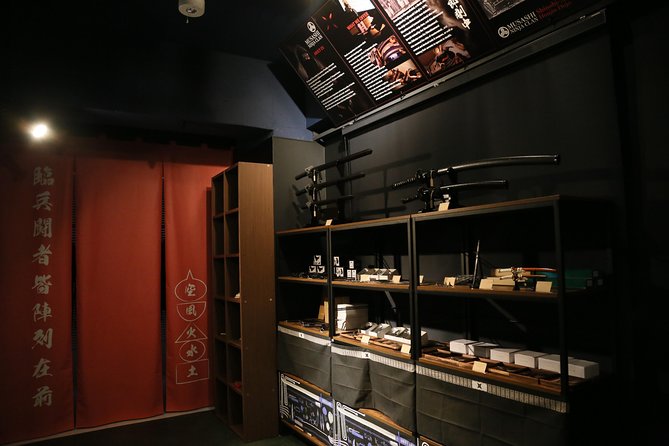
The hands-on part is where the class earns its keep. You’re introduced to weapons like shuriken (ninja stars) and a blowgun (blow darts), then practice with coaching so you can improve during the hour.
With shuriken, the learning curve is real. Balance, stance, and release all matter. The fun is that you’re not just holding a prop—you’re doing a short skill progression that lets you see improvement during the session. One person specifically noted that even from farther away, the target work was fun, which hints at how the class builds control rather than just tossing things randomly.
Blow darts add a different kind of challenge. Instead of upper-body throwing mechanics, you’re working on breath and alignment. It can feel awkward at first, then suddenly click once the technique is explained in a simple, repeatable way. You’ll leave knowing at least the basics of how your body should be positioned to aim and fire.
Even if your first attempts are messy, that’s part of the point. A one-hour class doesn’t train you to become a professional archer; it gives you the foundations and the chance to correct your form in real time.





Sword, Tools, and the Ninja Trick House Moment
The lesson is described as covering ninja training beyond just shuriken and blow darts. That includes ninja sword training and weapon/tool introductions, plus an introduction gimmick at a ninja trick house.
Here’s how to think about the sword segment without getting disappointed: the program is designed to include sword, shuriken, and blowgun training within a one-hour window. Still, people who take the short session may find the sword portion is shorter than they expected. So if sword practice is your top priority, plan with flexibility. You can treat the shuriken and blow darts as the guaranteed center of the lesson, and view sword/tool elements as additional highlights.
The “ninja trick house” gimmick is also worth your attention. Even if it’s just a brief introduction moment, it can help you understand the vibe—traditional training presented in an interactive, modern-friendly way. It’s the kind of scene that makes photos look good because you’re doing something, not just standing in front of a sign.
Your Sensei and Why the English Matters (In a Good Way)
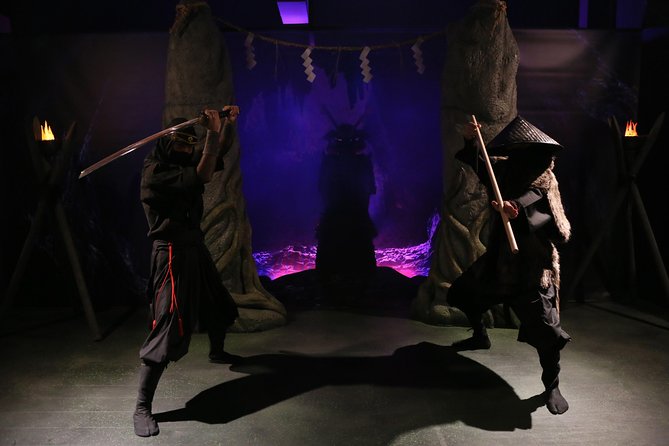
This class is taught by a Japanese sensei master in English. In practical terms, that means you get explanations you can understand, plus technique coaching you can follow.
Based on the overall feedback tone, the most praised trait is the sensei’s patience and professionalism. People describe instructors who take time with technique and encourage everyone through the lesson. That’s important, because when you’re trying a new weapon skill, you need corrections that don’t feel rushed or harsh.
English quality can vary depending on the instructor’s comfort and your own listening style. Some notes point to English that’s very good for understanding, while one comment described it as passable. My advice: don’t worry too much about perfect translation. Even with simple instruction, you’ll learn a lot through demonstration and repeated practice.
And yes, you should expect lots of engagement. With a max group size of 6, questions don’t get swallowed. You can ask what you’re doing wrong and get the feedback that changes your next attempt.
Photos, Costume, and Keepsakes That Don’t Feel Forced
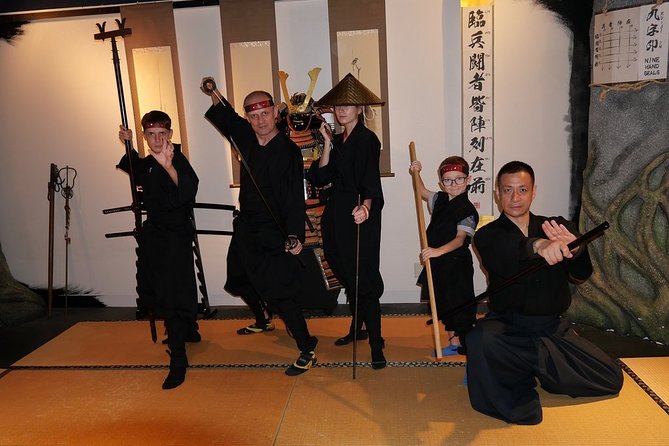
One of the most fun parts is the costume rental during training. You’re not just handed a robe for a quick photo op. You’ll practice while wearing your ninja gear, which makes the pictures feel earned.
That also means your photos and short videos tend to look better. You’re in motion, in a real training setting, and dressed like part of the story. If you like having travel proof that isn’t just selfies, this is a strong option.
A practical note: if you want the costume to stay comfortable, plan to wear breathable workout clothes under it. People have specifically recommended this, and it’s one of those “small thing, big difference” travel tips.
Price and Value: What $82.56 Buys You in Tokyo
At $82.56 per person for about 1 hour, this isn’t the cheapest thing you can do in Tokyo. But it’s not priced like a generic tourist activity either.
You’re paying for several value drivers:
- Small group size (up to 6), which boosts personal coaching
- Costume rental included, so you’re not adding extra costs to look the part
- Hands-on instruction from a Japanese sensei master
- Multiple skill segments in one class: meditation and weapons practice
The biggest reason this can feel like good value is that you don’t just attend—you participate. Weapon practice and posture coaching are the sort of experiences you can’t fully replicate alone at home. Even if you only master the basics, you’ll still leave with usable technique and a unique memory that most Tokyo itineraries don’t cover.
Two costs to watch for: bottled water and private transportation are not included. Pack a small water bottle or plan to buy one nearby so you’re not scrambling mid-lesson.
Best For Families, Couples, and Solo Travelers (Especially With Kids)
This experience is designed for a range of travelers: groups, couples, children, and solo visitors. And it shows in the training style—short, guided, and interactive.
If you’re traveling with kids, this can be a top pick. Multiple notes highlight that children loved it, asked to continue, and found it both challenging and fun. That makes sense because the class has built-in variety: uniform, meditation, and weapons practice. Kids also tend to enjoy the roleplay side, but here it’s tied to real technique.
For couples, this works well as a shared “we tried something different” activity. You’ll have plenty of chances for photos together in costume. The small group size also keeps it from feeling like a busy, awkward tour line.
For solo travelers, the max group size is a major plus. You get instruction without feeling lost. You’re also more likely to get personal feedback, which makes the experience feel less like a performance and more like a real lesson.
Weather, Comfort, and What to Bring So You Enjoy It
The experience requires good weather. If it’s canceled due to poor weather, you’ll be offered a different date or a full refund. That means you should treat it like a plan with a weather-dependent layer.
For what to wear, keep it practical:
- Wear workout clothes under the ninja outfit
- Choose comfortable shoes that work with training movement (you may be adjusting your stance a lot)
- Bring a small water bottle since it’s not included
Comfort matters because you’re learning stance and aiming techniques. If you’re stiff or overly dressed, it’s harder to focus and harder to relax into the movements.
Should You Book This Ninja Lesson in Tokyo?
Book it if you want a hands-on Tokyo activity with real instruction, not just photos from the sidelines. The small group size, costume rental, and mix of meditation plus weapons practice make it a strong value for an hour. I also like that it’s scheduled at 4:00 pm, which can fit neatly into a day without wrecking your night plans.
Skip—or at least double-check expectations—if you’re looking for a relaxed, low-activity experience. This is skill practice, including weapons segments, so expect physical engagement. Also, if sword training is your must-have, know that the short format may not feel like a full sword focus, so ask the operator what you’ll cover in the 1-hour class.
If you’re the type who likes doing something memorable and a little unusual, this is one of those rare activities that actually delivers: you leave dressed like a ninja and with movements you practiced yourself.
FAQ
How long is the ninja lesson?
The class is about 1 hour.
Where does the experience start, and what time does it begin?
It starts at NINJA SAMURAI TOKYO in Shiomi, Tokyo, and the start time is 4:00 pm. The activity ends back at the meeting point.
What does the lesson include?
You’ll learn ninja arts in English, including Kuji-In meditation, introductions to ninja weapons and tools, a ninja trick house introduction gimmick, and training for ninja sword, shuriken (ninja stars), and ninja blowgun (blow darts).
Is costume included?
Yes. Ninja clothes rental is included during training.
How big is the group?
The class has a maximum size of 6 travelers, so you get more personal time with the instructor.
Is bottled water included?
No. Bottled water is not included.
What’s the weather situation?
The experience requires good weather. If it’s canceled due to poor weather, you’ll be offered a different date or a full refund.
More Tour Reviews in Tokyo



Fresh reviews from around Tokyo






Tokyo, compared.
 ★ 5.0Mt Fuji and Hakone 1-Day Bus Tour Return by Bullet TrainFrom $16326,383 reviews
 ★ 5.01-Day Tokyo Bus TourFrom $12914,250 reviews
 ★ 4.6teamLab Planets TOKYO Digital Art Museum Entry TicketFrom $259,779 reviews
 ★ 4.0Mt Fuji & Hakone Cruise, Drum Show Bullet Train 1 Day from TokyoFrom $1497,413 reviews
 ★ 5.0Shinjuku Food Tour (13 Dishes at 4 Local Eateries)From $866,603 reviews
 ★ 4.4Tokyo Mt Fuji 5th St & Hakone Cruise Bus Tour w/Bullet TrainFrom $1545,024 reviews
 ★ 5.0Flagship 2-Hours Official Street Go-Kart Tour – Tokyo Bay ShopFrom $644,974 reviews
 ★ 4.5From Tokyo: Mount Fuji Full-Day Sightseeing TripFrom $684,970 reviews