
Reviewed · TOKYO
Nikko Private Tour from Tokyo with Licensed Guide and Vehicle
Nikko feels like a different world. This private day trip is interesting because you can customize the focus and still get smooth, door-to-door logistics from Tokyo. I love having a licensed English-speaking guide who can connect the sights to the stories behind them, and I love that your day is built around your pace instead of a rigid group schedule. The one catch is price: it can feel steep if you only want one or two quick photo stops, and you’re paying for both a guide and a driver.
What makes it work well in practice is the mix of big-name UNESCO shrines plus quieter nature breaks. You can spend your time on the Tokugawa-era centerpiece at Nikko Tosho-gu, then shift gears to viewpoints like Kegon Falls or Lake Chuzenji. I also liked the extra confidence you get when the guide is used to changing weather in the mountains, like the early April snow day one guide handled with winter tires already prepared.
In This Review
- Key things I’d plan around
- Why a private Nikko day from Tokyo is the smart move
- Picking your 3–4 stops: temples, waterfalls, and mountain views
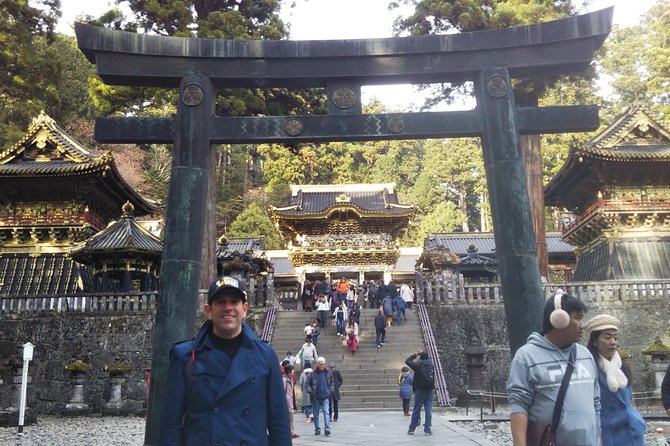
- Nikko Tosho-gu: where the Tokugawa story makes sense
- Kegon Falls and Lake Chuzenji: the nature stop that earns its hype
- Rinno-ji Temple and Futarasan Shrine: sacred, older, and often calmer
- Shinkyo Bridge and the easy scenic breaks that make the day feel complete
- Irohazaka Slope, Senjogahara, and the Initial D road views
- Tamozawa Imperial Villa and Kanaya Hotel History House: a softer side of Nikko
- Kirifuri Waterfall and Kanmangafuchi: when you want nature without the crowds
- Akechidaira observation area and the ropeway closure you should know
- Price and value: what you are really paying for
- Who this tour fits best (and who might want alternatives)
- Should you book this Nikko private tour?
- FAQ
- How long is the Nikko private tour from Tokyo?
- How many Nikko stops can we choose?
- Is pickup in Tokyo included?
- Are entrance fees included?
- Is this a private tour?
- Is the Akechidaira ropeway available?
Key things I’d plan around
- Door-to-door Tokyo pickup from anywhere in the 23 wards, with a private vehicle
- Choose 3–4 stops from Nikko’s temples, waterfalls, lakes, and scenic viewpoints
- UNESCO-level highlights such as Nikko Tosho-gu, with time for related sacred sites
- Nature that hits hard: Kegon Falls (97 m) and viewpoints around Lake Chuzenji
- Scenic drives matter with spots like Irohazaka Slope, featured in Initial D
- Watch for closures: Akechidaira ropeway is closed Jan 16, 2026 to Aug 31, 2027
Before you commit, see how this one stacks up against a few Tokyo favourites:
- Mt Fuji and Hakone 1-Day Bus Tour Return by Bullet Train★ 5.0 · 26,383 reviews
- 1-Day Tokyo Bus Tour★ 5.0 · 14,250 reviews
- Tokyo: teamLab Planets TOKYO Digital Art Museum Entry Ticket★ 4.6 · 9,779 reviews
Why a private Nikko day from Tokyo is the smart move
Nikko is famous, so crowds are a fact of life. A private format doesn’t magically erase other visitors, but it helps you avoid the worst squeeze points because you’re not stuck in someone else’s timing. With a 10-hour day and a private car, you’re also free to spend longer where your group cares most.
I also like how flexible it is: your guide helps shape a route around 3–4 chosen stops, not a fixed checklist you have to rush through. That matters in a place where some areas require walking on stone paths, stair climbs, and museum-style pacing.
The other practical win is logistics. You’re picked up in Tokyo (the 23 wards) and you don’t need to figure out trains, transfers, or day passes. If you’re traveling with more than one person and you want one calm plan instead of a DIY scramble, this kind of tour can be a relief.
Picking your 3–4 stops: temples, waterfalls, and mountain views
This is not a giant group day that tries to hit everything. Instead, you build your own Nikko highlight mix from a set of strong options. That’s good news because Nikko rewards attention. If you choose too many sites, you end up standing in lines and moving too fast to absorb the place.
Here’s how to think about your selection:
- If you want the big cultural payoff, prioritize Nikko Tosho-gu plus another core temple/shrine site.
- If your group loves nature, build around Kegon Falls and Lake Chuzenji, then add one scenic stop for the drive views.
- If you want variety without feeling rushed, pair one Tokugawa sacred site with one of the calmer riverside or bridge areas.
I’d also plan for weather. One review described an early April snow day, and the guide’s preparedness (winter tires on the car) made the trip feel safer and smoother. If your dates are in colder months or shoulder season, you’ll want layers and shoes you trust.
Nikko Tosho-gu: where the Tokugawa story makes sense
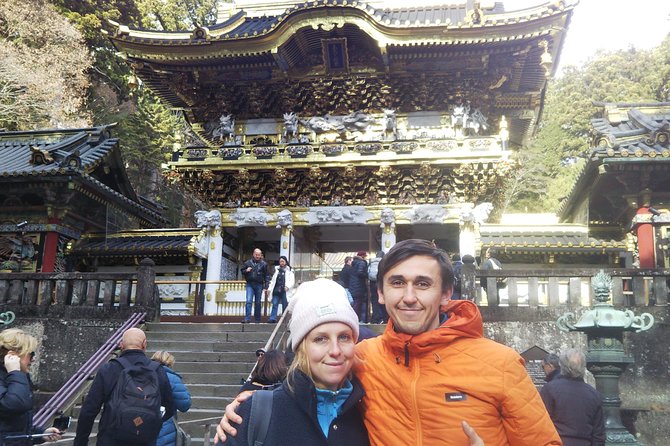
If you’re only choosing one “must” in Nikko, this is the one. Nikko Tosho-gu is the final resting place of Tokugawa Ieyasu, the founder of the Tokugawa Shogunate, and it’s surrounded by related shrines and temple areas. The experience here isn’t just seeing buildings. It’s understanding why this complex matters to Japan’s power story.
In a private setting, you can slow down on the details without worrying that the group will get cranky. Your guide can also point out connections across the complex and explain what you’re looking at before you feel like you’re just collecting photos.
A practical tip: this is a place where you’ll likely do a fair bit of walking on ceremonial grounds. If anyone in your group has mobility limits, you’ll want to tell your guide what pace you want early, so the route stays comfortable.
Reality check on costs: entry fees may apply at this stop, so budget for that.
Kegon Falls and Lake Chuzenji: the nature stop that earns its hype
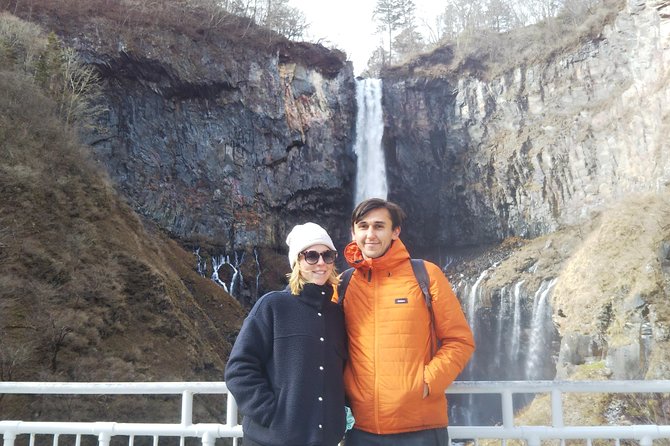
Kegon Falls is one of Nikko’s headline waterfalls, with water dropping about 97 meters. The viewing setup uses a special lift, which is a big part of why the experience feels efficient and dramatic rather than just standing at a distance.
What I love about pairing Kegon with Lake Chuzenji is the rhythm. Falls give you a quick sensory hit—sound, mist, scale—then the lake area lets you breathe and reset with views of a mountain-framed basin. Lake Chuzenji is the largest lake in Tochigi and is surrounded by about 25 kilometers of nature.
One extra angle: Lake Chuzenji used to be a summer resort for foreigners in the late 1800s to early 1900s. That gives the area more texture than “pretty scenery.” It’s a place where old travel routes and modern hiking culture overlap.
Kegon Falls and similar nature stops may involve admission fees depending on the viewing setup, so check what you’ll be charged for once your guide locks in the final 3–4 choices.





Rinno-ji Temple and Futarasan Shrine: sacred, older, and often calmer
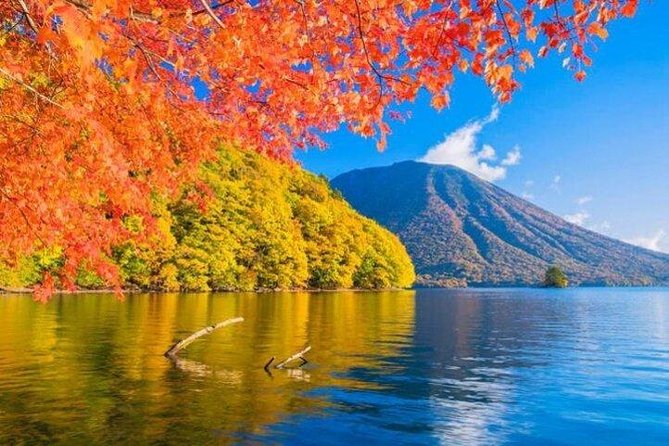
If you want to balance the showpiece shrine, add Rinno-ji Temple and Futarasan Shrine. These are important religious sites in Nikko, and they tend to feel more grounded than the glittery postcard spots.
Rinno-ji is Nikko’s most important temple, founded by Shodo Shonin, the Buddhist monk associated with bringing Buddhism to Nikko in the 8th century. Futarasan Shrine sits next to Toshogu in central Nikko but predates it. Futarasan was founded in 782, again tied to Shodo Shonin.
In a private format, I like how you can shift from the Tokugawa-era emphasis into a longer timeline without the day turning into a rushed history lecture. Your guide can connect the Buddhist and Shinto elements so you understand why these sites sit so close together but still feel distinct.
Cost note: these temple and shrine stops may have admission fees for some buildings, while areas like bridges or gardens can be free depending on the specific point you’re visiting.
Shinkyo Bridge and the easy scenic breaks that make the day feel complete
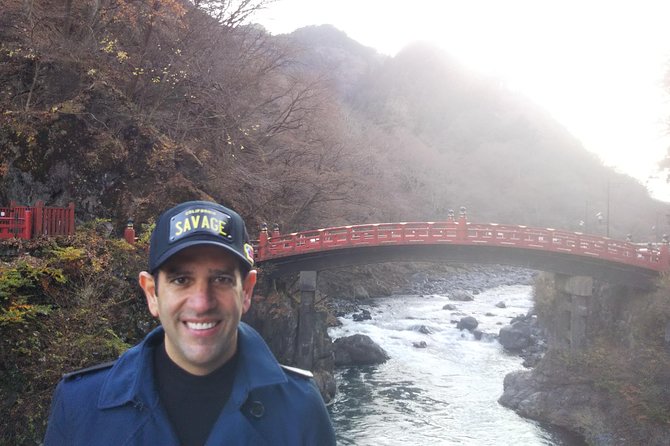
You don’t have to make every stop a “major attraction.” Some of the best moments in Nikko come from quick scenic pauses where the guide sets context and you just look.
Shinkyo Bridge is a great example. It stands at the entrance to Nikko’s shrine and temple areas, and technically belongs to Futarasan Shrine. It’s ranked as one of Japan’s three finest bridges, so you’re not just stopping for a selfie—you’re stepping into a ritual entry point.
Then there are the “drive-view” and “walk-to” stops that keep the day from feeling like a checklist:
- Kanmangafuchi Abyss is a short gorge near central Nikko, only a few hundred meters long, formed by an eruption of Mount Nantai. The best part is that you can enjoy it from a riverside walking trail.
- The Kanmangafuchi area gives you a different texture than Toshogu’s ornate spaces. You’re moving at ground level, watching nature do its own detailing.
These stops work well as buffer time too. If your day starts with a major temple complex, a bridge and riverside walk can prevent the “everything felt the same” feeling that happens when you stack too many similar sights.
Irohazaka Slope, Senjogahara, and the Initial D road views
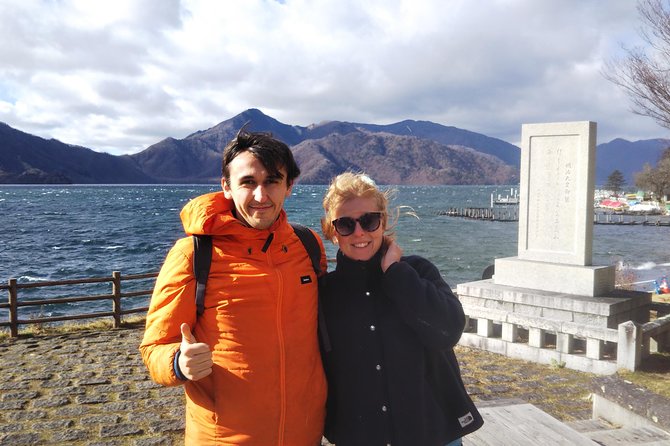
Some Nikko experiences are about motion and sightlines. Irohazaka Route is a pair of winding roads that connect lower elevations near Nikko to higher mountain areas. It’s been featured in the popular anime Initial D, which means you’ll see people taking drive-by photos with that in mind.
This kind of stop is especially good for private tours because it’s built around viewpoints. You don’t have to coordinate with buses or train schedules to catch the best angle. Your guide can also adjust timing so you don’t sit in the car too long if weather clouds in.
Senjogahara Field adds a myth layer. The name translates roughly to battlefield, linked to a legend that the gods of Mount Nantai and Mount Akagi fought to claim neighboring lakes. If you like stories that blend geography with folklore, this is a good “between major sites” stop.
Both of these options tend to be quick, which is exactly why they’re useful when you only have 3–4 stops total. They give variety without hijacking your whole day.
Tamozawa Imperial Villa and Kanaya Hotel History House: a softer side of Nikko
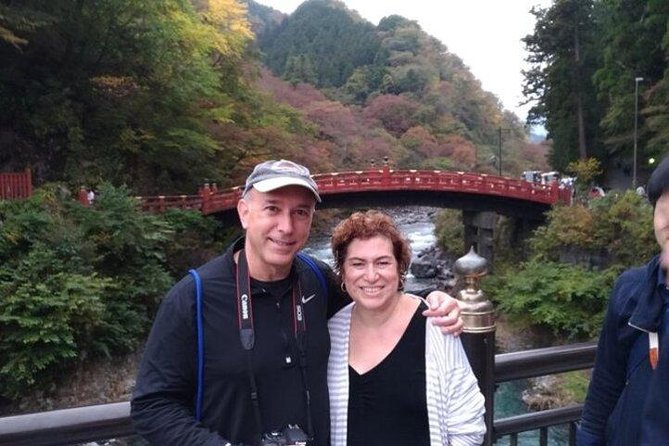
Not all Nikko highlights are shrines and waterfalls. If you want architecture and history that feels less crowded, these can work well.
Tamozawa Imperial Villa Memorial Park (Tamozawa Goyōtei) is tied to the late 1800s and early 1900s. It blends traditional Edo and early modern Meiji architecture and was erected in Nikko in 1899. The villa is described as having 106 rooms, and it uses parts of a residence in Nikkō, which adds a sense of layered reuse.
Then there’s Kanaya Hotel History House. It’s a historical building that served as the predecessor of the well-known Kanaya Hotel. It’s the kind of stop that appeals if you like travel-era details—what people built to live comfortably in a mountain resort town.
These history and architecture choices can be smart if:
- you’ve already visited multiple temple complexes on your trip, and
- you want one “calm and contemplative” stop rather than another religious courtyard.
As with other sites, some stops may have entry fees.
Kirifuri Waterfall and Kanmangafuchi: when you want nature without the crowds
Kirifuri Waterfall is impressive: about 75 meters high and described as a two-tiered waterfall. It’s located below the Kirifuri Highlands, a few kilometers northeast of Nikko’s temples and shrines. If you pick it, you get another waterfall vibe beyond Kegon.
Kanmangafuchi Abyss is different. It’s a gorge scene created by volcanic forces, viewed along a pleasant riverside walking trail. It’s shorter than you might expect, but that works in a private-day context. You can enjoy it without losing half the day to long transfers.
I like mixing one waterfall with one gorge or bridge stop because the textures are different. Waterfalls give drama and motion. Gorges and riverside walks tend to feel slower and more reflective.
Akechidaira observation area and the ropeway closure you should know
One option on the scenic side is Akechidaira Observation Area, near the top of Irohazaka Slope. It’s known for sweeping views over the winding road and dramatic mountain views.
One important heads-up: the ropeway is closed for maintenance from January 16, 2026 until August 31, 2027. If your travel dates fall inside that window, choose your stops with that in mind so you don’t end up with a letdown. Your guide can likely steer you to another viewpoint from the available options, but it’s better to plan with eyes open.
If you’re going outside the closure window, this is a nice “big view” finish because it pulls everything together: the roads, the elevation changes, and why Nikko’s terrain became famous with visitors.
Price and value: what you are really paying for
At about $1,418.77 per group (up to 4), this isn’t a budget tour. But you are buying specific things:
- Private transportation from your Tokyo location
- A licensed local English-speaking guide
- A day that’s built around custom 3–4 stops, not rushed movement through a long list
- Less stress: you don’t have to coordinate multiple transfers or manage timing around other group schedules
For couples, friends, or families of up to four, the value can start making sense fast—especially if you’d otherwise spend time and energy figuring out transport to Nikko and back. A private guide also adds value when you care about context, like understanding Tokugawa Ieyasu’s significance at Toshogu or why Shodo Shonin’s role shows up in multiple sites.
Still, the criticism you should weigh seriously is simple: if your group wants just one quick highlight, you might feel like you’re paying for more staff than you need. And it’s true that guides are the ones responsible for English interpretation; the driver may not speak fluent English. Before you book, think about what you expect from the guide, and if English fluency is a must, ask the operator to confirm your guide’s level.
Who this tour fits best (and who might want alternatives)
This tour is a strong match for you if you want:
- A guided day in Nikko with meaningful explanations, not just signage reading
- Flexibility to choose between shrine-heavy focus and nature-heavy focus
- A comfortable pace and door-to-door pickup from Tokyo
It’s also ideal if you have limited time. Nikko can swallow a day, so having one plan reduces decision fatigue.
You might hesitate if:
- your group wants a very DIY-style day and is comfortable navigating public transport and ticketing,
- you’re cost-sensitive and only want one stop,
- you’re looking for a fixed itinerary and don’t want to make choices.
Also consider small logistics that affect comfort: the tour notes limited car seats and booster seats, and rear-facing car seats aren’t available. If anyone in your group needs a specific setup, you should contact the provider directly ahead of time.
Should you book this Nikko private tour?
I’d book this if your goal is a smooth, guided Nikko day with real choices built in. The biggest reason is simple: it lets you combine UNESCO-level shrines like Nikko Tosho-gu with high-impact nature stops like Kegon Falls without turning the day into a hectic sprint. Guides such as Yoshi, Koba, Ikuko, Steve, and Karen are mentioned for being helpful, flexible, and good at making sites feel more meaningful.
Skip it or shop around if you’re mainly chasing one single attraction and you’re very price-sensitive. At this rate, you’ll want to use the private vehicle time well and pick stops that match your interests.
If you choose wisely—3 to 4 stops that create variety—you’ll come away with a Nikko day that feels planned, not accidental.
FAQ
How long is the Nikko private tour from Tokyo?
It’s approximately 10 hours.
How many Nikko stops can we choose?
The tour is described as a customizable day focusing on 3–4 sites from the set of options.
Is pickup in Tokyo included?
Yes. Pickup is offered from anywhere in Tokyo’s 23 wards.
Are entrance fees included?
Entrance fees are not included. Lunch is also not included.
Is this a private tour?
Yes. It’s private, and only your group participates.
Is the Akechidaira ropeway available?
No during the closure period. The ropeway is closed for maintenance from January 16, 2026 to August 31, 2027.
More Tour Reviews in Tokyo



Fresh reviews from around Tokyo






Tokyo, compared.
 ★ 5.0Mt Fuji and Hakone 1-Day Bus Tour Return by Bullet TrainFrom $16326,383 reviews
 ★ 5.01-Day Tokyo Bus TourFrom $12914,250 reviews
 ★ 4.6teamLab Planets TOKYO Digital Art Museum Entry TicketFrom $259,779 reviews
 ★ 4.0Mt Fuji & Hakone Cruise, Drum Show Bullet Train 1 Day from TokyoFrom $1497,413 reviews
 ★ 5.0Shinjuku Food Tour (13 Dishes at 4 Local Eateries)From $866,603 reviews
 ★ 4.4Tokyo Mt Fuji 5th St & Hakone Cruise Bus Tour w/Bullet TrainFrom $1545,024 reviews
 ★ 5.0Flagship 2-Hours Official Street Go-Kart Tour – Tokyo Bay ShopFrom $644,974 reviews
 ★ 4.5From Tokyo: Mount Fuji Full-Day Sightseeing TripFrom $684,970 reviews