
Reviewed · TOKYO
Nagano: Snow Monkeys, Zenkoji Temple & Sake Day Trip
Chasing monkeys and monks in winter. This Nagano private day trip strings together Snow Monkey Park and Zenkoji Temple, then adds hot-spring town time in Shibu Onsen. I love the private car with an English-speaking driver; it makes a long winter day feel doable.
Zenkoji’s Okaidan Passage in the dark is a memorable stop, and I also like the calm street walk in Shibu Onsen. The main consideration is the 3.5-hour drive, and if animal allergies are an issue, this isn’t for you.
In This Review
- Key Things You’ll Notice
- Why Nagano Feels Like a Different World in Winter
- Private Car Logistics From Tokyo (and From Nagano)
- Jigokudani Monkey Park: Snow Monkeys and Their Hot-Spring Habit
- What to do to make this stop better
- Zenkoji Temple: More Than Big Wooden Architecture
- A practical watch-out
- Shibu Onsen: Steam, Ryokan Streets, and the Simple Joy of Slowing Down
- How to enjoy Shibu Onsen even if you skip a soak
- Obuse and Yamanouchi: Edo-Era Charm Meets Mountain Life
- Why these stops matter
- Matsushiro Castle Ruins: Samurai-Era Context If You Want It
- Price and Value: What $525 per Group Really Buys
- Comfort Tips That Make This Day Trip Easier
- Who This Tour Fits Best
- Should You Book This Nagano Day Trip?
- FAQ
- FAQ
- How much does the Nagano private tour cost?
- Do I choose whether to start from Tokyo or Nagano?
- What’s included in the tour price?
- Are entrance fees included?
- How long is the drive from Tokyo to Nagano?
- What should I bring for the day?
- Is smoking allowed in the vehicle?
Key Things You’ll Notice
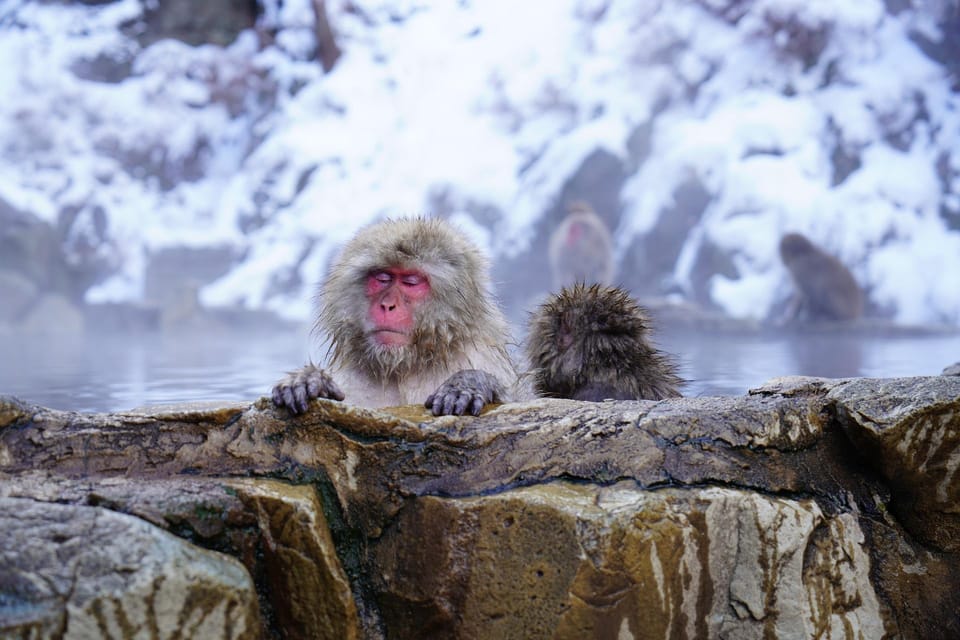
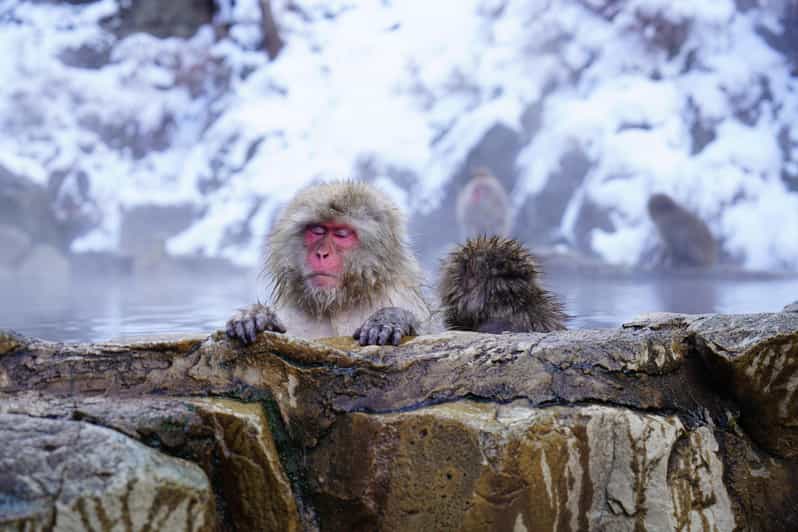
- Snow monkeys soaking in hot springs while snow falls around them at Jigokudani Monkey Park
- Zenkoji Temple’s Okaidan Passage: a pitch-black corridor tied to the key-to-paradise tradition
- Shibu Onsen stroll time with steam, ryokan neighborhoods, and the option to add a soak if you want
- Obuse + Yamanouchi stops that mix Edo-era vibes with mountains and local food/culture
- A real private-driver experience with English (and Hindi) help, plus names like Busal, Sikandar, and Naroz showing up in standout feedback
- Optional Matsushiro Castle Ruins if you want more samurai-era context
Before you commit, see how this one stacks up against a few Tokyo favourites:
- Mt Fuji and Hakone 1-Day Bus Tour Return by Bullet Train★ 5.0 · 26,383 reviews
- 1-Day Tokyo Bus Tour★ 5.0 · 14,250 reviews
- Tokyo: teamLab Planets TOKYO Digital Art Museum Entry Ticket★ 4.6 · 9,779 reviews
Why Nagano Feels Like a Different World in Winter
Nagano in winter isn’t subtle. You trade city pace for snow, steam, and mountain air. This tour leans into that mood hard, with stops that each feel like their own little scene.
The big reason I think this works is the mix: wildlife at Jigokudani, spirituality at Zenkoji, and onsen-town walking at Shibu Onsen. You’re not just hopping between photo stops. You’re moving through different sides of Nagano Prefecture in one full day.
And because it’s private, you’re not tied to the strict timing of public transport. Your driver can help you keep the day comfortable, even with winter conditions in the mix.
Private Car Logistics From Tokyo (and From Nagano)
You can start either from Tokyo or from Nagano, and that choice changes how you feel by the end of the day. From Tokyo, expect about a 3.5-hour drive each way. That’s not “quick.” It’s the kind of distance where snacks, water, and warm layers matter.
The upside: you avoid the coordination headaches of transfers. The car is comfortable, and the driver speaks English (and Hindi). That matters when you want straightforward answers about timing, what to do first, and what to watch for at each stop.
In the feedback I saw, the driving gets praised a lot. People specifically called out drivers like Busal, Sikandar, and Naroz for being professional and attentive, with one report of extra exploration time added at no charge. You should still expect a full schedule, but it’s reassuring when the person behind the wheel is calm and capable in winter traffic.
Two practical notes:
- Dress for cold the moment you get out of the car. Even if the drive is fine, winter air changes everything fast.
- Wear shoes you trust. The Snow Monkey Park route is described as a forest trail through snowy, wintry terrain.
Jigokudani Monkey Park: Snow Monkeys and Their Hot-Spring Habit
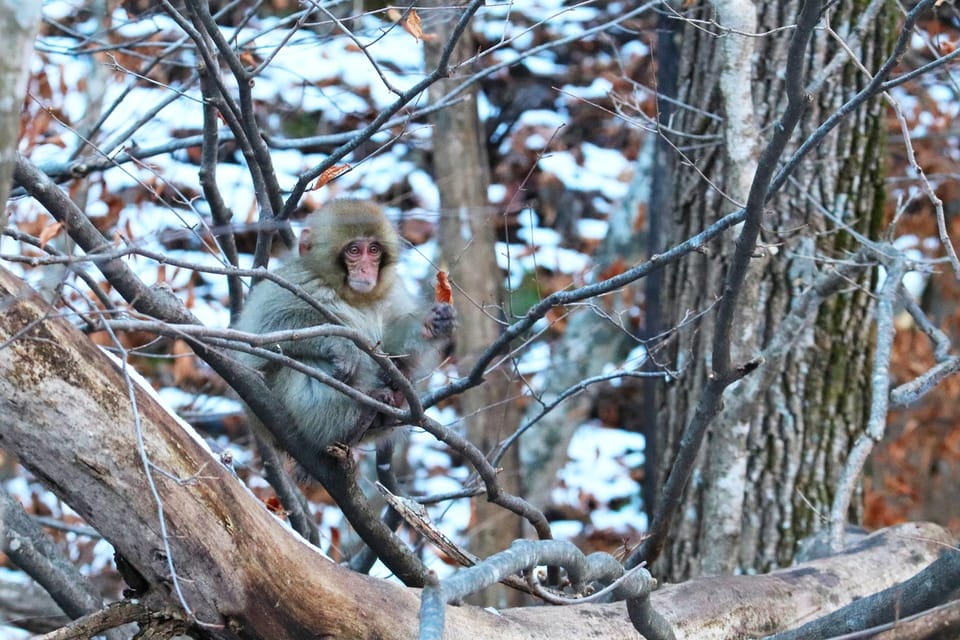
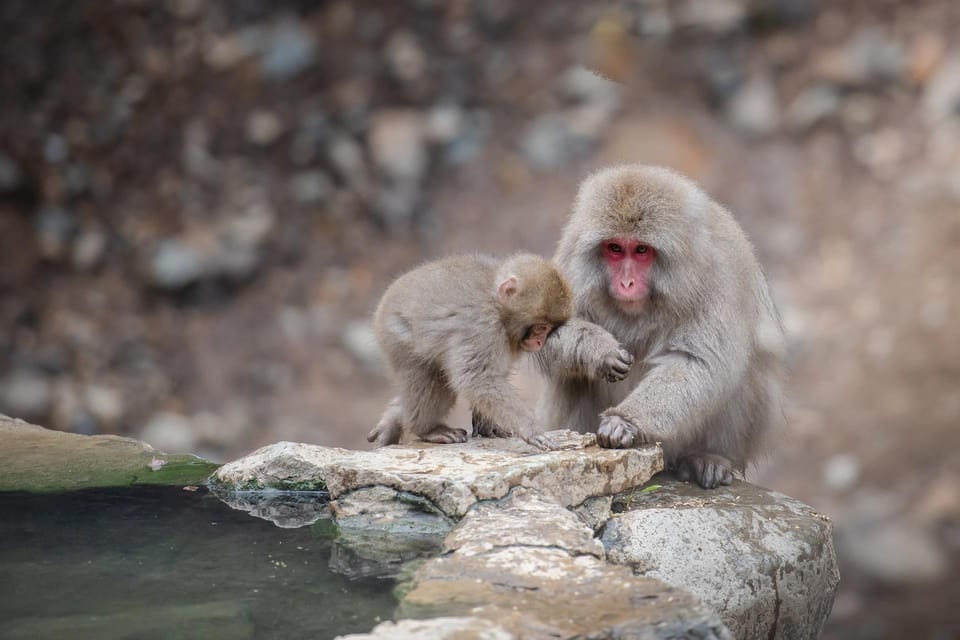
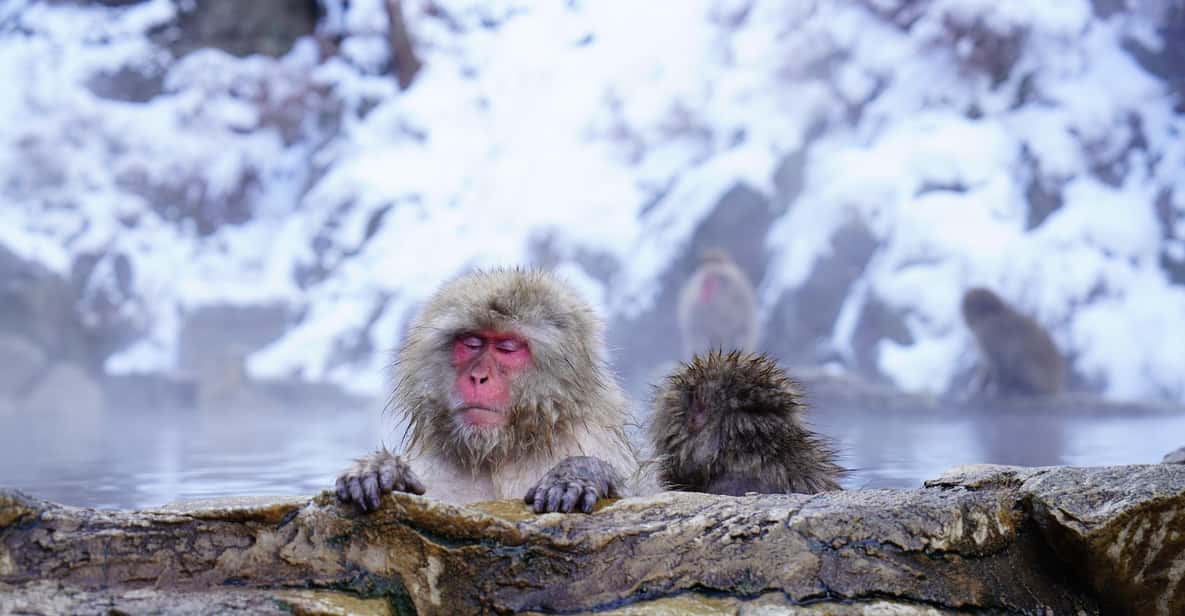
This is the headline stop for most people, and for good reason. At Jigokudani Monkey Park, Japanese macaques relax in hot springs right in snowy conditions. It’s one of those experiences that feels both wild and oddly cozy.
You’ll walk to the park along a forest trail where the views can be striking in winter. The monkeys themselves are the show. They’re not performing tricks. They’re doing what they do—so you watch social behavior, hot-spring lounging, and playful interactions as the temperature outside does its thing.
Here’s what I’d plan for mentally: this isn’t a quick “see them from a bench” moment. You’ll want to give yourself time to settle in, watch the rhythms of the group, and get your photos before everyone moves again.
What to do to make this stop better
- Bring a camera, but also give your eyes a break. Watching in real time is often better than constant zooming.
- Pack snacks and water. The park is a longer “stay and watch” kind of stop.
- If you have an animal allergy, skip this tour. The activity centers on macaques.





Zenkoji Temple: More Than Big Wooden Architecture
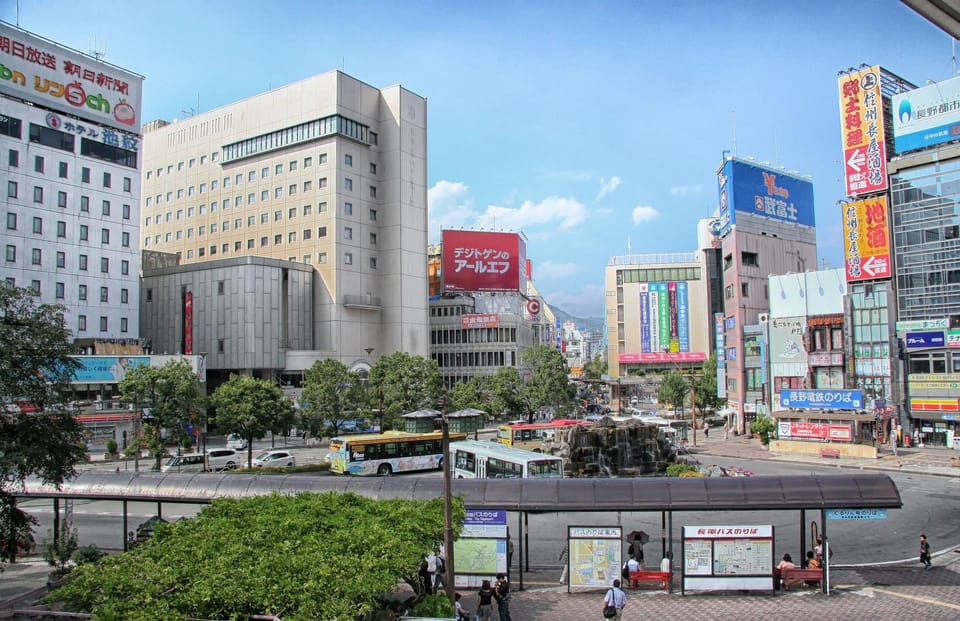
After the monkeys, Zenkoji Temple shifts the tone. This is one of Nagano’s best-known Buddhist sites with a long timeline—described as having over a thousand years of history. The main hall area includes classic wooden structure and intricate details that are easy to appreciate even if you don’t speak the language.
What makes Zenkoji especially memorable here is the Okaidan Passage. It’s a pitch-black corridor beneath the main hall, and the tradition connects it to seeking the key to paradise. Walking through that kind of darkness isn’t about thrill. It’s about contrast—light to dark, noise to quiet, and the feeling that you’re taking a symbolic step.
If you like religious sites, you’ll appreciate that Zenkoji is not just a museum stop. There’s a lived, active atmosphere. You may also have a chance to see traditional Buddhist prayers or at least feel that calm rhythm in the temple grounds.
A practical watch-out
Zenkoji is a real site of worship. Keep your voice low, move respectfully, and don’t treat it like a quick picture grab. The most satisfying visits are the slow ones—especially after the winter walking of Jigokudani.
Shibu Onsen: Steam, Ryokan Streets, and the Simple Joy of Slowing Down
Then comes Shibu Onsen, a historic hot spring town known for rejuvenating baths and classic onsen-town scenery. Expect charming streets lined with ryokans, with steam rising in winter air.
This stop is described as a stroll through the historic streets. That’s a good structure because it keeps the day flexible: you can take it slow, browse, and feel the atmosphere without needing to commit to a long schedule inside.
If time permits, you can also add a private soak in the hot spring waters. That’s optional, and it likely comes with its own costs since entrance fees aren’t included. Still, it’s the kind of moment that matches the rest of the day. The day started with hot springs for animals; it ends with hot springs for people.
How to enjoy Shibu Onsen even if you skip a soak
- Plan on walking slowly. The value here is atmosphere.
- Keep an eye out for steam and small street details that shift as you move.
- If you’re cold from earlier stops, this is where warming up through the air, not just inside a bath, helps you feel human again.
Obuse and Yamanouchi: Edo-Era Charm Meets Mountain Life
The tour also works in time for Obuse and Yamanouchi. These are the stops that tend to make the day feel more “Nagano” and less like a checklist.
Obuse is known for Edo-era charm and cultural heritage, plus chestnut treats. It also includes a stop at the Hokusai Museum, which focuses on the works of Katsushika Hokusai. If you’re the type who likes art in small doses between bigger sights, this fits well.
Then you move through Yamanouchi, a mountain town. The descriptions emphasize views and a feel for local life. This part isn’t built around a single landmark—it’s more about seeing how daily Nagano life sits next to winter scenery.
Why these stops matter
Wildlife and temples are powerful, but they can also feel distant if they’re the only things you see. Obuse and Yamanouchi add texture: food culture, art appreciation, and the sense that you’re actually moving through communities, not just collecting stops.
Matsushiro Castle Ruins: Samurai-Era Context If You Want It
There’s an optional visit to Matsushiro Castle Ruins. If you add it, you get a different flavor of history compared with Zenkoji’s spiritual setting.
The ruins are described as offering a glimpse into Japan’s samurai heritage. It’s the kind of stop that works well when you want one more angle on the region’s past, not just the onsen and wildlife side.
Because it’s optional, this is a good add-on if:
- you still have energy after the earlier walks, and
- you want at least one more tangible history stop beyond temple culture.
Price and Value: What $525 per Group Really Buys
The price is listed as $525 per group up to 6 people. That structure is actually the smart part.
If you can fill a group of six, the per-person cost drops a lot. Even at smaller group sizes, you’re still buying something valuable: a private driver, a comfortable car, and an itinerary that hits multiple locations in a single day without the stress of transit planning.
You’ll also notice what’s not included: entrance fees at attractions. That keeps the base price from inflating, but it does mean you should budget separately for tickets once you’re at the sites.
So how do you judge value here? I’d focus on this:
- Do you want a long day with real winter highlights, without transport headaches?
- Do you prefer private pacing and flexibility over rigid train schedules?
- Are you traveling with family or friends who can split the group cost?
If the answers are yes, this tour can feel like good value. If you’re traveling solo and don’t fill the car seats with your group, you’re paying more per person for the privacy.
Comfort Tips That Make This Day Trip Easier
This tour is winter-focused, so comfort isn’t an afterthought. The essentials listed are the basics that keep the day enjoyable.
Bring:
- Comfortable shoes for winter walking
- Warm clothing for time outside (including possible waiting)
- Camera
- Snacks and water
- Anything you need to stay warm in a car between stops
Also, there’s one clear rule: no smoking in the vehicle.
If you get cold easily, treat this like a winter field day. Layers win. Gloves and warm socks can turn a “cold but fine” day into a “worth it” day.
Who This Tour Fits Best
This is a strong match if you want a winter day that mixes nature, culture, and onsen vibes.
It’s especially good for:
- Groups up to 6 who want a shared private car experience
- Families (one feedback note said kids really loved the snow monkeys)
- People who prefer English-speaking driving help instead of self-guided transit
- Anyone who wants both the Snow Monkey Park and a major temple stop in the same day
It’s not a fit if:
- you have animal allergies (the focus is snow monkeys)
Should You Book This Nagano Day Trip?
I think you should book if you want Nagano winter in one organized day and you care more about comfort and pacing than squeezing in every possible stop. The Snow Monkey Park + Zenkoji combo is a great pairing: life in hot springs, then a calm spiritual reset.
You’ll also appreciate the private-driver advantage. Reports praised drivers like Sikandar, Busal, and Naroz for being friendly, attentive, and professional, with at least one case where extra time was added for exploring. That’s the kind of service that can turn a good day into a smooth one.
If you hate long drives, this is the only major downside. The Tokyo trip is about 3.5 hours, so make sure you’re okay with a long winter travel day. And if animal allergies are part of your situation, skip it for health reasons.
FAQ
FAQ
How much does the Nagano private tour cost?
It’s priced at $525 per group, up to 6 people.
Do I choose whether to start from Tokyo or Nagano?
Yes. The tour can start from either Tokyo or Nagano.
What’s included in the tour price?
Included items are private transportation in a comfortable car, an English-speaking driver, a visit to the Snow Monkey Park, experience at Zenkoji Temple, and a stroll through Shibu Onsen. Matsushiro Castle Ruins is optional.
Are entrance fees included?
No. Entrance fees at attractions are not included.
How long is the drive from Tokyo to Nagano?
The drive from Tokyo to Nagano is approximately 3.5 hours.
What should I bring for the day?
Bring comfortable shoes, warm clothing, a camera, snacks, and water.
Is smoking allowed in the vehicle?
No. Smoking is not allowed in the vehicle.
More Tour Reviews in Tokyo



Fresh reviews from around Tokyo






Tokyo, compared.
 ★ 5.0Mt Fuji and Hakone 1-Day Bus Tour Return by Bullet TrainFrom $16326,383 reviews
 ★ 5.01-Day Tokyo Bus TourFrom $12914,250 reviews
 ★ 4.6teamLab Planets TOKYO Digital Art Museum Entry TicketFrom $259,779 reviews
 ★ 4.0Mt Fuji & Hakone Cruise, Drum Show Bullet Train 1 Day from TokyoFrom $1497,413 reviews
 ★ 5.0Shinjuku Food Tour (13 Dishes at 4 Local Eateries)From $866,603 reviews
 ★ 4.4Tokyo Mt Fuji 5th St & Hakone Cruise Bus Tour w/Bullet TrainFrom $1545,024 reviews
 ★ 5.0Flagship 2-Hours Official Street Go-Kart Tour – Tokyo Bay ShopFrom $644,974 reviews
 ★ 4.5From Tokyo: Mount Fuji Full-Day Sightseeing TripFrom $684,970 reviews