
Reviewed · TOKYO
Mt Fuji Top 5 Spots Day Tour: Arakurayama Park,Oshino Hakkai
Mount Fuji days can make or break a trip. This tour is built for the “see it clearly” moments, stacking classic viewpoints in a smart order and adding a couple of off-the-main-path stops like Hikawa Clock Shop. I like that it mixes famous scenes (Arakurayama and Chureito) with calmer nature time at Oshino Hakkai, so you’re not just rushing from camera spot to camera spot. One drawback: Fuji visibility depends on weather, so you’ll want a bit of flexibility if clouds roll in.
Two other things I really like: the pacing is long enough to actually enjoy each stop, and the guides (I’ve seen names like Anna and Sawaki pop up again and again) are praised for staying organized and helping with photos. It’s also a shared group tour, so you trade total freedom for smoother logistics and expert “where to stand” guidance.
If you want a low-stress day that still feels like you got the real Fuji experience, this is a strong option—just come prepared for an all-day format and occasional schedule shifts.
In This Review
- Key Fuji photo stops you’ll hit
- A 10-Hour Fuji Photo Circuit From Tokyo
- Arakurayama Sengen Park: 397 Steps to Fuji Framing
- Arakura Shrine and Chureito Pagoda: Classic Angles With Short Walks
- Hikawa Clock Shop: Fuji at the End of Quiet Streets
- Oshino Hakkai Springs: Eight Pools Fed by Snowmelt
- Lawson Kawaguchiko Photo Stop: Iconic Fuji and Crossing-Safety Reality
- Oishi Park and Seasonal Color Routes for Fuji (Lavender to Red Kocha)
- Transport, Timing, and Why the Guide Changes Everything
- Price and What You’ll Actually Get for $53
- Who Should Book This Tour (and Who Might Want Something Else)
- Should You Book This Mt Fuji Top 5 Spots Day Tour?
- FAQ
- What time do I need to meet in Tokyo?
- How long is the tour?
- Where will the tour drop me off after the day?
- Does the tour include lunch?
- Is water included?
- What languages are the guides available in?
- Will I be able to see Mount Fuji clearly?
- Do I need cash?
- What should I bring for the day?
- What if I’m late or I miss the meeting?
- What is the cancellation policy?
Key Fuji photo stops you’ll hit
- Arakurayama Sengen Park (397 steps) for Fuji framed by seasonal color
- Chureito Pagoda area for the classic Fuji postcard angle
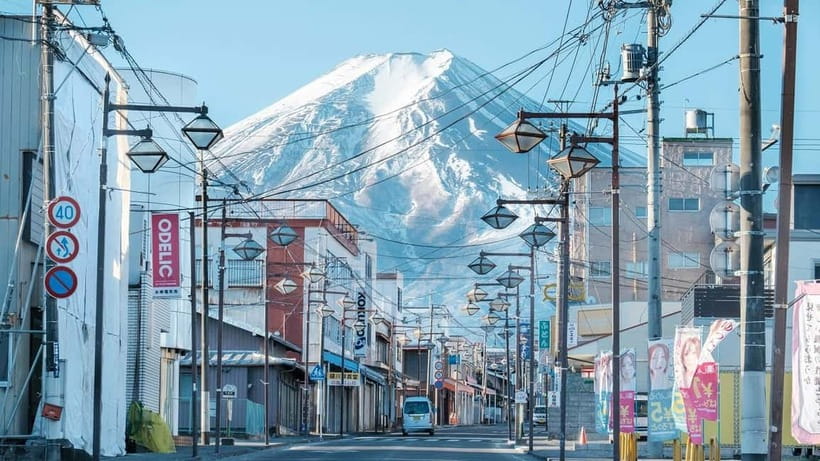
- Hikawa Clock Shop for a quieter street view with Fuji at the end
- Oshino Hakkai with eight crystal-clear springs formed by melted snow
- Lawson at Kawaguchiko for one of Japan’s most recognizable Fuji convenience-store shots
- Oishi Park or seasonal Momiji Corridor depending on the time of year
Before you commit, see how this one stacks up against a few Tokyo favourites:
- Mt Fuji and Hakone 1-Day Bus Tour Return by Bullet Train★ 5.0 · 26,383 reviews
- 1-Day Tokyo Bus Tour★ 5.0 · 14,250 reviews
- Tokyo: teamLab Planets TOKYO Digital Art Museum Entry Ticket★ 4.6 · 9,779 reviews
A 10-Hour Fuji Photo Circuit From Tokyo
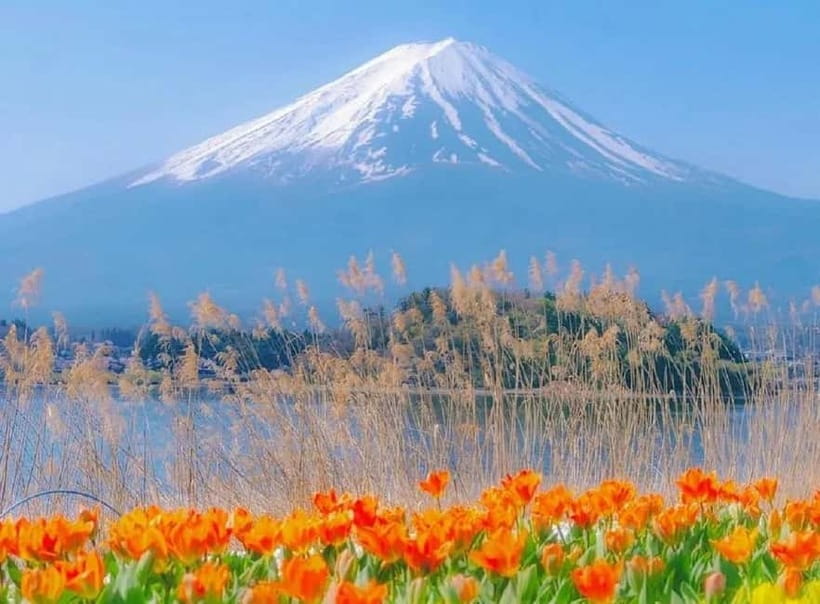
This is a one-day “greatest hits” route for Mount Fuji fans. You start in Tokyo in the morning and spend the day in the Fuji Five Lakes area, moving between viewpoints that are famous for a reason: they line up with Mount Fuji in a way you usually can’t replicate on your own without lots of planning.
The tour runs about 10 hours, with two pickup choices. You’ll meet at JR Tokyo Station (Marunouchi South Exit) at 8:00 AM or Tokyo Mode Gakuen at 8:30 AM. The big practical win here is that you don’t have to wrestle with local transit, timing transfers, and parking—your day is handled by an air-conditioned vehicle plus a multilingual guide (English, Chinese, and Japanese).
Because the mountain is weather-dependent, the best strategy is to accept that some days will be perfect and some won’t. That’s why the itinerary uses multiple stops: if one viewpoint is blocked, another may still give you a clear shot. Many guides on this route are praised for keeping everyone on time and guiding people to the best angles fast.
Arakurayama Sengen Park: 397 Steps to Fuji Framing
The day’s first major payoff is Arakurayama Sengen Park and its viewpoint network. You’ll arrive around 10:30 AM and spend roughly an hour in the area. This is where the tour earns its “top spots” reputation.
The key feature is the climb. There’s a well-known route with 397 steps, and the effort is part of the deal. From higher up, Mount Fuji often pops more cleanly, and you can frame the mountain with the park’s seasonal elements—cherry blossoms, autumn leaves, or winter snow conditions depending on when you go.
What I like about this stop for your photo results is the variety of angles. Instead of one viewpoint, you get options: a view down toward Fujiyoshida, plus multiple frames that help you capture Fuji with a stronger foreground. Practical note: wear comfortable shoes. The steps aren’t a hike-through-the-clouds situation, but they’re long enough to matter.
Possible drawback: it can be crowded at popular times, and if Fuji is partly hidden, you may have less “wow” payoff from the climb. Still, it’s one of the best places to try your luck.
Arakura Shrine and Chureito Pagoda: Classic Angles With Short Walks
Right after Arakurayama, the tour keeps you in the “Fuji postcard zone.” You’ll have a photo-and-walk stretch near Arakura Fuji Sengen Shrine and then reach the Chureito Pagoda area.
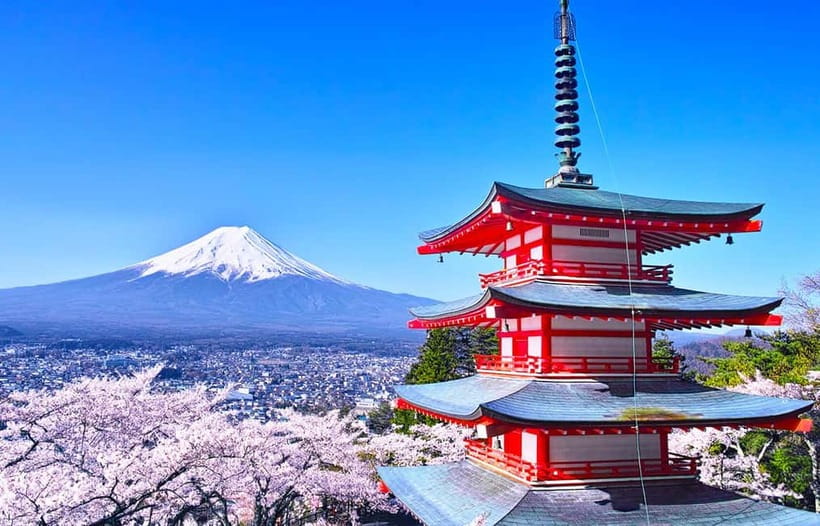
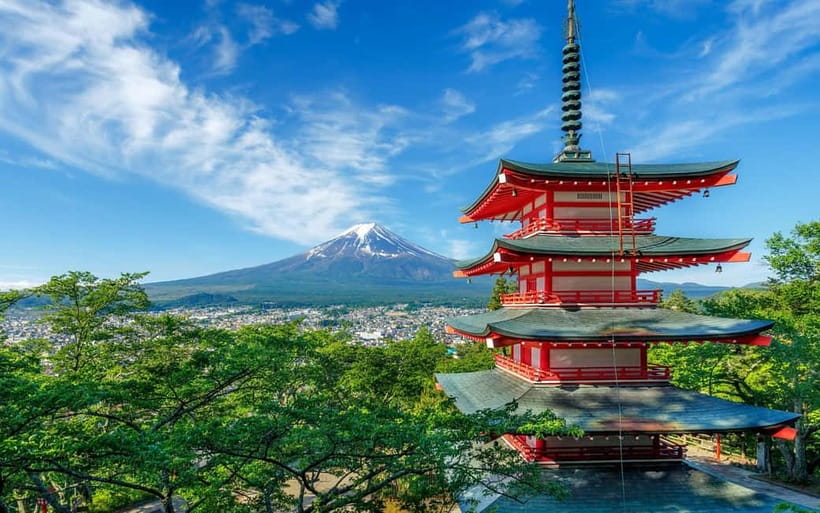
Chureito is famous for a reason. The pagoda creates a strong foreground shape against Mount Fuji, which makes photos look more layered and less flat. The itinerary gives you time to wander and grab pictures without the feeling that you’re sprinting through a checklist.
The schedule here is tight but not brutal: you’ll have brief photo stops and short free time segments rather than one big scramble. That matters because fatigue kills your photo thinking. When you’re tired, you stay in one spot and shoot from one angle. This part of the day is paced to keep you moving while still letting you experiment.
Practical tip: if you’re aiming for photos where Fuji is sharp, watch the sky behavior for a few minutes before you commit to one “final” composition. Clouds on Mount Fuji can change quickly, and waiting 2–3 minutes is often more effective than changing locations every ten seconds.
Hikawa Clock Shop: Fuji at the End of Quiet Streets
After the big scenic area, the tour shifts to something calmer: Hikawa Clock Shop. You’ll stop here around 11:45 AM, for about 20 minutes.
This stop is popular because it pairs Fuji with smaller-town visual texture. You get that “the street leads to the mountain” feeling, which is harder to find at the biggest mainstream sites. The Hikawa Clock Shop area also works as an excellent change of pace—less stair-climbing, more wandering and framing.
One honest heads-up: visibility can change based on weather. The tour note is clear that Fuji visibility may be affected, so don’t count on a perfect shot every time. Still, if you get even partial clarity, this stop can deliver photos that look more personal and less generic than the most famous viewpoints.





Oshino Hakkai Springs: Eight Pools Fed by Snowmelt
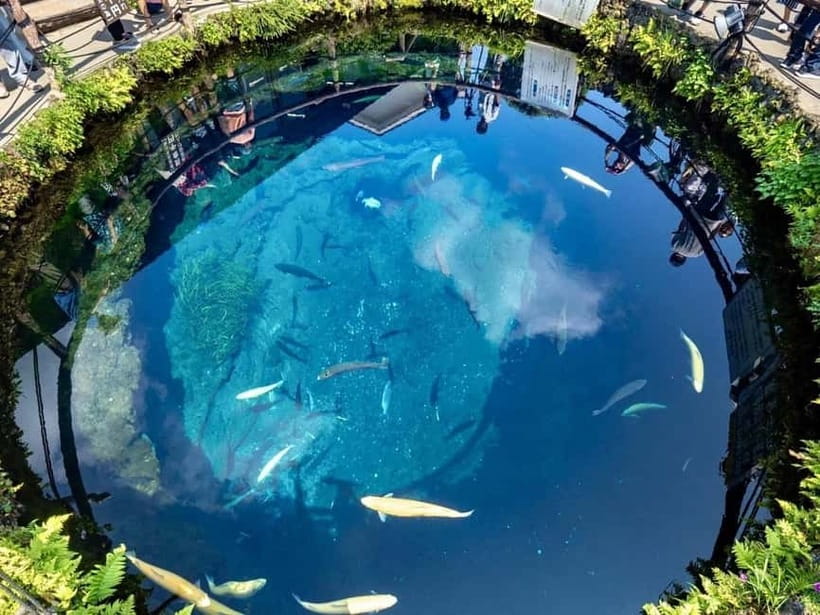
The biggest “slow down” moment is Oshino Hakkai, arriving around 12:30 PM. You’ll have about 90 minutes here, which is enough time to walk, pause, and take photos without feeling constantly rushed.
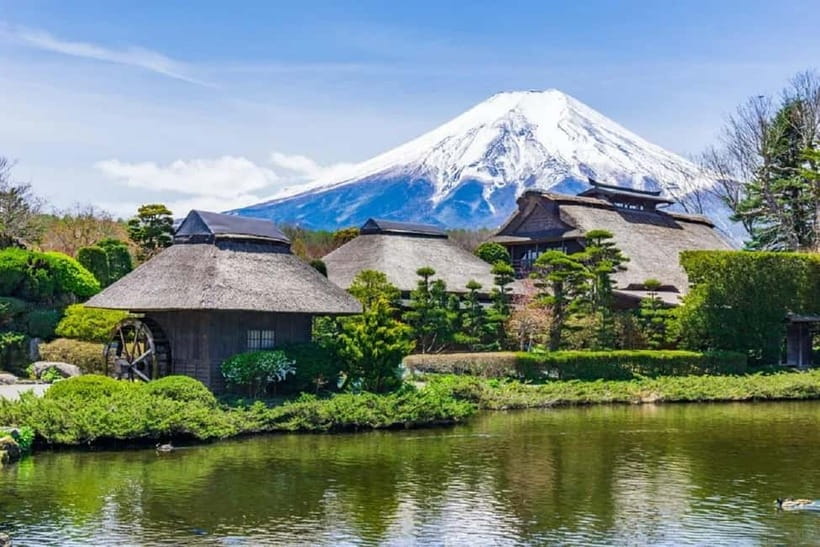
Oshino Hakkai is known for its eight crystal-clear springs, created by melted snow feeding the area. The result is water you can often see into, with a calm atmosphere that feels different from the higher viewpoint parks. The village charm helps too: it’s not just a photo-stop; it’s a place you can actually enjoy, especially if you like quieter travel moments.
This stop also adds value because it balances the day’s photography intensity. After several viewpoints, your eyes and brain get a break. For your planning, think of Oshino Hakkai as the “cool down” segment of the itinerary.
Practical note: the tour doesn’t include lunch, so this is part of the day when you should think about when and where you’ll eat. You’ll have time later, but Oshino Hakkai’s village can be a good place to grab something small if you get hungry.
Lawson Kawaguchiko Photo Stop: Iconic Fuji and Crossing-Safety Reality
Around 14:30, you’ll hit the Lawson convenience store by Kawaguchiko for one of the most recognizable Fuji street-scene shots. The stop lasts about 20 minutes.
This is a funny fact about travel: sometimes the best photos come from the most ordinary places. The Lawson storefront acts like a visual anchor in a Fuji backdrop scene, which is why it’s become a must-do for camera people.
The only thing you need to be ready for is street logistics. The tour specifically warns you to be careful crossing the street, which is the right kind of advice. Convenience-store photo ops are all fun until you forget the basics. Cross deliberately, follow local flow, and don’t let your camera decide for you.
And yes, if Fuji is obscured that day, this can turn into more of a cultural stop than a perfect shot. Still, it’s quick enough that you won’t lose your whole afternoon if the mountain isn’t cooperating.
Oishi Park and Seasonal Color Routes for Fuji (Lavender to Red Kocha)
The final scenic stretch depends on the season, and this is a smart detail. Instead of locking you into one park year-round, the tour adjusts the last segment to seasonal highlights.
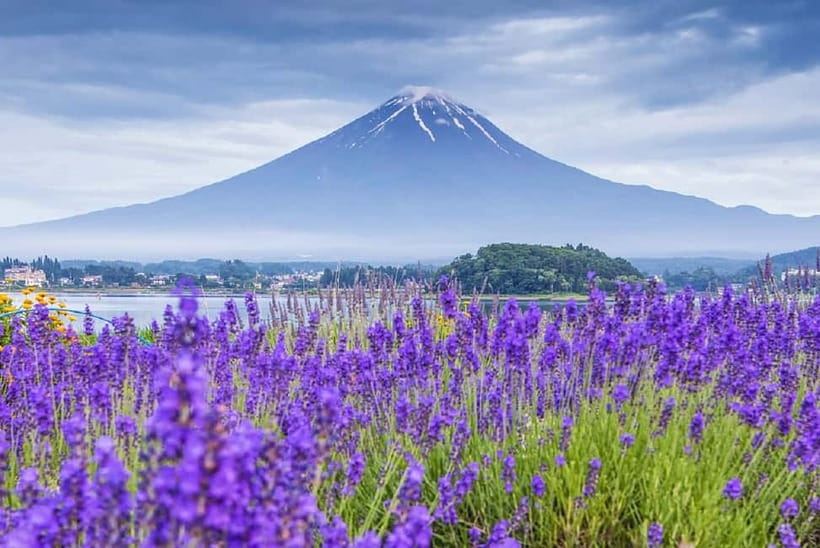
In summer, the focus is Oishi Park and its lavender fields, where the purple tones can look great beside Fuji’s white form. In autumn, Oishi Park can shift into a red-color experience with red kochia grass. The tour also notes the Kawaguchiko Herb Festival (June–October), which lines up perfectly with lavender season.
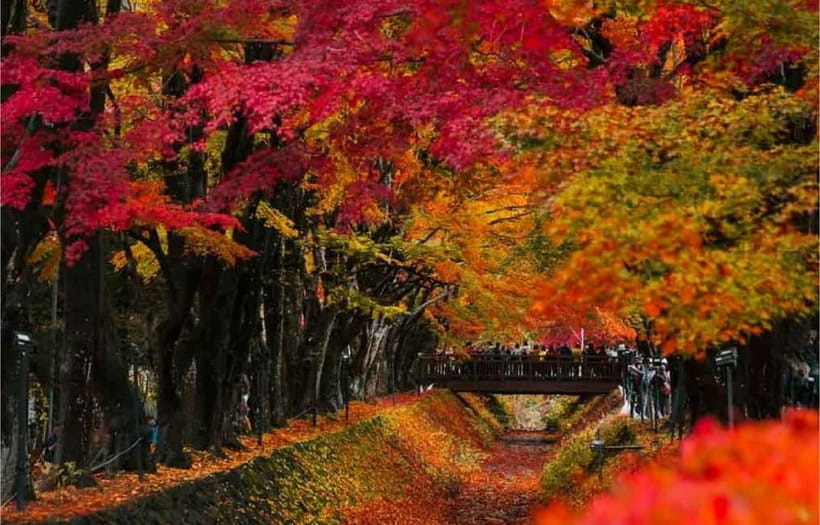
In autumn, there’s also a swap possibility: the schedule may include the Momiji Corridor Lake Kawaguchi photo stop (around Oct 26–Nov 20), rather than going to Oishi Park. The idea is simple: you’re chasing a strong seasonal backdrop, and the maples give you that.
In spring, Oishi Park may also be skipped in favor of a cherry blossom festival window (around Apr 5–14). The goal is the same: make your Fuji photos look like they belong in that season, not just in any random month.
So what should you do with this as a practical traveler? Plan your mental “must-see” around the season you’re traveling. If you’re going in late autumn, don’t emotionally attach to Oishi Park as the only ending. The tour is trying to end your day with the best color match for the calendar.
Transport, Timing, and Why the Guide Changes Everything
A Mount Fuji day can go sideways fast—clouds, crowds, and road traffic. That’s where the guide matters.
On this route, guides are repeatedly praised for being organized and patient with groups. Names like Anna, Sawaki, Peter, Linda, Erina, and Mila show up in the feedback for a reason: they keep the line moving, help people understand what to look for, and give practical direction on where to stand for photos. Some guides also show up as extra helpful with timing and instructions, which is crucial when you’re in a shared group.
This is also why the tour format helps you. When you’re on your own, you spend energy figuring things out. Here, you can spend that energy on looking at the sky, watching the light, and making composition decisions quickly.
That shared-group structure also affects your day. You’re traveling with people from different countries, and the guide will explain sights in multiple languages. Expect a bit of group rhythm: the tour is designed around everyone being able to hear and follow directions.
Price and What You’ll Actually Get for $53
At about $53 per person, this isn’t a “cheap-and-barebones” setup. For your money, you’re paying for a full day of air-conditioned transport, a professional driver and multilingual guide, and the operational costs that keep the schedule running (highway tolls, parking fees, and fuel). The price also covers overtime fees for the driver and guide if applicable, which hints at a commitment to not rush you out instantly.
What you’re not paying for is also clear. The tour does not include lunch and it doesn’t include water or food. That means your real budget depends on how you handle meals and snacks.
Here’s what I recommend: bring cash and plan for small purchases. Many scenic spots and restaurants may take cash only, and souvenir shops are everywhere. The tour also suggests cash for purchases, and I’d follow that advice rather than gambling on cards.
If you compare this to a self-planned Fuji day using taxis, paid shuttles, and the cost of lost time, the guide-led route can feel like good value—especially if you want multiple photo viewpoints without spending your whole day navigating.
Who Should Book This Tour (and Who Might Want Something Else)
This tour is a great fit if you:
- Want a stress-free day from Tokyo with transportation handled
- Care about multiple Mount Fuji photo angles in one outing
- Prefer a guide who helps you find good viewpoints quickly
- Like mixing iconic stops with a calmer nature break at Oshino Hakkai
It may be less ideal if you:
- Want a slow, flexible day where you can linger for as long as you want at one spot
- Are very sensitive to schedule changes caused by weather or traffic
- Plan other things right after return time. The tour warns that weekends, peak seasons, and bad traffic can delay the ride back.
If you’re the type who values “maximum probability of getting a clear Fuji shot,” then this itinerary design makes sense. Multiple viewpoints increase your odds.
Should You Book This Mt Fuji Top 5 Spots Day Tour?
I’d book it if your priority is a well-paced, photo-focused Fuji day with minimal planning stress. The route gives you iconic anchors—Arakurayama, Chureito, Oshino Hakkai, and the Lawson Fuji spot—and it also includes a quieter framing stop at Hikawa Clock Shop. For the price, you’re buying convenience plus guidance, and the guide support is repeatedly praised for organization and photo help.
I wouldn’t book it as a solo “I don’t want to think about weather at all” plan. Fuji is still Fuji. You need to accept that clouds can win on some days. If you treat the day as an opportunity to chase the best angles (and not a guarantee), you’ll get a satisfying experience.
FAQ
What time do I need to meet in Tokyo?
You can meet at 8:00 AM at JR Tokyo Station (Marunouchi South Exit) or at 8:30 AM at Tokyo Mode Gakuen. Arrive about 15 minutes early.
How long is the tour?
The duration is listed as 10 hours.
Where will the tour drop me off after the day?
Drop-off is at either JR Tokyo Station or Tokyo Mode Gakuen, based on the meeting option you chose.
Does the tour include lunch?
No. Lunch is not included, but you can bring food, buy lunch at the attractions, or dine at a restaurant recommended by the guide.
Is water included?
No. Water and food are not included.
What languages are the guides available in?
The live guide provides support in Chinese, English, and Japanese.
Will I be able to see Mount Fuji clearly?
Visibility can be affected by weather conditions, so it’s not guaranteed. The itinerary uses multiple viewpoints to improve your chances.
Do I need cash?
Yes, it’s recommended to bring cash because some spots and restaurants may accept cash only.
What should I bring for the day?
Bring comfortable shoes, water, and cash.
What if I’m late or I miss the meeting?
There is no refund for latecomers or no-shows.
What is the cancellation policy?
You can cancel up to 24 hours in advance for a full refund.
More Tour Reviews in Tokyo



Fresh reviews from around Tokyo






Tokyo, compared.
 ★ 5.0Mt Fuji and Hakone 1-Day Bus Tour Return by Bullet TrainFrom $16326,383 reviews
 ★ 5.01-Day Tokyo Bus TourFrom $12914,250 reviews
 ★ 4.6teamLab Planets TOKYO Digital Art Museum Entry TicketFrom $259,779 reviews
 ★ 4.0Mt Fuji & Hakone Cruise, Drum Show Bullet Train 1 Day from TokyoFrom $1497,413 reviews
 ★ 5.0Shinjuku Food Tour (13 Dishes at 4 Local Eateries)From $866,603 reviews
 ★ 4.4Tokyo Mt Fuji 5th St & Hakone Cruise Bus Tour w/Bullet TrainFrom $1545,024 reviews
 ★ 5.0Flagship 2-Hours Official Street Go-Kart Tour – Tokyo Bay ShopFrom $644,974 reviews
 ★ 4.5From Tokyo: Mount Fuji Full-Day Sightseeing TripFrom $684,970 reviews