
Reviewed · TOKYO
Mt FUJI – Panoramic Tour w/ Hoto Lunch, JP Sake & Onsen tatto OK!
Mt Fuji has a way of making mornings feel bigger. This full-day small-group tour is built for that exact moment—multiple panoramic viewpoints plus shrine stops that are hard to fit on a big bus day. I also like that you get real time to ask questions, and that the day includes hands-on food moments like hoto lunch and a distillery tasting (not just a drive-by). One caution: if clouds roll in, you still spend time outside, and some of the food stops won’t be everyone’s favorite.
Guides can make or break long road days, and this one tends to shine with people like Yayoi-san or Keiko-san—patient, calm, and focused on the group. The schedule also mixes classic Fuji photo angles with quieter hill shrines and a traditional village vibe, plus an onsen option with Fuji views. If you’re counting on a perfect Fuji silhouette all day, treat weather as part of the plan.
In This Review
- Key points before you go
- A small-group Fuji day that actually has room for photos
- The 7:30 am start: what your day feels like on the road
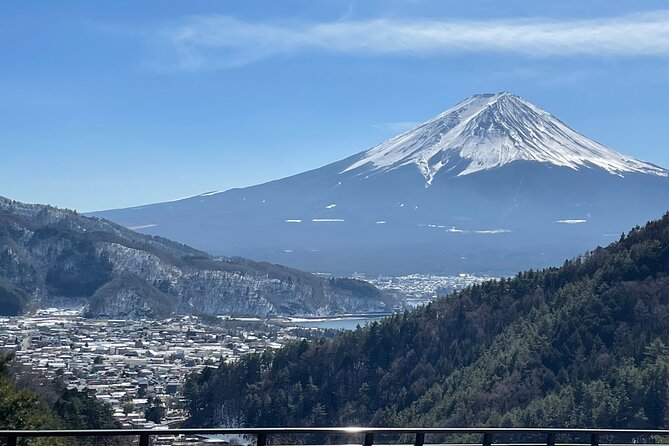
- Nishikatsura-cho and Fujiyoshida: your first Fuji reveal
- Arakura Fuji Sengen Shrine: the climb-style stop you should plan for
- Saiko Iyashi-no-Sato Nemba and Kanadorii: quieter Fuji atmosphere
- Oishi Park and Hottarakashi Onsen: the Fuji + water + heat combo
- Misaka Pass and the lunch moment: hoto helps fuel the day
- Dangozaka Service Area and the distillery stop that turns into a mini museum
- Price and value: what you get for $172
- Weather reality: how to enjoy the day even when Fuji hides
- Who should book this Mt Fuji panoramic tour
- Should you book this Mt Fuji panoramic tour?
- FAQ
- FAQ
- How many travelers are on this tour?
- What time does the tour start, and where is the meeting point?
- How long is the day?
- What food and drinks are included?
- Is the onsen included?
- Are kimono and tea experiences included?
- What happens if Mount Fuji views are affected by weather?
Key points before you go
- Max 8 people means more conversation time and fewer “everyone line up” moments.
- Iconic Fuji photo spots include Arakura Fuji Sengen Shrine for a real climb-style viewpoint.
- Sake tasting included at Sasaichi Shuzo Shuyukan, plus local extras like seasonal sweets.
- Hoto lunch keeps the day grounded in regional food (not just snacks).
- Optional onsen and kimono cost extra, so decide early what fits your budget.
- 10 hours from Shinjuku with about 3.5 hours in transit, so bring something to pass the ride.
Before you commit, see how this one stacks up against a few Tokyo favourites:
- Mt Fuji and Hakone 1-Day Bus Tour Return by Bullet Train★ 5.0 · 26,383 reviews
- 1-Day Tokyo Bus Tour★ 5.0 · 14,250 reviews
- Tokyo: teamLab Planets TOKYO Digital Art Museum Entry Ticket★ 4.6 · 9,779 reviews
A small-group Fuji day that actually has room for photos
You’re doing a long trip out of Tokyo, so the big question is how much of the “Fuji stuff” you actually get to enjoy. This tour is small enough that you can move at a human pace: stop, look, ask questions, take photos, and then move on without feeling rushed every minute.
The best part is that the day is stitched together like a Fuji best-of: early first sight of the mountain, then a sequence of viewpoints that change the angle and background. Some stops are classic postcards. Others are more local-feeling, like a traditional village area where you can slow down and look at everyday life, even if you skip the optional kimono.
That small-group setup also matters when the weather isn’t perfect. You may still get clear views from some angles while other pull-offs are clouded in. Either way, a good guide helps you know where to focus and what to watch for as the light shifts.
The 7:30 am start: what your day feels like on the road
You meet at Shinjuku Post Office, and the day starts at 7:30 am. That early start is the tradeoff for seeing Fuji from different locations in one go. It also means you’ll want to be ready the night before—charge your phone, store offline maps, and wear shoes you’re comfortable walking in.
Once you’re out of Tokyo, expect a lot of driving. The plan includes over 400 km total round-trip, with around 3.5 hours of transit. This is long, but it’s not wasted time if you treat it like travel time: sleep if you can, read, and use it to plan which viewpoints you’ll prioritize when the clouds either clear or thicken.
You’ll also be guided through a steady rhythm of short stops—most are 15 to 50 minutes. That makes the day full, but not frantic. Just know that you’ll spend plenty of time outdoors, so dress in layers. Even in comfortable months, Fuji-area weather can change fast.
Nishikatsura-cho and Fujiyoshida: your first Fuji reveal
The day opens with a quick introduction viewpoint in Nishikatsura-cho. It’s short—about 20 minutes—but it’s a smart move because it helps you orient yourself fast. If you’ve never been to the Fuji region, seeing the mountain up front helps everything that follows make more sense.
Next is Fujiyoshida, where you get a contrast townscape with Fuji in the background and time for local Japanese confectionaries. This stop is where you start collecting “feel” for the area: shops, streets, and those Fuji angles that make you understand why people chase this mountain.
Two practical tips here:
- Wear something you can photograph in easily. People often rush during the first stop because they’re excited.
- If you’re sensitive to crowds, this early portion tends to feel more manageable than later sightseeing hubs.
Arakura Fuji Sengen Shrine: the climb-style stop you should plan for
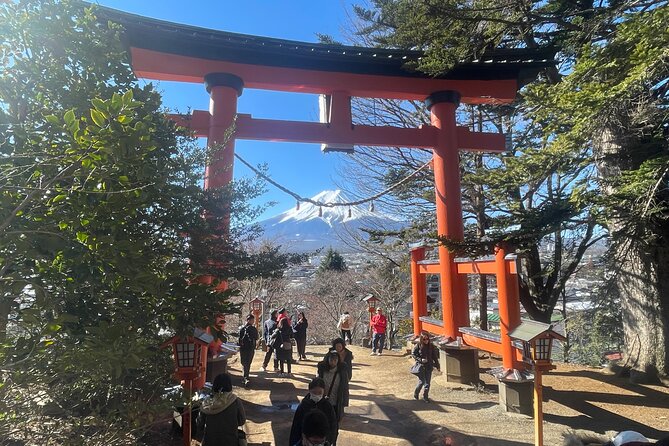
Arakura Fuji Sengen Shrine is the one that gives you the iconic postcard look—and it involves a bit more physical effort than a flat viewpoint. You’ll spend around 50 minutes here, including time to actually climb up to the best perspective.
This is a stop that rewards calm pacing. Go slow, take breaks if you need them, and keep your eyes scanning for the angle where the pagoda-style view frames the mountain best. If you’re traveling with a camera, this is also a great place to slow down and reset your settings before you move on.
Also, keep expectations realistic: even with perfect timing, clouds can still hide the top. The good news is that the shrine area usually gives you something interesting to photograph—trees, stone steps, lanterns—so the stop doesn’t feel pointless even when the sky isn’t cooperating.





Saiko Iyashi-no-Sato Nemba and Kanadorii: quieter Fuji atmosphere
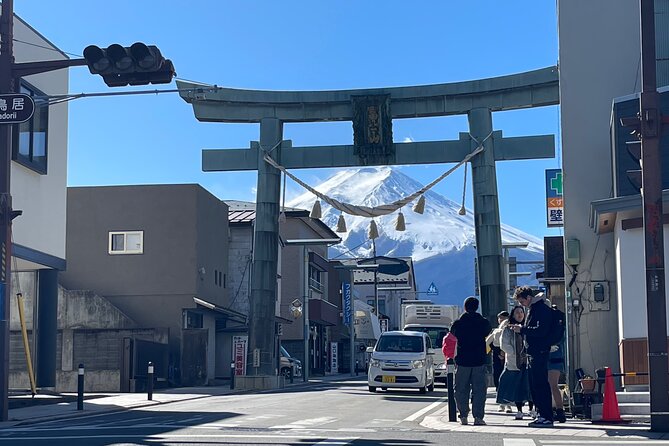
After the big-photo energy of Arakura, the day shifts into a more grounded, traditional feel.
Saiko Iyashi-no-Sato Nemba is a traditional Japanese village area with Mount Fuji in view from a scenic old-street setting. You also have the option to wear Japanese village kimonos, but that’s not free—kimono experience is an optional ¥2,500 per person. If you’re on a budget or short on time, you can still enjoy the village ambiance without adding the rental.
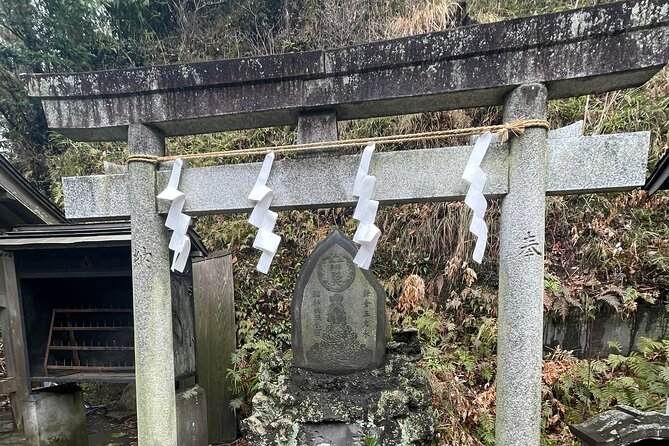
Then you swing by Kanadorii for a quick look at the first torii gates of the Main Shrine guarding the base of Mount Fuji. This is brief (around 15 minutes), but torii gates are one of those details that turn “I saw Fuji” into “I understood Fuji.”
In other words: these stops add context and mood. They help you move beyond pure sightseeing and into the way the locals think about place.
Oishi Park and Hottarakashi Onsen: the Fuji + water + heat combo
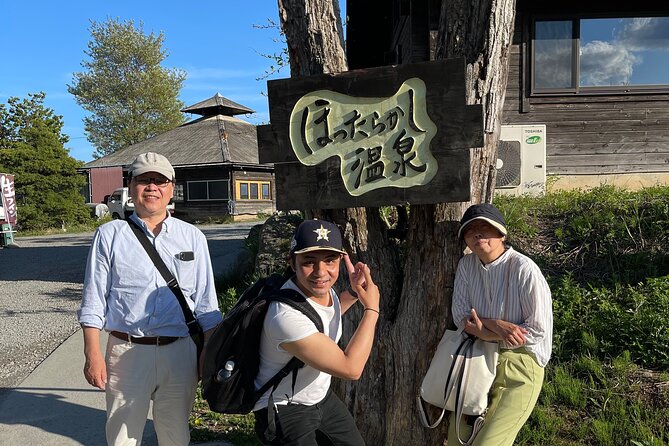
Oishi Park gives you Fuji with Lake Kawaguchiko. It’s a classic pairing, and it’s one of those spots where you can compare how the mountain looks when you have water nearby as a reference point. The stop is around 20 minutes, so keep it focused: set your shot, then take a second one when the light shifts.
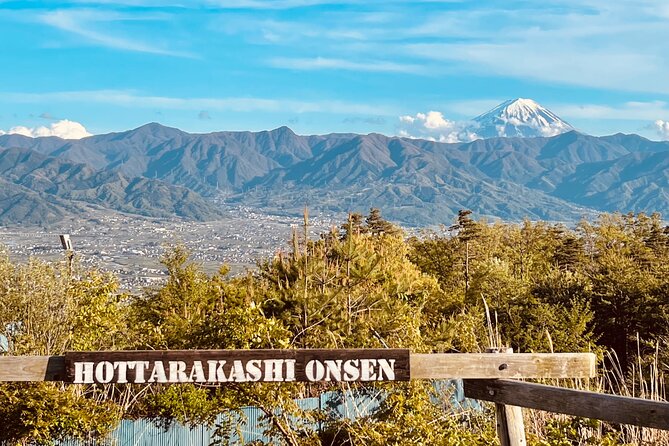
Then comes Hottarakashi Onsen, the height-style onsen with Fuji seen from afar. You’ll have around 50 minutes here, and this is another optional add-on: onsen entrance is typically extra (¥900 per person). If you do one paid extra, this is the one I’d consider most carefully—because soaking is the hardest thing to replace with DIY planning after a long day.
A practical note: confirm how much time you’ll want in the water, not just outside photographing. It’s easy to over-focus on photos and then feel rushed inside.
Misaka Pass and the lunch moment: hoto helps fuel the day
Misaka Pass is where you get the “up higher” feeling again and time for lunch. The tour includes lunch, and the title mentions hoto, which is a hearty regional noodle dish that makes sense for a cool mountain day.
You’ll be here about 1 hour 10 minutes, which is a comfortable window: enough time to eat without panicking, and enough time to step out for views if the weather cooperates.
This is also a helpful break in the schedule. After several viewpoints and walking moments, you want a pause where you can sit down, warm up, and reset.
Dangozaka Service Area and the distillery stop that turns into a mini museum
Not every stop is scenic. Dangozaka Service Area inbound is a smart comfort stop around 20 minutes. If you missed breakfast or you’re running low on snacks, this gives you a chance at local-style breads.
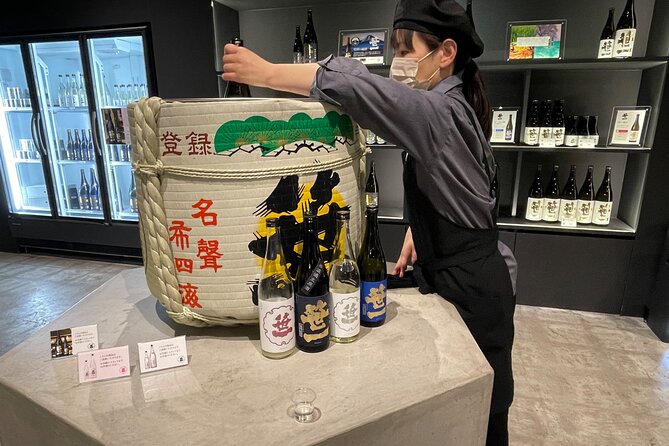
Then you end with one of the more “learn something” parts of the day: Sasaichi Shuzo Shuyukan, a sake distillery and tasting experience. This part lasts about 45 minutes and includes sampling virgin sake as well as liquored products made locally.
This is also where you can satisfy the brain a bit. A distillery stop isn’t just sampling drinks—it often includes an exhibition feel that helps you understand what you’re tasting. If you care about food and drink culture, this is a strong payoff at the end of a long day.
And if you’re a sweets person, one review highlight mentioned daiginjo ice cream as a favorite during the day. Even if you’re not specifically chasing that item, it signals the tour’s pattern: small tastes at the right times, not random candy stops.
Price and value: what you get for $172
At $172 per person for about 10 hours, this isn’t the cheapest way to reach Fuji. But it’s also not trying to be. You’re paying for two big forms of value.
First is the small group size (maximum 8). That’s what gives you time at the shrines, flexibility with questions, and a smoother pace than crowded coach travel.
Second is what’s included: lunch, parking fees, and an air-conditioned vehicle. You also get multiple stops that don’t require you to pay separate entrance fees. And the distillery tasting is included, which adds real “experience value” beyond photos.
Then come the extras that can shift the math:
- Optional onsen entrance: ¥900 per person
- Optional tea experience: ¥500 per person
- Optional kimono rental: ¥2,500 per person
I’d frame it like this: the core day is solid even if you skip optional add-ons. If you love onsen culture or want the kimono photos, the extras can be worth it. If you’re strictly trying to keep costs down, simply choose the one optional item you’ll actually use.
Weather reality: how to enjoy the day even when Fuji hides
This tour is weather-dependent. When skies cooperate, Fuji can look crisp from multiple viewpoints. When they don’t, you still get a full day with shrines, village atmosphere, a distillery visit, and the chance to soak in an onsen with a panoramic feel.
If you want the best odds for clear views:
- Dress for quick changes (layer up, bring a light rain layer).
- Be ready to adjust priorities. A guide can help you decide which viewpoint to emphasize if clouds move in.
- Don’t fixate on getting only one perfect photo. Take a few from different stops, because conditions can shift during the day.
And if you end up with partial views, treat the day as Fuji culture rather than only a Fuji silhouette. The shrine climb, torii gate, traditional village setting, and sake tasting all still make sense even when the mountain’s top is obscured.
Who should book this Mt Fuji panoramic tour
This tour is a strong fit if you:
- Want small-group pacing and plenty of guide interaction
- Like photo stops but also want context (shrines, village atmosphere, distillery culture)
- Prefer a guided day over DIY logistics out of Tokyo
It may be less ideal if you:
- Absolutely need long time at one place. The stops are short and varied by design.
- Hate the idea of paying optional extras like onsen or kimono.
- Have mobility limits that make the shrine climb difficult, since Arakura involves a more active climb-style segment.
If you’re solo, couples, or a small group of friends, this style is especially practical. You get structured sightseeing without the stress that can come with big tour crowds.
Should you book this Mt Fuji panoramic tour?
If your top priority is seeing Fuji from multiple angles in one day—with real time at key spots and a included distillery tasting—this tour is worth serious consideration. The value is strongest for small-group seekers who want guidance, not just a bus ride.
I’d book it if you’re excited about photo viewpoints, shrine atmosphere, and you don’t mind optional add-ons to round out the experience. Skip it only if you want a slow pace, or you’re uncomfortable with outdoor walking and a schedule that’s packed by necessity.
FAQ
FAQ
How many travelers are on this tour?
The tour has a maximum of 8 travelers, which keeps it small-group style.
What time does the tour start, and where is the meeting point?
It starts at 7:30 am in Shinjuku at the Shinjuku Post Office (1-chōme-8-8 Nishishinjuku).
How long is the day?
The duration is about 10 hours.
What food and drinks are included?
Lunch is included, and the day includes a sake distillery tasting (with samples). The tour also has stops that include traditional sweets and snacks.
Is the onsen included?
Onsen entry is optional and costs extra (¥900 per person). You can also choose not to include it.
Are kimono and tea experiences included?
No. A kimono experience is optional and costs ¥2,500 per person, and a tea experience is optional and costs ¥500 per person.
What happens if Mount Fuji views are affected by weather?
The experience requires good weather. If it’s canceled due to poor weather, you’ll be offered a different date or a full refund.
More Tour Reviews in Tokyo



Fresh reviews from around Tokyo






Tokyo, compared.
 ★ 5.0Mt Fuji and Hakone 1-Day Bus Tour Return by Bullet TrainFrom $16326,383 reviews
 ★ 5.01-Day Tokyo Bus TourFrom $12914,250 reviews
 ★ 4.6teamLab Planets TOKYO Digital Art Museum Entry TicketFrom $259,779 reviews
 ★ 4.0Mt Fuji & Hakone Cruise, Drum Show Bullet Train 1 Day from TokyoFrom $1497,413 reviews
 ★ 5.0Shinjuku Food Tour (13 Dishes at 4 Local Eateries)From $866,603 reviews
 ★ 4.4Tokyo Mt Fuji 5th St & Hakone Cruise Bus Tour w/Bullet TrainFrom $1545,024 reviews
 ★ 5.0Flagship 2-Hours Official Street Go-Kart Tour – Tokyo Bay ShopFrom $644,974 reviews
 ★ 4.5From Tokyo: Mount Fuji Full-Day Sightseeing TripFrom $684,970 reviews