
Reviewed · TOKYO
Martial Arts: Samurai Experience (Iaido)
Turning a hobby into samurai training is rare. This one-day Iaido (sword technique) experience lets you practice core movements, learn how to handle a katana safely, and finish with the master’s demonstration using a real sword. It’s a simple setup with a real-feeling focus on discipline and form, and you’ll walk out with a better sense of what people mean by Samurai spirit.
I love that they teach the basics in a structured way: you start with fundamental movements, then build toward katana technique. I also love that the pacing includes a “teacher’s moment” at the end, with a master performance and time for Q&A so your questions don’t get swallowed by the clock. One consideration: this is hands-on and physical in a dojo setting, and it’s not suitable for wheelchair users or very young kids (under 5).
In This Review
- Key Highlights to Expect
- What This Iaido Samurai Experience Really Feels Like
- Gear Up: Outfit Change and Dojo Setup
- Learning the Fundamentals: Movements You Can Actually Use
- Handling Katana: Safety, Control, and Real Technique
- The Master’s Shinken Performance: Where It Clicks
- Q&A Time: Getting Unstuck Fast
- Price and Value: What $161 Buys You
- Who Should Book This (and Who Might Skip)
- How to Make the Most of Your One Day
- Quick FAQ
- FAQ
- Where does the Samurai Iaido experience start and end?
- How long is the experience?
- What languages are used during the lesson?
- What should I bring?
- What is included in the price?
- What is not included?
- Is it suitable for children or wheelchair users?
- Is free cancellation available?
- Should You Book This Iaido Samurai Experience?
Key Highlights to Expect
- Iaido training with a katana: you don’t just watch, you practice core movements.
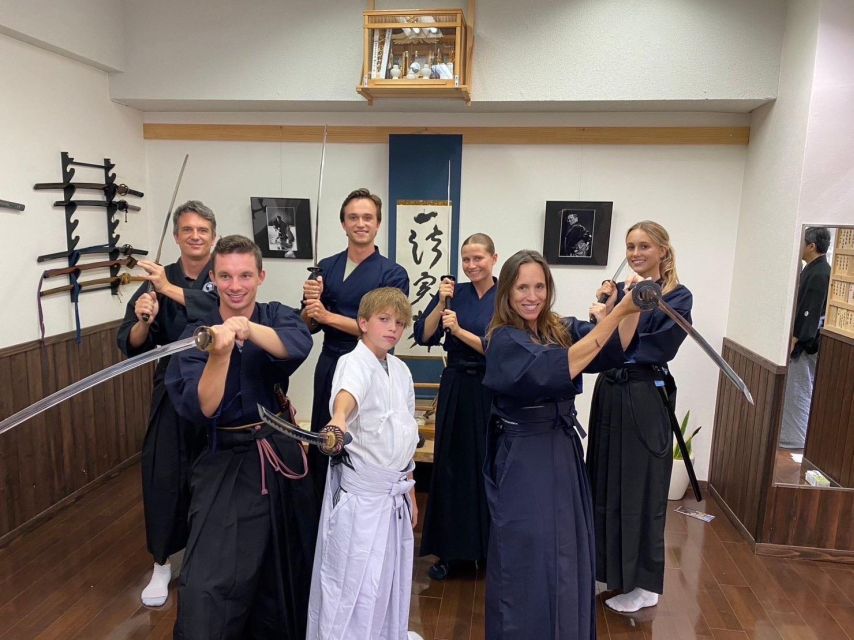
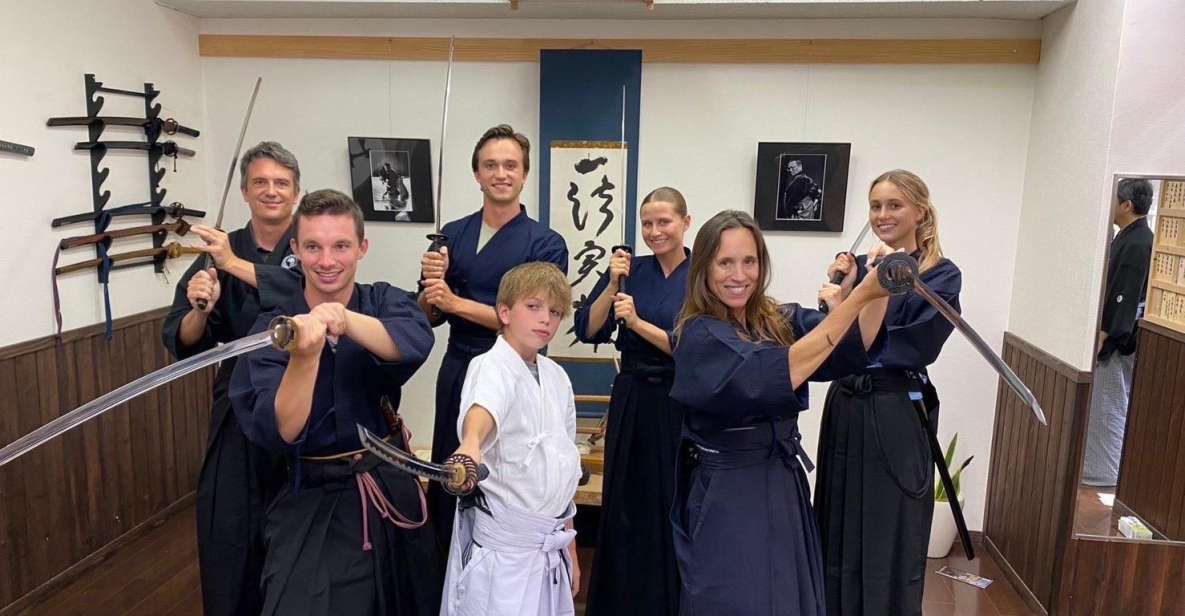
- Outfit and sword rental included: you’ll go from street clothes to traditional gear.
- Master performance with shinken: you get the real-knife moment in a controlled setting.
- Q&A with instructors: ask about technique, safety, and the meaning behind the practice.
- Professional, high-attention instruction: the tone is respectful and focused.
- Short, concentrated format: one day, then you’re back where you started.
Before you commit, see how this one stacks up against a few Tokyo favourites:
- Mt Fuji and Hakone 1-Day Bus Tour Return by Bullet Train★ 5.0 · 26,383 reviews
- 1-Day Tokyo Bus Tour★ 5.0 · 14,250 reviews
- Tokyo: teamLab Planets TOKYO Digital Art Museum Entry Ticket★ 4.6 · 9,779 reviews
What This Iaido Samurai Experience Really Feels Like
Iaido is often described as sword technique, but what you’re really learning is timing, posture, and calm. The movements are precise. The pauses matter. You’re not trying to win a fight; you’re trying to look correct while doing something difficult on purpose. That mindset is what makes this kind of training feel different from a typical “see a sword demo” experience.
In this course, you’ll begin at the dojo meeting point on the 3rd floor of the building and end back there. It’s a tightly packed session that runs like a mini training day: gear up, learn the basics, handle the katana, then watch the master’s demonstration before questions and wrap-up.
If you enjoy Japanese history, this is more than cosplay. The practice is rooted in the Samurai tradition, and the course is designed around passing down that pride and spirit through generations. You’ll also hear how the practice of Iaido is supported internationally through an organization created to teach it worldwide—so your lesson feels connected to a living tradition, not just a museum story.
Gear Up: Outfit Change and Dojo Setup
The day starts with a change into your outfit. You’ll also be provided with katana rental. That matters for two reasons.
First, it removes the hassle. You don’t have to worry about renting traditional wear separately or figuring out what to bring beyond comfy clothes. The plan is simple: get dressed, get ready, and follow the instructor’s lead.
Second, it changes how you move. Even if you’re a beginner, wearing the traditional-style outfit helps you understand why posture and footwork come first in sword arts. It’s like switching from casual walking to training stance. You’ll feel the difference quickly.
Practical tip: wear comfortable clothes you can move in easily during the outfit change. Closed-toe footwear is usually the safest bet for any dojo setting, but the course specifically asks for comfortable clothes, so follow that and keep it simple.
Learning the Fundamentals: Movements You Can Actually Use
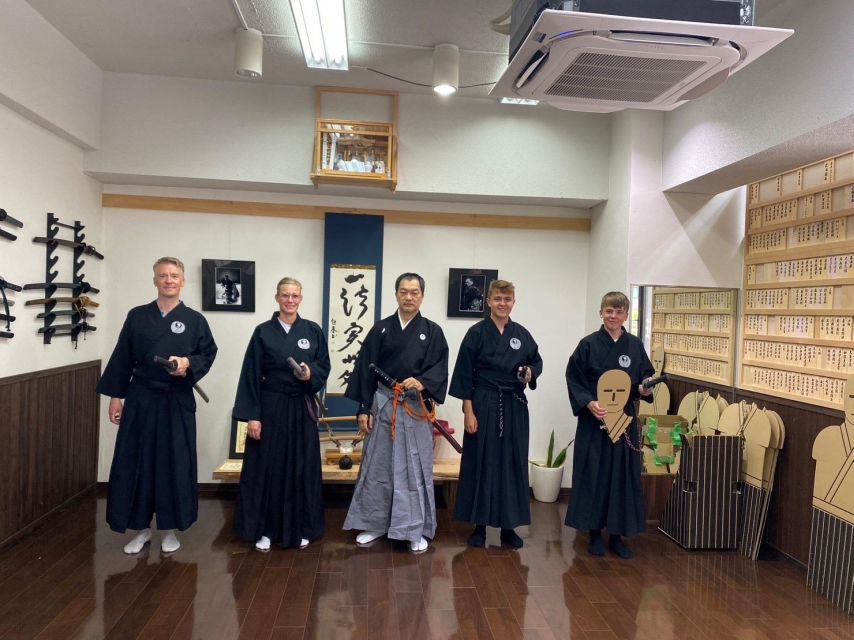
After you’re set up, you’ll practice fundamental movements. This is where the experience does its best work. Many sword experiences jump straight to dramatic handling. This one starts with the basics—so you aren’t just mimicking arm motions. You’re learning the structure of the art: how the body aligns, how you control the sword, and how the movements connect.
You’ll get instruction on basic samurai movements and how they relate to the sword technique. The point isn’t to make you an expert by lunch. The point is to give you a foundation so what comes next makes sense.
If you’re new to Japanese martial arts, you may find this part the most calming. It’s measurable. You can repeat it. You can feel improvement even in small ways—like getting your stance steadier or understanding where your attention should be during the sequence.
Handling Katana: Safety, Control, and Real Technique
Once the fundamentals are in place, you’ll move into the usage of the katana. This is the practical heart of the day.
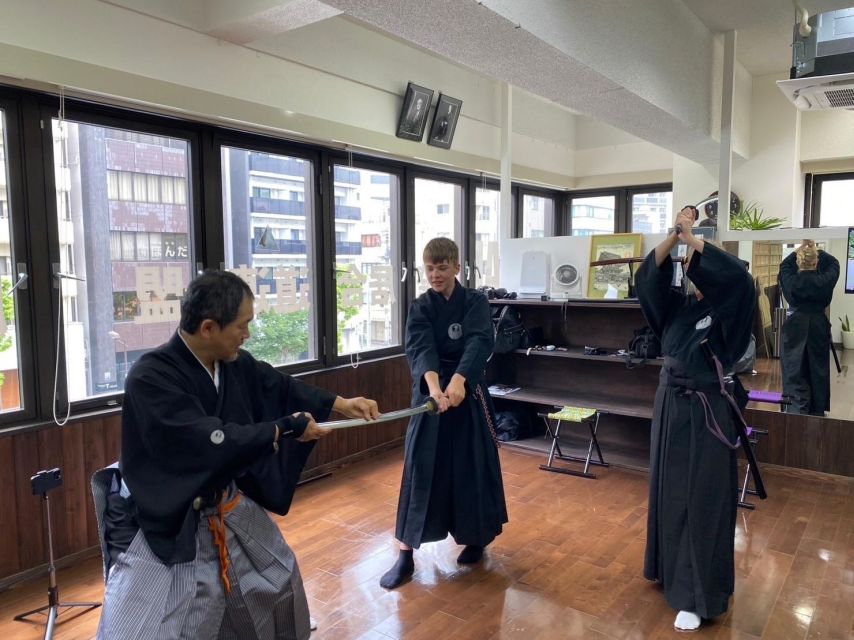
You’ll learn the usage of the sword and then practice using it—described in the course flow as going from basic usage to “exploitation” of katana use (basically: more applied technique and smoother execution). You’ll likely focus on how to draw and manage the blade with control, and how to move with the sword without turning the session into chaos.
This part is why the “dojo” setting is important. The atmosphere is meant to keep everything controlled so you can learn by doing. You’re not out in a wide area for free-for-all swinging. You’re working inside a training space with instruction and correction.
One thing I’d suggest: don’t rush to get flashy. In Iaido, speed without control usually turns into sloppy form. If you slow down and do it cleanly, you’ll understand the technique faster and enjoy it more.





The Master’s Shinken Performance: Where It Clicks
The best moment comes after you’ve tried the basics yourself. The master performs with shinken, meaning a real sword. This is a high-impact part of the day because it gives your brain something to compare against.
You’ve been practicing movements. Now you see how they look when done with mastery—how the timing sharpens, how posture and breath stay consistent, and how the sequence feels like one continuous action rather than separate steps.
The course also includes commemorative photos with the master after the performance, so you have a tangible memory of the moment you moved from student mode into “I saw it in full form” mode.
In the spirit of value, this is a strong design choice. You train for most of the day, then you get the payoff. Watching first wouldn’t give you context. Doing the basics first makes the performance much easier to understand.
Q&A Time: Getting Unstuck Fast
After the master performance, there’s Q&A. This is where you can convert confusion into clarity.
Since you’ve already practiced the movements, your questions will be more specific. You can ask about technique, what to focus on, and what the instructor wants you to improve. It’s also a chance to learn how they think about Samurai pride and the meaning behind the practice.
One practical note: bring a question you actually care about. Instead of asking something broad like what is Iaido, ask what part of the movement your instructor wants you to fix, or what common beginner mistakes you should avoid. You’ll get a better answer, and you’ll leave the session feeling like your time landed.
Price and Value: What $161 Buys You
At $161 per person, this isn’t a budget “look and leave” activity. But for what you get, it can be good value—especially if you want hands-on instruction rather than a short show.
Here’s the value math that matters:
- You’re paying for a guided one-day training session.
- Rental outfits and katana are included, which removes an annoying extra cost many experiences make you handle separately.
- Travel insurance is included in the activity package.
What’s not included:
- Food and drinks
- Hotel pickup and drop-off
So, the price feels fair if you’re planning to already be in the area and you’re fine covering your own meals. It feels more expensive if you’d be relying on hotel transfers and you’re hungry during the session. Either way, plan around it: eat before, bring water if permitted by the dojo, and don’t count on transfers to get you there.
Who Should Book This (and Who Might Skip)
This is for you if you want more than photos. You like Japanese history, you’re curious about Samurai culture, and you enjoy learning by doing. It’s also a good pick if you want structure: a short format, clear progression from basics to applied practice, and a master demonstration to tie it all together.
You might want to skip this if you’re:
- Not comfortable doing physical movements in a dojo setting
- Looking for a casual, mostly-visual activity
- Traveling with accessibility needs that don’t match the course limits (it’s not suitable for wheelchair users)
How to Make the Most of Your One Day
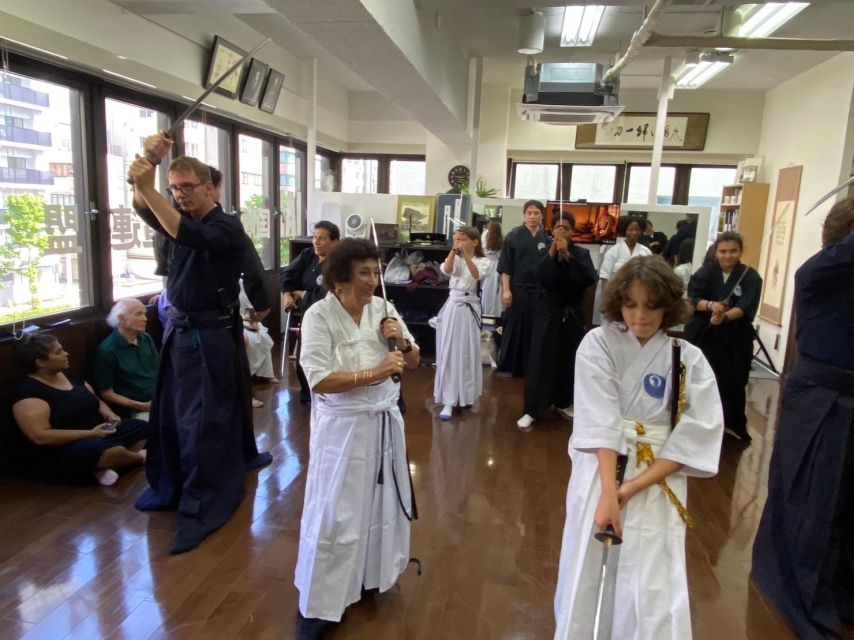
You’ll get the best experience if you treat it like training, not sightseeing. Arrive ready to focus, follow instructions quickly, and ask questions when they come up.
Here are a few ways to set yourself up:
- Wear comfortable clothes for movement and for the outfit change.
- Keep your expectations realistic. You’re learning fundamentals and technique basics, not earning a black belt.
- When you watch the master, pay attention to timing and posture, not just the blade. That’s where the lesson is.
- After Q&A, jot down one or two takeaways in your phone notes so the day doesn’t blur afterward.
Also, keep in mind the session ends back at the meeting point. Build your next plan with enough time to decompress. Your brain will be full, and your body might feel it in the simplest ways.
Quick FAQ
FAQ
Where does the Samurai Iaido experience start and end?
The Iaido session starts on the 3rd floor of the meeting point building, and it ends back at the same meeting point.
How long is the experience?
It’s listed as a 1-day activity. You can check availability to see starting times.
What languages are used during the lesson?
The instructor provides instruction in English and Japanese.
What should I bring?
Bring comfortable clothes.
What is included in the price?
Included are the activity fee, rental outfits and katana, and travel insurance.
What is not included?
Food and drinks are not included, and there is no hotel pick-up and drop-off.
Is it suitable for children or wheelchair users?
It’s not suitable for children under 5 years old and it’s not suitable for wheelchair users.
Is free cancellation available?
Yes. You can cancel up to 24 hours in advance for a full refund.
Should You Book This Iaido Samurai Experience?
I think it’s worth booking if you want hands-on Samurai sword technique training and you like structured instruction. The biggest strength is the flow: you practice fundamentals, handle the katana, then see the master perform with shinken and get answers in Q&A. That combination makes it feel educational, not just theatrical.
If you’re expecting a long historical tour or a full-day cultural ride, this won’t be that. It’s a dojo day—focused on Iaido, technique, and discipline. If that fits your travel style, you’ll likely come away with a memory that feels real, not staged.
More Tour Reviews in Tokyo



Fresh reviews from around Tokyo






Tokyo, compared.
 ★ 5.0Mt Fuji and Hakone 1-Day Bus Tour Return by Bullet TrainFrom $16326,383 reviews
 ★ 5.01-Day Tokyo Bus TourFrom $12914,250 reviews
 ★ 4.6teamLab Planets TOKYO Digital Art Museum Entry TicketFrom $259,779 reviews
 ★ 4.0Mt Fuji & Hakone Cruise, Drum Show Bullet Train 1 Day from TokyoFrom $1497,413 reviews
 ★ 5.0Shinjuku Food Tour (13 Dishes at 4 Local Eateries)From $866,603 reviews
 ★ 4.4Tokyo Mt Fuji 5th St & Hakone Cruise Bus Tour w/Bullet TrainFrom $1545,024 reviews
 ★ 5.0Flagship 2-Hours Official Street Go-Kart Tour – Tokyo Bay ShopFrom $644,974 reviews
 ★ 4.5From Tokyo: Mount Fuji Full-Day Sightseeing TripFrom $684,970 reviews