

Reviewed · TOKYO
Making a bento box with cute character look in Japan
Your lunch turns into art fast. In Tokyo, a chara-ben class turns the usual idea of eating into something hands-on and creative: you shape rice and vegetable side dishes into an adorable character-style bento. The result is a nutritionally balanced meal that also looks great for photos.
I especially love the small-group feel. With a maximum of 15 people, you get real time with the instructor, and in one review the teacher Michi is singled out as helpful and encouraging. I also like that the class is not just about copying a template; it’s about learning how character bento is built so you can actually take the skill home.
One thing to consider: you should be ready to eat your bento on-site. There’s no mention of packing it up, and the tone of the experience suggests you’ll enjoy what you make right there.
In This Review
- Quick Hits: what makes this bento class special
- Chara-ben in Tokyo: cute, but also practical food craft
- What you’ll actually make: a character bento meal with rice and vegetables
- From Minato City meeting point to a 2.5-hour cooking flow
- Your “mini schedule” (what the time usually feels like)
- The hands-on part: building your bento character step by step
- Why a small group changes everything
- What you should bring mentally
- The finished bento: why it’s so photogenic (and why that’s useful)
- What’s included (and what isn’t) so you can budget cleanly
- Small details that matter more than you think
- The instructor’s attention
- The energy: fun, social, and family-friendly
- Timing: 11:00 am is lunch time, not early morning
- Who should book this chara-ben class—and who might skip
- Tips to recreate your character bento at home (without copying perfectly)
- Should you book this bento workshop?
- FAQ
- What is the duration of the bento box making experience?
- Where does the experience start, and where does it end?
- What time does the class begin?
- How much does it cost per person?
- What is included in the price?
- Is private transportation included?
- How big is the group?
- Is there a minimum number of people required to run the booking?
- Do I get a mobile ticket?
- Will I eat the bento during the class?
Quick Hits: what makes this bento class special
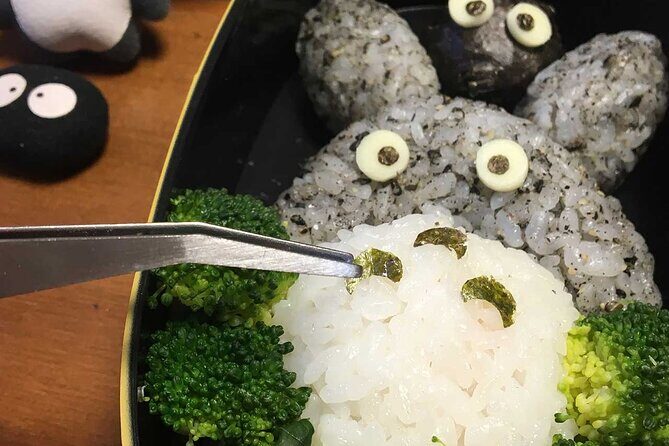
- Chara-ben training: learn how rice and sides become a character-style lunch
- Small-group access: up to 15 people, so questions don’t get lost
- Photo-ready outcome: the whole point is a one-of-a-kind, cute bento look
- Meal with balance built in: rice plus vegetable side dishes, not just decoration
- Included refreshments: beverages come with the cooking experience
Before you commit, see how this one stacks up against a few Tokyo favourites:
- Mt Fuji and Hakone 1-Day Bus Tour Return by Bullet Train★ 5.0 · 26,383 reviews
- 1-Day Tokyo Bus Tour★ 5.0 · 14,250 reviews
- Tokyo: teamLab Planets TOKYO Digital Art Museum Entry Ticket★ 4.6 · 9,779 reviews
Chara-ben in Tokyo: cute, but also practical food craft
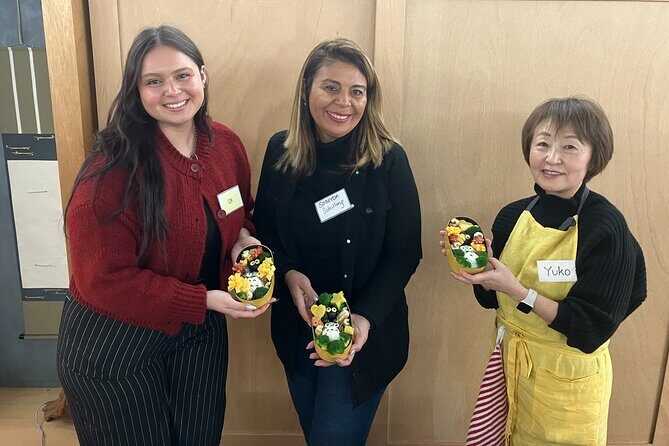
Bento in Japan isn’t only lunch-in-a-box. It’s a tiny design project where food gets arranged with care, and chara-ben is the playful side of that tradition. Instead of just assembling components, you learn to translate a character look into edible form using bento basics: rice and supporting side dishes.
The best part is that it stays grounded in real eating. You’re making a full lunch—so you’re not spending hours building something that tastes like a prop. And because the class is centered on a nutritionally balanced meal, you get a bento you can feel good about, not just something sweet-looking.
Also, Tokyo is the right setting for this. You’ll walk away understanding how everyday Japanese food culture can be both art and routine, not two separate things.
What you’ll actually make: a character bento meal with rice and vegetables
A chara-ben is basically a bento box designed to resemble a popular character, typically using rice and side dishes arranged to form a face or theme. In this class, you’re specifically working with rice plus vegetable side dishes as the building blocks.
That matters for two reasons:
- It’s easier to learn from a structure that’s already logical. Rice forms the main body, while the sides give you contrast, color, and detail.
- When you learn the “logic” behind the arrangement, you’re more likely to recreate it later rather than just remember a single finished example.
From the experience description, the class is designed to teach you craft skills that are tied to Japanese lunch culture. So yes, the finished bento is cute. But the real win is the technique mindset.
From Minato City meeting point to a 2.5-hour cooking flow
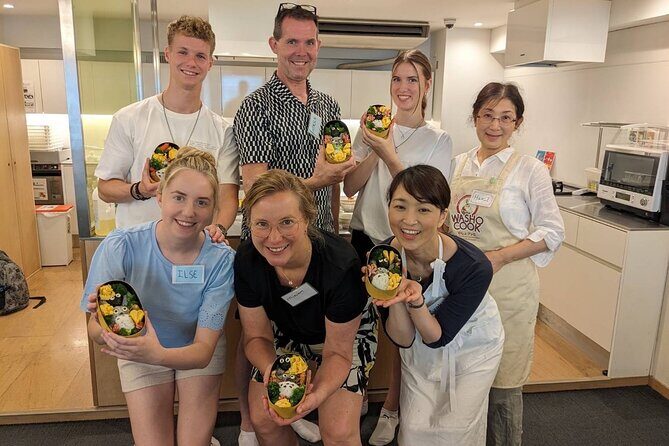
The class starts at 11:00 am in Minato City, Tokyo, and it ends back at the meeting point. Plan for a relaxed mid-day block—about 2 hours 30 minutes—where you’ll move from instruction to hands-on building to eating.
You’ll also want to keep an eye on the ticket format: it’s a mobile ticket, which is convenient for Tokyo where you’re juggling maps, transit, and last-minute plans.
Your “mini schedule” (what the time usually feels like)
Even though this isn’t a multi-stop sightseeing day, it still runs like a tight workshop:
- You arrive, get oriented, and understand what you’re making.
- You work in stages as you assemble the character look with the ingredients provided.
- You eat what you create while it’s fresh and still part of the full experience.
- You leave with skills you can apply at home.





The hands-on part: building your bento character step by step
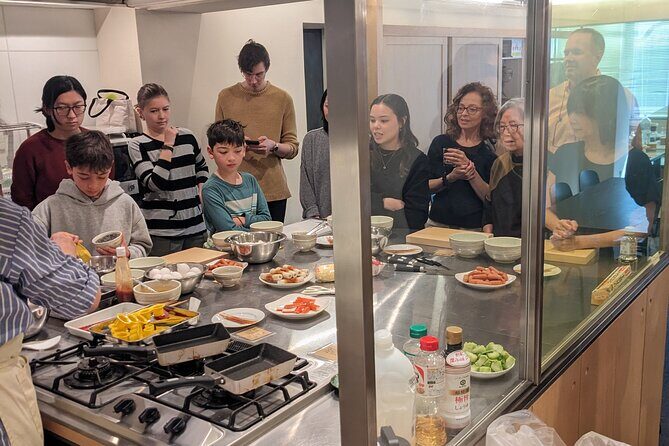
This is the core of the experience: a cooking experience that focuses on shaping food into a character bento look. The instructor provides guidance throughout, and the class limits group size to keep your questions answered.
One review praised the teacher as fantastic and helpful, and another mentions the class being fun for a parent and daughter—so the pacing seems friendly, not rushed. You’re not just watching. You’re doing.
Why a small group changes everything
With a cap of 15 travelers, you’re less likely to get stuck waiting for help at the same exact moment every other person hits a problem. That sounds minor, but when you’re building delicate-looking food shapes, a few seconds of guidance can make the difference between frustration and confidence.
What you should bring mentally
Come with the right expectations. This is a craft-with-food lesson. That means:
- Your first try might not look identical to your final inspiration in your head.
- The goal is learning the process, not producing a perfect cosplay-level bento in one shot.
- You’ll benefit from asking questions as you go instead of saving them for the end.
The finished bento: why it’s so photogenic (and why that’s useful)
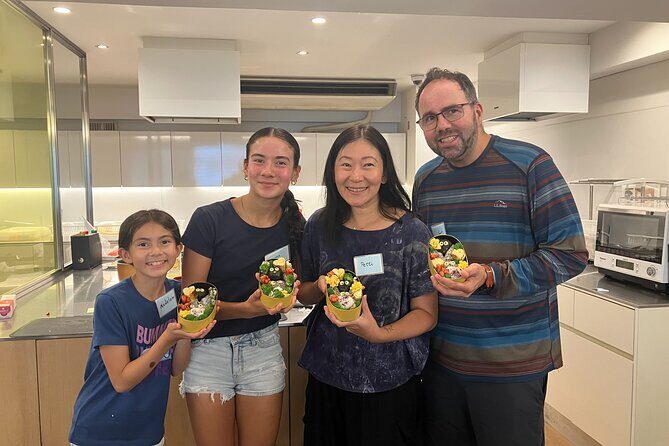
The workshop is built for social media, but the photo-readiness isn’t just marketing. When you make a chara-ben, the “design” is the point, so the bento has obvious shape, contrast, and recognizable features.
In other words, the bento is structured so it photographs well. That helps for two practical reasons:
- You’ll have a clear record of what you made—useful if you want to remake a similar style later.
- You’ll understand how character bento looks from the outside, not only how it feels while you’re building it.
And yes, the class experience includes eating your bento on-site. One review specifically notes you should be prepared to eat it there. That’s actually a good sign: it means you’re tasting the food you made, not just assembling it and leaving.
What’s included (and what isn’t) so you can budget cleanly
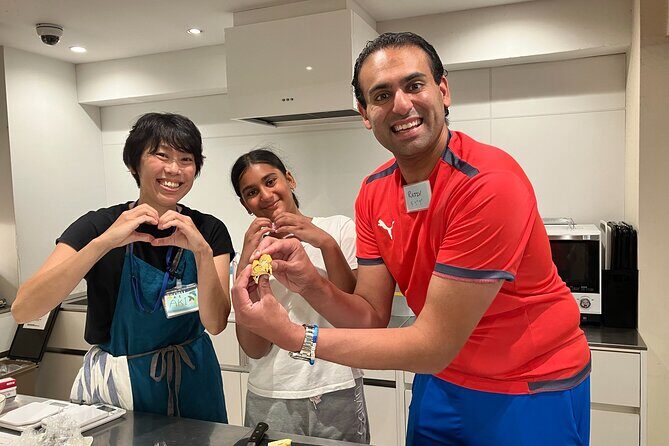
Here’s the straightforward list:
Included:
- Cooking experience
- Ingredients
- Beverages
Not included:
- Private transportation
So the value is less about getting driven somewhere and more about paying for the lesson, the food materials, and the drink component. In a city like Tokyo, that’s usually the fairest trade: you control your own transit timing, and the class cost stays focused on what you came for—making chara-ben.
The class price is $91.45 per person. For a workshop that runs about 2.5 hours, provides ingredients, and caps group size at 15, you’re paying for guided hands-on time plus the meal itself. If you’re comparing it to doing the same thing solo at home, the big difference is expert direction and the “all at once” materials setup. That’s what turns it from cooking into a real cultural craft experience.
Small details that matter more than you think
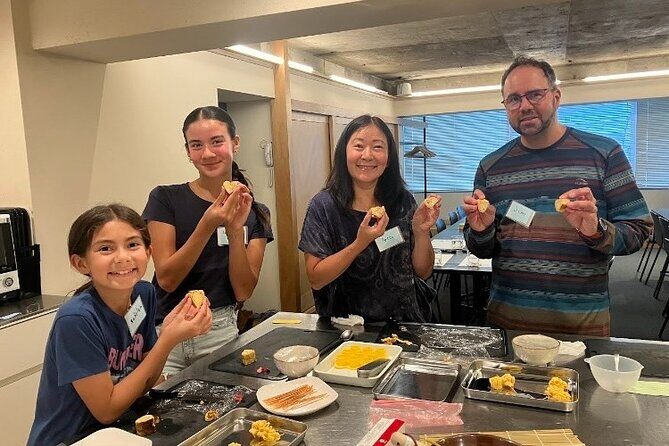
A few factors here shape the quality of your experience more than you might expect:
The instructor’s attention
With small groups and real instruction, you’re more likely to understand the “why” behind the shaping, not only copy the final look. In reviews, the teacher Michi gets direct praise for being helpful, which points to a supportive, teacher-led class style.
The energy: fun, social, and family-friendly
One review highlights doing the class as a family, with kids learning Japanese culture while making the bento. If you’re traveling with children (or just you like a hands-on activity), this tends to work because it’s tangible, visual, and immediately rewarding.
Timing: 11:00 am is lunch time, not early morning
Because it starts mid-morning and ends back at the meeting point, it fits naturally into a Tokyo day. You can pair it with other nearby activities before or after, without it chewing up your whole evening.
Who should book this chara-ben class—and who might skip
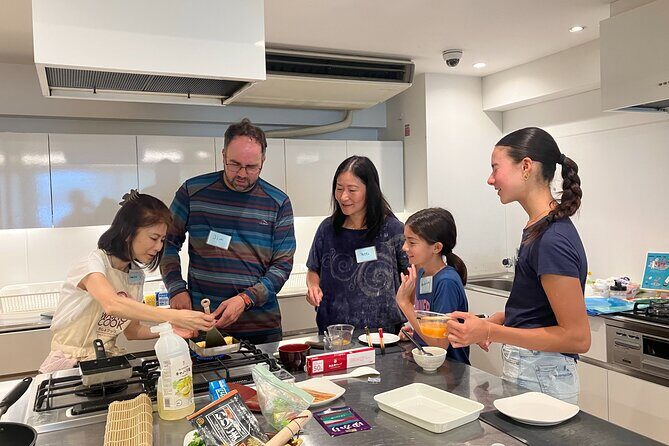
This is a great fit if you want:
- A hands-on Tokyo activity that’s different from museums and walking tours
- A skill you can use again at home (character bento style thinking)
- A small-group cooking class where you can actually interact with the instructor
- A meal experience that is also visually satisfying
It might be less ideal if you:
- Hate eating on-site and strongly prefer take-home food (the experience suggests you’ll eat what you make there)
- Want a huge sightseeing itinerary. This is focused on cooking craft, not touring around town
- Are looking for private transportation. You’ll need to handle getting there
Tips to recreate your character bento at home (without copying perfectly)
You won’t need to recreate the exact same character to use what you learn. The real lesson is the structure: rice as the base, sides as supportive detail, and arrangement as design.
Here are practical ways to translate the workshop to home:
- Take a clear photo of your finished bento right after it’s done. It becomes your reference for layout later.
- When you make bento at home, start simple: build a basic character face or theme with the same “main vs. supporting components” idea.
- Focus on balance. The class emphasizes a meal with rice and vegetables, so your home version should aim for that same mix rather than going purely decorative.
- Use the workshop’s mindset: adjust placement as you go. Character food is forgiving when you treat it like design, not perfection.
And if you loved the social and cultural angle, try pairing it with one other Japanese food tradition—like a bento-style snack plate or simple rice-and-side meal—to reinforce what you learned.
Should you book this bento workshop?
If you want a Tokyo activity that combines Japanese lunch culture, real cooking, and a finished product that’s both tasty and adorable, I think it’s an easy yes. The strengths line up: small-group instruction, a guided approach to making chara-ben, ingredients and beverages included, and an end result that’s naturally photo-worthy.
Book it especially if you’re the kind of traveler who likes to bring something home you can actually practice, not just collect photos. The only real caution is the on-site eating part—so if you’re uncomfortable with that, plan accordingly.
Overall, this is strong value as a short, focused workshop: you pay for time, guidance, ingredients, and a complete lunch experience, all in one smooth 2.5-hour block.
FAQ
What is the duration of the bento box making experience?
The class runs for about 2 hours 30 minutes.
Where does the experience start, and where does it end?
It starts in Minato City, Tokyo, Japan, and ends back at the meeting point.
What time does the class begin?
The start time is 11:00 am.
How much does it cost per person?
The price is $91.45 per person.
What is included in the price?
The experience includes the cooking class, ingredients, and beverages.
Is private transportation included?
No, private transportation is not included.
How big is the group?
The class has a maximum of 15 travelers.
Is there a minimum number of people required to run the booking?
Yes. There must be at least 2 people per booking.
Do I get a mobile ticket?
Yes. You’ll receive a mobile ticket.
Will I eat the bento during the class?
Yes. The experience includes eating your bento on-site, so you should be prepared to eat what you make there.
More Tour Reviews in Tokyo



Fresh reviews from around Tokyo






Tokyo, compared.
 ★ 5.0Mt Fuji and Hakone 1-Day Bus Tour Return by Bullet TrainFrom $16326,383 reviews
 ★ 5.01-Day Tokyo Bus TourFrom $12914,250 reviews
 ★ 4.6teamLab Planets TOKYO Digital Art Museum Entry TicketFrom $259,779 reviews
 ★ 4.0Mt Fuji & Hakone Cruise, Drum Show Bullet Train 1 Day from TokyoFrom $1497,413 reviews
 ★ 5.0Shinjuku Food Tour (13 Dishes at 4 Local Eateries)From $866,603 reviews
 ★ 4.4Tokyo Mt Fuji 5th St & Hakone Cruise Bus Tour w/Bullet TrainFrom $1545,024 reviews
 ★ 5.0Flagship 2-Hours Official Street Go-Kart Tour – Tokyo Bay ShopFrom $644,974 reviews
 ★ 4.5From Tokyo: Mount Fuji Full-Day Sightseeing TripFrom $684,970 reviews