
Edible art in the middle of Shibuya. This small-group workshop teaches you to craft Nerikiri (seasonal Japanese sweets) and then sit down for a table-style matcha tea ceremony. It’s a fun change from the usual sightseeing loop, and it gives you something real you can bring home.
I love how structured the class is: you start with guided shapes, then make an original design. I also love the way the tea part is built around comparison, with matcha and premium sweets selected from across Japan. One possible drawback: it’s hands-on and not suitable for children under 5, so this is more about doing than just watching.
In This Review
- Key Things I’d Plan Around
- Why Nerikiri and Matcha in Shibuya Works Better Than a Generic Food Tour
- Your Starting Point at CHUMS Omotesando (and Why That Matters)
- The Nerikiri Workshop: Three Sample Shapes Plus Your Own Design
- What you’ll actually be shaping
- Small-group teaching style (how you’ll likely experience it)
- Table-Style Tea Ceremony: Matcha Plus Premium Wagashi From Across Japan
- What You’ll Taste (and What to Pay Attention To)
- The Take-Home Package: Your Nerikiri and a Written Recipe
- Small planning tip
- How This Fits Into a Shibuya Day (Omotesando, Harajuku, Meiji Shrine)
- Price and Value: Is $46 Worth It for Nerikiri and Matcha?
- Who This Workshop Suits Best (and Who Might Skip It)
- Should You Book This Nerikiri and Matcha Class in Shibuya?
- FAQ
- How long is the Nerikiri and matcha experience?
- Where do I meet the instructor?
- What can I make during the class?
- Does the price include tea and sweets?
- Is it suitable for vegetarians and vegans?
- What language is the instructor?
- Is it okay for young children?
Key Things I’d Plan Around
- Four Nerikiri styles in 90 minutes: a mix of guided sample shapes plus one design you create yourself
- Table-style tea, not a theater performance: matcha comes with a set of premium Japanese sweets to taste and compare
- Small group (max 4): step-by-step help stays practical and personal
- Seasonal motifs and fun character options: you’re shaping wagashi that look like edible design work
- Written recipe included: you can recreate what you learned later
- Near Omotesando and walkable to Shibuya/Harajuku: easy to slot into a day of famous streets and stops
Before you commit, see how this one stacks up against a few Tokyo favourites:
- Mt Fuji and Hakone 1-Day Bus Tour Return by Bullet Train★ 5.0 · 26,383 reviews
- 1-Day Tokyo Bus Tour★ 5.0 · 14,250 reviews
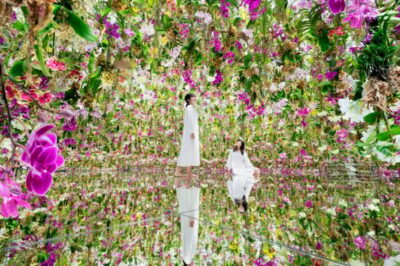
- Tokyo: teamLab Planets TOKYO Digital Art Museum Entry Ticket★ 4.6 · 9,779 reviews
Why Nerikiri and Matcha in Shibuya Works Better Than a Generic Food Tour
Shibuya is all neon, shopping, and fast-moving plans. This experience slows things down on purpose. You’ll work with sweet white bean paste and rice flour or yam, shaping wagashi that feel soft, smooth, and made for delicate details. Instead of just eating sweets, you get the maker’s perspective: how the paste behaves, how the forms hold, and why Nerikiri is often treated like edible art.
The matcha moment matters too. This isn’t just green tea and cookies. You’ll enjoy matcha with a selection of premium Japanese sweets sourced from all over Japan, which naturally leads to a better tasting experience. You’ll start noticing differences in sweetness, texture, and flavor direction—things you can’t learn from a single store display.
If you’re the kind of traveler who likes food that connects to culture without being overly serious, this hits a sweet spot. It’s creative, but still grounded in tradition.
Your Starting Point at CHUMS Omotesando (and Why That Matters)
The meeting point is CHUMS Omotesando, right in front of the Brown building. From there, it’s only about a 20-second walk together to the studio. That’s a big practical win in Shibuya. No long transfers. No hunting for obscure side streets with your phone dying at 2%. You can show up, settle in, and get started.
The studio base is in Tokyo’s stylish Jingumae/Shibuya area, with the address listed as 5-2-21 Jingumae. You’re also positioned for easy post-class exploring: Shibuya Crossing, Takeshita Street, and Meiji Shrine are all reachable after your 90 minutes.
Also pay attention to timing options. The class starts at 9:00 AM, 1:00 PM, and 3:30 PM. Pick the start that matches your energy level, because the experience is short enough to fit into a day trip pace.
The Nerikiri Workshop: Three Sample Shapes Plus Your Own Design
Nerikiri is a type of traditional Japanese confection commonly enjoyed during tea. The workshop is built around choice and technique. You’ll begin by selecting from sample designs. Then you’ll make three different shapes using those references.
After that, the fun part kicks in: you’ll create an original Nerikiri design. That’s what turns it from a guided craft into your own edible souvenir. You’re not just copying. You’re composing.
What you’ll actually be shaping
Nerikiri typically uses sweet white bean paste mixed with glutinous rice flour or yam, which gives you that signature smooth, pliable feel. Because the paste is easy to shape by hand, it’s traditionally molded into seasonal motifs—like flowers and leaves—and sometimes playful character-like forms too.
The class is also flexible for different tastes in design. You can pick the outward shapes you want from a large selection, so you’re not stuck with one generic template. In a short class, that freedom helps you walk away feeling proud instead of rushed.





Small-group teaching style (how you’ll likely experience it)
This is limited to 4 participants, so guidance stays clear and step-by-step. The instructor teaches in English and Japanese, and multiple notes from past participants highlight how comfortable and guided the pace feels. One thing that comes up repeatedly is the way you get help as you work, not just an overview before the hands-on part.
And yes, it’s designed so you can take what you make home. That changes how you pay attention—because you’re not only learning a skill, you’re also producing a set of sweets you can show off later.
Table-Style Tea Ceremony: Matcha Plus Premium Wagashi From Across Japan
After shaping your Nerikiri, you’ll switch modes from making to tasting. Then comes the table-style tea ceremony, where matcha is served alongside a selection of premium Japanese sweets sourced from across Japan.
“Table-style” is the key phrase. You’re not standing in a performance setup. It’s set up for comfort and conversation at your place at the table. That makes it easier to focus on the tea and sweets instead of managing etiquette stress.
Matcha is the anchor. It’s not just a drink to wash things down—it’s a reference point. The bitterness and vegetal character of matcha creates a contrast that helps you sense how different wagashi balance sweetness and texture.
And because you’re served a selection rather than a single item, you can compare more effectively. You’ll likely notice how some sweets feel softer and more delicate, while others lean bolder in flavor direction. Nerikiri also has that distinct crafted shape and smooth texture, so you’re tasting your own work in the context of other Japanese confections.
What You’ll Taste (and What to Pay Attention To)
This is where the experience becomes more than a craft class. The tasting setup encourages you to notice pattern differences.
Here’s what I’d focus on while you’re eating:
- Texture first: Nerikiri’s smooth feel versus other wagashi textures you’re offered
- Sweetness level: some sweets land gentle; others push sweetness more clearly
- Flavor direction: you’ll likely pick up how bean-based sweets differ from other traditional profiles
- How matcha changes the bite: matcha can make sweetness feel cleaner or more structured
Several past participants mention the instructor’s ability to connect what you’re making and eating with Japanese cultural and historical context. One review even notes the host as a professor of Japanese history, which makes sense of the pacing: you’re not only learning how to shape sweets, you’re also getting a framework for why these sweets are tied to tea traditions.
That cultural context is practical. It helps you interpret what you taste instead of just rating it as good or not good. Even if you’re new to Japanese sweets, you’ll come away with a clearer sense of categories and what makes each one distinct.
The Take-Home Package: Your Nerikiri and a Written Recipe
One of the best value signals here is what you get after the workshop. You’ll have everything you make to take home. That includes the Nerikiri sweets made during the class, shaped in your chosen styles and your original design.
You’ll also receive a written recipe. That’s a huge deal if you like to cook later, because it reduces the “now what?” problem that hits after many classes. A written recipe helps you remember proportions and steps, even if you don’t recreate it perfectly the first time.
Small planning tip
Because your sweets are take-home items, it helps to think ahead about how you’ll pack and store them for the next part of your day. In Shibuya, you’ll probably be walking a lot after. So if you’re planning to carry them through crowds, plan a little buffer for where you’ll store them safely.
How This Fits Into a Shibuya Day (Omotesando, Harajuku, Meiji Shrine)
You’ve got a lot of iconic stops close by, but this experience gives you one grounded, quiet hour-and-a-half in the middle of it.
Since the class meets at CHUMS Omotesando, you can treat it like a bridge between neighborhoods:
- Before the class: get oriented around Omotesando, then head to the meeting spot
- After the class: walk toward Shibuya Crossing and Takeshita Street, or detour to Meiji Shrine
Because the class duration is 90 minutes, it fits neatly between bigger attractions. Also, with start times at 9:00, 1:00, and 3:30, you can avoid the worst crowds depending on your travel rhythm.
The location is also listed as wheelchair accessible, and the experience is described as enjoyable for all ages (with the exception of children under 5). If you’re traveling with mixed ages, the structure can make it easier to keep everyone included.
Price and Value: Is $46 Worth It for Nerikiri and Matcha?
At $46 per person for a 90-minute class, this isn’t just a single tasting ticket. You’re paying for three real things:
- Guided instruction to make Nerikiri (multiple styles, plus your own design)
- A guided table-style tea ceremony with matcha
- A selection of premium Japanese sweets for tasting and comparison
For me, the value comes from the mix of hands-on skill and guided tasting. If you were only eating, you’d miss the learning. If you were only crafting, you’d miss the context of why these sweets matter in tea culture.
And because it’s limited to a small group of 4, you’re more likely to get specific help while you work. Small group size is often where craft workshops justify their price. Otherwise, you can end up waiting your turn while the instructor teaches around you.
Who This Workshop Suits Best (and Who Might Skip It)
This is a strong fit if you:
- want a food activity that results in a take-home product
- like Japanese sweets and want to learn what makes them different
- prefer practical, hands-on instruction over long lectures
- travel with kids who are old enough to handle a craft session comfortably
It’s also listed as suitable for vegans and vegetarians, which is helpful when planning Japanese food experiences. If you eat restrictions, this is worth considering because the class explicitly states vegan/vegetarian suitability.
You might want to skip it if:
- you’re traveling with a child under 5 (not suitable)
- you’d rather eat than make. This is hands-on, and the point is shaping sweets with your hands.
Should You Book This Nerikiri and Matcha Class in Shibuya?
I think you should book it if you want a Shibuya experience with real substance. The combination of Nerikiri crafting, matcha tea at the table, and premium wagashi tasting gives you both a skill and a better understanding of what you’re eating. The class also seems built around comfort and clarity, with past participants emphasizing the friendly, step-by-step guidance and the fact that you receive a written recipe afterward.
Book it early in your planning if you want one of the start times at 9:00 AM, 1:00 PM, or 3:30 PM, since it’s a small group. And if you’re already planning to hit Omotesando, Shibuya, and Harajuku that day, this is one of the best ways to add an authentic cultural thread without adding complicated logistics.
FAQ
How long is the Nerikiri and matcha experience?
The experience lasts about 90 minutes.
Where do I meet the instructor?
Meet at CHUMS Omotesando, in front of the Brown building. The address is listed as 5-2-21 Jingumae, Shibuya City, Tokyo.
What can I make during the class?
You will choose from sample designs, make three different Nerikiri shapes, then create your own original Nerikiri design.
Does the price include tea and sweets?
Yes. The experience includes a table-style tea ceremony with matcha and a selection of premium Japanese sweets.
Is it suitable for vegetarians and vegans?
Yes, the experience is listed as suitable for vegans and vegetarians.
What language is the instructor?
The instructor teaches in English and Japanese.
Is it okay for young children?
Children under 5 years old are not suitable for this experience.
More Tour Reviews in Tokyo



Fresh reviews from around Tokyo






Tokyo, compared.
 ★ 5.0Mt Fuji and Hakone 1-Day Bus Tour Return by Bullet TrainFrom $16326,383 reviews
 ★ 5.01-Day Tokyo Bus TourFrom $12914,250 reviews
 ★ 4.6teamLab Planets TOKYO Digital Art Museum Entry TicketFrom $259,779 reviews
 ★ 4.0Mt Fuji & Hakone Cruise, Drum Show Bullet Train 1 Day from TokyoFrom $1497,413 reviews
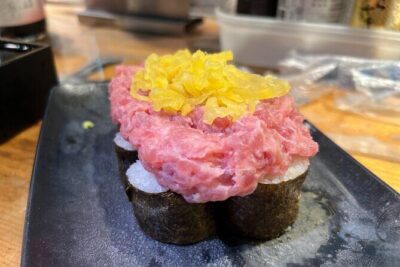 ★ 5.0Shinjuku Food Tour (13 Dishes at 4 Local Eateries)From $866,603 reviews
 ★ 4.4Tokyo Mt Fuji 5th St & Hakone Cruise Bus Tour w/Bullet TrainFrom $1545,024 reviews
 ★ 5.0Flagship 2-Hours Official Street Go-Kart Tour – Tokyo Bay ShopFrom $644,974 reviews
 ★ 4.5From Tokyo: Mount Fuji Full-Day Sightseeing TripFrom $684,970 reviews