
Reviewed · WORKSHOPS
Little EDO Sushi Making workshop in Kawagoe
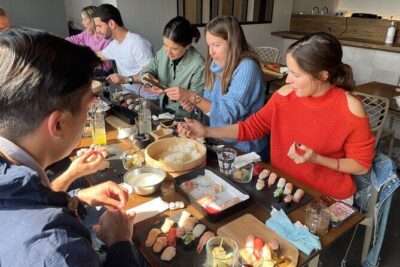
Sushi class in an old Kawagoe shop.
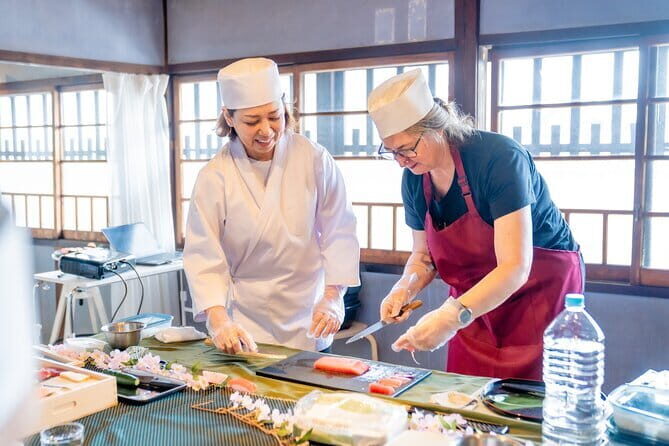
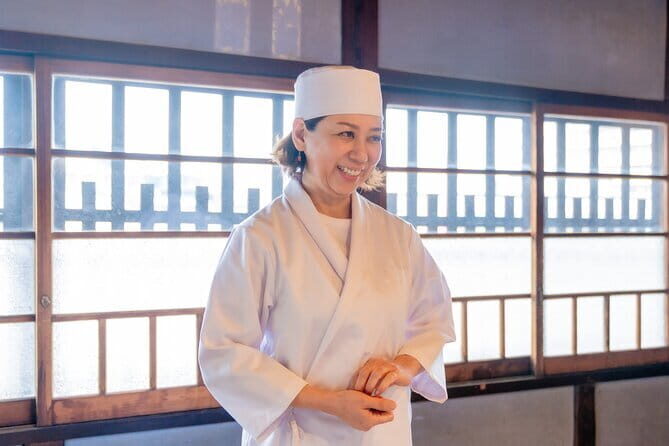
This Little EDO Sushi Making workshop turns the spotlight on technique in a 140-year-old historic building that used to be a rice wholesaler. You’ll work hands-on with an English-speaking Japanese female sushi chef, then eat what you make in the same setting, just a short walk from KASHIYA YOKOCHO.
I especially like two things. First, you’ll learn how to make sushi rice you can actually repeat at home, not vague tips. Second, the format stays intimate with a maximum of 6 people, so you get real coaching while you form nigiri and roll maki.
One thing to think about: the venue has stairs to reach the space. If stairs are a dealbreaker for you, tell the team in advance and request an alternative arrangement.
In This Review
- Key highlights to know before you go
- Kawagoe’s MUSUBIYA: an old shop setting for very practical learning
- What you’ll make: nigiri and maki without the guesswork
- Sushi rice: the skill that makes or breaks everything
- Nigiri shaping and the hands-on part you’ll feel immediately
- Maki rolling: practice the role of fillings and the roll itself
- Cultural context: why nigiri came from Japan’s old food world
- Dietary options and allergies: what you can request before you arrive
- Food, included meal, and what you’ll actually take home
- Price check: is $84.08 good value for this workshop?
- Logistics that matter on the day
- Who this workshop suits best
- Should you book Little EDO Sushi Making in Kawagoe?
- FAQ
- How long is the Little EDO sushi making workshop?
- Where does the class meet?
- What sushi types will I learn to make?
- Is there a vegetarian menu?
- What dietary needs can the workshop accommodate?
- Are menu changes allowed on the day of the class?
- How big is the group?
- Is the venue accessible if there are stairs?
- What if I need to cancel?
Key highlights to know before you go
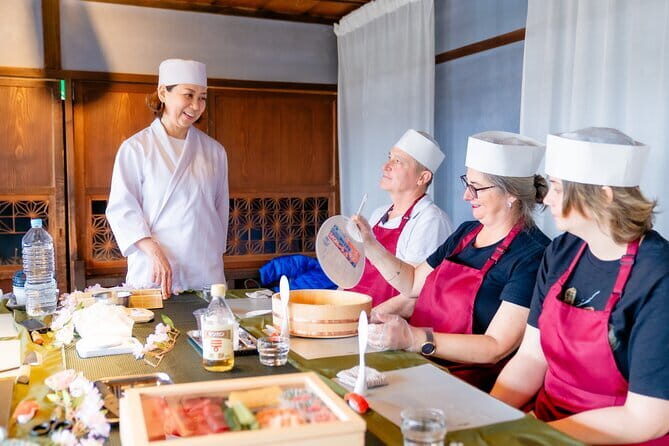
- 140-year-old rice merchant building: staircase cabinets and ceiling beams set the mood for Edo-era food culture
- Two sushi types in one workshop: classic nigiri and maki
- Sushi rice practice: learn the steps and proportions so you can recreate it at home
- Hands-on coaching: you’ll practice hand movements and get guidance on shaping
- Small group size (max 6): easier to ask questions and slow down when needed
- Vegetarian and key dietary options available: vegan, gluten-free, halal, plus allergy notes in advance
Before you commit, see how this one stacks up against a few Kawagoe favourites:
- Kawagoe Japanese Food Tour : Unagi Kaiseki and Sake near Tokyo★ 5.0 · 30 reviews
- Kawagoe Private Custom Tour with Local Guide★ 5.0 · 29 reviews
- Kawagoe 4hr Private Tour with Licensed Guide (Kawagoe Dep)★ 5.0 · 13 reviews
Kawagoe’s MUSUBIYA: an old shop setting for very practical learning
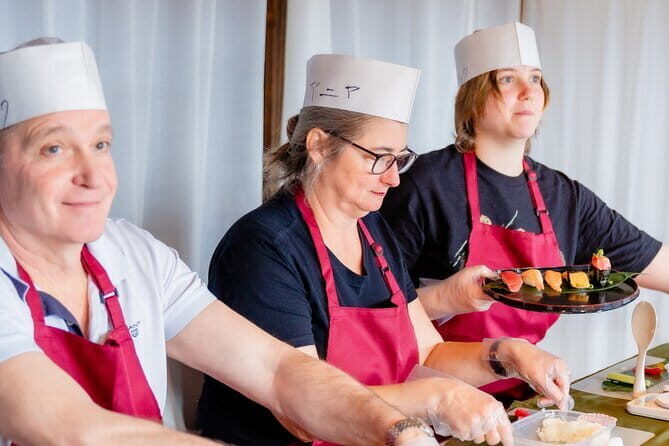
The workshop meets at 結家 -MUSUBIYA-Japan, right in Kawagoe. It’s also close to KASHIYA YOKOCHO—about a 3-minute walk—so you can pair the class with a stroll through that classic street later.
What matters here is the location vibe. The space is a 140-year-old historic building that was once a rice wholesale shop. You’ll notice the staircase cabinets and old ceiling beams as soon as you step inside. It’s not just decoration. It frames the whole point of the class: sushi isn’t only about eating. It’s about craft, routine, and ingredients handled with care.
Also, this is a mobile-ticket experience. That’s simple on the day. You’ll just show up at the start point (結家 -MUSUBIYA-Japan) and follow the instructions for the session.
What you’ll make: nigiri and maki without the guesswork
Your hands-on workshop focuses on two core styles:
- Nigiri sushi: hand-formed sushi, built by shaping fish and rice together
- Maki sushi (roll sushi): rolled sushi with fillings you’ll prepare during the class
The total time is listed as about 1 hour 30 minutes. In that window, you’ll do more than watch. The experience is designed so you can learn the process, practice the moves, and then eat what you made.
One detail I think is useful for your expectations: the class is structured around replicating technique. The chef doesn’t just teach what “good sushi” looks like. You’re working on hand motions—especially for nigiri—so you understand the mechanics behind the style.
And based on what people loved, you’re likely to get guidance that covers the basics people usually struggle with, like sushi rice handling and preparing fish topping portions (often described as neta cutting in the feedback).
Sushi rice: the skill that makes or breaks everything
If you only remember one thing from this workshop, make it the sushi rice. The class explicitly teaches how to make perfect sushi rice and how to recreate it at home.
That matters because sushi rice isn’t normal steamed rice you microwave later and call it dinner. Sushi rice needs the right balance of seasoning and texture, and it has to cool and handle correctly for shaping. If your rice is too sticky or too firm, your nigiri won’t set up right. If it’s under-seasoned, the whole flavor profile falls flat.
In a small class (max 6), you can get instant feedback. That’s a big deal for rice, because tiny changes—heat, timing, moisture—affect the outcome fast. You’re not left with a vague memory. You build the steps, then you use them right away while forming your sushi.
Nigiri shaping and the hands-on part you’ll feel immediately
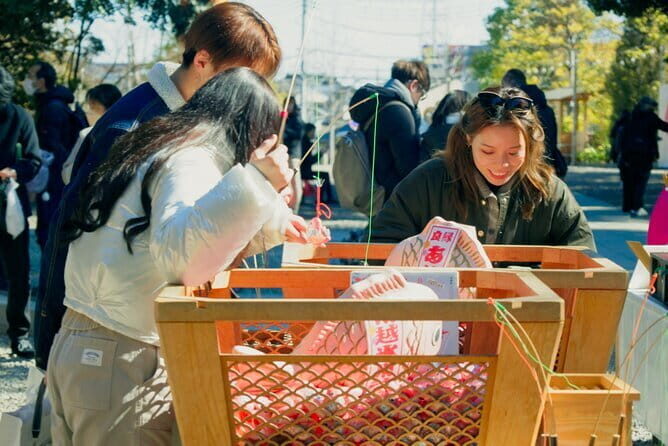
Nigiri is where most home cooks want a shortcut. There usually isn’t one. The good news is that this workshop is built for practice.
You’ll learn traditional hand-formed nigiri and try to replicate the chef’s technique. Expect coaching on how to handle the rice and how to combine it with the topping. The feedback also highlights that people learned more specific prep steps, including how to cut neta, not just how to slap toppings onto rice.
Why this is valuable: nigiri is about precision in a small space. When you shape it yourself, you start understanding why chefs press, guide, and time each piece the way they do. It turns sushi from a restaurant purchase into something you can build in your own kitchen.
And it’s fun. People mention a very friendly atmosphere and genuine engagement from the chef team, not a stiff demo. That’s exactly what you want when you’re trying to learn hand skills.

Maki rolling: practice the role of fillings and the roll itself

You’ll also make maki (roll sushi) during the class. Rolling is a different kind of challenge from nigiri. It’s not only about rice and technique, but also about how fillings are placed and how tightly you roll.
The class is designed to teach you the core process so you can reproduce it later, even if your home kitchen setup is different. You’ll learn how to assemble and roll during the workshop, then see how the roll holds together when sliced.
Diet matters here too. The workshop caters to a vegetarian menu, and they can accommodate vegan, gluten-free, and halal with advance requests. That means you’re not stuck choosing between learning and skipping the experience. You can focus on the mechanics of rolling while using fillings that match your dietary needs.
Cultural context: why nigiri came from Japan’s old food world
This workshop doesn’t run purely like a cooking class. It includes cultural insights that make the techniques easier to remember.
One specific detail shared is that nigiri sushi was created in Japan 300 years ago. You’ll also learn about sushi history and how the craft developed in Japan, not just how to assemble a roll.
They also point out the significance of the building itself: the historic space includes amazing storage cabinets and old architectural features that take you back about 100 years. It’s a subtle reminder that food culture is built from everyday businesses—like rice merchants—long before it becomes a global brand.
Dietary options and allergies: what you can request before you arrive

If you have dietary requirements, plan ahead. The workshop supports a vegetarian menu as standard, and you can request changes at booking.
They say they can accommodate:
- Vegan and vegetarian
- Gluten-free
- Halal
- Allergies, with restrictions
Allergy requests must be made in advance. They also note they cannot accommodate allergy issues related to Meat, Nuts, Fruits, or Dairy. And they state they are unable to make changes on the day of class.
So your best move is simple: when you book, list your dietary needs clearly and double-check the allergy restrictions. If something is borderline, message before you show up, so you’re not trying to solve it last-minute.
Food, included meal, and what you’ll actually take home
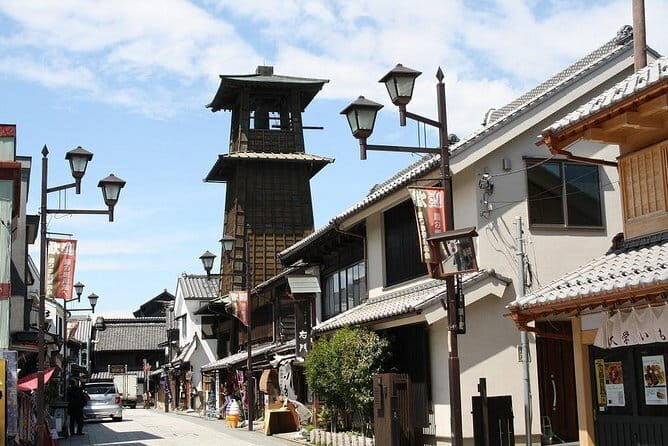
The class includes ingredients for the cooking session and a meal. Beverages are not included, so plan to cover drinks separately if you want something beyond water.
The main take-home isn’t just food. It’s a set of repeatable steps:
- make sushi rice properly
- shape nigiri with coached hand movements
- roll maki with fillings and assembly steps you can repeat
That’s what makes this type of class worth your time. It’s learning with instant feedback and immediate payoff when you eat your work.
Price check: is $84.08 good value for this workshop?
At $84.08 per person, you’re not buying a quick tasting. You’re paying for:
- an English-speaking chef instruction
- hands-on coaching
- included ingredients
- a meal
- a small group (maximum 6)
- a unique historic setting
For sushi classes, the price often goes up when you add a real teaching format and smaller groups. Here, those pieces are built in. You’re also getting a workshop setting in Kawagoe rather than a generic studio. That’s real value because the environment supports the experience and the learning.
The only caution on value is timing: since the sessions are limited (listed Monday slots) and the workshop is popular, it’s usually booked about 19 days in advance on average. If you’re traveling with fixed plans, book earlier so you get the time that works.
Logistics that matter on the day
The workshop runs on Mondays, with time slots listed as 12:00–13:30 and 15:00–16:30. You’ll receive confirmation at booking time.
You’ll need to reach the meeting point at 結家 -MUSUBIYA-Japan (Saitama, Kawagoe, Ishiwaramachi, 1-chōme 67). The activity ends back at the same meeting point.
The venue has stairs. If that affects you, ask in advance for alternative arrangements.
Weather can matter. The experience notes it requires good weather, and if it’s canceled due to poor weather, you’ll be offered a different date or a full refund.
Who this workshop suits best
This class fits especially well if you:
- want technique you can repeat, especially sushi rice
- enjoy hands-on cooking more than lectures
- prefer small-group learning for better coaching
- need vegetarian or other dietary options and want them handled in advance
- like history you can feel through the setting, not just read about
It’s also a solid pick for couples or solo travelers who want a focused, satisfying experience without a huge time commitment.
If you’re looking for a long, full-day tour with lots of wandering, this isn’t that. It’s tight, purposeful, and centered on making sushi.
Should you book Little EDO Sushi Making in Kawagoe?
Yes, you should book it if your goal is real sushi-making skills in a short, friendly session. The biggest reasons are practical: you learn sushi rice, you make both nigiri and maki, and the small group format makes it easier to correct mistakes before they become habits.
Skip it (or at least ask questions first) if stairs are a problem for you and you don’t want to arrange alternatives. Also, be strict about dietary timing. This is one of those experiences where changes on the day won’t happen, so plan your requests during booking.
If you’re in Kawagoe and you want an activity that feels local and usable the next night, this workshop is a smart bet.
FAQ
How long is the Little EDO sushi making workshop?
It’s listed at about 1 hour 30 minutes.
Where does the class meet?
The meeting point is 結家 -MUSUBIYA-Japan, located at 1-6-7 Ishiharacho, Kawagoe City, Saitama, Japan.
What sushi types will I learn to make?
You’ll make two classic types: nigiri sushi (hand-formed) and maki sushi (roll sushi).
Is there a vegetarian menu?
Yes. The workshop caters to a vegetarian menu, and you can request changes when booking.
What dietary needs can the workshop accommodate?
They state they can accommodate vegan, vegetarian, gluten-free, halal, and allergies if you request in advance. They also note allergy limitations involving meat, nuts, fruits, and dairy.
Are menu changes allowed on the day of the class?
No. They say they cannot accommodate request changes on the day of the class.
How big is the group?
The workshop has a maximum of 6 travelers.
Is the venue accessible if there are stairs?
There are stairs to access the venue. If you prefer to avoid stairs, you should let them know in advance so they can make alternative arrangements.
What if I need to cancel?
You can cancel for a full refund if you cancel up to 24 hours before the experience’s start time. If you cancel less than 24 hours before, the amount paid is not refunded.
More Tour Reviews in Kawagoe
Fresh reviews from around Kawagoe

Workshops, compared.
 ★ 5.0Sushi Making Tokyo Roll and Authentic Japanese Sushi ClassFrom $593,971 reviews
 ★ 5.0Tokyo Shinjuku Chopsticks Making ClassFrom $201,763 reviews
 ★ 4.8Chopstick Making Workshop in GinzaFrom $251,366 reviews
 ★ 5.0Tokyo Sushi Making Class in Tsukiji with Professional ChefFrom $491,177 reviews
 ★ 5.0Ramen & Gyoza Cooking Class in Tokyo with Local Supermarket VisitFrom $122823 reviews
 ★ 5.0Matcha Making Class in Tokyo with Authentic Japanese Sweets SetFrom $21744 reviews
 ★ 5.0Samurai Sword & Archery Class from Samurai DescendantFrom $193603 reviews
 ★ 4.9Tsukiji Fish Market Sushi Making Class with Pro ChefFrom $63506 reviews
Browse the lists this tour appears in