
Reviewed · TOKYO
Tokyo: Best of Shibuya Food Tour
Shibuya tastes better with a guide. This 3-hour walk takes you past the usual Scramble Crossing crush and into quieter backstreets, where food smells pull you from place to place and the stories add context to each bite. You finish with dessert at a Depachika counter, so the final sweetness feels built into the plan, not tacked on.
I especially like the 5 food stops approach. You get real variety (sushi, izakaya-style eats, okonomiyaki, ramen, and a final local dessert are all common favorites), so you’re not stuck eating the same flavor theme for three hours. I also love the human side of this tour: guides such as Alex, Serena, Jane, and Saika share what matters about food and neighborhood culture, and they often help with photos along the way.
One consideration: a good chunk of the experience is at small spots where you may be standing or squeezed into tight seating. Comfortable shoes are a must, and if you’re hoping for lots of long sit-down meal time, you might feel a bit rushed.
In This Review
- Key Things to Love About This Shibuya Food Tour
- Shibuya’s Food Scene Needs More Than One Neon Corner
- Price Value: What $170 Buys You in 3 Hours
- Meeting at Hachiko Exit: Find the Mural, Then Start Easy
- The 5 Food Stops Plus Dessert: What You’ll Actually Eat
- Stop 1: Sushi at a Tight Standing Counter
- Stop 2: Izakaya-Style Food in a Local Atmosphere
- Stop 3: Okonomiyaki With Regional Personality
- Stop 4: Ramen Street-Style Comfort
- Stop 5: A Griddle or Snack Stop, Often Including Takoyaki or Kobe Beef
- Dessert Finale: Depachika Sweet Stop in Shibuya
- Drinks, Photos, and Small-Group Pacing That Feels Human
- Backstreet Wins: How to Get More From Every Bite
- Who Should Book This Tour (and Who Might Prefer Something Else)
- Quick Planning Notes Before You Go
- Should You Book the Tokyo Best of Shibuya Food Tour?
- FAQ
- How long is the Shibuya Food Tour?
- How many people are in the group?
- Where is the meeting point?
- What is included in the price?
- Is hotel pickup included?
- Do I need to bring a passport?
Key Things to Love About This Shibuya Food Tour
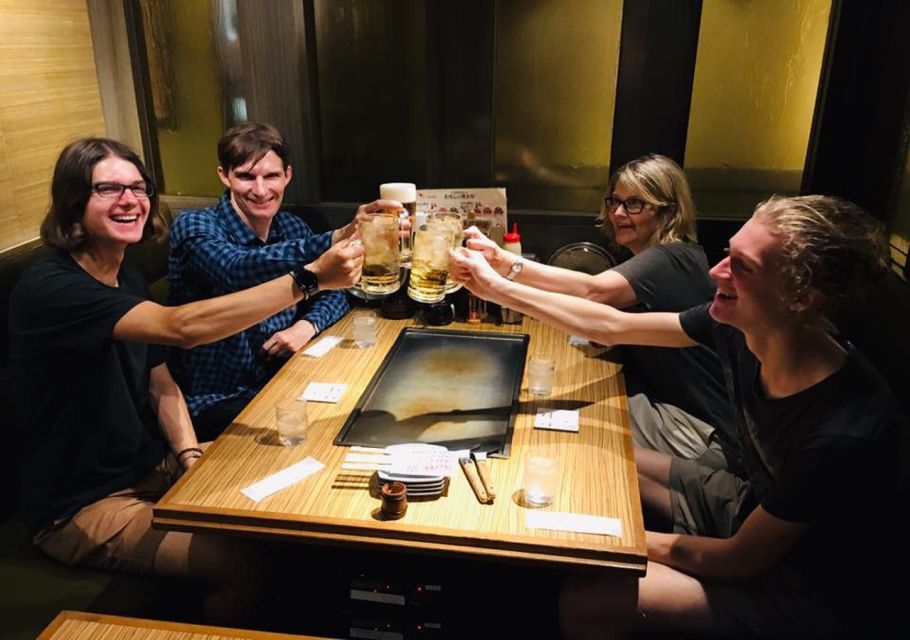
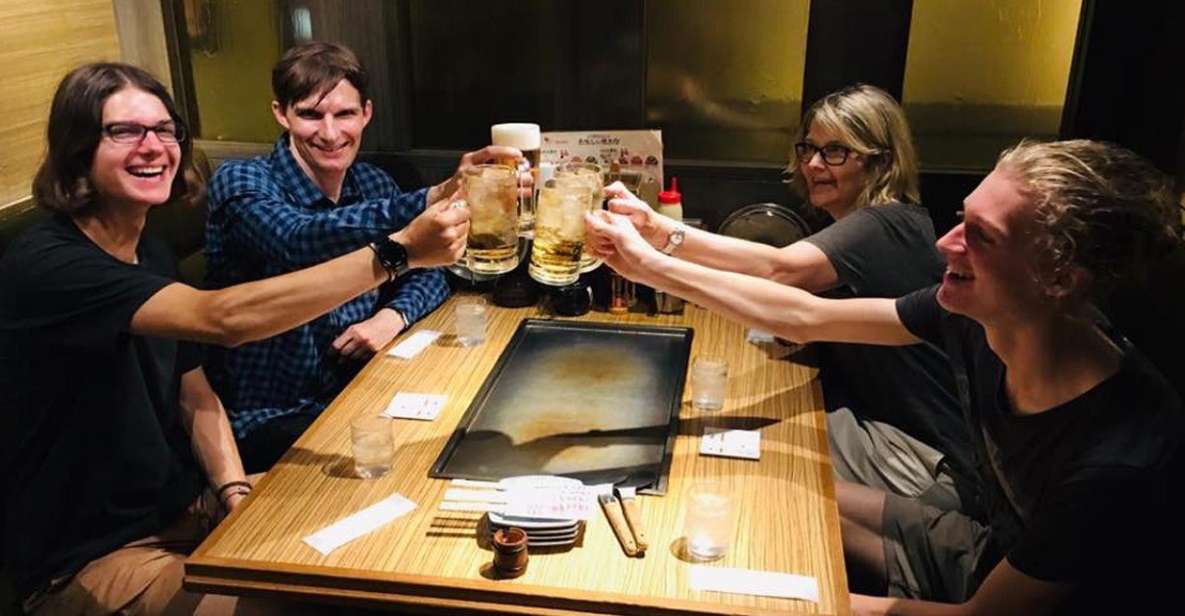
- The walk beats the wow factor: you get variety without trying to eat your way through Shibuya randomly
- Food spread, not just snacks: multiple dish stops plus 2 included drinks and dessert
- Guide-led culture stories: you’ll hear why certain dishes show up in Shibuya life
- Small group energy (up to 10): more back-and-forth questions than big-group tours
- Depachika dessert finish: the last stop feels like a reward, not a souvenir trap
Shibuya’s Food Scene Needs More Than One Neon Corner
Shibuya is famous for lights and foot traffic, but the real fun is how food pops up everywhere: basements, tiny counters, upstairs dining rooms, and alley storefronts you’d miss if you only watched the crowds. This tour is built around that idea. You start at a landmark, then the route pushes you away from the obvious path so the neighborhood feels lived-in.
You’ll also notice how much context changes the taste. When you understand what a dish is trying to do, you eat slower and pay attention to texture, seasoning, and technique. That’s the big reason a food tour works in Japan: it turns eating into learning you can actually feel.
Price Value: What $170 Buys You in 3 Hours
At $170 per person, you’re paying for structure and access, not just food. What’s included is a solid bundle: 5 food stops, 2 drinks, dessert, and an English-speaking local guide who handles the flow and gets you into places you likely wouldn’t find on your own.
Tokyo can be expensive, but the value here is that the cost is spread across multiple venues. Instead of one pricey restaurant meal, you sample a sequence of dishes across the neighborhood. That’s how you end up with more variety per hour, and usually with better local picks than you’d guess from street signage.
The also-important part: transportation costs aren’t included. So if you’re already in Shibuya (or near the station), the tour price feels more “all-in.” If you need to cross town, factor that commute in before you decide.
Meeting at Hachiko Exit: Find the Mural, Then Start Easy
Meeting point is specific, and it matters in Shibuya. Meet in front of the wall mural of Hachiko right outside the station, at the Hachiko exit. Don’t meet at the very crowded statue of Hachiko.
Here’s a practical way to spot the right place fast: when you come out of the station, look for the colorful wall mural. Face the big intersection with the mural behind you. That orientation is the quickest “no-guessing” trick.
Also keep your timing tight. You can only wait an additional five minutes after the starting time. Once the tour begins, the guides can’t give directions or be reached by phone, so you want to be visible before you start tracking yourself into trouble.
The 5 Food Stops Plus Dessert: What You’ll Actually Eat
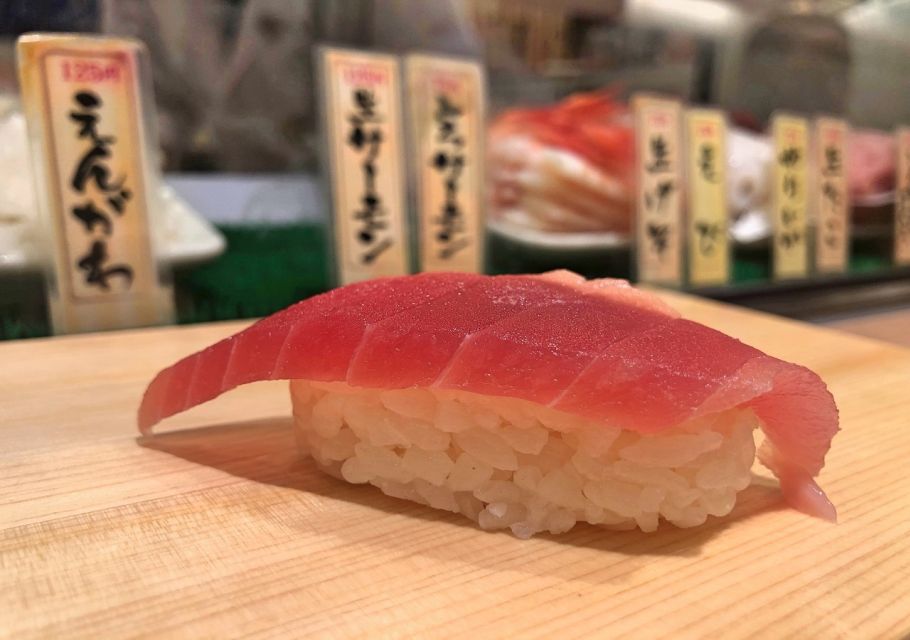
The tour is designed as a series of stops where each bite plays a different role. You’ll get savory, likely some grilled or griddle-style comfort food, and then end with dessert at a Shibuya Depachika. Exact dishes can vary by day, but these are the core categories the tour consistently includes based on the range of foods people rave about.
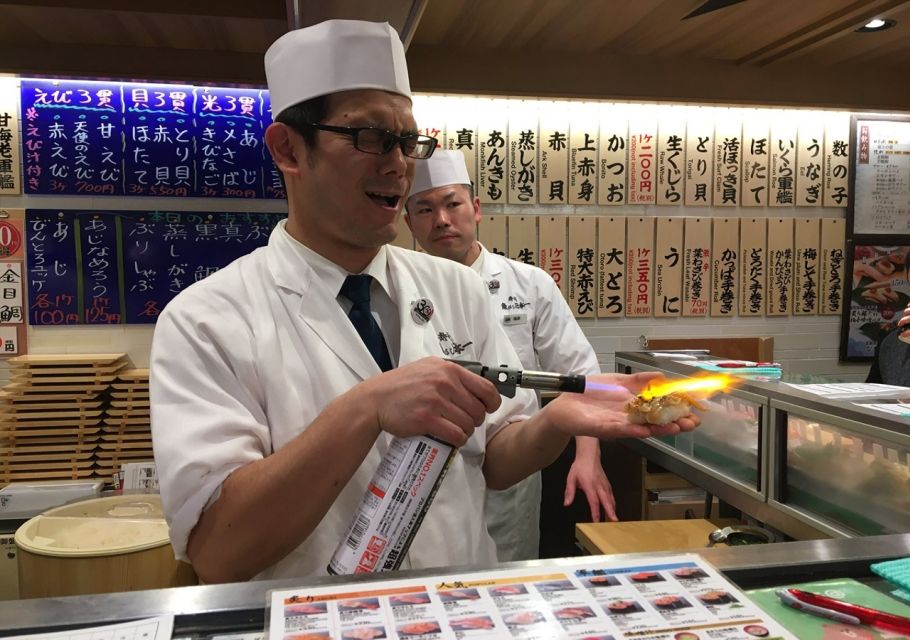
Stop 1: Sushi at a Tight Standing Counter
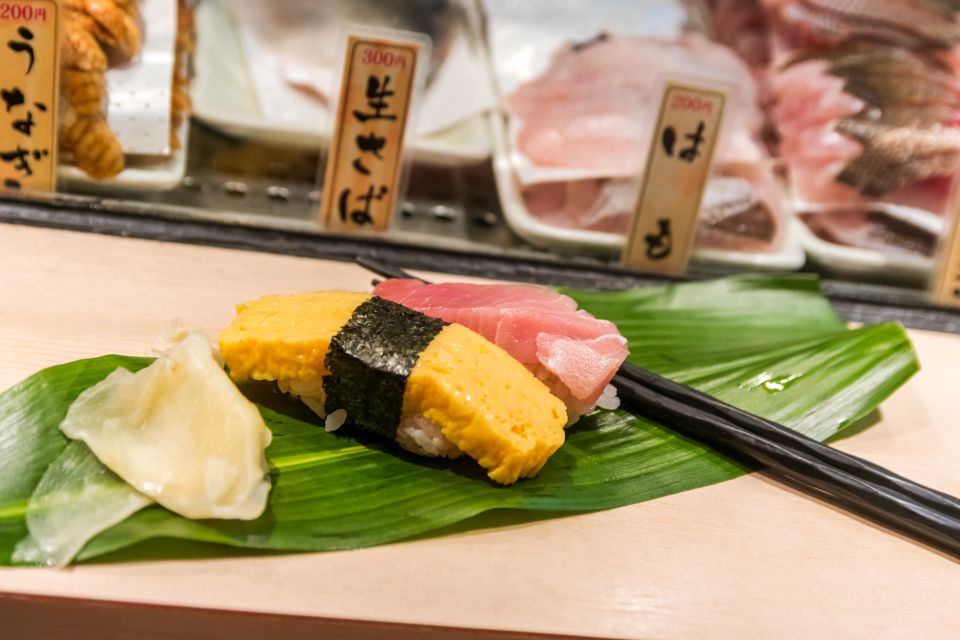
One of the early highlights is often sushi, including at a standing-room style spot. That matters because it changes the whole pace: you don’t linger for “the vibe,” you eat the food as it’s prepared, with quick, focused service.
What to expect: bite-sized pieces with freshness you can taste immediately. Many people end up rating these first bites as some of the best sushi they’ve had in Tokyo, mainly because the meal is simple and executed well, not because it’s dressed up.
Practical note: standing restaurants are normal here. If you hate standing still, keep that in mind. You’ll likely be moving often through the evening anyway.
Stop 2: Izakaya-Style Food in a Local Atmosphere
Next you’ll shift into an izakaya feel, the type of place Japanese locals use for casual dinners and after-work snacks. This stop is where the tour usually feels less like “a tasting” and more like joining Tokyo life for an hour.
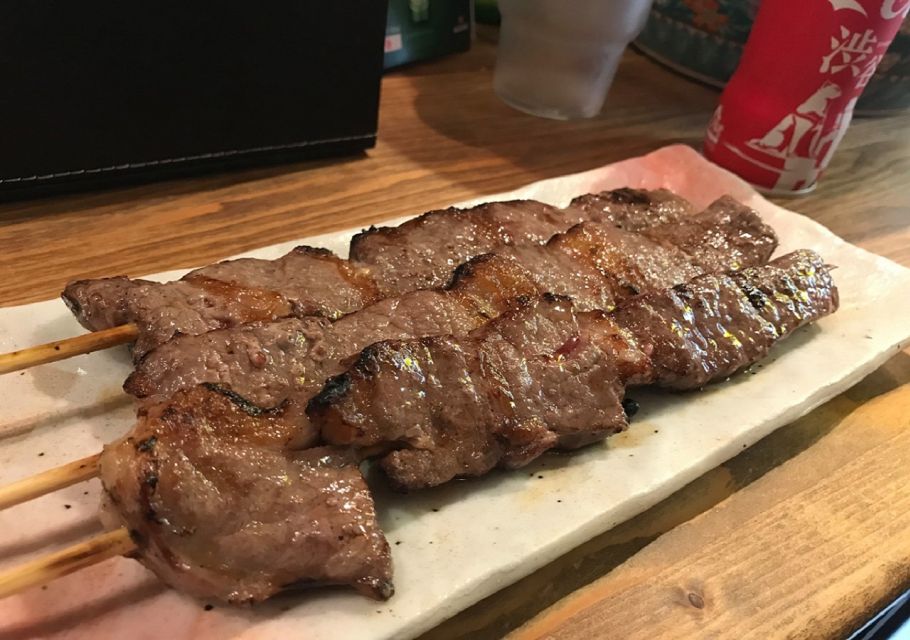
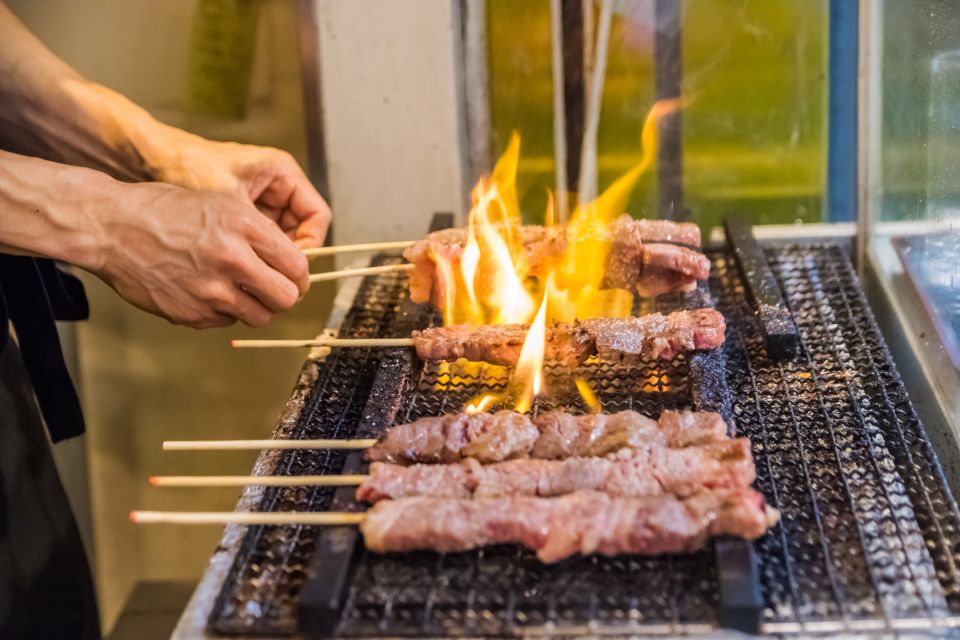
What makes it special is variety within one venue. You might get something grilled, something savory, and something that hits comfort-food mode. This is also a great time to ask your guide what locals order and how to think about flavors in Japan beyond soy sauce alone.
Stop 3: Okonomiyaki With Regional Personality
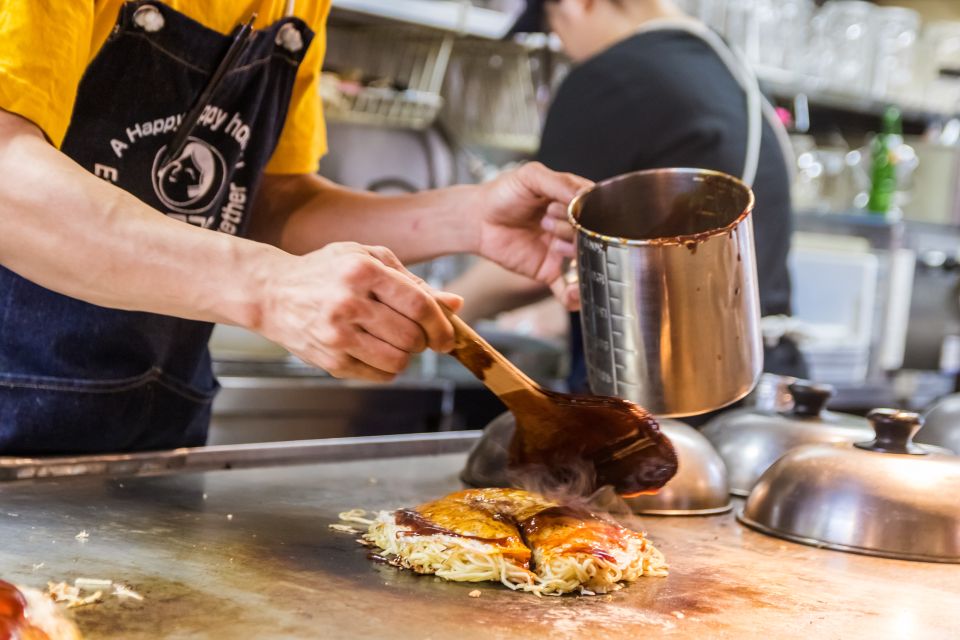
Okonomiyaki shows up in this tour for a reason: it’s both hearty and explainable. Your guide can point out what makes one style different from another, and you get to experience the texture contrast—think batter-to-topping mix, hot skillet sizzle, and that satisfying chew/bite.
Why this stop works for first-timers: it’s a dish you can understand even if you don’t speak Japanese. Plus, it’s one of those “street-casual but food-nerdy” moments where technique matters.
Stop 4: Ramen Street-Style Comfort
Another stop often centers on ramen in a street or corridor-style setup. This is where the tour helps you skip the guesswork of which shop is worth your time when there’s a line, a menu wall, and about a dozen ways to order.
What to expect: a warm, filling bowl (or ramen-style dish portion) that balances the earlier bites. If you’re the type who worries food tours won’t leave you satisfied, this is the stop that usually calms that worry.
Stop 5: A Griddle or Snack Stop, Often Including Takoyaki or Kobe Beef
A final savory stop often rounds things out with another regional favorite. In past experiences on this tour, people specifically call out options like takoyaki and Kobe beef. Even if your exact dish differs on your date, the goal is the same: a distinct flavor moment before dessert.
Why it’s worth it: you don’t want all your calories to blend together. This stop refreshes your palate so the dessert finish actually feels like a finish.
Dessert Finale: Depachika Sweet Stop in Shibuya
You wrap up at a Shibuya Depachika, which is basically a department store basement dessert world. It’s organized, tempting, and built for tasting—so it fits perfectly as the final act.
What to expect: a local dessert choice that feels made for sharing or savoring slowly. If you’ve ever walked past fancy department store food halls and wondered what to order, this ending is your shortcut.
Drinks, Photos, and Small-Group Pacing That Feels Human
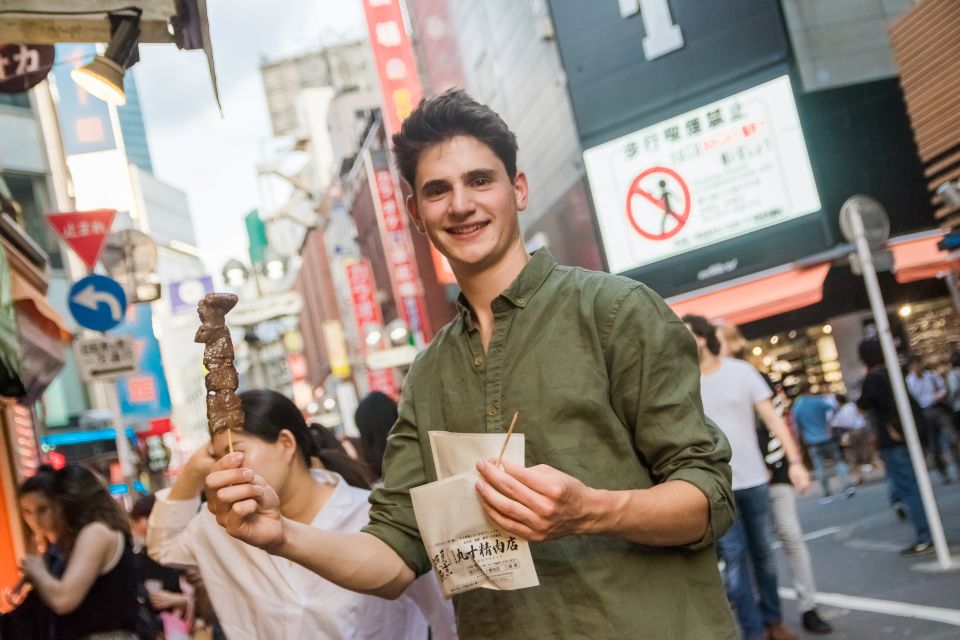
In addition to the food, you get 2 drinks included. The drink part isn’t random; it usually helps you match flavors with what you’re eating, especially when you’re bouncing between hot savory dishes and sweeter stuff.
I also like the social momentum. With a small group capped at 10 participants, your guide can keep moving at a pace that doesn’t feel like a forced sprint. You’re not just herded from one counter to another.
One detail that comes up again and again: guides often help with photos. People mention guides taking pictures without having to ask, and then sharing them afterward. That sounds small, but it actually matters in Shibuya, where you’re often too busy eating to stop and shoot.
Backstreet Wins: How to Get More From Every Bite
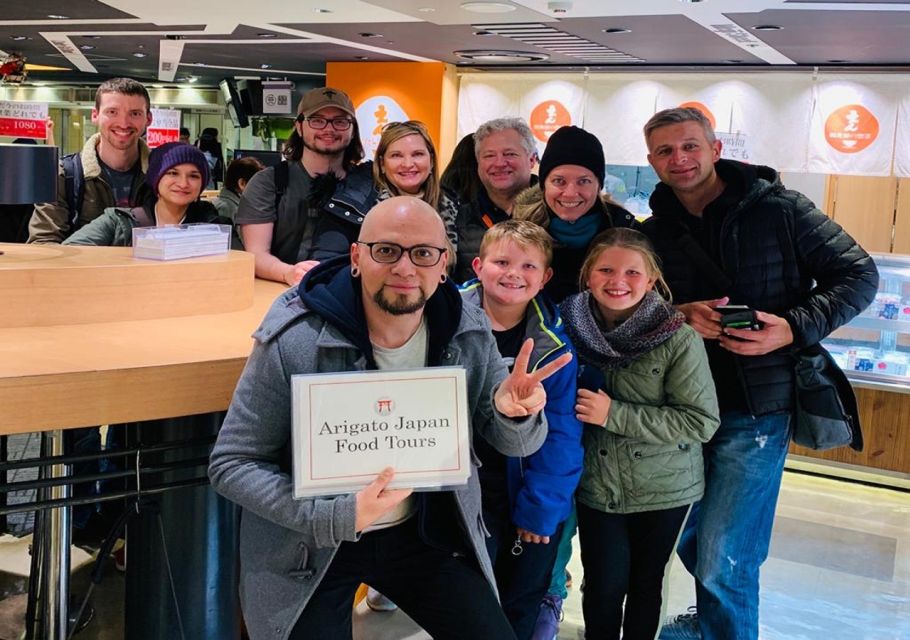
This tour works because it teaches you how to pay attention. Your guide points out what to look for and why each dish belongs to this part of Tokyo. You’ll hear the little habits that make Japanese food culture feel different, like how people approach ordering and how restaurants manage small-space seating.
A fun bonus from the guides is how they connect food to broader culture. For example, one guide named Alex is noted for sharing stories that link Japanese and Mexican culture in playful, memorable ways. That kind of framing keeps you interested even when you’re standing in a tight spot.
My best advice: come hungry, but not desperate. The tour is designed so you don’t leave shortchanged, and many people explicitly say to plan to eat a lot. Think of it as a full meal experience stretched across multiple stops.
Also plan around walking. Even if you’re only in Shibuya for a short time, this is a 3-hour neighborhood walk. Good shoes beat optimism.
Who Should Book This Tour (and Who Might Prefer Something Else)
This tour is a great fit if you want a structured food experience in a place that’s visually loud and easy to get turned around in. It’s especially good for:
- First-time visitors to Tokyo who want Shibuya without only seeing the famous intersection
- Food lovers who want variety more than one “big fancy meal”
- Small groups and couples who want time for questions without a big crowd
It may be less ideal if you:
- Want mostly sit-down dining with wide aisles
- Get uncomfortable standing at counters for stretches
- Need long breaks to rest frequently during the walk
If you travel with kids, it can still work well, since guides often adjust pacing and keep things moving. Still, you should expect standing and walking to be part of the deal, because many of these spots are built small.
Quick Planning Notes Before You Go
Bring a passport. A copy of your passport information is required for all participants aged 10 and over. Wear comfortable shoes, because some stops are standing-room style and the route is walk-based.
If you’re thinking about hotel pickup: it isn’t included, though it can be arranged for an additional charge. And transportation costs are on your own, so double-check how you’ll reach the meeting point.
Should You Book the Tokyo Best of Shibuya Food Tour?
If you want an efficient way to understand Shibuya through food, I’d say yes. The mix of 5 stops, 2 included drinks, and a Depachika dessert finish is a strong value package for a neighborhood that can be chaotic to navigate without help.
Book it if you like guided storytelling, small-group pacing, and the thrill of trying dishes you might not pick from a menu alone. Skip it if you hate walking, dislike standing counters, or expect a fully sit-down meal schedule.
If you’re even slightly curious about Shibuya beyond the lights, this tour gives you a way in.
FAQ
How long is the Shibuya Food Tour?
The tour lasts 3 hours.
How many people are in the group?
It’s a small group limited to 10 participants.
Where is the meeting point?
Meet in front of the wall mural of Hachiko outside the station, at the Hachiko exit. Do not meet at the very crowded statue. When you come out, face the big intersection with the mural to your back.
What is included in the price?
You get a variety of dishes at multiple food stops, 2 drinks, dessert, and a local English-speaking guide.
Is hotel pickup included?
No, hotel pickup is not included, but it can be arranged for an additional charge.
Do I need to bring a passport?
Yes. A copy of your passport information is required for all participants aged 10 and over.
Tokyo, compared.
 ★ 5.0Mt Fuji and Hakone 1-Day Bus Tour Return by Bullet TrainFrom $16326,383 reviews
 ★ 5.01-Day Tokyo Bus TourFrom $12914,250 reviews
 ★ 4.6teamLab Planets TOKYO Digital Art Museum Entry TicketFrom $259,779 reviews
 ★ 4.0Mt Fuji & Hakone Cruise, Drum Show Bullet Train 1 Day from TokyoFrom $1497,413 reviews
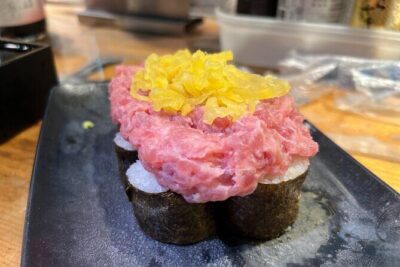 ★ 5.0Shinjuku Food Tour (13 Dishes at 4 Local Eateries)From $866,603 reviews
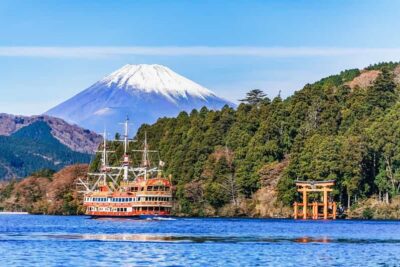 ★ 4.4Tokyo Mt Fuji 5th St & Hakone Cruise Bus Tour w/Bullet TrainFrom $1545,024 reviews
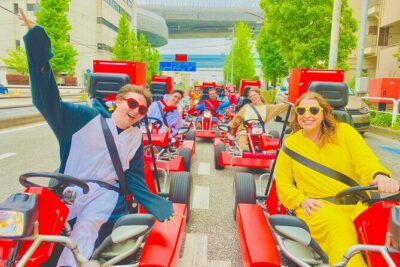 ★ 5.0Flagship 2-Hours Official Street Go-Kart Tour – Tokyo Bay ShopFrom $644,974 reviews
 ★ 4.5From Tokyo: Mount Fuji Full-Day Sightseeing TripFrom $684,970 reviews