
Reviewed · KAWAGOE
Kawagoe 4hr Private Tour with Licensed Guide (Kawagoe Dep)
Kawagoe hits fast. In just about 4 hours, I love how this tour turns Little Edo into something you can see and understand—with a licensed local guide doing the heavy lifting. I also like the flexibility to choose 2–3 sites, so you’re not stuck on a rigid checklist. The one real consideration: it’s a walking tour, so comfy shoes and water make the day much easier.
Guides in this experience have included names like Masa, Yusuke, Isao, and Show, and the common thread is clear, friendly explanation plus practical pacing. You’ll start with iconic spots such as Toki no Kane (a bell tower with time-ringing tradition) and often combine it with old-street atmosphere like Koedo Yokocho, where you can grab a snack or meal. Just note: many museum and castle-style stops have admissions that are not included.
In This Review
- Key things I’d plan for in this Kawagoe private tour
- Why Kawagoe feels like Little Edo in 4 hours
- Price and what you actually get for $107.78 per person
- How the 4-hour route works (and why your choices matter)
- Toki no Kane bell tower: the quickest way into Edo-time
- Koedo Yokocho warehouse streets: snacks, breaks, and real atmosphere
- Kurazukuri buildings and museums: how merchants shaped the town
- Kawagoe Castle Naka no Mon Remain: what’s left (and what isn’t)
- Hikawa Shrine and the enmusubi love-success stone
- Kitain Temple: 1200 years of atmosphere
- Honmaru Palace, Onsen, and Matsuri Kaikan: choose your flavor
- Tips to make your Kawagoe daytrip feel easy
- Should you book this Kawagoe private tour?
- FAQ
- How long is the Kawagoe private tour?
- Is this tour private?
- Can I customize the stops I visit?
- Is there pickup, or do I meet the guide somewhere?
- Are entrance fees included?
- Are service animals allowed?
Key things I’d plan for in this Kawagoe private tour
- Government-licensed English-speaking interpreting so the cultural details land, not just the photo ops
- Choose your 2–3 must-sees from the available Kawagoe highlights, keeping the 4 hours focused
- Walking format with pickup/meet-up on foot inside Kawagoe, which is part of the charm
- A mix of Edo-era icons and lived-in local corners, from bell traditions to shrine stories
- Free stops are built in (like Toki no Kane and Koedo Yokocho), but other entrances may cost extra
Before you commit, see how this one stacks up against a few Kawagoe favourites:
- Kawagoe Japanese Food Tour : Unagi Kaiseki and Sake near Tokyo★ 5.0 · 30 reviews
- Kawagoe Private Custom Tour with Local Guide★ 5.0 · 29 reviews
- Kawagoe 4hr Private Tour with Licensed Guide (Kawagoe Dep)★ 5.0 · 13 reviews
Why Kawagoe feels like Little Edo in 4 hours
Kawagoe is about 30 minutes by train from central Tokyo, but it doesn’t feel like a quick detour. It feels like a time shift. The Edo-period identity shows up in the street layout, the old warehouse buildings, and the way daily life seems to echo older rhythms.
This is a private tour, so your day doesn’t get slowed down by a large group. You get a guide to translate what you’re seeing—especially the stuff that would otherwise be easy to miss. And because the tour is about 4 hours, you get enough time to connect the dots without burning an entire day.
The best part is how the walking route stays practical. You’re not sprinting between far-flung attractions; you’re moving through a compact historic area where the atmosphere builds stop by stop.
Price and what you actually get for $107.78 per person
At $107.78 per person for about 4 hours, this isn’t a bargain-price “free app” kind of tour. It’s priced more like a true guided experience: a government-licensed interpreter and a flexible itinerary designed around your interests.
Here’s the value breakdown that matters for your decision:
- You’re paying for time savings and context. In Kawagoe, the difference between seeing a bell tower and understanding why it rang like a public clock is huge.
- The tour includes a licensed local English-speaking guide, which is what lets you ask follow-up questions and get cultural meaning, not just dates.
- You also get customization: you pick 2–3 sites, so you don’t pay for time you don’t care about.
The one financial catch is simple: entrance fees, lunch, and transport aren’t included. Some stops on the schedule are free, but several museums and castle-adjacent sites are not. So your final cost depends on which options you choose.
I’d treat the $107.78 as the cost of good guidance plus the right pacing—not as a full “everything included” ticket.
How the 4-hour route works (and why your choices matter)
This is a private activity, so only your group participates. Your guide meets you on foot within a designated area of Kawagoe, with pickup offered (the practical version is still “meet up nearby and start walking”).
The tour is built around selecting 2–3 sites from the available set, then using the remaining time for walking, explanations, and whatever fits your day (like a bit of shopping or a quick pause). That’s a smart way to tour a compact city: you get the stories, but you still control the pace.
A small planning note: museums and other facilities can have closure days. One guide response mentioned museums being closed on Monday, and that kind of issue is exactly why a flexible guide matters. If you’re visiting on a weekday when closures are possible, I’d pick at least one “street-and-signs” stop you’ll still enjoy even if an indoor museum doesn’t cooperate.
Toki no Kane bell tower: the quickest way into Edo-time
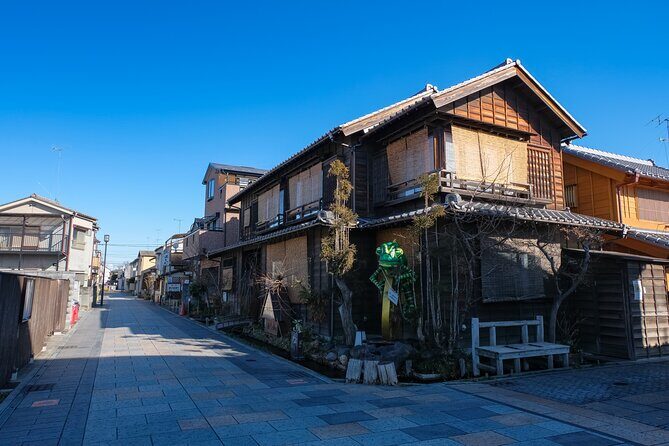
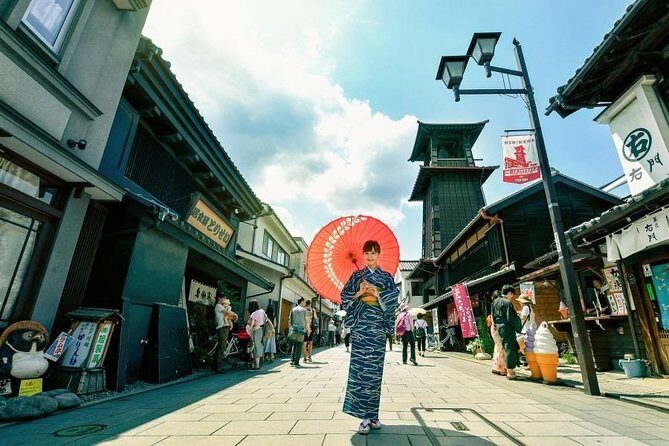
If you start in Kawagoe, start with Toki no Kane. This bell tower is a symbol of the city. In the Edo period, there were no clocks in the way we think of them today, so the bell helped mark the time for residents. Even today, you can hear the bell ringing around set times like 6 am and 12 pm and later in the day.
What I like about beginning here is that it gives you a theme. After Toki no Kane, you’ll notice time, routine, and social life more clearly as you walk through the old streets.
This stop is also efficient. The schedule lists it as a short visit with admission free, so it works well as an opening anchor—especially if you’re trying to beat midday heat.


Koedo Yokocho warehouse streets: snacks, breaks, and real atmosphere
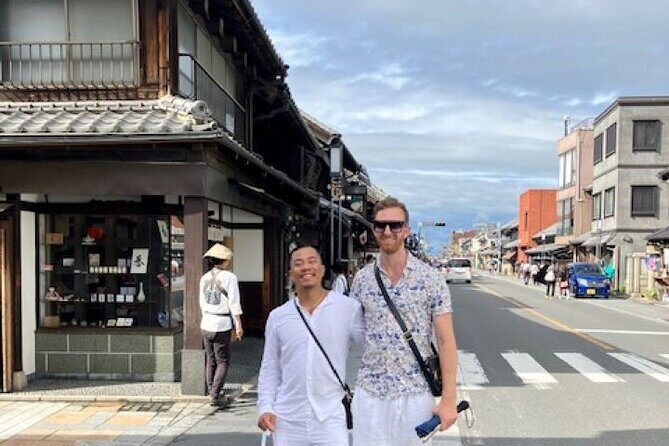
Next, Koedo Yokocho is where the tour becomes fun in a very practical way. This is a warehouse-style building full of restaurants, so you can eat Japanese dishes without hunting for places on your own.
You might see (and order) local favorites such as kamameshi—rice with meat and vegetables cooked in a small pot—and ramen. The tour route also includes a free rest place, which matters more than people think on a walking day. Even if you don’t eat, it’s a good spot to reset.
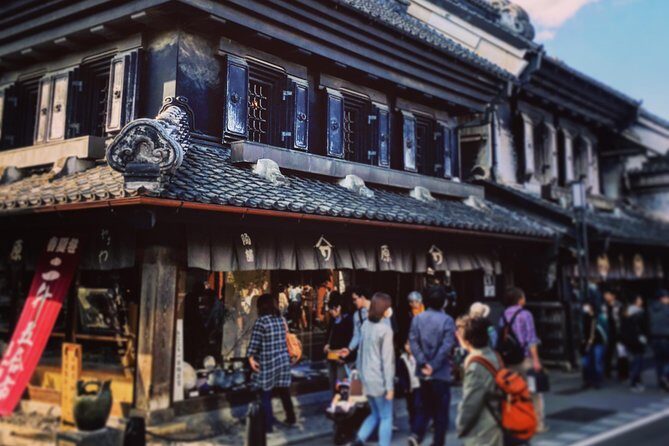
The draw here is the atmosphere. Warehouse buildings like this reflect the merchant-town identity that made Kawagoe “Little Edo.” The guide’s explanation helps you connect the architecture to the people who lived and traded here.
Kurazukuri buildings and museums: how merchants shaped the town
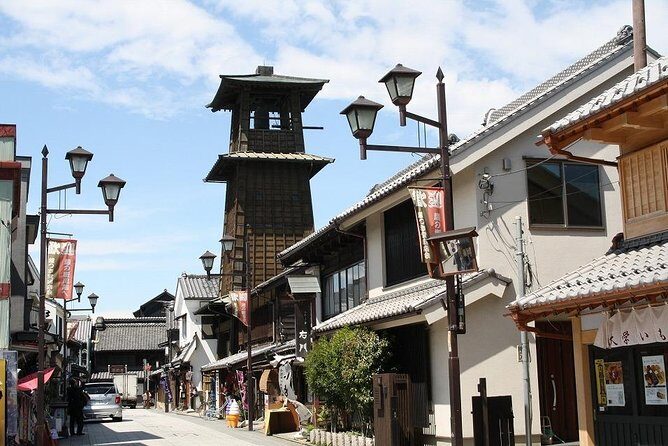
If you choose Kawagoe Kurazukuri Museum, you’re leaning into the merchant side of history. Kawagoe flourished as a castle town, and prosperous merchants lived in warehouse-style architecture—those kurazukuri streets you’ll see again and again as you look around.
The museum stop is listed for about 30 minutes, and admission isn’t included. That doesn’t make it automatically “not worth it.” It just means you should choose it based on your curiosity level: if you like architecture details and how people built their lives into the town, this kind of stop pays off.
A practical tip: because admissions aren’t included and time is limited, I’d treat museums as “choose one indoor stop” unless you’re sure you want more. The value of this tour is picking the best blend, not cramming.
Kawagoe Castle Naka no Mon Remain: what’s left (and what isn’t)
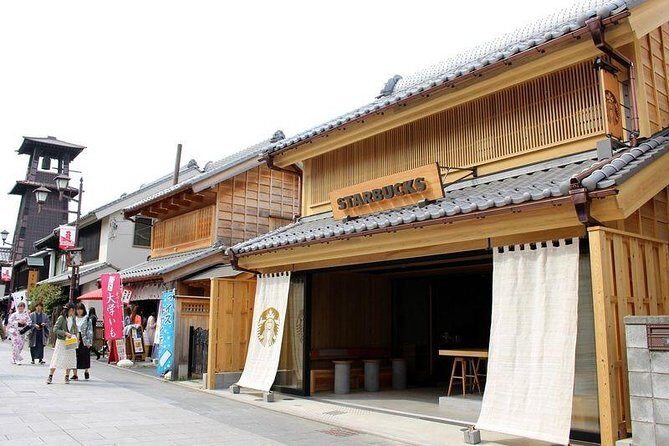
For a castle-town moment, you can visit Kawagoe Castle Naka no Mon Remain. This is where expectations help you. Most of the original castle doesn’t remain today, but parts of the site—like an entrance and a few rooms—are open to the public.
That’s the key: you’re not touring a full intact castle complex. You’re seeing remnants and specific accessible areas that still connect you to the Edo-era power structure.
This stop is also scheduled around 30 minutes, and admission isn’t included. If you love castles, it’s a good match for a short day. If you’re more into street life and local food, you might prefer pairing this with a shrine or temple stop instead.
Hikawa Shrine and the enmusubi love-success stone
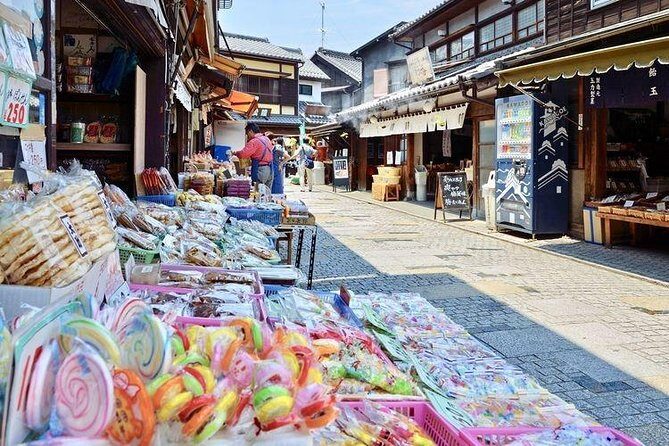
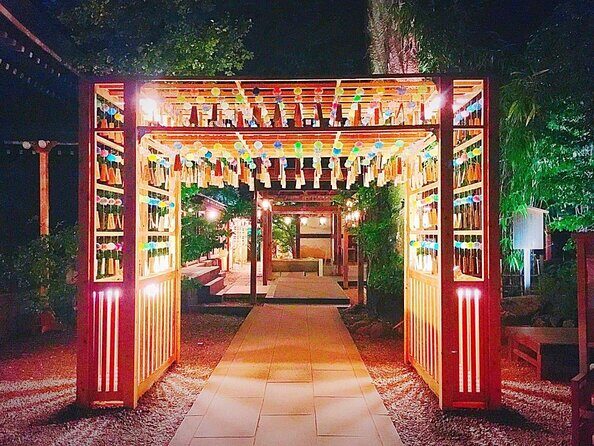
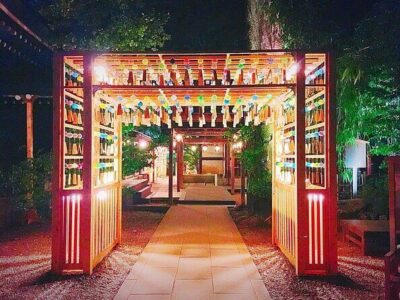
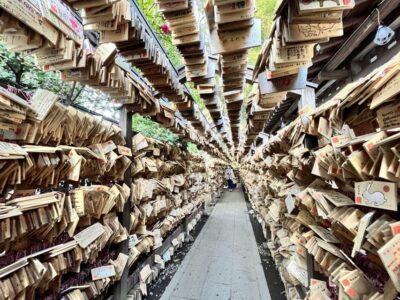
Kawagoe Hikawa Shrine is one of the most popular stops in the area, especially because it connects to love prayers. The shrine is known for something called Enmusubi dama, often described as a love-success stone.
I like this stop because it’s not just a “pretty place.” It’s a lived-in cultural ritual. When you understand what people are coming for—like love-success wishes—it changes how you look at the details you’d otherwise rush past.
It’s also a free admission stop in the schedule, and it’s timed at about 30 minutes. That makes it a solid option if you want one meaningful cultural site without adding museum-style costs.
Kitain Temple: 1200 years of atmosphere
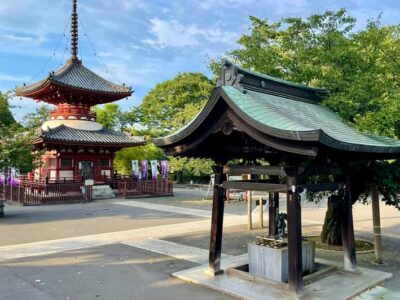
If you want one stop that feels quietly powerful, choose Kitain. This Buddhist temple has been standing for about 1200 years, and the schedule calls out its magnificent atmosphere.
This is the kind of place where the guide’s explanation helps, but even without it, the age is the point. You’re walking into a setting that long predates modern Kawagoe routines.
It’s listed as about 30 minutes and free admission, so it’s an easy win in both time and budget. For many first-time visitors, Kitain becomes a photo moment, but it’s also one of those stops where you slow down because the space asks for it.
Honmaru Palace, Onsen, and Matsuri Kaikan: choose your flavor
This tour’s list includes a few options that are more “experience” than “architecture museum,” and you’ll decide based on your mood.
- Kawagoejyo Honmaru Palace: More castle-related viewing with admissions not included. If you want extra Edo-era feel beyond the Naka no Mon remain, this is the natural add-on.
- Kawagoe Onsen: The tour highlights Kawagoe Onsen, a hot spring facility with wood-made baths and stone-made baths. Admission isn’t included. If you’re visiting in cooler months—or you’ve walked more than you planned—this can be the perfect payoff.
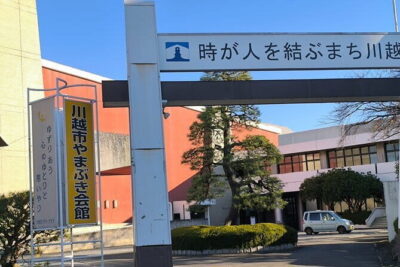
- Kawagoe Matsuri Kaikan: A stop focused on local festival culture, with admissions not included. It’s a good choice if you like Japan’s festival traditions and want context beyond what you can pick up from street signs.
Because you only pick 2–3 sites, I’d think of these as your “one special add” category. Pair one of them with a shrine or an old-street stop for a balanced day.
Tips to make your Kawagoe daytrip feel easy
Here’s how I’d set you up for a smooth 4 hours.
Wear shoes you can walk in for real. One guide response specifically pointed out that taxis and buses can be sparse, so you’ll likely cover more on foot than you expect. Even if your route is compact, you’ll appreciate cushioning by the end.
Bring water, even in mild weather. The schedule is short, but you’re outside for much of the time. A quick drink break at Koedo Yokocho’s rest space can save your energy.
Use the guide’s flexibility. One review response described shopping flexibility, and that’s a big deal. If you see a souvenir stall you want to browse longer, ask. A good guide will adjust the pacing if the core timing stays intact.
Plan around possible indoor closures. A response mentioned museums being closed on Monday. If you’re traveling on a day when closures are possible, choose at least one “outdoor-feels-like-the-town” stop in your selection.
Book early if your schedule is set. This tour is, on average, booked about 64 days in advance. If you have fixed travel dates, early booking reduces the chance you’ll have to compromise on guide availability.
Should you book this Kawagoe private tour?
I’d book this if you want a guided day that feels efficient, not rushed. The biggest reason is the combination of licensed English-speaking interpreting and custom site choices—you don’t just walk past Kawagoe landmarks, you understand why they matter.
I’d also book it if you’re visiting from Tokyo and want more than surface photos. Starting with Toki no Kane, then mixing in a shrine like Hikawa and a long-lived temple like Kitain, is a strong way to experience Little Edo in one afternoon.
Skip it or adjust expectations if you’re hoping for a fully ticket-included bargain day. Entrance fees for many stops are not included, and you’ll want to choose 2–3 options that match your priorities.
FAQ
How long is the Kawagoe private tour?
It runs for about 4 hours.
Is this tour private?
Yes. It’s a private tour/activity, and only your group participates.
Can I customize the stops I visit?
Yes. You can customize a four-hour tour by selecting your must-see spots from the available options. The tour is designed around choosing 2–3 sites.
Is there pickup, or do I meet the guide somewhere?
Pickup is offered. The guide meets you on foot within the designated area of Kawagoe.
Are entrance fees included?
No. Entrance fees are not included, and lunch and transportation fees are also not included. Some scheduled stops are free, like Toki no Kane and Koedo Yokocho.
Are service animals allowed?
Yes. Service animals are allowed.
More Tours in Kawagoe

More Tour Reviews in Kawagoe
Fresh reviews from around Kawagoe
Kawagoe, compared.
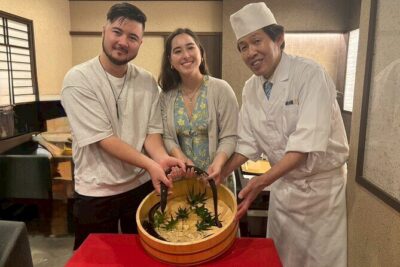 ★ 5.0Kawagoe Japanese Food Tour : Unagi Kaiseki and Sake near TokyoFrom $18130 reviews
Kawagoe Private Custom Tour with Local GuideFrom $9829 reviews
★ 5.0Kawagoe Japanese Food Tour : Unagi Kaiseki and Sake near TokyoFrom $18130 reviews
Kawagoe Private Custom Tour with Local GuideFrom $9829 reviews
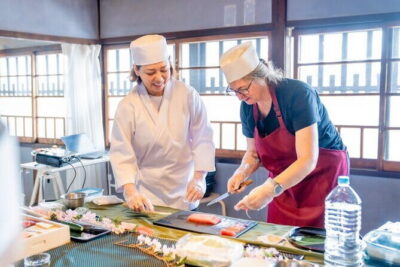 ★ 5.0Little EDO Sushi Making workshop in KawagoeFrom $8418 reviews
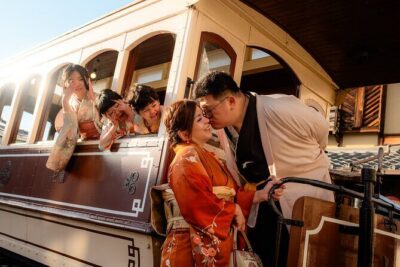 ★ 5.0Kawagoe:Family-Friendly Kimono & Yukata Experience at WARGOFrom $3111 reviews
 ★ 5.0Jizo Wood Carving Experience in KawagoeFrom $715 reviews
 ★ 5.0Historic Town of Kawagoe – Small town of Edo 3h Walking TourFrom $705 reviews
 ★ 5.0Day Tour from Tokyo : Experience Kawagoe and Edo JapanFrom $1353 reviews
Browse the lists this tour appears in