
Reviewed · TOKYO
Language Exchange : Meet Locals & Expats
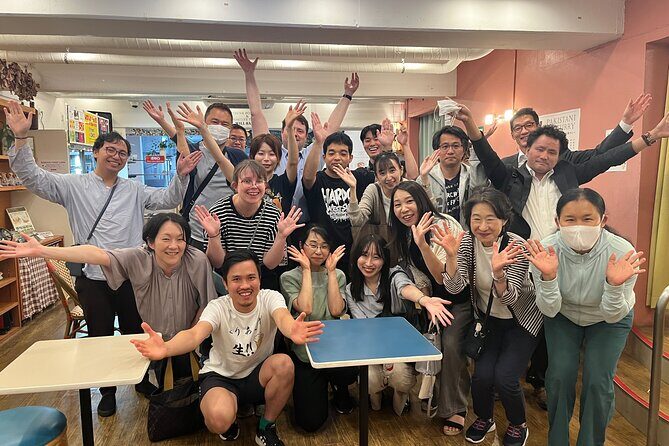
This Tokyo meetup is built for momentum. You rotate through different conversation partners so you keep talking, and the night includes seasonal games and activities that make the whole exchange feel like a low-stress hangout instead of a classroom.
I like that the format pushes you to talk with many people, not just the person next to you. I also like the mix of locals, expats, and tourists, which means you get real-life stories and different comfort levels with language practice.
One thing to consider: since it’s a conversational, game-based format, it may not feel ideal if you want quiet, teacher-led correction all night. You’ll get interaction first, feedback in the moment.
In This Review
- Key things that make this language exchange work
- Language exchange in Tokyo that keeps you talking
- Where it starts: Sakura Cafe & Restaurant (Nibori area)
- The “no awkward silences” format: how the night flows
- 1) Settle in, then start rotating quickly
- 2) Conversation rounds that keep changing partners
- 3) Seasonal games and activity moments
- 4) A night that ends where it began
- Who this is best for (and who might not love it)
- Price and value: what $10 buys you in Tokyo
- How to get the most out of it (practical tips)
- Come with 10 ready questions
- Use the games to buy yourself time
- Keep expectations realistic
- What the small-group setup feels like
- A note on confirmation and tickets
- Should you book it?
- FAQ
- How long is the language exchange session?
- How much does it cost?
- Where does the session start?
- Is there a limit on group size?
- Will I meet multiple people during the event?
- What language will I be practicing?
- What’s included in the price?
- What is not included?
- Do I need printed tickets?
- Is free cancellation available?
Key things that make this language exchange work
- Rotating conversations keep the energy up and reduce dead air
- Switch seats, meet everyone so you don’t get stuck in a single group
- Seasonal games add structure and give you natural conversation topics
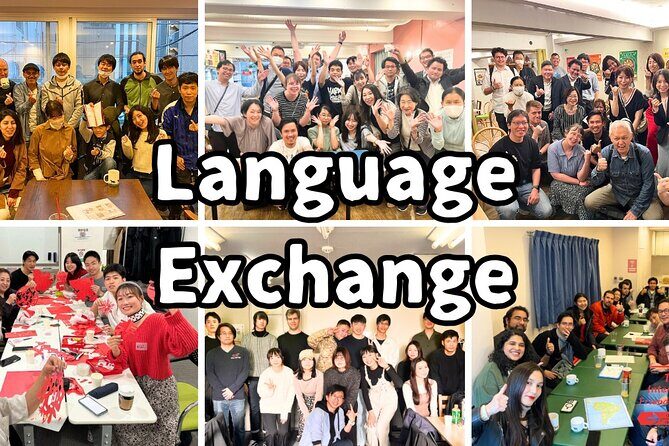
- Mix of nationalities (Japanese 40%, tourists/expats 60%) helps balance familiarity and challenge
- Small cap of 20 people supports real conversation, not just milling around
Before you commit, see how this one stacks up against a few Tokyo favourites:
- Mt Fuji and Hakone 1-Day Bus Tour Return by Bullet Train★ 5.0 · 26,383 reviews
- 1-Day Tokyo Bus Tour★ 5.0 · 14,250 reviews
- Tokyo: teamLab Planets TOKYO Digital Art Museum Entry Ticket★ 4.6 · 9,779 reviews
Language exchange in Tokyo that keeps you talking
Tokyo has plenty of language meetups, but most of them have the same problem: once the first round of introductions is done, the group can freeze. People check their phones, you run out of questions, and the whole thing turns into polite nodding.
This experience is designed to prevent that. The core idea is simple: rotating conversations. Instead of staying with one partner, you switch seats and meet new people throughout the night. The host also uses seasonal games and activities, so you’re not relying on your own conversation skills to carry the evening.
You’ll also be in a group that’s intentionally mixed. The participant balance runs around Japanese 40% and tourists or expats 60%, and they note they have hosted this language exchange for over 5 years. That matters, because it usually means the organizer has learned what works: how to keep it friendly, how to move people around, and how to avoid the awkward silences that scare off beginners.
Where it starts: Sakura Cafe & Restaurant (Nibori area)
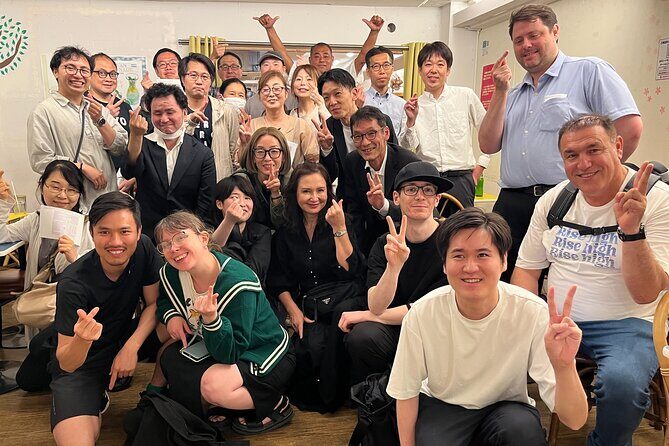
The meetup begins at サクラカフェ&レストラン日暮里 with the address: 3-chōme-43-15 Sendagi, Bunkyo City, Tokyo 113-0022, Japan. The activity ends back at the meeting point, so you’re not bouncing between neighborhoods.
I like that this kind of setup keeps your evening simple. You can show up, check in, and spend the next 1 hour 45 minutes focused on conversation and games—not on route planning.
One practical note: the meeting point is described as near public transportation, which is great in Tokyo. Still, because the address includes multiple location cues (Nibori in the name and Sendagi/Bunkyo in the address), it’s smart to screenshot the exact address and confirm the station you’re using the day-of.
The “no awkward silences” format: how the night flows
You should expect an evening that feels active from the start. There’s no single lecture, and it’s not just one long chat. Instead, the program keeps moving.
Here’s what that means in real life:
1) Settle in, then start rotating quickly
After you arrive at the cafe, the group begins the first conversation rounds. The big difference here is that you won’t be permanently paired. You’ll switch seats and meet everyone, not just the people who arrived near you.
For you, that can be a confidence booster. If you’re shy, you don’t have to “perform” all night with the same person. If you’re more outgoing, you’ll still get variety instead of repeating the same story three times.





2) Conversation rounds that keep changing partners
The event highlights rotating conversations, so each new round gives you a fresh chance to practice. You’ll likely talk with people at different levels—some visitors who are brand new, some expats living in Tokyo, and some Japanese participants who are happy to meet foreigners.
That mix is useful because it changes what you practice. If you’re practicing English, you’ll get real questions and real adjustments. If you’re practicing Japanese, you’ll hear the rhythm of casual conversation, not just textbook phrases.
3) Seasonal games and activity moments
Between conversation rounds, the host introduces seasonal games & activities. The goal isn’t competition for prizes; it’s to create shared tasks that naturally generate questions and answers.
This is where your language practice becomes less forced. When you’re playing a game, you can relax. You don’t have to hunt for topics as hard, because the activity gives you built-in prompts.
4) A night that ends where it began
The activity returns to the meeting point. That’s a small thing, but it matters when you’re planning dinner and trains. You’re not stuck wondering where the group went or how to get home if the schedule runs a bit late.
Who this is best for (and who might not love it)
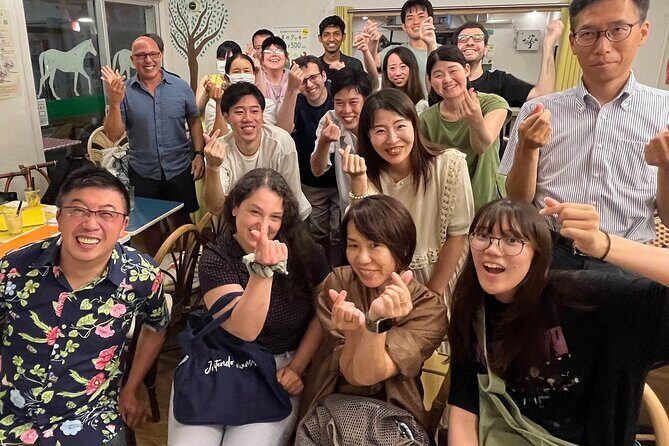
I think this experience fits well if you’re in Tokyo for a short stay or you want structured socializing without signing up for a big tour.
You’ll probably enjoy it most if you:
- Want to practice Japanese or English in a friendly setting
- Like meeting new people and swapping partners
- Prefer “do something together” over “sit and study”
- Feel nervous about language practice and want the setup to carry some of the awkwardness
It might be less ideal if you want a quiet, reflective experience. This is designed to keep moving, so if you need a calm, one-on-one correction session, you might find it too social and fast-paced.
Price and value: what $10 buys you in Tokyo
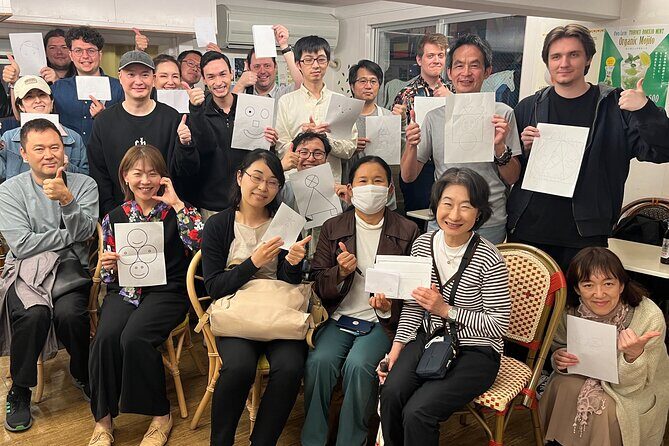
At $10.00 per person, this is low-cost for a structured language meetup in central Tokyo. The price may feel almost too friendly for how much interaction you get.
Here’s why the value can be strong:
- You’re paying for organized mixing (rotations and seat changes), not just a place to meet
- The group is capped at 20 people, which usually helps the conversations stay real
- The event adds games and activities, so it’s not just open-ended talking
- They run the event on an established schedule (noted as over 5 years of hosting), which suggests they know how to keep it working
Also, you should consider what’s included vs. not included. The booking includes all fees and taxes, but it doesn’t include coffee/tea or dinner. Since it’s at a cafe/restaurant, you might want to grab a drink to settle in, but you’ll plan for your own food separately.
How to get the most out of it (practical tips)
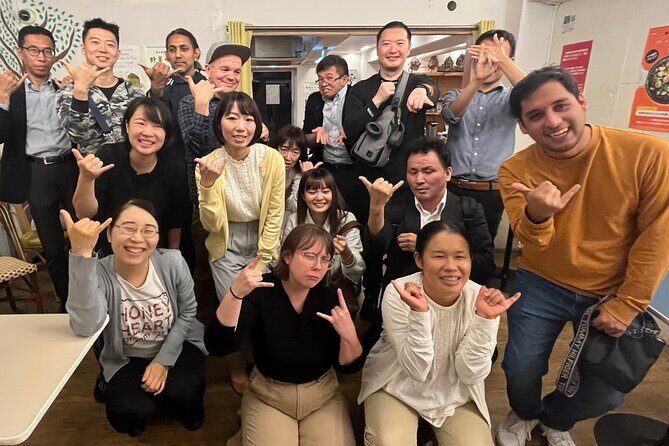
Language exchange nights can be hit-or-miss if you show up with no plan. You can improve your odds fast with a few simple moves:
Come with 10 ready questions
You don’t need to script a whole conversation. Just have a few go-to questions for each partner:
- Where are you from?
- How long have you been in Tokyo?
- What do you like to do on weekends?
- What’s something you want to learn here?
- What’s your favorite food around this area?
Rotating partners means you’ll reuse these questions a few times. That’s not a downside—it’s how you get comfortable.
Use the games to buy yourself time
If you freeze, lean on the game moment. You can comment on what’s happening, ask what the rules mean, or guess along with everyone else. It’s easier to speak when your brain has a task.
Keep expectations realistic
This is a social practice event, not a formal language class. You’ll get better by talking, but you probably won’t get detailed grammar lessons. Think of it as creating chances to speak, and let corrections come as they naturally happen.
What the small-group setup feels like
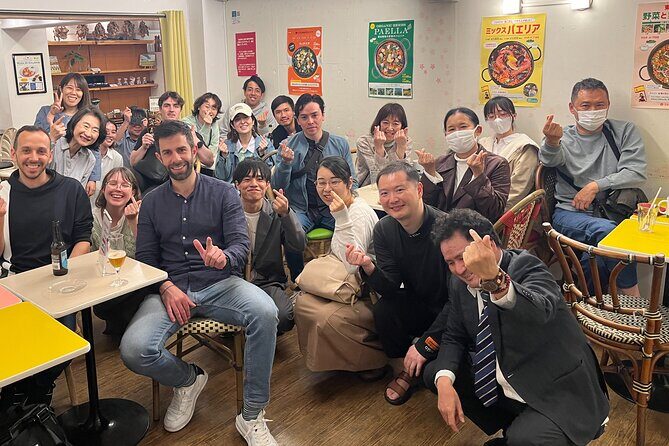
With a maximum of 20 travelers, you’re not relying on luck to find someone willing to talk. The event also notes more than 10 participants join each time, which likely keeps the conversation circles lively.
For you, the sweet spot is that the group is big enough to offer variety but small enough that you can actually connect with people during the rotating rounds. In many larger meetups, “meeting people” means waving from across the room. Here, the structure works against that.
A note on confirmation and tickets
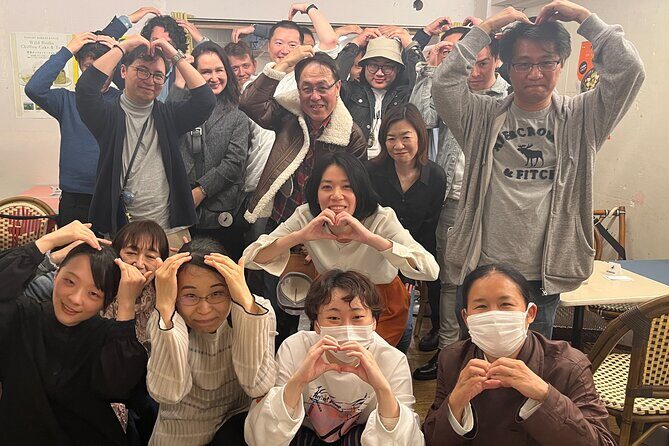
You’ll receive confirmation at the time of booking, and the tour uses a mobile ticket. That’s simple: have your phone ready and treat the booking email as your entry ticket instructions.
If you’re the type who likes to travel light, this is a good match since there’s no mention of needing printed documents.
Should you book it?
Yes, if your goal is practical conversation practice in Tokyo with minimal awkward downtime. The rotating-seat setup, the seasonal games, the mix of Japanese locals and international visitors, and the small cap of 20 all point to a format built for actual speaking.
Skip it only if you want a quiet, teacher-style session with lots of correction. This night is about talking with real people, not about sitting and studying.
If you’re unsure, decide based on your mood: if you want a friendly, structured social evening where you can practice without overthinking, this is a strong choice. If you need silence to focus, pick something else.
FAQ
How long is the language exchange session?
It lasts about 1 hour 45 minutes.
How much does it cost?
The price is $10.00 per person.
Where does the session start?
The meeting point is at サクラカフェ&レストラン日暮里3-chōme-43-15 Sendagi, Bunkyo City, Tokyo 113-0022, Japan.
Is there a limit on group size?
Yes. The activity has a maximum of 20 travelers.
Will I meet multiple people during the event?
Yes. The format includes rotating conversations and you’ll switch seats to meet different participants.
What language will I be practicing?
The exchange is described as a chance to practice Japanese or English in a natural setting.
What’s included in the price?
The price includes all fees and taxes.
What is not included?
Coffee and/or tea and dinner are not included.
Do I need printed tickets?
No. It uses a mobile ticket, and confirmation is received at booking time.
Is free cancellation available?
Yes. There is free cancellation, with a full refund if you cancel up to 24 hours before the experience starts.
More Tour Reviews in Tokyo



Fresh reviews from around Tokyo






Tokyo, compared.
 ★ 5.0Mt Fuji and Hakone 1-Day Bus Tour Return by Bullet TrainFrom $16326,383 reviews
 ★ 5.01-Day Tokyo Bus TourFrom $12914,250 reviews
 ★ 4.6teamLab Planets TOKYO Digital Art Museum Entry TicketFrom $259,779 reviews
 ★ 4.0Mt Fuji & Hakone Cruise, Drum Show Bullet Train 1 Day from TokyoFrom $1497,413 reviews
 ★ 5.0Shinjuku Food Tour (13 Dishes at 4 Local Eateries)From $866,603 reviews
 ★ 4.4Tokyo Mt Fuji 5th St & Hakone Cruise Bus Tour w/Bullet TrainFrom $1545,024 reviews
 ★ 5.0Flagship 2-Hours Official Street Go-Kart Tour – Tokyo Bay ShopFrom $644,974 reviews
 ★ 4.5From Tokyo: Mount Fuji Full-Day Sightseeing TripFrom $684,970 reviews