
Reviewed · TOKYO
Kamkura: Private Zazen, Matcha at Bamboo Temple & Mindful Cuisine
Sitting in a bamboo hush changes the tempo. This Kamakura experience centers on Zen-style zazen led by a Buddhist priest, paired with a calm matcha stop at Hokoku-ji. I like how the day turns big-city noise into something quieter and more focused, especially when you’re standing in that bamboo grove and sipping green tea. One possible drawback: the guided meditation time is brief, so if you’re looking for a long silent retreat, this won’t fully replace that.
My second favorite part is the support during practice. At Hokaiji Temple, the priest’s explanations are interpreted into English, so you’re less likely to feel like you’re guessing the whole time. With a small group size, the experience stays personal enough that questions can actually make sense.
You’ll also move through Kamakura at a steady, unhurried pace—temple to meal to neighborhood walk—so the “mindful” part doesn’t feel like a marketing word. The day runs about 8 hours 45 minutes, starting at 8:30 am, and ends with your guide bringing you back toward Shinjuku around 5:15 pm.
In This Review
- Key highlights worth showing up for
- Zen in Kamakura: why this day feels different
- Timing, meeting, and how the day actually flows
- Hokoku-ji: bamboo grove matcha that sets the mood
- Hokaiji Temple: zazen with English interpretation
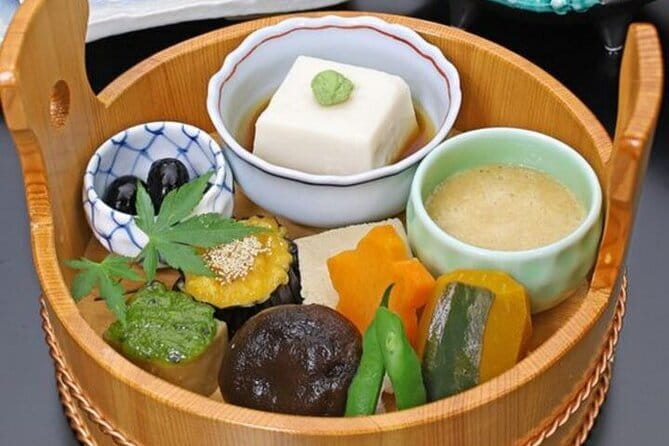
- Minemoto: shojin ryori lunch that actually fits Zen
- The Kamakura stroll with a local expert: context you’ll remember
- What to wear, eat, and expect from a small-group mindful day
- Price and value: what $170 gets you (and what you pay separately)
- Who should book this Kamakura Zen experience
- Should you book this Kamakura Zen day
- FAQ
- How long is the Kamakura Zen tour?
- What’s included in the price?
- Do you accommodate vegetarian and vegan guests?
- Is matcha served by reservation?
- Is the train fare from Kamakura to Shinjuku included?
- Can I get a refund if I cancel?
Key highlights worth showing up for
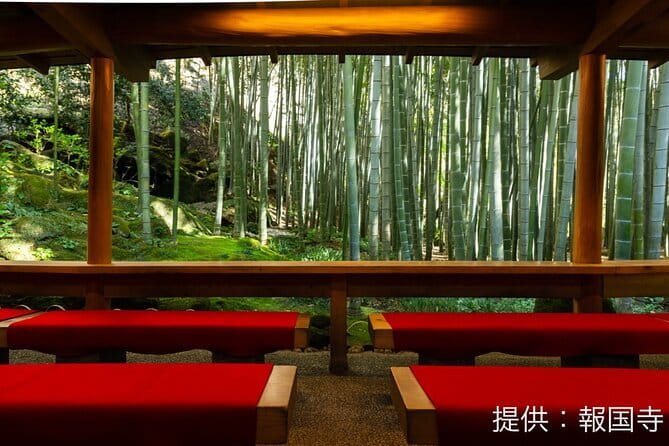
- Hokoku-ji bamboo grove matcha in a peaceful setting that makes the tea taste even cleaner
- Zazen with a Buddhist priest, plus English interpretation so you can follow along
- Shojin ryori lunch: a healthy Buddhist vegan meal that fits the theme without being an afterthought
- Kamakura street time with a local expert for history and favorite spots beyond the main tourist loop
- Small group limit (up to 10), which helps the day feel calmer instead of rushed
Before you commit, see how this one stacks up against a few Tokyo favourites:
- Mt Fuji and Hakone 1-Day Bus Tour Return by Bullet Train★ 5.0 · 26,383 reviews
- 1-Day Tokyo Bus Tour★ 5.0 · 14,250 reviews
- Tokyo: teamLab Planets TOKYO Digital Art Museum Entry Ticket★ 4.6 · 9,779 reviews
Zen in Kamakura: why this day feels different
Kamakura is only about an hour from Tokyo, but it moves at a slower rhythm. On this tour, you’re not just sightseeing temples. You’re learning how Zen practice works in real time—sitting first, then eating, then walking—so the day has a structure that supports attention.
The tone matters. You start with quiet temple energy, take a breath-focused break at Hokaiji, then eat shojin ryori, which is basically “Zen-friendly food”: plant-based, seasonal where possible, and served with mindfulness rather than speed. By the time you’re strolling Kamakura streets with a local expert, you’re more likely to notice details—stone, signage, small gardens—because your brain has slowed down a notch.
And the bamboo theme isn’t just decoration. One of the most praised moments is the matcha break in the bamboo surroundings. That combination—walking into that green calm, then getting a real bowl of matcha—does something practical: it gives your mind an anchor. It’s a simple “reset button” you can feel, not just a nice photo.
Timing, meeting, and how the day actually flows
This experience starts at 8:30 am and runs about 8 hours 45 minutes. The schedule is built around four main moments: two temples (including zazen), lunch, then a guided walk through Kamakura.
A few timing notes that can affect your day:
- You’ll likely spend about 50 minutes at Hokoku-ji, then 1 hour at Hokaiji for zazen practice.
- Lunch lasts about 1 hour 30 minutes, which is genuinely useful—shojin ryori isn’t just a quick bite.
- The Kamakura walk runs about 1 hour 20 minutes, and that time is for streets, context, and favorite spots with a local expert.
At the end, your guide will accompany you back toward Shinjuku Station, with arrival scheduled around 5:15 pm. Train fares from Kamakura to Shinjuku aren’t included, so plan for that extra cost and don’t assume your whole route is covered.
The “private” part of the experience doesn’t mean you’ll be alone in a temple. The tour max is 10 travelers, so you should expect a small-group feel rather than a fully one-on-one spiritual lesson.
Hokoku-ji: bamboo grove matcha that sets the mood
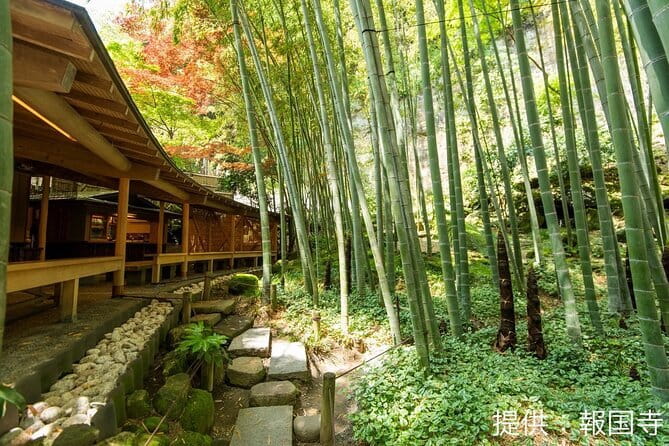
Hokoku-ji is famous for its bamboo grove, and this stop is timed for calm. You’ll have about 50 minutes here with admission included, which is enough time to slow down, look around, and get your mind into that lighter, quieter space.
Here’s what you can actually do with that time:
- Take a few minutes just to stand and watch how the light moves through the bamboo.
- Use the matcha break as a real pause, not a snack stop.
- Notice the temple atmosphere. The value of this moment is how it changes your attention before meditation.
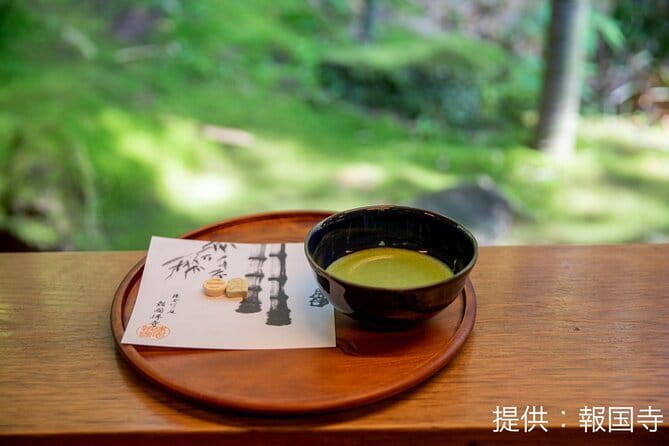
Then comes the matcha. You’re served matcha at this temple as a bowl of matcha, and it’s included. There’s also a practical caution: matcha service is on a non-reservation basis, and it may be suspended if the venue becomes too crowded.
So how do you handle that risk? You go in with flexible expectations. If the bamboo stop runs smoothly, it’s a highlight. If it doesn’t, the overall theme is still anchored by zazen and shojin ryori later in the day.
Hokaiji Temple: zazen with English interpretation
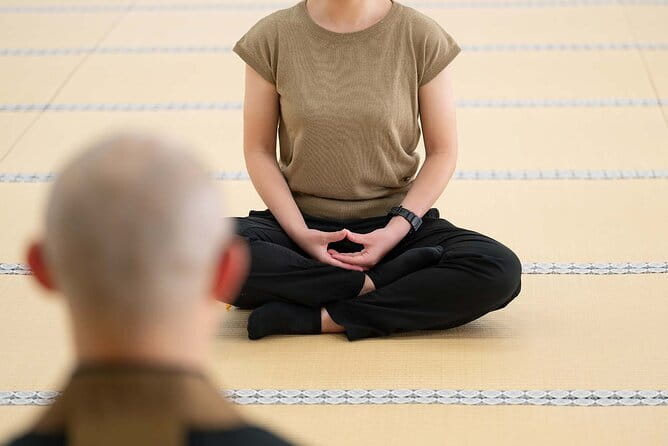
Hokaiji Temple is where the day turns from “temple photos” into actual practice. Zazen is seated Zen meditation, focused on posture and breath. The tour sets aside about 1 hour here, with admission included.
What makes this part practical for first-timers is the guidance. The priest explains what you’re doing, and the guide interprets those explanations into English. That matters because zazen can feel mysterious if you’re left on your own. When you understand the intent—sit, breathe, observe—you’re more likely to feel calm rather than restless.
A key detail: the meditation is typically brief but enough to disconnect from Tokyo’s constant mental noise. That’s great if you want a meaningful reset without committing your whole day to silence. If you were hoping for something closer to hours of sitting, consider this a focused sampler of Zen practice.
Comfort tips that help you get more out of it:
- Wear loose-fitting clothes. You’ll sit, adjust, and breathe.
- Short skirts aren’t recommended, likely because temple seating and posture require more coverage and comfortable movement.
- If you get cold easily, think ahead. Temples can be chilly, especially outside peak warm seasons.
This is the portion of the tour where you’ll feel the “mindful” theme most directly. The goal isn’t to force relaxation. It’s to give your attention something simple to do—breath, posture, awareness—so your mind has less room to chatter.





Minemoto: shojin ryori lunch that actually fits Zen
Lunch is not a random restaurant stop. It’s part of the practice. You’ll have about 1 hour 30 minutes for sho jin ryori at Minemoto, with admission/meal included as part of the tour.
Shojin ryori is Buddhist vegan cuisine. In practical terms, that means you can expect plant-based ingredients like tofu and seasonal vegetables, usually prepared in a way that feels gentle on the stomach and satisfying without being heavy.
Why I think this lunch works for most people:
- It’s structured. You’re not figuring out where to eat or what to order while you’re tired.
- It complements the meditation. Your body stays calm, and your meal feels like it belongs to the day.
- It’s inclusive. The tour states they can accommodate vegetarian and vegan guests, so you’re not stuck hoping the restaurant can handle your needs.
One note for the calendar: the lunch restaurant has been changed starting April 2025. So if you’re planning based on older expectations, don’t lock your decision to a specific restaurant name. The important part is the shojin ryori style, and that’s built into the experience.
And based on what people highlight, the food tends to feel special in the way it’s served—often in traditional, nice-looking tableware. That’s not just aesthetic. When your meal is presented thoughtfully, you eat slower. And in a Zen day, slower eating is the point.
The Kamakura stroll with a local expert: context you’ll remember
After the temples and lunch, you switch into walking mode. You’ll spend about 1 hour 20 minutes exploring Kamakura streets with a local expert, and that part is free admission (meaning no extra entry fees for this segment).
This is where you get practical context for what you’ve just seen. Instead of leaving temples as “cool buildings,” your guide connects them to the city’s spiritual and cultural background—helping you understand why Kamakura became so important for Zen practice.
It’s also a chance to see Kamakura as a lived-in place, not just a checklist of famous structures. People often come to Kamakura for day-trip photos, then leave feeling like they saw the highlights but didn’t get the feeling of the place. The guided walk helps prevent that by pointing you toward favorite spots and small details you might miss on your own.
Your day ends with your guide bringing you back toward Shinjuku around 5:15 pm. Remember: the train fare back to Shinjuku isn’t included, so keep that in mind when you budget your day.
What to wear, eat, and expect from a small-group mindful day

This tour is built for people who want quiet, not chaos. You’ll be in a group of up to 10 travelers, which usually keeps things from feeling crowded or rushed. For a meditation day, that small-group size matters because you can actually move and breathe without shoulder-to-shoulder stress.
Clothing is a real factor for zazen. Choose comfortable layers and loose fabric. You’ll sit, so prioritize freedom of movement. Avoid very short skirts if you have them on your packing list.
Food-wise, shojin ryori is the centerpiece. If you have dietary needs, the tour says they can accommodate vegetarian and vegan guests. Still, if you have allergies, I’d send your request before the day, because the tour data only explicitly promises accommodation for veg/vegan preferences, not every specific allergy.
And don’t forget the matcha reality check: the matcha stop is not reserved, and service may be suspended if it gets too crowded. If that happens, you’ll still get the main Zen practice and the shojin ryori lunch, so your day doesn’t collapse into disappointment.
Price and value: what $170 gets you (and what you pay separately)

At $170 per person, you’re paying for a guided day with multiple included elements, not just entry fees. Here’s where the value shows up:
What you get included:
- Lunch: shojin ryori (healthy Buddhist vegan cuisine)
- Matcha: a bowl of matcha at Houkokuji Temple
- All transportation fees from Kamakura Station
- Admission and activity fees for the temple stops and the structured meditation experience
- Zazen support: priest-led explanations with English interpretation
What you pay separately:
- Private transportation (not included)
- Train fare from Kamakura to Shinjuku (not included)
So is it worth it? For me, the fair comparison is: you’re buying convenience plus guidance. If you tried to DIY this day, you’d spend time researching temple etiquette, figuring out where to go for zazen instruction, and building a shojin ryori lunch plan. This tour packages the hard parts and keeps the day smooth.
Also, that small group size and the English interpretation during priest-led practice add real value. Meditation instructions that you can actually understand are worth more than most people expect when they’re standing inside a temple hall.
Who should book this Kamakura Zen experience
This is a good fit if you want:
- A meaningful Zen experience without a long overnight retreat
- A calm day trip from Tokyo that’s more than sightseeing
- English support for zazen practice, so you don’t feel lost
- A guided, small-group format (up to 10 travelers)
It might not be the best choice if you:
- Want hours of silent sitting, not a shorter meditation session
- Prefer fully flexible, no-schedule travel
- Are hoping your matcha stop is guaranteed regardless of crowd levels
Should you book this Kamakura Zen day
I’d book this if you want a structured reset: bamboo matcha first, zazen practice second, then shojin ryori lunch, and only after that a guided Kamakura walk. The order matters. It helps your mind switch gears in a way that’s hard to copy on your own.
One more practical note before you commit: the experience is non-refundable and can’t be changed for any reason. So book it when you’re confident your dates work.
If you’re the kind of traveler who likes temple days with purpose, this one hits the sweet spot. Calm, guided, and designed to help you leave Tokyo behind for a day.
FAQ
How long is the Kamakura Zen tour?
The tour runs for about 8 hours 45 minutes, starting at 8:30 am.
What’s included in the price?
Lunch (sho jin ryori), matcha (a bowl served at Houkokuji Temple), coffee/tea, and admission/activity fees are included. Local transportation fees from Kamakura Station are also included.
Do you accommodate vegetarian and vegan guests?
Yes. The tour states it can accommodate vegetarian and vegan guests.
Is matcha served by reservation?
Matcha service is provided on a non-reservation basis, and it may be suspended if the venue becomes too crowded.
Is the train fare from Kamakura to Shinjuku included?
No. The guide can accompany you back, with an arrival schedule around 5:15 pm, but train fares from Kamakura to Shinjuku are not included.
Can I get a refund if I cancel?
No. This experience is non-refundable and cannot be changed for any reason.
More Tour Reviews in Tokyo



Fresh reviews from around Tokyo






Tokyo, compared.
 ★ 5.0Mt Fuji and Hakone 1-Day Bus Tour Return by Bullet TrainFrom $16326,383 reviews
 ★ 5.01-Day Tokyo Bus TourFrom $12914,250 reviews
 ★ 4.6teamLab Planets TOKYO Digital Art Museum Entry TicketFrom $259,779 reviews
 ★ 4.0Mt Fuji & Hakone Cruise, Drum Show Bullet Train 1 Day from TokyoFrom $1497,413 reviews
 ★ 5.0Shinjuku Food Tour (13 Dishes at 4 Local Eateries)From $866,603 reviews
 ★ 4.4Tokyo Mt Fuji 5th St & Hakone Cruise Bus Tour w/Bullet TrainFrom $1545,024 reviews
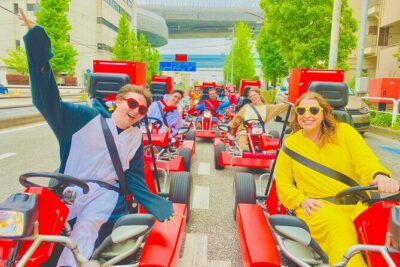 ★ 5.0Flagship 2-Hours Official Street Go-Kart Tour – Tokyo Bay ShopFrom $644,974 reviews
 ★ 4.5From Tokyo: Mount Fuji Full-Day Sightseeing TripFrom $684,970 reviews