
Reviewed · TOKYO
Kamakura Walking Tour with Local Guide Including Hokokuji Temple
Kamakura feels a world away from Tokyo. This full-day outing stitches together Shinto and Buddhist landmarks with a small group and a local guide, so you’re not stuck figuring out connections all day. I love that hotel pickup and drop-off simplify the logistics before you even reach Kamakura.
I also love the contrast of big icons and quiet moments: the 47-foot bronze Buddha at Kotoku-in, then the hush of the Hokoku-ji bamboo grove. One possible drawback: you should plan for extra day-of costs, since several entrance fees and local transportation are not included.
This is a 9-hour plan (starting at 9:00 am) built for people with moderate walking stamina, with travel time built in. It’s a private-style experience limited to five, so the day moves at a human pace instead of the usual commuter stampede.
In This Review
- Key things to know before you go
- Getting to Kamakura: pickup, pace, and how the day is timed
- Tsurugaoka Hachimangu: where Kamakura’s center of gravity is
- Hokoku-ji Bamboo Grove: a Zen-style reset you can actually feel
- Komachi Street: shopping time that also solves your lunch problem
- Kotoku-in’s Great Buddha: 14 meters of bronze focus
- Hasedera Temple and the Eleven-Faced Kannon
- Price and value: what you’re paying for, and what’s extra
- Guides matter: what to expect from your day’s leader
- Who should book this Kamakura tour (and who might not)
- Should you book? My practical take
- FAQ
- How long is the Kamakura walking tour?
- What time does the tour start?
- Is hotel pickup and drop-off included?
- Is this a private tour?
- Which places are included in the tour?
- Are entrance fees included?
- What costs are not included besides entrance fees?
- Is lunch provided?
- Do I get a ticket on my phone?
- Can I cancel for a full refund?
Key things to know before you go
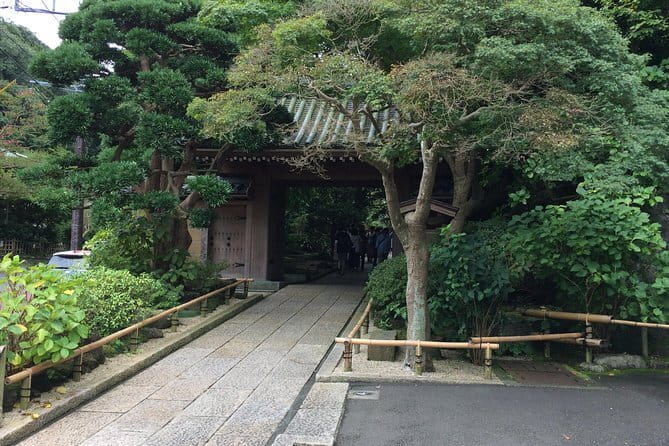
- Up to five people with a local guide means you can ask questions and move without crowds slowing you down
- Hotel pickup and drop-off are included, which is a real time-saver from Tokyo
- Two standout stops: Hokoku-ji’s bamboo setting and Kotoku-in’s 14-meter bronze Great Buddha
- You’ll pay extra on the ground: expect local transit around ¥2,000 per person plus entrance fees for some sites
- Lunch and drinks aren’t included, so you’ll want to budget time for food on Komachi Street
Before you commit, see how this one stacks up against a few Tokyo favourites:
- Mt Fuji and Hakone 1-Day Bus Tour Return by Bullet Train★ 5.0 · 26,383 reviews
- 1-Day Tokyo Bus Tour★ 5.0 · 14,250 reviews
- Tokyo: teamLab Planets TOKYO Digital Art Museum Entry Ticket★ 4.6 · 9,779 reviews
Getting to Kamakura: pickup, pace, and how the day is timed
If you want a smooth “Tokyo out, Kamakura in” day, this tour is built for that. It starts at 9:00 am and runs about 9 hours, with the remaining time set aside for travel. Hotel pickup and drop-off mean you avoid the stress of assembling trains and buses while reading signage in a new area.
The group is small (limited to five), and it’s private in the sense that it’s only your group. That matters because Kamakura can feel busy at famous spots, and a small group helps you keep your bearings fast without feeling herded.
You’ll want a moderate fitness level. This isn’t described as a “hard hike,” but it is still a full day of walking between multiple religious sites, plus time in shopping street time. Wear comfortable shoes, especially if you’re visiting on a day with rain or uneven sidewalk sections.
Tsurugaoka Hachimangu: where Kamakura’s center of gravity is
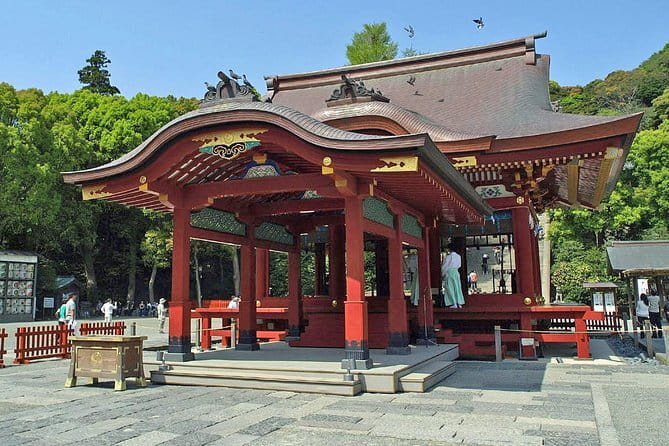
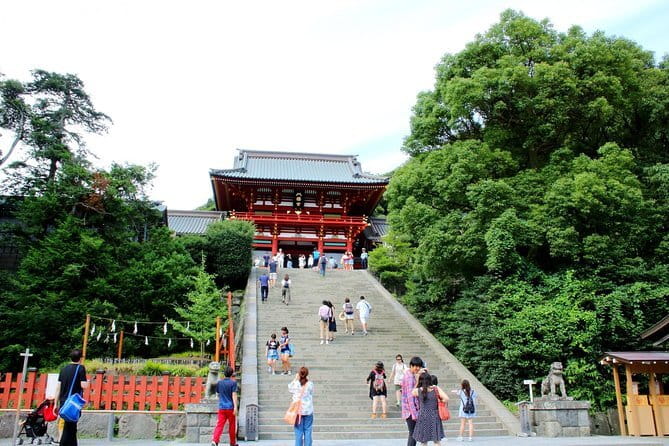
Your first stop is Tsurugaoka Hachimangu Shrine, the spiritual and historical anchor for Kamakura. It’s a place where the town grew around the shrine, so even if you only spend about 30 minutes here, you’ll feel why locals treat it as more than a postcard.
One of the best parts is that the ticket here is free, so you can spend your time looking rather than calculating costs. The shrine is known for strong color and a sense of ceremony, and the nearby main approach helps you get oriented to Kamakura’s layout.
Practical tip: give yourself a moment to slow down at the shrine grounds before you start racing toward the next stop. In a schedule like this, those first minutes help the rest of the day feel connected instead of chopped into separate photo stops.
Hokoku-ji Bamboo Grove: a Zen-style reset you can actually feel
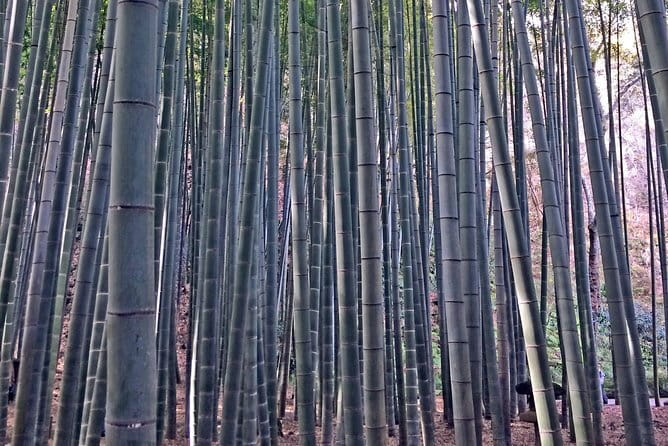
Next you head to Hokoku-ji Temple, famous for its bamboo grove. Plan for about 1 hour at this stop, which is important. Bamboo areas are more enjoyable when you’re not rushing through, and one hour gives you room to walk the grove’s paths, pause, and just watch how the light shifts between stalks.
This is also where Zen temple atmosphere shows up in practical ways. You’ll notice how the space encourages quieter movement than the shopping areas later in the day. And since the admission fee for this stop is listed (¥400 per person), it’s worth treating this hour as a dedicated break from the city.
The main consideration here is weather. If it’s rainy, bamboo groves can still be beautiful, but paths may be slick. Bring a small umbrella if you can, and keep your phone protected if you’re relying on it for photos.
Komachi Street: shopping time that also solves your lunch problem
After the calm of Hokoku-ji, you get a big block of time on Komachi Street, about 2 hours. This is Kamakura’s classic shopping street, and it’s a smart inclusion because it gives you time to browse, pick up small souvenirs, and handle food needs during a day where lunch and drinks aren’t included.
Two hours can sound long when you’re planning a sight-heavy itinerary, but it’s exactly the right length for a street visit. You can slow down, try snacks if you want, or just window-shop without feeling guilty that you’re “behind schedule.” It’s also the part of the day where you’re most likely to find items that feel distinctly Kamakura rather than generic tourist goods.
A practical approach: decide before you arrive whether you want to do shopping first and then eat, or eat first and then shop. With a guided day, that simple decision helps keep your energy steady for the afternoon temples.





Kotoku-in’s Great Buddha: 14 meters of bronze focus
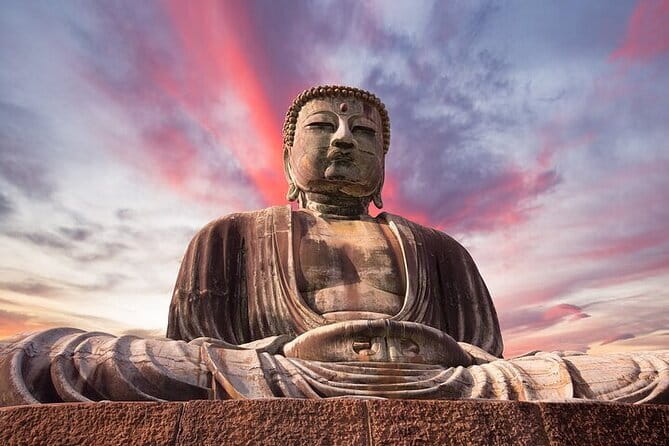
The afternoon brings the big one: Kotoku-in (Great Buddha of Kamakura), home to a 47-foot (14-meter) tall bronze Buddha. Your time here is about 30 minutes, which is enough for a respectful look, photos from a few angles, and then moving on without feeling trapped in a long line situation.
The admission fee for this stop is listed as ¥300 per person. That means your total day-of cost will climb compared with the shrine, but the Great Buddha is the kind of site that usually justifies the ticket. It’s visually dominant in a way that diagrams and guidebooks can’t replicate.
Practical tip: if you care about photos, be ready to take them quickly once you get a clear view. The area can change as visitors circulate, and your time allocation is designed so you don’t lose the rest of the day waiting around.
Also, treat the space as a moment for stillness. Even in a guided group, you’ll get more out of the site if you slow your breathing and look longer than you think you need to.
Hasedera Temple and the Eleven-Faced Kannon

Your last major cultural stop is Hasedera Temple, associated with Eleven-faces Kannon. You’ll have about 30 minutes here, plus entrance fees that aren’t included (¥400 per person).
Hasedera is a good finishing note because it keeps the day’s focus on Buddhist art and devotion, even after the Great Buddha. This stop helps balance the itinerary, giving you a different “shape” of religious experience than the courtyard-and-statue format earlier.
Because the time is shorter, come in with a plan: decide what you want to see first, then let the rest of the minutes become “look and read” time rather than “search and scramble” time. A local guide helps here by pointing out what to prioritize and when to move so you don’t waste time.
Price and value: what you’re paying for, and what’s extra
The headline price is $146.59 per person, and value is really about what’s included. You do get a professional guide fee and hotel pickup and drop-off, plus the convenience of a mobile ticket. You also get a small group size (limited to five), which affects how comfortable and flexible the day feels.
What’s not included is equally important. You should budget roughly ¥2,000 per person for local transportation between stops (for customers and guide), and you’ll also pay entrance fees for several sites:
- Hase-dera Temple: ¥400
- Kotoku-in (Great Buddha): ¥300
- Hokoku-ji Bamboo Grove: ¥400
Tsurugaoka Hachimangu’s ticket is listed as free.
Lunch and drinks also aren’t included. That doesn’t ruin the value, but it does mean you should plan a realistic food budget for the Komachi Street segment.
Where the price feels strongest is the time and stress you avoid. From Tokyo, Kamakura is absolutely doable on your own, but doing it efficiently—without losing time, guessing which train exits match your next stop, or trying to translate route options while carrying bags—takes effort. This tour trades some freedom for guidance and pacing, and for many people that trade is worth it.
One more value signal: the reviews you’re drawing from emphasize how guides help you navigate the public transportation and explain Japanese history and the sites’ meanings. That kind of context changes the day from sightseeing to understanding, and it’s part of why the day feels smoother than a DIY checklist.
Guides matter: what to expect from your day’s leader
This experience is led by local guides, and names that have led past departures include Take, Hiroyuki Iwai, Steve, and Kobata-san. While the specific person assigned can vary, what stays consistent is that the guide role is more than “walk here, stand there.”
From the way guides are described, you can expect them to connect the dots between Shinto and Buddhist spaces, and to help with real-world movement, like getting you onto the right trains and buses. That reduces the chance of wasting time in Kamakura trying to match a map pin to an actual street entrance.
The best part of a good guide day is the flexibility. If someone in your group is feeling off, the guide can adjust the rhythm so you still get the core sights without forcing speed.
Who should book this Kamakura tour (and who might not)
This is a great fit if you want a guided day that hits major Kamakura highlights without spending hours planning routes. It’s also a solid choice if you like the idea of mixing photo-worthy landmarks (the Great Buddha) with quieter, reflective spaces (the bamboo grove).
It’s especially good for people who prefer clarity over chaos. Kamakura’s layout and transport can be manageable, but you’ll get more out of the day when someone else handles the “how do we get there next” part.
You might choose something else if you love open-ended wandering with no structure. Two hours on Komachi Street is generous, but the rest of the day is time-boxed around specific sites. If you want full freedom to linger for long periods at temples or skip shopping entirely, a DIY plan might suit you better.
Should you book? My practical take
If you’re going to Kamakura from Tokyo for the first time, I think this is a strong booking. The combination of hotel pickup, a small group, and a route that connects Tsurugaoka Hachimangu, Hokoku-ji’s bamboo grove, the Great Buddha, and Hasedera is exactly the kind of day that turns a long train trip into a meaningful visit.
Book it if you want an efficient, friendly guide day with time to look, not just to pass through. Skip it if your priority is total independence and you don’t want to pay entrance fees and local transit on top of the tour price.
Either way, this is one of those “worth it once” tours. Kamakura has a special feel, and this one gives you the most memorable parts without making you work for every connection.
FAQ
How long is the Kamakura walking tour?
The tour lasts about 9 hours.
What time does the tour start?
The start time is 9:00 am.
Is hotel pickup and drop-off included?
Yes. Hotel pickup and drop-off are included.
Is this a private tour?
It’s described as private in the sense that only your group participates. The group is limited to five.
Which places are included in the tour?
You’ll visit Tsurugaoka Hachimangu Shrine, Hokoku-ji Temple Bamboo Grove, Komachi Street, Kotoku-in (Great Buddha of Kamakura), and Hasedera Temple.
Are entrance fees included?
Not all of them. Tsurugaoka Hachimangu is free, while Hase-dera Temple is ¥400, Kotoku-in is ¥300, and Hokoku-ji Temple Bamboo Grove is ¥400.
What costs are not included besides entrance fees?
Transportation to and from attractions for customers and guide is listed as around ¥2,000 per person, and lunch and drinks are not included.
Is lunch provided?
No. Lunch and drinks are not included.
Do I get a ticket on my phone?
Yes. A mobile ticket is included.
Can I cancel for a full refund?
Yes. Free cancellation is available up to 24 hours before the experience’s start time for a full refund.
More Tour Reviews in Tokyo



Fresh reviews from around Tokyo






Tokyo, compared.
 ★ 5.0Mt Fuji and Hakone 1-Day Bus Tour Return by Bullet TrainFrom $16326,383 reviews
 ★ 5.01-Day Tokyo Bus TourFrom $12914,250 reviews
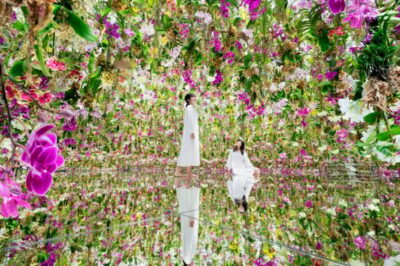 ★ 4.6teamLab Planets TOKYO Digital Art Museum Entry TicketFrom $259,779 reviews
 ★ 4.0Mt Fuji & Hakone Cruise, Drum Show Bullet Train 1 Day from TokyoFrom $1497,413 reviews
 ★ 5.0Shinjuku Food Tour (13 Dishes at 4 Local Eateries)From $866,603 reviews
 ★ 4.4Tokyo Mt Fuji 5th St & Hakone Cruise Bus Tour w/Bullet TrainFrom $1545,024 reviews
 ★ 5.0Flagship 2-Hours Official Street Go-Kart Tour – Tokyo Bay ShopFrom $644,974 reviews
 ★ 4.5From Tokyo: Mount Fuji Full-Day Sightseeing TripFrom $684,970 reviews