
Reviewed · TOKYO
Japanese Traditional Entertainment Experience in Tokyo
A night in Edo style is short, but memorable. In Fukagawa, you’re dressed in kimono and treated like an Edo townsman as you walk through the temple grounds at night. Then you shift into a parlor-style Ozashiki setting for a geisha entertainment experience with traditional dance and shamisen.
What I like most is the mix of street-life atmosphere plus a formal performance space. I also like that you can pick a course that changes the food and drink level, from matcha sweets to a full kaiseki-style meal with Fukagawa meshi.
One thing to consider: it’s only 30 minutes, so this is a taste of the culture, not a long deep-dive dinner show.
In This Review
- Quick hits you’ll care about
- Kimono dressing and a nighttime walk in Fukagawa’s Edo vibe
- The Ozashiki parlor: geisha entertainment in a party setting
- Dancing and shamisen: what the 30 minutes really feel like
- Three courses: UME, TAKE, and MATSU meal value in Tokyo
- UME COURSE: matcha sweets and the lighter option
- TAKE COURSE: meal set plus geisha entertainment
- MATSU COURSE: kaiseki-style cuisine and a drink
- Food highlights: Fukagawa meshi, kaiseki, and what you should expect
- How the host-led experience makes it feel personal
- Souvenirs, matcha, and the small decisions that affect your night
- Where this fits in your Tokyo plan
- Who should book this Ozashiki geisha experience
- Booking advice: should you say yes?
- FAQ
- How long is the Japanese traditional entertainment experience in Tokyo?
- Where is the meeting point?
- What languages are available during the experience?
- What is included in the admission price?
- What’s the difference between the UME, TAKE, and MATSU courses?
- Is transportation to the venue included?
- Is there anything that is optional and not included?
Quick hits you’ll care about
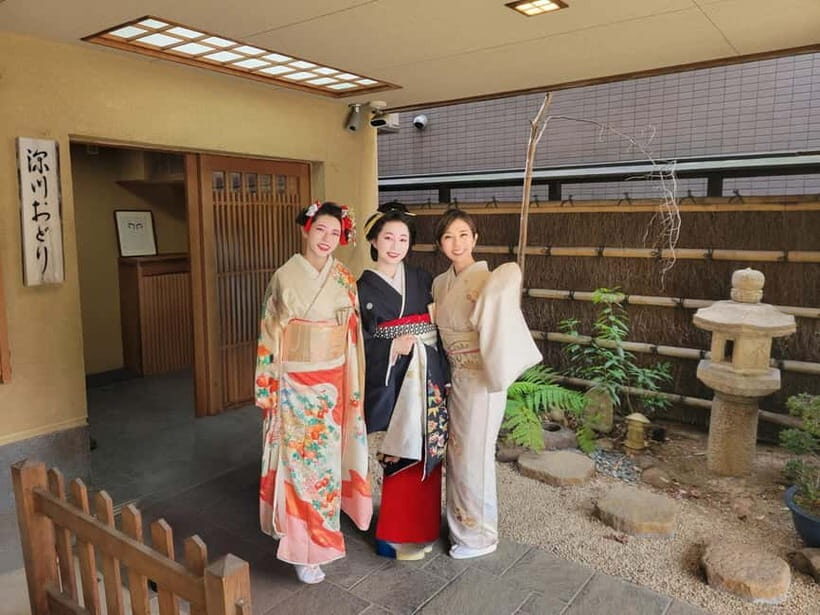
- Kimono makeover first: you arrive and get transformed before the nighttime walk
- Nighttime walk-through: you move around the temple grounds as part of the experience
- Ozashiki parlor entertainment: a geisha-style parlor session with performing arts
- Performing arts focus: dancing plus shamisen are part of the show
- Three courses change the meal: UME, TAKE, and MATSU each include different food/drink
- Optional professional video: a period-drama-style short movie is available but not included
Before you commit, see how this one stacks up against a few Tokyo favourites:
- Mt Fuji and Hakone 1-Day Bus Tour Return by Bullet Train★ 5.0 · 26,383 reviews
- 1-Day Tokyo Bus Tour★ 5.0 · 14,250 reviews
- Tokyo: teamLab Planets TOKYO Digital Art Museum Entry Ticket★ 4.6 · 9,779 reviews
Kimono dressing and a nighttime walk in Fukagawa’s Edo vibe
This experience works because it starts with a full transformation. You participate in the kimono change before the entertainment begins, so you feel in character right away, not like you’re just watching from the edge.
Then comes the part I think makes it feel different from a typical indoor show: a walk-through attraction. You can walk around the temple grounds at night as an Edo townsman, which gives the whole thing that “Tokyo after dark” mood while still leaning traditional. It’s also a useful way to settle in. You’re not immediately put into a performance seat. You get to orient yourself first, in costume, in the right setting.
Since the session is 30 minutes total, the pacing matters. The walk and the parlor show have to fit together tightly, so you’ll want to stay flexible and follow the host instructions without overthinking timing. If you hate being rushed, this may feel fast. If you like compact experiences that deliver a strong snapshot, you’re exactly the target.
The Ozashiki parlor: geisha entertainment in a party setting
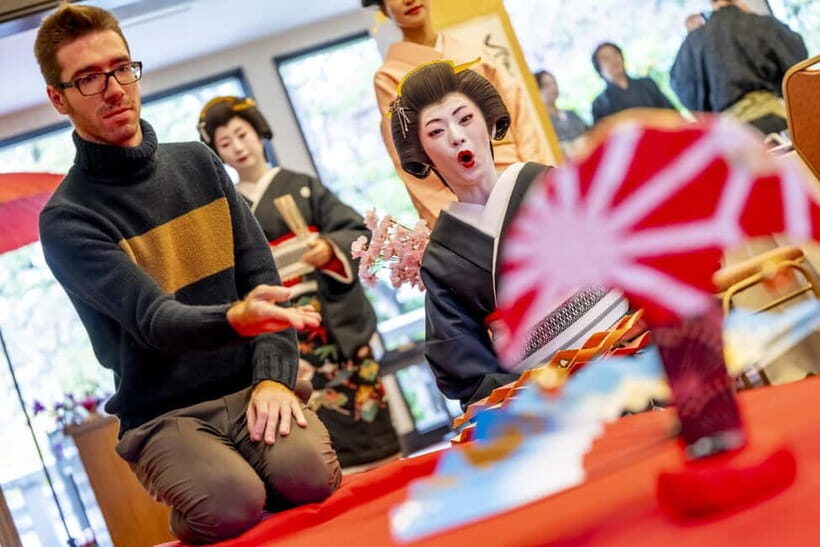
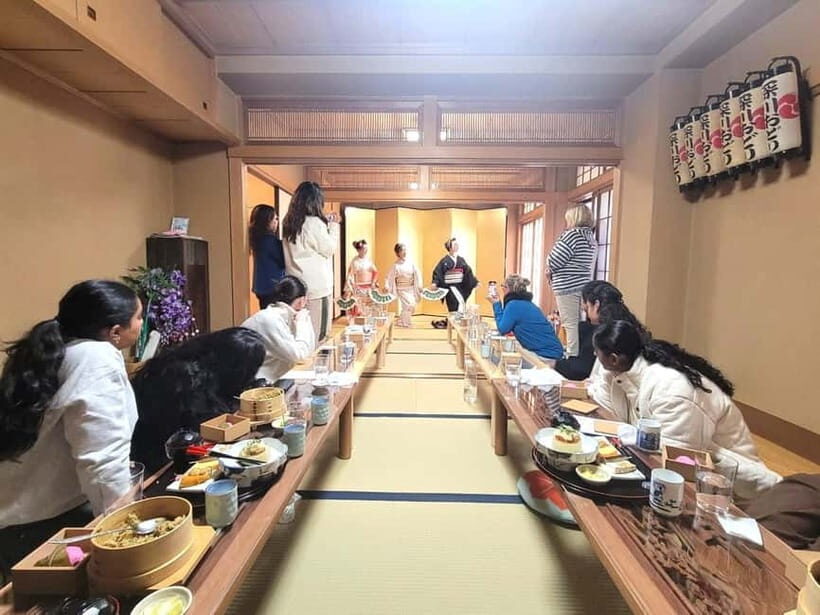
The entertainment happens in a parlor experience style arrangement. This is not presented like a quiet museum lecture. It’s more like a social party with strangers, where you’ll get to enjoy the presence of a geisha and the performance that goes with it.
One of the best clues here is the word Ozashiki. It describes a traditional setting where guests gather to watch and enjoy performances in a structured, ceremonial-feeling space. You’re in the right kind of room for it—this isn’t just a stage with seats. The vibe is designed to feel like a period-style gathering.
The experience also leans interactive in a practical way. The hosts use Japanese and English, and the atmosphere is meant for conversation and shared fun. You’re there to meet people, not just to sit through a show. That matters if you’re traveling solo or you don’t want to spend your Tokyo nights only hopping between neighborhoods.
Dancing and shamisen: what the 30 minutes really feel like
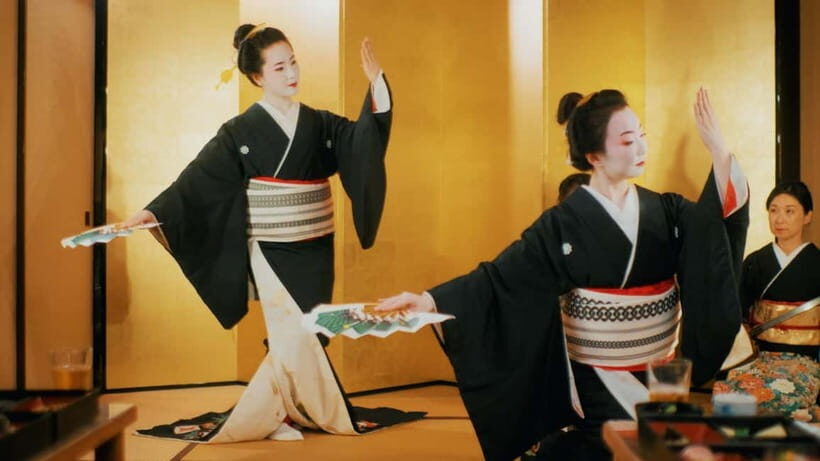
Traditional performing arts are a core part of the show, and you’ll see dancing plus shamisen. With only half an hour, you’re not going to get “everything.” You get the highlights, delivered in a tight flow that keeps the energy moving.
This is also why the show pairs well with the kimono start. Costume, atmosphere, and performance all synchronize. You’re already in an Edo frame of mind when the performing arts begin, so it lands more strongly. If you were to arrive only for an indoor show, it might feel smaller. Here, the buildup makes it more satisfying.
A small practical note: a short performance can be hard to judge if you’re expecting a full-length program. Think of it as a well-paced sampler. You’ll leave with the sense that you saw the real elements—especially dancing and shamisen—without needing a long evening.
Three courses: UME, TAKE, and MATSU meal value in Tokyo
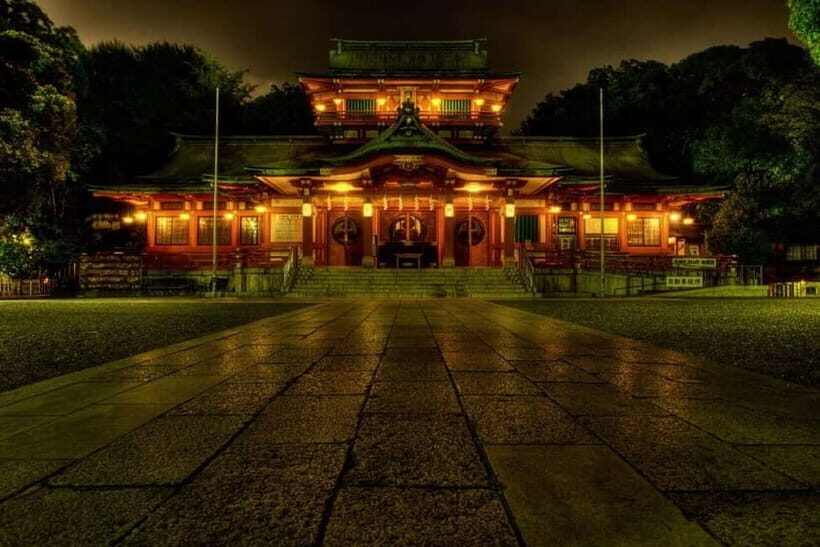
This is where you should make your choice carefully. You’re picking among three course levels that change what’s included.





UME COURSE: matcha sweets and the lighter option
If you want the cultural experience with a lighter food load, the UME COURSE includes Japanese sweets and matcha. That’s a nice fit if you already plan to eat a full dinner elsewhere or you just want something small and traditional before or after.
The value here is that you still get the main entertainment components tied to the Ozashiki experience. The included items make the experience feel “complete,” even if it’s not meal-heavy.
TAKE COURSE: meal set plus geisha entertainment
The TAKE COURSE includes an Ozashiki geisha entertainment experience, plus a Fukagawa Meal Set. In other words, you’re moving from snack-level to proper meal-level.
This is the course I’d lean toward if you want your Tokyo evening to feel like a full experience, not a quick show followed by hunger. Fukagawa is known for its identity, and the meal set inclusion keeps you from feeling like you paid for only performances.
MATSU COURSE: kaiseki-style cuisine and a drink
The MATSU COURSE steps it up again. You get kaiseki cuisine with Fukagawa meshi, plus a drink. Kaiseki usually signals multiple thoughtfully served courses, so even if your time is short, the meal inclusion adds meaning to the whole night.
From a value perspective, MATSU is strongest when you want a “do it all” option: costume, performance, geisha entertainment, and a more substantial meal. If you like having one ticket that covers most of the evening, this is the easiest pick.
Food highlights: Fukagawa meshi, kaiseki, and what you should expect
Food is part of the show here, not just a side add-on. Depending on your course, you’ll get either Japanese sweets and matcha, a Fukagawa meal set, or kaiseki-style cuisine with Fukagawa meshi.
I like that the menu focus stays grounded in location rather than generic “Japanese food.” If your goal is to taste something tied to the area’s identity, this experience gives you a real shot at doing that within a short time window.
There’s also a cultural cue in how the meal is framed. A geisha entertainment setting combined with traditional cuisine makes the evening feel like a historical-style gathering, not just dining. In practical terms, it helps you understand the rhythm: performance plus food, in the same atmosphere.
If you’re choosing the UME course, plan around the fact that you’ll have sweets and matcha rather than a full meal. If you choose TAKE or MATSU, plan for a heavier evening meal so you don’t double book dinner right after.
How the host-led experience makes it feel personal
This experience is designed for social comfort. You’ve got hosts/greeter in Japanese and English, which makes a big difference when you’re in a formal setting. Even if you don’t know the etiquette details, you’ll still have someone guiding the experience so you can relax and focus on what’s happening.
One detail I really appreciate is the emphasis on explanations. In addition to the dancing and shamisen, hosts explain parts of traditional culture, including a tea ceremony component. That’s a high-value element because it turns the performance into something you can connect to.
Another strong point from the tone of the experience is that conversation is part of the vibe. You’re meeting people in costume, in a party atmosphere, and discussing differences in a friendly way. That’s a great fit for travelers who want cultural entertainment without feeling excluded.
Souvenirs, matcha, and the small decisions that affect your night
You’ll receive a souvenir as part of admission. That’s handy when you want a takeaway that feels tied to the moment, not just a generic shop bag.
If you choose the UME course, the included Japanese sweets and matcha can work like a calming “bridge” between the nighttime walk and the parlor entertainment. If you’ve got a sensitive stomach or you’re not into big meals, matcha and sweets can feel lighter and easier on timing.
There’s also an optional add-on you should know about: shooting of a period drama-style short movie by a professional cameraman. It’s not included, but it’s available if you want to take the costume theme further. If you’re camera-shy, skip it. If you like playful souvenirs, it could be a fun extra.
Where this fits in your Tokyo plan
You’re meeting at Fukagawa Odori Hachiman Zashiki, located in Koto-ku, Tomioka, Tokyo. The address is:
Fukagawa Odori Hachiman Zashiki, 1-22-8 Tomioka, Koto-ku, Tokyo
東京都江東区富岡1-22-8 深川おどり八幡座敷
Because transportation isn’t included, you’ll want to build in time to get there comfortably. This matters more than usual because you start with kimono dressing and then move right into the evening flow.
With only 30 minutes, treat it like a timed event, not a flexible hangout. Pick a plan before this that gives you breathing room. Then after, either keep dinner light (if you chose MATSU) or make dinner your main meal (if you chose UME).
Who should book this Ozashiki geisha experience
This is a strong pick if you want:
- A Tokyo night with costume and performance, not just a show ticket
- Traditional arts like dance and shamisen in a structured setting
- A social, party-style atmosphere where conversation is expected
- A clear value path depending on hunger level, via the UME / TAKE / MATSU courses
It’s less ideal if:
- You hate short formats and want multi-hour immersion
- You’re uncomfortable being in formal settings with group flow
- You’re the type who needs lots of downtime between activities
If you’re traveling solo, the social nature can be a plus. If you’re with friends, it still works because you’ll share the costume start and the same performance arc, then compare which course served you best.
Booking advice: should you say yes?
Yes, if your goal is a tight, authentic-feeling entertainment evening that combines kimono dressing, a nighttime walk, and an Ozashiki geisha performance. The price makes sense when you consider the admission, performance, souvenir, and the course-based meal inclusions—especially if you choose TAKE or MATSU.
Before you book, decide one thing: food or lighter cultural focus?
- Choose UME if you want matcha sweets and don’t need a full meal.
- Choose TAKE if you want the Fukagawa meal set plus geisha entertainment.
- Choose MATSU if you want the strongest “evening meal” value with kaiseki and a drink.
If you’re excited by traditional performance and you want a structured, guided experience with hosts in Japanese and English, this is a very practical way to spend one night in Tokyo.
FAQ
How long is the Japanese traditional entertainment experience in Tokyo?
The experience lasts 30 minutes.
Where is the meeting point?
The meeting point is Fukagawa Odori Hachiman Zashiki, 1-22-8 Tomioka, Koto-ku, Tokyo (東京都江東区富岡1-22-8 深川おどり八幡座敷).
What languages are available during the experience?
The experience is offered in Japanese and English.
What is included in the admission price?
Included are the admission fee, performance, and a souvenir. Course options also include different food and drink items (for example matcha and sweets for UME, a Fukagawa meal set for TAKE, and kaiseki with Fukagawa meshi plus a drink for MATSU).
What’s the difference between the UME, TAKE, and MATSU courses?
UME includes Japanese sweets and matcha. TAKE includes Ozashiki geisha entertainment plus a Fukagawa Meal Set. MATSU includes Ozashiki geisha entertainment plus kaiseki cuisine with Fukagawa meshi, and it includes a drink.
Is transportation to the venue included?
No. Transportation to the venue is not included.
Is there anything that is optional and not included?
There is an optional period drama-style short movie shoot by a professional cameraman, and that is not included.
More Tour Reviews in Tokyo



Fresh reviews from around Tokyo






Tokyo, compared.
 ★ 5.0Mt Fuji and Hakone 1-Day Bus Tour Return by Bullet TrainFrom $16326,383 reviews
 ★ 5.01-Day Tokyo Bus TourFrom $12914,250 reviews
 ★ 4.6teamLab Planets TOKYO Digital Art Museum Entry TicketFrom $259,779 reviews
 ★ 4.0Mt Fuji & Hakone Cruise, Drum Show Bullet Train 1 Day from TokyoFrom $1497,413 reviews
 ★ 5.0Shinjuku Food Tour (13 Dishes at 4 Local Eateries)From $866,603 reviews
 ★ 4.4Tokyo Mt Fuji 5th St & Hakone Cruise Bus Tour w/Bullet TrainFrom $1545,024 reviews
 ★ 5.0Flagship 2-Hours Official Street Go-Kart Tour – Tokyo Bay ShopFrom $644,974 reviews
 ★ 4.5From Tokyo: Mount Fuji Full-Day Sightseeing TripFrom $684,970 reviews