
Reviewed · TOKYO
Japanese Pottery Class in Tokyo
Tokyo clay therapy, no experience needed. In about one hour, you’ll make a few pieces with a teacher’s guidance and leave with a plan for what gets fired. It’s a simple setup in a central studio space, and the small group size keeps the experience personal rather than assembly-line.
I like the small-group feel and the fact that you get to actually form pieces yourself, not just watch. I also love that the class works like a choose-your-own-memento menu: you make pieces, select what you want kept for firing, and pick colors. One catch: the price for the clay session is only the start—firing and shipping are extra, and you’ll be waiting about a month for finished work.
This is a hands-on Japanese pottery trial class in Tokyo at Uzumako ceramic art school. The session is about 1 hour, and it’s designed for newcomers while still being enjoyable if you’ve touched pottery before. You’ll be in a studio environment that feels calm and focused, not like a rushed “tourist craft.”
The class is built around a straightforward rhythm. You’ll start with paperwork and a sample from the instructor, then you’ll form around 2–3 works during the session. Near the end, you’ll clean up, pay, and finalize what you want the studio to fire for you.
Here’s the part that matters for your expectations: you don’t walk out with finished, fired ceramics the same day. The studio fires your selected pieces later, and they estimate about a month for preparation after you make them.
- Small group time: max 15 for a more personal lesson (the operator also lists an upper cap of 25)
- You form 2–3 pieces in one hour, guided start-to-finish
- You choose what gets fired and which colors you want
- Firing isn’t included in the basic class fee
- Shipping can be an issue for some countries, with Brazil explicitly flagged
In This Review
- Where the Studio Is: Finding Shiba Without Stress
- The Class Flow: From Paperwork to 2–3 Shaped Pieces
- What You’ll Take Home: The Real Meaning of a Pottery Souvenir
- Price and Value: Why It Looks Cheap and How to Budget Smartly
- Waiting Time, Firing, and Shipping: The Part People Forget to Plan For
- The Instructor Experience: Calm, Patient, and Hands-On
- Who This Is Best For (And Who Should Skip It)
- Practical Tips So Your Hour Goes Smoothly
- Should You Book This Japanese Pottery Class?
- FAQ
- How long is the Japanese pottery class in Tokyo?
- How many pieces will I make during the class?
- Is firing included in the $26.73 price?
- When will the fired pieces be ready?
- Can I choose which pieces get fired?
- What about shipping to other countries?
- Where is the meeting point?
- How big is the group?
- Is the class refundable if plans change?
Where the Studio Is: Finding Shiba Without Stress
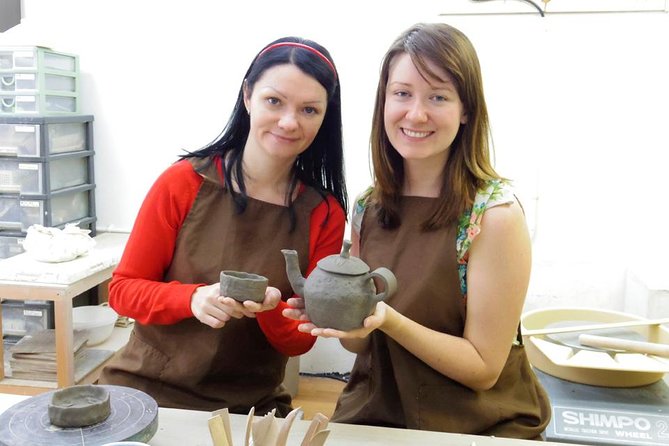
The meeting point is in Minato City, Shiba (3-chōme), at 清水ハウス (Shimizu House), address listed as 3-chōme 29-11, Shiba, 105-0014 Tokyo. The good news is it’s described as close to a Metro station, and the workshop notes it’s near public transportation.
In practical terms, you can treat this as an easy add-on to a Tokyo day. You’re not trekking across town for a half-day. If you’re staying around central areas, you’ll likely be able to reach it without complicated transfers.
Also: you get a mobile ticket. That’s usually one less thing to print or worry about when you’re hopping between neighborhoods.
Before you commit, see how this one stacks up against a few Tokyo favourites:
- Mt Fuji and Hakone 1-Day Bus Tour Return by Bullet Train★ 5.0 · 26,383 reviews
- 1-Day Tokyo Bus Tour★ 5.0 · 14,250 reviews
- Tokyo: teamLab Planets TOKYO Digital Art Museum Entry Ticket★ 4.6 · 9,779 reviews
The Class Flow: From Paperwork to 2–3 Shaped Pieces
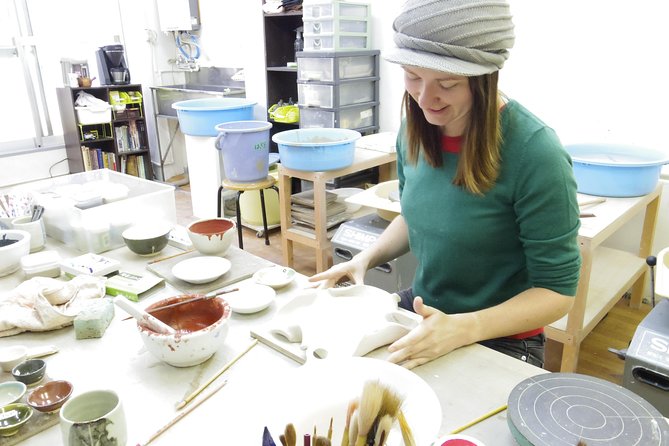
The workshop moves fast, but in a clear, non-chaotic way. During the first part of the class, you’ll do a few key steps:
1) Write the application form
You’ll fill out a basic start-sheet before you touch clay. It’s mostly the administrative setup to keep your piece selections and colors organized.
2) Watch the instructor make a sample
An instructor (a sensei/teacher) demonstrates how the process works. The sample gives you a mental map so you’re not guessing during your turn.
3) Make about 2–3 works in the hour
This is the core experience. You’ll shape multiple pieces while the teacher and staff guide you. In past classes, instruction has been described as clear and encouraging, and the class aims to get you making shapes quickly rather than perfecting one item forever.
4) Choose the works you want kept for firing
You’ll decide which of your made pieces the studio will fire. This is crucial for budgeting later, because the firing fee is not included.
5) Choose colors
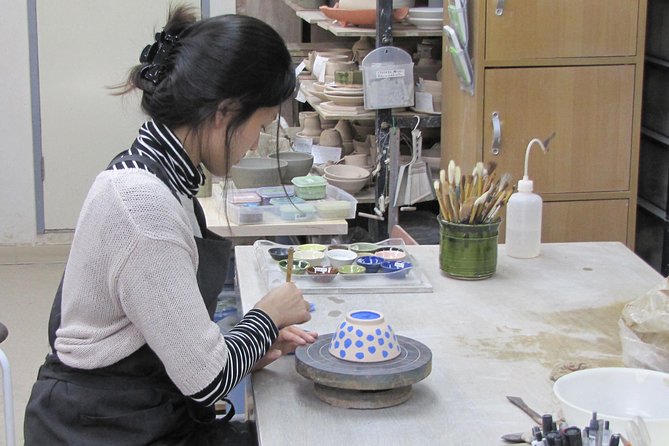
You’ll select your color options for the pieces you plan to keep. Some reviews also mention glaze coloring as something you may add on, so it’s worth assuming colors can affect the final cost.
6) Cleaning and payment
The last steps are practical: clean up, then complete payment. The class is structured so you finish your active making portion within the hour.
One small but meaningful detail: the session is designed so you don’t need to be “good at art” to enjoy it. If you’re willing to follow directions and accept that clay is clay, you’ll get results fast.
What You’ll Take Home: The Real Meaning of a Pottery Souvenir
Let’s clear up the souvenir myth. This is a trial class, so you’re not leaving immediately with fired ceramics in hand. Instead, you’re taking home the experience and the promise of a real ceramic object later—if you select your pieces for firing.
You’ll pick which pieces to fire, then the studio handles the firing, finishing, and prep. The studio estimates about one month after you make the works to get things ready.
So, what do you actually take home from the class day? In most pottery lessons like this, it’s the created pieces that haven’t been fired yet, plus the confidence that you can make something with your own hands. But for the fired, take-it-home-in-the-mail version, you need to plan for fees and timing.
If your goal is a gift you can wrap the same week, this setup might feel like a tease. If your goal is a lasting memento that arrives later (and helps you remember a specific Tokyo afternoon), this works really well.
Price and Value: Why It Looks Cheap and How to Budget Smartly
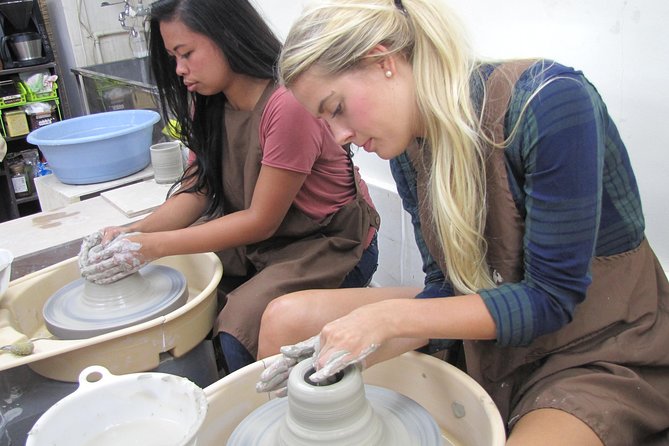
The listed price is $26.73 per person, and it’s described as the basic fee for the pottery trial class. That’s the part you’re paying for right away: the studio time, the guidance, and the ability to make pieces in the session.
What’s not included is where your “final price” lives:
- Firing fee for each selected work
- EMS shipping fee is optional (and can become relevant depending on where you’re located)
Some reviews also mention extra costs like glaze coloring and EMS shipping. That doesn’t mean the class is overpriced—it means you should budget like a pottery maker, not like a typical souvenir shop.
A smart way to think about value here: you’re paying for access to instruction, tools, and a cultural craft that usually takes time to learn. For $26.73, you’re buying the chance to shape real ceramic pieces under guidance. Then you decide how many of those pieces you want completed and sent home.
If you’re traveling with limited luggage, sending the finished pieces home can be a big win. You keep your suitcase size sane, and you get a ceramic item that’s actually tied to your own hands-on session.
Waiting Time, Firing, and Shipping: The Part People Forget to Plan For
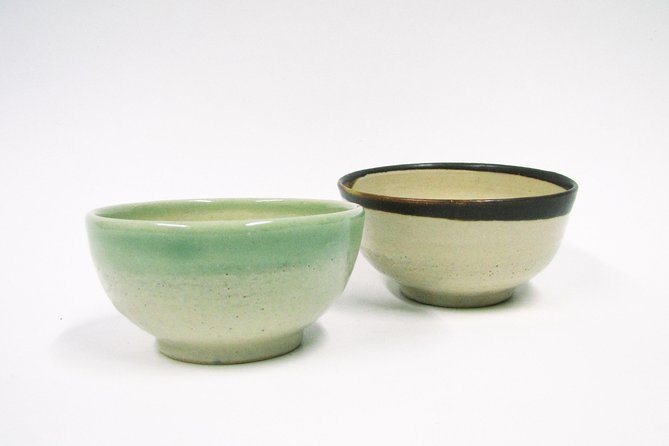
Here’s the timing reality: the studio states it takes about one month to prepare the works after making. That’s a reasonable processing window for clay drying and firing, especially when you’re selecting pieces and colors during your visit.
Shipping depends on destination. The studio has an updated shipping notice for Brazil, saying strict customs make it challenging to send class-made pieces there, and that people in Brazil should contact the operator before booking for alternatives.
Also, past feedback included notes about country availability changing over time. One review mentioned that shipping wasn’t available to the US at the time of that visit. So you’ll want to confirm shipping options for your country before you commit.
Practical takeaway for you: if you’re booking this as a pre-planned birthday or holiday gift, don’t treat it like an instant delivery. Treat it like a “Tokyo souvenir with a delayed arrival.”





The Instructor Experience: Calm, Patient, and Hands-On
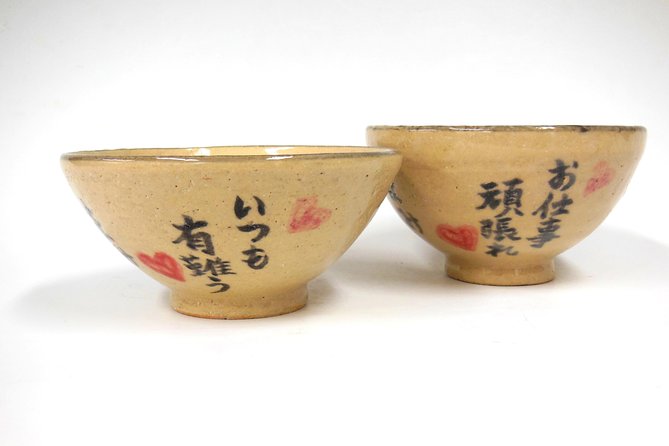
One reason this kind of class feels special is the teacher-to-student balance. This workshop keeps group sizes small, and the instruction style in past classes has been described as patient, encouraging, and hands-on.
You might interact with instructors and staff including names like Ruth, Stephen, and Viki in different sessions. Some classes have also referenced a teacher described as a master craftsman, with thorough, quiet guidance that helped students shape their own plate and cup.
Even if you’re a first-timer, the structure helps you avoid getting stuck. You get a sample first, then you try, and staff step in when you ask. The overall tone in the feedback leans toward relaxed rather than high-pressure—helpful if you’re the type who gets tense around craft classes.
And yes, it helps that the studio environment is described as peaceful. In a city where you can walk for hours and still feel in motion, this kind of slow making feels like a breath break.
Who This Is Best For (And Who Should Skip It)
This pottery class fits you if:
- You want a creative activity in central Tokyo without needing skills
- You like the idea of a handmade souvenir that’s yours, not store-bought
- You’d rather pay for instruction than spend time figuring out tools on your own
- You’re okay waiting about a month for fired pieces to be prepared
It may not be the best fit if:
- You need finished ceramics the same day for an urgent deadline
- You strongly want predictable all-in pricing (because firing and shipping are separate decisions)
- You’re in a country with shipping restrictions that might require alternatives (Brazil has been flagged)
It also sounds family-friendly. One review described it as suitable for families with kids, and the overall format is structured enough that beginners can still participate without feeling lost.
Practical Tips So Your Hour Goes Smoothly
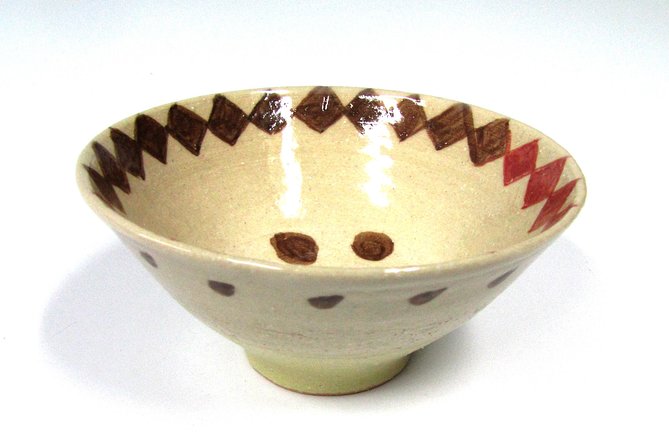
Before you go, set yourself up for the best result:
- Plan for extra fees beyond the class price if you want more than one finished piece.
- Expect to choose pieces and colors during the session. Decide calmly, not in a rush at the end.
- Wear clothes you don’t mind getting dusty. Even with careful handling, clay is messy in the best way.
- If you’re carrying delicate items in your bag, keep the clay-making day separate from your “I can’t risk spills” plans. You’ll likely have a short cleaning routine, but you’re still in a working ceramic space.
- If shipping matters to you, confirm what’s possible for your destination and whether EMS is the option you want.
Also: service animals are allowed, and the studio is near public transportation. Those details make it easier to plan around your comfort and mobility needs.
Should You Book This Japanese Pottery Class?
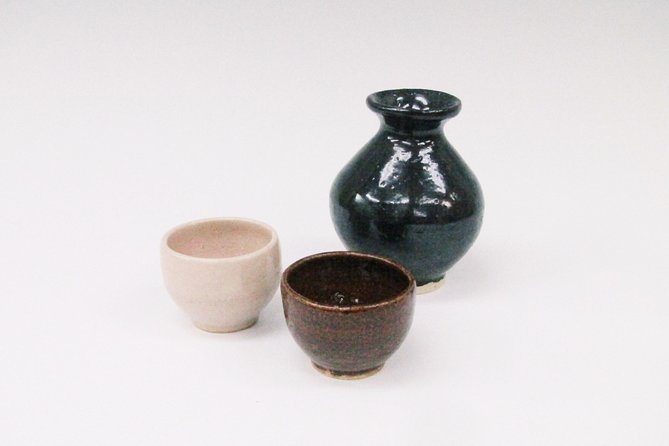
Yes, if you want a real Tokyo craft experience with a calm pace and hands-on results. The best part isn’t just making something—it’s the combination of small-group attention and a process that actually guides you from first steps to shaping multiple pieces in one hour.
Book it especially if you’re the kind of traveler who appreciates cultural skills you can’t fake from photos. A handmade ceramic piece, mailed later, is a souvenir with a story you’ll remember clearly.
But book it with your eyes open. The base price is for the class itself, and firing plus shipping are where the final cost lands. Also plan for the about one-month turnaround, and if you’re in a country with shipping friction (Brazil is specifically flagged), reach out before you book.
If that fits your travel style, this is one of those activities that turns a day in Tokyo into something you’ll actually keep.
FAQ
How long is the Japanese pottery class in Tokyo?
The class is about 1 hour (approx.).
How many pieces will I make during the class?
You make about 2–3 works within the 1 hour.
Is firing included in the $26.73 price?
No. The firing fee for each selected work is not included in the basic fee.
When will the fired pieces be ready?
It takes about one month to prepare the works after making.
Can I choose which pieces get fired?
Yes. You choose the works you would like to keep for firing during the class.
What about shipping to other countries?
EMS shipping is optional, and shipping rules can vary by destination. The updated notice specifically calls out challenges sending pieces to Brazil due to strict customs.
Where is the meeting point?
The meeting point is at Japan, 105-0014 Tokyo, Minato City, Shiba, 3-chōme 29-11 清水ハウス.
How big is the group?
The tour is described as a small-group experience with a maximum of 15. Another note lists a maximum of 25 travelers.
Is the class refundable if plans change?
Yes. Free cancellation is offered, with a full refund if you cancel at least 24 hours before the experience starts.
More Tour Reviews in Tokyo



Fresh reviews from around Tokyo






Tokyo, compared.
 ★ 5.0Mt Fuji and Hakone 1-Day Bus Tour Return by Bullet TrainFrom $16326,383 reviews
 ★ 5.01-Day Tokyo Bus TourFrom $12914,250 reviews
 ★ 4.6teamLab Planets TOKYO Digital Art Museum Entry TicketFrom $259,779 reviews
 ★ 4.0Mt Fuji & Hakone Cruise, Drum Show Bullet Train 1 Day from TokyoFrom $1497,413 reviews
 ★ 5.0Shinjuku Food Tour (13 Dishes at 4 Local Eateries)From $866,603 reviews
 ★ 4.4Tokyo Mt Fuji 5th St & Hakone Cruise Bus Tour w/Bullet TrainFrom $1545,024 reviews
 ★ 5.0Flagship 2-Hours Official Street Go-Kart Tour – Tokyo Bay ShopFrom $644,974 reviews
 ★ 4.5From Tokyo: Mount Fuji Full-Day Sightseeing TripFrom $684,970 reviews