
Reviewed · TOKYO
Home Cooking with a Local Host (Optional Shiba Inu Picnic)
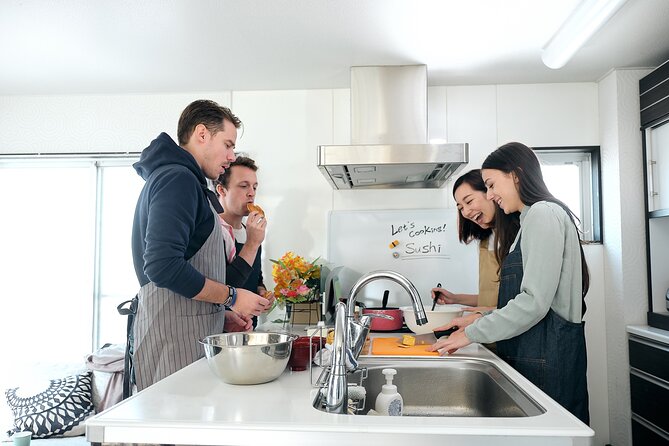
Stepping into a home kitchen changes everything. You’ll learn how to make traditional handmade bentos with a local mom, with an English-speaking guide translating as you go. The setup is practical, too: you’ll have the tools and guidance to actually put a bento together, not just watch from the sidelines.
Two things I really like are how hands-on the cooking portion is, and how English interpreter support keeps the cultural context clear. Even if you’ve never cooked Japanese-style food before, you get help with what matters and why it’s done that way.
One possible drawback to plan for: you’re doing a real cooking session in someone’s home, so it’s not a passive sightseeing stop. If you prefer a lot of strolling and photos over kitchen time, the experience may feel more like a class than a tour.
In This Review
- Quick Hits Before You Go
- From Iidabashi Station to a Local Home: How the Day Sets You Up
- Bento Making with a Local Mom: Skills You Can Use Again
- What you’ll actually practice
- A guide that keeps it from feeling confusing
- From Kitchen to Park and Shrine: The Ginta Picnic Moment
- Why a shrine-and-park picnic fits the bento
- Photos, but with the right pacing
- What’s Included: Tools, Food, and the Stuff You Keep
- Photos after the tour
- Insurance coverage
- Pricing and Value: Is $150 Worth It?
- Limited-time discount if you’re comfortable being photographed
- Timing, Weather, and What to Expect on the Ground
- Who This Tour Suits Best (and Who Might Skip It)
- Should You Book Home Cooking with a Local Mom and a Shiba Inu Picnic?
- FAQ
- Where does the tour meet?
- How long is the experience?
- Is this tour private?
- What do I do during the tour?
- Is lunch included?
- Are ingredients and cooking gear included?
- What happens with photos?
- Do I get to keep anything?
- Do I need to handle transportation?
- What if I cancel?
Quick Hits Before You Go
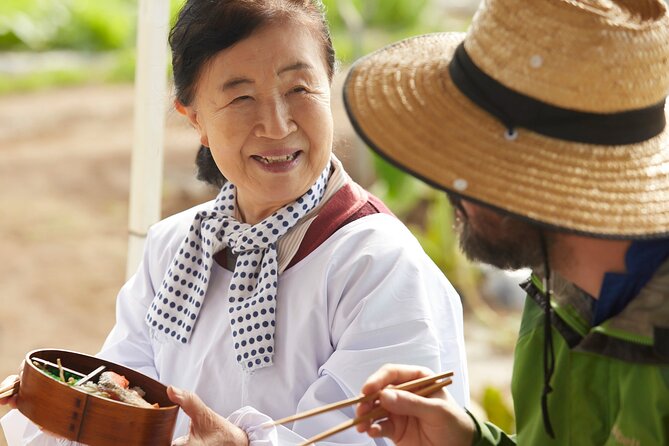
- Small private group (2–6) means more attention from your bilingual guide
- 1.5 hours of bento making in a local mom’s kitchen with aprons and ingredients
- Ginta the Shiba Inu picnic at a nearby park and shrine, with time to relax and photograph
- You keep the bento box as a souvenir to bring home
- Photos are included and shared after the tour at no extra cost
- Hygiene basics provided with hand sanitizer, vinyl gloves, and a cooking cap
Before you commit, see how this one stacks up against a few Tokyo favourites:
- Mt Fuji and Hakone 1-Day Bus Tour Return by Bullet Train★ 5.0 · 26,383 reviews
- 1-Day Tokyo Bus Tour★ 5.0 · 14,250 reviews
- Tokyo: teamLab Planets TOKYO Digital Art Museum Entry Ticket★ 4.6 · 9,779 reviews
From Iidabashi Station to a Local Home: How the Day Sets You Up

The tour starts at 10:00 am at Iidabashi Station, West Exit. This is one of those good Tokyo meeting points—easy to reach via public transit—so you’re not spending your morning guessing train connections.
From there, you’re headed straight to the kitchen. That matters more than it sounds. When you start cooking at the start of the tour, you avoid the common travel-kitchen problem where you’re rushed or tired. You also get a clear rhythm: cook first, walk to the picnic after, then enjoy what you made.
Expect a small, private group experience. The tour is designed for your group only, limited to 2–6 participants, which usually means more interaction with your guide. Translation and cultural commentary aren’t tacked on at the end; they’re part of the cooking flow.
One practical note: the tour ends back at the station. Since private transportation is not included, plan to stay near the meeting area for a smooth finish.
Bento Making with a Local Mom: Skills You Can Use Again
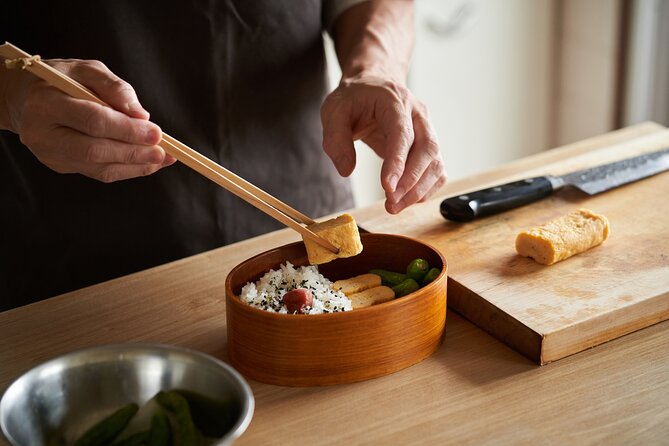
The heart of this experience is the 1.5-hour bento making session in a Japanese home kitchen. You’ll be cooking with guidance from your host, and your guide provides translation and cultural insights throughout. In other words, you’re not only learning steps—you’re learning what those steps mean in everyday Japanese life.
Here’s what’s included to make the experience work for beginners:
- Aprons and a cooking cap
- Hand sanitizer and vinyl gloves
- Ingredients and step-by-step recipe guidance
- A bento box set up for what you’ll create
That combination is smart. Some cooking experiences in Tokyo are great if you already know kitchen basics. This one is set up so you can show up without having to bring equipment or figure out how to handle food safety.
What you’ll actually practice
A bento isn’t just lunch in a container. It’s a style: portioning, arranging, and building a meal that works at room temperature and still feels intentional. During your session, you’ll follow the recipe and guidance to assemble a bento in the format you’ll take to the picnic.
Because you’re making it from scratch, you’ll get a sense of how each component contributes to the overall lunch. That’s the real value if you like cooking: you learn the logic, not only the final look.
A guide that keeps it from feeling confusing
Bilingual staff (English & Japanese) means you can ask questions without losing the thread. The translation support also helps with cultural commentary—things like how people think about meal prep, presentation, and eating etiquette while making food at home.
And that’s where this tour earns its keep. Learning to cook is fun. Learning how Japanese families approach meals is what makes the cooking stick in your memory.





From Kitchen to Park and Shrine: The Ginta Picnic Moment
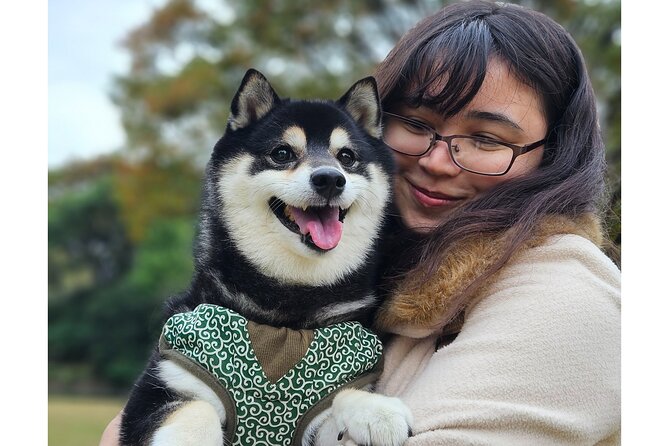
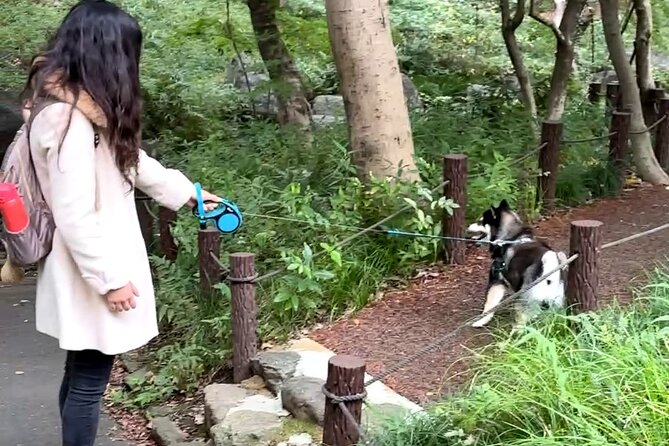
After cooking, you’ll walk to the picnic location—about 11:30 to 11:45—and meet Ginta the Shiba Inu. The walk is short, which is exactly what you want after a hands-on kitchen session. You’re not exhausted, and you’re not losing the best part of the day (your fresh bento).
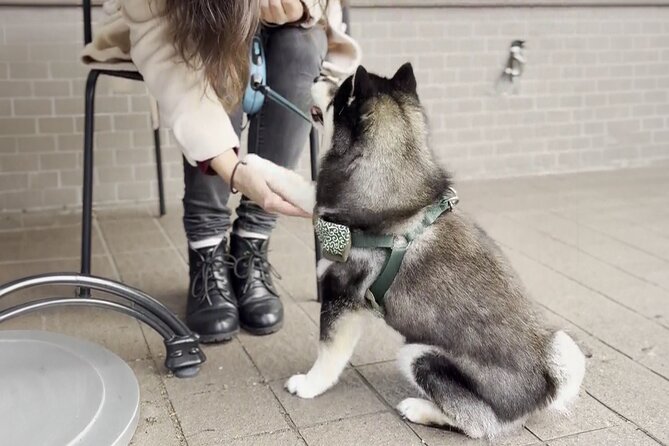
Then comes picnic time with Ginta, from 11:45 to 12:45. You’ll eat your homemade bento, take photos, and enjoy the moment with the adorable Shiba Inu companion.
Why a shrine-and-park picnic fits the bento
Bento makes sense for travel and outdoor time. It’s portable. It’s practical. But it’s also culturally tied to everyday Japanese life—picnics, outings, and eating in public spaces with a sense of calm.
A shrine area adds an extra layer. It’s quiet, scenic, and ceremonial-feeling without being staged. The point isn’t religious tourism; it’s the atmosphere. You get to experience how a simple meal becomes part of a lived environment.
Photos, but with the right pacing
You’ll likely want pictures of two things: your bento and Ginta. The tour gives you time to relax and photograph during the picnic hour, rather than turning it into a rushed photo stop.
A nice bonus: the guide also takes photos during the tour and provides them after it ends, so you’re not stuck constantly using your phone on a timeline.
What’s Included: Tools, Food, and the Stuff You Keep
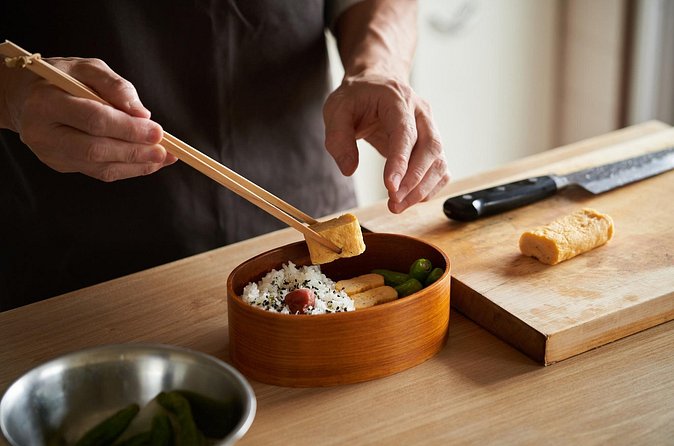
This is the kind of experience where the included items matter because they remove friction.
You get:
- Apron and cooking cap
- Hand sanitizer and vinyl gloves
- Ingredients and recipe guidance
- Your bento box for the meal
- A local guide with English & Japanese support
- Photo service after the tour
The bento box souvenir is a standout. It’s not a cheap takeaway bag. It’s the container you used, so you actually get to bring home a useful item connected to what you made.
Photos after the tour
Digital photos are distributed after the tour at no extra cost. That’s genuinely helpful for two reasons. First, your hands are busy during cooking, so you don’t want to keep changing camera angles and dropping focus. Second, it reduces the chance that you’ll miss key moments because you were trying to document everything yourself.
Insurance coverage
Liability insurance covers injury and damage at visited sites, with exclusions for intentional acts. You don’t book a home-cooking tour for insurance, but it’s reassuring when you’re cooking in a residential setting.
Pricing and Value: Is $150 Worth It?
At $150 per person for a private experience lasting about 3 hours, the big question is value: what are you actually paying for?
You’re paying for a few things most food experiences can’t bundle together:
- Cooking access in a real home kitchen
- A guided, step-by-step process with translation support
- Ingredients, protective gear, and the bento box setup
- A planned meal experience at a park and shrine
- Included photo service afterward
- A small group setting (private, capped at 2–6)
If you compare this to self-guided bento classes, the difference is time and hosting. You’re not just learning recipes; you’re spending a morning learning how a Japanese family-style meal is assembled, then eating it in a setting that matches how bentos are enjoyed.
The tour also isn’t trying to be a long-day sampler. It’s tightly packed into a short window, which can be a plus in Tokyo where time matters.
Limited-time discount if you’re comfortable being photographed
There’s also a 20% off limited-time offer for those who agree to be photographed for the website, complete a survey, and write a review. If you’re already planning to write a review anyway, this discount can make the value even stronger. If you prefer privacy, you can skip that option and still get the core experience.
Timing, Weather, and What to Expect on the Ground
The schedule is straightforward:
- 10:00 meet at Iidabashi Station West Exit
- 10:00–11:30 bento making in the home kitchen
- 11:30–11:45 walk to the picnic location
- 11:45–12:45 picnic with Ginta
- 12:45 return to the station
Because the picnic is outdoors, weather matters. You’ll want to bring what you’d bring for a normal outdoor Tokyo morning: comfortable shoes and a layer if the air feels cool.
Also, keep in mind that “private transportation not included” means you’re starting and ending at the station, with the tour guiding you on foot from the kitchen to the picnic and back. Plan your next activity with a little buffer in case trains are busy.
Who This Tour Suits Best (and Who Might Skip It)
This tour is a great match if you:
- Want a hands-on food experience instead of just eating
- Like learning how locals live, especially through everyday rituals like lunch
- Enjoy small groups and having time with a guide
- Think a Shiba Inu picnic sounds like the kind of story you’ll still be telling months later
It may be less ideal if you:
- Want mostly sightseeing and very little kitchen time
- Don’t enjoy cooking tasks (even though the experience supports beginners)
- Need a perfectly flexible schedule, since the tour runs on a set timeline and is designed as one connected experience
For families, it can be a memorable one because the Shiba Inu element (Ginta) adds joy. Just remember that it’s still a cooking class, so younger participants should be able to stay engaged for the full session.
For solo travelers, the private format can be a win too, because you’re not competing with a large crowd for attention. The downside is that the tour’s price is built for a hosted home experience, so it’s not the cheapest way to eat in Tokyo.
Should You Book Home Cooking with a Local Mom and a Shiba Inu Picnic?

If you want an experience with real character, this is the kind of day that earns its place on your Tokyo schedule. You get three things people usually chase in Tokyo—food you actually made, cultural context you can use, and a fun setting to enjoy it—then you leave with a bento box souvenir.
I’d book it if:
- You love eating bentos and want to understand what makes them work
- You want English guidance and cultural commentary without it turning into a lecture
- You’ll enjoy an outdoor picnic moment as part of the meal story
I’d think twice if:
- You prefer a lot of wandering and photo spots over learning through cooking
- You’re not comfortable with hands-on tasks in a home kitchen setting
Overall, this tour feels like good value when you want more than a meal—you want the recipe skill, the local hosting, and the memory of eating your bento with Ginta nearby.
FAQ
Where does the tour meet?
You meet at 4-chōme-9-5 Iidabashi, Chiyoda City, Tokyo 102-0072, near Iidabashi Station West Exit. The tour starts at 10:00 am.
How long is the experience?
The tour lasts about 3 hours (approximately), including the cooking time and the picnic.
Is this tour private?
Yes. It’s a private experience, with only your group participating. Group size is limited to 2–6 participants.
What do I do during the tour?
You make a traditional handmade bento in a local mom’s kitchen, then walk to a nearby park and shrine for a picnic. You eat your homemade bento and can take photos with the Shiba Inu, Ginta.
Is lunch included?
Yes. Lunch is included as the bento you make and eat during the picnic.
Are ingredients and cooking gear included?
Yes. The tour includes ingredients, a recipe and guidance, plus aprons, a cooking cap, hand sanitizer, and vinyl gloves.
What happens with photos?
The guide takes photos during the tour, and you’ll receive the photos after the tour at no extra cost.
Do I get to keep anything?
Yes. You keep your authentic bento box as a souvenir.
Do I need to handle transportation?
Private transportation is not included. The tour escorts you to and from the tour location to the station.
What if I cancel?
This experience is non-refundable and cannot be changed for any reason.
More Tour Reviews in Tokyo



Fresh reviews from around Tokyo






Tokyo, compared.
 ★ 5.0Mt Fuji and Hakone 1-Day Bus Tour Return by Bullet TrainFrom $16326,383 reviews
 ★ 5.01-Day Tokyo Bus TourFrom $12914,250 reviews
 ★ 4.6teamLab Planets TOKYO Digital Art Museum Entry TicketFrom $259,779 reviews
 ★ 4.0Mt Fuji & Hakone Cruise, Drum Show Bullet Train 1 Day from TokyoFrom $1497,413 reviews
 ★ 5.0Shinjuku Food Tour (13 Dishes at 4 Local Eateries)From $866,603 reviews
 ★ 4.4Tokyo Mt Fuji 5th St & Hakone Cruise Bus Tour w/Bullet TrainFrom $1545,024 reviews
 ★ 5.0Flagship 2-Hours Official Street Go-Kart Tour – Tokyo Bay ShopFrom $644,974 reviews
 ★ 4.5From Tokyo: Mount Fuji Full-Day Sightseeing TripFrom $684,970 reviews