

Reviewed · HISTORICAL TOURS
Historic Temple・traditional Japanese garden& Eating around at a shopping strip
This Tokyo outing slows your pace fast. You’ll move from a hilltop Ikegami Honmon-ji Temple complex to the nearby Ikegami Baien stroll garden, then finish with a walk through Togoshi-ginza’s everyday shopping streets.
I like two things most: the calm, older-temple atmosphere at Honmon-ji, and the chance to enjoy a planned garden visit with admission taken care of. The only real catch is that you’re on foot for stretches, and the tour needs good weather to run smoothly.
In This Review
- Key Highlights (What Makes This Tour Worth Your Time)
- Why This Ikegami to Togoshi Route Feels Off the Main Track
- Stop 1: Ikegami Honmon-ji Temple Above Ota City
- How to Enjoy the Honmon-ji Stop Without Rushing It
- Stop 2: Ikegami Baien Stroll Garden and Its 370 Apricot Trees
- What Makes a Stroll Garden Different From a Typical Park Walk
- Between Stops: The Short Train Ride You Don’t Need to Plan
- Stop 3: Togoshi-ginza Shopping Street for Everyday Tokyo
- How to Pace the Shopping Street Walk (Without Getting Tired)
- Price and Value: What You Actually Get for About $52
- Logistics That Make the Day Easier Than It Looks
- Who This Tour Fits Best (and Who Might Want Another Option)
- My Booking Checklist Before You Go
- Should You Book This Ikegami Honmon-ji, Baien, and Togoshi-ginza Tour?
- FAQ
- How long is the tour?
- What is the price per person?
- Is the tour private?
- What is included in the tour price?
- Are lunch and drinks included?
- Where do we meet, and where does the tour end?
- Is the tour suitable for people who are walking some distance?
- What happens if the weather is poor?
- Are service animals allowed?
Key Highlights (What Makes This Tour Worth Your Time)

- Ikegami Honmon-ji Temple: a hill setting, free admission, and a history that reaches back to the end of the 13th century
- Ikegami Baien stroll garden: an apricot-themed garden with 370 Japanese apricot trees
- English guide who connects dots: you get context for what you’re seeing and how daily life works in Japan
- Togoshi-ginza shopping street: a walk through narrow streets with a working-class feel and plenty of local snacks to buy
- Private group format: only your group, so you can ask questions at a real human pace
- Value package: transportation between areas plus guided time plus admissions are included
Why This Ikegami to Togoshi Route Feels Off the Main Track

Tokyo has a way of feeling the same if you only follow the postcard list. This route flips that. You start in central Ota City with a temple complex on higher ground, then slide into a garden that’s made for slow walking, and finally end in Togoshi-ginza where shopping looks and feels like real weekday life.
It’s also a smart mix of “sight” and “street.” The temple and garden give you order and quiet. The shopping strip gives you sound, movement, and choice—things like what people actually buy, not what a guidebook thinks you should buy.
Stop 1: Ikegami Honmon-ji Temple Above Ota City
Ikegami Honmon-ji sits on a hill in central Ota City, and that change in elevation matters. You get that slight shift in mood when the city drops away behind you, even if you’re still in Tokyo.
The temple dates from the end of the 13th century, which makes it more than a pretty background. It’s old enough that you’re not just looking at decoration—you’re standing in a place that has been part of local life for a long time. Admission is free, so you can spend time there without thinking about the next fee.
A practical plus: it’s about a ten-minute walk from Ikegami Station. That means the meeting point doesn’t feel like a chore, and you can arrive ready to go rather than rushed.
How to Enjoy the Honmon-ji Stop Without Rushing It
This is the kind of place where the best move is to pause. Even the simple sensory details—like leaves rustling and quiet pathways—help you understand why people come for calm, not crowds.
I also like that the free entry removes pressure. You can spend the full hour without doing mental math, and you don’t feel like you have to “win” the visit by checking every corner.
If you’re someone who loves architecture, gates, and temple grounds, this first stop gives you a strong start. If you’re less into buildings, it still works because the experience is about atmosphere and pacing, not ticking boxes.
Stop 2: Ikegami Baien Stroll Garden and Its 370 Apricot Trees

From Honmon-ji, it’s a short five-minute walk to Ikegami Baien. That quick connection is great because it keeps your energy for the garden instead of burning it on transit.
Baien is a Japanese stroll garden, and it’s literally an apricot garden. The numbers are the fun part here: 370 Japanese apricot trees are planted in the garden. That turns the whole visit into more than “pretty scenery.” You’re walking in a space where a specific plant theme is part of the identity.
This stop is one hour, and that’s the right length. Stroll gardens can swallow time if you let them. Here, you get enough time to slow down and notice sightlines, but you’re still moving forward with the tour.
Admission is included, so you don’t have to track payments while you’re trying to enjoy the calm.
What Makes a Stroll Garden Different From a Typical Park Walk

A stroll garden isn’t just about walking loops. The point is how the design guides your view as you move. You’re meant to take your time, turn your attention from one angle to the next, and feel like the garden is giving you a sequence.
If you like photography, this is also where you’ll find chances to frame scenes without crowds. And if you simply like being outside for a break from loud streets, this stop gives you that reset.
The key consideration is comfort: you’re still walking, and garden ground can be uneven depending on the season and maintenance. Wear shoes you trust.
Between Stops: The Short Train Ride You Don’t Need to Plan

The tour handles transportation between Ikegami and Togoshi. That’s a small detail, but it’s a big quality-of-life upgrade. You’re not trying to figure out which train to take mid-lesson.
Time-wise, this helps the whole schedule stay smooth. You start with an hour at Honmon-ji, add an hour at Baien, then transition to Togoshi-ginza for a longer walk.
Also, knowing the day is structured makes it easier to relax. You can focus on questions for your guide instead of staring at maps.
Stop 3: Togoshi-ginza Shopping Street for Everyday Tokyo

Togoshi-ginza is where the tour turns outward. After the short train ride, you get about two hours to walk the narrow streets of this shopping district.
The tone here is working-class and local. Instead of showing off, the street just goes about its business—shops, storefronts, and everyday routines. That’s the whole point. It helps you understand Tokyo as a place where people shop, eat, and chat between tasks.
There’s also room for small choices. Lunch food and drinks aren’t included, so this is where you can pick what fits your hunger and budget. One memorable example from the experience is enjoying a beer at a local butcher shop during the Togoshi-ginza time. That kind of stop is exactly why a shopping street finale feels more human than a museum exit.
How to Pace the Shopping Street Walk (Without Getting Tired)
Two hours sounds easy until you realize you’ll be walking and looking and deciding what to try. Bring a simple plan: pick one main thing to eat or drink, then treat the rest as window shopping.
If you’re the type who wants to try several bites, plan for smaller purchases. You’ll cover more ground when you’re not juggling heavy bags.
This stop is also great for perspective. After a temple and garden, you get a contrast that helps everything feel more real. It’s Tokyo’s quiet-meets-ordinary pattern in one afternoon.
Price and Value: What You Actually Get for About $52
The price is listed at $52.02 per person, and that matters because the inclusions are the money-savers. You’re paying for guided English time, transportation between the two areas, and admissions.
Here’s why I think this is decent value for the kind of day it is:
- You’re not just visiting one place. You’re moving through three distinct settings.
- Admission fees are covered as part of the tour (and Honmon-ji itself has free admission).
- You’re not paying extra for the transport leg, which is often where self-guided plans start costing time and mental effort.
The one thing not included is lunch, food, and drinks. That’s normal for tours like this, but it does mean you should budget for at least one meal snack and water during the shopping street portion.
Duration also helps. With 4 to 6 hours total, you get a full arc of sights and street life without having to give up your whole day.
Logistics That Make the Day Easier Than It Looks
This is a private tour, meaning only your group participates. That’s useful when you want to ask questions without competing for attention.
It’s also guided in English, so you get explanations while you’re walking—not after you’ve already missed the moment.
You’ll use a mobile ticket. That’s the kind of modern convenience that saves time at the start, as long as you have your phone charged.
Meeting point is Ikegami Station (address provided: 146-0082 東京都大田区池上6丁目310). Ending goes back to the meeting point, which keeps your plans simple at the end of the day.
One more practical note: you should have moderate physical fitness. The temple/garden blocks are manageable, but Togoshi-ginza includes a couple of hours on foot.
Who This Tour Fits Best (and Who Might Want Another Option)
This tour is a great match if you want something quieter than the usual Tokyo checklist. It’s also a smart choice if you’re trying to understand real neighborhood rhythm—temples, gardens, then shopping streets—without spending time decoding transit.
It’s especially appealing if you like guided context. In feedback from the experience, the guide is described as fun, professional, and open, and that matters because it changes the visit from looking at sites to understanding them.
One example: the tour experience is described with the guide name Miyuki in positive terms, so if you get her, you’re likely in for an especially smooth, friendly day.
If your goal is only famous, high-profile landmarks, this might feel too small-scale. But if your goal is to see Tokyo as lived-in and textured, it’s a strong fit.
My Booking Checklist Before You Go
Do a quick shoe and weather check. Good weather is required, and you’ll walk enough that uncomfortable shoes turn into a bad mood fast.
Bring cash or a payment method for the shopping street. Food and drinks aren’t included, so Togoshi-ginza is where you’ll handle your own choices.
And because it’s a mobile ticket tour, make sure your phone is ready at the meeting point. You don’t want to arrive fumbling around for app access.
If you’re traveling with a group and want a more personal pace, the private format is a win. It keeps the day from feeling like a conveyor belt.
Should You Book This Ikegami Honmon-ji, Baien, and Togoshi-ginza Tour?
I’d book it if you want an honest slice of Tokyo that isn’t only famous sights. The mix is the value: a historic temple setting, an apricot-themed stroll garden with a clear identity, and a shopping street where you can stop for real-life treats like food or a drink.
Skip it if you want major-ticket Tokyo monuments or you’re not comfortable walking for a few hours total. Also, if your schedule is fragile and weather is uncertain, plan a little flexibility since the tour requires good conditions.
If you’re looking for a calm start to a trip—or a meaningful afternoon before the rest of your itinerary—this is one of those tours that helps Tokyo feel like a place, not just a list.
FAQ
How long is the tour?
It runs about 4 to 6 hours.
What is the price per person?
The price is $52.02 per person.
Is the tour private?
Yes. It’s private, and only your group will participate.
What is included in the tour price?
Transportation cost between Ikegami and Togoshi, guided tours in English, and admission fees.
Are lunch and drinks included?
No. Lunch, food, and drinks are not included.
Where do we meet, and where does the tour end?
You meet at Ikegami Station in Tokyo. The tour ends back at the meeting point.
Is the tour suitable for people who are walking some distance?
It’s recommended for travelers with a moderate physical fitness level.
What happens if the weather is poor?
The experience requires good weather. If it’s canceled due to poor weather, you’ll be offered a different date or a full refund.
Are service animals allowed?
Yes, service animals are allowed.
Historical Tours, compared.
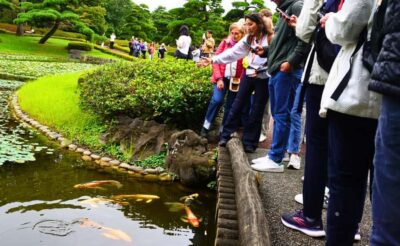 ★ 4.9Imperial Palace Japanese History Walking TourFrom $32987 reviews
 ★ 5.0Shinjuku Historical Walking Tour & Secret BackstreetsFrom $25530 reviews
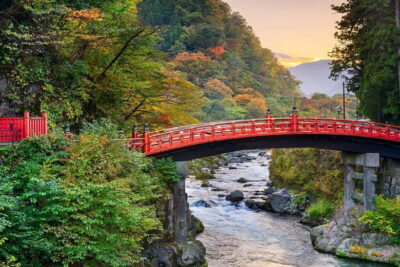 ★ 4.9From Tokyo: Nikko World Heritage Site Private Full-Day TripFrom $483243 reviews
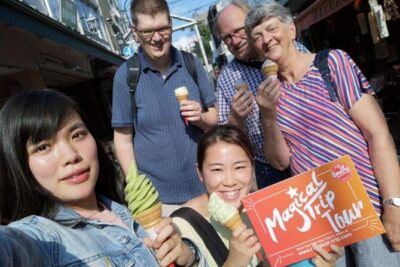 ★ 5.0Yanaka Historical Walking Tour in Tokyo’s Old TownFrom $81182 reviews
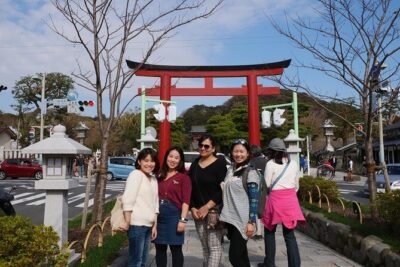 ★ 5.0Kamakura Historical Walking Tour with the Great BuddhaFrom $98129 reviews
From Tokyo: Nikko World Heritage Sight Full Day Private TourFrom $362127 reviews
★ 5.0Kamakura Historical Walking Tour with the Great BuddhaFrom $98129 reviews
From Tokyo: Nikko World Heritage Sight Full Day Private TourFrom $362127 reviews
 ★ 4.8Yanaka District: Historical Walking Tour in Tokyo’s Old TownFrom $79117 reviews
 ★ 4.8Nikko Heritage & Nature Day Trip from TokyoFrom $39194 reviews
Browse the lists this tour appears in