
Reviewed · TOKYO
Hands-on Japanese Cooking in a Shinjuku Home Kitchen with Satoru
A home-cooked meal beats a food tour. This private Tokyo class has you meet Satoru in Shinjuku, cook from scratch in his small but efficient kitchen, then sit down together to eat what you made.
I like that you learn real technique, not just recipes. I also like the personal touch: conversation while you cook, plus a small gift of a Japanese utensil and ingredient to take home. One thing to note: menus vary by day, so you’ll want to check in advance and communicate choices early if you have any restrictions.
This is the kind of experience that helps you understand Japanese flavors in a practical way. You’ll handle ingredients like dashi basics, miso soup elements, and the building blocks behind dishes that show up across Tokyo, from set meals to savory street-style favorites. If you want a specific dish every time, plan ahead; if you don’t, you’ll cook the day’s menu.
In This Review
- Key Highlights You’ll Actually Feel
- Meeting Satoru in Shinjuku: From JR Station to a Real Home Kitchen
- A quick timing reality check
- What You Cook: Teishoku Set Meals or Popular Tokyo Favorites
- Sat–Tue: Teishoku set meal style
- Wed–Fri: Popular comfort foods
- Menu changes and dietary needs: don’t wing it
- Cooking Together: The Skills Behind Japanese Homestyle Taste
- Small kitchen tip for comfort
- The Private Meal: Local Alcohol, Good Conversation, and What to Ask
- What I’d ask if I were in your seat
- The Utensil and Ingredient Gift: A Souvenir That Actually Helps
- Price and Value in a 2.5-Hour Shinjuku Experience
- Where you should be ready to spend effort
- Booking timing reality
- Who This Class Suits Best (And Who Might Want to Skip)
- Practical Tips Before You Go
- Should You Book Satoru’s Shinjuku Home Kitchen Cooking Class?
- FAQ
- How long is the Japanese cooking class in Shinjuku?
- Where do I meet Satoru?
- What’s the price per person?
- What dishes will I cook?
- Can I request a vegetarian option?
- If I have dietary restrictions, when should I tell the host?
- What’s included in the experience?
- What’s the cancellation window?
Key Highlights You’ll Actually Feel
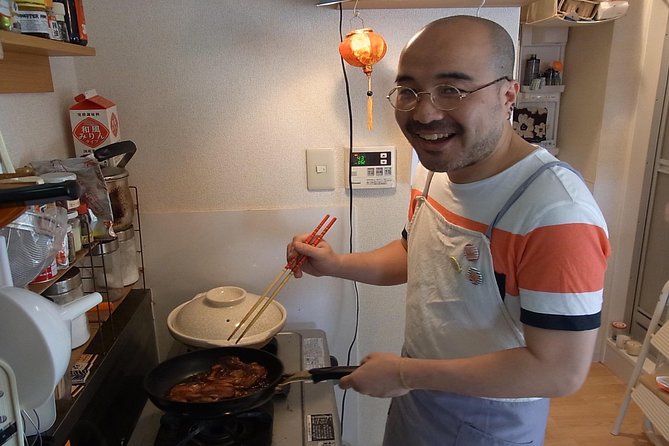
- Shinjuku home kitchen: you cook where people really live, not in a studio kitchen
- Hands-on cooking: make 2–5 homestyle dishes from scratch, then taste your work right away
- Teishoku vs popular Tokyo comfort food: menu depends on the day of the week
- Private meal with conversation: sit with your host and share a drink
- Utensil + ingredient gift: a practical souvenir you can use again at home
- Pickup from JR Shinjuku Station: you avoid the awkward first scramble in a big city
Before you commit, see how this one stacks up against a few Tokyo favourites:
- Mt Fuji and Hakone 1-Day Bus Tour Return by Bullet Train★ 5.0 · 26,383 reviews
- 1-Day Tokyo Bus Tour★ 5.0 · 14,250 reviews
- Tokyo: teamLab Planets TOKYO Digital Art Museum Entry Ticket★ 4.6 · 9,779 reviews
Meeting Satoru in Shinjuku: From JR Station to a Real Home Kitchen
Your experience starts at Shinjuku Station, at the address near 3-chōme-38-1 Shinjuku. You’ll meet Satoru there, then walk together to his apartment. In Tokyo, that short “walk and chat” part matters. It’s your first clue you’re not doing an assembly-line activity.
When you arrive, you step into a simple, cozy space with a kitchen that’s small but efficient. Don’t expect showpiece appliances or lots of counter space. This kind of kitchen is why Japanese cooking often feels doable: you learn how to work within the limits, move fast, and stay organized.
In the kitchen, Satoru teaches while you’re actively doing the work. That gives you two wins: you learn how dishes come together, and you pick up the little “why” behind the steps. The tone is friendly and informal, and the pace tends to fit beginners too, as long as you’re game to chop, stir, and taste as you go.
A quick timing reality check
The whole session runs about 2 hours 30 minutes. The cooking portion is roughly 1 hour 30 minutes, and then you eat. If you’re the type who likes to linger, plan to treat the meal as the reward part, not an optional add-on.
What You Cook: Teishoku Set Meals or Popular Tokyo Favorites
This class is built around making 2–5 authentic Japanese dishes from scratch. The exact menu depends on the day, and that’s the biggest practical detail to get right.
Sat–Tue: Teishoku set meal style
On Saturday, Sunday, Monday, and Tuesday, you’ll cook Teishoku, a Japanese set meal. Expect miso soup, rice, and 2 side dishes. If you’ve only had Japanese food in restaurants, Teishoku is a smart way to understand balance. It’s not one dramatic dish. It’s a plate designed so flavors and textures work together: warm, savory soup; plain rice to reset your palate; and sides that add contrast.





Wed–Fri: Popular comfort foods
On Wednesday, Thursday, and Friday, you’ll make a “popular food” menu. The options listed include:
- Okonomiyaki (Japanese pancake)
- Karaage (fried chicken)
- Yakisoba (pan-fried noodles)
- Katsu curry rice
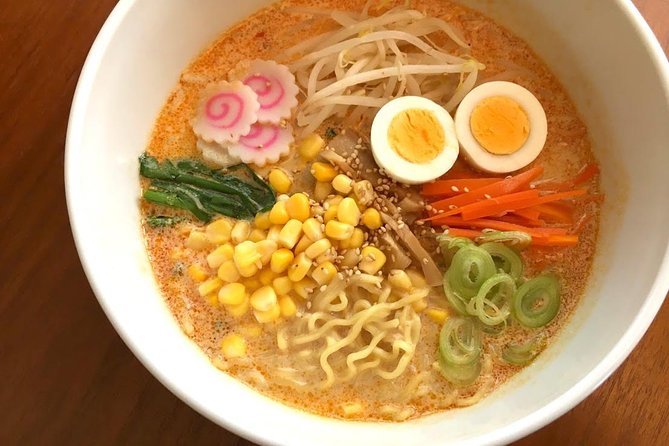
- Ramen
- Gyoza
If you’re unsure what to choose, think about how hands-on you want it to be. Frying and pan cooking (like karaage, okonomiyaki, and yakisoba) teach you heat control fast. Dumplings like gyoza teach folding and filling discipline. Curry-style dishes can be a great “crowd-please” choice because you can taste and adjust as you go.
Menu changes and dietary needs: don’t wing it
Here’s the part that can make or break your experience: specific days have specific menus. If you don’t share your preference, you’ll cook that day’s menu. If you want changes or have restrictions, you must inform the host one week in advance. There is also a vegetarian option, but you need to request it when you book.
So I suggest doing this now, not later: decide whether you want a Teishoku day (set meal structure) or a popular-food day (more variety like fried or noodle dishes). Then tell Satoru what you can and can’t do.
Cooking Together: The Skills Behind Japanese Homestyle Taste
The class setup is simple: Satoru explains, then you take over. You’re not just watching someone cook. You’re learning through action: prepping ingredients, combining key components, and adjusting taste as the dish develops.
You’ll likely hear about ingredients in a grounded way, like how dashi supports savory depth, how miso soup gets its balance, and how sweetness or salt levels affect the final bite. Satoru also shares stories tied to ingredient choices. That storytelling isn’t random. It helps you remember what each ingredient is doing.
Two specific things you’ll pick up quickly:
- How Japanese flavors build in layers rather than relying on heavy sauces
- How to taste during cooking, not only at the end
And yes, you’ll get to enjoy the meal right after. That’s a real motivator. Cooking classes that end in a slideshow are forgettable. This one ends at the table.
Small kitchen tip for comfort
Because the kitchen is compact, wear comfortable clothes and be ready to stand close to your workstation. If you’re used to big restaurant kitchens, you might have one moment of thinking, okay, where do I put my stuff. Just keep your own station tidy and follow Satoru’s rhythm.
The Private Meal: Local Alcohol, Good Conversation, and What to Ask
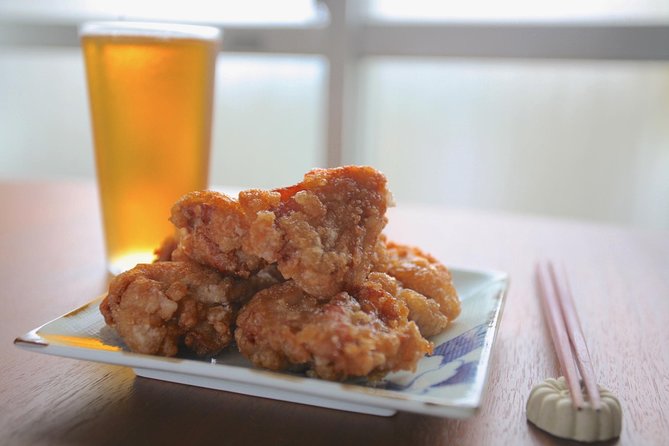
After about an hour and a half of cooking, you sit down to share the meal you prepared. This part feels like the real heart of the class. You get private time with your host, and you’re eating food that comes from your hands, not someone else’s.
The experience includes local alcohol (1–2 glasses). If alcohol isn’t for you, the info you have says to advise dietary requirements in the booking notes. Just plan to be clear about what you want. Don’t assume the drink can be swapped unless you’ve told them ahead.
Conversation during the meal is a big part of the value. Satoru talks about ingredients like dashi and sweets (including organic honey, as mentioned), and he connects cooking choices to everyday Japanese habits. If you ask questions, you’ll get more than a recipe explanation. You’ll get reasoning.
What I’d ask if I were in your seat
If you want to leave with confidence, ask about:
- what makes the dish taste right (the key ingredient or step)
- how people normally eat it at home
- what to do if you don’t have the exact ingredient back home
That’s how you turn a fun meal into repeatable skills.
The Utensil and Ingredient Gift: A Souvenir That Actually Helps
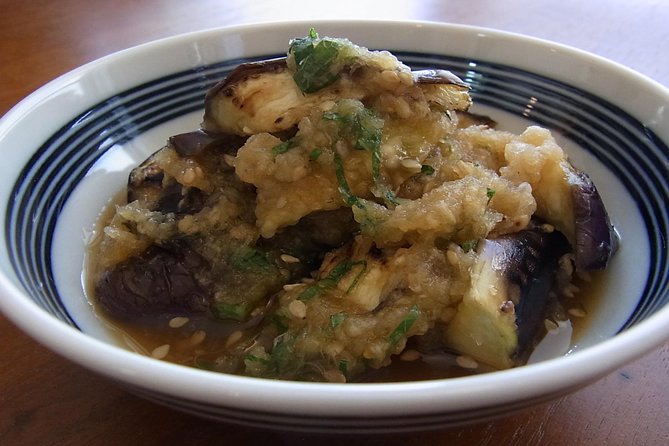
You’ll receive a gift of a Japanese utensil and ingredient. This is one of the best ideas in the whole package, because it’s not just a token. A utensil can be something you’ll use when you cook later, and the ingredient can help you recreate the flavors you learned.
One practical note: the exact items aren’t spelled out here. So expect it to be useful, but not necessarily a specific branded tool you already had your eye on. The bigger point is that you’re not leaving empty-handed, and you’re leaving with something tied to the dishes you cooked.
Price and Value in a 2.5-Hour Shinjuku Experience
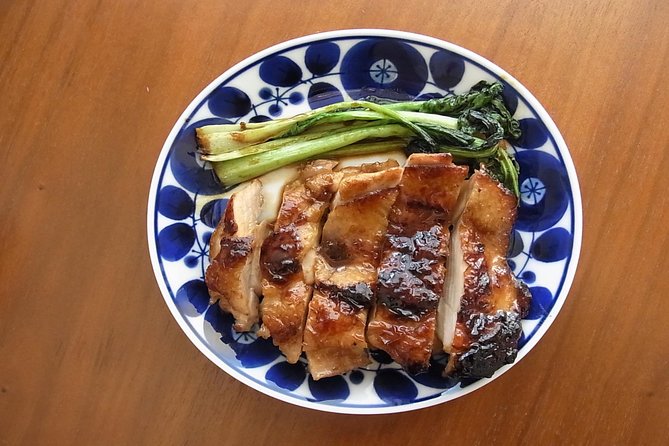
The price is $130 per person. For Tokyo, that’s not “cheap,” but it’s also not pretending to be a mass-market cooking class. You’re paying for a few things at once:
- a private cooking class in a home kitchen
- time with Satoru while you cook and eat
- pickup from JR Shinjuku Station
- local alcohol (1–2 glasses)
- a gift of utensil + ingredient
Also, the schedule is tight and clear: about 2 hours 30 minutes total. You’re not spending half a day commuting across town and waiting around.
Where you should be ready to spend effort
There’s no hotel pickup and drop-off, so you’ll need to handle getting to Shinjuku Station yourself. For many visitors, that’s fine. Tokyo is manageable once you know your station.
Booking timing reality
This one is typically booked well ahead (around 72 days on average). If your dates are firm and you want a particular day-of-week menu (Teishoku vs popular foods), book sooner rather than later.
Who This Class Suits Best (And Who Might Want to Skip)
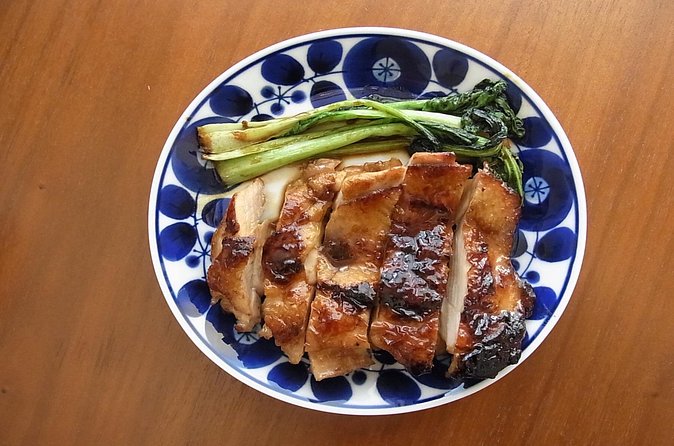
This is a great fit if you want real local life in a low-key way. A cooking class at a home also works well for people who don’t want a big group, a loud venue, or a rigid script.
It also tends to work for families. The notes you have point to people booking it as a family activity, even with teenagers, and that makes sense: cooking gives everyone a job, and conversation keeps the mood relaxed.
You might consider another option if:
- you have very specific dish requests that don’t match the day’s menu
- you need complicated dietary adjustments and haven’t planned to contact the host a week ahead
- you want a long, formal sit-down class with lots of gear and space
Practical Tips Before You Go
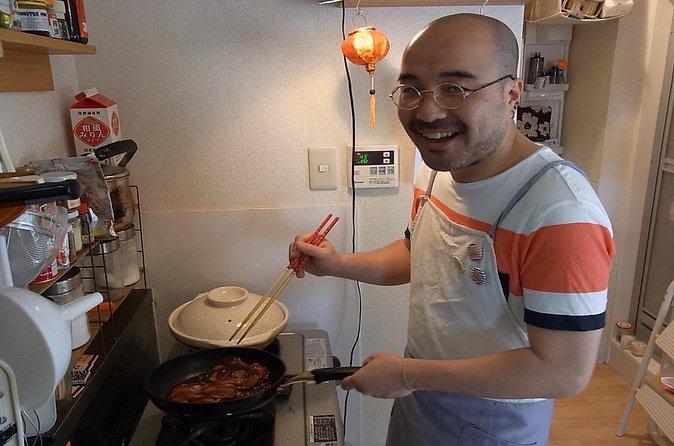
A couple of small choices will make the day smoother.
First, check the menu in advance. Then decide what you want from the options for your day. If you have restrictions, request what you need early—one week before for changes—so you’re not stuck cooking something you can’t eat.
Second, think about your role in the kitchen. You’ll be hands-on, so wear comfortable shoes and simple layers. You’ll likely be standing, moving, and tasting.
Third, plan to arrive near the meeting point with a little buffer. You’re meeting at Shinjuku Station, and then you’ll walk. Tokyo has plenty of station exits, so give yourself time to find the right spot without rushing.
Finally, bring a curious mindset. Satoru’s explanations include ingredient stories and practical tips. If you ask questions, you’ll get better value out of the experience.
Should You Book Satoru’s Shinjuku Home Kitchen Cooking Class?
If you want an authentic Tokyo food experience that’s practical, social, and genuinely hands-on, I think this is a strong booking. The price feels fair for what you get: a private home-kitchen session, a real meal you cooked, local alcohol, and a utensil-and-ingredient gift.
The key is planning. Pick the day for the menu style you want (Teishoku vs popular favorites). Communicate dietary needs at the right time. Do that, and you’ll leave with more than photos. You’ll leave with steps you can actually repeat at home.
FAQ
How long is the Japanese cooking class in Shinjuku?
It runs about 2 hours 30 minutes total, with cooking taking roughly 1 hour 30 minutes followed by the meal.
Where do I meet Satoru?
Meet at Shinjuku Station near 3-chōme-38-1 Shinjuku, Shinjuku City, Tokyo 160-0022, Japan.
What’s the price per person?
The price is $130.00 per person.
What dishes will I cook?
You’ll cook 2 to 5 homestyle Japanese dishes, but the menu depends on the day: Teishoku on Sat–Tue, and popular foods on Wed–Fri.
Can I request a vegetarian option?
Yes. A vegetarian option is available—advise the host at the time of booking.
If I have dietary restrictions, when should I tell the host?
If you want changes or have restrictions, you need to inform the host one week in advance, or the day’s menu will be cooked.
What’s included in the experience?
Included are the private cooking class with Satoru, local alcohol (1–2 glasses), and pickup from JR Shinjuku Station. Hotel pickup and drop-off are not included.
What’s the cancellation window?
Free cancellation is available up to 24 hours before the experience start time for a full refund.
More Tour Reviews in Tokyo



Fresh reviews from around Tokyo






Tokyo, compared.
 ★ 5.0Mt Fuji and Hakone 1-Day Bus Tour Return by Bullet TrainFrom $16326,383 reviews
 ★ 5.01-Day Tokyo Bus TourFrom $12914,250 reviews
 ★ 4.6teamLab Planets TOKYO Digital Art Museum Entry TicketFrom $259,779 reviews
 ★ 4.0Mt Fuji & Hakone Cruise, Drum Show Bullet Train 1 Day from TokyoFrom $1497,413 reviews
 ★ 5.0Shinjuku Food Tour (13 Dishes at 4 Local Eateries)From $866,603 reviews
 ★ 4.4Tokyo Mt Fuji 5th St & Hakone Cruise Bus Tour w/Bullet TrainFrom $1545,024 reviews
 ★ 5.0Flagship 2-Hours Official Street Go-Kart Tour – Tokyo Bay ShopFrom $644,974 reviews
 ★ 4.5From Tokyo: Mount Fuji Full-Day Sightseeing TripFrom $684,970 reviews