
Reviewed · TOKYO
Gyoza Making from Scratch- Tokyo Ultimate Cooking Class
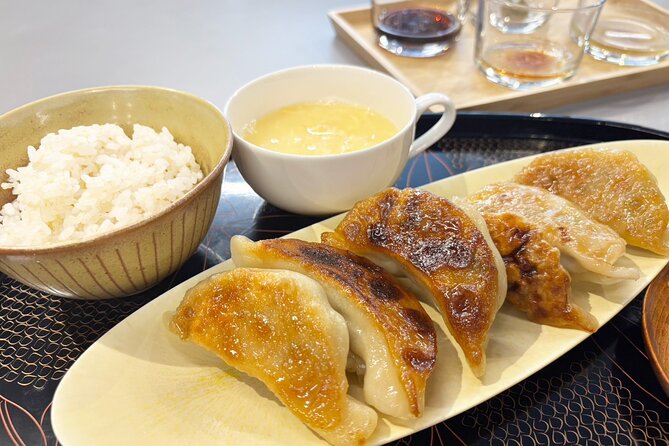
Making gyoza in Tokyo turns a simple snack into a real skill you can repeat. This class guides you from kneading wrapper dough to pan-frying yaki-gyoza, with a hands-on focus on folding technique and that juicy filling texture.
Two things I really like: you’re not just cooking—you’ll make wrappers from scratch and also compare them against store-bought dough. Second, the instructor emphasizes practical results, especially the filling, folding method, and how the dumplings should look and taste on the pan. One thing to consider: it’s only about 1 hour 50 minutes, so you’ll move steadily and you’ll want to come ready to learn with your hands.
In This Review
- Key things I’d bookmark before you go
- Why a Tokyo gyoza class feels like a real food experience
- What you’ll do in 1 hour 50 minutes (and what it’s really for)
- Making the wrappers and filling from scratch
- Folding technique practice (with real coaching)
- Cooking pan-fried yaki-gyoza
- Soup, side dish, and sauce variety for eating the way you should
- Photos and an English recipe to take home
- Wrapper-making: the skill behind the difference you can taste
- The juicy filling secret (and how to think about it)
- Folding and yaki-gyoza cooking: where most dumplings win or fail
- Sauces, soup, and side dish: how you’ll actually eat what you made
- Patia Kitchen studios: small group teaching in central Tokyo
- Price and value: what you’re paying for at about $92
- Who this class is best for (and who might hesitate)
- Should you book the Gyoza Making from Scratch class?
- FAQ
- What will I make in this gyoza class?
- Do I make dumplings using both homemade and store-bought wrappers?
- How long is the cooking class?
- Can I request chicken instead of pork filling?
- What do I get to take home after the class?
- Is the class in English?
- What’s included in the price?
- How big are the groups?
- Is there free cancellation?
Key things I’d bookmark before you go
- Wrapper dough to dumplings: you’ll knead, fill, fold, and cook in one flowing session
- Homemade vs store-bought comparison: you get a real taste-and-texture contrast
- Folding technique practice: you learn how to make the pleats hold shape
- Juicy filling focus: you’re taught what makes the filling moist and flavorful
- Multiple dipping sauces plus soup and a side dish: you eat your gyoza different ways
- Small group size (max 12): easier for questions and personal guidance
Before you commit, see how this one stacks up against a few Tokyo favourites:
- Mt Fuji and Hakone 1-Day Bus Tour Return by Bullet Train★ 5.0 · 26,383 reviews
- 1-Day Tokyo Bus Tour★ 5.0 · 14,250 reviews
- Tokyo: teamLab Planets TOKYO Digital Art Museum Entry Ticket★ 4.6 · 9,779 reviews
Why a Tokyo gyoza class feels like a real food experience
A lot of cooking classes teach you a recipe. This one teaches you the workflow behind gyoza: dough, filling, folding, pan-frying, and eating. That matters because gyoza is all about coordination. If the wrapper is too thick, it won’t crisp right. If the filling is dry or overworked, you lose that tender bite. If the fold isn’t sealed, the dumpling can come apart in the pan.
This class is also in central Tokyo at the Patia Kitchen studios, so you’re not spending your evening in transit. The studio setup is designed for cooking classes, with a comfortable, kitchen-focused space where you can actually concentrate.
One more smart detail: the class uses both handmade and store-bought wrappers. That gives you a quick reality check. You’ll taste what home dough changes—texture, chew, and how it handles heat—so the lesson doesn’t stay theoretical.
What you’ll do in 1 hour 50 minutes (and what it’s really for)
The session moves through a full gyoza arc, so you end up with skills, not just snacks. Here’s what to expect, in the order your hands will learn it.
Making the wrappers and filling from scratch
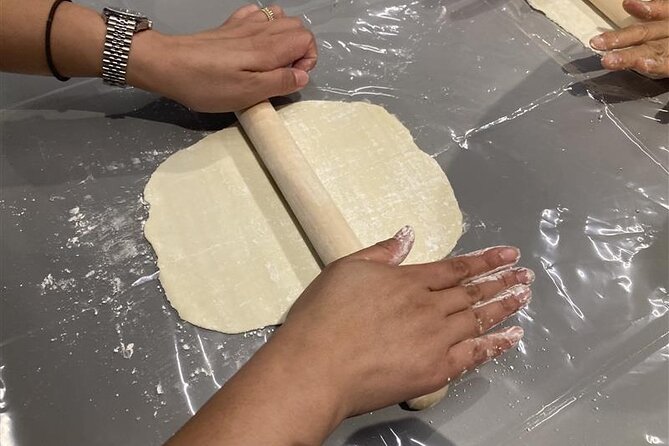
You start by making gyoza wrappers and the filling from fresh ingredients. This isn’t just mixing at the counter and calling it done. You’re guided through the basics of wrapper dough and then how to prepare the filling so it stays juicy and flavorful.
The class also gives you a practical option: chicken filling is available upon request if you let the provider know more than 48 hours in advance. Otherwise, the default is pork filling. If you’re sensitive to pork or just prefer chicken, this is one of those small planning steps that makes the class feel tailor-made.
Folding technique practice (with real coaching)
Next comes the folding part. This is where gyoza goes from food to craft. You’ll practice folding techniques so you can form a dumpling that seals well and cooks evenly.
Folding looks simple until you’re doing it quickly with dough that wants to stick or tear. That’s why having an English-speaking instructor step-by-step makes a big difference. You learn the motion, how to handle the wrapper edges, and what a “good fold” should look like.





Cooking pan-fried yaki-gyoza
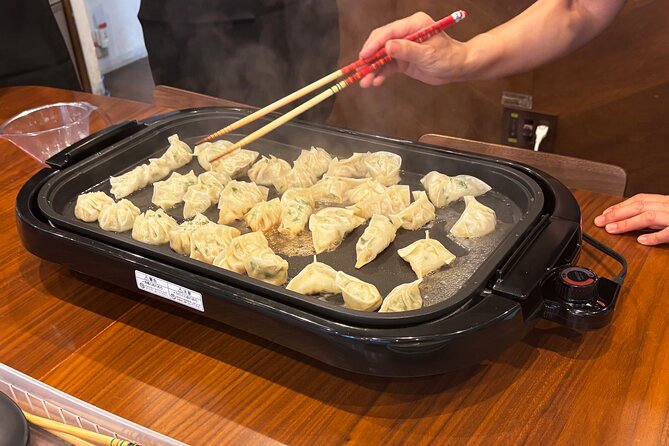
Then you move to cooking. You’ll pan-fry yaki-gyoza, which means the dumplings come out with that crisp bottom and a cooked top. This is a key difference from steamed dumplings: the pan-fry method makes technique count.
The class also helps you compare results between homemade and store-bought wrappers. You’ll feel the difference in texture and taste as the dumplings hit the heat and then land on your plate.
Soup, side dish, and sauce variety for eating the way you should
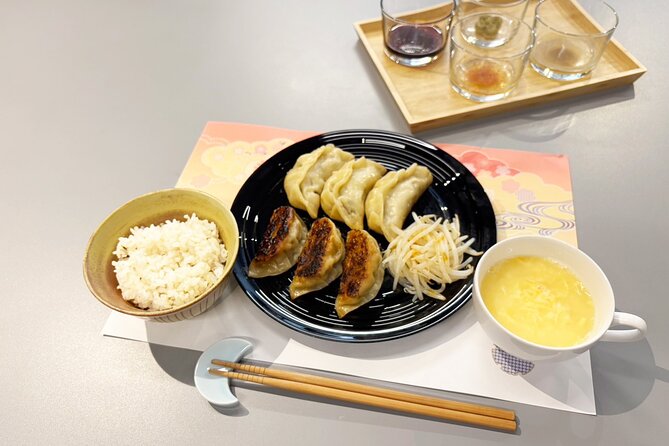
You don’t just cook and leave. You’ll also learn how to prepare soup and a side dish to go with your gyoza. Then you’ll eat your dumplings with several different dipping sauces.
Why that matters: gyoza can taste totally different depending on how you dip it. The sauces let you practice pairing—crisp dumpling, juicy filling, and the right balance of salt, tang, and richness.
Photos and an English recipe to take home
To help the class stick, you get an English recipe so you can recreate gyoza at home. You also receive digital photos later as a souvenir. Even if you’re not a big photographer, those pictures are useful—seeing your final folds and the pan-fry outcome helps you remember what the end result should look like.
Wrapper-making: the skill behind the difference you can taste
Making gyoza wrappers from scratch is the headline for a reason. Wrappers are the structure of the dumpling. They affect:
- thickness and chew
- how the dumpling seals during folding
- what happens when moisture hits the pan
In this class, you don’t just follow steps—you build wrappers and then compare them to store-bought. That comparison is where the learning clicks. Homemade dough can feel more elastic, and it can change the bite after pan-frying. Store-bought wrappers are consistent and convenient, but they can’t teach you what the dough should feel like when you handle it.
If you’ve ever tried to make gyoza at home and wondered why yours didn’t taste the same, this part helps you pinpoint where things change. You’ll understand the wrapper texture and why it matters before you ever touch the filling.
The juicy filling secret (and how to think about it)
The class explicitly focuses on the secret to making juicy gyoza filling. That phrase might sound dramatic, but the practical takeaway is simple: gyoza filling should be moist enough to feel tender, not dry, and it needs enough flavor to stand up to pan-frying.
You’ll learn how to prepare the filling using fresh ingredients, and you’ll get guidance while you work. If you choose chicken filling (by request at least 48 hours ahead), the same idea applies: adjust ingredients to keep the texture soft and satisfying.
Here’s the mindset you’ll want while cooking: you’re not just seasoning. You’re building a filling that holds together and stays pleasant to bite into after heat and pan time. If you’re someone who cooks “by feel,” you’ll appreciate that the class teaches you what to aim for rather than only giving measurements.
Folding and yaki-gyoza cooking: where most dumplings win or fail
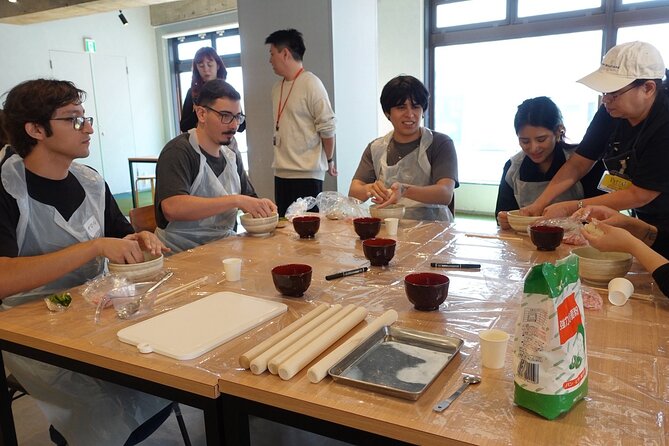
This is the part that separates good gyoza from disappointing ones. Folding affects sealing and shape. Pan-frying affects crispness, steam inside, and whether the dumpling stays intact.
You’ll learn folding techniques and practice until you can form pleats that look right and hold together. Then you cook pan-fried yaki-gyoza, which usually means you’re controlling heat and timing so the bottoms crisp without burning before the filling is cooked through.
The class also gives you a built-in learning tool: you’ll have dumplings made with both handmade and store-bought wrappers. That gives you immediate feedback. When something tastes better or the texture feels different, you’ll remember it as a direct cause-and-effect lesson, not a vague cooking mystery.
If you’re worried you might struggle with folding, don’t. The class is designed for learning, and the instructor is step-by-step with an English-speaking approach. The strong theme from the experience feedback is that the teaching style is patient and informative, which is exactly what you want when you’re working with dough.
Sauces, soup, and side dish: how you’ll actually eat what you made
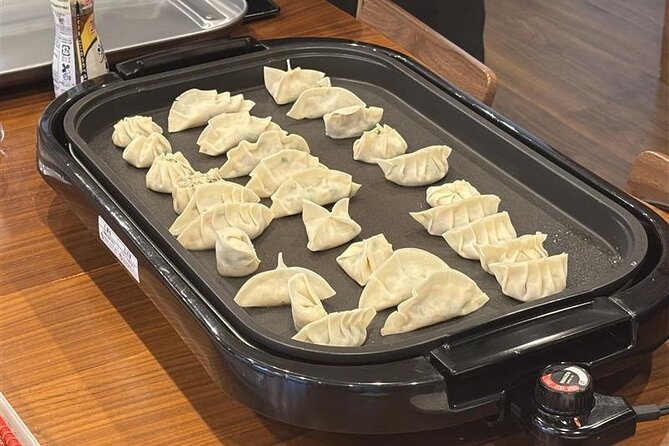
After cooking, you’ll prepare soup and a side dish and then enjoy your gyoza with multiple dipping sauces. This turns the class into a full meal rather than a “watch and snack” demo.
Think of it like this: gyoza is one of those foods where sauce matters. The dumpling brings the crunch and the juicy filling; the sauce brings balance. With several sauces available, you can test what you like best and learn the flavor combinations that work.
The soup and side dish also help you reset between bites. If you’re cooking with meat and pan-frying, you’ll appreciate having a lighter, complementary element on the plate.
Patia Kitchen studios: small group teaching in central Tokyo
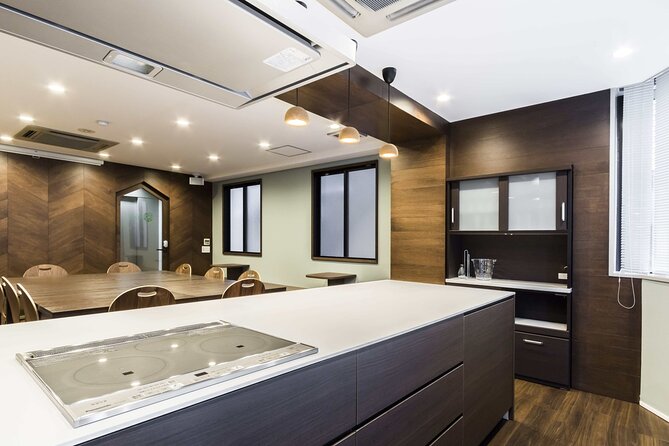
Your class runs in the Patia Kitchen studios in central Tokyo. The provider describes the kitchens as modern and stylish, with a comfortable setup for cooking. Practically, that means you’re in a workspace built for this kind of activity, not a cramped or improvised room.
Group size is capped at 12 travelers, which is a big deal for hands-on classes. When you can get attention quickly, you fix problems sooner—like wrapper tearing, uneven pleats, or pan timing.
One logistics note: the class doesn’t include hotel pickup or drop-off. That’s common, but it matters. You’ll want to arrive near the meeting point with enough time to settle in before the cooking starts. The good news is the studios are described as near public transportation, so you can use train/subway access to keep the night smooth.
Price and value: what you’re paying for at about $92
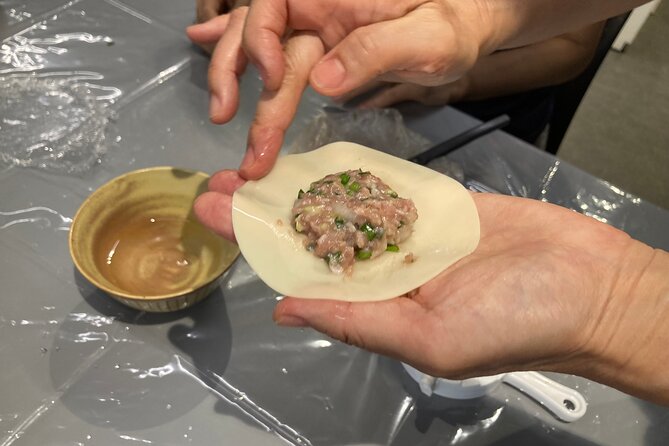
At $92.24 per person for roughly 1 hour 50 minutes, you’re paying for more than ingredients. You’re paying for:
- step-by-step instruction in English
- a small group size that supports questions
- the full gyoza process (wrappers, filling, folding, and yaki-gyoza)
- meal components (your gyoza plus soup and side dish)
- take-home tools (English recipe and digital photos)
This is the kind of class that can feel worth it because the “deliverable” isn’t just a finished plate. It’s the technique. You’ll leave knowing how wrapper thickness and folding affect results, and you’ll have a recipe to reproduce it.
Is it expensive compared with buying gyoza in a shop? Sure. But cooking classes are a different category: you’re buying time with an instructor and a guided path to a skill. If you like food craftsmanship and you want a Tokyo experience that goes beyond eating, this is priced in a reasonable range for what’s included.
Who this class is best for (and who might hesitate)
This class fits best if you:
- enjoy hands-on learning more than passive tours
- want to cook Japanese food you can repeat at home
- like the idea of comparing homemade vs store-bought wrappers
- want a small-group setting with steady guidance
You might hesitate if you:
- only want a quick, low-effort activity and prefer food you simply order
- dislike cooking dough or working with your hands for an hour-plus
- have very limited time in Tokyo and can’t fit the full session
Should you book the Gyoza Making from Scratch class?
I’d book it if you want a meal experience that teaches you something practical and repeatable. The pairing of wrappers from scratch, folding technique, and yaki-gyoza pan-frying gives you a complete workflow, and the added practice with store-bought wrappers makes the lesson concrete. Add the soup, side dish, and multiple dipping sauces, and it becomes a full, satisfying Tokyo dinner you helped create.
If you’re mainly hunting for a quick taste of Japan, you might be happier with a food crawl. But if you want to leave with skills, an English recipe, and a clearer understanding of why gyoza turns out the way it does, this is a strong choice.
FAQ
What will I make in this gyoza class?
You’ll make gyoza wrappers and filling from scratch, fold the dumplings, and cook pan-fried yaki-gyoza. You’ll also learn how to prepare soup and a side dish.
Do I make dumplings using both homemade and store-bought wrappers?
Yes. The class includes folding and cooking both handmade and store-bought wrappers so you can compare differences in taste and texture.
How long is the cooking class?
It runs for about 1 hour 50 minutes.
Can I request chicken instead of pork filling?
Yes. Chicken filling is available upon request if you let the provider know more than 48 hours in advance.
What do I get to take home after the class?
You’ll receive an English recipe to recreate gyoza at home, plus later-downloadable digital photos from the experience.
Is the class in English?
Yes, it’s led by a friendly English-speaking instructor who guides you step by step.
What’s included in the price?
Meals and the cooking experience are included, along with later-downloadable photographs.
How big are the groups?
The class has a maximum of 12 travelers.
Is there free cancellation?
Yes. You can cancel up to 24 hours in advance for a full refund.
If you want, tell me your travel dates and whether you prefer pork or chicken, and I’ll help you decide if the timing fits your Tokyo schedule.
More Tour Reviews in Tokyo



Fresh reviews from around Tokyo






Tokyo, compared.
 ★ 5.0Mt Fuji and Hakone 1-Day Bus Tour Return by Bullet TrainFrom $16326,383 reviews
 ★ 5.01-Day Tokyo Bus TourFrom $12914,250 reviews
 ★ 4.6teamLab Planets TOKYO Digital Art Museum Entry TicketFrom $259,779 reviews
 ★ 4.0Mt Fuji & Hakone Cruise, Drum Show Bullet Train 1 Day from TokyoFrom $1497,413 reviews
 ★ 5.0Shinjuku Food Tour (13 Dishes at 4 Local Eateries)From $866,603 reviews
 ★ 4.4Tokyo Mt Fuji 5th St & Hakone Cruise Bus Tour w/Bullet TrainFrom $1545,024 reviews
 ★ 5.0Flagship 2-Hours Official Street Go-Kart Tour – Tokyo Bay ShopFrom $644,974 reviews
 ★ 4.5From Tokyo: Mount Fuji Full-Day Sightseeing TripFrom $684,970 reviews