
Reviewed · TOKYO
Ginza, Tokyo: Sake Experience with traditional vessels
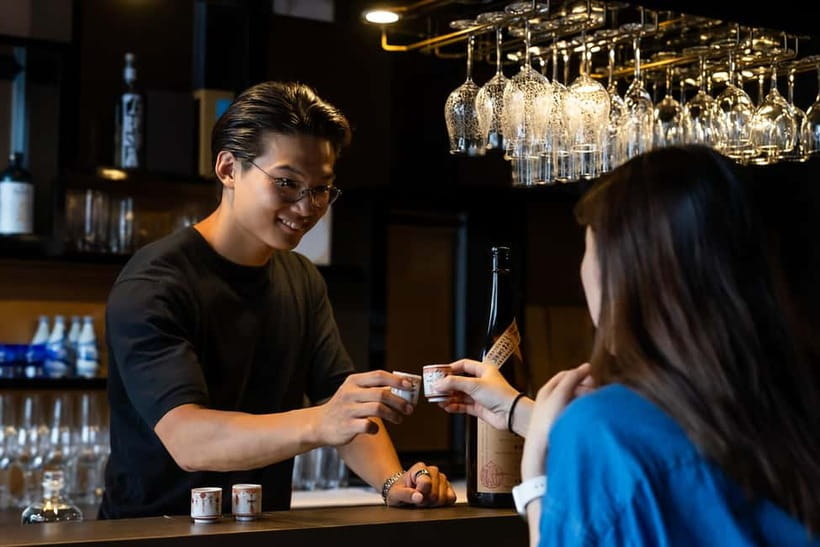
Sake in the right cup is a whole new thing. This Ginza experience is a guided 3-sake tasting at a bar with a view of Tokyo Bay, plus bilingual context on what you’re drinking and why it’s done that way. You’ll also get practical trip advice from the staff, which is a nice bonus when you’re trying to plan the rest of your Tokyo days.
What I like most: you get a structured first-timer tasting with exactly three sakes, so you’re not guessing what to try or when to stop. And I also really like the focus on the “how” of tasting: each sake is paired with the type of vessel that’s best for its character, from wine glasses to Kintsugi-style presentation.
One thing to consider: there’s no added food or extra drinks/snacks included. If you’re coming from a long day out, eat first, then treat this like your calm, guided palate session.
In This Review
- Key highlights to expect in Ginza
- Why Ginza and Tokyo Bay makes sake taste different
- Arriving at JIDAI: what the bar experience really feels like
- The three-sake plan: how the tasting is structured for first-timers
- Sake culture lessons that don’t feel like homework
- The vessel pairing: wine glasses, KINTSUGI, and 400-year-old Imari porcelain
- Time plan and pacing for a 1-day Tokyo stop
- Price and value: is $22 per person a fair deal?
- Who should book this (and who should skip it)
- Should you book JIDAI Ginza Sake Experience?
- FAQ
- What is included in the tasting?
- Is there food or extra drinks included?
- Where is the meeting point?
- How long is the experience?
- What language is used during the experience?
- Is it wheelchair accessible?
Key highlights to expect in Ginza
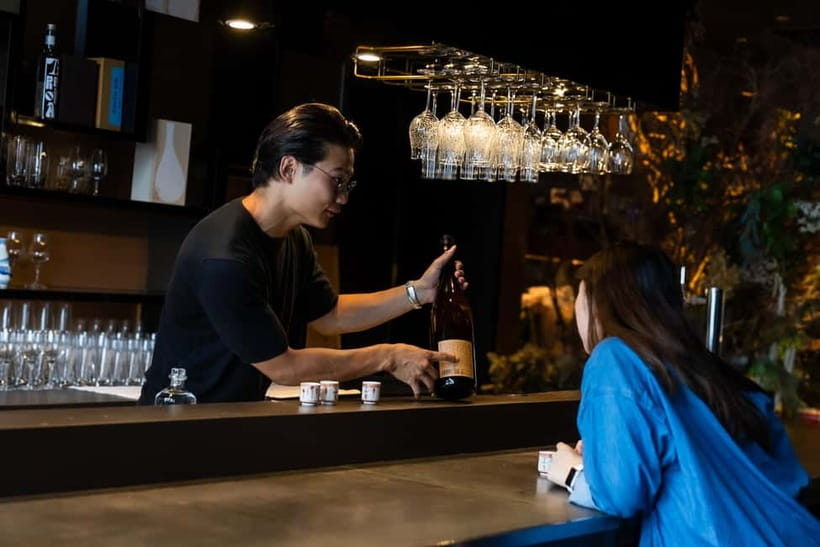
- Tokyo Bay views while you sip, not just another counter-and-catalog tasting
- Three sake types selected for a first-time experience
- Vessel pairing explained, including wine glasses and KINTSUGI with 400-year-old Imari porcelain
- Bilingual staff who connect what you taste to sake history and culture
- A small group size capped at 7 participants, so questions don’t vanish
- English support, with staff/instructor helping you follow along clearly
Before you commit, see how this one stacks up against a few Tokyo favourites:
- Mt Fuji and Hakone 1-Day Bus Tour Return by Bullet Train★ 5.0 · 26,383 reviews
- 1-Day Tokyo Bus Tour★ 5.0 · 14,250 reviews
- Tokyo: teamLab Planets TOKYO Digital Art Museum Entry Ticket★ 4.6 · 9,779 reviews
Why Ginza and Tokyo Bay makes sake taste different
Ginza is known for polish. Even so, this experience doesn’t feel like a stuffy showroom. It feels like a small, intentional lesson—set in a bar space with a Tokyo Bay view, so the whole mood stays light and modern while the subject stays traditional.
That setting matters. Sake is subtle. The difference between a good sip and a “wait, I get it now” sip often comes down to attention: smell, sip size, and how you’re tasting at that moment. Watching light reflect off the water while you taste makes it easier to slow down and pay attention. In a good tasting, you’re not rushed. You’re just… there, with a guide.
Also, the vessel theme is a smart way to start. If you just taste random pours, you miss the point. Here, you learn that sake isn’t one flavor in one glass. It’s a range of styles, and the serving vessel is part of the flavor story.
Arriving at JIDAI: what the bar experience really feels like
The meeting point is in Ginza, inside the JEWEL BOX GINZA building. You go up to the 11th floor, where the bar experience happens. The ground floor has Swarovski, which is a handy landmark when you’re trying not to overthink navigation in Ginza.
Once you’re there, the format is simple: you’re at a bar-style tasting space, with bilingual staff explaining things as you go. The group is small—up to 7 people—so you won’t feel like you’re watching from the back row.
This is also a good setup if you like direct help. English is supported, and the staff guide you through both practical tasting and the cultural background. From the experience setup, I’d expect you to ask follow-up questions, especially if you’re curious about why one sake gets a different vessel than another.
One practical note: because this is a tasting, don’t show up starving. Additional drinks and snacks aren’t included. If you need energy, have a proper meal before you come, then enjoy the tasting as the main event.
The three-sake plan: how the tasting is structured for first-timers
You’ll select three types of sake for tasting at JIDAI. The idea is to build a first-time understanding without turning it into a science lecture or a marathon.
Here’s what makes the structure feel “smart for your brain”:
- Three steps is enough variety. You can compare without losing track.
- Guided context reduces guessing. Instead of trying to identify styles on your own, you learn what to look for.
- Vessel pairing gives you a framework. You’re not just tasting sake; you’re tasting sake plus the serving style that’s meant to reveal its character.
The staff share history and culture while you taste. The key point is that sake is local and rooted in Japan’s regions. Japan has about 1,500 sake breweries, and each one is tied to its local character. Even if you only try three bottles, you’re learning that “sake” is a whole ecosystem, not a single product.
If you’re the type who likes to remember details later, take small notes while you sip. With three sakes, you can actually keep track: what you liked, what felt different, and what the vessel changed for you.
Sake culture lessons that don’t feel like homework
One of the best parts of this kind of tasting is when the story helps your senses—not when it buries you in facts. Here, the bilingual staff explain sake history and culture as you go, and the examples connect to what’s in front of you.
You’ll also hear about how sake sits inside Japanese culture, not just as an alcoholic drink. The experience is designed to help you understand why people care about the serving vessels as much as the sake itself. That sounds small, but it’s a big shift in how you’ll think about drinking in Japan.
You also get travel tips and recommendations from the staff. That’s more useful than it sounds. Ginza is convenient, but it can also make Tokyo feel “too easy.” A local suggestion for what to do next—neighborhoods, timing, or what to prioritize—can help you turn your days into something you’ll actually remember.
In past sessions, the hosts included people like Hiyori and Nana, and staff such as Rireka have been noted for being warm and helpful. Even if you don’t get the same person, the consistent theme is clear: staff explain things in a way that makes the tasting feel friendly, not intimidating.





The vessel pairing: wine glasses, KINTSUGI, and 400-year-old Imari porcelain
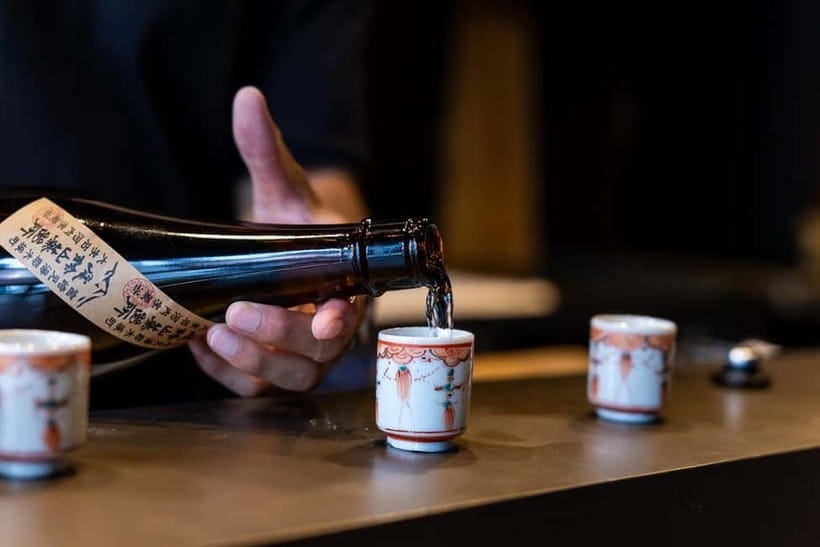
This is where the experience turns from “tasting” into something more memorable.
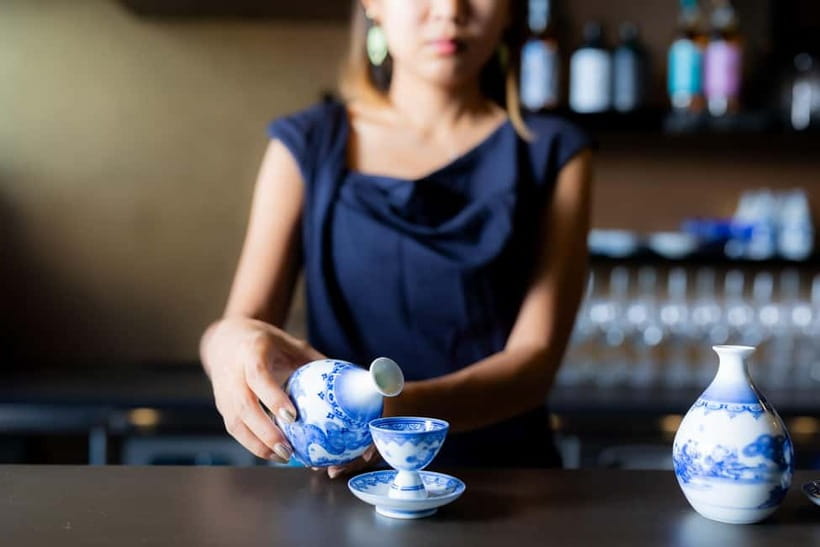
You’ll learn the best way to enjoy sake with the right vessel. Some sakes are best enjoyed in wine glasses—a clue that aroma and shape matter. A wine glass isn’t magic, but the bowl and taper can change how scent rises and how your sip lands in your mouth.
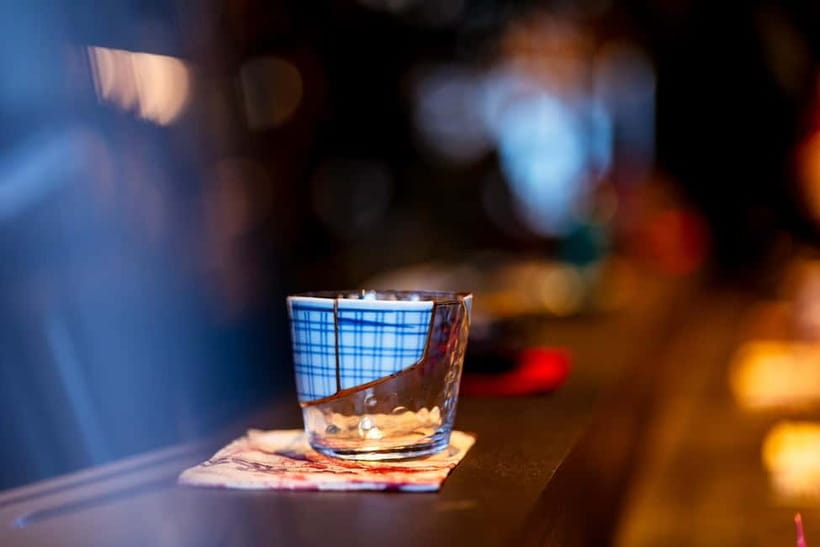
Then there’s the jaw-drop moment: KINTSUGI using 400-year-old Imari porcelain. Kintsugi is the art of repairing ceramics with gold-toned seams, turning cracks into part of the story. Pair that with sake, and you get a lesson in Japanese craft values: damage isn’t hidden; it’s integrated.
Why this matters for you as a traveler:
- You stop treating vessels like decoration.
- You start tasting with intention—thinking about how presentation shapes your perception.
- You get a tangible link between drink culture and craft culture in Japan.
Also, this is an experience that respects tradition without pretending it’s stuck in the past. Ginza is modern. Imari porcelain is old. Putting them together gives you that satisfying “time travel” feeling, minus the gimmicks.
Time plan and pacing for a 1-day Tokyo stop
This is listed as a 1-day experience, with available starting times depending on the date you choose. Because it’s a small-group tasting at a bar, you’re not looking at long transit chains or multiple pickups.
That makes it useful when:
- You already have plans in central Tokyo and want a focused cultural stop.
- You want one evening or one daytime window that doesn’t sprawl.
- You want a break from rushing—sake works best when you’re calm.
A good approach is to schedule it when you won’t be rushed after. You’ll be drinking sake, and the experience is meant to be paced. If your next plan is something intense—late-night travel, a long walk to a far station, or a second tour with lots of stairs—give yourself breathing room.
If you’re planning a day itinerary, treat this like a “settle in” activity in the middle or early evening. You’ll get Tokyo Bay views, a short guided lesson, and then you’ll head back to your hotel for the night.
Price and value: is $22 per person a fair deal?
At $22 per person, this is priced in the “worth it for a guided specialty hour” range rather than a “cheap and cheerful” range. The value comes from three things you’re not likely to get for free at a random Ginza bar:
1) Three sake tastings
You’re not buying one drink and hoping you learn something. You taste multiple types as part of a planned progression.
2) Vessel-focused instruction
The vessel pairing—wine glasses and Kintsugi presentation with Imari porcelain—turns it into more than a basic tasting flight. It’s a lesson you can carry with you for future sake experiences.
3) Bilingual cultural context plus travel tips
Staff explain history and culture, and you also get recommendations. That can save you time later, especially if you’re trying to decide what to do after Ginza.
One cost consideration: since additional glasses of sake and other drinks/snacks aren’t included, the price stays fixed. That can be good value if you’re happy with three pours. It can be limiting if you’re the type who wants to keep ordering.
If you like structured tasting experiences, you’ll likely feel this is good value. If you only want a casual drink without instruction, it might feel like you’re paying for guidance you don’t need.
Who should book this (and who should skip it)
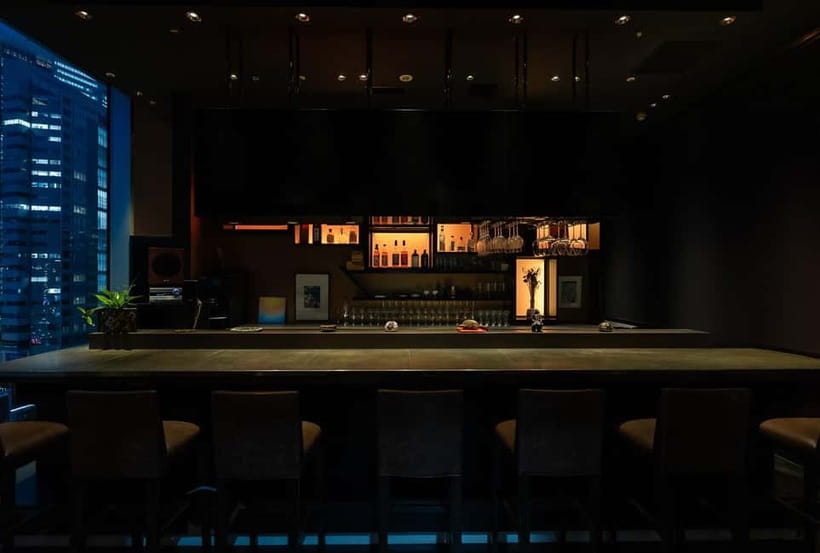
This one is best for travelers who enjoy a guided cultural moment and want a clear introduction to sake.
It’s a strong fit if you:
- Want a first-time sake experience without getting overwhelmed
- Like learning why traditional details matter (like vessel choice)
- Prefer small groups—this one caps at 7 participants
- Would enjoy Tokyo Bay views while you taste
- Want English instruction and bilingual explanations
It may not be a good fit if you have conditions listed as not suitable. The experience notes it isn’t suitable for things including pregnancy, claustrophobia, heart problems, vertigo, respiratory issues, epilepsy, diabetes, lactose intolerance, and people with pre-existing medical conditions or recent surgeries (plus restrictions for certain ages/weight). If any of those apply, it’s smart to avoid and choose a different activity.
Also, if you’re traveling with kids under the stated age limits, or you have mobility needs that require extra care beyond wheelchair accessibility, check suitability before you commit.
Should you book JIDAI Ginza Sake Experience?
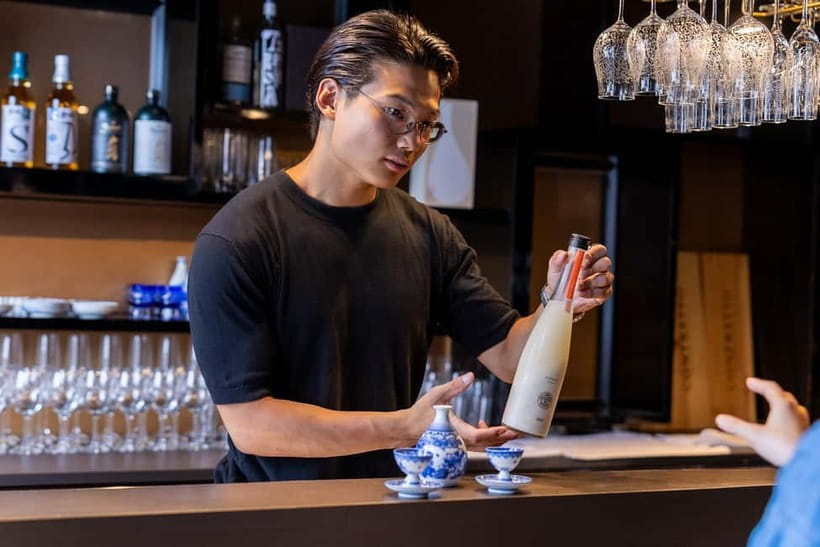
If you want a compact Tokyo activity that’s more than tasting—something tied to craft, culture, and a practical lesson—you should seriously consider booking. The combo of three sakes, vessel pairing, bilingual storytelling, and Tokyo Bay views makes it feel like a real experience, not just a stop for alcohol.
I’d especially recommend it if:
- You’re staying in or near central Tokyo and want a high-quality cultural evening
- You’re curious about Kintsugi and want it connected to something you can actually taste
- You want staff help for planning the rest of your trip
Skip it if you’re not interested in instruction, you’re expecting food/snacks, or you fall into the listed not-suitable categories.
FAQ
What is included in the tasting?
The experience includes a bilingual staff-led session, tasting of three types of sake, and vessel pairings for each sake (including wine glasses and KINTSUGI with 400-year-old Imari porcelain).
Is there food or extra drinks included?
No. Additional glasses of sake and any other drinks and snacks are not included.
Where is the meeting point?
You go to the 11th floor of the JEWEL BOX GINZA building, which has Swarovski on the 1st floor.
How long is the experience?
It’s listed as a 1-day experience, with the exact time depending on the available starting times for your selected date.
What language is used during the experience?
The instructor and support are in English, and the staff are bilingual.
Is it wheelchair accessible?
Yes, the experience is listed as wheelchair accessible.
More Tour Reviews in Tokyo



Fresh reviews from around Tokyo






Tokyo, compared.
 ★ 5.0Mt Fuji and Hakone 1-Day Bus Tour Return by Bullet TrainFrom $16326,383 reviews
 ★ 5.01-Day Tokyo Bus TourFrom $12914,250 reviews
 ★ 4.6teamLab Planets TOKYO Digital Art Museum Entry TicketFrom $259,779 reviews
 ★ 4.0Mt Fuji & Hakone Cruise, Drum Show Bullet Train 1 Day from TokyoFrom $1497,413 reviews
 ★ 5.0Shinjuku Food Tour (13 Dishes at 4 Local Eateries)From $866,603 reviews
 ★ 4.4Tokyo Mt Fuji 5th St & Hakone Cruise Bus Tour w/Bullet TrainFrom $1545,024 reviews
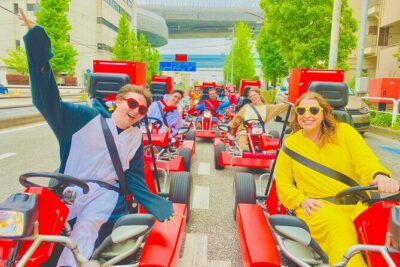 ★ 5.0Flagship 2-Hours Official Street Go-Kart Tour – Tokyo Bay ShopFrom $644,974 reviews
 ★ 4.5From Tokyo: Mount Fuji Full-Day Sightseeing TripFrom $684,970 reviews